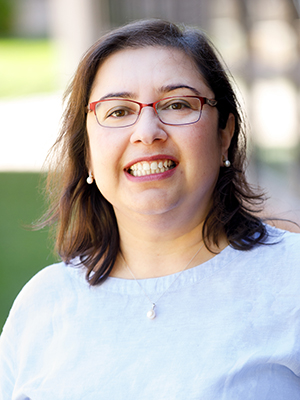
Dr. Eylem Asmatulu is an Associate Professor in the Department of Mechanical Engineering at Wichita State University (WSU), part of the College of Engineering. She joined WSU as an educator in 2015, became an Assistant Professor in 2017, and was promoted to her current rank in 2023. Previously, she worked in Environmental Health and Safety at WSU. She currently advises three PhD, three MS, and two BS students, having graduated 13 students since 2015. Her research focuses on recycling and reuse of materials, composite materials engineering, nanotechnology safety, and sustainable manufacturing. She has secured over $1.7 million in grants, published 131+ articles (h-index 26), and contributed to fields like thermal energy storage, biomedical nanomaterials, and aerospace material science. Her work emphasizes interdisciplinary approaches, combining machine learning for material property prediction and addressing safety concerns in nanotechnology across industries. Key projects include flame-retardant composites, biogas production optimization, and superhydrophobic nanofiber applications for water treatment. She actively promotes sustainability through recycling innovation and lean manufacturing practices in aerospace. Dr. Asmatulu’s research has been cited over 2,870 times. Her contributions span academia and industry, with a focus on translating innovations into practical solutions for environmental and industrial challenges.
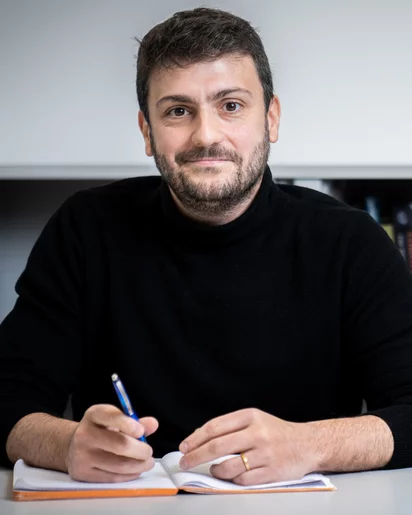
Dr. Peter Stasinopoulos is a Senior Lecturer in the School of Engineering at RMIT University, Australia. His research focuses on Intelligent Transport Systems, Cybersecurity of Automated Vehicles, and Sustainable Supply Chain Management. He is a member of RMIT's Intelligent Transport Systems research group and a research fellow at The Natural Edge Project. Research Interests: Civil Engineering, Materials Engineering, Automotive Engineering, Transportation Logistics, and System Dynamics. His work spans cybersecurity challenges in automated vehicles, cold supply chain optimization for food waste reduction, and policy frameworks for emerging technologies. Recent Articles: Dr. Stasinopoulos's recent publications emphasize cybersecurity of connected vehicles, automated vehicle adoption models, and biomass supply chain resilience. Key themes include cross-country cyber-risk analysis, public acceptance of autonomous systems, and metaheuristic optimization techniques. Advising & Grants: Supervises research projects on automated vehicles, food waste reduction, and sustainable logistics. Collaborates with industry partners on cybersecurity readiness and cold chain logistics innovations. Laboratories & Teams: Active in RMIT's Intelligent Transport Systems group, contributing to interdisciplinary projects on urban mobility and frontier technologies in humanitarian contexts.
Dr. Timothy Fraser is a Computational Social Scientist serving as Ezra Systems Research Associate in Cornell University's Systems Engineering Program and Coordinator for the Center for Transportation, Environment, & Community Health (CTECH). Holding a PhD in Political Science from Northeastern University (2022), he focuses on climate change adaptation, disaster resilience, and energy policy using big data analytics, GIS, and AI. His work bridges computational methods with societal challenges, emphasizing community engagement and policy impact. Education: PhD in Political Science, Northeastern University (2022) MA in Political Science, Northeastern University BA in International and Global Studies, Middlebury College Research Interests: Fraser’s research integrates computational social science with environmental policy, exploring how social networks and governance structures influence cities' climate adaptation strategies. Key areas include renewable energy adoption, disaster evacuation dynamics, and pandemic response mechanisms. He employs mixed methods such as network analysis, statistical modeling, and fieldwork. Grants & Awards: Fulbright Fellowship (2016), Kyushu University Japan Foundation Doctoral Fellowship (2020) USDOT Multimillion Grant Administrator (2022-2023) Teaching & Mentorship: Fraser teaches statistical methods and research design at Cornell, advising over 30+ students in projects published in leading journals. He coordinates capstone teams and mentors researchers in data science and policy analysis. Labs & Projects: Leads the Climate Action in Transportation dashboard initiative (Gao Labs), developing tools for emissions visualization. Collaborates on UNDP social capital mapping projects in Mexico and Paraguay, applying spatial analysis techniques for vulnerable communities.
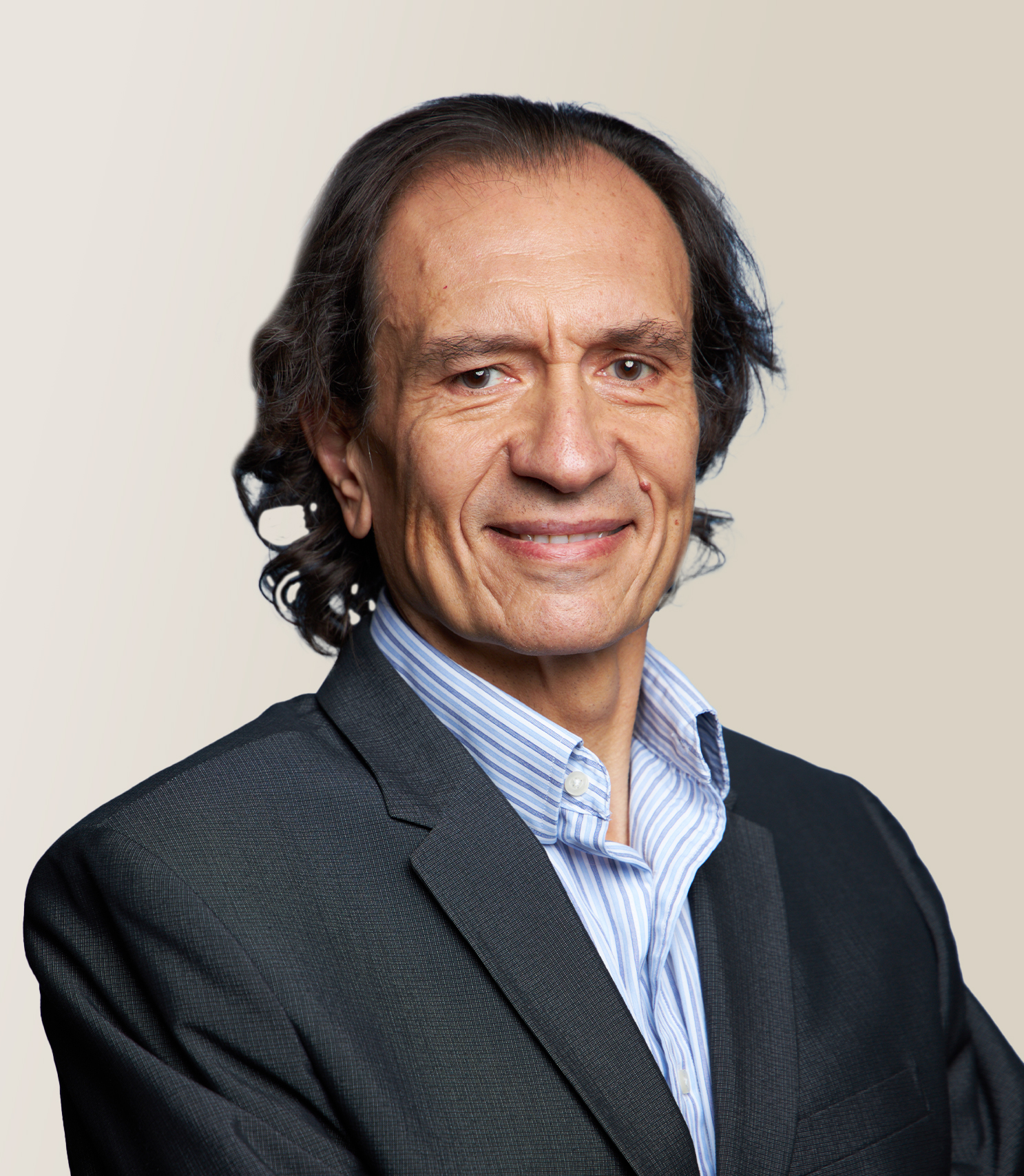
Dr. Imad El Haddad serves as Group Head of the Molecular Cluster and Particle Processes group at the Laboratory of Atmospheric Chemistry (LAC), part of the Center for Energy and Environmental Sciences at Paul Scherrer Institute (PSI), Switzerland, since 2018. Previously, he held positions as Tenured Scientist and Deputy Head (2018-2019), Senior Scientist in the Smog Chamber group (2015-2018), and Postdoctoral Fellow (2011-2015) at PSI. His research aims to quantify how anthropogenic emissions alter atmospheric pollutant composition and impact Earth's climate and public health through molecular-level analysis using advanced mass spectrometry techniques. His academic background includes: Ph.D. in Atmospheric Chemistry, University of Provence, Marseille (2007-2011) Master's in Environmental Sciences (with distinction, rank 1/9), University of Provence (2006-2007) Master's in General Chemistry (with distinction, rank 1/10), Saint-Joseph University of Beirut (2005-2006) Bachelor of Science in Chemistry (with distinction, rank 1/14), Saint-Joseph University of Beirut (2002-2005) El Haddad's work centers on molecular fingerprinting of atmospheric aerosols , utilizing mass spectrometry (GC/MS, HPLC/APCI-MS2, HPLC/ESI-MS2) to identify primary and secondary molecular markers. He conducts smog chamber experiments to characterize emissions from wood burning, traffic, and cooking processes, determining secondary organic aerosol potential and oxidation state evolution. His group also studies in-cloud aqueous-phase aging and collaborates with global modelers to link aerosol composition to climate forcing and health outcomes like oxidative stress. Recent publications (2025-2024) reveal three dominant trends: (1) rigorous molecular-scale analysis of secondary aerosol formation under varying humidity/temperature, (2) source apportionment breakthroughs in diverse regions (India, Europe, Arctic) using 14C and AMS data, and (3) quantification of health-relevant aerosol properties such as oxidative potential through DTT assays. High-resolution mass spectrometry is a consistent methodological thread across these studies. His scientific awards include: MENRT research fellowship from French ministry of research (2007-2010) Excellence Scholarship (top 1% student, University of Saint Joseph, 2005) Distinction Prize (best student, University of Saint Joseph, 2005) As Group Head, El Haddad oversees the Molecular Cluster and Particle Processes group's research direction and mentorship of junior scientists. While specific grant details are absent from the text, his leadership in multi-institutional publications (e.g., CERN CLOUD, iCUPE) implies active grant management and international collaboration. The group's work bridges laboratory simulations, field deployments, and health/climate modeling to address air pollution complexities. The Molecular Cluster and Particle Processes group develops cutting-edge online/offline mass spectrometers for 1 Hz-resolution atmospheric analysis. They deploy instruments in laboratory smog chamber experiments and global field studies, focusing on molecular marker identification, emission source characterization, and aging process quantification. Collaborations with biochemists and climate modelers extend their impact beyond pure aerosol physics into health risk assessment and policy-relevant climate science.
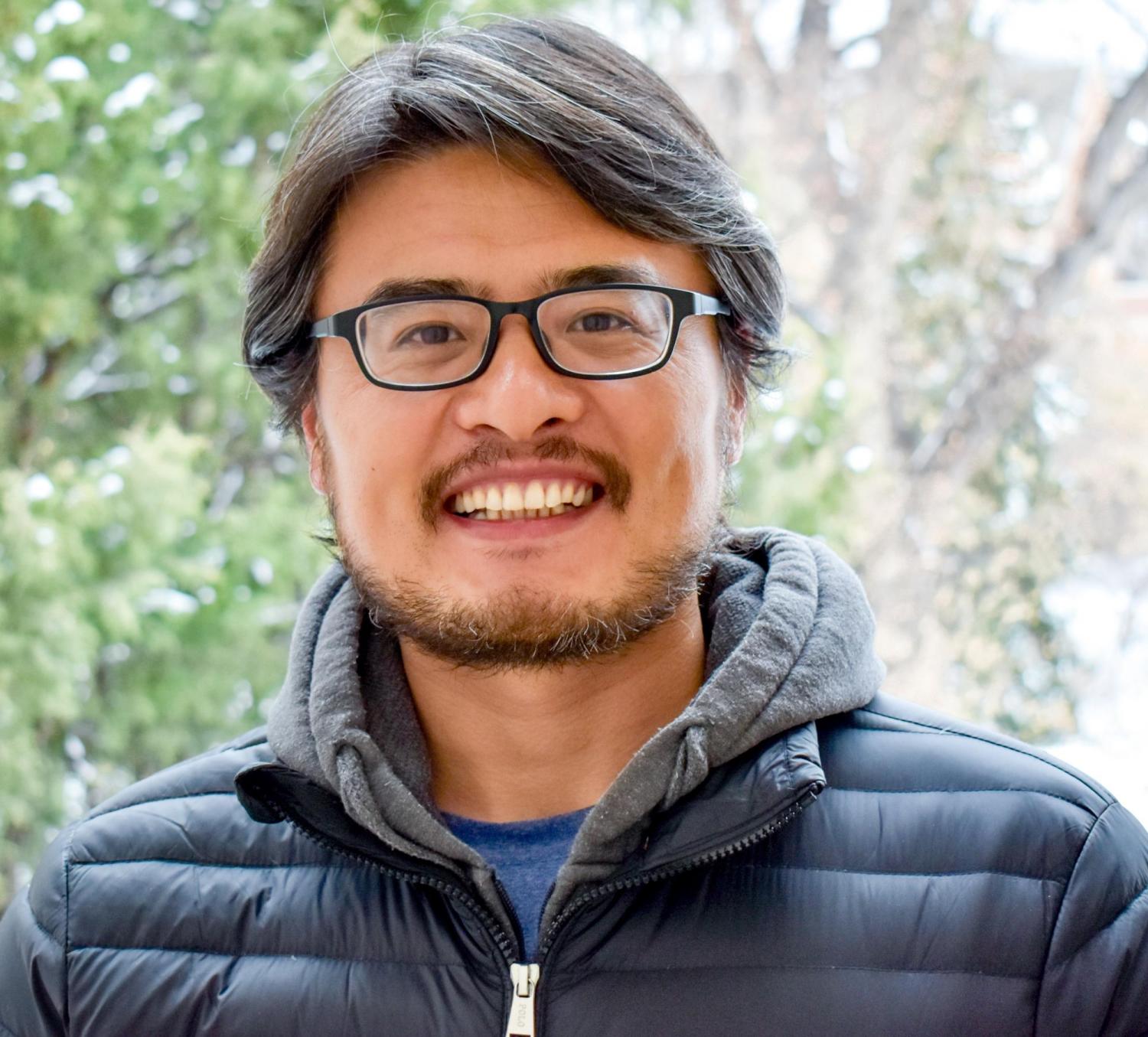
Guofeng Cao is an Associate Professor in the Department of Geography at the University of Colorado . His research integrates GIScience , GeoAI , geostatistics , and remote sensing to develop advanced methodologies for analyzing heterogeneous geospatial data and modeling complex spatiotemporal patterns. Focus areas: Uncertainty-aware geographic knowledge discovery, land cover/land use dynamics, spatiotemporal bias analysis, geospatial cyberinfrastructure development Applications: Natural hazards, environmental science, public health, global change studies Recent publications emphasize generative adversarial networks for climate downscaling, neural processes for uncertainty modeling, and fusion transformers for disaster assessment. His work combines deep learning with Bayesian inference to address scalability challenges in geospatial data processing. Scientific Recognition : NASA and USDA grants for spatiotemporal research Advising : Mentoring graduate students in geospatial data science Laboratory : Leads the STAR lab (Spatiotemporal Pattern Analysis & Research)
Mohd Ahmad Syed is a Senior Lecturer in Geotechnical Engineering at the University of Manchester's Department of Civil Engineering and Management. His research focuses on climate change impacts on geotechnical infrastructure, resilient and sustainable infrastructure design, and earthquake engineering. He holds a PhD from the Indian Institute of Technology Bombay and has industry experience with firms like Consulting Engineering Services (I) Pvt. Ltd and Dar Al-Handasah Consultants. Education: BTech (Hons) in Civil Engineering, Indian Institute of Technology Kanpur (2001) MTech in Geotechnical Engineering, Indian Institute of Technology Kanpur (2003) PhD in Seismic Analyses of Waterfront Structures, Indian Institute of Technology Bombay (2009) Research Interests: Climate change modelling for geotechnical infrastructure resilience Development of sustainable construction materials (e.g., bagasse ash) Seismic risk analysis for dams and tunnels in West Africa Artificial soil weathering techniques for laboratory testing Coupled numerical methods for embankment stability under climate scenarios Editorial Activities: Assistant Editor, International Journal of Geomechanics (ASCE) Assistant Editor, Indian Geotechnical Journal (Springer) Key Achievements: Developed first-of-its-kind displacement-based S-curve for seismic earth pressure analysis Co-developed methodologies for post-liquefaction pile behavior and blast-loaded tunnels Guided 10 PhD/MSc students in geotechnical resilience and sustainability topics
Suzanne Estaphan is a Senior Lecturer in Medical Science (Physiology and Clinical Pharmacology) at the Australian National University (ANU) School of Medicine and Psychology . She holds qualifications including a Doctorate of Physiology (2015) , MSc in Physiology (2012) , MBBCh (2005) , and Basic Certificate in Medical Education (2018) . Her academic roles span curriculum development, admissions, and assessment committees in the ANU Medical School. Senior Lecturer, ANU (2023–present) Academic Editor, PLOS ONE (2024–present) Review Editor, Frontiers in Physiology (2023–present) Dr. Estaphan's research bridges oxidative stress and inflammation in disease pathology with medical education innovation . Her work explores antioxidant interventions for organ damage and investigates AI/virtual reality applications in education. Recent projects include studying sleep dysfunction in eating disorders and diabetes medication effects on exercise capacity . Between 2023–2025, her 15 most recent publications span oxidative stress , medical education , and molecular pathophysiology . Themes include homeostasis , clinical reasoning , and metabolic disorders , with subfields like MMP-9 biology , pancreatic injury , and VR-based hypoxia training . Scientific accolades include the American Physiological Society Travel Award (2017) and recognition as Senior Fellow of the Higher Education Academy (2023) . She mentors medical students, contributes to national physiology curriculum consensus projects, and has secured approximately $200,000 in research funding .
Fernando Zapatero is the Richard D. Cohen Professor in Finance at the Questrom School of Business , Boston University. His office is located in the Rafik B. Hariri Building at 595 Commonwealth Avenue, Boston, MA 02215. Email: fzapa@bu.edu His research focuses on asset pricing , risk aversion , and investment behavior , with recent work exploring the economic foundations of demand for skewness , climate finance , and technological transitions . He has extensively studied the effects of heterogeneous investment horizons and convex incentives on financial markets. Selected Research Themes: Asset Pricing Implications of Behavioral Biases Climate Finance and Technological Innovation Dynamic Portfolio Allocation Options Market Anomalies Government Grants in Deep Tech Commercialization
Prof. Dr.-Ing. Arne Pietsch is a faculty member at the Technical University of Luebeck in the Department of Mechanical Engineering and Economics . His expertise centers on apparatus and plant engineering for the food industry , with a focus on hygienic apparatus engineering and high-pressure technology . Specializations: Food process engineering, supercritical fluid applications, and industrial plant design Current role: Founding Officer in the department His research spans supercritical CO2 processes , including decaffeination, turbine cleaning, and polymer impregnation. He integrates high-pressure systems into engineering education and explores viscosity dynamics in food processing. Key publication trends (2012–2019) highlight work in: Supercritical fluid extraction and impregnation High-pressure equipment safety and design Gas-assisted oilseed pressing Coffee processing quality control
Ashley J Thomas is an Assistant Professor at Harvard University, specializing in infant and child social cognition. Her research explores how young humans develop naive sociology, focusing on social hierarchy, intimacy perception, and moral judgments of parenting decisions. Education: PhD in Psychology (2018), MA in Psychology (2015) from UC Irvine, BA in Architecture (2008) from UC Berkeley. Her work reveals infants use caregiver interactions to evaluate social partners and demonstrates that saliva sharing serves as a key cue for relationship recognition. She examines how implicit theories of intelligence correlate with brain plasticity beliefs, showing that malleable intelligence theories align with environmental influence acceptance. Scientific awards include the NIH National Research Service Award and multiple fellowships. She has organized symposia on social cognition at the Cognitive Development Society and Society for Research on Child Development conferences.
Jana Kesenheimer, PhD is a researcher at the Department of Social Psychology , University of Innsbruck . Her work bridges social psychology and environmental psychology , focusing on the interplay between personality traits, prosocial behavior, and psychological well-being. She employs intensive longitudinal methods (diary studies, experience sampling) to investigate how environmental actions, remote work, and ultra-endurance sports affect individuals differently based on their psychological profiles. Research Highlights Connecting dark personality traits (e.g., narcissism) with pro-environmental behavior fatigue Analyzing fluid retention and cardiac strain in ultra-distance cyclists Studying remote work's impact on mental health through basic psychological needs Scientific Focus : Her publications reveal a trajectory in behavioral ecology , health psychology , and personality-driven motivation . Key subfields include exercise psychology , pandemic-induced value shifts , and moral self-regulation in ecological contexts.
Alexis H. Kunz serves as Professor of Financial Accounting and Director of the Institute for Corporate Accounting and Controlling at the University of Bern since 2011, with prior academic appointments at HEC Lausanne, University of Lausanne, and University of Friborg spanning over two decades in accounting research and leadership. Education: Habilitation, University of Friborg (2002-2004) Visiting Researcher, UCLA (2003) PhD (Dr. oec. publ.), University of Zurich (1995-2000) Master in Business Administration, University of Zurich (1989-1994) Military Service (1988) College Education, Gymnasium Zürcher Unterland (1981-1987) His research centers on Earnings Management, Financial Reporting Systems, Incentive Structures, and Corporate Governance, examining how accounting information systems influence organizational decision-making and executive behavior. Work integrates economic theory with empirical analysis of real-world corporate practices. Publication analysis reveals consistent focus on incentive design, financial disclosure quality, and governance mechanisms across 12 major works from 1999-2020. Key themes include structured product risk assessment, performance metric validity (EVA/ERIC), and behavioral impacts of compensation systems, primarily published in The Accounting Review and European Accounting Review. Scientific Awards No specific awards or fellowships were documented in the source material. Research leadership includes SNF-funded UCLA Visiting Scholarship and grants for IFRS 15 implementation, Swiss GAAP/FER reporting systems, and Say on Pay analysis. Third-party projects cover CEO evaluation frameworks, cost accounting concepts, and performance measurement system development. He directs the Financial Accounting Section within the Institute for Corporate Accounting and Controlling, overseeing research initiatives in financial reporting standards and incentive system design while serving as primary institutional contact for accounting research.
Sakari Kuikka is a Professor at the University of Helsinki, affiliated with the Faculty of Biological and Environmental Sciences and the Ecosystems and Environment Research Programme. He is a core member of the Helsinki Institute of Sustainability Science (HELSUS) and leads the Fisheries and Environmental Management Group. His contact details include the email sakari.kuikka@helsinki.fi and the address P.O. Box 65 (Viikinkaari 1), 00014 University of Helsinki, Finland. His research focuses on environmental sciences , particularly fisheries management , marine policy , and Bayesian risk assessment . He has pioneered the use of Bayesian networks in environmental decision-making, including oil spill risk management and seabed mining impact assessments. His work bridges ecological modeling and policy analysis , with applications to high-latitude ecosystems and sustainability governance. Recent publications highlight his expertise in toxicology data standardization for oil spill impacts on fish, economic integration in fisheries science , and Arctic shipping safety . He actively supervises doctoral students in Wildlife Biology and Interdisciplinary Environmental Sciences. Current projects (2023–2027) include WATERWAYS (marine sustainability) and GYROSCOPE (digital marine logistics).
Feng (Jack) Jiang is an Associate Professor of Finance at the Department of Finance, School of Management, University at Buffalo (SUNY). He holds a PhD and MS from the University of Iowa, and a BS from Fudan University, China. His research focuses on behavioral finance, corporate finance, and household finance, with emphasis on executive compensation, mergers & acquisitions, corporate governance, and network economics. He has published widely in top journals like the Journal of Financial Economics, Review of Financial Studies, and Journal of Financial and Quantitative Analysis. His work explores topics such as racial disparities in financial complaints, local IPO impacts on household investments, and the role of directors' personal experiences in corporate environmental policies. He serves on the editorial boards of several finance journals and is a member of the American Finance Association and Western Finance Association. Dr. Jiang's research often bridges theoretical frameworks with real-world applications, such as analyzing how corporate social attitudes mitigate racial financial disparities and how disaster risk affects loan pricing. His recent studies investigate the interplay between managerial behavior, firm information environments, and market dynamics. He collaborates frequently with institutions like the Consumer Financial Protection Bureau (CFPB) to study regulatory impacts on consumer behaviors. He teaches courses in investment management and corporate finance, integrating cutting-edge research into pedagogy. His work has been cited in prominent media outlets for its insights into corporate governance and environmental finance.
Amy Sato is a Professor in the Department of Psychological Sciences at Kent State University , where she directs the Pediatric Health & Stress Laboratory . Her research focuses on child and adolescent obesity, eating behaviors, and pediatric weight management interventions, emphasizing family influences, stress responses, and food insecurity in at-risk populations. She collaborates with Akron Children’s Hospital on clinical studies and has received funding from the National Institutes of Health (NIH) . Education: Ph.D. in Psychology from the University of Wisconsin-Milwaukee (2009) Research Interests include: Biobehavioral responses to stress in obesity pathways Family dynamics in pediatric weight management Food insecurity among low-income youth Development of novel behavioral interventions Immigration and acculturation factors in child health Technology applications in health behavior monitoring Recent publications highlight interdisciplinary approaches to stress-obesity linkages, family-based interventions, and health disparities. She mentors graduate students in clinical and health psychology, with a focus on translational research. Her work has been recognized with the Paper of the Year award from Stress and Health (2014).