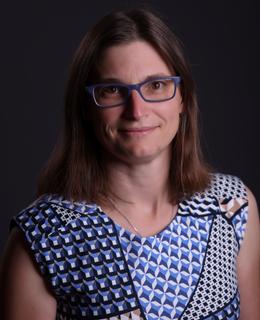
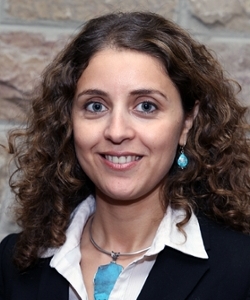
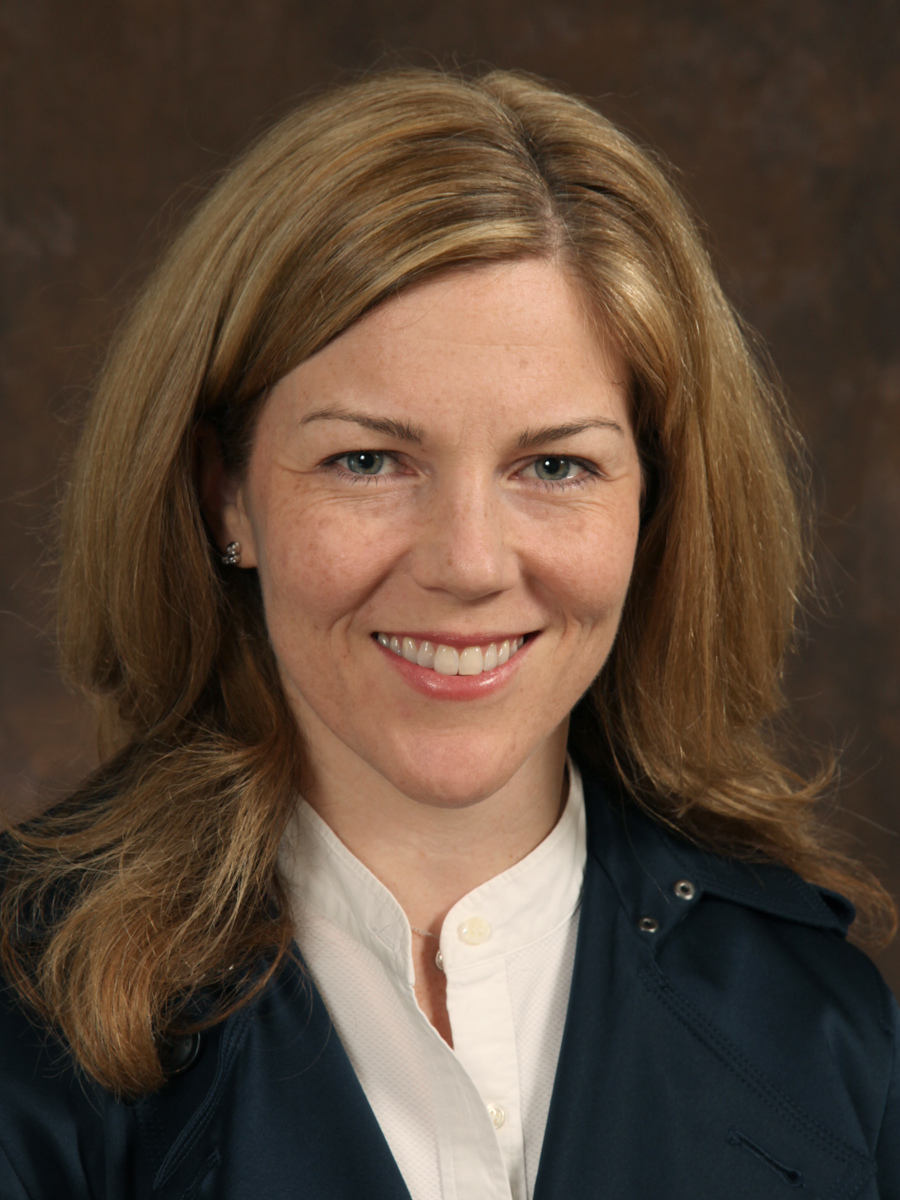
Amber Moore is Assistant Professor of Teaching in Library, Literacy, and Teacher Education at the University of British Columbia's Faculty of Education. Her research examines adolescent literacies, feminist pedagogies, and representations of sexual violence in young adult literature and popular culture. Moore investigates how trauma literature, particularly sexual assault narratives, is taught in English education and teacher preparation programs. Her scholarship employs arts-based methodologies including poetic inquiry to explore teacher candidates' responses to difficult content and fanfiction as a form of critical engagement. Research emphases include rape culture in educational contexts, feminist media analysis of Riverdale and Hallmark narratives, and pedagogical approaches to trauma literature. Recent publications explore allyship in fanfiction communities, epistolary education, and affective responses to YA sexual assault narratives.
Dr. Hannah Chestnutt is a Faculty Lecturer and Program Director for Bachelor of Education Programs at McGill University's Department of Integrated Studies in Education (DISE) since 2019. She holds a PhD in Education from the University of Glasgow (2018), alongside degrees in Physics/Mathematics (Trent University) and Education (Queen's University). Her research focuses on social network analysis in education systems, sustainability in higher education, and equity-oriented collaborative practices. Education Background: PhD, Education – University of Glasgow (2018) MEd, Education – University of Glasgow (2012) BEd, Concurrent Education – Queen's University (Canada) BSc, Physics & Mathematics – Trent University (Canada) Her work investigates how social structures and networks influence educational reform and equity, particularly for minoritized students in STEM fields. Recent projects include mapping sustainability initiatives at McGill and analyzing leadership dynamics in Quebec schools using network analysis. She has presented at venues like the Canadian Society for the Study of Education and published in journals such as International Journal of Sustainability in Higher Education and The Physics Teacher . Awards: Educational PhD Research Scholarship (2014–16) Principal’s Early Career Mobility Fund (2016) William Boyd Award (2012) – Most distinguished MEd graduate Grants/Advising: Her research has been supported through competitive grants from the University of Glasgow. She advises on educational equity and sustainability initiatives, leveraging collaborative networks to drive systemic change in educational institutions. Labs/Teams: Active in McGill’s Sustainability Transformation initiatives and collaborates with Scotland’s Education Scotland on school improvement partnerships.
Dr. Jessica Ruglis is an Associate Professor in the Department of Educational and Counselling Psychology (ECP) at McGill University's Faculty of Education. Her work focuses on participatory research methodologies, social determinants of health, and youth development. She holds interdisciplinary expertise in public education, public health, and social policy, with a commitment to equity and social justice frameworks. Dr. Ruglis earned her Ph.D. in Urban Education (CUNY, 2009), MPH in Community Health (Hunter College, 2009), MAT in Science Education (Union College, 2002), and B.S. in Human Biology (SUNY Albany, 2000). She completed a W.K. Kellogg Health Scholars Postdoctoral Fellowship (Johns Hopkins, 2009-2011). Her research revolves around three axes: 1) Institutions shaping youth development, 2) Social determinants of health/education, and 3) Participatory research methods. Key themes include school disengagement, community-based interventions, and policy advocacy. She has published extensively on topics like PAR methodologies, youth voice, and health equity. Recent work explores art as a practice in health research and policy. Her articles analyze youth resistance (2020), Montreal disengagement (2017), and school health reforms (2010). She serves on editorial boards and non-profit boards like Chalet Kent and Uptown Institute. Dr. Ruglis supervises graduate students in M.Ed. programs and has advised on over 20 research projects. She emphasizes interdisciplinary training, particularly in cohort models for healthy adolescent development.
Dr. Peter Arcese is the FRBC Chair of Applied Conservation Biology and co-Director of the Centre for Applied Conservation Research in the Faculty of Forestry at the University of British Columbia. His research focuses on ecology and evolution of small populations, conservation biology, and human impacts on ecosystems. He has led long-term studies on song sparrows and other species, emphasizing population genetics, inbreeding effects, and invasive species management. With over 100 publications and 28 graduate students, his work bridges theoretical and applied conservation, addressing biodiversity loss and reserve design. Education: PhD in Zoology (UBC), postdoctoral work in Tanzania. Awards include NSF Young Investigator Award and Fellowship in the American Ornithologists Union. Active in global conservation initiatives, including Andean bear conservation and Garry Oak ecosystem restoration. His lab develops tools like the prioritizr R package for conservation prioritization. Key contributions include documenting human-driven ecosystem changes, designing nature reserves, and guiding policy through empirical research. Collaborations span institutions like The Nature Trust of BC and international conservation groups. Current projects address climate adaptation, genetic rescue in small populations, and urban biodiversity challenges.
Dr. Mohamed Ibrahim is an Assistant Professor at the University of British Columbia's School of Social Work (Faculty of Arts) and a Michael Smith Health Research BC Scholar. He holds affiliations with Vancouver Coastal Health Research Institute, the World Health Organization Somalia Office, and the British Columbia Centre on Substance Use. His research focuses on global mental health, addiction, and peacebuilding in conflict-affected regions, particularly East Africa. Dr. Ibrahim has over 20 years of clinical experience in Kenya, Somalia, and North America. Education includes a PhD from Simon Fraser University, a Global Mental Health Certificate from Harvard University, and an RN from Kenya Medical Training College. He teaches courses like Global Mental Health (SOWK 440J/571) and addiction-focused social work practice. His grants include a $450,000 Michael Smith Scholarship for strengthening mental health in the Horn of Africa and a CIHR Project Grant ($420,572) for Somalia mental health workforce training. Awards include the 2024–2029 Michael Smith Health Research BC Scholar designation. Research emphasizes decolonizing mental health practices, human rights in healthcare, and culturally responsive interventions. He leads projects on mental health task-shifting in LMICs, refugee health, and spiritual healing in Muslim communities. Collaborations include the Somali National University as a Visiting Professor.
Dr. Ahmad Abdel Latif is an Assistant Professor in the Department of Electrical and Software Engineering at the University of Calgary. Previously, he served as a postdoctoral researcher at DASLab, Concordia University, and earned his Ph.D. in Software Engineering from Concordia under Dr. Emad Shihab. His master’s degree was obtained from King Fahd University of Petroleum and Minerals (KFUPM). His research focuses on software engineering advancements in artificial intelligence, including chatbots, software quality, and mining software repositories. Notable projects include analyzing dependency ecosystems (e.g., NPM, Maven) for security risks, developing AI-driven chatbots for code repositories, and exploring machine learning model management challenges. He also investigates ethical implications of AI-generated code and open-source collaboration dynamics. Dr. Latif teaches ENSF 381: Full Stack Web Development and actively publishes on topics such as vulnerability mitigation, LLM-based chatbots, and software bot detection. His work bridges technical innovation with practical applications in cybersecurity, open-source ecosystems, and AI integration.
Dr. Deanna Williamson is an Associate Professor in the Department of Human Ecology at the University of Alberta, within the Faculty of Agricultural, Life and Environmental Sciences. Her research focuses on family well-being, particularly examining how social, economic, and political conditions influence family functioning in diverse populations. She leads a critical ethnographic project exploring family processes among families with young children facing socioeconomic challenges and ethno-cultural diversity. Williamson has secured significant grants, including a SSHRC grant (2013–2018) totaling $489,000 and a Teaching Enhancement Fund grant for field supervisor engagement in practicum programs. Her work critiques welfare-to-work policies and their impacts on low-income families, emphasizing health inequities, child development, and systemic marginalization. She collaborates with interdisciplinary teams and has contributed to randomized controlled trials evaluating service integration approaches for disadvantaged families. Williamson actively supervises graduate students researching topics like urban Indigenous family dynamics, disability-inclusive family processes, and poverty reduction strategies. Publications span themes such as work-life balance, maternal employment effects, policy fragmentation, and cross-cultural research methodologies. She advocates for participatory approaches in community-based research, particularly with immigrant/refugee populations, ensuring marginalized voices inform policy and practice. Williamson’s scholarship bridges academic research with actionable insights for social and health systems reform.
Serra Tinic is an Associate Professor in the Department of English & Film Studies at the University of Alberta's Faculty of Arts. She holds a PhD from Indiana University, an MA from Pennsylvania State University, and a BA from the University of Alberta. Her research focuses on critical television studies, transnational TV production, and global screen cultures, emphasizing cultural negotiations in entertainment programming. She serves on editorial boards for journals like Television and New Media and Media Industries Journal . Dr. Tinic teaches courses on television history, production cultures, genres, global media, and critical analysis. Recent courses include FS 340 (Making Television: Production Cultures) and FS 415 (Global Television and Screen Cultures). Her current research examines constraints and opportunities for culturally specific narratives in branded-channel environments. Her publications explore topics such as transnational TV formats, global industry dynamics, and the evolving role of television in fragmented media landscapes. She actively supervises graduate students in areas like media industry studies and critical media theory. Education: PhD, Indiana University MA, Pennsylvania State University BA, University of Alberta Editorial Roles: Editorial Advisory Boards for Television and New Media , Popular Communication , and Media Industries Journal . Teaching Focus: Post-network era TV, production cultures, global media flows, and critical theory.
Marilyn Abbott is a Professor in the Department of Educational Psychology at the University of Alberta’s Faculty of Education, specializing in second language learning, assessment, and teacher development. She holds a PhD and has contributed extensively to the field of TESL through research on equitable instructional practices, portfolio-based assessment, and professional development for educators. Her work emphasizes strategies to support multilingual learners in K-12 and adult education contexts. Research Interests: Dr. Abbott’s research focuses on second language reading and listening strategies, teacher professional development, and the design of equitable assessment frameworks. She has explored innovative approaches to integrating technology in language learning, such as using memes and online platforms, while advocating for learner-centered pedagogy. Grants & Awards: Abbott has led over a dozen funded research projects, including SSHRC grants on language assessment policies and community-driven professional development. She received the ILTA Best Article Award for her work on ESL reading strategies and has been recognized for advancing provincial assessment practices in Alberta. Teaching & Supervision: She teaches courses like TESL Capping Project, Language Learning Strategies, and Assessment in ESL. Her supervision spans over 40 graduate students, with many focusing on digital literacy, portfolio assessment, and intercultural communication in language education. Labs/Teams: She collaborates with Immigration Research West (IRW) and the SSHRC-funded Pathways to Prosperity project, advancing newcomer integration through evidence-based language training. Her work also intersects with visual language research through the NSF-funded Visual Language and Visual Learning Center.
Mahmoud Alfadel is an Assistant Professor in the Department of Computer Science at the University of Calgary, Faculty of Science. His research focuses on software ecosystems, build systems, security vulnerabilities, and mining software repositories. He holds a PhD in Software Engineering from Concordia University (2021), an M.S. from KFUPM (2017), and a B.S. from Damascus University (2013). Education: Bachelor of Science in Information Technology, Damascus University (2013) Master of Science in Software Engineering, King Fahd University of Petroleum and Minerals (KFUPM, 2017) Doctor of Philosophy (Ph.D.) in Software Engineering, Concordia University (2021) His research emphasizes empirical studies in DevOps practices, continuous integration, and software security. Recent work explores vulnerability lifecycle analysis in Golang, fuzz testing adoption in open-source projects, and dependency-induced waste in CI pipelines. His publications reflect a focus on improving software quality and security through automated tools and empirical analysis. Awards and Grants: No specific awards or grants are listed in the profile. His work is supported through empirical studies and academic collaborations. Advising and Labs: No student advisees or specific lab affiliations are noted in the provided materials. His research is likely conducted through collaborative projects with students and industry partners.
Dr. Lindsay Tedds is an Associate Professor in the Department of Economics at the University of Calgary, holding a PhD from McMaster University. Her research focuses on tax policy, public economics, and policy design with a transdisciplinary lens integrating law, public administration, and intersectionality. She has advised government bodies like the Deputy PM’s Task Force for Women and the Economy and co-authored Basic Income and a Just Society (2023), recognized nationally. Her work emphasizes accessible policy engagement through media commentary, technical reports, and cross-sector partnerships. Educational Background: B.A. Political Science (Carleton University) B.A. and M.A. Economics (University of Victoria) Ph.D. Economics (McMaster University) Research Interests: Tax policy, public finance, basic income, gender-based analysis, municipal governance, and tax compliance. Her work bridges academic research with actionable policy solutions, particularly addressing inequality, urban policy challenges, and post-pandemic economic recovery. Key Contributions: Authored/co-authored over 60 publications, including peer-reviewed articles and policy reports. Notable works include analyses of short-term rental market regulation, pandemic impacts on Canadian women, and disability benefit design. She actively participates in expert panels and public discourse via media appearances, podcasts, and non-partisan testimony. Awards & Recognition: 2023: Purvis Prize Honorable Mention (RSA Canada report) 2022: Queen’s Platinum Jubilee Medal 2021: Faculty of Arts Award for Public Engagement Policy Impact: Collaborates with governments to shape tax reforms, income support programs, and gender-equitable policies. Current projects include property tax solutions for housing affordability and intersectional inequality analysis in tax redistribution. Labs/Teams: Engaged with the University of Calgary’s Human Dynamics in a Changing World initiative, focusing on policy innovation and societal resilience.
Dr. Elizabeth Condliffe is an Assistant Professor at the University of Calgary's Cumming School of Medicine, Department of Clinical Neurosciences, specializing in Physical Medicine and Rehabilitation. She holds adjunct roles in the Faculty of Kinesiology and is a Full Member of the Hotchkiss Brain Institute. Her clinical and research work focuses on neurorehabilitation strategies for children and adults with cerebral palsy and neurodisabilities, emphasizing robotic technologies, neurophysiological tools, and exercise interventions to enhance motor function and quality of life. Education: PhD in Biomedical Engineering, University of Alberta (2021) MD, University of Toronto (2008) MS in Biomedical Engineering, Boston University (2004) BSE in Mechanical & Aerospace Engineering, Princeton University (2002) Research Interests: Dr. Condliffe leads the Pediatric Onset Neuromotor Impairment (PONI) Lab, exploring robotic walking aids, neurostimulation, and clinical tools to address movement impairments. Key areas include: Robotic exoskeletons for bone/muscle health Neuroplasticity mechanisms in cerebral palsy Brain stimulation for motor recovery Adapted physical activity impacts on family dynamics Labs & Networks: She co-leads the Movement Impairment team in the RESTORE Network, participates in the NonInvasive Neurostimulation Network (N3), and is part of the Vi Riddell Pediatric Pain & Rehabilitation Centre.
Professor Alexander Moens is a prominent academic in Political Science at Simon Fraser University's Department of Political Science. He holds the rank of Professor and specializes in NATO studies, Canadian-American defense policy, and experiential teaching methods. His research emphasizes great power politics involving the U.S., China, and Russia, with extensive fieldwork in NATO institutions and military organizations. Education: BA (with Distinction), University of Lethbridge MA, McMaster University PhD, University of British Columbia His research focuses on NATO's strategic relevance in contemporary geopolitics, defense policy formulation, and the evolving security architecture in Europe and North America. He pioneered the NATO Field School program, an experiential learning initiative taking students to NATO member countries for simulations and engagement with military/diplomatic officials. Publications analyze NATO's adaptation to emerging challenges, Sino-American competition, and the legacy of post-9/11 security frameworks. His work bridges academic research with practitioner insights through direct engagement with policymakers in Ottawa, Washington, and Rome. Moens has developed influential frameworks for understanding Canada's role in NATO, including the 'Framework Nation' concept and defense policy modernization strategies. He actively contributes to think tanks like the Macdonald-Laurier Institute and collaborates with the NATO Defense College.
Dr. Marwa Farag is an Associate Professor at the University of Saskatchewan, specializing in health policy, health economics, and program evaluation. Her research focuses on social determinants of health inequities, economic evaluation of healthcare interventions, and barriers to healthcare access. She teaches courses such as Program Planning and Evaluation, Health Policy and Politics, and Canada Health Systems. Recent grants include roles as Principal Investigator and Co-Investigator on projects addressing hepatitis-C care in Indigenous communities, food insecurity among Syrian refugees, and global food security initiatives. Her work emphasizes equity-focused policy solutions and evidence-based interventions. Dr. Farag's research explores socioeconomic inequities in maternal healthcare, economic impacts of health policies, and mental health service accessibility. Her publications analyze topics ranging from sleep-related falls in older adults to youth violence risk factors. She collaborates with multidisciplinary teams to address complex public health challenges through data-driven approaches. Grants: SHRF Grant (2016-2018): Mobile Hepatitis-C care in First Nations communities ($40,000) SSHRC Grant (2017-2020): Food insecurity among Syrian refugees ($189,815) Queen Elizabeth Scholarship (2017-2020): Global food security initiative ($449,200) Key Research Themes: Health equity, healthcare policy, economic evaluation, global health disparities
Cathy McLellan is an Associate Professor and Interim Division Chair of Cardiology at Queen’s University, a role she has held since December 2024. She joined the Queen’s Cardiology Division in 2003 and served as Chair from 2017 to 2022. Dr. McLellan is also an interventional cardiologist at Kingston General Hospital, where she leads clinical roles in Percutaneous Coronary Interventions and Cardiac Program Medical Direction (2017–2020). Her work focuses on expanding regional cardiac care programs, such as the Southeastern Ontario Regional MI program, and overseeing postgraduate training in cardiology. Her expertise spans clinical cardiology, healthcare leadership, and medical education. She has held key administrative roles, including directing the Cardiology residency program and contributing to institutional governance through divisional leadership positions. While no specific awards are listed, her contributions to clinical practice and education are central to her professional profile. Dr. McLellan’s current focus includes advancing cardiac care protocols and maintaining operational excellence in hospital-based cardiology services. No formal research grants or student advisement details are provided in the text, though her administrative roles suggest involvement in training future clinicians.