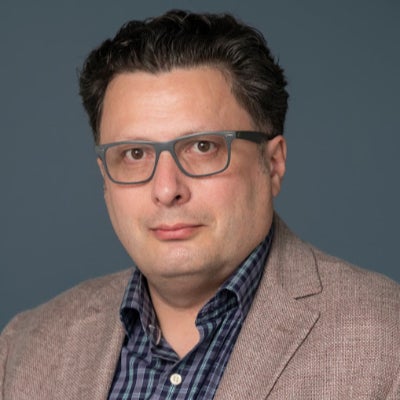
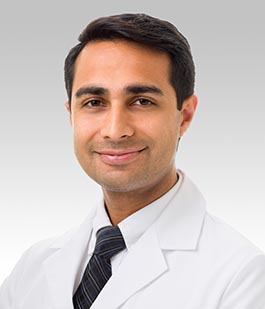
Dr. Guido van Capelleveen is an Assistant Professor at the University of Amsterdam's Amsterdam Business School and Faculty of Economics and Business. His academic and business expertise spans information systems, business analytics, and data mining, with a focus on real-world applications in circularity and sustainability. Education: PhD in Environmental Informatics (2020), University of Twente MSc in Business Information Technology (2013), University of Twente BSc in Information Science (2011), University of Utrecht Guido's research integrates data science, machine learning, and recommender systems to advance circular economy initiatives, including industrial symbiosis, eco-industrial parks, and sustainable resource management. His recent publications emphasize circular passports, greenwashing analysis, and energy symbiosis frameworks. His work experience includes postdoctoral research at the University of Twente and industry roles as an information analyst at Topicus (Dutch software organization) and data scientist at San Diego Supercomputer Center.
Professor David Chelidze is a faculty member in the Mechanical, Industrial and Systems Engineering department at the University of Rhode Island . His research spans nonlinear vibrations, structural health monitoring, and fatigue evolution in engineered systems. He is the director of the Nonlinear Dynamics Laboratory , where he explores topics like modal testing, dynamical systems theory, and damage prognosis. Education: Ph.D., Engineering Science and Mechanics, Pennsylvania State University, 2000 M.S., Mechanical Engineering, Southern Illinois University, 1995 Diploma in Mechanical Engineering, Georgian Technical University, 1992 Research Interests focus on nonlinear dynamics, particularly vibration-based structural health monitoring, smooth mode decomposition for modal analysis, and phase space warping for fatigue damage detection. His work bridges theoretical advancements with practical applications in materials science, offshore engineering, and biomedical diagnostics. Publication Trends emphasize fatigue life estimation under variable loading, nonlinear model reduction techniques, and vortex-induced vibration analysis. Key subfields include 3D printing structural integrity , biomechanical fatigue monitoring , and hydrodynamic stability of flexible cylinders . Scientific Awards: NSF Career Award, 2009 U.S. Patent: General Method for Tracking Hidden Damage in Machinery Components (with Cusumano J, Chatterjee A), 2003 Grants include projects funded by the RI Commerce Corporation (2022) and collaborative efforts with the University of Connecticut/Office of Naval Research (2021). His lab also engages in digital twinning and physics-informed reduced-order modeling . Laboratory : The Nonlinear Dynamics Laboratory at URI develops tools for damage diagnosis in engineered, geophysical, and biological systems. The lab contributes to software like Smooth Mode Decomposition and Geometry-informed Phase Space Warping , with applications in fatigue monitoring and nonlinear system identification.
Erik J Olsson is a Professor in Theoretical Philosophy at the Department of Philosophy , Lund University . He coordinates the Information Quality Research Group (LUIQ) and develops computational tools like Laputa for studying knowledge dynamics in social networks. PhD in Theoretical Philosophy (Uppsala University) Docent in Theoretical Philosophy (Uppsala, 2001) Research Fellow at University of Konstanz (1997-2003) Research Interests: His work focuses on epistemology, philosophy of science, and philosophical logic, particularly coherence theory and knowledge dissemination in digital societies. Current projects examine: Filter bubbles in Google search Knowledge value and stability Epistemic democracy in social networks Generality problem in knowledge categorization Scientific Contributions: Author of Against Coherence (OUP 2005), founder of Academic Rights Watch (2012), and principal investigator for projects funded by Riksbankens Jubileumsfond . His research connects cognitive psychology to epistemic justification frameworks.
Amos H. C. Ng is a Professor at the School of Engineering Science, University of Skövde, specializing in simulation-based optimization and Industry 4.0 technologies. His research bridges production engineering with human-robot collaboration, ergonomics evaluation, and cloud-based cyber-physical systems for manufacturing efficiency. Key Affiliations: University of Skövde (School of Engineering Science), Uppsala University (Industrial Engineering and Management) Research Themes: Multi-objective optimization, Digital Twin frameworks, Human-centric production systems, Reconfigurable manufacturing, Throughput bottleneck analysis Projects: ACCURATE 4.0 (Knowledge Foundation), VF-KDO (Virtual Factories with Knowledge-Driven Optimization), EWASS (Wire Harness Assembly Optimization) His recent publications demonstrate expertise in applying evolutionary algorithms, machine learning models, and digital human modeling tools to solve complex manufacturing problems ranging from crankshaft machining to wood supply chain robustness. Current work integrates motion capture technology with DHM tools for objective ergonomic assessments in assembly stations. Amos collaborates extensively with industrial partners like Volvo Penta and academic institutions, utilizing simulation-based approaches to enhance decision-making in production systems. His methodological focus includes non-dominated sorting genetic algorithms, surrogate modeling, and parallel computing architectures for optimization tasks.
Carola-Bibiane Schönlieb is a Professor of Applied Mathematics and head of the Cambridge Image Analysis (CIA) group at the Department of Applied Mathematics and Theoretical Physics, University of Cambridge. She concurrently serves as co-director of the Cambridge Mathematics of Information in Healthcare (CMIH) Hub, leading interdisciplinary initiatives at the intersection of mathematics, healthcare, and data science. Her research centers on variational methods, partial differential equations, and machine learning for image analysis, processing, and inverse problems. She maintains active collaborations with clinicians, biologists, physicists, chemical engineers, plant scientists, artists, and art conservators, driving innovations in biomedical imaging, image sensing, and digital art restoration. This interdisciplinary approach bridges theoretical mathematics with real-world applications across healthcare and cultural heritage domains. Analysis of her recent publications reveals a dominant focus on deep learning applications for medical imaging challenges, particularly in cardiology, oncology, and neuroimaging. Her work consistently addresses inverse problems in reconstruction and segmentation while emphasizing robustness against artifacts, model efficiency, and integration of physical constraints. A clear trend emerges toward foundation models and transfer learning techniques specifically adapted for medical image analysis with limited annotated data. Prof. Schönlieb leads the Cambridge Image Analysis research group and co-directs the CMIH Hub, which unites mathematicians, computer scientists, and clinicians to translate advanced data science into clinical practice through collaborative healthcare innovation.
Kun Sun is a postdoctoral researcher at the Department of Green Technology (IGT) within the Faculty of Engineering at the University of Southern Denmark. His work intersects machine learning, remote sensing, and urban sustainability, focusing on material flow analysis and environmental impact assessment. Research Interests: Active in material flow analysis, remote sensing applications, and emission reduction strategies, Kun Sun's research combines deep learning techniques with environmental science to address urban sustainability challenges. His recent projects include building material identification and sociometabolic transitions in Eastern Europe. Scientific Awards: Contributed to the project "Exploring the green transformation of the Danish pork supply chain and its contribution to carbon neutrality" (2025). Projects: Participates in ongoing research analyzing the Danish pork supply chain's role in achieving carbon neutrality. This work emphasizes circular economy strategies and industry transformation. Media Contributions: Has been featured in three 2025 press releases discussing AI applications for building material recycling, climate benefits in AI, and scanning technologies for urban sustainability.
David Lazer is a University Distinguished Professor in the Department of Political Science and College of Computer and Information Science at Northeastern University. He directs the Lazer Lab at Northeastern's Network Science Institute and is a co-leader of the COVID States Project. His work bridges political science and computational social science, focusing on how technology-mediated environments shape group learning, consensus formation, and opinion dynamics in political contexts. Dr. Lazer's research interests span computational social science, misinformation dynamics, democratic deliberation, collective intelligence, and algorithmic auditing. His work examines complex social dynamics in both physical and online spaces, developing network-based models for predicting complex systems and supporting effective decision-making. He investigates how information spreads through social networks, how consensus forms in groups, and how technology platforms influence political discourse and behavior. Lazer's recent publications reveal strong trends in studying social media's impact on mental health, political polarization, and information quality. His work frequently employs large-scale data analysis from social media platforms, survey research across multiple states, and experimental approaches to understand how people form beliefs and make decisions in networked environments. His research increasingly focuses on the intersection of mental health, social media usage, and political attitudes. Fellow, National Academy of Public Administration (2019) CHIP50 Warren J. Mitofsky Innovators Award (2025) Top 2% Scientists Worldwide by Stanford University Annual Assessment (2024) Dr. Lazer has served as Principal Investigator on more than $30 million in research grants. He advises numerous PhD students in Network Science at Northeastern University, including Hanyu Chwe, Burak Özturan, Hong Qu, Alexi Quintana Mathé, Alyssa Smith, Ata Aydin Uslu, and Allison Wan. His lab, the Lazer Lab, is part of Northeastern's Network Science Institute and focuses on computational social science research. The lab has attracted significant external funding and has produced influential research on misinformation, social networks, and political behavior. The Lazer Lab at Northeastern University's Network Science Institute conducts cutting-edge research at the intersection of political science and computer science. The lab includes postdoctoral researchers, staff members, and PhD students working collaboratively on projects related to social media analysis, misinformation detection, network dynamics, and computational social science methodologies. The lab has developed influential tools and datasets used by researchers worldwide and maintains active collaborations with other institutions through initiatives like the National Internet Observatory.
Ayush Batra serves as Assistant Professor of Neurology and Pathology at Northwestern University, specializing in critical care neurology and vascular brain injury. His dual clinical-scientific focus bridges immunology, vascular biology, and neuroscience to investigate inflammation-mediated mechanisms in acute neurological injury. Dr. Batra's research centers on neuroinflammation pathways in ischemic stroke, utilizing novel imaging techniques to examine cerebral vasculature changes and acute inflammatory markers. His work explores cellular therapies and bionanotechnology for treating acute cerebrovascular diseases, emphasizing that therapies beyond blood flow restoration are critical for improving neurological recovery. Key interest areas include neutrophil recruitment dynamics, immune-mediated neurologic injury, and inflammatory profiling in conditions like NORSE and FIRES. Analysis of his recent publications reveals dominant research themes in neuroinflammation quantification , leukocyte tracking methodologies , and post-infectious neurological syndromes . His work demonstrates consistent focus on time-dependent immune responses in stroke models, with increasing attention to Long COVID neurological manifestations since 2022. Methodologically, he pioneers EdU-based cell tracking and cortical restriction pattern analysis in inflammatory responses. Dr. Batra maintains active clinical engagement in neurocritical care, with research directly informing therapeutic approaches for ischemic stroke and immune-mediated neurological injuries. His work on healthcare system impacts during the pandemic highlights translational awareness of real-world clinical challenges.
Rüştü Murat Demirer serves as an Assistant Professor in the Department of Electrical and Electronics Engineering at Işık University's Faculty of Engineering and Natural Sciences. His academic career spans decades with active teaching responsibilities including Biomedical Engineering courses such as Clinical Care Informatics, Biosignal Processing, and Medical Imaging since at least 2012 across multiple institutions including Işık University and Bahçeşehir University. His educational foundation includes: PhD in Biomedical Engineering from Boğaziçi University (1983-2002) MS in Energy from Istanbul Technical University (1980-1982) BS in Electronics and Communications Engineering from Kocaeli University (1976-1980) Dr. Demirer's research integrates Biomedical Engineering with cutting-edge computational neuroscience, focusing on Bioelectronics, Artificial Intelligence applications, and Neuroscience. He pioneers methodologies for analyzing brain dynamics through EEG/ECoG signal processing, entropy-based biomarker development, and machine learning algorithms for neurological and psychiatric conditions. His work bridges theoretical neuroscience with clinical applications in epilepsy, bipolar disorder, and brain-computer interfaces. Analysis of his publication trends reveals strong interdisciplinary convergence between neuroscience, biomedical engineering, and artificial intelligence. Key methodological themes include Hilbert transform applications, nonlinear dynamics in brain signals, entropy quantification for psychiatric diagnostics, and hybrid machine learning approaches for medical signal classification. This research trajectory demonstrates consistent innovation in translating complex brain signal analysis into clinically relevant diagnostic tools. Dr. Demirer has actively mentored 11 graduate students (10 Master's and 1 PhD) between 2013-2025. His advisees' research spans diverse applications including: Machine learning for cybersecurity threat detection Cryptocurrency market analysis using predictive modeling EEG/eye-tracking fusion for cognitive decision studies Medical diagnostics through convolutional neural networks Natural language processing for offensive language detection He maintains professional engagement as a member of the Chamber of Electrical Engineers (Elektrik Mühendisleri Odası) while teaching specialized courses across biomedical engineering, cybersecurity, and data science domains.
Gang Tan is an Associate Professor at the Pennsylvania State University's College of Engineering, Department of Computer Science and Engineering. He also holds the James F. Will Career Development Professorship and is affiliated with the Institute for Computational and Data Sciences (ICDS). His research focuses on binary reverse engineering , cybersecurity , Internet of Things (IoT) security , machine learning fairness , and information flow security . He has led numerous NSF-funded projects, including work on precise binary analysis, IoT policy enforcement, and automated fairness repair in AI systems. Recent work trends include memory safety validation , pseudocode extraction , and control-flow integrity mechanisms. His 127+ research outputs reflect deep engagement with static program analysis , cache side-channel detection , and secure kernel-driver interfaces . Scientific Awards: James F. Will Career Development Professorship Gang Tan has secured multiple grants from the National Science Foundation (NSF) and U.S. Navy for projects like Sliver (information flow verification) and Semantics-Directed Binary Reverse Engineering . His work involves advising teams on IoT safety, and he has 19 active or completed grants since 2008.
Professor Nicholas J K Howden is a faculty member at the University of Bristol, holding the title of Professor of Water and Environmental Engineering in the School of Civil, Aerospace and Design Engineering. He is affiliated with the Cabot Institute for the Environment and actively engages in research spanning hydrology, water quality, and environmental change. His work involves large-scale datasets, modeling, and international collaborations. Education: MEng (Dunelm), DIC PhD (Lond.), with professional certifications (FICE, CEnv, FRGS, and others) Howden's research focuses on water quality dynamics, groundwater flow, and climate change impacts on hydrological systems. He investigates nutrient pollution, algal growth potential, and long-term trends in catchment water quality using historical datasets. His recent publications highlight advancements in Bayesian flux modeling, global water quality databases, and climate-land use interactions. Key projects include the active SMARTWATER initiative and completed studies on the River Thames' 150-year water quality record. He contributes to major datasets like the River Thames Historical Water Quality Data and CAMELS-GB, which provides hydrometeorological information for 671 catchments in Great Britain. His collaborations extend to institutions like the U.S. Geological Survey and the European Union.
Niranjan Balasubramanian is an Assistant Professor in the Department of Computer Science at Stony Brook University with additional affiliations in the Department of Biomedical Informatics and the Center of Excellence in Wireless & Information Technology (CEWIT). His research focuses on Natural Language Processing and Information Retrieval systems that extract, understand, and reason over textual information. Education: PhD, University of Massachusetts Amherst (Center for Intelligent Information Retrieval) MS, Computer Science, University at Buffalo (2003) His research spans question answering for elementary education, event schema generation from news, machine learning for information retrieval, energy-efficient mobile search, and automatic Wikipedia content generation. Recent work explores causal reasoning in event extraction, multimodal claim verification, authorship fairness, and secure coding with large language models. Analysis of his 15 most recent publications (2024-2025) reveals intensive focus on advancing NLP through causal/temporal reasoning, multimodal verification, and LLM optimization. Key trends include psychological modeling of human language, energy-efficient architectures, and addressing misattribution in authorship analysis. Scientific Awards: No awards mentioned in provided text Advising and grants information was not provided in the source materials. His postdoctoral background at the University of Washington's Turing Center and industry experience at Syracuse University's Center for Natural Language Processing inform his applied research approach. Labs and Teams: Affiliated with Stony Brook's Center of Excellence in Wireless & Information Technology (CEWIT), contributing to interdisciplinary AI initiatives while maintaining primary focus in the Computer Science department.
Chanhwa Lee is an Assistant Professor in the Department of Artificial Intelligence and Robotics at Sejong University since 2021, following industry roles as Senior Research Engineer at Hyundai Motor Company (2018-2021) and Electrical Engineer at Hyundai Engineering Company (2010-2012). His academic credentials include: B.S. from Seoul National University (2008) M.S. from Seoul National University (2010) Ph.D. from Seoul National University (2018) Dr. Lee's research centers on Control Theory with emphasis on estimator design, robust control methodologies, and security frameworks for cyber-physical systems. His work bridges theoretical foundations in switched systems and discrete-time observers with practical automotive applications including vehicle platooning and autonomous driving systems. Current investigations address attack-resilience in control networks and decentralized observer architectures for distributed systems. Analysis of his 2023-2025 publications reveals concentrated advancement in disturbance observer techniques applied to automotive control, with dominant themes in platooning stability (40% of recent work), cyber-physical security (30%), and robust observer design (30%). His research demonstrates strong industry-academia integration through Hyundai collaborations and vehicle-in-the-loop validation. No scientific awards were documented in the provided materials. No graduate student advising relationships or external research grants were specified in the source information. Dr. Lee directs the AA Lab (Automated and Autonomous Systems Laboratory) at Sejong University, which focuses on control system development for cyber-physical and automotive applications through theoretical analysis and hardware-in-the-loop validation.
Fátima Capela Fortunas Teixeira serves as Associate Professor at the School of Engineering, University of Minho, and Senior Researcher with PhD at Centro ALGORITMI/LASI. She is also a Member of the Coordinating Committee for the Bachelor's Program in Industrial and Management Engineering (LEGI) at the University of Minho. Bachelor in Systems Engineering and Informatics (1984), University of Minho Doctor in Chemical Engineering (1989), University of Birmingham, School of Chemical Engineering Integrated Master in Industrial and Management Engineering (2016), University of Minho Professor Teixeira's research spans Computational Fluid Dynamics applications across multiple domains including heat transfer, thermal comfort, PCB modeling, two-phase flows, Organ-on-a-Chip modeling, forest fire simulation, and biomass combustion. Her work demonstrates strong interdisciplinary connections between engineering fundamentals and practical applications. She has recently expanded her research into misinformation modeling and digital health applications, showing the versatility of her computational approach. Her publication record reveals a strong trend toward interdisciplinary applications of CFD techniques, with recent work spanning traditional engineering domains like biomass combustion and thermal systems, while also venturing into emerging areas like Organ-on-a-Chip technology, misinformation modeling, and digital transformation in industrial contexts. Her research shows increasing integration of educational methodology with technical content, particularly through Project-Based Learning approaches. Professor Teixeira has made significant contributions to engineering education through innovative teaching methodologies. She has supervised 15 PhD theses and 85 MSc dissertations throughout her career, demonstrating her commitment to developing the next generation of engineers. Principal Investigator in one research project Co-PI in one research project Researcher in 20 projects Supervisor of 27 grant projects She maintains active research collaborations through her membership in the IEM R&D Group and EHF R&D Lab at Centro ALGORITMI, contributing to both fundamental engineering research and practical industrial applications. Her work with nearly 650 collaborators demonstrates her strong network and interdisciplinary approach to research problems.
Shigeru Shimamoto is a Professor at Waseda University's School of Fundamental Science and Engineering, Faculty of Science and Engineering. His research spans wireless communication systems, biomedical sensing technologies, and intelligent transportation solutions. Since 2014, he has led the Communication and Computer Engineering department at Waseda University, previously serving as Director of the Global Information and Telecommunication Institute (2020-2024). 2008: Visiting Professor at Stanford University's Electrical Engineering 2000-2002: Research Assistant at University of Electro-Communications Key research areas include: Wireless Communication: OTFS modulation, NOMA, RIS-aided systems, and microwave-based vital sensing Smart Healthcare: Non-contact blood pressure monitoring, SpO2 estimation using microwave reflection Transportation Optimization: On-street parking analysis, traffic flow modeling, and energy-efficient vehicular networks Awarded the 2024 Commendation for Science and Technology from MEXT, his work demonstrates strong interdisciplinary impact combining communication engineering with medical applications. Recent publications focus on machine learning integration in gesture recognition, vehicular detection, and resource allocation for autonomous systems.