Virginia Polytechnic Institute and State UniversityUnited States
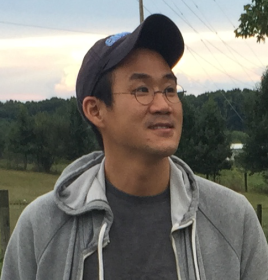
Tae-Ho Lee is an Associate Professor in the Department of Psychology at Virginia Tech, with affiliated appointments in the School of Neuroscience and Translational Biology, Medicine, and Health. His research focuses on affective and cognitive neural development across the lifespan, neurodegeneration, and family-based neural dynamics. PhD in Brain and Cognitive Science, University of Southern California M.A. in Clinical Psychology, Korea University B.A. in Psychology, Korea University Dr. Lee’s work explores brain connectome dynamics, dyadic neural concordance in families, and age-related attentional control. He employs neuroimaging techniques to study how familial and environmental factors shape emotional and cognitive outcomes in adolescents and older adults. Recent publications highlight trends in longitudinal studies , parent-child neural similarity , and functional connectivity in emotion regulation . Key areas include autism spectrum disorder, substance misuse risk, and the role of socioeconomic factors in brain development. Rising Star , Association for Psychological Science (2020) Dr. Lee is not currently accepting students and leads the Affective Neurodynamics and Development (AND) Lab at Virginia Tech.
Dr. Ly Fie Sugianto is an Associate Professor in the Department of Accounting at Monash Business School, Monash University. Her research focuses on the integration of data analytics, artificial intelligence, and machine learning in accounting and business systems, with applications in the energy sector and organizational behavior. Monash Business School, Monash University Department of Accounting Specialization: Accounting Information Systems, Data Analytics, AI Her research interests span Accounting Information Systems , Agent-Based Simulation , Decision Support Systems , and Technology Adoption . She applies computational methods to study competitive dynamics in deregulated electricity markets and the impact of digital tools on employee well-being and organizational resilience. The recent publications reflect a strong trend in using AI and simulation to analyze complex socio-technical systems, particularly in energy markets and leadership dynamics. Keywords across her work include agent-based modeling , data analytics , servant leadership , and enterprise social media , indicating interdisciplinary research at the intersection of information systems, management, and public policy. Her scientific awards include competitive grants from the ARC (SPIRT/Linkage) , the Australia Indonesia Governance Research Partnership (AIGRP) , and the Sumitomo Foundation . ARC Grant: Dispatch Optimisation in the Australian National Electricity Market Sumitomo Foundation: Technology Use and Employee Well-Being AIGRP: Governance and MSME Resilience during Pandemic Dr. Sugianto has advised research projects and collaborated with industry partners such as Western Power , Ecogen Energy , and AEMO . She is currently accepting PhD students and leads externally funded research initiatives. Her work contributes to UN Sustainable Development Goals related to industry innovation and responsible consumption. She is affiliated with research teams focusing on intelligent decision support systems and digital transformation in business , with active collaborations in Australia and Indonesia.
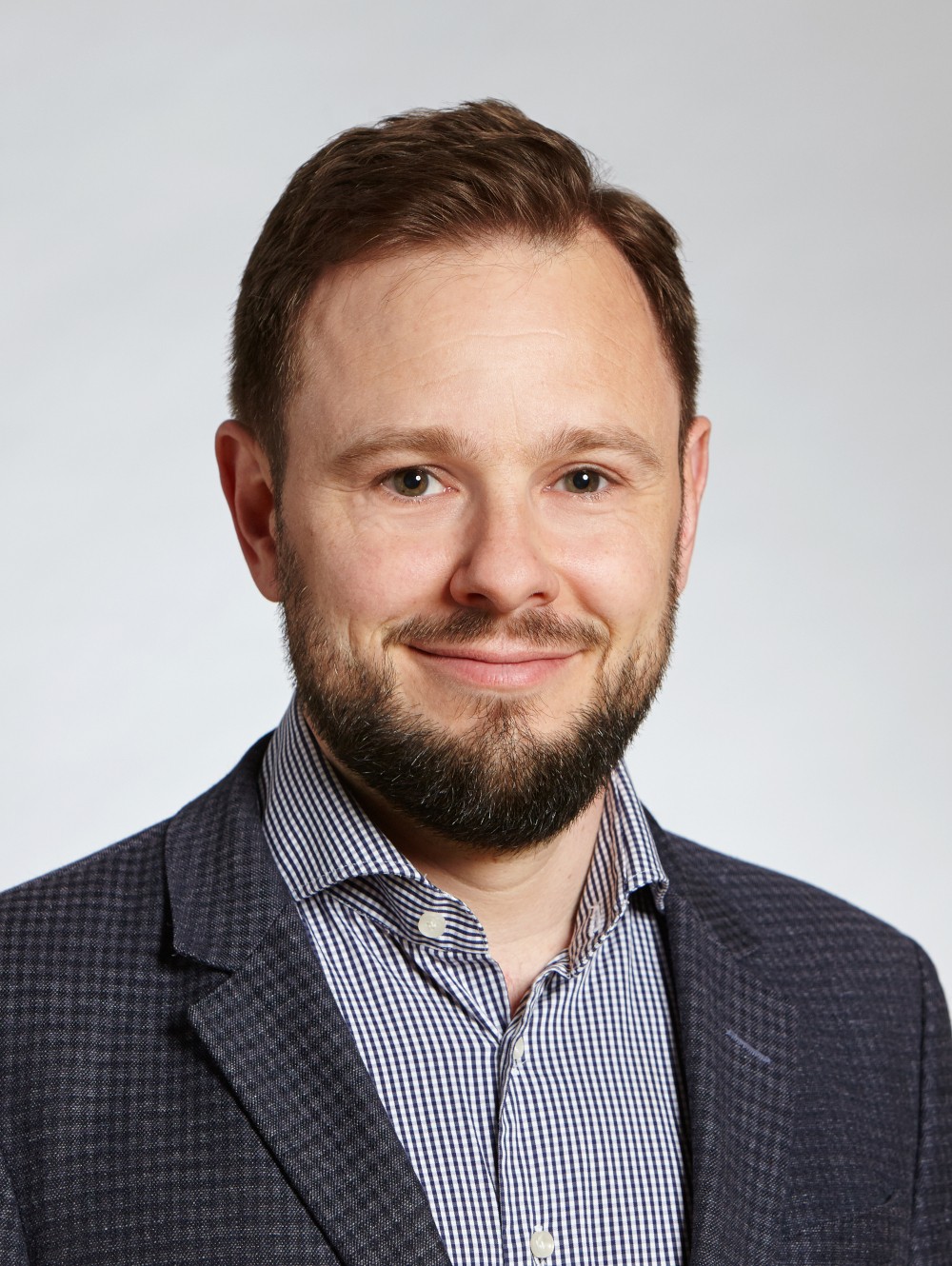
Kevin M. Lynch is a Professor of Mechanical Engineering at Northwestern University's McCormick School of Engineering, where he also serves as Director of the Center for Robotics and Biosystems. His research spans multiple domains of robotics, with particular expertise in dynamics, motion planning, and feedback control of mechanical systems. Dr. Lynch received his Ph.D. in Robotics from Carnegie Mellon University in 1996, with a thesis on "Nonprehensile Robotic Manipulation: Controllability and Planning" under advisor Prof. Matthew T. Mason. He earned his B.S.E. with honors in Electrical Engineering from Princeton University in 1989. His research interests focus on robotics, particularly dynamics, motion planning, and feedback control of mechanical systems. He investigates mechanics, planning, and control of robotic manipulation (juggling, throwing, pushing, rolling, vibration, etc.) and locomotion. His work also explores self-organizing systems, particularly decentralized control of mobile sensor networks and swarm robotics, underactuated dynamic systems, and physical human-robot interaction with industrial applications. Recent research has expanded into bio-inspired active electrosense, underwater robotics, control and optimization for robot swarms, swarm shape control, and functional electric stimulation. Dr. Lynch's recent publications demonstrate a strong trend toward rehabilitation robotics and human-robot interaction, particularly in lower-limb exoskeletons for gait training and rehabilitation. His work bridges fundamental robotics research with practical applications in healthcare, showing increasing integration of swarm robotics principles with human-centered design. The publications also reveal continued strong contributions to fundamental robotics theory, particularly in swarm formation control and manipulation dynamics. George Saridis Leadership Award in Robotics and Automation (2022) Harashima Award for Innovative Technologies (2017) IEEE Fellow (2010) Charles Deering McCormick Professor of Teaching Excellence (2007-10) Society of Automotive Engineers Ralph R. Teetor Educational Award (2007) Early Career Award in Robotics and Automation (2001) McCormick School of Engineering and Applied Science Teacher Of The Year Award (1998-1999) NSF Career Award (1998) As Director of the Center for Robotics and Biosystems, Dr. Lynch oversees significant research grants and initiatives in robotics. He has made substantial contributions to robotics education through his "Modern Robotics" book and associated Coursera specialization, which has reached thousands of students worldwide. His professional service includes serving as Editor-in-Chief of IEEE Transactions on Robotics, where he oversaw a 90% increase in submissions during his tenure. Dr. Lynch leads research groups focusing on swarm robotics and rehabilitation robotics, with particular emphasis on the Center for Robotics and Biosystems at Northwestern University. His teams integrate expertise from mechanical engineering, electrical engineering, computer science, and rehabilitation medicine to develop innovative robotic systems for both industrial applications and healthcare solutions.
Peter Aronow is a Professor at Yale School of Public Health , with appointments in the Department of Statistics and Data Science , Economics Department , and the Institute for Social and Policy Studies . His interdisciplinary work bridges political science, biostatistics, and epidemiology. Professor of Public Health (Biostatistics) Secondary appointments in Political Science and Economics Associate Professor in the Institute for Social and Policy Studies Dr. Aronow specializes in causal inference and statistical methodology, particularly in non-traditional field research contexts. His research encompasses: Design-based approaches to causal inference Complex experimental designs Social network analysis Survey methodology with incomplete data His recent publications focus on spatial experiments under unknown interference, bias correction in RCTs, and temporal validity challenges. While no formal awards are listed, his work is cited across disciplines including: Political Analysis Econometrics Biostatistical Modeling Observational Study Design
Harold D. Chiang is an Assistant Professor in the Department of Economics at the University of Wisconsin-Madison. His research focuses on econometric theory and methods, particularly robust inference techniques for clustered and network data, machine learning applications, and causal inference frameworks like regression discontinuity/kink designs. He employs computational statistics and asymptotic theory to address methodological challenges in high-dimensional and complex datasets.
Prof. Dr. Dennis Herhausen is a Full Professor of Marketing and Head of the Marketing Department at Vrije Universiteit Amsterdam’s School of Business and Economics. Previously, he held positions as Associate Professor at KEDGE Business School, Visiting Professor at the University of St. Gallen, and Assistant Professor at the University of St. Gallen. His research focuses on digital communication, customer journeys, multichannel management, and social media strategies, with publications in top-tier journals like the Journal of Marketing and Journal of Marketing Research. His work addresses critical issues such as online firestorm mitigation, complaint de-escalation, and gig economy communication. He has been awarded multiple prestigious prizes, including the 2021 CBSIG Consumer Research Award and the 2019 William R. Davidson Award. Education: PhD in Marketing from University of St. Gallen (2011) Teaching: Courses on Customer Experience Management, Survey Research Methods, and Thesis Guidance Research Interests: His work explores digital marketing strategies, customer-centric innovations, and the dynamics of online platforms. Recent studies address topics like business-to-investor marketing signals, privacy orientation measurement, and machine learning biases in marketing. He actively contributes to editorial boards of journals including Journal of Marketing and Journal of Interactive Marketing. Awards: 2021 CBSIG Consumer Research in Practice Award 2021 Retail & Pricing SIG Best Paper Award 2021 SERVSIG Best Services Article Award 2020 William R. Davidson Award Grants & Editorial Work: His research has been funded by national/international grants, and he serves on multiple editorial boards. Notable datasets include studies on online retailer strategies and virtual brand sabotage responses.
Luis Botella Garcia Del Cid is a Full Professor at the Department of Psychology and Speech Therapy, Faculty of Psychology, Educational Sciences and Sports, Ramon Llull University. His work focuses on therapeutic alliance, constructivism, and clinical psychology. University: Ramon Llull University School: Faculty of Psychology, Educational Sciences and Sports Department: Psychology and Speech Therapy Email: lluisbg@blanquerna.url.edu His research spans therapeutic alliance, psychometrics, constructivist approaches, and clinical psychology. He investigates therapist personal style, team solutions in psychotherapy, and adolescent interactions with social media influencers. His recent projects include ACM Psicopersona and Proceso Terapéutico funded by AGAUR. Key publications (2022-2023) address dyadic coping during the pandemic, fuzzy cognitive mapping in clinical supervision, and teamwork in psychotherapy. Articles span interdisciplinary collaborations across 27 countries with a focus on psychological distress and relationship quality. He collaborates with the Psicopersona research group and participates in systems-thinking-based clinical models. His work integrates constructivist theory with practical applications in therapeutic contexts and adolescent digital behavior.
Professor Louis Schmidt is a leading academic in the Department of Psychology, Neuroscience & Behaviour at McMaster University , with a research focus on developmental psychophysiology, temperament, and the long-term effects of early adversity. His work bridges neuroscience, psychology, and behavioral science, emphasizing the interplay between brain function and socio-emotional development across the lifespan. Key research themes: Shyness, social anxiety, autism spectrum disorder, schizophrenia, and outcomes of extremely low birth weight. Recognized for mentoring postdoctoral fellow Kristie Poole, who was celebrated as a role model in the Child Emotion Laboratory. Scientific Awards : Royal Society of Canada recognition for contributions to research and scholarship. Research Trends from 15 recent publications include: Neurophysiological mechanisms of shyness (EEG, ERP, RSA) Impact of antenatal corticosteroids on adult brain function Intergenerational effects of maternal mental health interventions Cross-cultural comparisons of temperamental shyness Developmental consequences of preterm birth Behavioral and neural correlates of social anxiety in diverse populations Grants & Collaborations : Led the SNACS randomized controlled trial on antenatal corticosteroids, with applications in obstetrics and developmental neuroscience. Collaborates extensively on topics like autism spectrum disorder, schizophrenia, and emotion regulation. Labs & Teams : Directs the Child Emotion Laboratory at McMaster University, fostering interdisciplinary research on developmental psychopathology and neural mechanisms of temperament.
Sara McLaughlin Mitchell is Professor of Political Science and courtesy Professor at the College of Law at the University of Iowa, where she holds the Collegiate Fellow honor. Her interdisciplinary work bridges international relations, political methodology, and gender dynamics in academia. Her educational background: PhD in Political Science, Michigan State University, 1997 BS in Economics and Political Science, Iowa State University, 1991 Professor Mitchell's research centers on international conflict with deep expertise in maritime disputes, identity claims, and climate-conflict linkages. She pioneers political methodology through large-scale datasets like the Issue Correlates of War (ICOW) project, while her groundbreaking work on gender in academia examines citation patterns and career advancement barriers for women scholars. Her analytical rigor spans quantitative conflict modeling and qualitative institutional analysis. Recent publications reveal three dominant trajectories: environmental security (climate volatility impacts on human rights and disasters), geopolitical conflict (Russia-Ukraine War analysis, maritime/river disputes), and gender equity (academic networks, citation practices). She consistently integrates methodological innovation with real-world policy relevance, particularly in disaster response and international adjudication. Her major scientific awards include: Collegiate Fellow, University of Iowa Quincy Wright Distinguished Scholar Award (2015) Foreign Policy Analysis Distinguished Scholar Award (2023) Conflict Processes Lifetime Achievement Award (2023) Distinguished alumni award from Iowa State University A dedicated mentor, Mitchell co-founded the Journeys in World Politics workshop for junior women in international relations, earning university mentoring awards. Her research program is sustained by substantial grants from: Department of Defense National Science Foundation United States Agency for International Development She leads the Issue Correlates of War project and collaborates extensively through the Peace Science Society (where she served as President), driving interdisciplinary research on conflict management regimes and gender equity initiatives across academic networks.
Oya Celiktutan is a Reader (Associate Professor) at King’s College London in the Department of Engineering, leading the Social AI & Robotics (SAIR) Lab within the Centre for Robotics Research. She holds a BSc in Electronics Engineering from Uludag University, and an MSc and PhD in Electrical and Electronics Engineering from Bogazici University, Turkey. Her doctoral work included a visiting research period at the National Institute of Applied Sciences in Lyon, France. She has held postdoctoral positions at Queen Mary University London, the University of Cambridge, and Imperial College London before joining King’s College in 2018. Her research focuses on multimodal machine learning for autonomous agents, addressing challenges in human-robot interaction, social awareness, and navigation. Key areas include human behavior analysis, generative models, and continual learning. Her work is supported by EPSRC, The Royal Society, EU Horizon, and industry partners like Toyota and NVIDIA. Notable awards include the EPSRC New Investigator Award (2021) and a Best Paper Award at IEEE Ro-Man 2022. Dr. Celiktutan’s lab explores socially assistive robotics, extended reality systems, and ethical AI. Recent projects include the LISI initiative to enable robots to learn social interactions from human-human data and the CL-HRI project advancing continual learning in human-centric robotics. Her research has led to datasets like MHHRI and RICA, and collaborations with companies like SoftBank Robotics. She teaches modules on Sensing and Perception, and Sensors and Actuators, emphasizing practical applications in robotics and mechatronics. Current research interests span socially-aware navigation, algorithmic fairness, and multimodal data fusion for robotics in healthcare and urban environments.
Christoph Stadtfeld is Associate Professor of Social Networks at ETH Zurich's Department of Humanities, Social and Political Sciences and co-director of the ETH Social Networks Lab. His research examines social network dynamics, focusing on tie formation processes, network effects on individuals, and advanced statistical methodologies for longitudinal network analysis. Education: PhD from Karlsruhe Institute of Technology (2011) Postdoctoral researcher and Marie-Curie fellow at University of Groningen, University of Lugano, and MIT Media Lab (2011-2014) His work bridges sociology, statistics, and computer science to address fundamental questions about how social structures evolve and influence behavior. Key interests include relational event modeling, co-evolution of networks and attributes, and applications in mental health, political polarization, and scientific collaboration. He develops innovative methods for analyzing dynamic networks using cutting-edge computational approaches. Recent publications reveal strong emphasis on methodological rigor in temporal network analysis, with significant contributions to relational event modeling and dynamic network actor frameworks. His work increasingly addresses societal challenges including political polarization, mental health impacts of social isolation, and innovation dynamics in healthcare. Scientific awards: Raymond Boudon Award of the European Academy of Sociology (2017) Freeman Award of the International Network for Social Network Analysis (2021) As co-director of the ETH Social Networks Lab, Stadtfeld leads interdisciplinary research teams developing novel network methodologies. His work has been supported by prestigious fellowships including Marie-Curie funding, and he actively mentors graduate students in network science methodology and applications across diverse domains. The ETH Social Networks Lab serves as a hub for advancing network theory and methodology, with ongoing projects examining student networks during crises, scientific collaboration dynamics, and innovation ecosystems through the lens of network science.
Prof. Dr. Mike Martin is a leading researcher at the University of Zurich's Center for Gerontology . His work spans cognitive aging, social development in old age, and life-span developmental psychology, with a focus on ecological validity in aging research. Professor, University of Zurich Director, Zurich Longitudinal Study on Cognitive Ageing Co-editor, Journals of Gerontology series Key research areas include: Healthy aging and quality of life Cognitive-emotional interactions in aging Dyadic adaptation in dementia caregiving Mobile sensing of aging-related behaviors Participatory research methodologies Language use as a biomarker of aging His recent publications analyze: GPS mobility and cognitive function Machine learning in reminiscence detection Prospective memory trajectories Emotion regulation in couples Digital interventions for cognitive health Neuroimaging correlates of aging
Dr. Steven A. Miller is a Professor of Psychology in the Department of Psychology at Rosalind Franklin University of Medicine and Science, within the College of Health Professions. He joined RFUMS in 2013 and serves as a statistics consultant for the university. His academic background includes a PhD in Social Psychology from Loyola University Chicago, an M.S. in Psychology from Illinois State University with specialization in Clinical Psychology, and an M.S. in Mathematics from Loyola University Chicago with specialization in Probability and Statistics. PhD in Social Psychology, Loyola University Chicago M.S. in Psychology, Illinois State University (Clinical Psychology specialization) M.S. in Mathematics, Loyola University Chicago (Probability and Statistics specialization) Dr. Miller's research focuses on the intricate relationship between personality characteristics/individual differences and emotional experiences. He investigates anxiety and emotional disorders, social cognitive models of personality, and applies quantitative methodology to psychological questions. His work examines intra-individual variability in emotional responses and how situational factors interact with personality to shape emotional experiences. He employs diverse methodologies including experience sampling studies and laboratory experiments to explore these complex dynamics. His recent publications demonstrate a strong focus on psychopathy, emotion regulation, network analysis of personality, and the tripartite model of anxiety and depression. His work spans clinical, forensic, and general populations, often employing sophisticated statistical techniques. There's a clear trajectory toward more complex modeling approaches including network analysis, longitudinal modeling, and advanced psychometric techniques across his publication history. Accredited Professional Statistician (PStat®) with the American Statistical Association Chartered Statistician (CStat) with the Royal Statistical Society Dr. Miller actively mentors graduate students, with numerous student co-authors appearing in his publications. He teaches advanced statistical courses including multivariate statistics, longitudinal models, and categorical data analysis. He is currently accepting doctoral students for the 2026/2027 academic year. His collaborative research spans multiple institutions including DePaul University and Texas A&M, focusing on emerging adults, romantic relationships, and chronic illness. His research laboratory examines the fundamental relationship between personality and emotion, exploring how situational contingencies and individual expectancies shape emotional responses. Current collaborative projects investigate daily experiences of emerging adults, psychopathy in romantic relationships, and social media use among individuals with chronic illness using diverse methodological approaches.
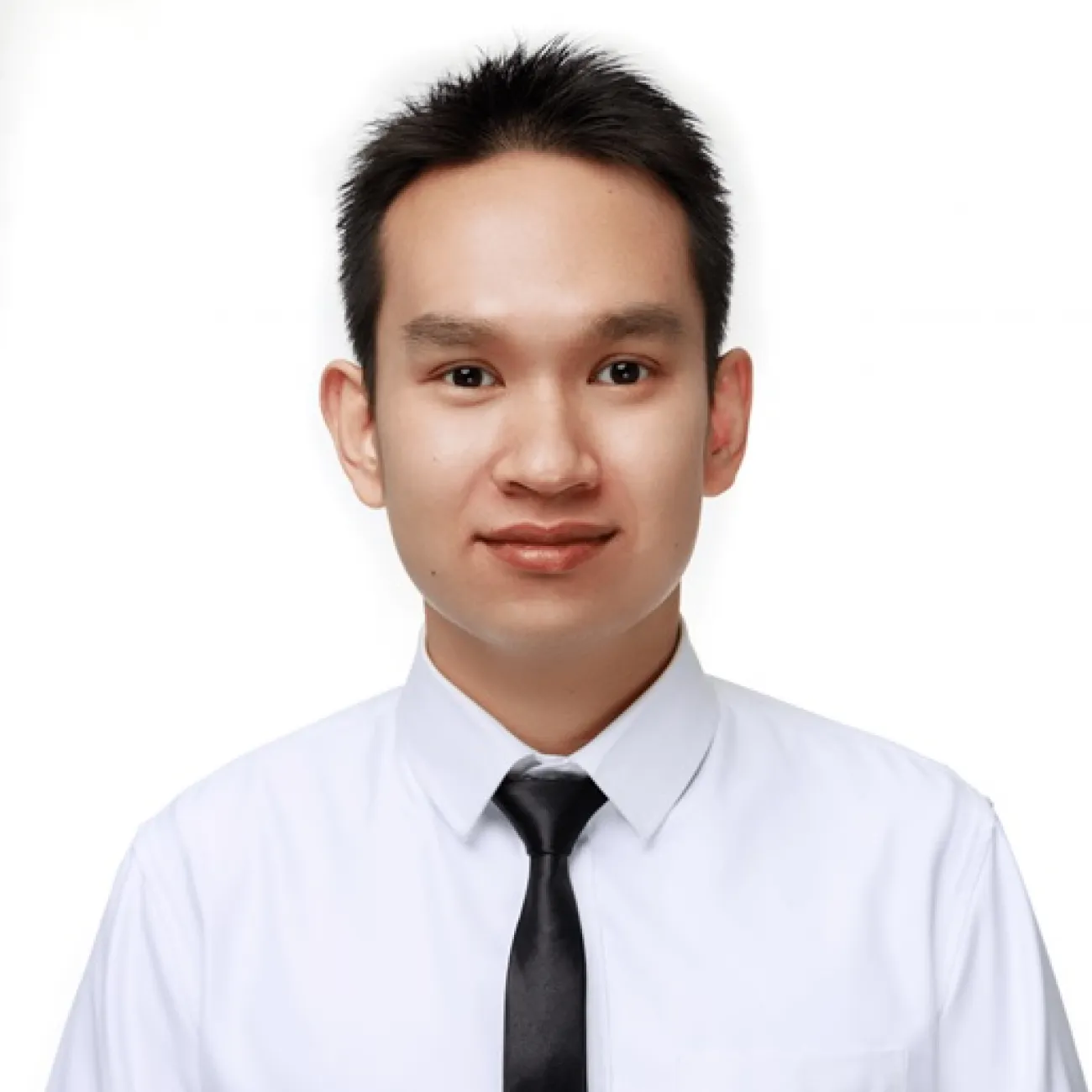
Dr. Tan Viet Tuyen Nguyen is a New Frontiers Fellow (Lecturer) in AI at the University of Southampton, specializing in Human-Centered Artificial Intelligence and Social Human-Robot Interaction. His research focuses on multimodal learning for robots to adapt their behavior to human social needs, with applications in healthcare, education, and service environments. Prior to this role, he was a Research Associate at King’s College London and a Research Assistant on the EU-funded CARESSES project, developing culturally-aware assistive robots for elderly support. Education: PhD in Information Science (Robotics) from Japan Advanced Institute of Science and Technology. He has organized conferences such as the IEEE RO-MAN 2022 special session on nonverbal communication and served as a reviewer for top-tier robotics and AI conferences. Research Interests include: Human-Robot Collaboration, Multimodal Perception, Generative AI for Social Interaction, and Context-Aware Robot Behavior Generation. His work has been recognized with awards including the Best Paper Award at ROMAN 2022 and the Prospective Research Award at ICServ 2023. Teaching Responsibilities include courses on Biologically Inspired Robotics, High-Level Programming, and MSc/Undergraduate project supervision. He currently oversees two PhD students and collaborates on projects like 'Exploring the impact of AI-driven writing of engagement in climate change' and 'Bridging Generations and Cultures through Generative AI.' Labs/Teams: Member of the Agents, Interaction and Complexity Centre and the Centre for Robotics Research at Southampton.
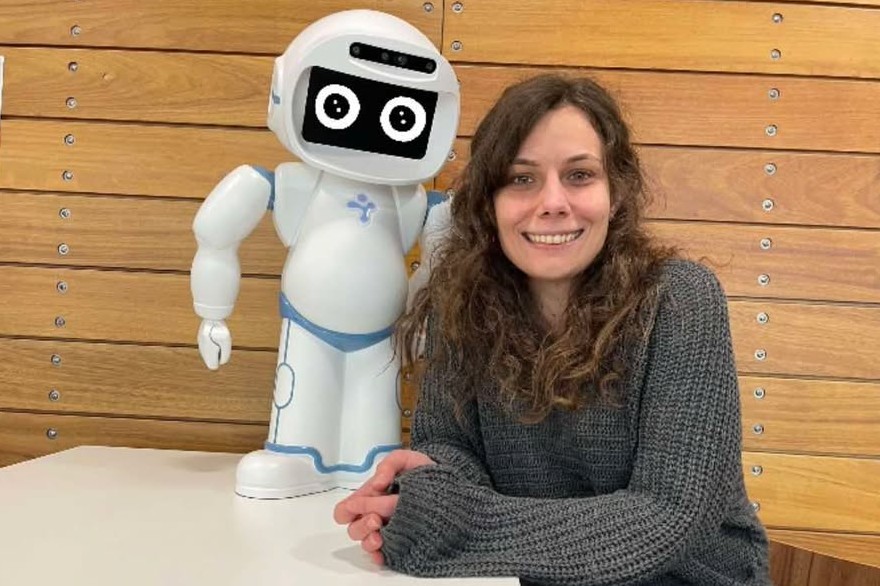
Fethiye Irmak Dogan is a Postdoctoral Research Associate at the University of Cambridge's Department of Computer Science and Technology, working in the Affective Intelligence and Robotics Laboratory. She holds a Ph.D. in Computer Science from KTH Royal Institute of Technology (2023), an M.Sc. and B.Sc. in Computer Engineering from Middle East Technical University (METU). Her research focuses on human-robot interaction, continual learning, and socially appropriate robot behaviors leveraging explainability. She has conducted robotics research at KTH's Division of Robotics, Perception and Learning and collaborated internationally, including a visiting scholar stint at Georgia Institute of Technology. Education highlights include: B.Sc., Computer Engineering, METU (2015) M.Sc., Computer Engineering, METU (2018), with research at Kovan Robotics Lab Ph.D., Computer Science, KTH (2023), with visiting research at Georgia Tech Research interests emphasize deploying autonomous robots in human environments, resolving ambiguous user instructions through explainability, and enabling socially intelligent robot behaviors. Recent work explores continual learning for context adaptation, multimodal frameworks for human-robot collaboration, and vision-language models for wellbeing assessment in children. Key projects include BT-ACTION (modular instruction understanding), GRACE (LLM-driven socially appropriate actions), and STREAK (continual learning for household tasks). Her contributions span robotics, AI ethics, and human-centered design, with a focus on real-world applications in healthcare and education.