Nuria Rodríguez Fariñas is a Professor at the University of Castilla-La Mancha, affiliated with the Department of Analytical Chemistry and Food Technology. Her career spans over two decades, focusing on analytical chemistry, environmental toxicology, and nanoparticle characterization. University: University of Castilla-La Mancha Department: Analytical Chemistry and Food Technology Academic Rank: Professor Her research interests include: Analytical Chemistry (ICP-MS, HPLC, Electrophoresis) Environmental Toxicology (Mercury, Platinum Nanoparticles, Air Quality) Nanoparticle Analysis (Speciation, Transformation, Toxicological Assays) Chemical Speciation (Metals in Biological and Environmental Matrices) Recent publications highlight expertise in: Platinum and gold nanoparticle characterization in environmental and biological systems Single particle ICP-MS data processing Mercury speciation in terrestrial and aquatic ecosystems Multi-technique approaches for pollutant analysis Environmental and health impacts of airborne particulate matter
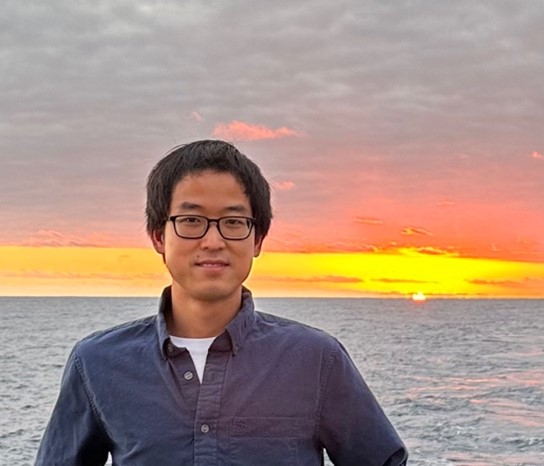
Weiyi Tang is an Assistant Professor at the University of South Florida College of Marine Science, specializing in biogeochemistry and climate change. His research integrates laboratory experiments, field observations, isotopic methods, remote sensing, machine learning, and numerical modeling to investigate ocean ecosystem responses to human activities and climate feedbacks. Research interests focus on: Global nitrogen cycle processes (N 2 fixation, nitrification, denitrification, N 2 O cycling) Marine carbon cycling and biological productivity Global biogeochemical data compilation and meta-analysis Development of biogeochemical observation methods and instruments His work combines nitrogen isotope analysis, microbial characterization, and statistical tools to understand environmental drivers of biogeochemical cycles. Recent publications (2022-2025) reveal strong emphasis on nitrogen transformation kinetics in estuarine and oceanic systems, particularly nitrous oxide dynamics under varying oxygen conditions. Key trends include machine learning applications for global nitrogen fixation modeling, dust-driven phytoplankton blooms, and anthropogenic impacts on greenhouse gas emissions. Studies frequently leverage high-resolution field data from the Chesapeake Bay and North Atlantic. Scientific Awards: No awards mentioned in source material Dr. Tang actively recruits undergraduate, graduate, and postdoctoral researchers for his Biogeochemistry Lab, with current openings for candidates specializing in geochemistry, microbial biology, or satellite remote sensing. His group collaborates on diverse biogeochemical processes using interdisciplinary approaches. The Biogeochemistry Lab develops innovative methodologies including cavity ring-down laser absorption for underway N 2 fixation measurements and molecular techniques for characterizing nitrogen-cycling microbes. Current projects examine climate change impacts on nitrogen-carbon-climate interactions in marine ecosystems worldwide.
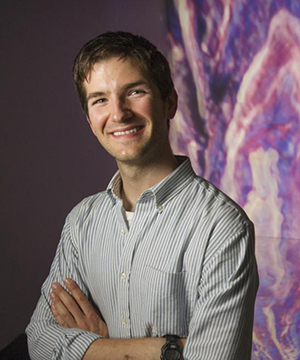
Dani Mendoza DellaGiustina is an Assistant Professor at the University of Arizona's Lunar and Planetary Laboratory (LPL), with research focused on surface and near-surface structure of small airless worlds. She serves as Principal Investigator for OSIRIS-APEX and Deputy Principal Investigator for OSIRIS-REx missions, while also contributing to Artemis III LEMS, Hera, and Martian Moons eXplorer as a science team member. Ph.D., University of Arizona (2021) Current faculty since 2014 Teaching courses: PTYS 416/516 (Planetary Surface Processes) Her research interests include planetary geophysics , asteroid surface evolution , space weathering , and water distribution in the solar system . She combines remote-sensing data, geophysical instruments, and terrestrial analog field studies to investigate airless body processes. Recent publications focus on Bennu's seismic activity , carbonate vein analysis , regolith dynamics , and planetary analog seismology . Her work reveals insights into rubble-pile asteroid interiors, impact resurfacing, and low-cohesion surface physics. Awarded The Brilliant 10 (2022) by Popular Science, she mentors graduate students and leads spacecraft mission instrument development. Current advisees include Rishi Chandra, Carson Fuls, and Robin Van Auken.
Derek Gray is an Associate Professor in the Department of Biology at Wilfrid Laurier University in Waterloo, Ontario. His research focuses on understanding and predicting the impacts of climate change , acidification , invasive species , and anthropogenic disturbances on freshwater ecosystems and zooplankton communities . University: Wilfrid Laurier University School: Faculty of Science Department: Biology Email: dgray@wlu.ca Office: BA423, Extension: (548) 889-3702 Gray's research spans Arctic lakes , Great Plains ecosystems , and subarctic regions , examining how zooplankton and macroinvertebrates respond to environmental stressors like road dust , salinity changes , and permafrost thaw . Current projects include studying the rehabilitation of Frame Lake and assessing climate-driven impacts on lake biodiversity . His recent publications highlight salinization as a critical threat to freshwater biodiversity, with studies showing that community-level salt tolerance is unpredictable due to intraspecific variation . Gray collaborates on global lake temperature datasets and has co-authored over 30 peer-reviewed articles on freshwater resilience and stressor interactions. Gray supervises students working on zoooplankton , water quality , and ecosystem recovery , including Abbe Binning , Madeline Patenall , and Mercedes Huynh . He is involved in Freshwater Ecology Lab initiatives and maintains open-access datasets on lake water quality and climate change effects .
Dr. Fahimeh Mirchooli is a postdoctoral researcher in the Department of Geography at the University of Bonn, Germany, working within the AG Klaus research group. Her work focuses on hydrology, soil erosion, and sustainability of catchment systems. She holds a PhD in Natural Resource Engineering from Tarbiat Modares University, Iran, and has held academic research roles at Sari Agricultural Sciences and Natural Resources University and Hakim Sabzevari University. PhD, Natural Resource Engineering (Watershed Science and Engineering), Tarbiat Modares University, Iran, 2020 Visiting Researcher, University of Salzburg, Austria, 2019 MSc, Natural Resource Engineering (Watershed Management), Isfahan University of Technology, Iran, 2013 BSc, Natural Resource Engineering (Rangeland and Watershed Management), University of Tehran, Iran, 2011 Dr. Mirchooli's research centers on soil erosion and conservation , sediment-water interactions , spatial modeling using machine learning , and catchment health and sustainability . She integrates geospatial analysis, environmental modeling, and data science to assess land degradation, ecosystem services, and environmental risk. Her work often involves remote sensing, GIS, and hybrid modeling approaches combining empirical and machine learning techniques. Her recent publications (2018–2024) reflect a strong trend in environmental risk modeling , land degradation assessment , and machine learning applications in hydrology and soil science . Topics include gully erosion susceptibility, dust emission risk, flood modeling, and watershed sustainability. The interdisciplinary nature of her research spans ecology, geoscience, agricultural science, and public health . Scientific awards and honors include: Ranked 1st among PhD students in Watershed Management Sciences and Engineering (2020) 6th rank in national PhD entrance exam for Watershed Management (2015) George Forster Fellowship (2025) Sabbatical Scholarship from Ministry of Science, Research and Technology, Iran (2019–2020) Dr. Mirchooli has received research grants including the George Forster Fellowship and a Sabbatical Scholarship. While no formal advisees are listed, her collaborative publication record indicates active mentorship and team-based research. She is involved in hydrology and sustainability research within the AG Klaus group, contributing to projects on catchment health, erosion modeling, and environmental monitoring.
Tyler James Mackey is an Assistant Professor at the University of New Mexico (UNM), specializing in sedimentology, geobiology, and Antarctic lake ecosystems. His research focuses on microbial communities in extreme environments, particularly in perennially ice-covered lakes of Antarctica. He holds a Ph.D. from the University of California, Davis (2016) and is a 2018 Agouron Institute Geobiology Fellow. His work integrates field studies and laboratory analyses to explore microbial habitats and their preservation in the rock record, with applications to understanding Earth's early evolution and astrobiology. Key Affiliations: Department of Earth and Planetary Sciences, UNM Education: Ph.D., University of California–Davis (2016) Research Interests: Sedimentology, geobiology, carbonate geochemistry, and diagenesis. He investigates microbial mat morphologies and their response to environmental changes, using ice-covered Antarctic lakes as analogs for early Earth and extraterrestrial habitats. His studies bridge modern ecosystems with ancient records, particularly in Neoproterozoic sediments. Recent Article Trends: Focus on Antarctic lake geochemistry, microbial carbonate formation, and isotopic signatures. His work employs cutting-edge techniques like metagenomics and clumped isotope analysis to trace environmental shifts over geological timescales. Awards: 2018 Agouron Institute Geobiology Fellowship Advising & Grants: Mackey advises students on Antarctic fieldwork and geochemical analyses. His grants support projects in microbial ecology and early Earth analog studies. Collaborations include work with international teams in Svalbard and Oman. Labs/Teams: Active in the EPS Research Group at UNM, focusing on sedimentology, geochemistry, and geobiology. Leads field expeditions to Antarctic lakes and lab-based geochemical experiments.
Christopher S. Edwards is an Associate Professor of Planetary Science in the Department of Physics and Astronomy at Northern Arizona University. He serves as a science team member and instrument scientist for the Emirates Mars Infrared Spectrometer on the Emirates Mars Mission "Hope", a participating scientist on the Mars Science Laboratory Curiosity Rover, a participating scientist on the OSIRIS-Rex mission to Bennu, and a Co-Investigator on the Lunar Trailblazer mission. His research spans multiple planetary missions including the 2001 Mars Odyssey Thermal Emission Imaging System, Mars Global Surveyor Thermal Emission Spectrometer, and the Mars Reconnaissance Orbiter Compact Reconnaissance Imaging Spectrometer for Mars. Dr. Edwards' research program focuses on the composition, physical properties and processes, and morphology of planetary surfaces, with an emphasis on rocky bodies including Earth. His work spans: Infrared remote sensing instrument design and development Planetary surface composition analysis using spectroscopy Geologic field observations at terrestrial analog sites Numerical modeling of surface processes His research interests include: Planetary Geology and surface processes Spectroscopy of planetary surfaces Remote sensing instrument development Volcanic processes on terrestrial planets Dr. Edwards' recent publications reveal a strong focus on Mars atmospheric studies using data from the Emirates Mars Mission, particularly examining water ice clouds, surface dust properties, and thermal characteristics. His work also extends to lunar exploration with the Lunar Trailblazer mission and asteroid studies through the OSIRIS-Rex mission, demonstrating a comprehensive approach to understanding planetary surfaces across the solar system. His scientific contributions include: Studies of Martian paleo-hydrology and surface evolution Analysis of volcanic processes on Mars and Earth Development of novel methods for thermal inertia measurements Investigations of planetary surface composition using infrared spectroscopy Dr. Edwards has conducted field research at multiple terrestrial analog sites including the western U.S., Yellowstone, Hawaii, Spain, and the Himalayan mountains of Bhutan, connecting Earth-based observations to planetary science questions through the Planetary Instrumentation eXperimentation and Exploration Laboratory (PIXEL) at NAU.
Associate Professor Sarit Kaserzon is a Principal Research Fellow and Co-Theme Leader in Environmental Health Risk Assessment at the Queensland Alliance for Environmental Health Sciences (QAEHS), Faculty of Health, Medicine and Behavioural Sciences, University of Queensland. With a PhD from QAEHS completed in 2014 and a Bachelor of Science with First Class Honours in Applied Chemistry from RMIT University, she has established herself as a leading researcher in environmental chemistry and pollutant monitoring. Her research focuses on developing novel sampling and analytical methods to detect trends, levels and fate of persistent and emerging organic environmental pollutants, with particular expertise in passive sampling technologies. A pioneer in PFAS monitoring, she developed the first passive sampling monitoring techniques for perfluorinated chemicals, including calibrating the first PFAS sampler for use in groundwater systems and wastewater treatment plants. Professor Kaserzon's work spans multiple critical environmental areas, including PFAS research, water quality analysis, emerging contaminants, and environmental risk assessment. Her recent publications demonstrate strong focus on PFAS monitoring techniques, pesticide exposure assessment, and innovative analytical methods for detecting environmental pollutants. She has been instrumental in advancing non-target screening approaches using high-resolution mass spectrometry to identify emerging chemical threats in water systems. Vice Chancellor List for academic excellence, RMIT 2008 and 2009 Professor Kaserzon leads numerous significant research projects including ARC Linkage Projects, NHMRC grants, and industry collaborations focused on environmental monitoring and risk assessment. Her work with the Queensland Alliance for Environmental Health Sciences has established critical monitoring programs for contaminants in water catchments and drinking water systems across Queensland. She actively collaborates with government agencies including the Great Barrier Reef Marine Park Authority and SeqWater to translate research into practical environmental management solutions.
Allison L. Steiner serves as Chair and Professor in the Climate and Space Sciences and Engineering (CLaSP) department at the University of Michigan's College of Engineering. Her leadership extends to national scientific organizations including serving as President of the Atmospheric Sciences section of the American Geophysical Union (2023-present) and membership on the National Academy of Sciences Board on Atmospheric Sciences and Climate (2016-2022). She directs a vibrant research group focused on biosphere-atmosphere interactions and maintains an active role in professional service through editorial positions and scientific steering committees. Education: Ph.D., Atmospheric Science, Georgia Institute of Technology B.S., Chemical Engineering, Johns Hopkins University Dr. Steiner's research examines the complex interactions between vegetation and atmospheric processes, with particular emphasis on how biological emissions affect air quality and climate. Her group investigates pollen emissions and their impacts on cloud formation, studies biogenic trace gas emissions from forests, and models regional climate responses to land surface changes. Recent work has expanded to include microplastics in agricultural dust, lake spray aerosols in the Great Lakes region, and the public health implications of pollen concentrations. Her interdisciplinary approach integrates field observations, satellite data, and advanced modeling techniques to address critical environmental questions. Analysis of recent publications reveals a strong trend toward interdisciplinary research connecting atmospheric science with public health, energy systems, and environmental policy. Her group has increasingly focused on translating climate research into actionable insights for stakeholders, evidenced by publications on power grid resilience, pollen-related respiratory health, and Great Lakes ecosystem management. The research spans multiple spatial scales from canopy-level processes to continental climate modeling, with growing emphasis on integrating social dimensions into environmental science. Notable Awards: American Meteorological Society Walter Orr Roberts Lecturer in Interdisciplinary Sciences (2022) Sarah Goddard Power Award, University of Michigan (2020) Harold R. Johnson Diversity Service Award, University of Michigan (2018) American Geophysical Union Atmospheric Sciences Ascent Award (2016) Henry Russel Award, University of Michigan (2013) NSF CAREER Award (2010-2015) Dr. Steiner has successfully mentored numerous graduate students to completion of their PhDs, with many securing prestigious postdoctoral positions at institutions like NCAR, NOAA, and major research universities. Her research program is supported by multiple grants from NSF, NASA, DOE, and NOAA, including leadership roles in the NSF CoastalSEES project on harmful algal blooms and participation in NASA's ECOSTRESS mission. She has established productive collaborations with public health researchers, particularly on pollen-related health impacts. The Steiner research group operates the Frontiers in Atmospheric Chemistry Seminar Series (FACSS) and maintains active field sites at the University of Michigan Biological Station and in the Great Lakes region. They collaborate extensively with national laboratories including NCAR, NOAA, and DOE facilities, and participate in major field campaigns such as TRACER in Houston. The group's modeling work leverages advanced tools including WRF-Chem, RegCM, and custom canopy chemistry models like FORCAsT.
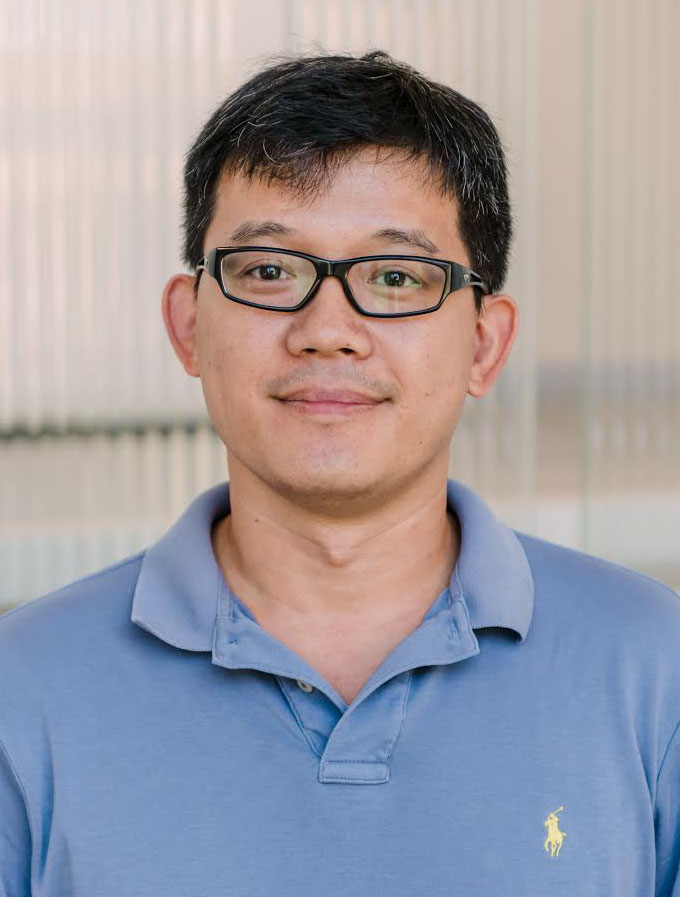
Dr. Zhibo Zhang is a Professor in the Department of Physics at UMBC and serves as Associate Director of Academics at the Joint Center for Earth Systems Technology (JCET). He holds a Ph.D. (2008) and M.S. (2004) in Atmospheric Sciences from Texas A&M University and a B.S. (2001) in Atmospheric Sciences from Nanjing University. His research focuses on aerosol-cloud-radiation interactions, climate modeling, and remote sensing applications. Key areas include quantifying aerosol effects on Earth's energy budget, analyzing low-level cloud dynamics in the Southeast Atlantic, and improving climate model representations of aerosol-cloud processes. Research is supported by NASA, DOE, NSF, and JCET. His group, the Aerosol, Cloud, Radiation-Observation and Simulation (ACROS) Group, employs satellite data (e.g., NASA's A-Train, DOE's ARM) and global/regional models to study climate change, air quality, and weather impacts. Recent work examines African biomass burning aerosols' interactions with marine boundary layer clouds and the role of cloud diurnal cycles in regional warming. Dr. Zhang has received prestigious awards including the UMBC Mid-Career Award (2022) and the IRC Young Scientist Award (2016). He has held leadership roles such as UMBC Physics Graduate Program Director (2014–2019) and has authored over 100 peer-reviewed publications. His work addresses critical gaps in climate model parameterization, aerosol radiative effects, and satellite data interpretation. Current research priorities include developing the CAMRO-Dust database, improving dust aerosol retrievals using thermal infrared methods, and leveraging machine learning for cloud detection and classification. Collaborations emphasize multi-sensor data fusion and bridging observational and modeling communities to advance Earth systems understanding.
Lonneke Roelofs is a Researcher in the Department of Physical Geography at Utrecht University, within the Faculty of Geosciences. She specializes in studying debris flows and mass movements on Earth and Mars, focusing on CO2-driven processes under Martian conditions. Her research bridges planetary geology and geomorphology, with a focus on landscape evolution under varying planetary conditions. Education: MSc Earth Surface and Water (Utrecht University, 2017–2019) – Cum Laude BSc Earth Sciences (Utrecht University, 2014–2017) – Cum Laude Geosciences Honors College (Utrecht University, 2014–2017) Research Interests: Her work explores debris flow dynamics across planetary bodies, particularly comparing water-driven flows on Earth with CO2-driven flows on Mars. Key areas include: CO2 sublimation mechanisms in Martian gullies Bedrock erosion by debris flows under varied conditions Remote sensing of planetary surfaces Geo-computation for planetary geomorphology Key Contributions: Her experiments in facilities like the Aarhus Mars Simulation Wind Tunnel and the Open University’s Mars Chamber have advanced understanding of Martian surface processes. Recent work highlights CO2’s role in shaping Martian landscapes and informing Earth hazard prediction under climate change. Awards and Recognition: Escher Award (2019) – Best Master’s Thesis in Earth Sciences, Netherlands Teacher Talent Award (2020) – Top Emerging Lecturer, Faculty of Geosciences Member, Young Women of Geoscience (YWOG) Committee (2019–2023) – Chair since 2021 Teaching & Outreach: Previously served as a lecturer and teaching assistant for Earth Sciences courses. Developed the Summer School Junior program for primary school students, fostering early STEM engagement. Committed to improving diversity and inclusion in academia through initiatives like YWOG. Labs & Facilities: Active in experimental facilities simulating Martian environments and terrestrial fluvial-tidal systems. Collaborates with international teams on planetary geomorphology projects.
Owen Embury is a researcher in the Department of Meteorology at the University of Reading, specializing in Earth surface remote sensing and climate science. His work focuses on developing satellite-based datasets for climate applications, particularly sea surface temperature (SST) analysis. He contributes to the European Space Agency’s Climate Change Initiative (SST CCI) and collaborates on projects like the OSTIA system for reprocessing SST data. His research spans over two decades, addressing challenges in satellite data harmonization, cloud detection, and dust-related biases. Key contributions include long-term SST datasets since the 1980s and advancements in thermal infrared radiometry. Embury’s work intersects with global climate monitoring, supporting initiatives like the Copernicus Marine Environment Monitoring Service. Publications emphasize SST validation, Bayesian cloud detection, and multivariate lake monitoring. Collaborations with international teams on projects such as Himawari-8 SST products and GOES-12 sensors highlight his global impact. His research underpins climate models and policy frameworks, reflecting a commitment to advancing Earth observation for scientific and societal benefit.
Erin Black is an Assistant Professor in the Department of Earth and Environmental Sciences at the University of Rochester. She earned her PhD from the Massachusetts Institute of Technology and Woods Hole Oceanographic Institution. Her research focuses on marine carbon cycling, particularly the biological carbon pump, using isotope geochemistry and uranium-thorium series radionuclides. Her group investigates mechanisms controlling carbon export in the Arctic, iron availability in global oceans, and manganese scavenging in the Pacific. Dr. Black is constructing a radioisotope facility at UR with alpha, beta, and gamma counting capabilities, primarily for analyzing uranium-thorium decay series isotopes. This lab supports collaborations involving short-lived cosmogenic isotopes (e.g., beryllium-7) and anthropogenic radionuclides (e.g., cesium, plutonium). Her work bridges geochemical analysis with climate modeling, aiming to improve predictions of oceanic carbon sequestration under modern climate change. Key research themes include: 1) Arctic Ocean biogeochemistry and mercury export fluxes, 2) trace metal cycling (iron, cadmium, cobalt) in the Southeast Pacific, and 3) hydrothermal scavenging dynamics in the South Pacific. Recent studies have explored dust-derived iron delivery to high-nitrate low-chlorophyll regions and the role of hydrogen sulfide in trace metal sequestration. Notable collaborations include the GEOTRACES program, Arctic Ocean expeditions, and Pacific Basin radioisotope analyses. Her lab’s multidisciplinary approach integrates field measurements, laboratory isotope analyses, and numerical modeling to address critical questions in marine biogeochemistry.
Dr. Jenny Feige is a Researcher at the Museum of Natural History Leibniz Institute for Evolution and Biodiversity Research in Berlin, Germany. She serves as the project leader of the ERC Starting Grant NoSHADE (2023-2028), which focuses on novel perspectives on our Solar System history recorded in the Atacama Desert. Her research interests center on the origin of cosmic dust on Earth, including interstellar dust from nearby stellar explosions through the detection of radioactive supernova isotopes, and interplanetary dust found on Earth's surface as micrometeorites. Her work bridges astrophysics, geochemistry, and planetary science, with a particular focus on understanding supernova activity and its signatures in terrestrial archives. Analysis of her publication record from 2012-2024 reveals a strong focus on supernova-produced radionuclides (particularly 60Fe and 244Pu), cosmic dust transport mechanisms, and the application of advanced analytical techniques like Accelerator Mass Spectrometry. Her research spans multiple disciplines including astrophysics, geochemistry, planetary science, and nuclear physics, with publications appearing in high-impact journals such as Nature, PNAS, and Astronomy & Astrophysics. Scientific Awards: ERC Starting Grant NoSHADE (2023-2028) Dr. Feige's research program involves extensive international collaboration across multiple institutions and disciplines. Her work on supernova-produced radionuclides in deep-sea sediments and meteoritic material has significantly contributed to our understanding of recent stellar activity near our solar system and the transport mechanisms of extraterrestrial material to Earth. She employs cutting-edge analytical techniques including Accelerator Mass Spectrometry to detect minute quantities of cosmogenic and supernova-ejected radionuclides.
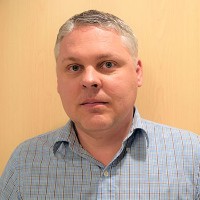
Nenad Zaric is a Senior Research Associate at the Faculty of Biology, University of Belgrade, specializing in environmental monitoring using honey bees as bioindicators. His research focuses on pesticide metabolism, trace element dynamics, and anthropogenic pollution impacts on bee health. PhD in Biology (2017), University of Belgrade BSc in Biology (2012), University of Belgrade Research Interests: Environmental bioindication with bees Pollution source apportionment Colony nutrition and disease Elemental speciation analysis Urban-rural pollution gradients Sustainable beekeeping practices Recent publications demonstrate expertise in arsenic speciation, lead pollution tracking, and sex-specific toxin accumulation in bees. His work integrates chemical analysis with ecological modeling.