Bettina SchwabView profile
Visiting Professor
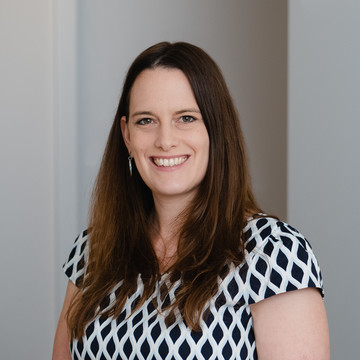
Bettina Schwab is a Visiting Professor in the Faculty of Medicine at the University Medical Center Hamburg-Eppendorf (UKE). She holds an affiliation with the Institute of Neurophysiology and Pathophysiology within the Center for Experimental Medicine. Her research focuses on neural oscillations, transcranial alternating current stimulation (tACS), and their applications in motor control, stroke rehabilitation, and neurodegenerative diseases such as Parkinson's. Dr. Schwab’s work bridges computational modeling with experimental neuroscience, addressing questions about neural synchronization, neuroplasticity, and neuromodulation. Key research interests include studying the effects of tACS on cortical connectivity and motor performance, particularly in stroke survivors and healthy individuals. She investigates how rhythmic brain stimulation modulates sensory and motor processes, with a focus on theta-gamma coupling, phase-specific effects, and interhemispheric interactions. Her studies also explore computational models of deep brain stimulation (DBS) for refractory epilepsy and Parkinson’s disease, emphasizing the role of electric fields and neural network dynamics. Dr. Schwab’s contributions extend to understanding basal ganglia-thalamic communication in motor tasks and the role of intrinsic neural properties in Parkinsonian synchrony. She employs advanced techniques such as EEG, MEG, and computational simulations to dissect neural mechanisms underlying perception, movement, and neurological disorders. Her work highlights interdisciplinary approaches to advancing translational neuroscience and clinical neurorehabilitation. Her recent studies (2023–2025) emphasize the modulation of cortical high-gamma activity in stroke recovery, phase-specific effects of tACS on visual perception, and the differential impact of theta-gamma stimulation on motor skill acquisition. These findings contribute to optimizing non-invasive brain stimulation protocols for therapeutic applications.