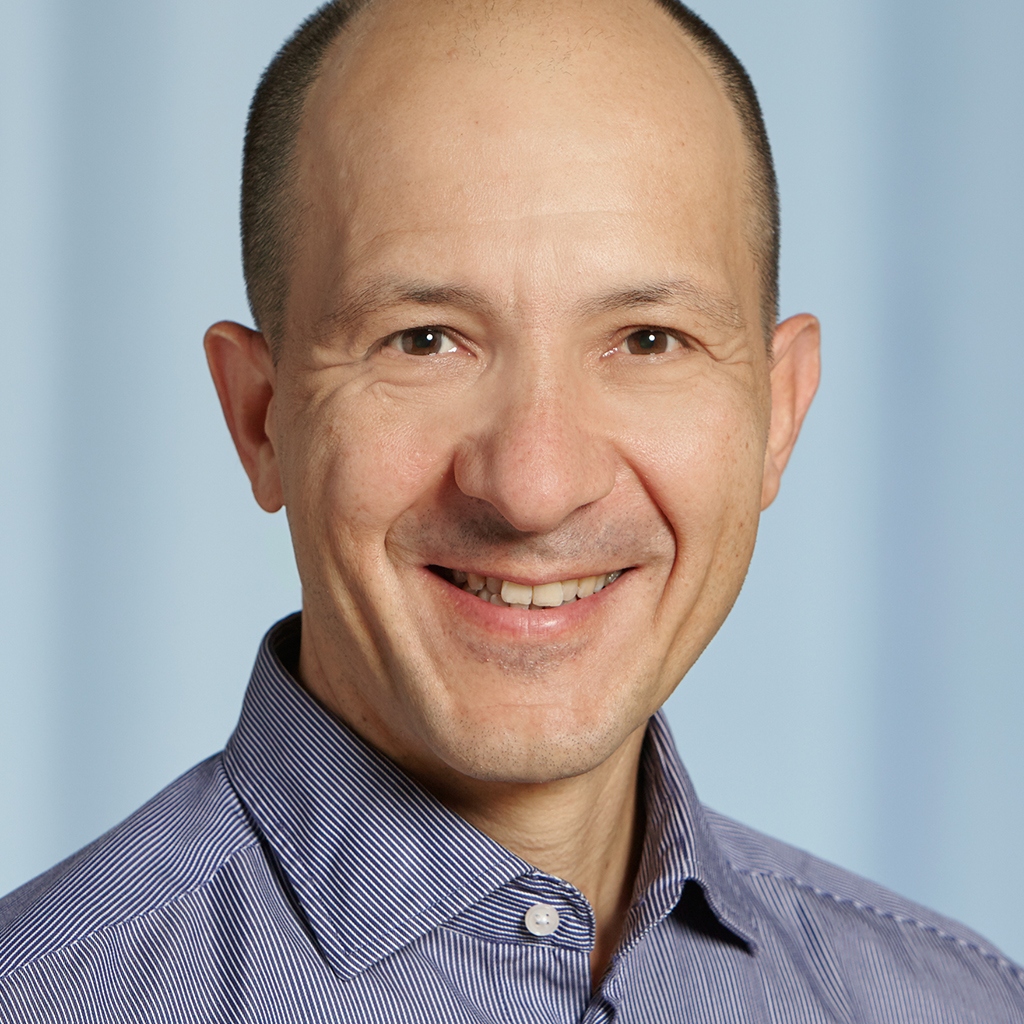
Giacomo Indiveri is a dual Professor at the Faculty of Science of the University of Zurich and the Department of Information Technology and Electrical Engineering of ETH Zurich . He serves as the Director of the Institute of Neuroinformatics at both institutions. Indiveri holds an M.Sc. in Electrical Engineering (1992) from the University of Genoa and a Ph.D. in Computer Science (2004) from the same university. Primary Affiliation: University of Zurich (Faculty of Science, Institute of Neuroinformatics) Secondary Affiliation: ETH Zurich (Department of Information Technology and Electrical Engineering) Indiveri's research bridges neuroscience , computer science , and machine learning to develop neuromorphic cognitive systems . His work focuses on spike-based learning , recurrent neural networks , and analog/digital circuit design for real-time sensory-motor systems . He integrates emerging memory technologies into fault-tolerant event-based architectures, enabling brain-inspired computing paradigms in applications like robotics and medical monitoring. His recent publications emphasize neuromorphic hardware for epileptic seizure detection , spiking neural networks in robotic painting , and scalable processors with on-chip learning . These works explore biologically plausible neurons , delay lines , and memory arrays for temporal processing, with applications in healthcare , edge computing , and adaptive control . Scientific Awards & Recognitions: 2021 IEEE Biomedical Circuits and Systems Best Paper Award Senior Member of IEEE Society ERC Fellow with three European Research Council grants Indiveri's group at the Institute of Neuroinformatics develops event-based systems for real-world validation of brain-inspired computing. His work includes multi-core processors , feedback optimizers , and dynamic routing architectures , supported by grants for advancing neuromorphic technologies .
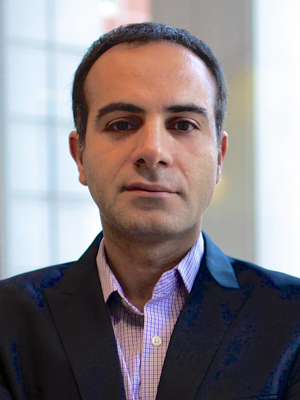
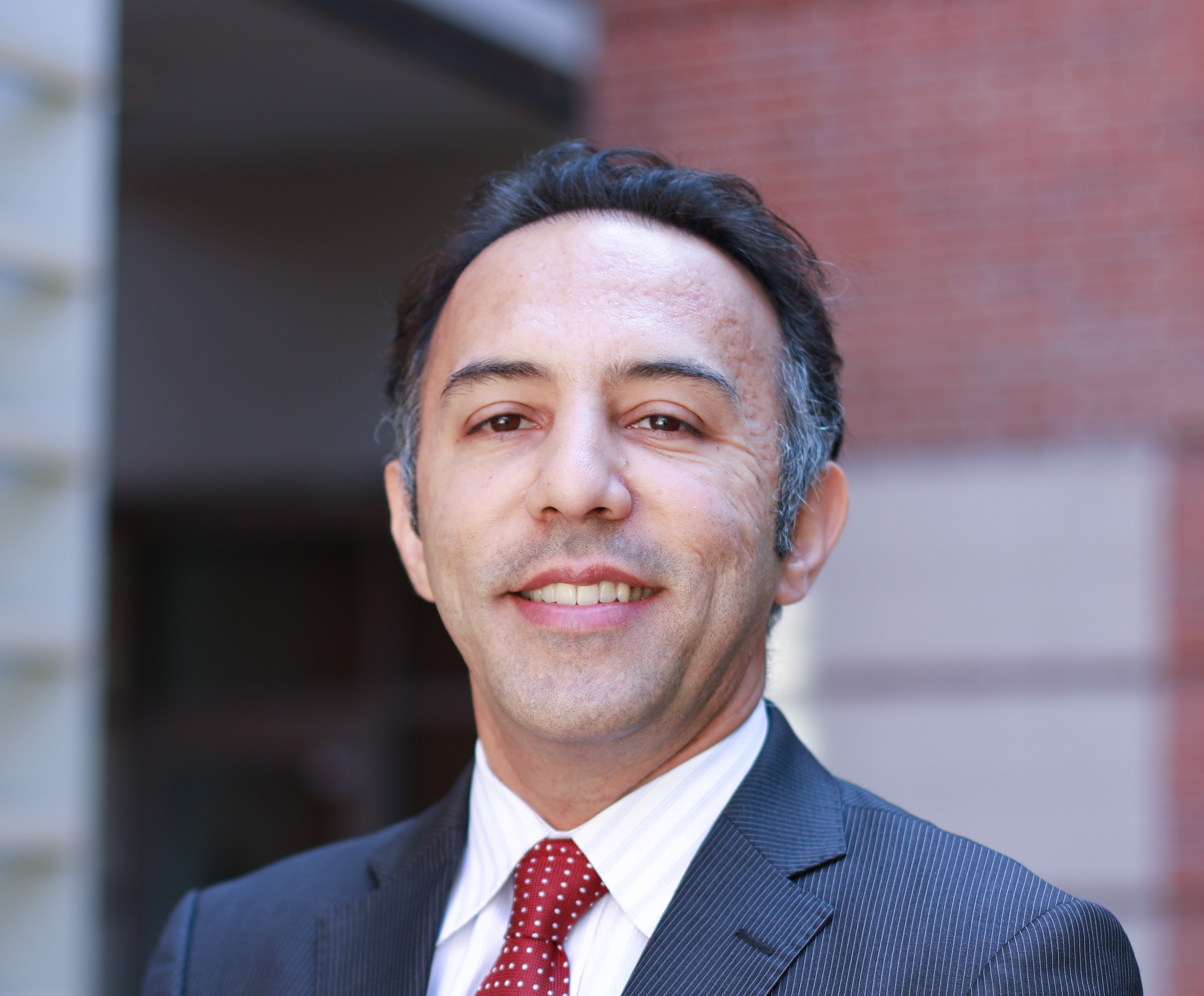
Nima Mesgarani is an Associate Professor of Electrical Engineering at Columbia Engineering, Columbia University, affiliated with the Sense, Collect and Move Data Committee. His research bridges engineering and neuroscience through reverse-engineering neural signal processing mechanisms, leading to advancements in brain-machine interfaces, neural prosthetics, and speech processing algorithms. He received his PhD in Electrical Engineering from the University of Maryland and completed postdoctoral training at Johns Hopkins University's Center for Language and Speech Processing and UC San Francisco's Neurosurgery Department. Research Focus Professor Mesgarani's lab integrates computational neuroscience and engineering to study acoustic signal processing. Key areas include: Neural decoding of speech and auditory attention in multi-talker environments Development of brain-controlled hearing technologies Novel speech separation and synthesis algorithms inspired by cortical processing Cross-modal learning between auditory and visual systems Applications of large language models in neural signal interpretation Publication Trends Analysis of his 15 most recent articles (2025) reveals dominant themes: neural decoding techniques using intracranial EEG, brain-inspired speech separation models (e.g., Mamba architectures), applications of large language models in auditory neuroscience, cross-modal distillation methods, and clinical translation of audio processing algorithms. A strong emphasis emerges on real-time brain-computer interfaces and noise-robust speech processing. Laboratory and Collaborations Mesgarani directs an interdisciplinary lab developing neurotechnology for hearing restoration. His team collaborates with neurosurgery departments and speech processing centers, focusing on translating theoretical models into clinical brain-machine interfaces. The lab's work has yielded patents for brain-informed speech separation systems and attention-decoding frameworks.
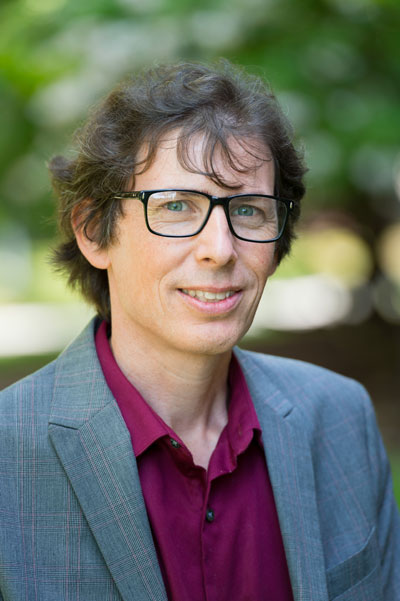
Steven Rogak is a Professor in the Department of Mechanical Engineering at the University of British Columbia's Faculty of Applied Science. He holds a P.Eng. license and degrees including a B.A.Sc. in Mechanical Engineering from UBC, and M.Sc. and Ph.D. from Caltech. P.Eng., University of British Columbia B.A.Sc., University of British Columbia M.Sc., Ph.D., California Institute of Technology His research focuses on aerosol science, particularly solid nanoparticles from combustion processes, their climate and health impacts, and mitigation strategies. Key areas include: Soot morphology and transport properties Engine emission reduction via fuel injectors Indoor air filtration systems Membrane-based energy exchangers Atmospheric particulate analysis The 15 most recent articles span experimental and theoretical studies on soot characterization, membrane technologies, and aerosol dynamics, with applications in climate modeling, healthcare ventilation, and sustainable materials. Collaborations include Westport Innovations and interdisciplinary teams. Rogak leads the Aerosol Laboratory at UBC, where he applies fluid mechanics and heat transfer fundamentals to address environmental and health challenges. He emphasizes experimental rigor and welcomes graduate students with expertise in these areas.
Dr. Rajesh Bera is a Research Fellow at ICFO's Functional Optoelectronic Nanomaterials group specializing in quantum-confined nanostructures. His research examines ultrafast carrier dynamics, excitonic properties, and optoelectronic applications of nanomaterials including quantum dots, nanoplatelets, and hybrid nanostructures. Current investigations focus on intraband transitions in doped nanocrystals, orientation-dependent excitonic behavior in 2D materials, and charge transfer mechanisms in heterostructure devices. Work bridges fundamental photophysics with applications in photodetection, sensing, and energy conversion. Recent publications demonstrate expertise in time-resolved spectroscopy of quantum materials, nanomaterial synthesis via colloidal chemistry, and rational design of optoelectronic devices. Continually develops novel characterization methods to probe ultrafast processes at nanoscale interfaces.
Professor Jianhua Guo is a faculty member at The University of Queensland (UQ), holding the position of Professor and UQ Amplify Fellow in the Australian Centre for Water and Environmental Biotechnology (ACWEB). He is also the ACWEB Deputy Director - Research. His research focuses on integrating process engineering, environmental microbiology, and biotechnology to develop sustainable solutions for contaminant removal in water and wastewater systems. He is a pioneer in studying the environmental dimension of antimicrobial resistance (AMR), particularly how non-antibiotic pharmaceuticals and chemicals contribute to AMR spread. His groundbreaking work has been featured in over 100 media outlets and has secured over $14M in research funding. He has published over 200 peer-reviewed articles in journals like Nature Microbiology , Water Research , and Environmental Science & Technology . His accolades include the 2013 DECRA and 2017 ARC Future Fellowship. He serves as an editor for Journal of Hazardous Materials and Water Science & Technology . Research Interests Environmental AMR and microbial ecology Methane-based biotechnology and bioconversion Nitrogen cycling microorganisms Bioremediation and biofilm reactors Microplastics and health risks Wastewater treatment innovations Grants & Funding $14M+ in ARC Discovery/Linkage grants and industry partnerships ARC Training Centre for Environmental and Agricultural Solutions to Antimicrobial Resistance (CEA-StAR) Dual-membrane upgrading and anaerobic alkane oxidation projects Awards 2013 DECRA 2017 ARC Future Fellowship Supervision Prof. Guo actively supervises PhD and master’s students in areas like AMR mitigation, methane-based bioreactors, and microbial ecology. Notable supervised projects include studies on antibiotic resistance in wastewater, novel disinfection processes, and microbial oxidation of gaseous alkanes. Labs & Teams He leads research teams within ACWEB and collaborates with the Queensland Alliance for Environmental Health Science. His lab focuses on cutting-edge technologies like membrane biofilm reactors and gas fermentation systems.
Beatriz Noheda is a Full Professor of Functional Nanomaterials at the University of Groningen's Faculty of Science and Engineering, where she chairs the Solid State Materials for Electronics group at the Zernike Institute for Advanced Materials. She also serves as the founding Director of the Groningen Cognitive Systems and Materials center (CogniGron). Her academic journey began with a PhD in Physics from the Autonomous University of Madrid in 1996, followed by research positions at Brookhaven National Laboratory and various European institutions before joining Groningen through the prestigious Rosalind Franklin Fellowship program in 2004. Her research interests span the physics of functional materials with particular emphasis on ferroelectric, piezoelectric, and multiferroic thin films . She investigates the relationship between structure and functionality, focusing on nano-domain control through strain engineering and the unique properties of domain walls. Her work bridges fundamental physics with two promising application areas: piezoelectric energy harvesting for low-power electronics and the development of novel materials for neuromorphic computing . This dual focus reflects her vision of enabling the next technological revolution through materials science. Noheda's publication record shows a clear evolution from fundamental structural studies of ferroelectric materials toward cutting-edge research in hafnia-based ferroelectrics and neuromorphic computing materials. Her most recent work focuses on oxygen migration in hafnium-zirconium oxide systems, metal-insulator transitions in nickelates, and the development of novel ferroelectric phases suitable for next-generation electronic devices. These publications demonstrate her leadership in advancing the field from basic understanding toward practical applications in memory devices and cognitive computing systems. Fellow of the American Physical Society (2011) - awarded for fundamental structural studies of new phases in perovskite-type ferroelectric materials and domain nanostructures IEEE Robert E. Newnham Ferroelectrics Award (2020) - for outstanding contributions to understanding giant piezoelectricity in lead zirconate titanate Member of the Netherlands Academy of Technology and Innovation (AcTI) (2022) Elected Senior member IEEE (2021) Rosalind Franklin Fellowship (2004) - enabling her successful academic career in Groningen Noheda has secured substantial research funding throughout her career, including a Rosalind Franklin Fellowship (2004-2009), VIDI-NWO Fellowship (2004-2008), TOP-NWO project on Functional Nanowalls (2007-2012), multiple Zernike Institute Dieptestrategie grants, and a significant TOP-PUNT grant (2016-2021). She has supervised numerous students and early-career researchers, contributing to the development of the next generation of materials scientists. Her leadership extends to editorial roles on prestigious journals including Science, Physical Review Applied, and npj Quantum Materials. As Director of CogniGron, Noheda leads an interdisciplinary center focused on developing materials and systems for cognitive computing. Her team combines expertise in functional oxides, nanoelectronics, and neuromorphic engineering to create novel computing paradigms inspired by the human brain. The center represents a strategic initiative at the University of Groningen to position itself at the forefront of cognitive systems research.
Marc V Fuccillo is an Associate Professor of Neuroscience at the Perelman School of Medicine, University of Pennsylvania, where he leads a research laboratory focused on understanding the neural circuit mechanisms underlying behavioral control. His work bridges molecular, synaptic, and behavioral approaches to investigate how striatal circuits regulate mouse behavior from simple motor patterns to complex goal-directed actions. Fuccillo holds dual appointments in the Neuroscience and Cell and Molecular Biology Graduate Groups at Penn and maintains an active laboratory investigating the synaptic and circuit basis of neuropsychiatric disorders. Education: B.A. in Molecular and Cellular Biology and Music Performance (Violin) from Brown University (1998) Ph.D. in Developmental Genetics from New York University School of Medicine (2007) M.D. from New York University School of Medicine (2008) Fuccillo's research centers on the synaptic and circuit mechanisms of behavioral control, with particular emphasis on striatal circuits. His laboratory employs a range of technologies including mouse genetics, in vitro electrophysiology, in vivo imaging, and quantitative behavioral analysis to explore how neural circuits of the striatum regulate behavior and how disruptions in these circuits contribute to neuropsychiatric disorders. His work has particularly focused on autism-associated abnormalities in behavioral control, examining how synaptic adhesion molecules like neuroligins and neurexins shape circuit function and behavior, with significant findings regarding D1 dopamine receptor positive medium spiny neurons in the nucleus accumbens. Analysis of Fuccillo's recent publications reveals a strong focus on striatal circuit function across multiple dimensions. His work spans molecular neuroscience (examining synaptic adhesion molecules), cellular physiology (studying specific neuron types in striatal circuits), systems neuroscience (mapping circuit connectivity), and behavioral neuroscience (quantifying motor learning and decision-making). A unifying theme is how disruptions in specific molecular pathways lead to circuit-level abnormalities that manifest as behavioral phenotypes relevant to neuropsychiatric disorders, with particular attention to autism, OCD, and schizophrenia models. Scientific Recognition: Publications in high-impact journals including Nature Neuroscience, Current Biology, Cell Reports, and Neuron Research supported by multiple NIH grants including NIMH F32, NIMH K01, and HHMI Gilliam Fellowship awards for lab members Fuccillo actively mentors a diverse group of trainees including postdoctoral fellows, graduate students, and undergraduates. His laboratory has produced numerous successful alumni who have gone on to faculty positions, medical residencies, and graduate programs at prestigious institutions. His mentoring approach emphasizes technical skill development across multiple neuroscience disciplines while fostering independent scientific thinking. Current research in his lab is supported by NIH funding focused on understanding the molecular architecture of striatal circuits and their role in behavioral control, with three major research directions exploring molecular logic of striatal circuits, circuit mechanisms of behavioral control, and striatal dysfunction in neuropsychiatric disease models. The Fuccillo Laboratory operates within the Department of Neuroscience at the University of Pennsylvania, with access to state-of-the-art facilities for molecular, electrophysiological, imaging, and behavioral neuroscience research. The lab maintains active collaborations with other neuroscience research groups at Penn and beyond, creating a rich intellectual environment for studying the neural basis of behavior. Current research directions include investigating whether there is a molecular logic to striatal circuit composition, how striatal circuits shape behavioral control, and what mouse models of autism, schizophrenia, and OCD can reveal about striatal circuit dysfunction in disease pathophysiology.
Dr. Rebecca Connolly is an Adjunct Professor at the Sydney Law School, University of Sydney, specializing in International Space Law, Technology Law, and Biotechnology Regulation. Her research addresses global governance challenges in outer space militarization, commercialization, and sustainability, while contributing to agricultural biotechnology policy frameworks. She is affiliated with the Space Law Council of Australia and New Zealand and the International Law Association. Education: LL.B (Hons), LL.M, Ph.D. (Sydney University). Teaching focuses on International Space Law and Technology Law. Recent publications (2023) emphasize regulatory gaps in near-space military activities and outer-space advertising, reflecting her expertise in emerging legal frontiers. Publications span over two decades, with early work addressing WTO disputes over genetically modified foods and AUSFTA environmental cooperation. No scientific awards listed, though her contributions to space law are notable. She supervises in space law and technology law domains, contributing to interdisciplinary legal scholarship.
Aleksei Zheltikov is a University Distinguished Professor at Texas A&M University's Department of Physics and Astronomy. He holds dual affiliations with the International Laser Center and Physics Department of M.V. Lomonosov Moscow State University, and the Russian Quantum Center. His research focuses on ultrafast nonlinear optics and biophotonics, addressing applications in imaging, laser filamentation, and strong-field physics. Zheltikov earned his PhD (1990) and Doctor of Science (1999) degrees from Moscow State University, becoming a full professor there in 2000 before joining Texas A&M in 2010. He leads a research team including Xinghua Liu and Ajithamithra Dharmasiri. Recipient of prestigious awards including the Russian Federation State Prize (1997), Lamb Award (2010), and Kurchatov Prize (2014), his work bridges fundamental optics research with medical diagnostics and quantum technologies. Key contributions include developing laser filament-based imaging techniques and advancing Raman scattering-based frequency conversion methods in hollow-core fibers.
Kaiyu Hang is an Assistant Professor in the Department of Computer Science at Rice University, where he directs the Robotics and Physical Interactions Lab (RobotΠ Lab). His research spans multiple domains of robotics with a focus on physical interaction systems. Before joining Rice, he completed his postdoc at Yale University, earned his Ph.D./M.Sc. at KTH Royal Institute of Technology, and received his B.Eng. from Xi'an Jiaotong University. His research interests include robotic manipulation, grasping, in-hand manipulation, optimization, planning, learning, estimation, and control systems. He develops algorithms that enable robots to physically interact with other robots, people, and the world across scales from small grasping tasks to large-scale dual-arm and multi-robot manipulation systems. His work has practical applications in factories, kitchens, hospitals, warehouses, and construction sites. His recent publications demonstrate strong trends in in-hand manipulation techniques, energy-efficient drone operations, and benchmarking frameworks for robotic grasping. The 2025 IROS papers accepted highlight his leadership in developing standardized competition frameworks for evaluating robotic manipulation capabilities across diverse hardware platforms. ASME Rising Star of Mechanical Engineering (2024) NSF CAREER Award (2023) Multiple finalist awards at IEEE-RAS Humanoids and ICRA conferences Junior Fellowship Award from Institute for Advanced Study, HKUST (2017-2018) As an educator, he has taught multiple robotics courses including COMP 462/562: Introduction to Modern Robotics and COMP 461: Senior Design in A Robotized World. He serves as Faculty Advisor for the Rice Robotics Club and participates in graduate admissions. His lab actively recruits Ph.D. students and offers research opportunities for undergraduate and master's students who have completed core robotics courses.
Aydin Babakhani is a Professor in the Department of Electrical and Computer Engineering at the University of California, Los Angeles (UCLA), affiliated with the College of Life Sciences. He directs the Integrated Sensors Laboratory (ISL), which focuses on the design and implementation of integrated sensors and systems. His research spans high-speed wireless communication, terahertz technology, medical implants, radar systems, and industrial monitoring solutions. Research Interests: Prof. Babakhani's work integrates silicon-based technologies with applications across multiple domains. Key areas include: Silicon mm-Wave/THz transceivers and on-chip antennas for communication and sensing Wirelessly powered medical implants for biopotential monitoring and neural stimulation THz radar systems for micrometer-resolution imaging and vibration detection Energy harvesting solutions for batteryless sensors in industrial and biomedical applications CMOS-based optoelectronic systems and photonic computing accelerators His recent publications (2021-2025) demonstrate a strong emphasis on terahertz systems, wireless power transfer, and miniaturized medical electronics. Over 80% of his latest articles involve silicon-integrated solutions for biomedical implants or THz sensing, with emerging focus on AI-accelerated photonic computing and multi-Gbps wireless links.
Yonatan Bisk is an Assistant Professor at Carnegie Mellon University (CMU) in the School of Computer Science , with dual appointments in the Language Technologies Institute and Robotics Institute . His research bridges Natural Language Processing (NLP) with robotics, focusing on grounded and embodied language understanding. Assistant Professor, Language Technologies Institute, CMU (2021–Present) Courtesy Appointment, Robotics Institute, CMU Research Themes : Language as a social codification of embodied experience Interpretable multimodal model training Human-robot collaboration frameworks Embodied question-answering systems Selected Trends : His recent publications show increasing focus on cross-modal attention mechanisms (Vid2Robot), error detection in toolchains (Tools Fail), and theory-of-mind reasoning in language agents (SOTOPIA). Multimodal integration spans vision, audio, and robotic control contexts (ANAVI). Labs & Collaborations : Founder of CLAW Lab (Connecting Language to Action and the World) Collaborations with Microsoft Research, Meta Inc, and CMU's REAL (Robotics, Embodied AI, Learning) community
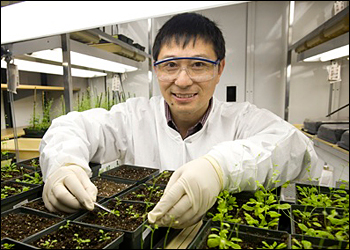
Chang-Jun Liu is a Senior Scientist in the Plant Science Group of the Biology Department at Brookhaven National Laboratory, where he has conducted research on plant phenylpropanoid biosynthesis and lignin metabolism since joining in 2005. He also holds an Adjunct Professor position in the Biochemistry & Cell Biology Department at Stony Brook University and serves as Associate Editor for Plant Cell & Environment (2024-present) and Frontiers in Plant Sciences (2015-present). Dr. Liu's educational background includes: Ph.D. in Plant Biochemistry and Molecular Biology from the Shanghai Institute of Plant Physiology, Chinese Academy of Science (1999) Dr. Liu's research integrates approaches from biochemistry, molecular genetics, biophysics, protein engineering, metabolic engineering, and synthetic biology to investigate phenylpropanoid and lignin biosynthesis in plants. His laboratory addresses fundamental questions about how lignin and related compounds are synthesized and incorporated into cell walls, how regulatory networks govern metabolic activity, and how lignification influences cell wall structure and function. A central aim of his research is optimizing plant feedstocks for efficient lignocellulosic biomass utilization. Analysis of Dr. Liu's publication record reveals a consistent trajectory from fundamental biochemical mechanisms to applied bioenergy solutions. His recent work focuses on cytochrome b5 diversity, electron transfer mechanisms in phenolic biosynthesis, and metabolic engineering approaches to modify lignin composition. This research spans from evolutionary studies of lignin biosynthesis across plant lineages to practical applications in bioenergy crop improvement. Dr. Liu has received recognition for his contributions to science, including: Brookhaven National Laboratory Science and Technology Award (2018) Dr. Liu serves as Editorial Board Member for the Journal of Biological Chemistry (2020-present), PNAS Nexus (2024-present), and Plant Physiology Journal (2025-). He is Scientific Lead at the Joint BioEnergy Institute, Feedstocks Division, Lawrence Berkeley National Laboratory, and Project Lead at the Center for Bioenergy Innovation, Oak Ridge National Laboratory. His research is funded by the U.S. Department of Energy through multiple Bioenergy Research Centers. Dr. Liu leads a research group at Brookhaven National Laboratory focused on elucidating the posttranslational regulation and macromolecular organization of lignin biosynthesis, with applications toward developing designer lignins and reducing biomass recalcitrance for sustainable biofuel production. His work addresses the critical challenge of lignin's dual nature: while it impedes enzymatic access to polysaccharides in biofuel production, it also represents the most abundant renewable source of aromatic carbon for high-value bioproducts.
Barry Naughton is the So Kwan Lok Chair of Chinese International Affairs at the School of Global Policy and Strategy (GPS), University of California, San Diego, where he has been a faculty member since 1988 and was appointed to his named professorship in 1998. As a globally recognized authority on China's economic transformation, his work bridges academic rigor and policy relevance through decades of analysis of market reforms, industrial development, and international economic relations. His academic foundation includes: Ph.D. in Economics from Yale University (1986) M.A. in International Relations from Yale University (1979) B.A. in Chinese Language and Literature from the University of Washington (1975) Naughton's research centers on China's transition from planned to market economy, with emphasis on industrial restructuring, foreign trade dynamics, and regional development disparities. His scholarship uniquely connects historical analysis of reform milestones with contemporary policy challenges, particularly examining how state-market interactions shape technological advancement and global economic integration. This dual focus on institutional evolution and sectoral transformation has established him as a critical interpreter of China's development model for both academic and policy audiences. Analysis of his 2020-2024 publications reveals a decisive shift toward examining China's industrial policy architecture and state capitalism mechanisms. Key thematic clusters include the conceptualization of 'Grand Steerage' in state-economy relations, the restructuring of science-technology systems, and the sectoral implementation of industrial policies. These works collectively document China's evolving governance approach—from market liberalization to targeted state direction—while analyzing implications for global trade and innovation ecosystems. His scholarly recognition includes: Ohira Memorial Prize for 'Growing Out of the Plan: Chinese Economic Reform, 1978-1993' (1996) Administrative leadership has been integral to Naughton's career, serving as Associate Dean of GPS (1992-1995, 2001-2003) and Chair of UCSD's Chinese Studies Program (1998-2000). His policy engagement extends through the Research Grants Council of Hong Kong (1998-2003) and U.S. academic committees on Chinese studies. Current research examines regional growth patterns and foreign investment linkages while completing a new edition of his seminal textbook 'The Chinese Economy: Transitions and Growth,' which remains the field's authoritative reference. Though not leading a formal laboratory, Naughton shapes discourse through China Leadership Monitor's quarterly economic assessments and collaborative networks like the edited volume 'State Capitalism, Institutional Adaptation and the Chinese Miracle' (2015), which mobilized leading scholars to analyze China's institutional innovation within global capitalism.
Kyle Treiber is a University Professor in Neurocriminology at the Institute of Criminology, University of Cambridge , with a focus on integrating psychological, neuroscientific, and criminological theories to explain criminal behavior. She serves as Deputy Director of the Peterborough Adolescent and Young Adult Development Study (PADS+) and has developed its neurocognitive dimensions and theoretical foundation, Situational Action Theory (SAT) . Education: BS in Psychology (University of North Carolina at Chapel Hill, 2001, Phi Beta Kappa), MPhil (2003), and PhD (2008) in Criminology (University of Cambridge). Leadership: Director of Criminological Research Programmes (2016–2019), Editor-in-Chief of the European Journal of Criminology , and member of the European Society of Criminology Executive Board. Her research examines how neurocognitive machinery (e.g., prefrontal brain functioning, self-control) and social environments interact to shape crime propensities. She specializes in multi-method longitudinal studies, dual process models of decision-making, and cross-comparative research grounded in SAT. Key themes include: Neurocognitive and moral decision-making in criminal behavior Gene-environment interactions in crime causation Space-time budgets and criminogenic environments Policy implications of integrated biosocial frameworks Recent publications highlight SAT’s application to diverse contexts like corruption , intimate partner abuse during the pandemic , and gender gaps in juvenile crime . She emphasizes refining theoretical models through empirical testing and advancing analytical criminology. Awards: Lopez-Rey Graduate Prize (2008), Nigel Walker Prize (2008). Dr. Treiber contributes to teaching programs in criminological theory, research methods, and neurocriminology. She leads the Centre for Analytic Criminology and collaborates on international comparative studies of crime causation.