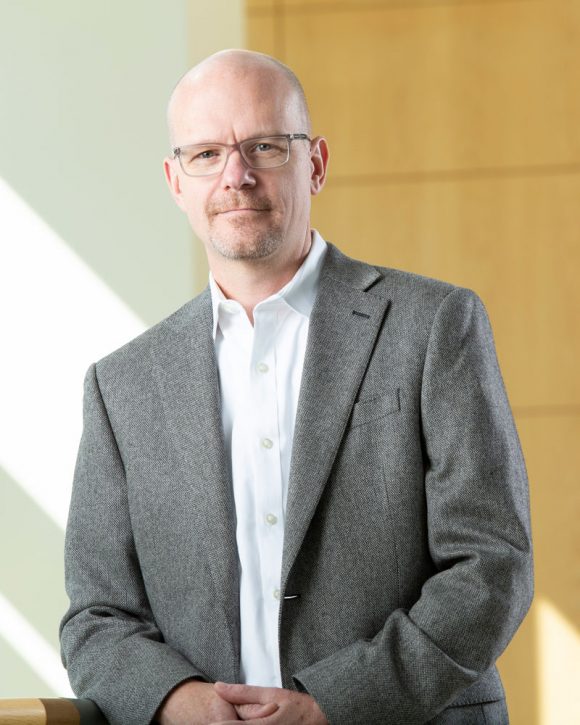
Scott A. Gerber is a Professor of Molecular and Systems Biology and Biochemistry and Cell Biology at the Geisel School of Medicine, Dartmouth College . He serves as the Associate Director for Basic Sciences at the Dartmouth Cancer Center and directs the Quantitative Biomedical Sciences Graduate Program . Education: BA in Chemistry, Willamette University PhD in Analytical Chemistry, University of Washington Postdoctoral training in Quantitative Proteomics, Harvard Medical School Dr. Gerber’s research focuses on signal transduction in cell division , mass spectrometry-based proteomics , and discovery proteomics for thoracic oncology . His work combines advanced proteomic techniques with systems biology to investigate cancer mechanisms, neurodegenerative diseases, and microbial interactions. Recent publications highlight his contributions to understanding lysosomal trafficking defects in cancer , chromatin remodeling for chemosensitization , and proteomic biomarkers for post-operative delirium . His lab also explores circadian clock regulation and bacterial RNA interactions in lung diseases.
Professor Christopher Goldring serves as Deputy Executive Dean of the Institute for Systems, Molecular and Integrative Biology at the University of Liverpool's Department of Pharmacology and Therapeutics. He co-directs the Human Liver Research Facility and the Joint Centre for Pharmacology and Therapeutics with XJTLU in Suzhou, China, while holding advisory roles with the MHRA Herbal Medicines Advisory Committee and MRC DiscoveryMedicineNorth doctoral training program. Goldring's research centers on translational drug safety , focusing on developing humanised biologically-relevant models for predicting adverse drug reactions. Key initiatives include: Leading UKRI's 3Dbionet project to enhance 3D in vitro liver models Establishing pipelines for human primary liver cells (>380 samples since 2011) Developing industry-adopted roadmaps for pharmaceutical safety assessment Creating precision-cut tissue slice models for drug metabolism studies Investigating cholangiocarcinoma genomics and targeted therapies Analysis of his 2020-2025 publications reveals three dominant trends: biomarker validation for drug-induced liver injury (DILI), physiological refinement of complex in vitro models (organoids, 3D cultures), and translational oncology focusing on biliary tract cancers. His work bridges academic research with pharmaceutical industry needs through twelve industry partnerships. Recognition includes: Fellow of the British Pharmacological Society Goldring supervises PhD research on stem cell-derived hepatocyte models, DILI biomarkers, and NRF2-mediated immune responses while securing major funding including: TransBioLine consortium (EU Commission, 2019-2025): $22M for translational biomarker development AMMF Charity projects (2017-2026): Cholangiocarcinoma immunosuppression studies NW Cancer Research (2023-2027): Uveal melanoma metastasis modeling MRC/BBSRC grants: Liver model reproducibility and physiological relevance He co-directs the Centre for Drug Safety Science and Human Liver Research Facility, leading teams that include pharmaceutical partners (Janssen, Pfizer, Merck) and international academic collaborators to establish standards for preclinical safety assessment.
Professor David Carmichael is a distinguished academic at King's College London , affiliated with the School of Biomedical Engineering & Imaging Sciences and the Department of Biomedical Computing . His research focuses on Magnetic Resonance Imaging (MRI) Physics , EEG-fMRI integration , and epilepsy neuroimaging , with a particular emphasis on mapping epileptogenic networks and optimizing MRI safety for concurrent neurophysiological recordings. Education : PhD in Medical Physics (UCL, 2004), MSci in Physics (UCL, 2000). External Role : Honorary Reader at UCL Great Ormond Street Institute of Child Health. His research interests span advanced neuroimaging techniques, including 7T MRI for pediatric epilepsy, quantitative susceptibility mapping to detect cortical abnormalities, simultaneous EEG-fMRI safety protocols, network-guided neuromodulation for treatment optimization. Recent publications highlight his work on ultra-high field MRI in drug-resistant pediatric cohorts, RF-induced heating safety during combined EEG-fMRI, image quality transfer for low-field MRI in developing regions, motion correction strategies in pediatric scans. He leads critical projects such as 7 Tesla Sodium MRI for Epilepsy (MRC-funded) and Minimal Motion MRI Systems (NIHR-funded), while contributing to global epilepsy research through the King’s Epilepsy Research Collective (KERC) .
Sunil Thomas, PhD , is a Research Professor at the Lankenau Institute for Medical Research (LIMR), with a distinguished career in translational science. His work bridges microbiology, immunology, molecular biology, and cell biology to develop diagnostic tools and vaccines for diseases affecting millions globally. He has held academic titles at LIMR since 2012, including Research Assistant Professor, Research Associate Professor, and now Research Professor. Current roles: Research Professor (2022–Present), Editor of Vaccine Design: Methods and Protocols (Springer-Nature), and Visiting Professor at Temple University (2017). Education: BSc in Botany (Kerala University), MSc in Biotechnology (Cochin University of Science and Technology), PhD in Environmental Biotechnology (Cochin University), and Postdoctoral Fellowship at Mount Sinai School of Medicine. Research interests encompass translational studies on immunotherapies for ulcerative colitis and Alzheimer’s disease, focusing on Bin1 monoclonal antibodies. He has pioneered structure-based vaccines for ehrlichiosis, modeled SARS-CoV-2 membrane proteins, and developed diagnostic tools like the ELISA kit for T-cell lipid rafts and Eastern Blotting for post-translational modifications. His lab investigates antibody uptake mechanisms and gut-brain axis interactions using animal models. Recent publications highlight his work on viral protein structure (Camp Hill, Borealpox, Oropouche), microbiome analysis in ICUs, diet-immunotherapy interactions, and advancements in AI-driven vaccine design. He has also contributed to understanding SARS-CoV-2 pathogenesis, monoclonal antibody therapies, and microbiome-host health connections. Patents include methods for disease treatment, Ehrlichia diagnostics, biosimulator technology, heat shock protein peptides, and vaccines against ehrlichiosis. Commercialized products like the IDO1 monoclonal antibody are now diagnostic probes in cancer research.
Sophia K. Smith, PhD, MSW is an Associate Professor at Duke University School of Nursing and a senior scientist in the Duke Clinical Research Institute's Cancer Care Research Program (DCCRP) and Center of Learning Health Care (CLHC). Her work pioneers mHealth and psychosocial solutions to improve cancer survivorship outcomes, with emphasis on non-Hodgkin lymphoma survivors' quality of life and PTSD. Her educational background includes: PhD and MSW from University of North Carolina School of Social Work BS in Business Administration (Information Systems) from State University of New York at Albany Dr. Smith's research integrates behavioral mHealth interventions, comparative effectiveness analysis, and patient-centered outcomes to address cancer care quality gaps. She focuses on survivorship needs across rural/non-rural populations and develops evidence-based supportive care frameworks through program evaluation methodologies. Her 2024-2025 publications reveal three dominant trends: (1) Leadership in NCCN Survivorship Guidelines updates addressing PTSD and palliative care disparities; (2) Biomarker-driven approaches to infection response and cardiac complications in cancer patients; (3) Rigorous examination of racial inequities in hematologic cancer palliative care access. Scientific Awards: No awards documented in provided materials As faculty in Duke's MSN and DNP programs, Dr. Smith mentors nursing students while leading grant-funded initiatives through DCCRP and CLHC. Her research ecosystem leverages integrated data systems for patient-reported outcomes, clinical trial design, and policy studies to advance survivorship care models. She operates within Duke's Oncology Nursing Center of Excellence and collaborates with multidisciplinary teams across DCCRP to develop technology-enhanced symptom monitoring tools and implement evidence-based supportive care services.
Guadalupe Correa-Cabrera is a Professor at the Schar School of Policy and Government, George Mason University, specializing in Mexico-U.S. relations, organized crime, immigration, border security, and human trafficking. She serves as Co-editor of the International Studies Perspectives journal and maintains affiliations with UNAM's Observatory of the Binational Relationship and Rice University's Center for the United States and Mexico. Education: Ph.D. in Political Science (The New School, 2010), M.Phil./M.A. in Political Science (The New School, 2005/2002), B.A. in Economics (Universidad Iberoamericana, 1997) Her research focuses on U.S.-Mexico border dynamics, migrant smuggling networks, drug policy impacts, and energy-security intersections. Recent work examines corruption at the border under Elon Musk's influence and 21st-century migration challenges during the pandemic. Key article trends reveal expertise in network analysis of criminal organizations (MS-13, Zetas), energy policy in conflict zones, and border security governance. Her publications span peer-reviewed journals and major university presses. Scientific Awards & Fellowships: NSF EAGER grant for organ trafficking network analysis U.S. Department of State grant for Mexico-Tamaulipas migration research Woodrow Wilson Center Global & Residential Fellowships Fulbright-García Robles Fellowship CONACYT Scholarship New School Dissertation Fellowship Her policy work includes advising on Mexico's anti-trafficking legislation and analyzing the Merida Initiative's effectiveness. She frequently contributes to public discourse through op-eds and media appearances.
Jia Zhao serves as a Research Fellow at the Yale School of Public Health, Yale University, specializing in advanced drug delivery systems and nanotechnology for oncological and neurological applications. Their work bridges pharmaceutical sciences, polymer engineering, and clinical therapeutics to develop innovative solutions for cancer treatment and brain disorders. Research focuses on: Stimuli-responsive nanocarriers activated by tumor microenvironment conditions (pH, ROS, glutathione) Brain-targeted delivery systems for brain cancer and stroke therapy Enzymatic synthesis of biodegradable polymers for controlled drug release ROS-amplifying chemo-sonodynamic combination therapies Biodegradable contraceptive implant technology Recent publications (2020-2024) reveal a strategic emphasis on overcoming biological barriers through multi-stimuli responsive materials, particularly for brain tumor treatment where blood-brain barrier penetration remains challenging. Key innovations include glutathione-consumable nanoparticles for enhanced chemodynamic therapy and polymeric systems enabling endosomal escape in mRNA delivery. The research consistently integrates polymer chemistry with oncology to address drug resistance mechanisms in aggressive cancers. Contact is maintained through Yale School of Public Health with the professional email jia.zhao@yale.edu, reflecting active engagement in the academic community.
Dr. Vini Fernandes Cruzat is a Lecturer in Human Anatomy and Physiology at Southern Cross University’s Faculty of Health. He holds a PhD in Biomedical Science/Nutritional Biochemistry from the University of São Paulo and is a registered Nutritionist in Australia. His roles include Chair of the Queensland group of the Nutrition Society of Australia and Adjunct Senior Researcher at Griffith University. Academic Background: Bachelor in Exercise and Sport Science (Lutheran University of Brazil) Graduate Certificate in Learning and Teaching (Torrens University Australia) Master of Science in Nutritional Biochemistry (University of São Paulo) Dr. Cruzat’s research focuses on the metabolic, antioxidant, and anti-inflammatory effects of nutrient supplementation, particularly amino acids like glutamine, arginine, and leucine, as well as vitamin D and bioactive compounds from spent coffee grounds. He investigates cellular mechanisms in diabetes associated with obesity, emphasizing oxidative stress, insulin resistance, and heat shock protein pathways. His recent work explores the therapeutic potential of coffee byproducts and vitamin D in metabolic disorders. His publications over the past five years highlight a consistent focus on amino acid metabolism, oxidative stress in diabetes, and the intersection of nutrition/exercise with inflammation. Key trends include molecular studies of beta-cell dysfunction, clinical trials on supplementation, and applications of coffee compounds in functional food development. Dr. Cruzat has supervised 3 PhD, 6 MSc, and 5 Honours students across Australian and international institutions. He teaches human anatomy, physiology, and metabolic biochemistry and contributes to research networks in diabetes and exercise physiology.
Dr. Magda Feres is Chair of the Department of Oral Medicine, Infection, and Immunity at Harvard School of Dental Medicine. An internationally recognized scholar in periodontology, she previously served as dean for dental research and graduate education at Guarulhos University in Brazil. Doctor of Medical Sciences in Oral Biology, Harvard School of Dental Medicine DDS, Gama Filho University Master of Science in Periodontology, Federal University of Rio de Janeiro Her research focuses on : Novel treatments for periodontitis and peri-implantitis Mechanisms of biofilm ecology and antibiotic resistance Integration of artificial intelligence in periodontal diagnostics and education Systemic conditions like diabetes and cancer linked to periodontal disease Phage therapy and multi-omics approaches Scientific Awards : IADR Distinguished Female Mentor Award Lemann Brazil Research Fund Award Dean’s Innovation Award, Harvard Medical School Top 2% most-cited scientist (Stanford University, since 2020) Collaborations and Funding : NIH, FAPESP, CAPES, and Harvard Medical School grants Co-founded Latin American Oral Health Association (LAOHA) Collaborations with Mitragotri Lab, Hospital Israelita Albert Einstein, Dana-Farber’s Meyerson Lab, and Tokyo Medical and Dental University
Satoshi Tsuneda is a Professor at Waseda University’s School of Advanced Science and Engineering, attached to the Department of Life and Medical Sciences and jointly stationed at the Center for Advanced Biomedical Sciences (TWIns). Since earning his Ph.D. in Engineering from the University of Tokyo (1994) he has built a highly cited research program (> 15 800 citations, h-index 70) spanning environmental biotechnology and medical microbiology. Education: Doctor of Engineering, The University of Tokyo, 1994 Master of Engineering, The University of Tokyo, 1991 Bachelor of Engineering, The University of Tokyo, 1989 Research Interests: Tsuneda’s group integrates molecular microbiology with engineering to address global health and environmental challenges. They elucidate nitrification and anammox processes, design phage-based antimicrobials, decode bacterial persistence mechanisms, and develop microfluidic cultivation platforms. Their work links fundamental insights in bacteriophage biology, toxin-antitoxin systems, and nitrifying bacteria to practical applications in wastewater treatment, aquaculture, and alternative antimicrobials. Publication Trends: Recent articles (2022-2025) reveal two dominant directions: (i) phage engineering and phage cocktail design to combat multidrug-resistant E. coli and other pathogens, and (ii) ecophysiology of nitrifying bacteria (Nitrosomonas, Nitrotoga, anammox) aimed at optimizing nitrogen removal in engineered and natural systems. Additional themes include bacterial persistence, RNA toxin specificity, and micro-droplet technologies for high-throughput microbe isolation. Scientific Awards: Ministry of the Environment Director-General's Award for Environmental Regeneration and Resource Recycling (2022) Japan Society on Water Environment Distinguished Service Award (2022) Society for Biotechnology, Japan, Paper Award (2018) Nagase Science and Technology Foundation Research Promotion Award (2017) Multiple best-paper awards from JSWE, SCEJ, and SBTJ (2001-2014) Advising & Grants: Tsuneda currently advises a large cohort of graduate researchers; names of individual students are not listed in the supplied text. His laboratory has been continuously funded for interdisciplinary projects coupling microbiology with environmental engineering, although explicit grant numbers or titles are not provided. Laboratory & Teams: The Tsuneda Laboratory (est. 1996) operates within Waseda University and the TWIns joint research center, maintaining collaborations with Tokyo Women’s Medical University, Juntendo University, and AIST. The team specializes in molecular microbial ecology, phage isolation/engineering, and advanced bioreactor technologies.
Andrea Dorigato serves as an Associate Professor in the Department of Industrial Engineering at the University of Trento, Italy, with his office located at Via Sommarive, 9 - 38123 Povo. His contact information includes telephone 0461 283724 and email andrea.dorigato@unitn.it. He actively teaches courses including Circular Economy for Materials Processing , Engineering Properties of Materials , Recycling and Sustainable Materials , and Laboratory of Polymer Technologies and Sustainability across multiple degree programs in Materials Engineering and Industrial Systems Engineering. Dr. Dorigato's research spans sustainable materials engineering with expertise in biopolymers, carbon nanotube composites, thermo-mechanical characterization, and energy storage systems. His work emphasizes circular economy principles through polymer blend compatibilization, phase separation control, and development of silsesquioxane-enhanced composites. Key focus areas include self-healing structural materials, biodegradable packaging solutions, and agricultural applications of wood-derived topsoil covers. His recent 2025 publications reveal a strong trend toward environmental impact assessment and sustainable material innovation. Dominant themes include life cycle analysis of packaging/building materials, self-repairing composites for structural applications, biopolymer-based agricultural solutions, and furanoate polyester development for biodegradable products. The research consistently integrates experimental characterization with environmental performance metrics. No scientific awards were documented in the provided sources. Information regarding student advisement, research grants, laboratory facilities, or collaborative teams was not specified in the available materials.
Anna Green is an Assistant Professor at the Manning College of Information & Computer Sciences (CICS) at the University of Massachusetts Amherst. She directs the Sequence Analysis and Genomics (SAGE) lab, which focuses on developing computational methods to understand genetic variation, with special emphasis on antibiotic-resistant bacteria. Her research integrates machine learning with genomic analysis to predict antibiotic resistance and understand its genetic basis. Education: Postdoctoral Fellow in Biomedical Informatics (2023) - Harvard Medical School PhD in Systems Biology (2019) - Harvard University BS in Molecular and Cell Biology (2013) - University of Connecticut Her research program at SAGE Lab focuses on: Applying machine learning to genomic sequences to predict antibiotic resistance Developing interpretable models of resistance mechanisms in bacteria Studying evolutionary patterns in Mycobacterium tuberculosis populations Discovering protein interactions through computational analysis of genomic sequences Building frameworks for coevolutionary sequence analysis Her recent publications demonstrate a consistent focus on antimicrobial resistance mechanisms in tuberculosis using cutting-edge computational approaches. Research spans machine learning applications, genomic dependency analysis, transcriptomic responses, and protein interaction mapping, consistently addressing public health challenges posed by evolving bacterial resistance. Dr. Green teaches several courses including: Introduction to Computational Biology and Bioinformatics (INFO 390C) Computational Biology and Bioinformatics (CS 690U) Machine learning on biological sequence data (CS 692X) She directs the SAGE Lab at UMass Amherst, where her team develops computational methods to combat antibiotic resistance through genomic analysis and predictive modeling.
David M. Markovitz is a tenured Professor in the Department of Internal Medicine at the University of Michigan Medical School. He has maintained continuous faculty appointments at the University since 1988, progressing from Assistant Professor (1988-1994) to Associate Professor with tenure (1994-2002) and ultimately to his current Professor position (2002-present). Dr. Markovitz leads a multidisciplinary research team comprising four additional faculty members, postdoctoral fellows, PhD students, MD/PhD students, medical students, physicians, public health students, and undergraduates. Dr. Markovitz's research program spans several interconnected domains in molecular medicine. His laboratory employs diverse methodologies including NMR, crystallography, molecular dynamics modeling, glycoclusters, next-generation sequencing, bioinformatics, and animal models to investigate viral pathogenesis and develop novel therapeutic approaches. His work has produced 92 publications and resulted in significant discoveries across multiple fields. The publication record reveals several major research trajectories: investigations into HIV transcription mechanisms; characterization of the DEK protein's role in cancer and juvenile arthritis; discovery of vimentin as a secreted inflammatory factor; exploration of human endogenous retroviruses (HERVs) in disease pathogenesis; and development of engineered lectins as broad-spectrum antiviral agents. His most notable contribution involves engineering banana lectin (BanLec) through a single amino acid mutation (H84T) that eliminates mitogenicity while preserving antiviral activity against HIV, hepatitis C, influenza, and coronaviruses including SARS and MERS. Dr. Markovitz has received numerous prestigious awards including the Burroughs Wellcome Clinical Scientist Award (2003), Association of American Physicians membership (2004), and a Transformative R01 from the NIH Office of the Director (2009). National Cancer Institute – Clinical Investigator Award (1990) Life and Health Insurance Medical Research Fund Scholar (1991) American Society for Clinical Investigation (1997) Burroughs Wellcome Clinical Scientist Award (2003) Association of American Physicians (2004) Transformative R01, NIH (2009) American Clinical and Climatological Association (2012) His current research portfolio demonstrates strong funding support across multiple domains. As Principal Investigator, he leads projects including DEK-targeted therapy for juvenile arthritis (Rheumatology Research Foundation), development of H84T BanLec for Ebola/Marburg treatment (DTRA), and lectin-based lung cancer therapy (UM Mi-Kickstart). As Co-PI, he contributes to NIH-funded research on DEK in hematopoiesis and international collaborations studying HERVs in human disease. His mentorship extends to numerous doctoral students, postdocs, and medical trainees who have gone on to independent research careers. Dr. Markovitz directs a vibrant research ecosystem that includes faculty collaborators Rafael Contreras, Scott Gitlin, and Mark Kaplan. His laboratory maintains extensive collaborations across the University of Michigan and with international partners. The research program bridges basic science discoveries with translational applications, particularly in developing novel therapeutics for viral diseases, autoimmune conditions, and cancer. His work on DEK aptamers and engineered lectins represents promising pathways toward clinical applications in inflammation and infectious disease.
Peter J. Sadler is a Professor of Chemistry at the University of Warwick , where he has held a Chair since 2007 and served as Head of Department. His research focuses on the design and mechanism of action of metallodrugs , including anticancer, antimicrobial, and antiviral compounds, with a strong emphasis on bioinorganic chemistry and coordination chemistry . Educational Background: BA, MA, DPhil in Chemistry from the University of Oxford Medical Research Council Research Fellow at the University of Cambridge and National Institute of Medical Research Research Interests: Sadler’s work explores photoactivatable metallodrugs , luminescent theranostic agents , and catalytic organometallic drugs . His projects integrate atomic resolution coordination chemistry with molecular cell biology , using advanced techniques like synchrotron x-ray absorption, fluorescence mapping, and mass spectrometry to study metallodrugs in cancer cells and tissues. Publications & Projects: Recent studies include the development of organoiridium photosensitizers for mitochondrial targeting, metallomacrocycles for antiviral applications, and photoactivated platinum complexes for DNA damage. His group also investigates molecular chronotherapy and supramolecular hydrogels for targeted drug delivery. Scientific Awards & Affiliations: Fellow of the Royal Society (FRS) Fellow of the Royal Society of Chemistry (FRSC) Fellow of the Royal Society of Edinburgh (FRSE) EPSRC RISE Fellow Honorary Fellow of the Chemical Research Society of India Honorary Fellow of the Chinese Chemical Society Fellow of the European Academy of Sciences Teaching and Supervision: Sadler supervises PhD and Master’s research projects, mentoring students like Wenying Zhang and Marta Palau Requena . His team includes postdocs such as Dr. Cinzia Imberti and Dr. Huayun Shi . Laboratory & Collaborations: The Sadler Group collaborates internationally and industrially, employing cutting-edge techniques like confocal microscopy , TEM , and synchrotron x-ray fluorescence to map metal complexes in cells. Their work bridges inorganic chemistry and biomedical applications .
The University of Texas Health Science Center at HoustonUnited States
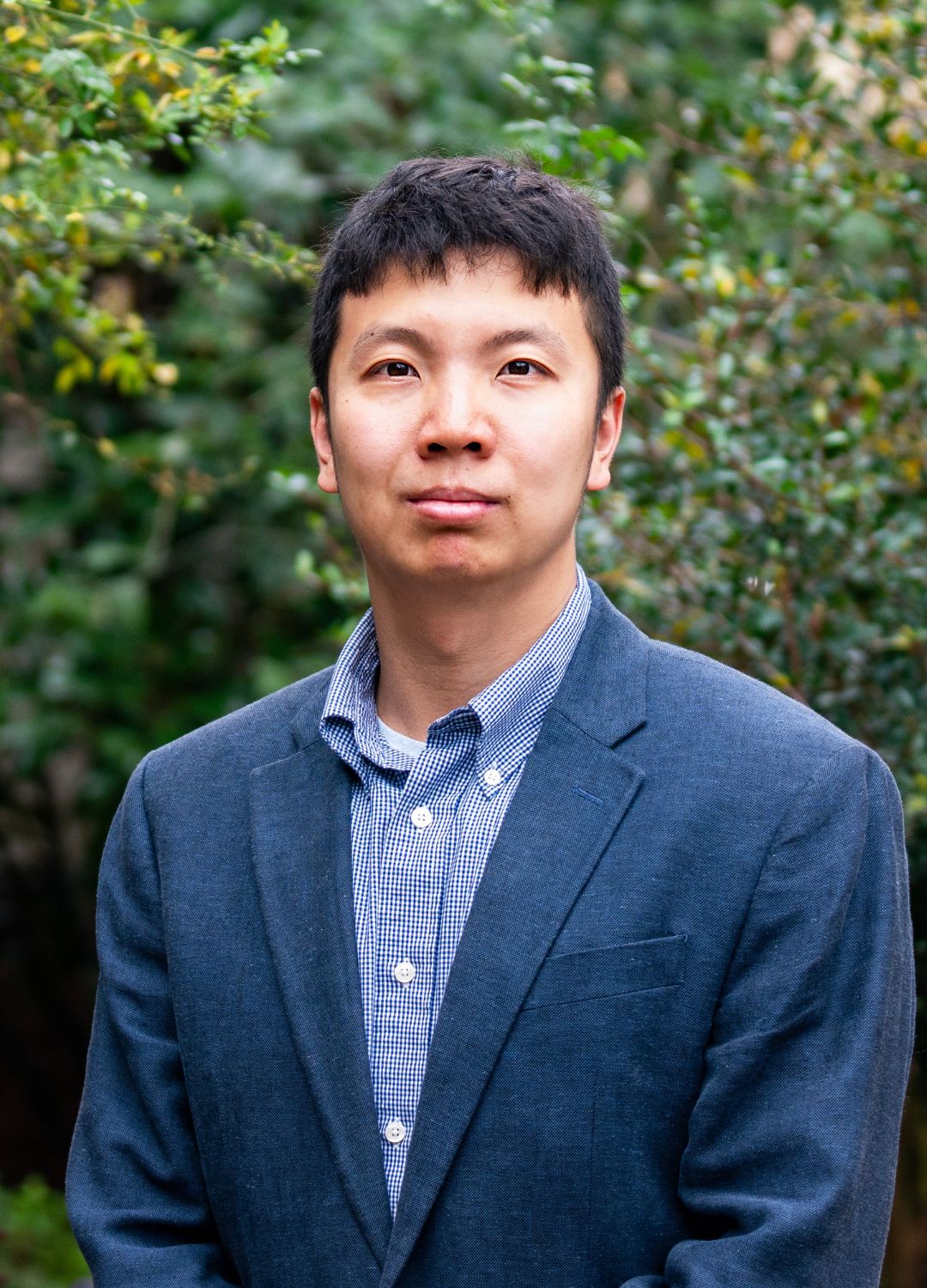
Kaiming Bi, Ph.D., is an Assistant Professor in the Department of Management, Policy & Community Health at the University of Texas Health Science Center at Houston (UTHealth Houston) School of Public Health . As an affiliated member of the Center for Health Care Data , his research bridges quantitative methods and public health, focusing on infectious disease modeling , epidemic forecasting , and data-driven health policy . B.S. in Mathematics from Northeastern University (2015) Ph.D. in Industrial Engineering from Kansas State University (2020) Postdoctoral training at University of California San Diego School of Medicine (2020-2021) and University of Texas at Austin (2021-2024) His methodological expertise spans mathematical modeling , machine learning , and optimization , applied to diverse public health challenges including respiratory infections , vector-borne diseases , STIs , and the opioid epidemic . Recent work includes modeling SARS-CoV-2 Omicron subvariants , population immunity dynamics , and multi-pathogen burden projections for the 2023-2024 US winter season. Dr. Bi has received prestigious accolades such as the Pencis Best Researcher Award (2021) and IISE Best Paper (2018). He previously taught graduate courses in Integer Programming , Information Systems , and Industrial Simulation at Kansas State University. Currently leading the Big-data and Infectious Disease Modeling Lab (BI Lab) , he seeks STEM-motivated PhD students to develop computational solutions for epidemic control.