Erik Gordon is a Clinical Assistant Professor of Entrepreneurial Studies and Area Chair at the Ross School of Business, University of Michigan. He holds degrees in economics and law, with prior roles including Associate Dean and Director of the Graduate Division of Business & Management at Johns Hopkins University, and leadership positions at the University of Florida’s Center for Technology & Science Commercialization Studies. His research focuses on entrepreneurship, venture capital, private equity, corporate governance, and FinTech. He frequently contributes to media outlets like The New York Times, Bloomberg, and Marketplace, offering insights on business trends and corporate strategy. His teaching spans advanced topics in business strategy, with a focus on real-world application and interdisciplinary approaches. Notable engagements include commentary on the pandemic’s impact on education and virtual teaching methodologies. He advises initiatives like the Wolverine Venture Fund and Zell Early-Stage Fund, emphasizing practical experience for students.
Dr. Jarno Hoekman is an Associate Professor in Innovation Studies at the Copernicus Institute of Sustainable Development, Utrecht University. His research focuses on the dynamics and governance of science in the context of innovation, regulation, and societal challenges, with particular emphasis on sustainability and health. He is affiliated with both the Copernicus Institute of Sustainable Development and the Utrecht collaborating Centre for Pharmaceutical Policy & Regulation in the Department of Pharmaceutical Sciences. Dr. Hoekman serves as the programme leader of the research master in Innovation Sciences and teaches academic integrity courses to Master students and PhD candidates. Dr. Hoekman's research is organized around three interconnected themes: Science in transition , examining how scientific practices and institutional arrangements are evolving through open science, interdisciplinary research collaborations, and alternative recognition systems; Regulatory science and innovation , investigating innovations in tools and standards for assessing risks and benefits of new technologies, including safety assessment methods and regulatory authorization standards; and Geography of science , exploring the role of location factors in scientific knowledge production and diffusion. Analysis of Dr. Hoekman's recent publications (2022-2024) reveals a strong interdisciplinary focus spanning pharmacology, toxicology, innovation studies, and science policy. Key research trends include examining conditional marketing authorization pathways, post-approval studies for conditionally authorized medicines, animal-free safety testing methodologies, and the societal impact of transdisciplinary research projects. His work frequently employs mixed-methods approaches and involves multi-stakeholder perspectives to address complex regulatory and innovation challenges. Dr. Hoekman actively contributes to policy-relevant research, including major European Commission studies on pharmaceutical legislation. His collaborative work extends across multiple institutions and involves interdisciplinary teams working on pharmaceutical policy, sustainable innovation, and science-society interactions. As a member of the Utrecht Young Academy and the UU Open Science Platform, he engages with broader academic community initiatives related to research integrity and open science practices.
Liang Zhao, PhD, MAS, MBA, is a Professor in the Department of Bioengineering and Therapeutic Sciences within the Schools of Pharmacy and Medicine at the University of California, San Francisco (UCSF). Prior to joining UCSF, he served as director of the Division of Quantitative Methods and Modeling (DQMM) in the Office of Research and Standards in the Office of Generic Drugs in the Center for Drug Evaluation and Research (CDER) at the U.S. Food and Drug Administration (FDA) from 2015 to 2024. His professional career spans over 19 years with experience at Pharsight, Bristol Myers Squibb (BMS), MedImmune, and the FDA. Dr. Zhao's research focuses on pharmacometrics, drug delivery modeling, and artificial intelligence-based tools that impact drug development and regulatory decision-making. His work encompasses mechanistic models for brain drug delivery, regulatory science modeling and simulation, AI-driven drug discovery and development, drug interactions, biological availability, generic drugs, clinical pharmacology, therapeutic equivalency, computer simulation, and FDA regulatory processes. He has pioneered innovative approaches including model master files for model sharing and model-integrated evidence for generic product development and approval. His research integrates machine learning tools into pharmacometrics to advance drug delivery and bioequivalence assessment methodologies. Dr. Zhao has published over 120 articles and book chapters in prestigious journals. His recent publications demonstrate strong focus on applying advanced modeling techniques, machine learning algorithms, and pharmacometric approaches to solve complex problems in drug development and regulatory science. His work shows consistent innovation in developing quantitative methods to enhance bioequivalence assessment, improve drug product characterization, and support regulatory decision-making for generic drugs. FDA Group Recognition Award, FDA, 2024 Gary Neil Prize for Innovation in Drug Development, American Society for Clinical Pharmacology & Therapeutics (ASCPT), 2023 Commissioner's Special Citation, FDA, 2021 Humanitarian Award, Victims' Rights Foundation, 2020 30+ FDA CDER team and Individual Awards, CDER, FDA, 2011 Academic Award for Executive MBA Class 2009, Judge Business School, University of Cambridge, 2011 Dr. Zhao leads the Zhao Lab at UCSF, which advances drug development and regulatory science through cutting-edge research in pharmacometrics, drug delivery modeling, and artificial intelligence. His work bridges academic research with regulatory applications, demonstrating leadership in translating scientific innovations into practical regulatory frameworks. His experience across industry, regulatory agencies, and academia provides a unique perspective on drug development challenges and opportunities.
Monica N. Fornier is a physician scientist at Memorial Sloan Kettering Cancer Center (MSK) specializing in breast medical oncology . With a clinical focus on improving outcomes for breast cancer patients, she has particular expertise in bone health related to cancer therapies. Fluent in English, Italian, and French, Dr. Fornier treats international patients and contributes to multidisciplinary care teams. Education: MD from University of Milan (Italy), residency and fellowship at University Hospital of Milan and MSK Certifications: Board-certified in Internal Medicine and Medical Oncology (Europe) Her research spans neoadjuvant endocrine therapy , bone loss prevention in cancer patients, and HER2-positive breast cancer treatment beyond trastuzumab. Recent publications address ER+/HER2- breast cancer immune responses, alopecia management in survivors, and regulatory T cell mechanisms . Dr. Fornier has received multiple Castle Connolly Top Doctor awards (2023-2025) and participates in MSK clinical trials for novel cancer treatments.
Dr Orin Chisholm is a program director at the Sydney Pharmacy School (University of Sydney), an Adjunct Associate Professor at UNSW Sydney, and teaches at Arizona State University. Her work focuses on regulatory science, pharmaceutical policy, and capacity-building in the therapeutics industry. BSc (Hons) in Biochemistry , University of Sydney PhD in Molecular Biology , University of Sydney Graduate Certificate in University Learning and Teaching , UNSW Sydney Her research explores regulatory frameworks for emerging therapeutics, horizon scanning of medical technologies, and competency-based education in pharmaceutical sciences. Recent projects include NHMRC Partnership Grant (2025-2028) for horizon scanning and national medicines policy reviews. Her publications analyze regulatory reforms, benefit-risk methodologies, and educational transformations in pharmaceutical medicine. Key themes include precision medicine , clinical research , and medical device regulation . TOPRA Award for Excellence in Regulatory Education (2017) Senior Fellow of the Higher Education Academy (SFHEA) (2018) Fellow of the Regulatory Affairs Professionals Society (FRAPS) (2021) Fellow of ARCS Australia (FMPP) (2025) She supervises higher-degree research students, including Owen Smith (AAV gene therapies) and Matthew Britland (Medical Affairs and Quality Use of Medicines). Grants include funding for nanoparticle immunotherapy platforms and peptide-drug conjugate manufacturing.
Amitabh Chandra is the Ethel Zimmerman Wiener Professor of Public Policy at Harvard Kennedy School (HKS) and the Henry and Allison McCance Family Professor of Business Administration at Harvard Business School (HBS). He holds dual roles as Director of Health Policy Research at HKS and chairs several initiatives, including the Pagliuca Harvard Life Lab and the joint MS/MBA program in life sciences. His research focuses on healthcare pricing, pharmaceutical innovation, racial disparities in care, and Alzheimer’s treatment economics. Dr. Chandra has advised the U.S. Congress, the Massachusetts government on healthcare reform, and serves on the Congressional Budget Office’s Health Advisors Panel. His affiliations include the Malcolm Wiener Center for Social Policy and the Mossavar-Rahmani Center for Business and Government at HKS. His research spans biopharmaceutical capital allocation, Medicare drug negotiation policies, and the economic implications of healthcare cost-sharing. Notable recent work addresses price regulation in healthcare, orphan drug exemptions, and the impact of the Inflation Reduction Act on pharmaceutical innovation. Key Awards: ASHE Medal (under 40), Kenneth Arrow Award, Eugene Garfield Award Committees: Blavatnik Fellows Board, Health Affairs Council on Spending Grants: NIH funding (NIA, NICHD), Robert Wood Johnson Foundation He explores how economic principles shape healthcare systems, focusing on aligning drug pricing with therapeutic value and improving equitable access to treatments. His work bridges academia and policy, influencing national dialogues on healthcare reform and innovation incentives.
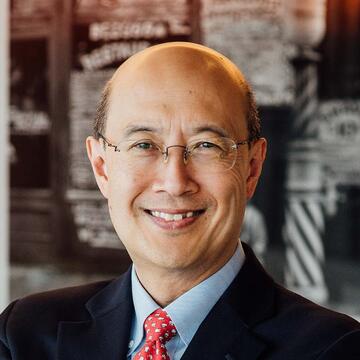
Andrew W. Lo is the Charles E. and Susan T. Harris Professor and a Professor of Finance at the MIT Sloan School of Management. He serves as Director of the Laboratory for Financial Engineering and is a principal investigator at the MIT Computer Science and Artificial Intelligence Laboratory (CSAIL). His academic affiliations include the American Finance Association, Academia Sinica, American Academy of Arts and Sciences, Econometric Society, and Society of Financial Econometrics. As an external faculty member at the Santa Fe Institute and research associate at the National Bureau of Economic Research, Lo bridges finance, AI, and healthcare. BA in Economics, Yale University AM and PhD in Economics, Harvard University His research focuses on evolutionary models of investor behavior , AI in financial technology , healthcare finance , and impact investing . Recent work includes adaptive market frameworks, AI-driven financial advice systems, and statistical tools for clinical trial prediction. His 2025 articles explore applications of Bayesian analysis in healthcare, endowment risk management, and market innovation dynamics. Lo has received prestigious awards including the Guggenheim Fellowship , TIME 100 recognition, and multiple teaching and research honors. He co-founded asset management and biotech companies and serves on healthcare organization boards. MIT Sloan Executive Education courses highlight his leadership in AI and machine learning for business applications.
Jennifer E Miller is an Associate Professor of Medicine (General Internal Medicine) and Biomedical Informatics & Data Science at Yale School of Medicine. She serves as Co-Director of the Program for Biomedical Ethics and holds leadership positions including Director of the Good Pharma Scorecard (an index that ranks pharmaceutical companies on bioethical performance) and Founder of Bioethics International. Her academic appointments reflect her interdisciplinary expertise spanning clinical medicine, ethics, and data science. Dr. Miller's research program focuses on critical ethical dimensions of biomedical innovation, with particular emphasis on ethics, equity and governance in drug, vaccine, and medical device research, development, and accessibility. She specializes in developing metrics to enhance accountability and social responsibility in the pharmaceutical industry. Her work examines clinical trial diversity, international research ethics, healthcare data sharing, and the implementation of ethical frameworks in medical product development. Through the Good Pharma Scorecard initiative, she has created a systematic approach to evaluating pharmaceutical company performance across multiple ethical dimensions including clinical trial transparency, diversity in research participation, and access to medicines. Analysis of Dr. Miller's recent publications (2021-2025) reveals a strong thematic focus on diversity and equity in clinical research, with particular attention to demographic representation in trials, ethical considerations in international trial site selection, and equitable access to newly approved drugs and vaccines. Her work bridges bioethics, health policy, and data science, creating measurable frameworks for assessing ethical performance in the pharmaceutical industry. The interdisciplinary nature of her research connects clinical medicine, public health, and corporate accountability, with direct implications for regulatory policy and industry practice. Appointment to World Economic Forum Center for the Fourth Industrial Revolution, Precision Medicine Council (2019) Appointment to World Economic Forum Biotechnology Council (2018) Appointment to World Economic Forum Futures Council (2017) Appointment to World Economic Forum Human Enhancement Working Group (2017) Fellow at Foundation Brocher for Ethical Issues in Global Population Health (2014) As Director of the Good Pharma Scorecard and Founder of Bioethics International, Dr. Miller leads initiatives that connect academic research with practical applications in industry ethics. Her work involves collaboration with pharmaceutical companies, regulatory agencies, and patient advocacy groups to develop and implement ethical standards in biomedical innovation. Through editorial roles at journals including Nature Medicine, The BMJ, and JAMA, she influences discourse on research ethics and scientific integrity. Dr. Miller is actively involved in advising and mentorship through her academic appointments at Yale, where she contributes to training the next generation of researchers in biomedical ethics and data science.
Su-Hua Lee is a Professor of Law at National Taiwan University (NTU) and an affiliate professor in the School of Pharmacy. She has served as a full-time faculty member at NTU since 2016, following academic positions at National Tsing Hua University and National Taipei University. Her expertise spans intellectual property law with specialized focus on pharmaceutical and biotechnology applications, competition law, and civil law. Her educational background includes: Bachelor of Laws from National Taipei University Master of Laws (Magister iuris comparativi, M. iur. Comp.) from Rheinischen Friedrich-Wilhelms-Universität Bonn Doctor of Laws (PhD) from National Taiwan University in 2006 Professor Lee's research examines the complex interplay between intellectual property frameworks and specialized industries, particularly pharmaceuticals and biotechnology. She has conducted extensive comparative analysis of German and Taiwanese legal systems, informed by her time as a visiting researcher at the Max Planck Institute for Innovation and Competition in Munich (2005-2007). Her scholarship addresses critical issues including patent linkage systems, infringement damages calculation, trade secret protection, and the application of competition law to digital platforms. She frequently bridges theoretical legal concepts with practical policy implications, making her work highly relevant to legislative and regulatory development. Analysis of her recent publications (2022-2024) reveals three dominant trends: 1) Examination of IP challenges in digital environments (internet marketing, social media trademarks), 2) Pharmaceutical regulation issues (patent linkage, term extension, public health crises), and 3) Economic dimensions of IP enforcement (damages calculation, multi-sided platform economics). Her work consistently incorporates comparative perspectives, particularly from German legal frameworks, while addressing Taiwan-specific legal and policy contexts. Professor Lee leads a research team that has been instrumental in drafting Taiwan's drug approval-patent linkage legislation since 2015. She serves on governmental expert committees related to intellectual property and pharmaceutical affairs and participates in regional academic networks focused on Asian intellectual property law development. Her research has been supported by multiple grants from Taiwan's Ministry of Science and Technology, Ministry of Health and Welfare, Intellectual Property Court, and Fair Trade Commission. Her scholarly contributions span numerous law journals in Taiwan and internationally, with publications covering patent law, trademark enforcement, trade secrets, and the intersection of intellectual property with competition policy. She has also contributed chapters to several edited volumes on intellectual property systems in Asia and comparative approaches to patent enforcement.
Danielle Li is the David Sarnoff Professor of Management of Technology and a Professor at the MIT Sloan School of Management, specializing in the Technological Innovation, Entrepreneurship, and Strategic Management academic group. She is also a Faculty Research Fellow at the National Bureau of Economic Research (NBER). Her academic journey includes an AB in mathematics and the history of science from Harvard College and a PhD in economics from MIT. Prior to joining MIT, she taught at Harvard Business School and the Kellogg School of Management. AB in Mathematics and History of Science, Harvard College PhD in Economics, MIT Professor Li's research focuses on the economics of innovation and labor economics, with particular emphasis on how organizations evaluate ideas, projects, and people. She investigates the intersection of technology and workplace dynamics, especially how AI impacts worker productivity, the nature of work, and career trajectories in AI-intensive environments. Her work examines how businesses implement AI tools and the resulting effects on workforce composition and skill requirements. Her publication portfolio reveals a consistent focus on innovation economics, labor market dynamics, and the organizational implications of technology. Recent work increasingly centers on AI's workplace impact, with her 2025 Quarterly Journal of Economics paper 'Generative AI at Work' demonstrating how AI assistance increases worker productivity by 15% on average, with differential effects across experience levels. Her research combines rigorous economic analysis with practical business implications, spanning pharmaceutical innovation, hiring practices, promotion decisions, and gender gaps in the workplace. Best Paper Prize: 2017 FIRCG Conference Best Paper Prize: 2018 CEPR Management, Organizations, and Entrepreneurship Conference Best Paper Prize: 2017 Red Rock Conference Best Paper Prize: 2018 LBS Summer Finance Symposium Best Paper Prize: 2019 American Economic Journal: Applied Economics Professor Li's research has been supported by significant grants and has influenced both academic discourse and business practice. Her work on AI in the workplace has informed executive education programs at MIT Sloan, including 'Making AI Work: Machine Intelligence for Business and Society' and 'Artificial Intelligence' courses. She actively engages with media and business leaders to translate research findings into practical insights, frequently appearing in the New York Times, Wall Street Journal, and Economist. Her research on gender promotion gaps and hiring practices has particular relevance for organizational human resource policies. Professor Li is deeply embedded in MIT's AI research ecosystem, collaborating with colleagues across Sloan and CSAIL. She contributes to MIT's AI Expert Spotlight series, focusing on how businesses should implement AI responsibly and effectively. Her work bridges economic theory with practical business applications, particularly in understanding how AI transforms work processes and organizational structures.
Stefan Haefliger is Professor of Strategic Management & Innovation at Bayes Business School, City, University of London. His research focuses on business model innovation, open strategy, and organization theory in technology-driven environments. Key research streams: Business model portfolios and corporate strategy diversification Organization theory and technology-mediated regulation Open strategy and innovation ecosystems His work examines how technology transforms organizational practices, with empirical studies on compliance systems in investment banks and digital infrastructure governance. Recent projects explore modularity in R&D teams, digital resilience, and human-AI interaction in organizations.
Jill A Kreiling is an Associate Professor (Research) in the Department of Molecular Biology, Cell Biology, and Biochemistry at Brown University School of Medicine. She also serves as the Associate Director of the Brown Center on the Biology of Aging since July 2018. Her research focuses on the molecular mechanisms of aging, particularly examining the role of transposable elements, epigenetic changes, and cellular senescence in the aging process. Dr. Kreiling's research interests span several key areas in aging biology and molecular mechanisms of age-related changes. Her work has significantly contributed to understanding how retrotransposable elements become active during aging, how heterochromatin formation changes with age, and how these molecular changes impact tissue function and age-related diseases. She has developed innovative approaches to study aging processes using various model systems including mouse models, zebrafish, and cell culture systems. Her research program has been consistently supported by NIH funding, including her current role as Principal Investigator on an R01 grant focused on identifying biomarkers in salivary vesicles for preclinical Alzheimer's disease. She has published extensively in high-impact journals including Nature, Cell, and Aging Cell, with her work being cited widely in the aging research community. Dr. Kreiling has received several prestigious awards including the Mentored Research Scientist Development Award (K01) from the National Institute on Aging (2011-2017). Her collaborative network includes prominent researchers in the aging field such as John Sedivy and Nicola Neretti at Brown University. As an educator, Dr. Kreiling has taught Introductory Microbiology and has mentored numerous students and postdoctoral fellows in her laboratory. Her research program provides valuable training opportunities for students interested in aging research, molecular biology, and translational approaches to age-related diseases.
Dimitris Papanikolaou serves as the John L. & Helen Kellogg Professor of Finance at Northwestern University's Kellogg School of Management and is a Research Associate of the National Bureau of Economic Research (NBER). His research critically examines the nexus between technological innovation and financial markets, with recent contributions spanning intangible capital measurement, innovation's impact on labor dynamics, executive markets, and financial frictions. Education: PhD in Financial Economics, Massachusetts Institute of Technology (2007) MS in Finance and Economics, London School of Economics (2001) BA in Economics and Finance, University of Piraeus (2000) Papanikolaou's research program centers on Asset Pricing , Macroeconomics , Innovation , Economic Growth , and Intangible Capital . He pioneers methodologies for quantifying innovation through textual analysis of patents while investigating how technological advances reshape financial markets and labor outcomes. His work reveals critical insights into human capital displacement, the economic value of intangibles, and the causal mechanisms linking financial constraints to innovation efficiency, employing rigorous empirical designs including natural experiments and administrative datasets. Analysis of his recent publications shows a pronounced interdisciplinary trajectory, merging finance, labor economics, and innovation studies through cutting-edge techniques like NLP and big data analytics. Key thematic clusters include AI's labor market effects (examining task exposure and wage dynamics), creative destruction measurement (using text-based innovation displacement metrics), and intangible capital's macroeconomic role (exploring firm scope, concentration, and growth implications). These works consistently establish causal relationships through exogenous variation in innovation shocks and patent data. Scientific recognition includes: Kellogg Research Mentorship Award Best Paper Award, London Business School Finance Symposium (2018) Best Paper Award, Red Rock Finance Conference (2017) Crowell Memorial Prize (second place), Panagora Asset Management Amundi Smith Breeden Prize, American Finance Association (2014 and 2013) Roger F. Murray Prize (second place), The Q Group (2011) As Co-Editor of the Journal of Financial Economics and former editorial board member for Management Science, the Journal of Finance, and the Review of Financial Studies, Papanikolaou shapes scholarly discourse in finance. His mentorship excellence—recognized by the Kellogg Research Mentorship Award—demonstrates commitment to developing next-generation scholars, though specific grant details remain undisclosed in available materials. Collaborative research networks with leading economists like Kogan, Schmidt, and Eisfeldt drive his high-impact publications. Papanikolaou's research ecosystem involves extensive collaboration with interdisciplinary teams leveraging computational methods for innovation measurement. Current projects focus on AI-labor market interactions and intangible capital dynamics, often utilizing proprietary patent datasets and administrative worker records to generate policy-relevant insights about technological disruption and market efficiency.
Caora McKenna is an Assistant Professor at the University of King’s College in Halifax, specializing in digital journalism, audience engagement, and emerging media platforms. She previously served as Audience Editor at The Globe and Mail and City Editor at The Coast, focusing on Halifax city news, policing, and housing. Her teaching includes courses on digital reporting and journalism ethics. McKenna holds a Combined Honours Bachelor of Journalism from King’s College and a Spanish degree from Dalhousie University. She is fluent in English and Spanish, with research interests in AI’s impact on news, local media sustainability, and audience-centric storytelling. She launched The Signal’s TikTok channel with students and has contributed to over 159 articles across diverse topics including health, politics, and culture. Education: Bachelor of Journalism (Honours), University of King’s College Spanish Language, Dalhousie University Research Interests: Digital optimization, journalism ethics, AI in news production, local media resilience, and audience engagement strategies. She frequently writes about emerging platforms, reader habits, and access to information. Grants & Advising: No formal grants or advisees listed, but her teaching and mentorship at King’s reflect her commitment to student-driven projects like The Signal’s TikTok initiative. Labs/Teams: Involved in the News Workshop at King’s College, fostering experimental journalism projects.
Peng Sun is the J.B. Fuqua Professor of Decision Sciences at Duke University's Fuqua School of Business. His research focuses on mathematical models for resource allocation under uncertainty, dynamic mechanism design, and incentive structures in operations, finance, healthcare, and sustainability contexts. He holds editorial roles at top journals including Management Science and Operations Research . Dr. Sun earned his Ph.D. in Operations Research from MIT in 2003. His teaching includes MBA core courses on decision models and strategic dynamics, as well as PhD courses on dynamic programming. His work bridges theory and application across sectors like healthcare policy, renewable energy, and pandemic control. Key research areas include: Dynamic contracts and incentive design Optimization under uncertainty Healthcare resource allocation Sustainability policy modeling Recent research explores topics like optimal drug approval mechanisms, epidemic control strategies through information design, and dynamic pricing in service systems. His work frequently appears in leading journals and addresses real-world challenges in public policy and business operations.