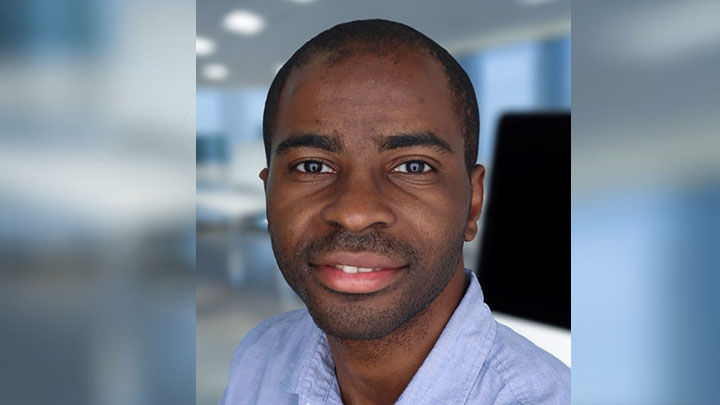
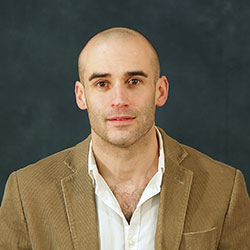
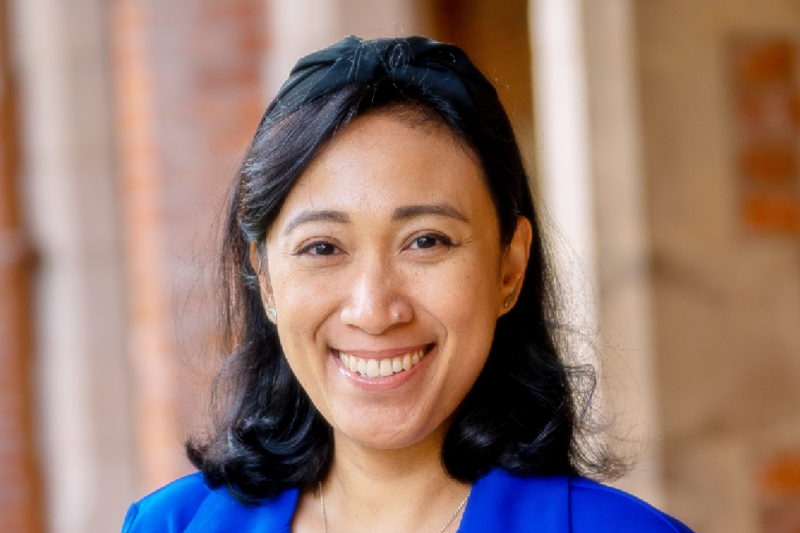
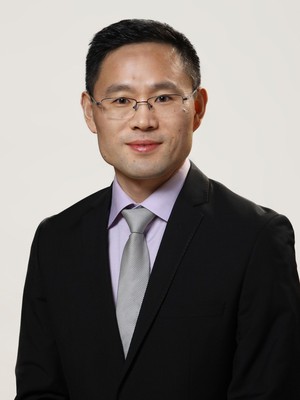
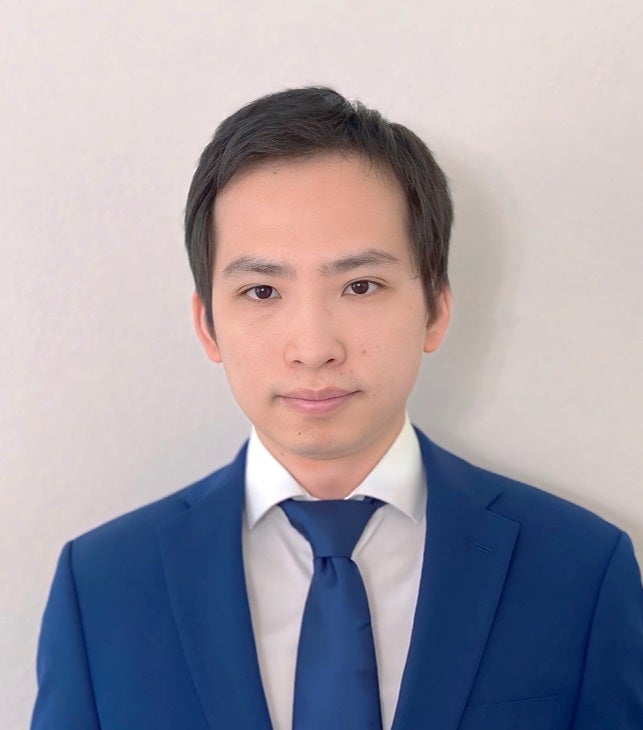
Uduak Inyang-Udoh is an Assistant Professor in the Department of Mechanical Engineering at the University of Michigan, affiliated with the Autonomous & Intelligent Systems (AI-Sys) Lab. Her research focuses on control theory, graph theory, and physics-guided machine learning applied to data-rich advanced manufacturing, thermal systems, and energy storage. Education: PhD (Rensselaer Polytechnic Institute, 2021), BSc (University of Lagos, 2016) Research Areas: Controls, Energy, Manufacturing, Mechatronics & Robotics Email: udinyang@umich.edu Research interests integrate theoretical frameworks with practical applications in real-time optimal control, nonlinear system analysis, and additive manufacturing optimization. Her group has published extensively in control algorithms, thermal management systems, and data-driven industrial processes. Recent publications highlight advancements in neural co-state regulators, hybrid thermal control systems, and machine learning integration in droplet-based manufacturing. She emphasizes control theory applications to complex systems with input constraints and transient dynamics. Scientific Awards ASME Dynamic Systems and Control Division Rising Star Award (2022) ASME Rudolf Kalman Best Paper Award (2024) Mentoring style prioritizes student ownership of projects, collaborative peer mentoring, and structured progress reporting. Funding supports conference attendance (ACC, MECC) through travel grants and lab resources. Lab policies balance research productivity with vacation periods during academic breaks.
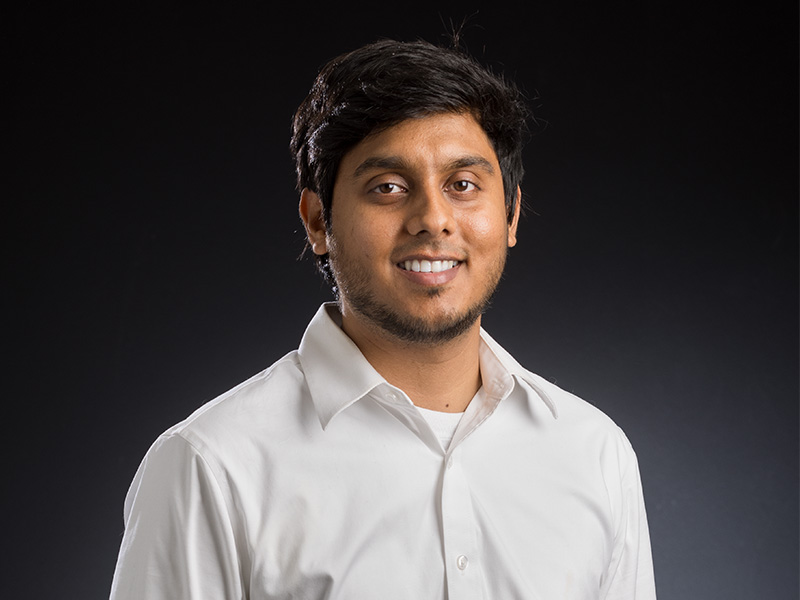
Dr. Srikanthan Ramesh serves as an Assistant Professor in the School of Industrial Engineering and Management within Oklahoma State University's College of Engineering, Architecture and Technology. Since establishing the Advanced Materials and Additive Manufacturing Laboratory in August 2022, he has led interdisciplinary research at the intersection of materials science, physical phenomena, and advanced manufacturing technologies, with applications spanning healthcare, aerospace, and electronics sectors. His educational foundation includes a Ph.D. in Mechanical and Industrial Engineering from Rochester Institute of Technology (2022) and an M.S. in Industrial and Manufacturing Systems Engineering from Iowa State University (2017). This academic background enables his innovative approach to manufacturing science. Dr. Ramesh's research program focuses on biological and micro-scale additive manufacturing (bio-AM), specializing in biomaterial development for tissue engineering and regenerative medicine. His work integrates computational fluid dynamics, machine learning, and real-time process monitoring to achieve precise control over mechanical, biological, and electrical properties of manufactured structures. He develops experimental tools and process frameworks for droplet-based and extrusion-based AM systems, with particular emphasis on wound healing applications and space-compatible microelectronics. Analysis of his 14 publications from 2020-2025 reveals a strong trajectory toward AI-driven manufacturing solutions, with increasing emphasis on multi-objective Bayesian optimization for bioink design, aerosol jet printing process refinement, and bioprinted tissue construct development. His recent work demonstrates sophisticated integration of machine learning with physical manufacturing processes to solve complex biomedical challenges. His scientific recognition includes: Doctoral Dissertation Pitch Competition (Runner-up), IISE, 2021 Best Oral Presentation, Graduate Showcase, Rochester Institute of Technology, 2019 Gilbreth Memorial Fellowship, IISE, 2018-2019 Wakonse College Teaching Fellowship, Iowa State University, 2018-2019 Graduate Research Excellence Award, Iowa State University, 2017 Best Overall Oral Presentation, Nano@IAstate, Iowa State University, 2017 Dr. Ramesh currently leads significant research initiatives including as Principal Investigator for an NSF REU Site on Additive Manufacturing and Cybersecurity ($464,606, 2025-2028) and a NASA EPSCoR Travel Grant for aerosol jet printing in space missions (2024-2025). As Co-PI on an NSF grant for Privacy-aware Collaborative Design in additive biofabrication ($599,981, 2025-2028), he develops frameworks for mass personalization in medical applications while addressing data security challenges. These projects support his lab's mission to advance manufacturing science through rigorous experimentation and computational innovation. The Advanced Materials and Additive Manufacturing Laboratory operates as a collaborative hub where Dr. Ramesh directs research teams in developing novel biomaterials, optimizing printing processes, and creating functional prototypes for wound dressings, liver tissue models, and space-rated microelectronics. The lab's interdisciplinary approach combines expertise in materials characterization, computational modeling, and machine learning to push the boundaries of what's possible in additive manufacturing for critical applications.
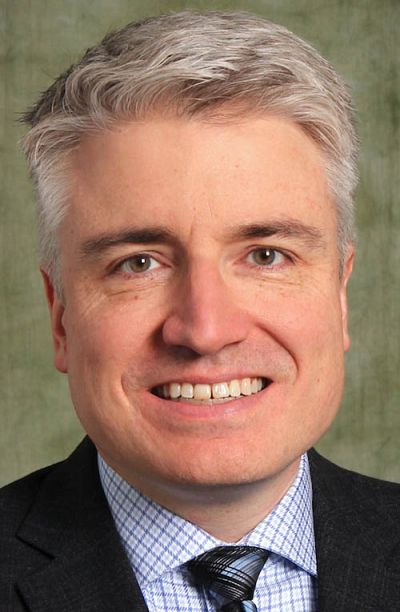
Paul R. Chiarot is a Professor and Chair of the Department of Mechanical Engineering at Binghamton University, State University of New York (SUNY). He holds a BASc, MASc, and PhD in Mechanical Engineering from the University of Toronto. His research focuses on microfluidics, multiphase flows, and electrospray deposition, with applications in advanced manufacturing, biotechnology, and biomedical engineering. Research Interests: Chiarot leads the Microfluidics and Multiphase Flow Laboratory, exploring electrospray printing for electronics packaging, synthetic vesicle fabrication for membrane biology studies, and fluid mechanics of the brain. His work addresses challenges in energy, healthcare, and nanotechnology. Key areas include: Electrospray-based additive manufacturing Microfluidic platform development for asymmetric vesicles Interstitial fluid transport in brain tissues Thermal management solutions for electronics Awards and Grants: He has received the NSF CAREER Award (2016) and the SUNY Chancellor's Award for Excellence in Scholarship (2022). His research is supported by the NSF, NIH, ACS, SRC, and industry collaborators. Lab and Collaborations: The lab's interdisciplinary approach integrates fluid dynamics, materials science, and biotechnology. Recent projects include developing high-throughput vesicle production and modeling cerebral fluid dynamics. Chiarot also contributes to thermal optimization of microchannel heat sinks for data centers and high-performance computing.
Prof. Dr. Britta Nestler serves as a Research Unit Chair at the Institute of Nanotechnology (INT) within the Karlsruhe Institute of Technology (KIT), Germany. Leading the Microstructure Simulations research group (INT-MSS), she focuses on computational modeling of mechanical and microstructural properties in materials, with significant contributions to phase-field methodologies for microstructure evolution and materials design. Her research spans computational materials science, phase-field modeling, and multiphysics simulations for energy storage systems. Key interests include chemo-mechanical coupling in multiphase systems, solid-state dewetting phenomena, battery electrode optimization, and microstructure-property relationships in polycrystalline materials. She integrates machine learning and data management frameworks to advance virtual materials design, particularly for post-lithium battery technologies. Recent publications reveal a strong emphasis on phase-field applications for energy materials, with 15+ 2025 articles addressing battery electrode design, structural optimization of porous materials, and multiphysics coupling in electro-chemo-mechanical systems. Her work bridges fundamental thermodynamics with industrial applications, notably in the POLiS Cluster of Excellence for post-lithium storage. Prof. Nestler actively shapes the field through leadership in the GAMM Workshop on phase-field modeling and the Materials/Microstructure Modeling conference. As part of KIT's Institute of Nanotechnology, her INT-MSS group collaborates on virtual materials design initiatives within the MaTeLiS Focus Field and NFDI4Ing research data infrastructure, driving digitalization in engineering sciences.
Paul Prentice is a Senior Lecturer in the Department of Systems, Power and Energy within the School of Engineering at the University of Glasgow. His research focuses on acoustic cavitation phenomena driven by ultrasound, employing ultra-fast framing cameras and acoustic detection methods to study bubble dynamics in liquids and tissues. His primary research interests include developing fundamental understanding of cavitation for medical applications (such as drug delivery and blood-brain barrier modulation) and industrial processes (including materials processing, metal recycling, and sustainable manufacturing). Recent work demonstrates significant contributions to ultrasonic recycling of photovoltaic modules, critical metal recovery from e-waste, and nanoparticle-based therapeutic delivery systems. The publication trends reveal a strong emphasis on interdisciplinary applications: 40% of recent articles focus on medical ultrasound applications (blood-brain barrier, drug delivery), 35% on sustainable materials processing (metal recycling, battery electrode delamination), and 25% on fundamental cavitation dynamics (bubble synchronization, shock wave physics). Key collaborations exist with researchers in Chemistry (Abbott, Ryder), Biomedical Engineering (Cochran, Lucas), and Physics (Cammarano). As Deputy Director of the Centre for Medical and Industrial Ultrasonics (C-MIU), Prentice leads strategic research directions. His supervision portfolio includes 4 active PhD students and multiple PDRAs, with graduated students now holding positions at institutions like Queensland Brain Institute and Theraclion. Major grants include Horizon Europe APOLLO (€3.5M), EPSRC Sustainable Manufacturing (£1.2M), and ERC Starting Grant TheraCav (€1.45M). Teaching responsibilities include convening Advanced Imaging and Therapy 5 (ENG5285) and Advanced Ultrasonics (ENG5316), plus mentoring Integrated System Design projects. His work bridges fundamental physics with real-world industrial and medical challenges through the C-MIU center.
Dr. Joel Mobley is a Professor in the Department of Physics and Astronomy at the University of Mississippi and a Senior Scientist II at the Jamie Whitten National Center for Physical Acoustics. He specializes in biomedical ultrasonics, opto-acoustics, and physical acoustics, with a focus on applications in medical imaging, material characterization, and nuclear storage systems. Education: B.S. (Physics, University of Kentucky, 1989), M.A. (Physics, Washington University in St. Louis, 1991), Ph.D. (Physics, Washington University in St. Louis, 1996). Postdoctoral and research roles include Oak Ridge National Laboratory (1997-2004) and the U.S. Army Research Laboratory (2004-2005). Research Interests: Dr. Mobley’s work spans ultrasonic beamforming in biomedical contexts, acoustic lens design, nuclear cask structural integrity analysis, and microsphere-based metamaterials. His recent projects include droplet manipulation via acoustic tweezers, vibration-based monitoring of nuclear storage systems, and multiphase fluid dynamics. Teaching: Courses include Physics for Engineering, Optics, Biophysics, and Acoustics. He actively contributes to the development of graduate programs in physical acoustics. Lab/Affiliations: Primary affiliations include the National Center for Physical Acoustics (NCPA) and the University of Mississippi’s Department of Physics and Astronomy. His research integrates interdisciplinary approaches across physics, engineering, and environmental science.
Dr. Agnes Purwidyantri is a Lecturer at Queen's University Belfast, School of Chemistry and Chemical Engineering. Her research focuses on advanced biosensors, microfluidics, and lab-on-a-chip systems, integrating nanomaterials like graphene and 2D materials. She leads the Purwidyantri Lab, emphasizing sustainable, miniaturized analytical platforms. Her work includes electrochemical, FET, and optical sensors (SERS, SPR) for biomedical, environmental, and food analysis applications. Dr. Purwidyantri has secured awards such as the PDC Postdoc Awards 2024 in Citizenship and Outreach and grants for nitrate sensor development. She has published over 50 articles and is a guest editor for journals like Electronics . Her lab collaborates globally and engages in outreach programs. Education: PhD (not explicitly stated in provided texts) Research Interests: Biosensors, DNA analysis, microfluidics, 3D printing, green chemistry, and sustainable analytical tools. Her research bridges nanotechnology and biomedical engineering, with breakthroughs in single-molecule DNA analysis using graphene platforms and modular microfluidic designs. Recent work includes durable electrochemical sensors for uric acid and smartphone-based nitrate sensors. Awards: ICURe Discover Program for Nitrate Sensor (2025) Proof of Principle Funding for Smartphone-based Nitrate Sensor (2025) PDC Postdoc Awards 2024 (Citizenship and Outreach) Outreach & Activities: Participated in the CASE Sustainability Roadshow and invited talks on nanotechnology. Editorial roles in Electronics (2021-2023). Labs/Teams: Purwidyantri Lab, collaborating on lab-on-a-chip, graphene sensors, and additive manufacturing.
Chunlin Xu is a Professor in the Faculty of Science and Engineering at Åbo Akademi University, leading the Laboratory of Natural Materials Technology. His research focuses on developing sustainable materials from biorefinery feedstocks, with significant contributions to lignin valorization, nanocellulose engineering, and bio-based coatings. Current affiliations include principal investigator roles in major EU and national projects advancing circular bioeconomy solutions. Xu's research spans Lignin chemistry and nanoparticle formation Nanocellulose-based hydrogels and composites Biomaterials for packaging and medical applications Photosynthetic biohybrid systems for chemical production Machine learning applications in biorefining His work demonstrates strong alignment with UN Sustainable Development Goals, particularly for sustainable materials and clean water technologies. Analysis of Xu's 2025 publications reveals dominant trends in Advanced lignin modification for additive manufacturing Multi-functional hemicellulose derivatives for emulsion stabilization Scalable production of bio-based barrier coatings Nanocellulose integration in environmental remediation These works emphasize practical applications in packaging, agriculture, and water treatment while maintaining strong fundamental science. Scientific recognition includes: Chancellor’s Prize (2023) for renewable materials innovation Election to Swedish Academy for Engineering Sciences in Finland (2023) Xu directs substantial research funding through projects like S2B (EU-funded solar butanol production) and CIMANET (doctoral network for circular materials). His laboratory hosts numerous academic visitors and collaborates internationally across Europe. The research group operates within Åbo Akademi's Natural Materials Engineering ecosystem, with facilities for advanced biopolymer characterization and processing. Current activities include organizing the European Workshop on Lignocellulosics and Pulp while developing next-generation biohybrid systems for sustainable chemical production.
Yang Lin is an Assistant Professor at the University of Rhode Island , affiliated with the Department of Mechanical, Industrial & Systems Engineering . His research focuses on Microfluidics , Acoustofluidics , and Organ-on-a-Chip technologies, with applications in Environmental Monitoring , Food Safety , and Human Health . Education : Ph.D. in Mechanical Engineering (2019) and M.S. in Mechatronic Engineering (2015) from the University of Illinois at Chicago, and B.S. in Mechanical Design Manufacturing and Automation (2012) from Beijing Information Science and Technology University. Research Interests include: Acoustofluidics : Developing non-invasive, biocompatible fluid manipulation techniques using acoustic bubbles and membranes. AI-Enhanced Diagnostics : Leveraging convolutional neural networks for sample-to-answer diagnostic systems in public health. 3D Printed Microfluidics : Expanding additive manufacturing for low-cost, complex physiological structures in healthcare. Environmental Microfluidics : Detecting microplastics and contaminants in water and food systems. Publications highlight advancements in 3D printed microneedles , machine learning for nanoplastic detection , and magnetofluidic biosensors . Lab Members include current Ph.D. students and alumni who have completed M.S. and B.S. degrees under his mentorship.
Maria Tenje is a Professor of Microsystems Engineering at the Department of Materials Science , Uppsala University. Since July 2021, she has served as Director of the Department of Medical Technology. She leads the EMBLA research group , focusing on miniaturized systems for life science applications through advanced micro- and nanofabrication methods integrated into microfluidic platforms. Research Interests : Her work centers on biomedical engineering , microfluidics , organ-on-chip technology , and acoustophoresis . Key areas include droplet-based microfluidics, biomaterial evaluation, and developing cell culture systems with enhanced physiological relevance. Recent publications highlight innovations in 3D acoustic mixing , antibiotic resistance detection , and microfluidic platforms for single-cell respiration . Publications Trends : Her 15 most recent articles (2021-2025) span droplet microfluidics, organ-on-chip systems, and acoustic particle manipulation. These studies explore biomaterial biocompatibility , cellular response modeling , and microscale diagnostic tools , often in collaboration with interdisciplinary teams.
Dr. Rashid Jamshidi is a Senior Lecturer in the Department of Engineering at Manchester Metropolitan University (MMU) within the Faculty of Science and Engineering. He holds Chartered Engineer (CEng) status and is a Fellow of the UK Higher Education Academy (FHEA). His academic career includes roles as a Postdoctoral Research Associate at UCL’s Department of Chemical Engineering (2014-2019) and Lecturer/Senior Lecturer at MMU (2019-present). His research focuses on computational methods and AI applied to multiphase flows, digital manufacturing, and sonochemical reactors. Key projects include digital twin development for additive manufacturing (3D printing), continuous sonochemical reactor modeling with Rawwater Ltd., and CFD-based vocalization studies for tracheostomy patients with Manchester University NHS Foundation Trust. He has secured grants from Innovate UK, EPSRC, and the Royal Academy of Engineering, including a 2021 Best Sustainable Innovation Award for fume cupboard optimization. Teaching includes modules on thermodynamics, fluid dynamics, and computational engineering at both undergraduate and postgraduate levels. Rashid supervises postgraduate students in digital manufacturing and additive manufacturing and collaborates with institutions like the Royce Institute and University of Surrey on advanced engineering projects. His expertise spans roles as a journal reviewer (e.g., Physics of Fluids ), guest editor, and contributor to professional networks like the UK Acoustics Network+. Education: Postgraduate Certificate in Learning & Teaching in Higher Education (PGCLTHE) Professional Activities: Peer Review College (UKRI), Engineering Professors Council, The Alan Turing Institute’s Simulation-Based Science Group Lab/Team Affiliations: Collaborations with Royce Institute, University of Surrey, and Manchester University NHS Foundation Trust
Orlin Velev is a Culberson Distinguished Professor in the Department of Materials Science and Engineering at NC State University's College of Engineering. His research focuses on soft colloids, sustainable materials, and wearable biomedical technologies. He leads a research group exploring the applications of these materials in energy storage, environmental remediation, and advanced healthcare devices. His work often integrates concepts from chemical engineering, physics, and biology to solve interdisciplinary challenges. Velev's research interests include the design and behavior of soft colloidal systems, such as dendritic microcleaners for microplastic capture, biodegradable polymers for electronics and packaging, and magnetic particles for autonomous propulsion. He also develops innovative microfluidic platforms for non-invasive biomarker sensing and wearable health monitoring. His contributions span advanced battery materials, stimuli-responsive materials, and scalable nanofabrication techniques. His articles from 2024-2025 highlight breakthroughs in sustainable polymer substitutes, advanced battery separators, and osmotic-capillary principles for fluid management in wearables. These studies emphasize interdisciplinary approaches, with frequent collaboration between materials science, nanotechnology, and biomedical engineering. No scientific awards are explicitly listed in the text. However, his endowed chair title reflects recognition of his contributions. He holds no recorded advisees or grants in the provided information, though his research likely involves graduate students and postdocs. His lab focuses on colloidal assembly, soft matter engineering, and biomaterials development, accessible via his website here .
Germano S. Iannacchione is a Professor of Physics at Worcester Polytechnic Institute (WPI), specializing in experimental research on thermo-physical properties of condensed matter, particularly soft-matter materials, colloids, and far-from-equilibrium systems. He joined WPI in 1998 and has mentored over 156 students (11 PhD, 14 M.Sc., 121 B.Sc.). Affiliations: Member of the Interactive Materials Design Center (iMDC) at WPI (2015–present) Former Program Director at NSF (Condensed Matter Physics Program, 2017–2020; Biomaterials Program, 2018–2019) Former Head of Physics Department at WPI (2006–2016) Founder of WPI's Nuclear Science & Engineering Program (2012–2017) and Master of Science in Physics for Educators (MPED) Program (2012–2016) Research Interests: His work focuses on phase transitions, liquid crystals, biomaterials, and self-assembly in complex fluids. He pioneered image-based analysis techniques for studying drying droplet patterns and their morphological evolution. His studies reveal insights into protein-LC interactions and crack formation mechanisms in colloidal systems. Key Contributions: Expanded the Physics Department at WPI to 20 faculty and $2M+ annual research funding Founded outreach initiatives: R.H. Goddard Cup Rocket Competition, Physicspalooza summer camps Established the STEM Faculty Launch Workshop (2015–2016) to mentor early-career academics Grants & Awards: NSF Division Director Appointment (January 2023) Sigma Xi Awards (2015) Highlighted in WPI News for STEM education and science communication efforts Labs & Teams: His lab integrates undergraduates into MQP projects, focusing on experimental condensed matter physics and interdisciplinary collaborations across materials science, biophysics, and engineering.
Dr. Anne Bonnin serves as a Beamline Scientist at the Paul Scherrer Institute (PSI) in Switzerland, where she has been instrumental in X-ray imaging research since joining the X-ray Tomography Group in 2014 and assuming her current role at the TOMCAT Beamline in 2016. Affiliated with PSI's Center for Photon Science and Laboratory for Macromolecules and Bioimaging, she operates at the forefront of synchrotron-based imaging techniques. Her academic foundation includes a PhD from INSA de Lyon focused on material properties for explosive detection, followed by postdoctoral work at the European Synchrotron Radiation Facility (ESRF) in X-ray diffraction and phase contrast tomography, and an NSF Research Fellowship for paleontology research at Harvard University and ESRF. Specializing in X-ray imaging (micro/nano-tomography, phase-retrieval) and powder diffraction, Dr. Bonnin leads the bioimaging program at TOMCAT with particular emphasis on the international Heart Imaging Project. Her research develops novel methodologies for materials characterization across diverse domains including cardiac microstructure analysis, paleontology, and neurodegenerative disease modeling, with significant contributions to understanding material behavior at microscopic scales. Her recent publications (2019-2021) demonstrate strong interdisciplinary impact, advancing X-ray imaging applications in energy storage (battery materials), biomedical research (cardiac/auditory systems), and materials engineering (aerogels). A defining trend is the integration of machine learning for image analysis, alongside methodological innovations like non-rigid image stitching and Fourier ptychography. These works reflect extensive international collaboration and address critical challenges in healthcare, energy, and fundamental material science. Dr. Bonnin leads the Heart Imaging Project to quantify cardiac microstructure using contrast-agent-free X-ray phase-contrast imaging, while actively contributing to the SLS2.0 upgrade project preparing TOMCAT for multiscale, multimodal, and dynamic tomographic capabilities. Her collaborative framework spans global researchers in materials science, paleontology, and biomedical engineering. As manager of the TOMCAT nanoscope—a full-field imaging setup achieving 150 nm 3D resolution—she enables cutting-edge research in absorption and phase-contrast imaging. Her team within the X-Ray Tomography Group drives the bioimaging program forward, particularly through the Heart Imaging Project's dynamic cardiac studies using modified Langendorff setups.
Dr. Gustavo M. Castelluccio (ORCID) is a Reader (Associate Professor) in Mesoscale Mechanics at Cranfield University . With a PhD from Georgia Institute of Technology and prior experience at Sandia National Laboratories , his work bridges microstructural mechanics with macroscopic mechanical behavior through physics-based modeling. Current research targets fatigue and fracture in engineering components, integrating microstructural attributes with reliability assessments Specializes in hydrogen-sensitive deformation , dislocation substructure modeling , and computational micromechanics Recent publications (2025-2022) demonstrate expertise in: Hydrogen diffusion-crystal plasticity coupling for crack tip analysis Material-invariant parameterization across FCC metals (Cu, Ni, Al) Overload fatigue response prediction without recalibration Abnormal grain growth mechanisms in ultrafine-grained systems His studentship opportunities focus on multiscale predictive approaches and corrosion-sensitive fatigue modeling .