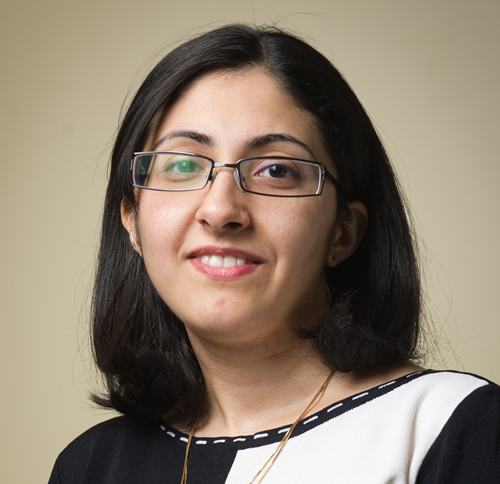
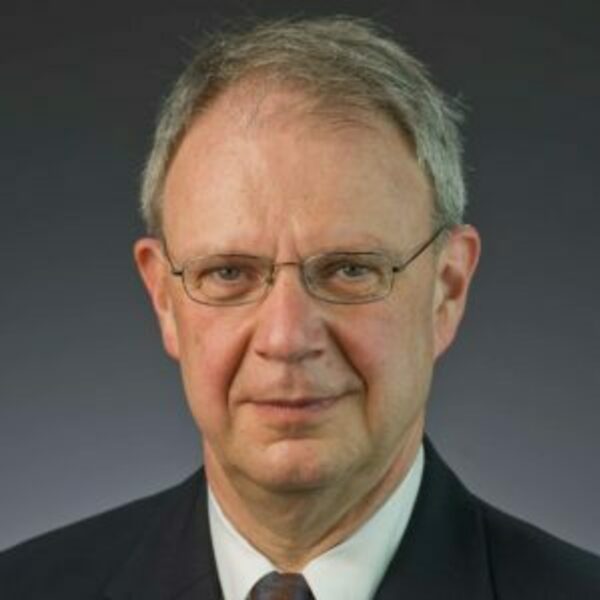
T.J.C. van Terwisga is a Professor at the Ship Hydromechanics and Structures department of Delft University of Technology (Faculty of Mechanical, Maritime and Materials Engineering). His research focuses on cavitation phenomena, vortical flows, and microbubble dynamics, with applications in ship hydrodynamics and marine technology. PhD in Mechanical Engineering (specialization in cavitation physics) Editorial Board Member: The Journal of Ocean Technology (2006–present) Research Interests : Cavitation inception and erosion mechanisms Air lubrication systems for ship drag reduction Underwater shipping noise propagation Bubble dynamics in vortical flows Experimental fluid mechanics Hydrofoil performance optimization Scientific Contributions : Developed advanced calibration methods for microbubble measurement systems Investigated air lubrication regime transitions under varying flow conditions Studied cavitation onset in counter-rotating vortex flows Explored bubble capture mechanisms in vortical flows Contributed to underwater soundscape modeling for maritime operations Editorial Roles : Editor, The Journal of Ocean Technology (2006–present) Editor, The Journal of Ocean Technology (2009–present)
Sinisa Krajnovic is a Professor of Computational Fluid Dynamics and Head of the Department of Mechanics and Maritime Sciences at Chalmers University of Technology. His research focuses on vehicle aerodynamics, bluff-body flows, and time-dependent numerical simulations, particularly in ground vehicle flows (trains, cars, buses) and high-speed train dynamics. He leads studies on flow control mechanisms, bi-stable wake phenomena, and turbulence modeling using advanced CFD techniques like LES and PANS. Recent work emphasizes active flow control optimization, snow-resistance performance of bogies, and aerodynamic interactions in platoons. His 247+ publications span topics including high-speed train aerodynamics, ship airflow control, and bluff-body wake dynamics. Collaborations involve experimental validation and industrial applications in rail and marine transportation.
Andrea Meilán-Vila is an Assistant Professor in the Department of Statistics at Universidad Carlos III de Madrid since 2021, holding a Juan de la Cierva Fellowship since 2023. She earned her PhD in Statistics from Universidade da Coruña (2021) and previously served as a Postdoctoral Fellow at Universidade de Santiago de Compostela's Department of Statistics, Mathematical Analysis and Optimisation. Her research focuses on nonparametric methods for analyzing complex data types, including directional, spatial, and functional data. Key areas include kernel smoothing techniques, goodness-of-fit testing for regression models, and spatial trend estimation. She serves as an Associate Editor for the Journal of Nonparametric Statistics . Recent work emphasizes applications in climate science (temperature curve modeling), fluid dynamics (wake flow control), and biomedical imaging (hippocampus shape analysis). Her methodologies address challenges like sparse data estimation and spatial correlation in regression frameworks. Key Projects: STENED (Stein-based goodness-of-fit tests for non-Euclidean data) Awards: Juan de la Cierva Fellowship (2023) Publications span journals like Journal of Fluid Mechanics , Statistical Papers , and TEST , with a focus on methodological advancements in statistical modeling and computational validation.
Shunxiang Cao is an Assistant Professor at Tsinghua Shenzhen International Graduate School in China, where he has worked since July 2022. He earned his Ph.D. in Aerospace Engineering from Virginia Tech (United States) between August 2014 and August 2020 and completed his B.S. in Aerospace Engineering at Beihang University (China) from September 2010 to May 2014. Prior to his current role, he served as a Postdoctoral Scholar at the California Institute of Technology (United States) from November 2019 to May 2022. Teaches courses such as Advanced Numerical Analysis, Numerical Methods for PDEs, and Fluid-Structure Interaction simulations. Research Interests include fluid-structure interaction, computational fluid dynamics, shock/bubble dynamics, material failure analysis, embedded-boundary methods, resolvent-based optimization, Kalman inversion, high-intensity focused ultrasound, and digital twin technology. His work focuses on numerical modeling, optimization, and fluid-solid coupling mechanisms in diverse applications like underwater propulsion, energy storage membranes, and medical acoustics. Scientific Awards include the USNCCM16 Conference Award (2021), Graduate Fellowship at Virginia Tech (2014-2015), Merit Undergraduate Student in Beijing (2014), and Singapore Technology Engineering Fellowship (2010-2013).
Christophe Bailly is the Director of the Laboratory of Fluid Mechanics and Acoustics (LMFA UMR5509) and a Professor at École Centrale de Lyon, France. His career spans academic roles at École Centrale Paris (1995-2006) and École Nationale Supérieure des Techniques Avancées (2001-2020), alongside membership in the Institut Universitaire de France since 2007. He specializes in turbulence, aeroacoustics, sound propagation, and high-resolution numerical methods. His research focuses on jet noise , ducted flow acoustics , and advanced diagnostic techniques like Interferometric Rayleigh Scattering. He has co-authored over 120 peer-reviewed articles and a textbook on turbulence with Geneviève Comte-Bellot. Notable scientific awards include the Yves Rocard Prize (1996), Alexandre Joannidès Prize (2001), Air & Space Academy Medal (2016), CEAS Aeroacoustics Award (2020), and the French Medal (2023). He serves as Associate Editor for the AIAA Journal and Advisory Editor for Flow, Turbulence and Combustion .
Dr. Gregory Ryskin is an Associate Professor in the Department of Chemical and Biological Engineering at Northwestern University. His research spans cosmology, geophysics, fluid dynamics, and theoretical physics, with a recent focus on cosmological models addressing dark energy and vacuum energy. He holds dual PhDs in Chemical Engineering (Caltech) and Theoretical Physics (St. Petersburg Polytechnic Institute). Research interests include cosmic expansion mechanisms, Earth's magnetic field generation, catastrophic geological events, and fundamental physics problems like Hawking radiation. His interdisciplinary work connects astrophysics with geophysical phenomena through fluid dynamical principles. Publications include theoretical studies of vanishing vacuum energy (2020), cosmic repulsion (2015), and Hawking radiation (2014), alongside earlier contributions to fluid dynamics of polymers and liquid crystals. His 2010 paper on abrupt Earth events received recognition from paleontologist David Raup. Dr. Ryskin's current work develops physics-based explanations for cosmological observations, providing alternatives to standard dark energy models through modified gravitational theories.
Professor Duncan Lockerby is a faculty member in the Fluid Dynamics Research Centre at the University of Warwick, School of Engineering. His research focuses on multiscale modeling of micro and nanoscale fluid flows, including non-equilibrium effects, hybrid simulation techniques, and fluctuating hydrodynamics. He has led projects on drag reduction, rarefied gas dynamics, and nanoscale interfacial phenomena. Professorial Rank: Professor Affiliations: Fluid Dynamics Research Centre, University of Warwick Research interests span micro/nano-particle flows, multiscale modeling (hybrid CFD-particle methods, extended hydrodynamics), and biological fluid mechanics. Notable work includes developing novel drag prediction methods and investigating nanoscale thin film instabilities. His recent articles (2025) address advanced boundary conditions for micro/nano particles, DSMC-CFD coupling, and slip flow analysis. He has secured significant grants including EPSRC funding for rarefied gas flow simulation (£434k) and dynamic wetting studies (£539k). Teaching interests include fluid mechanics and computational methods. Office hours: Wednesdays 11am-12pm in F326.
Shabnam Raayai is an Assistant Professor in the Department of Mechanical Engineering at Boston University. Her research focuses on fluid mechanics, aerodynamics, and flow control, particularly exploring bio-inspired designs such as riblet surfaces and V-formation dynamics. She holds a PhD and MS in Mechanical Engineering from MIT. Education: PhD (MIT, 201?), MS (MIT, 201?) Her research integrates experimental, theoretical, and computational approaches to study drag reduction techniques and fluid dynamics in nature-inspired systems. Key interests include fluid-solid interactions, laser diagnostic methods, and complex geometric boundary analyses. Her recent work examines riblet-covered surfaces for drag reduction, bio-inspired formations, and multi-propeller flow dynamics. She has pioneered techniques like double-light-sheet PIV for studying opaque object flows and volume-controlled cavity expansion for soft material analysis. Awards: Rowland Fellowship (2019-2025) Andreas Acrivos Dissertation Award (2018) Rising Stars in Mechanical Engineering (2018) Her grants and advising activities are not detailed here, but her research team actively explores nature-inspired fluid dynamics applications in engineering systems.
Renzo Arina is a Tenured Associate Professor at the Department of Mechanical and Aerospace Engineering (DIMEAS) at the Polytechnic University of Turin . His academic career spans decades of contributions to Aeroacoustics and Computational Fluid Dynamics (CFD) . Research Interests : Numerical simulation of flow-induced noise Drag reduction techniques for vehicle optimization Computational methods for aeroacoustic modeling Boundary layer dynamics and separation control Research Projects : Erasmus Mundus Master in Aeroacoustics (2024–2025): Member of research group Aerodynamic Optimization of Vehicles (2016): Scientific Director for industrial efficiency Detailed Numerical Modeling of Airborne Sound Field (2013–2016): EU-funded research Discontinuous Galerkin Method for Aeroacoustics (2010–2012): National PRIN project Advising : Supervises PhD candidates Daniele Fabbri (Mechanical Engineering, 2023–ongoing) and Francesco Bellelli (Aerospace Engineering, 2022–ongoing) Labs & Teams : Member of the Boundary Layer Flow, Separation and Control research group at DIMEAS
Joannes J. Westerink is the Joseph and Nona Ahearn Professor in Computational Science and Engineering at the University of Notre Dame, concurrently holding professorships in Aerospace and Mechanical Engineering, Applied and Computational Mathematics and Statistics, and Computer Science and Engineering. He leads the EFM Laboratory, focusing on computational fluid mechanics, finite element methods, and coastal ocean modeling. His research emphasizes storm surge prediction, tidal hydrodynamics, and geophysical turbulence modeling. Westerink holds a Ph.D. from MIT (1984). His work integrates advanced numerical techniques with real-world applications, such as NOAA's STOFS-2D-Global system for global water level forecasting and the UFS-Coastal modeling framework. He has developed high-resolution unstructured mesh models for coastal regions, enhancing predictions of hurricane impacts and compound flooding. His scientific contributions include over 150 peer-reviewed articles, with recent focus on machine learning corrections for operational models, probabilistic storm surge guidance, and global hindcasting. He received the endowed Ahearn Professorship for his transformative work in computational science and engineering. Key grants and collaborations involve NOAA, NASA, and NSF, advancing coastal resilience and climate modeling. His research spans academic, governmental, and industry partnerships, with applications in disaster risk reduction and environmental policy.
Dr. Linda Duffy is an Associate Professor in Psychology at Middlesex University, where she conducts research at the intersection of sport psychology, cognitive development, and behavioral rehabilitation. Her work spans diverse populations, from elite athletes to youth offenders and individuals with autism spectrum disorder. Research Interests: Her primary fields include sport psychology, expert performance, gender differences in motor skills, and psychological rehabilitation through physical activity. She investigates how mental skills, personality, and social context influence athletic performance and behavioral outcomes. The recent publications reflect a strong focus on darts as a model for studying expert performance, alongside broader inquiries into autism, youth sports dropout, and cross-cultural child development. Her work often employs mixed methods and comparative designs, emphasizing both empirical rigor and practical application. Scientific Engagement: While no formal awards are listed, her extensive publication record in journals such as Frontiers in Psychology and Journal of Exercise Rehabilitation underscores her academic impact. She also contributes to public discourse through blog posts on platforms like Psychreg. Advising and Collaboration: Dr. Duffy frequently collaborates with researchers such as Baluch, Ericsson, and Cohen. Though specific advisees are not named, her role as Associate Professor implies graduate student mentorship. Her research has been downloaded over 1,200 times, indicating strong academic engagement. Laboratories and Teams: While no formal lab name is mentioned, her research group appears to focus on sport and exercise psychology, with ongoing projects involving darts performance, rehabilitation through rugby, and cognitive development in children.
Matteo Pezzulla is an Associate Professor at Aarhus University within the Department of Mechanical and Production Engineering Mechanics and Materials. His research focuses on fluid-structure interactions, soft hydraulics, and elastic instabilities, with applications in biomechanics and solid mechanics. Areas of expertise: Soft hydraulics, Fluid-structure interactions, Elastic instabilities, Biomechanics, Solid mechanics Teaching: Theory of Elasticity (BSc), Slender Structures (MSc) Memberships: American Physical Society (APS), Education Committee at AU Projects: The Architecture of Photosynthesis (2023–2026), Smart Fluidic Channels (2023–2025) His work bridges analytical, numerical, and experimental methods to study shell mechanics and biological systems. Publications highlight fluid-induced buckling, magneto-elastic materials, and biomimetic designs. Contact: matt@mpe.au.dk | +45 20 69 75 22
Dan Cox serves as Dean of Natural Sciences in The College of Liberal Arts and Sciences and Professor in the School of Life Sciences at Arizona State University. He holds a B.S. in Biology from Wake Forest University and a Ph.D. in Cell Biology from Duke University, where he was an NIH pre-doctoral fellow. His postdoctoral training included a Jane Coffin Childs Fellowship and HHMI Research Associate position at UCSF. His educational trajectory includes: B.S. magna cum laude with honors in Biology, Wake Forest University (1992) Ph.D. in Cell Biology, Duke University Medical Center (1999) Postdoctoral training: Jane Coffin Childs Fellow & HHMI Research Associate, UCSF (2000-2004) Cox leads an internationally recognized neuroscience research program focused on neuronal diversity, circuit construction, and neural mechanisms of behavior—particularly pain perception and sensory neuropathies. His expertise spans neurobiology, cell biology, genetics, and computational modeling, with emphasis on multimodal sensory processing and brain plasticity. His lab has maintained continuous NIH funding for 20 years. His recent publications reveal dual research thrusts: fluid dynamics studies on drag reduction in pipe flows (examining vortex dynamics, Reynolds number effects, and wall oscillation techniques) and genetic engineering work including CRISPR-Cas9 delivery systems for immune system gene screening. This combination reflects interdisciplinary collaboration across engineering and biological domains. Key recognitions include: NIH pre-doctoral fellowship Jane Coffin Childs Fellowship for Medical Research HHMI Research Associate appointment Cox demonstrates exceptional commitment to mentoring across career stages and advancing student success through innovative pedagogies. His leadership extends to directing research centers, imaging facilities, and graduate programs—including roles as Director of the Center for Neuromics and Neuroscience Institute at Georgia State University. His NIH-funded research supports extensive interdisciplinary collaboration and training initiatives. Throughout his career, Cox has cultivated collaborative research environments through leadership in core facilities and interdisciplinary clusters, notably directing the 2CI Neurogenomics Fellowship and Brains & Behavior initiatives. His current deanship emphasizes cross-college research integration within ASU's liberal arts framework.
Dr Luke Kelleher is an Associate Professor in Environmental Policy at University College Dublin (UCD), working within the UCD School of Architecture, Planning and Environmental Policy. He is a member of the UCD Environmental Policy Group, a research-intensive faculty group central to national and international debates and policy action in environmental policy. Kelleher also serves as a Principal Investigator in the UCD Earth Institute and is a member of both BiOrbic, the National Bioeconomy Research Centre funded by Science Foundation Ireland, and the UCD Centre for Irish Towns. Dr Kelleher holds a BA and PhD from Queen's University Belfast, an MSc from the University of Ulster, and a UCD Professional Certificate in Creativity and Innovation for Education. Prior to joining UCD, he was a lead researcher at the University of Hertfordshire in its high-impact transport evaluation group. Before his academic career, he gained nearly 10 years of experience in the public service, including roles in local government, the Land Registers of Northern Ireland, Northern Ireland Water Service, and the global consulting firm RPS Group. Dr Kelleher's research focuses on two main areas: transport policy and environmental performance, and bioeconomy policy. His work applies strong theoretical and methodological expertise in spatial analysis, policy analysis and evaluation, stated preference techniques, and demand-side policy instruments. His research has been published in prestigious journals such as Energy Policy, Atmospheric Environment, Environment and Planning B, and Transport Research Part A, and presented at leading conferences including the World Conference on Transport Research and Transportation Research Board Annual Meeting. Analysis of Dr Kelleher's recent publications reveals a strong focus on the bioeconomy and its policy coherence, transport poverty, and just transition frameworks. His work often employs spatial analysis methodologies to address environmental policy challenges, with a particular emphasis on creating practical tools for policymakers. There's a clear trajectory showing increasing focus on the bioeconomy in his more recent work, while maintaining strong connections to transport policy and environmental justice issues. Dr Kelleher has secured research funding from multiple prestigious sources including the Economic and Social Research Council (ESRC), Northern Ireland Department of Education (DENI), Arts and Humanities Research Council (AHRC), and Science Foundation Ireland (SFI). Current projects include "Enable-BIO Project" funded by the Environmental Protection Agency, "Aerodynamic Design and CFD Analysis of Drag Reducing Appendable Devices for Large Ground Vehicles" funded by Science Foundation Ireland, and "Just Transition for Agriculture in the Circular Bioeconomy" (JusTACE) also funded by the Environmental Protection Agency. Dr Kelleher actively supervises PhD students and contributes to multiple educational programs including the BSc (City Planning & Environmental Policy), MRUP, MSc (Environmental Policy), the Graduate Diploma Bioeconomy with Business, and the BSc in Transport City Planning and Environmental Policy at Chang'an University. His teaching philosophy emphasizes active participation, critical analysis, and the development of informed judgment. Dr Kelleher maintains strong connections with policy makers at multiple levels, having provided expert advice to the European Commission, UK Department of Transport, Department of Education (DENI), Department of Agriculture, Food and Marine (DAFM), Department of Environment, Climate and Communications (DECC), and various city councils. He has been particularly active in the Heritage Council led Collaborative Town Centre Health Check Programme since 2016.
Sander G. Huisman is an Associate Professor in the Department of Physics of Fluids at the University of Twente. His research focuses on turbulence, multiphase flows, and thermal dynamics, with a particular emphasis on bubble dynamics, drag reduction mechanisms, and melting processes in various fluid environments. He has contributed extensively to experimental and theoretical studies in Taylor-Couette turbulence, thermal mixing optimization, and the effects of salinity on fluid systems. His work spans across fluid mechanics, heat transfer, and materials science. His research interests include exploring the interplay between turbulence and multiphase phenomena, such as bubbly drag reduction in rotating systems and the dynamics of melting ice in saline and fresh water. Recent studies have also delved into particle dynamics in turbulent flows, including anisotropic particles and chiral orientations. Notable contributions include advancements in thermal mixing enhancement via bubble manipulation and the development of experimental methods for tracking particle orientation in complex flows. His work often utilizes state-of-the-art facilities like the Twente Turbulent Taylor-Couette (T³C) system and employs cutting-edge data analysis techniques for multiphase flow characterization. Supervised 10 research works, contributing to datasets on topics such as solvent exchange in jets, bubble coalescence inhibition, and melting dynamics. Collaborations span international institutions, reflecting his global impact in fluid dynamics research.