Christian P Petersen, PhD is a Professor in the Department of Cell and Developmental Biology at the Weinberg College of Arts and Sciences , Northwestern University Feinberg School of Medicine. His research focuses on molecular mechanisms underlying regeneration in planarians and other organisms. PhD: MIT (2006) Research Interests: Planarian regeneration and tissue patterning Wnt signaling pathway regulation Stem cell biology in regenerative contexts Neurogenesis and injury response Molecular mechanisms of tissue repair Affiliations: Center for Reproductive Science Robert H. Lurie Comprehensive Cancer Center
Michael Levine is the Anthony B. Evnin '62 Professor in Genomics and Professor of Molecular Biology at Princeton University, where he also serves as Director of the Lewis-Sigler Institute for Integrative Genomics. He joined Princeton in 2015 after a distinguished career at UC Berkeley, where he was Professor of Genetics and held leadership roles in genetics and genomics programs. His research focuses on how noncoding regions of the genome regulate gene expression in space and time during development. His lab has pioneered studies in Drosophila and the protovertebrate Ciona intestinalis , uncovering fundamental mechanisms such as enhancer function, transcriptional bursting, short-range repression, and long-range enhancer-promoter interactions. His work has also revealed evolutionary insights into the origins of vertebrate innovations like the neural crest and neurogenic placodes. Levine's recent publications demonstrate a strong emphasis on quantitative and live-imaging approaches to dissect gene regulation dynamics. His work integrates experimental embryology with computational modeling, especially using deep learning to predict transcriptional outcomes. Themes across his recent articles include biomolecular condensates, chromatin architecture, and the physical principles underlying enhancer function. Elected to the National Academy of Sciences (1998) Molecular Biology Award, National Academy of Sciences (1996) Wilbur Cross Medal, Yale University (2009) EG Conklin Medal, Society of Development Biology (2015) Dr. Levine has trained numerous researchers and co-authored studies with emerging scientists, indicating active mentoring and grant-funded research. His leadership roles at major institutes and sustained publication record reflect a robust, well-supported research program. He has also contributed to national genomics initiatives, including service at the DOE Joint Genome Institute. His lab operates at the intersection of molecular biology, genomics, and quantitative developmental biology, utilizing model organisms and cutting-edge imaging and computational tools to unravel the logic of gene regulatory networks.
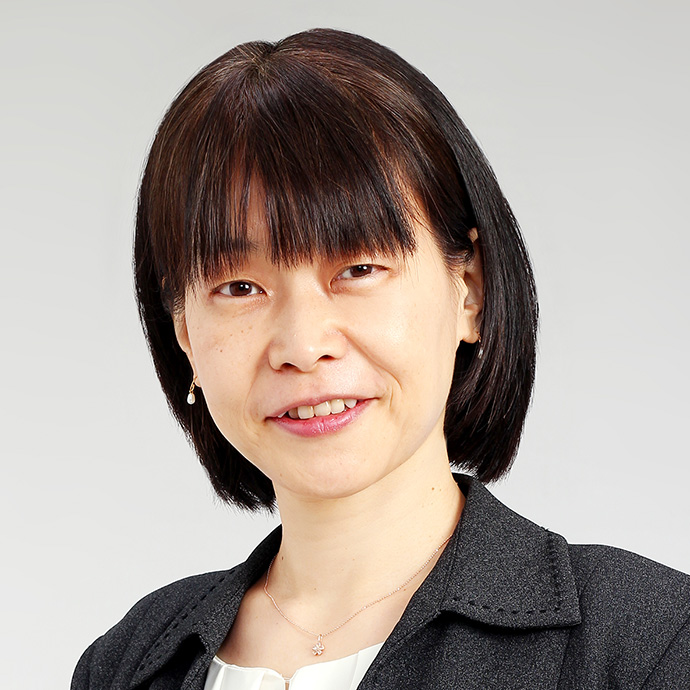
Yukiko Gotoh is a Professor at the Department of Pharmaceutical Sciences, Graduate School of Pharmaceutical Sciences, The University of Tokyo. She serves as the Deputy Director and Principal Investigator at the International Research Center for Neurointelligence (IRCN). Her research focuses on understanding the mechanisms that regulate neural stem/progenitor cell fate during embryonic brain development and in the adult brain. Dr. Gotoh's research interests include: Genetic and epigenetic regulation of neural stem/progenitor cell fate Neuronal maturation processes Genesis and maintenance of adult neural stem cells Relevance of neural stem/progenitor cell dysregulation in neurodevelopmental disorders such as autism spectrum disorders Investigation of mechanisms regulating neural stem-progenitor cell fate during neocortical development Genetic and epigenetic regulation of neuronal activation Analysis of Dr. Gotoh's recent publications reveals a strong focus on neural stem cell biology, epigenetic regulation, and neurodevelopmental disorders. Her work demonstrates how chromatin modifiers like Polycomb group proteins and HMGA proteins regulate neural stem cell fate decisions during brain development. A significant portion of her research explores the embryonic origins of adult neural stem cells and how dysregulation of these processes contributes to conditions like autism spectrum disorders and schizophrenia. Her laboratory also investigates the basic mechanisms of cellular responses to viral infection in the brain and their relevance to neurodevelopmental disorders. Dr. Gotoh has made significant contributions to understanding: The role of Polycomb group proteins in neural development How chromatin modifiers regulate neurogenic potential Cell cycle regulation in neural stem cells The PDK1-Akt pathway in neuronal migration Layer-specific heterogeneity of astrocytes Mechanisms underlying schizophrenia-related abnormalities Dr. Gotoh's laboratory conducts research on multiple fronts related to neural development and stem cell biology. Her team investigates: Mechanisms regulating neural stem-progenitor cell fate during neocortical development Genetic and epigenetic regulation of neuronal activation The embryonic origin of adult neural stem cells Dysregulation of neural stem-progenitor cell and neuronal fate in neurodevelopmental disorders Innate immune responses in the brain
Tim Wollesen is an Associate Professor in the Department of Evolutionary Biology at the Faculty of Life Sciences. His research focuses on molluscan evolution, neurogenesis, and developmental genetics, particularly in cephalopods, scaphopods, and chaetognaths. He has led projects funded by the Schrödinger Grant and collaborates internationally on topics like Hox gene expression and single-cell transcriptomics. Research interests include evolutionary developmental biology (evo-devo), comparative genomics, and the molecular mechanisms underlying body plan diversification. Recent studies explore the genetic basis of shell formation, nervous system evolution, and ancestral cell type conservation in spiralians. Notable contributions include analyzing developmental gene expression in squid eyes, sequencing chaetognath transcriptomes, and elucidating Hox gene roles in molluscan body plans. His work bridges molecular biology with evolutionary questions, contributing to UN Sustainable Development Goals through biodiversity research. Received Schrödinger Grant (2018) to support evolutionary research Active in international conferences, presenting on bioadhesives and molluscan cell types Lead researcher on projects like 'Elucidating molluscan evolution by single cell sequencing' (2021–ongoing) His lab focuses on integrative approaches combining genomics, microscopy, and developmental biology to decode evolutionary innovations in invertebrate lineages.
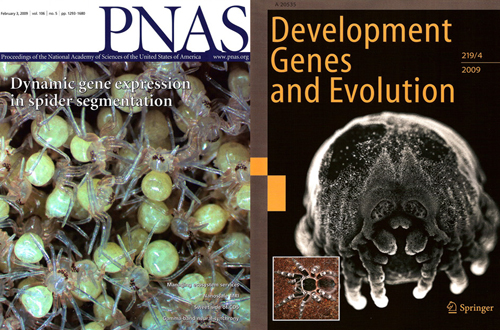
Dr. Matthias Pechmann is a researcher at the University of Cologne's Biocenter within the Faculty of Mathematics and Natural Sciences, specializing in developmental and evolutionary biology with a primary focus on spider embryology and arthropod evolution. His work investigates the mechanisms of segment and appendage formation in spiders, particularly using the common-house spider ( Parasteatoda tepidariorum ) and the Brazilian white-knee tarantula ( Acanthoscurria geniculata ) as model organisms, with additional research on cricket ( Gryllus bimaculatus ) development. Dr. Pechmann's research centers on understanding the evolutionary success of arthropods through their segmented body plans and articulated appendages. He investigates early embryonic development in spiders, with particular emphasis on the establishment of main body axes, dorsoventral axis patterning, and the genetic mechanisms underlying segment formation. His work combines molecular techniques including RNA interference, gene expression analysis, and comparative approaches to uncover conserved and divergent developmental pathways across arthropods. His most significant contributions involve the role of Ets4 in axis specification and cell migration, Toll genes in axis elongation, and Distal-less as a gap gene during spider segmentation. His publication record demonstrates expertise in developmental genetics and evolutionary biology, with numerous high-impact papers in journals such as eLife, BMC Biology, and Current Biology. His research has significantly advanced understanding of the genetic and cellular mechanisms that govern body plan development in arthropods, particularly revealing how conserved developmental genes have been co-opted for spider-specific morphological features. Dr. Pechmann has received research funding through a University of Cologne Postdoc Grant for his work on dorsoventral axis patterning in crickets, demonstrating his ability to secure competitive research funding. His collaborative approach is evident through extensive co-authorship with researchers across multiple institutions, particularly with Dr. Roth's research group at the University of Cologne as indicated by the website structure (Home > Research > Roth > Pechmann). His laboratory work involves advanced techniques including RNA interference, confocal microscopy, gene expression analysis, and comparative genomic approaches. The research group maintains spider cultures of Parasteatoda tepidariorum and Acanthoscurria geniculata as primary model organisms, with additional work on crickets for comparative studies of dorsoventral patterning.
Andrew S. Blum is a Professor of Neurology at Brown University, affiliated with Rhode Island Hospital (RIH) since 2000 as Director of the EEG Laboratory, Adult Epilepsy Division, and Co-Director of the Comprehensive Epilepsy Program. He previously held clinical roles at Beth Israel Deaconess Medical Center (BIDMC) from 1994–2000. Education: MD (1989) and PhD (1988) from Cornell University and The Rockefeller University, BA in Chemistry (Magna Cum Laude) from Yale University Dr. Blum’s research spans clinical epilepsy, focusing on psychiatric aspects of epilepsy, non-epileptic seizure diagnosis, anticonvulsant therapeutic development, and EEG/fMRI integration for seizure localization. His work bridges cognitive neuropsychology, neuropharmacology, and advanced neuroimaging. Key publications include studies on cognitive impairment in older epilepsy patients, spatiotemporal seizure dynamics via EEG-fMRI, and hormonal interactions with antiepileptic drugs. His research also addresses clinical challenges like oxygen desaturation during seizures and neurostimulation techniques. Howard Hughes Medical Institute Research Assistant (1980–81) MSTP Award (1982–89) Brown Dean’s Awards for Teaching Excellence (2002, 2005, 2006) Dr. Blum has contributed to epilepsy literature through book chapters, reviews, and foundational studies on neural development. He teaches pharmacology and neuroscience, directs epilepsy programs, and collaborates across neurology, psychiatry, and engineering disciplines.
Subham Dasgupta is an Assistant Professor in the Department of Biological Sciences at Clemson University. He specializes in developmental toxicology, using zebrafish as a model to study how environmental chemicals disrupt developmental processes. His research focuses on mechanisms underlying chemical-induced adverse effects, including maternal-to-zygotic transition (MZT), epigenetic regulation, neurodevelopment, and circadian rhythm disruption. Key projects involve flame retardants, PFAS, and other environmental contaminants. Education: B.Sc. in Physiology, University of Calcutta (2008) M.Sc. in Environmental Sciences, University of Calcutta (2010) PhD in Marine and Atmospheric Sciences, Stony Brook University (2016) Postdoctoral training at UC Riverside (2017-2019) and Oregon State University (2019-2022) Research Interests: Chemical screening and toxicity profiling Epigenetic drivers of developmental defects Zebrafish embryology and behavior MicroRNA biomarker discovery Lab Team: 4 PhD/MS students and 1 postdoc (Sunil Sharma) Focus areas: Flame retardants, PFAS, circadian rhythms, and neurodevelopmental effects Dasgupta has received multiple awards, including the Oregon State University Postdoctoral Excellence Award and the SOT Best Postdoctoral Research Award. His lab collaborates on projects involving high-throughput screening, multi-omics approaches, and behavioral assays to advance understanding of environmental chemical impacts on development.
Constance L. Cepko serves as the Bullard Professor of Genetics and Neuroscience at Harvard Medical School, where she leads an active research laboratory focused on the mechanisms of central nervous system development and degeneration, with particular emphasis on the vertebrate retina. Her laboratory is housed in the New Research Building at 7 Avenue Louis Pasteur, Boston, MA. Dr. Cepko's research interests span multiple areas of developmental neuroscience and genetic approaches to neural circuit mapping. Her laboratory pioneered the use of transsynaptic viral tracers based on vesicular stomatitis virus (VSV), which can travel between synaptically connected cells in multiple organisms including mammals, birds, fish, and amphibians. These vectors can be engineered for anterograde or retrograde transmission and to cross specific numbers of synapses, enabling detailed neural circuit mapping. Her laboratory also developed innovative GFP-dependent biological activity systems (T-DDOG and Cre-DOG) that allow manipulation of gene expression and neural circuit activity specifically in GFP-expressing cells. Additionally, they have refined in vivo electroporation techniques for simultaneous delivery of multiple plasmids to study gene function and regulatory elements in retinal development. Research on retinal development focuses on the heterogeneity of retinal progenitor cells and mechanisms directing cell fate determination Studies of photoreceptor development examine rod versus cone specification and retinal patterning Gene therapy research investigates approaches to prevent photoreceptor death in retinal degeneration diseases Dr. Cepko's laboratory maintains active collaborations and has made significant contributions to understanding the gene regulatory networks controlling retinal cell fate decisions, particularly the Otx2-dependent network that determines rod versus bipolar cell fates. Her work has important implications for developing therapies for retinal degenerative diseases like retinitis pigmentosa.
Elliott Abrams is an Associate Professor of Biology at Purchase College, School of Natural and Social Sciences. He holds a BA in Molecular Biology and Biochemistry from Rutgers University and a PhD in Cell and Developmental Biology from Johns Hopkins University School of Medicine. His postdoctoral research at the University of Pennsylvania School of Medicine focused on nuclear envelope fusion in early embryogenesis, leading to the discovery of Brambleberry protein. His research interests include vertebrate development, maternal-effect mechanisms in zebrafish, and evolutionary conservation of nuclear envelope processes in Tetrahymena thermophila. He employs CRISPR/Cas9 and forward genetics approaches to study developmental pathways. Teaching: Developmental Biology Lecture/Lab (BIO3170/3171), Cell Biology (BIO3530), Molecular Biology (BIO4620), and Biology Program Seminar (BIO2890). Office hours are Monday and Thursday 1-2 PM, or by appointment. His lab is located in Room 2054 of the Natural Sciences Building. Education: BA, Rutgers University; PhD, Johns Hopkins University Research Themes: Early vertebrate development, nuclear envelope dynamics, zebrafish genetics Key contributions include identifying maternal regulators of embryogenesis and elucidating Brambleberry's role in nuclear assembly. His work bridges vertebrate and protozoan systems, exploring conserved mechanisms across evolution.
Yuanyuan Li is an Associate Research Scientist in the Department of Genetics at Yale University School of Medicine. She holds a PhD from the Chinese Academy of Sciences (2012). Her research focuses on genetic disorders, particularly those involving cilia biology and kidney diseases, using zebrafish and mouse models. Key areas include ciliary motility, kidney cyst formation, and the molecular mechanisms underlying nephronophthisis and Bardet-Biedl syndrome. Her work spans developmental biology, molecular genetics, and cell biology, with a strong emphasis on understanding ciliary function and its role in human diseases. Notable collaborations include studies with Zhaoxia Sun and Stefan Somlo on kidney pathology and ciliary assembly. Publications highlight contributions to nephrology, cilia-associated disorders, and zebrafish as a model organism. Education: PhD in Genetics, Chinese Academy of Sciences (2012) Research Themes: Ciliopathies, kidney development, protein assembly, and genetic modeling Recent articles emphasize cotranslational protein condensation mechanisms and the role of cochaperones in dynein biogenesis, as well as the genetic basis of renal epithelial dysfunction. Her interdisciplinary approach bridges basic science and translational research, addressing critical questions in developmental and disease biology.
Qian Sun, PhD, is an Assistant Professor in the Department of Neurosciences at Case Western Reserve University School of Medicine. Her lab focuses on understanding the hippocampal circuit’s role in memory formation and its implications for neuropsychiatric disorders such as PTSD, schizophrenia, and Alzheimer’s disease. Using electrophysiology, optogenetics, and mouse behavior models, her research explores cellular and circuit mechanisms underlying hippocampal information processing. Education: PhD in Neuroscience, Brandeis University (2011) Lab Website: www.qiansunlab.org Research Interests: Long-term goals include elucidating CA3 circuit mechanisms in memory storage and pattern completion, and identifying strategies to address hippocampus-related behavioral deficits. Current studies emphasize CA3’s understudied role in memory processing and its dysfunction in neuropsychiatric disorders. Publications highlight her work on hippocampal synaptic dynamics, CA3 pyramidal neuron properties, and serotonin’s role in memory formation. Recruitment for postdocs, graduate students, and technicians is ongoing.
Jun Liu is a Professor of Molecular Biology and Genetics at Cornell University, holding the Robert J. Appel Professorship in Molecular and Cell Biology. She is affiliated with the Graduate Fields of Genetics, Genomics & Development (GGD) and Biochemistry, Molecular & Cell Biology (BMCB). Her research focuses on developmental biology, stem cell signaling, and cell fate specification using C. elegans as a model organism. Key areas include BMP signaling, Notch pathway interactions, and mesoderm pattern formation. Recent publications highlight her lab's work on BMP receptor regulation, tetraspanin function, and transcriptional networks in developmental processes. Her research is funded by the National Institutes of Health. Scientific Honors: National Academy of Sciences Kavli Frontiers of Science Fellow (2006) Merrill Outstanding Educator Award (2014) Kendall S. Carpenter Memorial Advising Award (2015) Robert A and Donna B Paul Award (2021) AAAS Fellow (2021) Dr. Liu actively participates in STEM outreach, co-directs a summer REU program, and teaches undergraduate and graduate courses at Cornell. She has been recognized for excellence in advising and pedagogy.
David Ferrier is a Professor at the School of Biology in the University of St Andrews. His research focuses on the evolution of genome organization and developmental biology, particularly the role of homeobox-containing genes (Hox, ParaHox, NK clusters) in shaping animal diversity. He investigates organisms like amphioxus, polychaetes, and priapulids to reconstruct ancestral conditions in bilaterians, deuterostomes, and chordates. Research Highlights Evolution of Hox/ParaHox gene clusters Developmental system drift in Spiralia Comparative genomics of marine organisms MicroRNA cluster evolution Sustainable Development Goals (Life Below Water, Climate Action) Recent Publication Trends His 15 most recent articles (2021–2025) span evolutionary genomics, developmental biology, and marine microbiome studies. Key subfields include gene cluster dynamics , isoform diversity , annelid embryology , and microRNA evolution . Grants & Projects NERC : Wnt/TCF-mediated transcriptional repression (2023–2024) BBSRC : Vertebrate TCF diversification (2020–2022) Leverhulme Trust : ParaHox gene regulation (2017–2020) European Commission : CORBEL infrastructure (2015–2020)
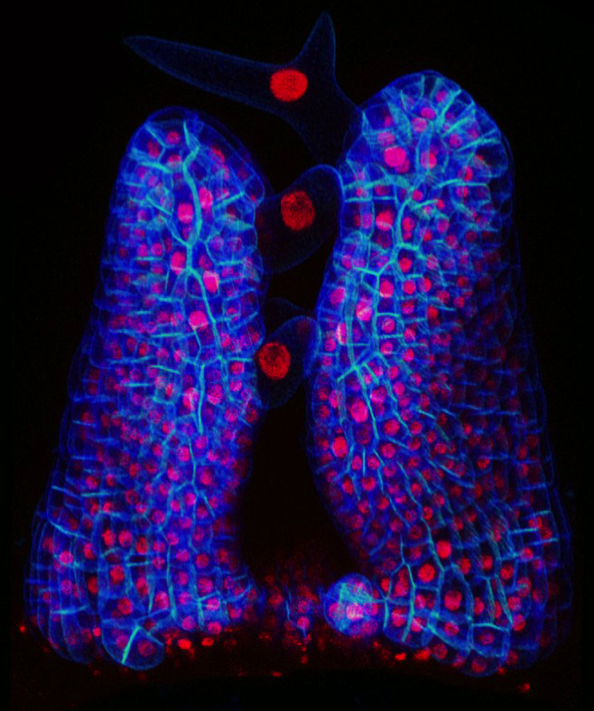
Associate Professor Marcus Heisler is a developmental biologist at the School of Life and Environmental Sciences, The University of Sydney, where he leads the Heisler Lab focused on plant developmental patterning. He is also a member of the Sydney Institute of Agriculture and has established an international reputation for his work on plant morphogenesis, particularly in understanding how plant organs are positioned and shaped. Dr. Heisler completed his undergraduate studies at the University of Melbourne, earned his PhD at Monash University studying flower development, and conducted postdoctoral research at Caltech with Elliot Meyerowitz. He served as a Senior Research Associate at Caltech before becoming the first Australian group leader at the European Molecular Biology Laboratory (EMBL) in Heidelberg, Germany. He returned to Australia in 2017 to join the University of Sydney as an Associate Professor. During his time at EMBL, he was awarded a prestigious European Research Council (ERC) starting grant worth 1.5M Euros over five years. His research focuses on developmental patterning in plants, particularly how plant organs such as leaves and floral structures are positioned and shaped. His lab emphasizes high-resolution imaging to study cellular and tissue-level processes combined with fine-scale perturbation techniques. Current research centers on understanding and re-engineering the floral ground plan through the RESYDE project, which in 2024 received a $17M ERC Synergy grant with collaborators in Germany, the UK, and Sweden. His work spans molecular biology, genetics, and computational approaches to plant development. Dr. Heisler's recent publications (2024-2017) show consistent focus on plant developmental mechanisms, with particular emphasis on cell polarity, auxin transport, gene regulatory networks, and organ positioning. His research integrates live imaging, molecular perturbation, and quantitative analysis to understand fundamental mechanisms of plant morphogenesis across multiple scales from cellular to tissue levels. European Research Council (ERC) starting grant (1.5M Euros) ERC Synergy grant ($17M over six years) for the RESYDE project Dr. Heisler currently leads the Heisler Lab which conducts research on cell-cell signaling in cell polarity and dorsoventral boundaries in plant morphogenesis. He collaborates extensively with international researchers and has secured multiple grants including ARC Discovery Projects and LIEF funding. The lab maintains state-of-the-art facilities for live imaging of plant development and molecular perturbation studies, with a focus on understanding the fundamental mechanisms that govern plant form and structure.
Grigory Genikhovich is a Lecturer in the Department of Neuroscience and Developmental Biology at the Faculty of Life Sciences. His research focuses on developmental and evolutionary biology of cnidarians, particularly the sea anemone Nematostella vectensis , investigating processes like axial patterning, BMP signaling, and germ layer specification. He leads projects such as 'Extracellular regulation of Chordin in a cnidarian' and 'Maternal and zygotic β-catenin function in the sea anemone.' Key contributions include uncovering BMP signaling mechanisms, ancestral Wnt-Brachyury interactions, and the evolution of pluripotency. Genikhovich has published widely on topics like Chordin-mediated axis formation and SMAD target gene analysis. His work bridges developmental genetics and evolutionary biology, often involving collaborative international studies. Projects: 7 active/funded research initiatives Publications: 40+ peer-reviewed articles since 2009 Activities: 32+ presentations/posters (2009–2024) Research interests emphasize evolutionary developmental biology, with a focus on gene regulatory networks and conserved signaling pathways in basal metazoans.