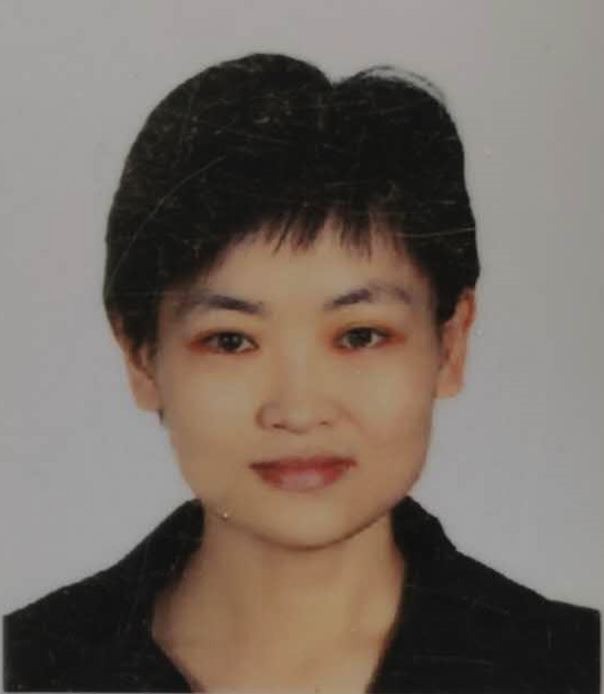
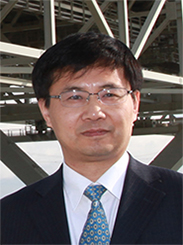
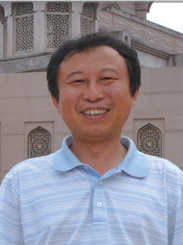
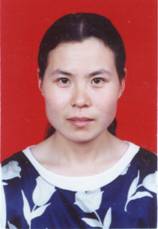
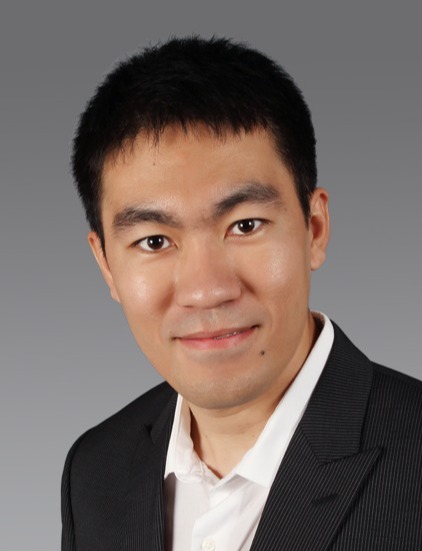
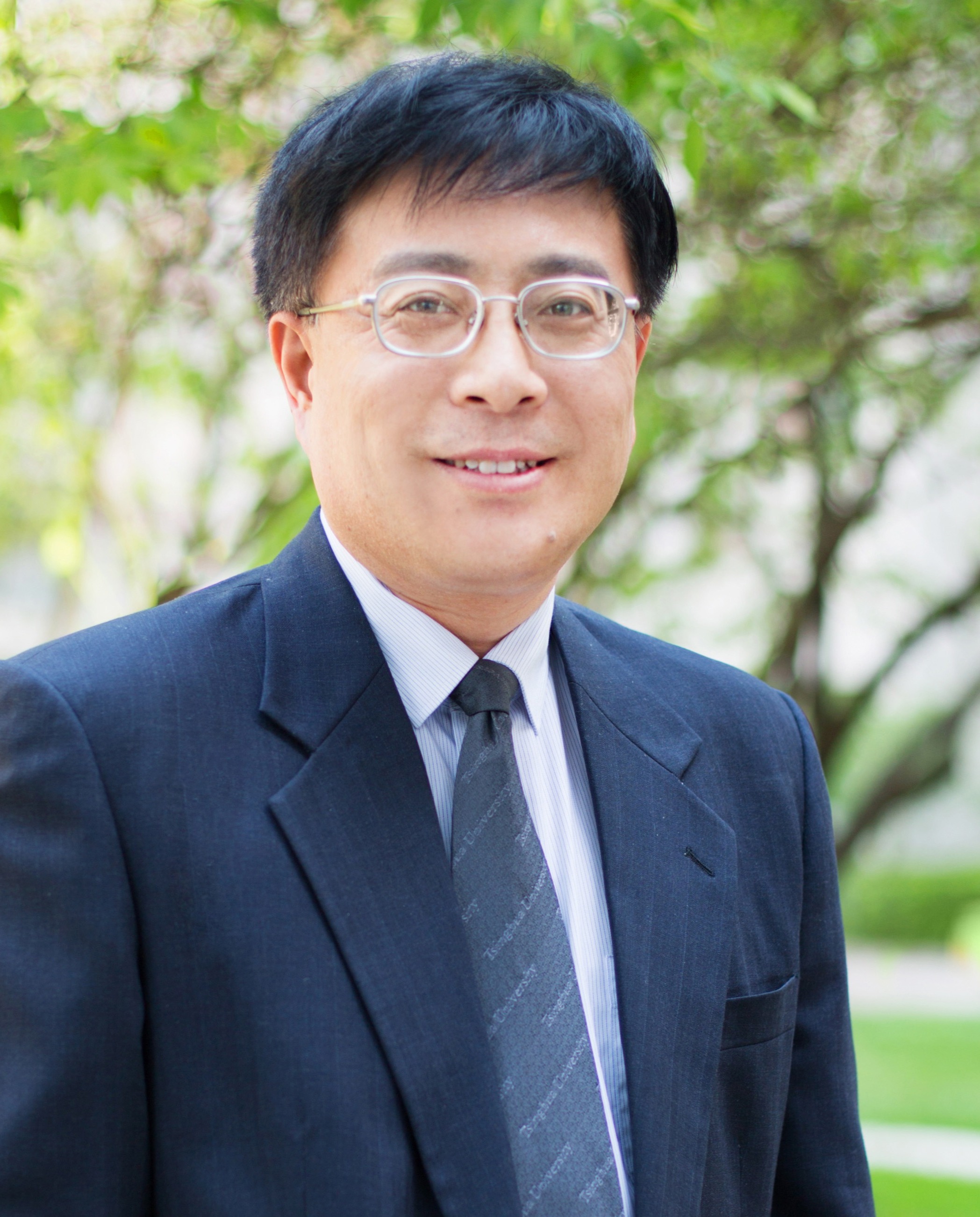
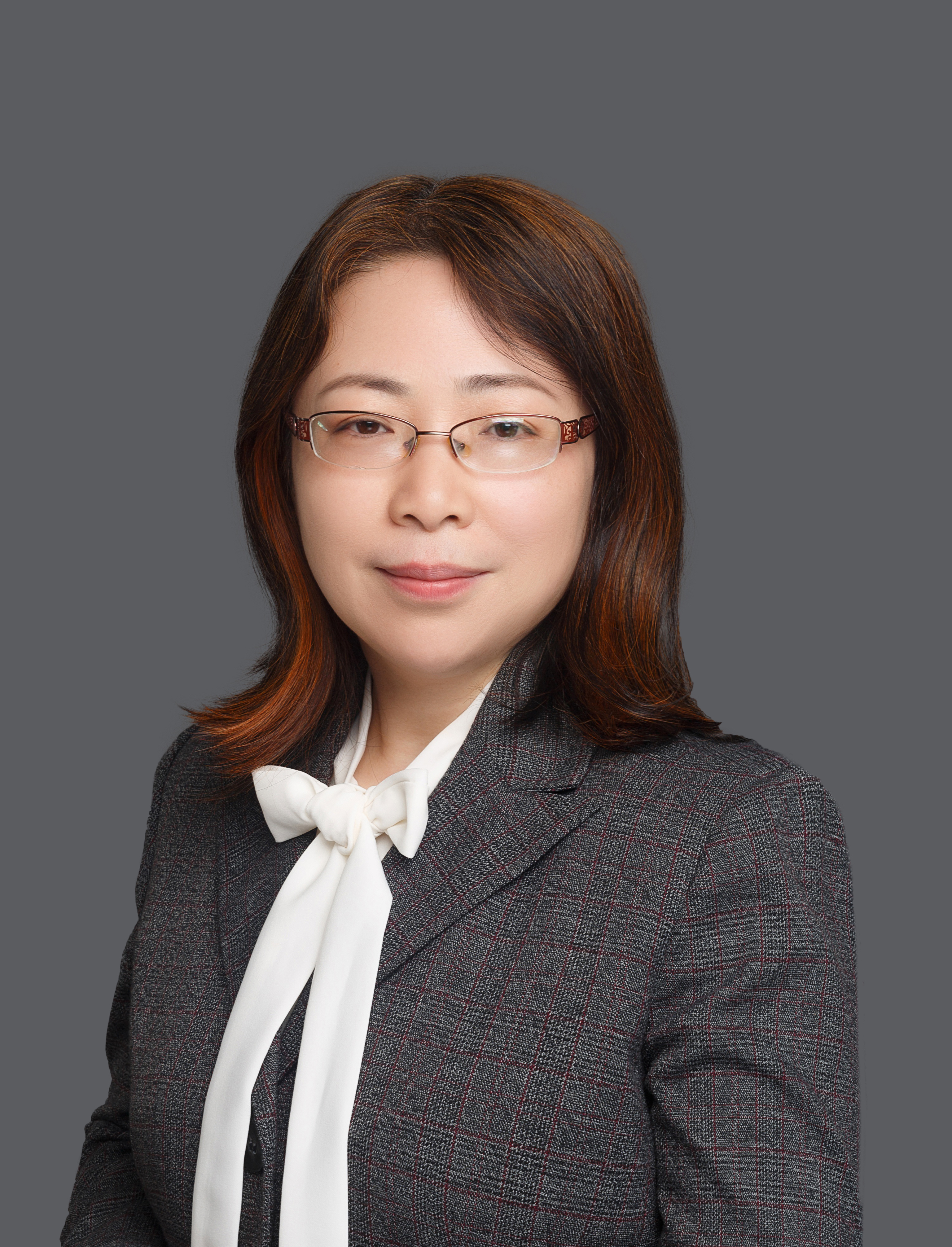
Qi Liangshu is an Associate Professor in the Department of Economics at Tsinghua University's School of Economics and Management. His research focuses on Health Economics , Gender Economics , and Labor Economics . Recent publications highlight his work on: Economic theory and value analysis (2022) Childcare services and maternal time allocation in China (2022) Gender wage gaps and time poverty (2018) Intergenerational family support systems (2016) He has led multiple National Natural Science Foundation projects on unpaid labor, health equity, and socioeconomic disparities.
Li Junguo is a Research Professor at the School of Innovation and Entrepreneurship, Southern University of Science and Technology (SUSTech), where he also serves as Assistant Dean of the Clean Energy Institute. He joined SUSTech in 2019 and was promoted to Research Professor in January 2024. Prior to this, he worked as an Assistant Professor at the Institute of Coal Chemistry, Chinese Academy of Sciences (CAS) from 2014 to 2019. His academic journey began with a Bachelor's degree in Mineral Processing Engineering from China University of Mining and Technology in 2008, followed by a Ph.D. in Chemical Engineering and Technology from the University of Chinese Academy of Sciences, completed in January 2014. His educational background includes: 2004-2008: B.S. in Mineral Processing Engineering, China University of Mining and Technology 2009-2014: Ph.D. in Chemical Engineering and Technology, University of Chinese Academy of Sciences Professor Li's research focuses on the clean conversion of carbon-containing fuels , carbon materials development , fluidization engineering , and scale-up fundamentals . His work spans both fundamental and applied research, with particular emphasis on sustainable energy solutions that address carbon neutrality goals. He investigates pyrolysis and gasification characteristics of various fuels, develops high-performance carbon materials for diverse applications, and studies soil improvement techniques. His research on fluidized bed reactors explores flow characteristics and scale-up mechanisms critical for industrial applications. His publication record demonstrates a strong focus on sustainable energy solutions and carbon management. Recent work emphasizes green methanol production as a pathway to carbon neutrality, advanced biomass conversion technologies, and innovative approaches to coal water slurry processing. His research integrates chemical engineering principles with environmental sustainability goals, particularly addressing China's carbon reduction targets. The interdisciplinary nature of his work bridges energy engineering, materials science, and environmental remediation. Professor Li has received numerous honors and awards for his contributions to science and engineering: Second Prize for Innovation of the China Invention Association Entrepreneurship Award (2024) Academic Editor of the Journal of Fuel Chemistry and Technology (2021, 2023) Shenzhen High-level Professional Talent (Category D, 2019) Member of the Youth Innovation Promotion Association of the Chinese Academy of Sciences (2019) "Shanxi Talent" Young Outstanding Talent (2019) Second Prize of Science and Technology Progress Award of Chinese Society of Particulate Science (2018) As a research leader, Professor Li has secured significant funding for his work, including projects under the National Key R&D Program, National Natural Science Foundation of China, and various industry collaborations. His current research portfolio includes high-value utilization of domestic sludge, key technologies for low-rank coal processing, and large-scale treatment of low-calorific-value municipal solid waste. He also serves as the project leader for the Shenzhen Low-Quality Coal Comprehensive Utilization Engineering Research Center. In addition to his research activities, he teaches graduate courses in Industrial Product Dissection and Transformation Practice and Engineering Ethics. Professor Li leads the Clean Energy Institute at SUSTech, where his team focuses on developing technologies for carbon-neutral energy systems. His laboratory work emphasizes practical applications of fundamental research, particularly in the areas of biomass conversion, coal utilization, and carbon material synthesis. The institute collaborates with both domestic and international partners to advance sustainable energy solutions.
Yanhua Duan is a Research Associate Professor at the School of Environmental Science and Engineering, Southern University of Science and Technology , where she has been since December 2024. Previously, she served as a Research Assistant Professor at the same institution from 2020 to 2024 and as a Postdoctoral Fellow and Visiting Scholar at China University of Geosciences (Wuhan) and Southern University of Science and Technology (2016-2018). Education: Ph.D. in Groundwater Science and Engineering, China University of Geosciences (Wuhan), 2016 Jointly trained at Stanford University (2014-2015) via China Scholarship Council funding Research Interests focus on hydrogeochemistry, geogenic groundwater contamination, contaminant migration/transformation in heterogeneous aquifers, and on-site detection/removal technologies for groundwater pollutants. Her work combines field surveys, dynamic monitoring, and laboratory simulations to address causes of groundwater contamination and develop solutions for water safety. Recent Publications (2016-2024) span journals like Nature Water , Environmental Science & Technology , and Science of the Total Environment , with keywords reflecting arsenic pollution, aquifer heterogeneity, and biogeochemical processes. She has also contributed to patents in arsenic detection and groundwater intrusion identification. Scientific Projects include leading Guangdong and National Natural Science Foundation grants on arsenic and nitrogen cycling in aquifers, as well as participating in National Key R&D Program sub-projects.
Dr. Xiaohu Fang is an Assistant Professor at the School of Microelectronics , Southern University of Science and Technology. His research focuses on microwave and millimeter-wave RF front-end circuits, high-efficiency transmitters, and power amplifier linearization techniques for 4G/5G systems. Education: PhD in Electrical Engineering (2015), Chinese University of Hong Kong; MPhil (2011) and BEng (2008) in Electronic Science and Technology, Huazhong University of Science and Technology. Dr. Fang's research addresses critical challenges in RF integrated circuits , including: Design of GaN-based monolithic microwave integrated circuits (MMICs) for 5G/6G communication systems Development of high-efficiency, wideband power amplifiers with advanced linearization techniques Exploration of beamforming architectures and harmonic-isolation resonators His recent publications (2023-2024) highlight trends in Doherty amplifiers , Class-F/G designs , and millimeter-wave front-end solutions using GaN and SOI-CMOS processes. He serves as an IEEE Senior Member and reviewer for top-tier journals like IEEE TMTT and TCAS . Dr. Fang's work also includes a 2025 teaching award, demonstrating his dual impact in research and education. Scientific Awards: Pengcheng Peacock Program Category C Talent Postgraduate Scholarship of Hong Kong (2011-2014) Second Prize in the 9th Youth Teacher Teaching Competition and Provincial Teaching Innovation Competition (2025)
Zhiyun Lin is Dean and Tenured Professor at the School of Automation and Intelligent Manufacturing, Southern University of Science and Technology (SUSTech). He holds affiliations as Foreign Academician of the Russian Academy of Engineering, Fellow of IEEE, IET, and AAIA. Previously, he served at Zhejiang University (2007-2017) and Hangzhou Dianzi University (2017-2021), with visiting positions at Yale University, ANU, and University of Tokyo. Education: PhD in Electrical and Computer Engineering, University of Toronto (2005) MSc in Control Theory, Zhejiang University (2001) BSc in Industrial Automation, Yanshan University (1998) Research Focus: Develops theoretical frameworks for multi-agent coordination, distributed AI algorithms, and cyber-physical systems. His work enables robust autonomous swarm behaviors in robotics and sensor networks through novel control strategies and optimization techniques. Publications: 230+ papers predominantly in IEEE Transactions journals demonstrate sustained contributions to formation control, distributed localization, and networked systems. Recent works (2021) advance resilient beamforming and finite-time stabilization for robotic formations. Awards: Natural Science Second Prize, Zhejiang Province (2020, 2013) Science and Technology Innovation First Prize (2020) Industry-University-Research Cooperation Innovation Award (2021) Prestigious fellowships: IEEE/IET/AAIA Leadership: Directs SUSTech's School of Automation and Intelligent Manufacturing. Formerly established the Artificial Intelligence Institute at Hangzhou Dianzi University and led research centers at Zhejiang University. Serves as Associate Editor for IEEE Systems Journal and IEEE Control Systems Letters.
Tao Lu serves as an Assistant Professor and Doctoral Supervisor at the Business School of Southern University of Science and Technology (SUSTech) since September 2020. His academic appointments focus on bridging information systems, finance, and artificial intelligence research within a business context. Education: Ph.D. in Information Systems, The Chinese University of Hong Kong (2020) M.Phil. in Information Systems, Hong Kong University of Science and Technology (2017) B.S. in Physics/Economics, Tsinghua University (2015) Dr. Lu's research spans three interconnected domains: (1) Social network dynamics and online word-of-mouth marketing using analytic modeling and experimental design; (2) Quantitative finance focusing on distributional uncertainty in asset pricing and neural network applications; (3) Algorithmic bias mitigation in machine learning systems. His work combines rigorous theoretical modeling with empirical validation, often translating to practical applications in quantitative finance. Scientific Recognition: Innovation Research Award of China Information Economics Society (2022) Dr. Lu actively supervises research through his team's recruitment of research assistants and postdoctoral fellows, with projects applying to real-world trading systems in quantitative hedge funds. His research group focuses on developing computational models for financial markets and social platforms, emphasizing both theoretical contributions and practical implementation.
Jing Yang is an Assistant Professor at the College of Chemistry and Chemical Engineering of Xiamen University , focusing on functional nanomaterials synthesis and characterization. Their research bridges materials science with clean energy applications. Ph.D. : Queensland University of Technology (2011) Bachelor : Beijing Normal University (2007) Research interests center on: Functional Nanomaterials : Controllable synthesis of nanostructures for catalysis, optical/electrical properties, and multi-functional devices Mineral-based Nanomaterials : Developing materials from mineral resources for energy and clean chemical applications Recent publications demonstrate expertise in: Nanostructure morphology control via adsorbate assistance Phase transitions in transition metal oxyhydroxides Spectroscopic characterization of nanomaterial thermal behavior Doping strategies for enhanced material performance Surfactant-free synthesis of gallium oxide particles
Weiming Feng is a Professor and PhD Tutor in the Department of Engineering Mechanics at Shandong University's School of Civil Engineering. His research focuses on Dynamics and control, with specific emphasis on Spacecraft orbit optimization. He has published extensively on topics including spacecraft rendezvous, nonlinear vibrations, and optimal control.
Dunfu Zhang is a Professor and Master Tutor at the Department of Engineering Mechanics, School of Civil Engineering, Shandong University. His research focuses on solid mechanics, structural strength optimization, vibration reduction, and fracture mechanics of rock masses. Research Trends: His publications since 2004 emphasize numerical methods for fracture mechanics (e.g., stress intensity factors, 3D crack simulations), fluid-solid coupling dynamics, and scale effects in material behavior. Key applications include railway vibration isolation systems and rock mass stability under water pressure.
Weidong Wang is an Associate Professor and Master Tutor at Shandong University's School of Civil Engineering, Department of Engineering Mechanics. His research focuses on computational mechanics and numerical methods for engineering applications. Vibration analysis and its engineering applications Numerical simulation of plastic forming processes Computational methods in mechanics His publications from 2004-2011 demonstrate expertise in meshless methods like natural element and element-free Galerkin techniques, applied to plastic flow theory, fracture mechanics, and plate vibration analysis. Key themes include structural dynamics, numerical stability, and computational modeling of mechanical systems.
Liang Yong serves as Associate Professor in the Department of Management Science and Engineering at Tsinghua University's School of Economics and Management. Currently maintaining office hours on Thursdays at 10:00 in Room B424 of Lihua Building, he teaches undergraduate, doctoral, and MBA courses including Production and Operations Management, Advanced Operations Research, and Data, Models, and Decision Making. His educational background includes a B.A. in Engineering Physics from Tsinghua University (2005), Master's in Nuclear Engineering from Purdue University (2008), and Ph.D. in Industrial Engineering and Operations Research from UC Berkeley (2013). Prior to academia, he worked as a Quantitative Analyst at Google Inc. (2013-2014). Liang's research focuses on Data-Driven Decision Analytics , Supply Chain Disruption Management , and Mechanism/Contract Design , with particular emphasis on integrating learning algorithms with operations research. His work addresses critical challenges in omnichannel retail, energy systems, and transportation networks. His 11 recent publications in premier journals like Operations Research and Manufacturing & Service Operations Management demonstrate consistent contributions to operations analytics, with notable recognition including the 2019 POMS-JD.com data-driven paper competition winner prize. Winner prize, POMS-JD.com data-driven paper competition (2019) He actively supervises PhD students, both independently and through co-advisement with faculty like Jian Chen and Yongbo Xiao. His research addresses practical industry challenges through collaborations with major technology companies and government entities, with current work focusing on resilient supply chain design and smart energy systems.
Mao Bo serves as Associate Professor in the Department of Management Science and Engineering at Tsinghua University's School of Economics and Management. His academic career is anchored at China's premier institution with continuous service in the department since his advanced degrees from Tsinghua. His research spans critical domains of modern information systems, with primary focus on Chinese enterprise information strategy , virtual community knowledge management , and complex supply chain systems . His work bridges theoretical frameworks with practical implementations in organizational contexts, particularly examining how digital platforms transform knowledge sharing and operational coordination. Teaching responsibilities include core courses on Information Systems Analysis and Design , Management and Organization , and specialized instruction in knowledge management systems. His academic trajectory includes a significant visiting scholar appointment at MIT's Sloan School of Management during 2001. Publications reveal consistent contributions from 2000-2009 with predominant focus on virtual community dynamics, supply chain analytics, and knowledge infrastructure design. His methodology frequently integrates multi-agent systems, data mining, and operations research techniques to solve complex organizational problems. Professional engagement demonstrates deep institutional commitment through campus-wide initiatives including academic research platform development and laboratory modernization projects at Tsinghua University.
Shangfei Wang is a full Professor at the School of Computer Science and Technology, University of Science and Technology of China (USTC). His research focuses on pattern recognition, affective computing, and probabilistic graphical models, with significant contributions to facial expression analysis, emotion recognition, and multimodal human-robot interaction. He leads the Key Laboratory of Computing and Communication Software of Anhui Province and has received multiple international competition awards including placements in the OMG Empathy Prediction Challenge and Detecting Depression with AI Sub-Challenge. PhD in Computer Science, USTC (2002) MSc in Electronic Science and Technology, USTC (1999) BSc in Electronic Engineering, Anhui University (1996) His work combines domain knowledge with advanced machine learning techniques, including adversarial learning, dual learning, and multimodal deep regression Bayesian networks. Research themes include: Emotion-aware medical consultation systems Thermal image-based facial recognition Privileged information learning for emotion detection Spontaneous vs. posed expression differentiation EEG and physiological signal integration AI applications in mental health support Key projects include multiple National Nature Science Foundation of China grants and international collaborations with French institutions. He serves as Associate Editor for IEEE Trans. on Affective Computing and ACM Trans. on Multimedia Computing, and organized several international conference tracks.
Shiyi Chen is Chair Professor in the Department of Mechanics and Aerospace Engineering at Southern University of Science and Technology (SUSTech) . From January 2015 to November 2020 he served as the founding President of SUSTech. He is an Academician of the Chinese Academy of Sciences, a Fellow of the American Physical Society (1995), the Institute of Physics (UK, 2004) and The World Academy of Sciences (TWAS, 2018). Education B.Sc. in Mechanics, Zhejiang University (1981) M.Sc. in Mechanics, Peking University (1984) Ph.D. in Mechanics, Peking University (1987) Research Interests Professor Chen is internationally recognized for pioneering work in turbulence theory and computational fluid dynamics . His research spans direct numerical simulation of turbulent flows, large-eddy simulation and sub-grid-scale modeling, lattice Boltzmann methods , multi-scale algorithms , and the industrial applications of turbulence in multi-phase flows, combustion, and granular media. He developed the mapping-closure theory for probability density functions in turbulent reacting flows and provided fundamental explanations for the two-dimensional inverse energy cascade. Awards & Honors Academician, Chinese Academy of Sciences (2013) Fellow, American Physical Society (1995) Fellow, Institute of Physics, UK (2004) Fellow, The World Academy of Sciences (TWAS) (2018) Qiu Shi Outstanding Scientist Award (2017) Shenzhen Education Reform Pioneer Award (2019) Leadership & Service Professor Chen has held numerous leadership roles: President, Southern University of Science and Technology (2015–2020) Vice President for Research and Dean of Graduate School, Peking University (2013–2015) Founding Dean, College of Engineering, Peking University (2005–2013) Chair, Department of Mechanical Engineering, Johns Hopkins University (2002–2004) Director, State Key Laboratory of Turbulence and Complex Systems (2011–present) Alonzo G. Decker Jr. Chair in Engineering and Science, Johns Hopkins University Oppenheimer Fellow & Group Leader, Los Alamos National Laboratory (1987–1997) Research Staff Member, IBM TJ Watson Research Center (1994–1999) Laboratory & Research Teams Since 2011 he has directed the State Key Laboratory of Turbulence and Complex Systems , fostering interdisciplinary research in high-Reynolds-number turbulence, multi-scale modeling, and advanced computational techniques. Under his guidance the laboratory collaborates closely with national aerospace and energy industries.
CHEN Xiaofei is a Chair Professor at Southern University of Science and Technology (SUSTech), serving as the Department Head of Earth and Space Sciences. An academician of the Chinese Academy of Sciences elected in 2015, he has established himself as a leading figure in geophysics with over 260 technical publications and mentorship of more than 80 graduate students. His academic journey spans prestigious institutions including Peking University and University of Science and Technology of China before joining SUSTech in 2016. PhD in Geophysics, University of Southern California (1991) MS in Geophysics, Institute of Geophysics, China Earthquake Administration (1985) BS in Geophysics, University of Science and Technology of China (1981) Professor Chen's research focuses on theoretical and computational geophysics, seismology, and their applications in earthquake hazard mitigation and earth resources exploration. His work encompasses seismic wave propagation in complex earth environments, mechanics of earthquake rupture, seismic strong ground motion simulation, and Earth's internal structure. He has pioneered advanced numerical methods for simulating seismic wave propagation, particularly in media with irregular topography and complex structures. Analysis of Professor Chen's recent publications reveals a strong emphasis on multimodal surface wave analysis, dynamic rupture modeling of major earthquakes, and innovative computational methods. His team has made significant contributions to understanding seismic wave behavior in complex geological settings, with applications ranging from earthquake hazard assessment to resource exploration. The integration of machine learning techniques with traditional seismic analysis represents a growing trend in his recent work. Member, Chinese Academy of Sciences (2015) Fellow, International Union of Geodesy and Geophysics (2015) Ho Leung Ho Lee Science & Technology Progress Award (2009) National Science Foundation for Distinguished Young Scholars (1996) Overseas Chinese Contribution Award (2022) Gordon Bell Prize for Supercomputing (2017) Professor Chen has led more than 40 scientific research projects including NSFC Distinguished Young Scholars project, outstanding innovation group project, key projects, and international cooperation projects. As mentor to over 80 graduate students, he has significantly contributed to developing the next generation of geophysicists. His leadership extends to academic service as President of the Chinese Geophysical Society (2017-2022) and various editorial roles for leading geophysics journals. His research group maintains strong collaborations with international institutions and operates advanced computational facilities for seismic wave modeling and analysis. The group is particularly known for developing the curved-grid finite-difference method for simulating seismic wave propagation in media with complex topography and irregular interfaces.