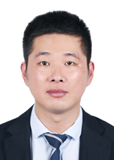
Zhaofeng Li is an Associate Professor and Master Tutor at the Geotechnical and Structural Engineering Center, Shandong University. His research focuses on environmental geotechnical engineering, multi-source industrial/urban solid waste utilization, and disaster prevention in underground infrastructure. Environmental Geotechnical Engineering Solid Waste Cooperative Utilization Tunnel/Underground Disaster Control His recent publications emphasize red mud-slag composites, chemical corrosion resistance, and geopolymer grouting materials. Articles also cover particle size effects on grout diffusion in weathered granite, xanthan-modified cement slurries, and high water-solid ratio optimization. Patents highlight cement-water glass systems, iron-aluminate cement from waste, and anti-explosion grouting devices for high-pressure applications.
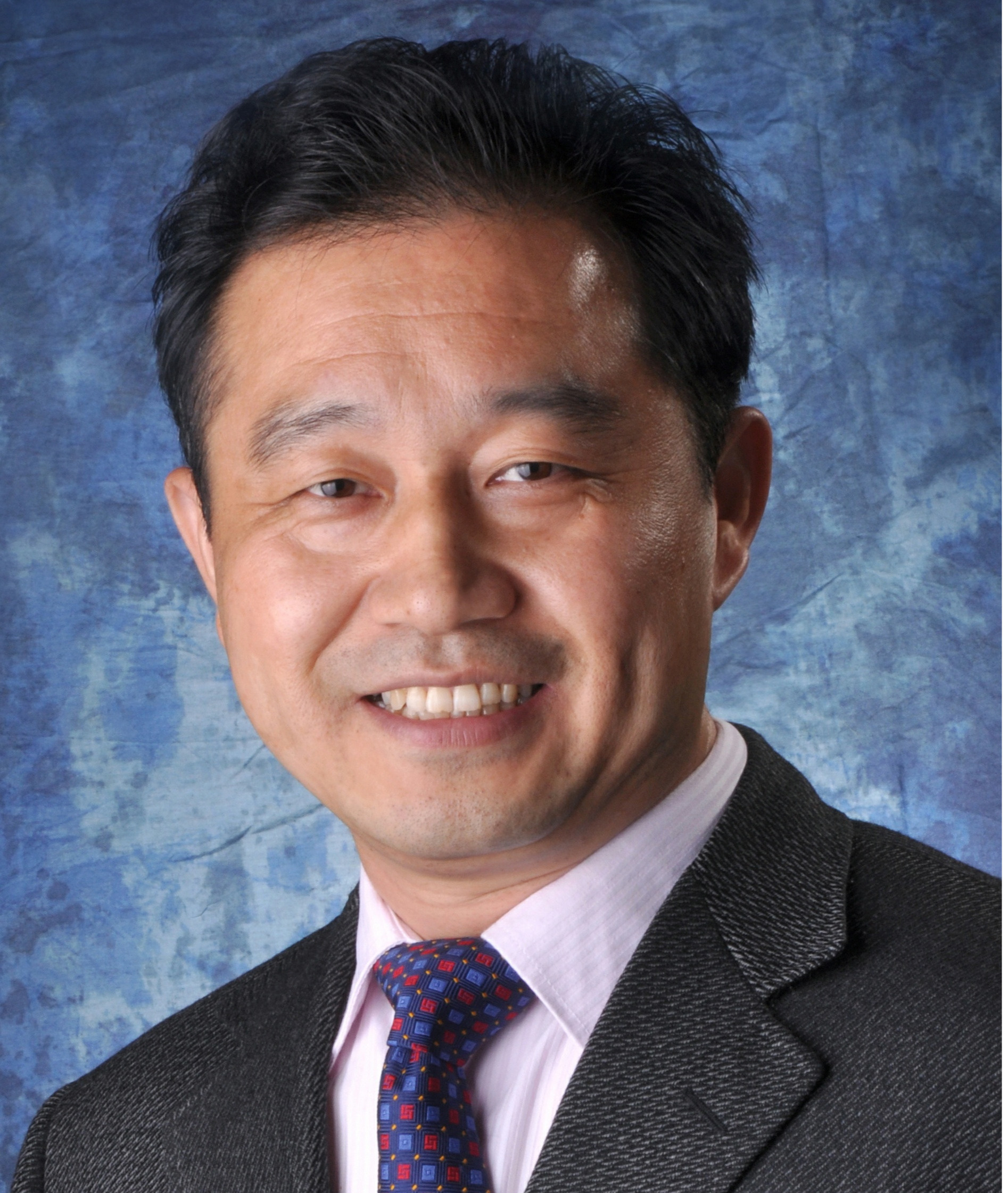
Guoquan Chen is a Professor at the Department of Leadership and Organizational Management , Tsinghua University School of Economics and Management . Holding the Henry Kravis Professorship , he serves as Deputy Director of his department and has held editorial roles at Applied Psychology: An International Review and Chinese Journal of Management Science . With PhD and Master degrees from Tsinghua University, he conducted Fulbright research at MIT and Harvard. Research Focus: His spatiotemporal leadership theory explores how time-space dimensions influence organizational learning , team dynamics , and knowledge management . Key contributions include models for multi-person experiential learning , meta-learning frameworks , and digital transformation processes . Recent work examines chance encounters , collective wisdom , and CEO passion dynamics . Scientific Recognition : 2024 Chinese HR Research Association Outstanding Book Award 2016 NSFC 'Special-Excellent' Evaluation 2013 Fudan Management Outstanding Contribution Award 2012 Elsevier China Highly Cited Researcher 2011 Chang Jiang Scholar 2007 NSFC Distinguished Young Scholar Project Advisory & Collaborations: Mentored researchers including Luo Qingye , Wang Jingyi , and Lin Yanling . Collaborated with Dean Tjosvold and Kwok Leung on cross-cultural studies. Leads National Science Foundation projects on leader development pathways and knowledge serendipity .
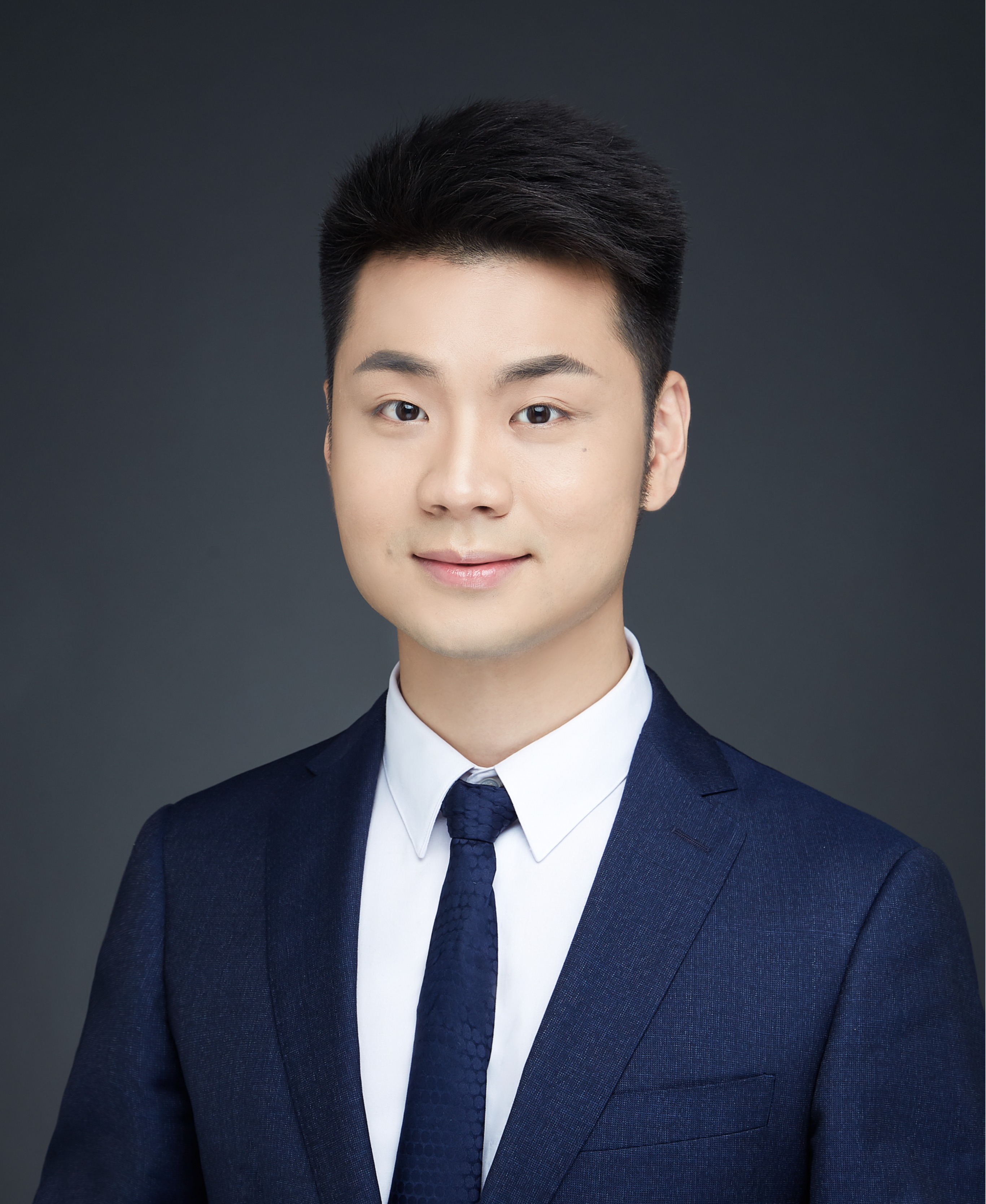
Mao Xiaojie is an Associate Professor at the Department of Management Science and Engineering, Tsinghua University's School of Economics and Management . Holding a PhD in Statistics and Data Science from Cornell University (2021) and a bachelor's in Mathematical Economics and Finance from Wuhan University (2016), Mao specializes in causal inference and data-driven optimization decision-making . PhD: Cornell University (2016-2021) Bachelor: Wuhan University (2012-2016) Mao's research bridges machine learning , statistics , and operations research to address challenges in contextual optimization, algorithmic fairness, and robust causal inference. Recent work focuses on data combination , surrogate variables , and minimax methods for handling unobserved confounding and limited outcome data. Key trends in Mao's publications include: Advancing bandit algorithms for efficient contextual decision-making Developing debiased machine learning frameworks for quantile treatment effects Designing robust optimization models under noisy and incomplete covariates Scientific recognition includes: Applied Probability Society Best Student Paper Competition Finalist (2020) Multiple teaching excellence awards at Tsinghua University (2022-2024) Research grants from the National Natural Science Foundation of China Mao currently teaches Empirical Methods in Management Science (PhD), Data Analysis: Inference and Decision Making (Master), and Probability Theory and Mathematical Statistics (Undergraduate). Research collaborations span institutions like Cornell and MIT, with publications in top venues including NeurIPS , ICML , and Operations Research .
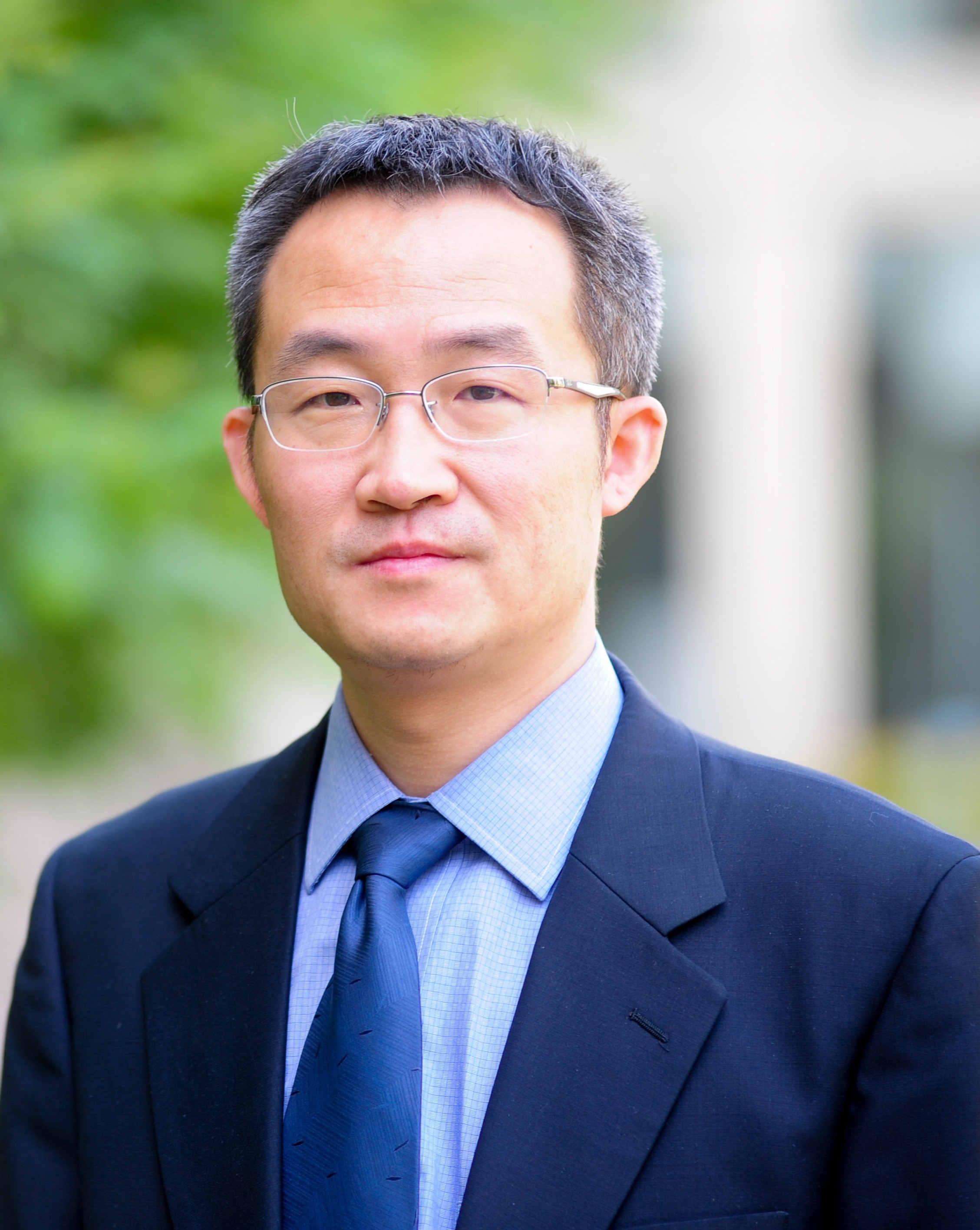
Xiaohan Zhong is a Professor in the Department of Economics at Tsinghua University's School of Economics and Management. He has served continuously at Tsinghua since 1999, progressing from Lecturer to Tenured Associate Professor (2015-2020) and finally to full Professor (2021-present). His academic journey began with a Bachelor's in Management Information Systems (1994) followed by Master's and Doctoral degrees in Quantitative Economics (1999), all from Tsinghua University. He also held a visiting scholar position at MIT's Sloan School of Management (2002). His research spans Microeconomic Theory (specializing in Matching Theory and Game Theory) and Applied Microeconomics , with significant contributions to Labor Economics, Education Economics, Development Economics, Political Economy, and Policy Analysis. His work frequently examines Chinese institutional contexts including college admissions systems, labor markets, and regulatory policies. Zhong's publication portfolio reveals strong thematic consistency in matching mechanisms and institutional design , particularly analyzing China's college admissions processes. His research combines theoretical modeling with empirical validation using Chinese administrative data, producing influential findings on school choice fairness, matching efficiency, and strategic behavior in constrained environments. Beijing Municipal Educational Achievement Award (2022) National Teaching Achievement Award (First Class, 2014) Tsinghua University Educator of the Year (2013) Werner Jackstädt Best Paper Award (2013) Tsinghua University 'I Love My Favorite Teacher' Award (2010) As an advisor, Zhong has supervised numerous student research projects including multiple 'Challenge Cup' award-winning works. His funded research includes two National Natural Science Foundation projects on college admissions systems (2012-2015, 2019-2022) and participation in major national projects on income distribution. His policy-relevant work has informed Chinese educational and economic reforms through publications in top Chinese journals and media commentary.
Chen Zhongren is a Chair Professor (mapped to Professor) in the Department of Chemistry at Southern University of Science and Technology (SUSTech). He holds a Ph.D. in Chemical Engineering and Chemistry from the California Institute of Technology, advised by Nobel Laureates Grubbs and Kornfield. His academic journey includes postdoctoral research at Stanford University and industrial R&D roles at Bridgestone and Honeywell. At SUSTech, he teaches Chemical Engineering Principles (undergraduate) and Polymer Physics (graduate). His research focuses on optimizing polymer materials through molecular design, controlled polymerization, and nanostructure manipulation. Key areas include: Catalytic systems for polymer synthesis Aggregate structure control in polymers Self-assembly of block copolymers Fatigue mechanisms in composites Recent publications (2016–2024) emphasize polymerization techniques, structure-property relationships in polyolefins, and functional nanomaterials for sensing and catalysis. Notable scientific awards include: China National Distinguished Expert (2011) Shenzhen Peacock Plan Category A Talent (2017) Multiple contributions recognized by the Chinese Overseas Chinese Federation He leads a polymer research group at SUSTech and has secured major grants, including a National Key R&D Program (2021) and NSFC projects. His lab focuses on green polymer processing, high-performance elastomers, and polymer recycling.
Professor Hisao Ishibuchi is Chair Professor of Computer Science and Engineering at Southern University of Science and Technology (SUSTech) in Shenzhen, China, a role he has held since April 2017. Previously, he spent nearly three decades at Osaka Prefecture University, progressing from Research Associate (1987-1993) to Assistant Professor (1993), Associate Professor (1994-1999), and full Professor (1999-2017). He is an IEEE Fellow , served as Vice-President of the IEEE Computational Intelligence Society (2010-2013) , and is currently President of the Japan Society for Evolutionary Computation (2016-2018) . He is Editor-in-Chief of IEEE Computational Intelligence Magazine (2014-2019) and the Journal of the Japan EC Society (2014-2018). Education: Ph.D. in Engineering, Osaka Prefecture University, 1992 M.S. in Engineering, Kyoto University, 1987 B.S. in Engineering, Kyoto University, 1985 Research Focus: Professor Ishibuchi is internationally recognised as a pioneer of computational intelligence , with seminal contributions to evolutionary multi-objective optimisation , evolutionary machine learning , fuzzy systems , neural networks , and hybrid intelligent systems . He introduced the first multi-objective memetic algorithm and early methods for multi-objective fuzzy rule-based classifier design that balance accuracy and interpretability. Publications & Impact: With over 100 journal papers in top-tier venues such as IEEE Transactions on Evolutionary Computation and nearly 500 conference papers, his work has attracted more than 24 000 Google-Scholar citations and an h-index of 68. His recent articles concentrate on many-objective optimisation, fuzzy machine learning, and transfer learning techniques. Honours & Awards: IEEE Computational Intelligence Society Fuzzy Systems Pioneer Award 2019 IEEE Fellow 2014 JSPS Prize 2007 (Japan’s most prestigious mid-career award) Multiple Best Paper Awards from GECCO, FUZZ-IEEE, SCIS & ISIS, WAC, ACIIDS, HIS-NCEI, and others Teaching & Mentoring: At SUSTech he teaches Advanced Algorithms and Advanced Optimization Algorithms , covering greedy algorithms, hyper-heuristics, memetic algorithms, multi-objective optimisation, and performance assessment. His research group actively recruits post-doctoral fellows and research assistants in evolutionary computation, fuzzy systems, and neural networks. Labs & Teams: He leads the Computational Intelligence Research Group at SUSTech, maintaining active collaboration networks across Asia, Europe, and North America, and supervising several post-doctoral researchers and graduate students working on next-generation intelligent systems.
Professor Jiansheng Liang is a distinguished faculty member at Southern University of Science and Technology (SUSTech), where he serves in the Department of Biology within the School of Life Sciences. He joined SUSTech in 2012 after holding leadership positions at Yangzhou University, including Dean of the School of Life Sciences and Director of the Academic Affairs Office. At SUSTech, he has served as Director of the Teaching Affairs Department, Deputy Director of the Human Resources Department, and Party Secretary of the School of Life Sciences. He currently holds the position of Executive Deputy Director of the UNESCO Center for Innovation in Higher Education (Shenzhen, China). Dr. Liang received his Ph.D. from Hong Kong Baptist University in 1997. His academic journey has established him as a leading researcher in plant molecular biology, with recognition including a special government allowance from the State Council and the title of Shenzhen Overseas High-Level Talent. Professor Liang's research focuses on understanding plant responses to environmental stresses at the molecular level. His laboratory investigates calcium signaling pathways, hormone regulation, and cellular mechanisms that enable plants to adapt to challenging conditions. Through innovative approaches combining molecular genetics, cell biology, and physiological studies, his team has made significant contributions to understanding how plants sense and respond to water, salt, and temperature stresses. His work on RACK1 scaffold proteins has revealed novel mechanisms in brassinosteroid signaling and stress adaptation. His recent publications demonstrate a strong focus on calcium signaling, hormone transport, and stress response mechanisms in plants. The research spans from fundamental discoveries about protein interactions and cellular localization to applications in crop improvement. A notable trend is the increasing use of advanced imaging techniques to visualize hormone distribution and signaling dynamics in living plant cells. Special government allowance from the State Council Three ministerial and provincial-level science and technology progress awards Shenzhen Overseas High-Level Talent designation As a doctoral supervisor, Professor Liang has mentored numerous graduate students, contributing to the development of the next generation of plant scientists. His research has been supported by multiple competitive grants, including funding from the National Natural Science Foundation of China. He serves on the expert review panel for the Foundation and as an evaluation expert for national key laboratories, reflecting his standing in the scientific community. Professor Liang's laboratory maintains active collaborations with researchers both within China and internationally. His team combines expertise in molecular biology, genetics, and plant physiology to address fundamental questions about plant stress adaptation. Current research directions include elucidating novel signaling modules that integrate multiple environmental cues and hormone pathways to optimize plant growth under suboptimal conditions.
Dr. LIU Quanying is an Associate Professor in the Department of Biomedical Engineering at the Southern University of Science and Technology (SUSTech), where she has been a faculty member since September 2019. She serves as the Principal Investigator of the Neural Computing and Control Laboratory (NCC lab) and is a doctoral supervisor. Prior to joining SUSTech, she earned her PhD in Biomedical Engineering from ETH Zurich and conducted postdoctoral research at Caltech. Education: PhD in Biomedical Engineering, ETH Zurich (2013-2017) Master in Computer Science, Lanzhou University (2010-2013) Bachelor in Electrical Engineering, Lanzhou University (2006-2010) Research Interests: Dr. Liu’s research integrates neuroscience, machine learning, and control theory. Her work focuses on multi-modal neural signal processing (EEG, sEEG, fMRI, DTI), explainable AI for neuroscience, and optimization techniques for neuromodulation (tES, TMS). She has developed high-density EEG source localization algorithms and data-driven brain network modeling frameworks, aiming to enhance precision in neural stimulation and control. Scientific Awards: The New Brain 30 (2023) AAIC Travel Award (2019) Estes Stars Award (2018) 深圳市孔雀人才计划C类 Laboratory and Team: As the PI of the NCC lab, Dr. Liu leads a team focused on machine learning algorithms, neurocomputational modeling, and neurofeedback control. The lab actively recruits graduate students, postdocs, and visiting researchers, emphasizing interdisciplinary collaboration in neuroscience and AI.
Dr. Guanhua Chen is an Assistant Professor in the Department of Statistics and Data Science at Southern University of Science and Technology (SUSTech). His research focuses on Natural Language Processing (NLP), Large Language Models (LLMs), and Multimodal AI, with applications in drug discovery and urban planning. He previously earned his Ph.D. from the University of Hong Kong and B.S./M.S. from Tsinghua University, with internships at Microsoft Research Asia and Huawei Noah’s Ark Lab. Education: Ph.D. in Computer Science (University of Hong Kong, 2022), B.S. and M.S. in Computer Science (Tsinghua University, 2012 & 2014) Dr. Chen's research explores LLMs, data synthesis, multimodal systems, and model compression. He leads a lab equipped with 16 RTX 4090 GPUs, 16 L40 GPUs, and 4 A100 GPUs, providing resources for students to experiment with open-source and proprietary LLM APIs. His recent publications highlight innovations in LLM jailbreaking, parameter-efficient tuning (MiLoRA), cross-lingual transfer (mCLIP), and evaluation frameworks for robustness testing. Notably, he was awarded the Microsoft Research Asia StarTrack Scholar in 2025. Key Publications: mCLIP (ACL 2023), ImPart (ACL 2025), MiLoRA (NAACL 2025) Dr. Chen actively seeks motivated PostDoc, PhD, and Master's students. He serves as an Area Chair for ACL and EMNLP and contributes to advancing AI through open-source projects like mCLIP on GitHub.
Xiaolong Liu serves as Assistant Professor at Southern University of Science and Technology's School of Microelectronics. His academic journey includes a Ph.D. from Hong Kong University of Science and Technology (2019), M.E. from Tsinghua University (2014), and B.E. from Beijing University of Aeronautics and Astronautics (2010). Prior to his current position, he worked as Staff Engineer at eTopus Technology in Silicon Valley (2019-2021) and completed a postdoc at HKUST. Ph.D. in Electronic and Computer Engineering, Hong Kong University of Science and Technology (2019) M.E. in Microelectronics, Tsinghua University (2014) B.E. in Electronic Engineering, Beijing University of Aeronautics and Astronautics (2010) Dr. Liu's research spans cutting-edge RF/mm-Wave/THz integrated circuit design, focusing on high-performance signal generators , ultra-wideband transceivers , and low-power frequency synthesis . His work addresses critical challenges in 5G/6G communications, terahertz spectroscopy, and high-speed wireline interfaces through innovative CMOS architectures. Technical emphases include varactor-less VCOs, harmonic enhancement techniques, and magnetic tuning mechanisms for millimeter-wave systems. His publication portfolio demonstrates consistent leadership in IEEE flagship journals/conferences (JSSC, TMTT, ISSCC, VLSI), with recent work advancing Class-F oscillators, sub-sampling PLLs, and sub-THz synthesizers. Notable trends include migration toward sub-THz frequencies (2023-2025) , multi-core oscillator architectures , and elimination of harmonic tuning for simplified design. IEEE VLSI Paper Technical Highlights (2019) IEEE CICC Invited Talk (2019) IEEE TVLSI 2023 Best Reviewer Award Top 4 Most Downloaded Paper in TCAS-II (July 2022) Dr. Liu actively mentors students through SUSTech's graduate programs, with advisees consistently earning university-level thesis awards and conference recognitions. His lab maintains strong industry ties through silicon validation and collaborates on cutting-edge tapeouts in 7nm/16nm nodes. Current projects focus on cryo-CMOS interfaces for quantum computing and ultra-wideband transceivers for 6G applications. His research group operates within SUSTech's state-of-the-art microelectronics facility, specializing in mm-Wave/THz characterization and high-speed SerDes validation. The team maintains partnerships with semiconductor foundries for advanced-node prototyping and collaborates with industry leaders on real-world implementation challenges.
Dr. Yao Lu is an Associate Researcher and doctoral supervisor at the Institute for Quantum Science and Engineering, Southern University of Science and Technology (SUSTech). He specializes in quantum computing and simulation using trapped ion systems, with a focus on experimental realization and scaling of quantum platforms. His work has contributed to China's first small-scale programmable ion quantum computing system. PhD in Physics (2020), Tsinghua University Bachelor in Physics (2014), Peking University His research explores: Compact trapped ion quantum computing platforms Quantum error mitigation and fidelity optimization Many-body quantum simulations in noisy environments Modular quantum computation via ion-electron coupling His publications in Nature , Nature Physics , and Nature Communications demonstrate expertise in trapped ion quantum gate design, non-equilibrium thermodynamics, and phonon manipulation. Current projects include robust quantum control of multi-ion qubits (NSFC Young Scientists Fund) and fast ion qubit shuttling (Shenzhen Science and Technology Program). He leads the trapped ion quantum computing laboratory at Futian International Quantum Research Institute (Room 102) and actively recruits researchers for quantum science initiatives.
Professor Cheng Leming is affiliated with the College of Energy Engineering at Zhejiang University, China . With a career spanning over three decades, he has held positions including Professor (2001–present) and Associate Professor (1999–2001). His research focuses on Thermal Science Engineering , particularly Circulating Fluidized Bed (CFB) Theory and Technology and Low Emission Gas Burner Theory . Education: Ph.D., 1996, Energy Engineering, Zhejiang University M.S., 1992, Energy Engineering, Zhejiang University B.S., 1987, Thermal Science and Engineering, Zhejiang University His work emphasizes combustion mechanisms , heat transfer modeling , desulfurization technology , and low-calorific gas utilization in CFB systems. Key projects include national R&D programs on CO2 control , supercritical CFB boilers , and Xinjiang Zhundong coal combustion . He has supervised Ph.D., M.S., and B.S. theses and collaborated on international projects in Canada, Japan, and Korea. Publications highlight CFB boiler thermal calculations , porous media combustion , and sorbent sulfur capture . He has contributed to standards committees and edited technical manuals, including Practical Scientific English Reading and Writing for Thermal Engineering and Circulating Fluidized Bed Boilers – Design and Operations .
Huang Rui is a Researcher and Master Tutor at Zhejiang University's College of Energy Engineering, where he serves as Laboratory Director of the Power Machinery & Vehicular Engineering Institute. He holds leadership roles in academic committees, including Deputy Secretary-General of the Society of Automotive Engineers of Zhejiang and the Zhejiang Technical Committee of New Energy Automobile Standardization. His research spans vehicle thermal management (including new energy vehicles), dynamic mechanical structure design simulation , and experimental technology. Key projects include thermal optimization for electric vehicles, engine reliability testing, and thermal management system innovations, funded by provincial and industrial partners. Recent publications focus on thermal systems, energy recovery, and mechanical reliability, with consistent themes in experimental validation and optimization for automotive and energy applications. His work advances heat transfer efficiency, battery safety, and sustainable energy integration. Awards & Honors: Second Prize, Provincial and Ministerial Scientific Progress Award First-class Prize, Provincial Teaching Achievement Award Multiple school-level teaching excellence recognitions As advisor to Zhejiang University's Qizhen Formula Racing Team, he led achievements in FSAE competitions (1st in lightweighting, 2nd in marketing). He teaches undergraduate/postgraduate courses including Automobile and Engine Professional Experiment and contributes to curriculum development through experimental teaching grants.