Ilias Ioannou is a Lecturer in Law at the University of Bristol and a PhD candidate at Queen Mary University of London’s Centre for Commercial Law Studies. His research focuses on the legal and economic implications of blockchain technology in global supply chains, particularly in container shipping and financial systems. He holds degrees from Democritus University of Thrace (LL.B.), University of Athens (LL.M.), King’s College London (LL.M.), and Queen Mary (MRes). Ilias is a recipient of the LISS DTP Collaborative (CASE) Studentship and has published works on blockchain applications in trade finance, cryptocurrency regulation, and electronic trade systems. His academic contributions bridge law, finance, and technology, addressing issues such as smart contracts, anti-money laundering frameworks, and the modernization of international trade legislation. Ilias’ recent work explores how blockchain can transform traditional paper-based systems in maritime logistics and how legal frameworks must adapt to emerging fintech innovations.
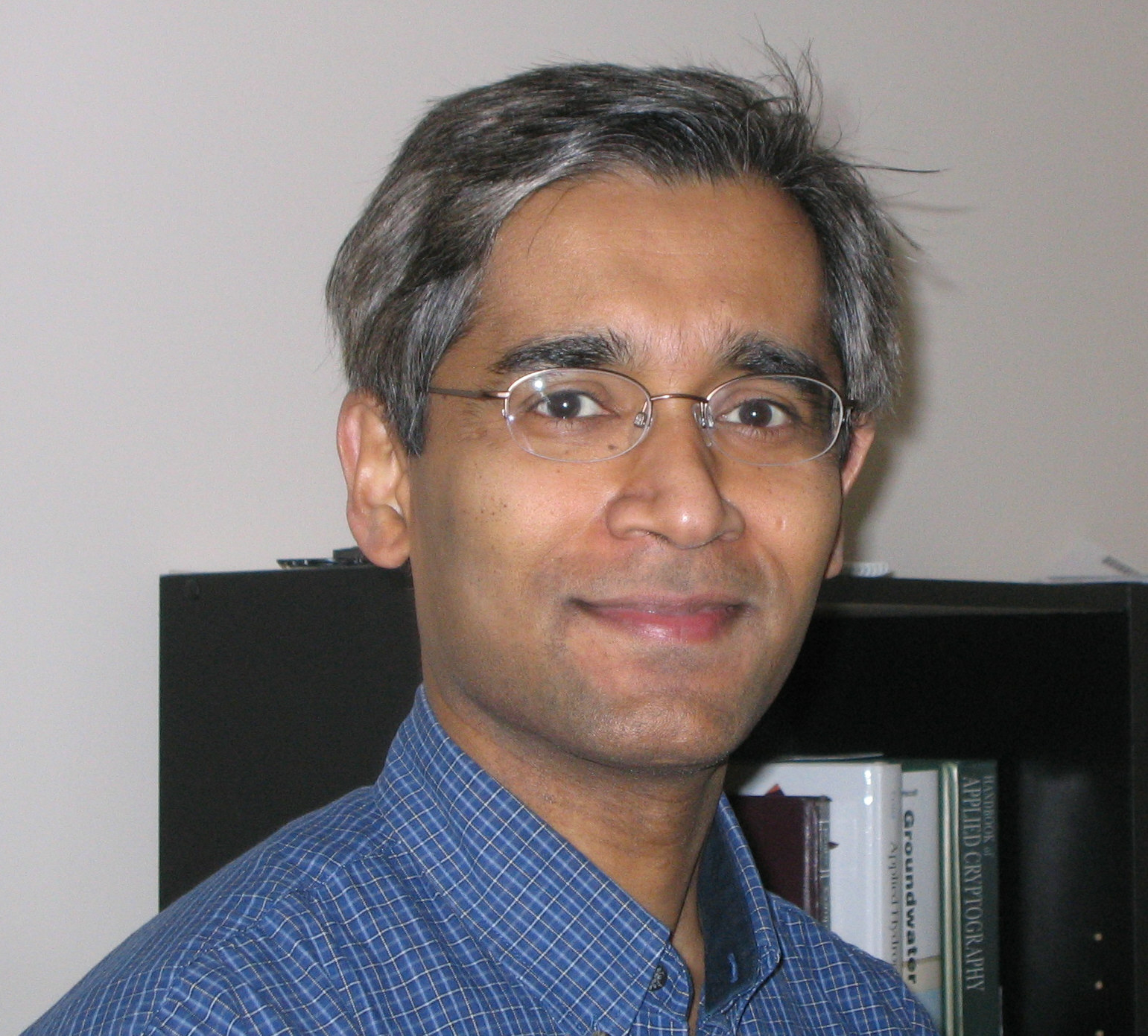
M. Anwar Hasan is a Professor in the Department of Electrical and Computer Engineering at the University of Waterloo, where he has been a faculty member since January 1993. He was promoted to Associate Professor with tenure in 1998 and to full Professor in 2002. At Waterloo, he is also a member of the Centre for Applied Cryptographic Research, the Center for Wireless Communications, and the VLSI Research group. He previously spent 1992 as a post-doctoral fellow at the University of Victoria. Dr. Hasan received his B.Sc. and M.Sc. degrees in electrical and electronic engineering and computer engineering, respectively, from the Bangladesh University of Engineering and Technology in 1986 and 1988. He earned his Ph.D. in electrical engineering from the University of Victoria in 1992. His research focuses on cryptographic computations and embedded systems, dependable and secure computing, computer and network security, and computer arithmetic and architecture. His work has particularly emphasized efficient implementations of cryptographic algorithms, especially elliptic curve cryptography, with attention to side-channel attack resistance and fault tolerance. He has made significant contributions to finite field arithmetic, which forms the mathematical foundation for many cryptographic systems. Dr. Hasan's recent publications demonstrate continued leadership in cryptography, with work spanning traditional cryptographic implementations, post-quantum cryptography (particularly isogeny-based approaches), blockchain applications, secure multi-party computation, and hardware optimization for cryptographic operations. His research maintains a strong focus on both theoretical foundations and practical implementations. Raihan Memorial Gold Medal President's Research Scholarship (awarded four times at University of Victoria) Faculty of Engineering Distinguished Performance Award (2000) Outstanding Performance Award (2004) As a member of the Centre for Applied Cryptographic Research, Dr. Hasan has led numerous research projects in cryptographic hardware and software implementations. He served as an associate editor of the IEEE Transactions on Computers from 2000 to 2004 and has been involved in program and executive committees for several conferences. His research has been supported by various grants that have enabled him to supervise numerous graduate students and postdoctoral fellows, though specific grant details are not provided in the source material. Dr. Hasan's laboratory work has focused on implementing efficient and secure cryptographic systems, particularly examining side-channel attacks and developing countermeasures. His research team has produced numerous technical reports through the Centre for Applied Cryptographic Research (CACR) at Waterloo, demonstrating a sustained research program in cryptographic engineering.
J Gordijn is an Associate Professor at the Faculty of Science, Vrije Universiteit Amsterdam (VU), affiliated with the Software and Sustainability (S2) department and the Network Institute. He holds dual roles as Director of Gordijn Holding BV and The Value Engineers since 2017. His research focuses on digital business models, blockchain technology, smart city requirements engineering, and ecosystem governance. He has contributed to over 128 publications, emphasizing value-driven design, platform revenue models, and decentralized governance frameworks. Research interests span digital transformation, including blockchain applications for fair ecosystems, business model innovation, and inter-organizational alignment. His work bridges theoretical models with practical implementations, such as the e3value framework for ecosystem design and the Decent domain-specific language for governance decisions. Recent studies include smart city requirements in Southeast Asia and scalability challenges in ICT4D contexts. Collaborations involve global institutions and industry partners, with a focus on sustainable development goals (SDGs). He teaches courses on ICT's role in global contexts and leads research initiatives on platform economics and blockchain governance. His datasets, like the platform revenue model taxonomy, are publicly accessible via Zenodo. Notable contributions include pioneering work on service value networks, business-IT alignment, and automated service configuration. His research methodologies combine empirical studies with conceptual modeling to address complex systemic challenges in digital ecosystems.
Fadime Kaya is a Research Fellow at the Faculty of Science , Vrije Universiteit Amsterdam , affiliated with the Software and Sustainability (S2) group and the Network Institute . Her work focuses on decentralized governance models and blockchain applications. Her research spans Blockchain , Distributed Ledger Technology , and Decentralized Governance , with applications in digital ecosystems, renewable energy, and healthcare. She has contributed to 8 peer-reviewed publications, including a PhD thesis on model-based governance design. Recent outputs include ontological frameworks for Central Bank Digital Currency and Decentralized Energy Systems , alongside decision-tree models for blockchain adoption. She co-organized the IEEE Workshop Towards Decentralized Governance Design (2022). Education : MSc
Henry Selvaraj is a Professor in the Department of Electrical and Computer Engineering at the University of Nevada, Las Vegas. His expertise spans artificial intelligence, IoT systems, digital signal processing, and embedded systems, with applications in healthcare, energy, and robotics. His recent research focuses on machine learning applications for IoT systems, including sensor data restoration, energy-efficient computing, and medical diagnostics. He has developed novel methods for path planning in robotics, cancer detection in medical images, and fault-tolerant IoT architectures. With over 50 publications, his work demonstrates strong interdisciplinary collaboration between computer engineering, medical imaging, and power systems. Recent articles show growing emphasis on real-time embedded AI, hardware acceleration (FPGA), and blockchain applications in energy systems. Dr. Selvaraj's laboratory focuses on practical implementations of machine learning algorithms for resource-constrained environments, particularly in healthcare diagnostics and industrial IoT applications.
Nuno Mateus Coelho is an Associate Professor at Lusófona University and an Invited Associate Professor at the Polytechnic Institute of Cávado and Ave, specializing in Cybersecurity. He holds a PhD in Computer Science (Cybersecurity) from the University of Trás-os-Montes e Alto Douro and is a certified European Commission expert in Information Security projects. His professional roles include Cyber Security Adviser at Faurecia Automotive and Nanium Group, CEO of NRMC.PT, and Judicial Expert at the Ministry of Justice. He is also the Editor-in-Chief of the ARIS2 Journal and Director of the LAPI2S Lab. Education: PhD in Computer Science (Cybersecurity) – University of Trás-os-Montes e Alto Douro (2020) MSc in Computer Engineering (Cybersecurity) – Instituto Superior de Engenharia do Porto (2015) BSc in Information Systems Engineering – Instituto Superior de Línguas e Administração (2010) Ongoing Postdoctoral Research in Cybersecurity at Lusófona University Research Interests: Cybersecurity frameworks (e.g., CyberSoc, PCSRA) Blockchain and cryptographic systems (e.g., ChevroCrypto) AI-driven cybersecurity solutions Paranoid Operating Systems for privacy Healthcare cybersecurity and pandemic response (e.g., Vent2Life project) Key Projects & Grants: Lead WP5 of the Horizon 2020-funded CyberSecPro project Recipient of the INNCYBER Innovation Award (2021) for best European research Vent2Life: Repaired 200+ ventilators during the COVID-19 crisis General Chair of the iSCSi International Conference Media & Public Engagement: Regular cybersecurity commentator on CNN Portugal and TVI Keynote speaker at Web Summit, IEEE, and TEDx events Author of opinion columns on cybersecurity trends
Susan Eisenbach served as a Professor and Head of the Department of Computing at Imperial College London from January 2010 to September 2016, followed by roles as Dean of Learning and Teaching and Director of Studies. Her research focuses on software systems, smart contracts for blockchain, and specification languages for large open systems. She retired in 2020 during the pandemic and received a notable farewell via email. Her academic leadership spans over three decades at Imperial, including contributions to curriculum development and pedagogical innovation. She has supervised numerous PhD and Master’s students, many funded by prestigious grants (e.g., EPSRC, Microsoft Research). Her awards include the Imperial College Teaching Fellow (2002) and recognition for the LEXIS exam invigilation system (Best Applied Paper, 2001). Publications highlight her work on formal verification, programming language design, and blockchain technologies. Her articles address topics like memory layout optimization, smart contract safety, and garbage collection algorithms. Eisenbach’s service includes roles on programme committees (ECOOP, OOPSLA) and external reviews for institutions like Trinity College Dublin and KTH. She contributed to ACM committees and IFIP working groups, emphasizing education and programming language standards.
Mohammed Atiquzzaman is the Edith Kinney Gaylord Presidential Professor of Computer Science at the University of Oklahoma’s School of Computer Science. He holds a Ph.D. in Electrical Engineering from the University of Manchester (1987), an M.Sc. from the same institution (1984), and a B.Sc. in Electrical and Electronic Engineering (1982). Research Interests: His work focuses on advanced network systems, including next-generation computer networks, wireless/mobile networks, satellite networks, switching/routing protocols, optical communications, and multimedia over networks. He also explores security, disaster response networking, and quality of service optimization. Awards & Recognition: IEEE ICC’13 Best Paper Award 2006 IEEE Fred W. Ellersick Prize IET Premium Award (2002) Regents’ Award for Research Excellence (2007) University of Oklahoma Alumni Teaching Award (2008) Edith Kinney Gaylord Presidential Professorship (2010) Advising & Grants: His research is supported by the NSF, NASA, and U.S. Air Force. He leads the Telecom and Network Research Lab and has authored books on TCP/IP over ATM networks and satellite mobility architectures. Editorial Roles: Editor-in-Chief of Journal of Network and Computer Applications and Vehicular Communications , and associate editor of multiple IEEE journals.
Maria Sokhn is a Professor at the Haute Ecole Arc - Gestion within the University of Applied Sciences and Arts Western Switzerland (HES-SO). She leads the School of Economics and Services and specializes in digital transformation, knowledge management, and data-driven solutions. Her work bridges academia and industry through innovative projects addressing organizational digital maturity, sustainable supply chains, and accessibility technologies. Key Affiliations: HES-SO Master (Lausanne), Haute Ecole Arc (Neuchâtel) Research Focus: Digital transformation frameworks, blockchain applications, VR in tourism, and social innovation Research Interests: Sokhn's work spans digital maturity models for SMEs, blockchain-based supply chain transparency, and leveraging VR for destination branding. Her projects often integrate gamification and crowdsourcing to enhance data quality and user engagement. Notable collaborations include SwissRenov (circular economy in construction) and City-Stories (spatio-temporal data visualization). Grants & Projects: Over 20+ funded projects totaling CHF 2.5M+, including roles as Main Applicant for Digital Arc Hub (CHF 98K) and City-Stories (CHF 392K). Recent initiatives include SUDAC-2 (CHF 575K) expanding Switzerland's academic partnerships in the Global South. Labs/Teams: Active in HES-SO's interdisciplinary teams focusing on digital governance, inclusive technology, and smart manufacturing. Co-leads the Knowledge Discovery and Parapheur Electronique research groups.
An Braeken is a Professor in the Department of Engineering Technology at Vrije Universiteit Brussel (VUB), Belgium. Their research focuses on cryptography, IoT security, blockchain technology, and post-quantum security protocols. They lead projects such as 'Evolution in Security and Privacy for 6G networks' and 'Tech4Health: Venturing into Future Health Technologies', emphasizing secure communication and resource management in next-generation networks. Research interests include authentication protocols, embedded systems security, and decentralized technologies. Key projects address 6G network slicing, secure edge computing, and blockchain applications in healthcare. Braeken has received the 2021 IACR RWC Cryptohackathon 2nd Prize for contributions to functional encryption. Collaborations span academia and industry, including work on Rust programming for embedded systems and acoustic authentication techniques. Over 240 publications and 46 research projects highlight their leadership in cybersecurity and IoT innovation.
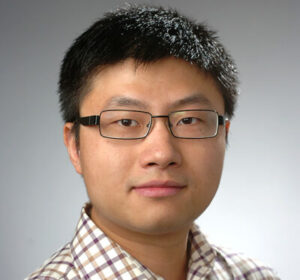
Yuzhe Tang is an Associate Professor in the Department of Electrical Engineering and Computer Science at Syracuse University. His research focuses on cybersecurity, systems security, and decentralized systems such as blockchains and smart contracts. He holds a Ph.D. in Computer Science from Georgia Institute of Technology and M.Sc. and B.Sc. degrees from Fudan University. Professor Tang's research mission involves securing digital infrastructures, particularly in emerging domains like decentralized systems. His work addresses challenges in vulnerability discovery, formal security analysis, and performance optimization. He leads projects funded by the National Science Foundation, Ethereum Foundation, and industry partners, with notable grants including Ethereum Foundation Awards (2022–2025) and an Air Force Research Lab grant (2017). Key research contributions include groundbreaking studies on Ethereum mempool security, blockchain DoS mitigation, and cost-effective transaction batching (iBatch). His work has led to patches in the Ethereum Go client (Geth) and collaborations with industry partners like CertiK and Chainlink. Tang advises Ph.D. students in cybersecurity and blockchain research, with notable alumni including Kai Li (San Diego State University) and Yibo Wang (University of Wyoming). Teaching responsibilities include courses on computer security, blockchain foundations, and systems programming. Tang also develops educational labs (BADD Labs) for blockchain security and contributes to conferences as a program committee member for top venues like IEEE S&P, CCS, and NDSS. His honors include Best Paper Awards at Cluster/Cloud and Grid Computing (2015) and Cloud Computing (2012).
Corentin Burnay is a Researcher at the University of Namur's Namur Digital Institute, specializing in information systems, blockchain, and digital transformation. His work focuses on business process modeling, decision support systems, and e-government solutions. He holds a PhD in Economics from the University of Namur (2016) and has led numerous research projects, including 'TIRCIS: Improving decision-making within organizations' and 'BECODIGITAL: Digital Co-Creation of Public Services with Citizens.' His research interests span blockchain-enabled business processes, data-driven dashboard design, and citizen-centric digital governance. Notable contributions include frameworks for reducing information overload in policy-making and artifact-centric modeling for blockchain solutions. Burnay has been recognized with the Distinguished Paper Award at CAiSE 2014. He actively participates in academic activities, organizing workshops on blockchain for information systems and delivering invited talks on data value measurement. His projects emphasize cross-disciplinary collaboration, addressing challenges in supply chain digitization, public service innovation, and sport management analytics.
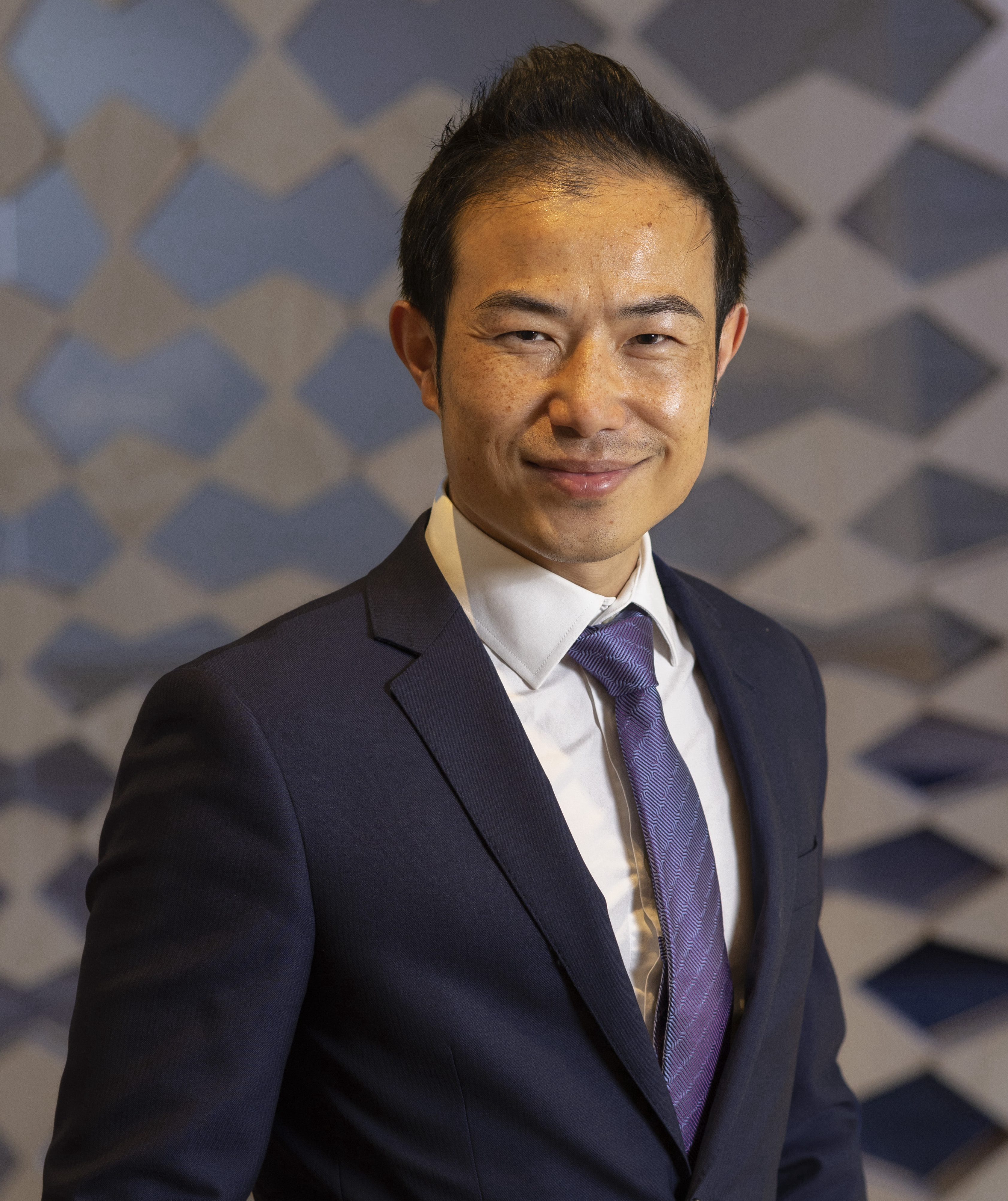
Dr. Jiangshan Yu is an Associate Professor at the University of Sydney's School of Computer Science, Director of the Sydney Blockchain Centre, and Australian Representative for IFIP TC 10. He holds a PhD from the University of Birmingham and has held academic roles at Monash University. His research focuses on cybersecurity, dependable computing, and blockchain systems, emphasizing privacy, fault tolerance, and scalable infrastructure. Education: PhD in Computer Science, University of Birmingham (UK) Postdoc at University of Luxembourg under Prof. Paulo Esteves-Verissimo Research Interests: Blockchain systems, fault tolerance, consensus algorithms, applied cryptography, and user privacy. He designs robust infrastructures leveraging blockchain, cryptography, and decentralization to address real-world security challenges. Recent Articles Trends: Focus on privacy-preserving protocols (e.g., Posterior Security), consensus mechanisms (e.g., Achilles BFT), and scalability solutions (e.g., Mosaic sharding framework). His work bridges theoretical advancements with practical implementations. Awards: IEEE Technical Achievement Award (2024) ARC DECRA Fellowship (2021) IBM Academic Award (2020) Chinese Government PhD Award (2016) Advising & Grants: Supervises multiple PhD students and leads projects totaling $10M+ (e.g., Algorand Centre of Excellence). Active in grants like ARC DP220101234 for privacy-preserving blockchain. Labs/Teams: Directs the Sydney Blockchain Centre and collaborates with global initiatives like the IFIP WG 10.4 working group on dependable computing.
Chentao Yue is a Research Fellow at the School of Electrical and Computer Engineering, University of Sydney. He holds a BSc in Information Engineering (Honors) from Southeast University (2017) and a PhD in Electrical Engineering from the University of Sydney (2021). His research focuses on developing foundational theories and AI-driven techniques for 6G wireless networks, specifically targeting ultra-reliable low-latency communication through advanced error control coding. Research Interests: Dr. Yue's work bridges information theory, machine learning, and telecommunications. Key areas include intelligent channel coding/decoding for 6G, sparse vector transmission, NOMA systems, and distributed consensus protocols. His DECRA-funded project aims to create self-configurable coding frameworks adaptable to dynamic 6G environments. Publication Trends: Recent articles emphasize optimizing short block-length codes for 6G URLLC, integrating Bayesian neural networks with modulation techniques, and refining ordered-statistics decoding (OSD) algorithms. Machine learning applications in signal prediction and distributed ledger technologies are emerging themes. Awards: ARC Discovery Early Career Researcher Award (DECRA, 2024) Postgraduate Scholarship in Wireless Engineering Grants: Leads the ARC DECRA project (2024): "Intelligent self-configurable coding and decoding for 6G wireless networks," focusing on real-time adaptive error correction for industrial automation and telemedicine.
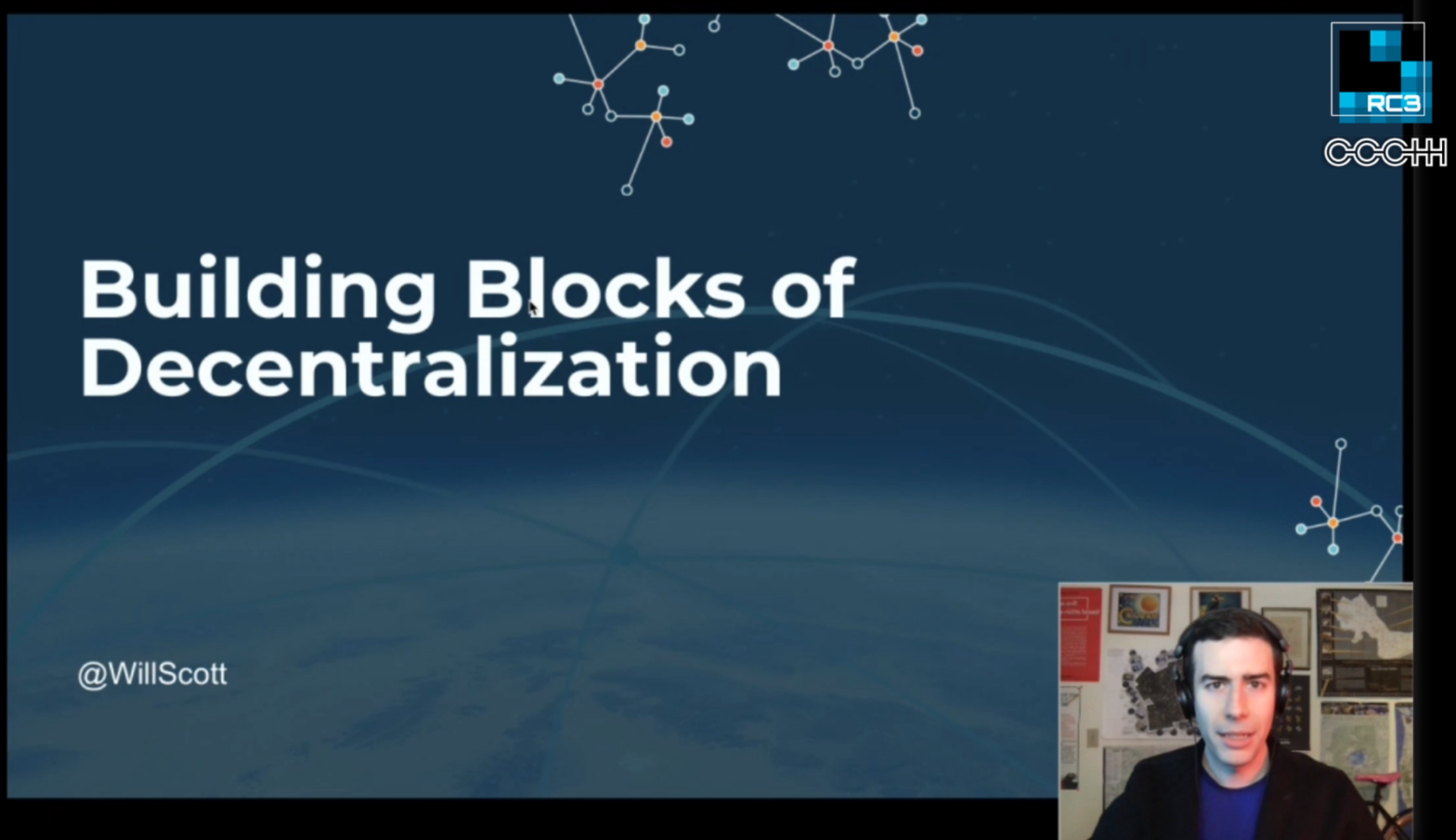
Will Scott is a researcher at the University of Michigan, focusing on internet censorship, decentralized systems, and privacy preservation. His work includes the Censored Planet project, analyzing network interference and CDN behavior, and studying community networks in Cuba and North Korea. He has presented at conferences like DEFCON, IMC, and USENIX Security, and contributed to tools like uProxy and Talek. A 2018 CSIS NextGen Scholar, Scott explores ethical dilemmas in censorship measurement and advocates for resilient digital infrastructure. His research spans technical, policy, and social dimensions of internet access, emphasizing global connectivity challenges and privacy-enhancing technologies. Education & Background: PhD studies in Computer Science, with a focus on network security and distributed systems. Active in academic publishing and conference participation. Key Projects: Censored Planet: Tracks global censorship through DNS and application-layer measurements. Cuban Street Network: Analyzed community-driven networks in Havana. TapDance: ISP-scale traffic engineering protocols. Recent Work: Explores coordination systems, privacy in decentralized data transfer, and ethical considerations in censorship research. Engages in policy discussions through CSIS and academic outreach. Awards: 2018 CSIS NextGen Scholars Program recognition for contributions to U.S.-DPRK policy dialogue.