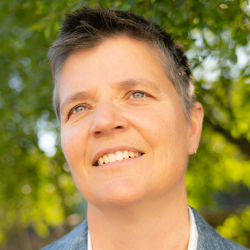
Laura BurrusView profile
Professor
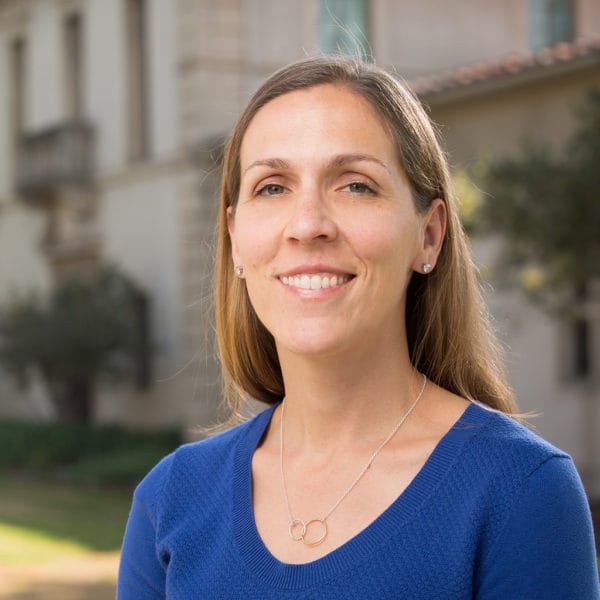
Laura (Kai) Burrus is a Professor in the Department of Biology within the College of Science and Engineering at San Francisco State University, where she has been a faculty member since 1997. Her research has evolved from studying Wnt signaling in developmental biology to addressing climate change resilience through microbial ecology. Education: BS in Chemistry - College of William and Mary (1986) PhD in Biochemistry - University of Wisconsin-Madison (1991) Post-doc in Developmental Biology - Harvard University (1996) Dr. Burrus' research has historically focused on the biochemical and cellular mechanisms underlying Wnt gradient formation in chick embryos, with relevance to birth defects and cancer. Her work has been funded by NIH, NSF, CSUPERB, and MDA over the last 20 years. She is currently transitioning her research to analyze the role of microbes in climate change resilience, motivated by her recognition that 'climate change is inherently racist.' She is actively involved with Lifting Black Voices in STEM and is leading an effort to launch an interdisciplinary Certificate in Climate Change Causes, Impacts, and Solutions. As one of five LGBTQIA biology faculty at SFSU, she brings unique perspectives to her work on inclusive classroom practices. Her publication record spans from 1994 to 2021, with recent work focusing on Wnt signaling mechanisms, educational approaches in STEM, and the transition to climate change research. Her research shows a clear evolution from fundamental developmental biology to applied environmental science, while maintaining a strong foundation in molecular and cellular mechanisms. Scientific Contributions: Pioneering work on Wnt protein trafficking and modification Research connecting Wnt signaling to cancer biology Leadership in developing inclusive STEM education practices Transition to climate change resilience research with focus on microbial ecology Dr. Burrus has mentored numerous undergraduate and graduate students throughout her career, with many alumni going on to pursue advanced degrees and careers in science. She has been actively involved in pedagogical innovation and is pioneering new approaches to effectively communicate research to both scientific and lay communities. Her lab has received funding from multiple sources including NIH, NSF, CSUPERB, and MDA. She is currently involved in oyster reef restoration research in the San Francisco Bay, investigating microbial communities as indicators of climate resilience. This work represents an aspirational shift from her previous focus, leveraging molecular expertise to address pressing climate challenges while mentoring students from diverse backgrounds.