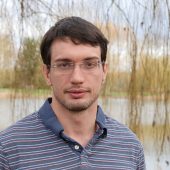
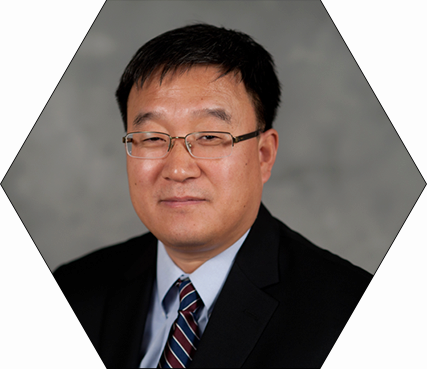
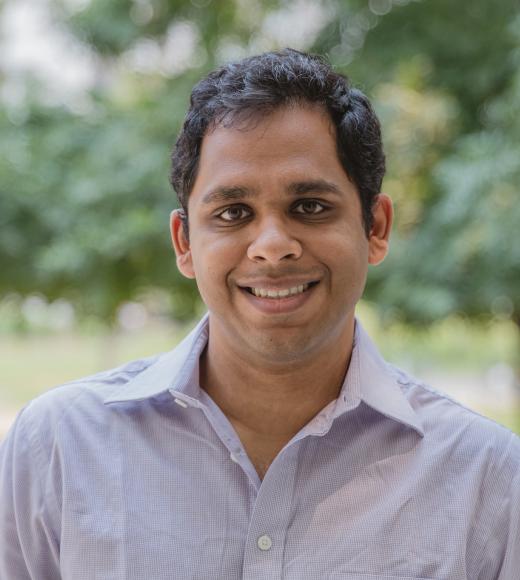
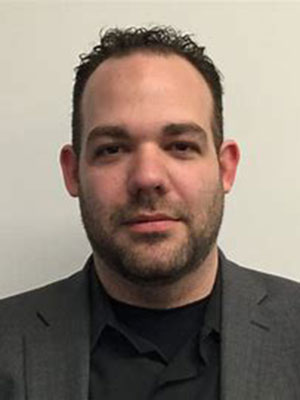
Dr. Debraj Roy is a Visiting Professor at the University of Amsterdam (UvA), affiliated with the Faculty of Science, Mathematics and Computer Science and the Informatics Institute. His research focuses on agent-based modeling, socio-economic dynamics, environmental resilience, and blockchain technology. He investigates complex systems such as urban slums, disaster recovery, and climate adaptation using computational methods like remote sensing and machine learning. His work bridges theory and practice, offering insights into policy design for sustainable development and social equity. Key research interests include slum dynamics, poverty traps, and the application of blockchain oracles for decentralized systems. He employs advanced techniques such as global sensitivity analysis and manifold learning to explore multi-scale socio-environmental challenges. His recent articles highlight trends in carbon pricing, flood risk valuation, and multi-agent systems. Earlier work concentrated on urban inequality in cities like Bangalore and Mexico City, leveraging geospatial and statistical tools. No scientific awards or grants are explicitly listed. His advising and team collaborations are unspecified in the provided text.
Dr. Rathna Ramanathan is a leading academic and practitioner in intercultural communication and alternative publishing. Currently serving as Provost of Central Saint Martins and UAL Executive Dean for Global Affairs , she has previously held deanships at Central Saint Martins and the Royal College of Art. Based in London but originally from Chennai, India, her work bridges South Asian and global design practices. University of Reading - PhD in Typography and Graphic Communication Central Saint Martins - MA in Communication Design University of Madras - BA Fine Art Her research focuses on intercultural communication and alternative publishing in the Global South, examining how marginalized voices can be amplified through design. She explores the tension between tangible/intangible heritages and contemporary design, and investigates how form, media, and content interact in addressing social/political issues. Recent publications highlight her design research trends in decolonial publishing, critical typography, and intercultural book design. As a design educator , she emphasizes listening, cross-cultural learning, and sustainable practices. Her supervision includes postgraduate research students working on topics like female printers in India, exhibition design, and architectural lettering. Key scientific collaborations include major projects with Tara Books (international design awards), British Council-funded initiatives (Crafting Futures, Going Global Partnership), and the Murty Classical Library of India (Harvard University Press partnership). She consults on Indic typeface design with Adobe and Monotype. Her design lab at Central Saint Martins (M9Design) works with international networks of editors, translators, and type designers. Current team projects focus on digital/print transitions, bilingual typography, and preserving endangered typographic practices through innovative publishing formats.
Dr. Hai Phan is an Associate Professor in Data Science at New Jersey Institute of Technology's Ying Wu College of Computing. He holds a Ph.D. in Computer Science and Engineering from CNRS, University Montpellier 2 (2013), an M.S. from Konkuk University (2010), and a B.S. from HCM City University of Technology (2008). His research explores privacy-preserving machine learning and computational health analytics: Federated learning systems and optimization Privacy-enhancing technologies (differential privacy) Health informatics and social media analysis Cybersecurity defenses and adversarial learning Fair and ethical AI systems Dr. Phan's publications demonstrate strong emphasis on federated learning architectures with privacy guarantees, defenses against emerging security threats, and analysis of health-related behaviors through social media. Recent work focuses on IoT applications, large language model security, and mobile federated learning ecosystems. His research integrates techniques from distributed systems, cryptography, and machine learning. No scientific awards are mentioned in available sources. Information regarding student advising, research grants, or laboratory affiliations is not provided in available documentation.
Huazhen Fang is an Associate Professor in the Department of Mechanical Engineering at the University of Kansas School of Engineering, where he joined in 2014. He leads the Information & Smart Systems Laboratory (ISSL) and holds a courtesy appointment in the Department of Electrical Engineering & Computer Science. His research focuses on enabling intelligence for complex systems through information-driven approaches. Dr. Fang received his Ph.D. in Mechanical Engineering from the University of California, San Diego in 2014, following an M.Sc. from the University of Saskatchewan and a B.Sc. in Computer Science & Technology from Northwestern Polytechnic University in China. He was a Visiting Faculty Fellow at Mitsubishi Electric Research Laboratories in 2022. His research interests span Systems and Control, Advanced Battery Management, Energy Storage Systems, and Robotics, with particular focus on system modeling, estimation, control design, machine learning and numerical optimization. Dr. Fang's work has significant applications in energy management, cooperative robotics, and environmental observing systems. His research has been supported by the National Science Foundation, Department of Energy, Army Research Laboratory, and Mitsubishi Electric Research Laboratories. His extensive publication record shows a clear trend toward increasingly sophisticated integration of physics-based modeling with machine learning approaches, particularly in battery management systems and autonomous vehicle control. Recent work demonstrates a growing emphasis on Bayesian inference methods, distributed control architectures, and safety-critical applications of intelligent control systems. Faculty Early Career Award from National Science Foundation (2019) University Scholarly Achievement Award (2024) Miller Professional Development Award (2022) Miller Faculty Scholar Award (2018, 2019, 2023) Wesley G. Cramer Outstanding Mechanical Engineering Faculty Award (2016) Big XII Faculty Fellowship (2015) IEEE Transactions on Transportation Electrification Prize Paper Award (2024) Dr. Fang has successfully mentored numerous graduate students through the Information & Smart Systems Laboratory, with many receiving awards for their research. His research has attracted significant funding from prestigious organizations including the National Science Foundation, Department of Energy, Army Research Laboratory, and Mitsubishi Electric Research Laboratories. He currently serves as an Associate Editor for multiple prestigious journals including Information Sciences, IEEE Transactions on Industrial Electronics, and IEEE Control Systems Letters. The Information & Smart Systems Laboratory (ISSL) under Dr. Fang's leadership has established itself as a center for cutting-edge research in information-driven smart systems. The lab focuses on pushing the frontiers of information extraction, analysis and exploitation for dynamic systems to deal with system complexity and enable system intelligence. The lab actively collaborates with industry partners and local communities, emphasizing research that serves societal needs.
LEE Mong Li is a Professor of Computer Science at the National University of Singapore (NUS) and serves as Director of the NUS Centre for Trusted Internet and Community. She holds a Ph.D., M.Sc., and B.Sc. (First Class Honours) in Computer Science from NUS, where she was awarded the IEEE Singapore Information Technology Gold Medal as the top Computer Science student in 1989. Her academic career includes a visiting fellowship at the University of Wisconsin-Madison (1999) and consultancy with QUIQ USA (2000). Her research spans Data Management, Spatio-temporal Databases, Biomedical Informatics, and Retinal Image Analysis . She has pioneered work in data cleaning, data fusion, and analysis of semistructured data, with applications in social media analytics and healthcare. Her recent publications demonstrate strong interdisciplinary focus, particularly in AI-driven medical diagnostics including diabetic retinopathy screening and chronic kidney disease detection from retinal images. She co-authored foundational books on 'Designing Semi-structured Database' and 'Temporal and Spatio-Temporal Data Mining'. Her 150+ publications in major database conferences and journals reflect leadership in both theoretical and applied research. Recent work shows significant emphasis on Medical AI applications (retinal analysis, kidney disease prediction) Temporal fact verification systems Misinformation detection in multimodal environments Privacy challenges in large language models Key honors include: Singapore's President Technology Award (2014) for co-inventing an AI system screening eye conditions IEEE Singapore Information Technology Gold Medal (1989) She actively contributes to government-funded multidisciplinary projects building practical deployable systems. Her leadership extends to program committees of prestigious database conferences and directing the NUS Centre for Trusted Internet and Community. She teaches BT5110 Data Management and Warehousing and has co-developed an AI system for diabetic retinopathy screening deployed in Singapore's national teleophthalmology program.
Bryan Kian Hsiang Low serves as Associate Professor in the Department of Computer Science at the National University of Singapore's School of Computing, while simultaneously holding leadership positions as Director of AI Research at AI Singapore and Deputy Director of the NUS AI Institute. His academic journey includes a B.Sc. (2001) and M.Sc. (2002) in Computer Science from NUS, followed by a Ph.D. in Electrical & Computer Engineering from Carnegie Mellon University (2009). His research spans probabilistic machine learning, multi-agent systems, and trustworthy AI, with particular focus on Bayesian optimization , federated learning , and data-efficient methodologies . The Low Lab develops frameworks for collaborative AI, automated machine learning, and AI applications in scientific domains through the Group of Learning and Optimization Working in AI (GLOW.AI), which maintains a multi-disciplinary approach bridging computer science, mathematics, and engineering disciplines. Analysis of his recent publications reveals a consistent emphasis on data valuation , privacy-preserving collaborative learning , and robust optimization techniques , with increasing integration of large language models into his research framework. His work demonstrates strong theoretical foundations coupled with practical applications in computational sustainability and robotics. Andrew P. Sage Best Transactions Paper Award (2006) NUS Overseas Graduate Scholarship (2004-2009) Faculty Teaching Excellence Award (2017-2018) IEEE RAS Distinguished Lecturer (2019) World Economic Forum Global Future Councils Fellow (2016-2018) Dr. Low actively mentors PhD students including Rachael Sim, Quoc Phong Nguyen, and Zhongxiang Dai, while leading major initiatives like the AI Phenome Platform for plant breeding optimization. His research group GLOW.AI operates at the intersection of theory and practice, with strong industry engagement through AI Singapore. Current projects focus on scalable AI systems for scientific discovery and developing frameworks for equitable collaborative machine learning with robust privacy guarantees.
Professor Guy Woodward is a Professor of Ecology at Imperial College London's Department of Life Sciences (Silwood Park), part of the Faculty of Natural Sciences. He leads the NERC ERCITE Programme and holds affiliations with the Freshwater Biological Association, serving on its Board of Directors. His research focuses on the impacts of stressors like chemical pollution, climate change, and habitat alteration on aquatic ecosystems, particularly food web dynamics and metabolic theory. Woodward has secured over £13M in grants, including a £2.5M ERCITE grant, and collaborates with international experts such as Dr. Jose Montoya and Prof. Owen Petchey. His work emphasizes individual-based approaches to ecological networks and the application of allometric scaling laws. Key contributions include studying geothermally heated streams in Iceland and experimentally warming mesocosms to understand climate impacts. Woodward has supervised numerous PhD students, including Dr. Gabriel Yvon-Durocher, Dr. Julia Reiss, and Dr. Eoin O'Gorman. Education: PhD in Ecology from the University of London and BSc (Hons) in Ecology & Environmental Management from Cardiff University. His research spans over 20 years, with notable grants from NERC, the European Science Foundation, and AXA Insurance. He co-authored the Next Generation Biomonitoring series and serves as Series Editor for Advances in Ecological Research (Elsevier). Current affiliations include the Georgina Mace Centre for the Living Planet and the Grantham Institute. Research highlights include quantifying climate-warming effects on food webs, developing metabolic theory applications, and investigating synergistic stressor impacts. His team explores ecological resilience, with projects like 'Restoration of Chalk Rivers' and 'Climate Change Impacts on Freshwater Food Webs'. Woodward's work bridges theoretical and applied ecology, aiming to inform conservation and ecosystem restoration strategies.
Chris Russell is the Dieter Schwarz Associate Professor of AI, Government & Policy at the Oxford Internet Institute (OII), University of Oxford. His work bridges computer vision, machine learning, and ethical AI governance. He leads the Governance of Emerging Technologies programme, focusing on algorithmic accountability, transparency, and fairness. Prior roles include Group Leader at the Alan Turing Institute and Reader at the University of Surrey. Russell’s research has been recognized with awards, including the ICRA Best Paper Prize for autonomous driving mapping work. Research interests span algorithmic fairness, explainable AI, and responsible AI design. Notable projects include collaborations with the British Antarctic Foundation on climate modeling and causal approaches to algorithmic fairness. His work with Sandra Wachter and Brent Mittelstadt informs GDPR guidelines and tools like TensorFlow’s 'What-if Tool.' Current projects include advancing medical machine learning for inflammatory arthritis prediction and governance frameworks for emerging tech. Russell advises PhD students on socio-technical AI evaluations and teaches courses in machine learning and AI ethics. Recent publications address deepfake proliferation, LLM regulation, and fairness in foundational models. He co-leads initiatives like the Digital Good Network to align tech development with societal benefit.
Jianjun (Jan) Shi is the Carolyn J. Stewart Chair and Professor at the H. Milton Stewart School of Industrial and Systems Engineering (ISyE) and holds a joint appointment with the George W. Woodruff School of Mechanical Engineering at Georgia Institute of Technology. He previously served as the G. Lawton and Louise G. Johnson Chair Professor of Engineering at the University of Michigan. His research focuses on system informatics and control for manufacturing and service systems, with notable contributions to quality improvement, cyber-physical systems, and data-driven methodologies. B.S. & M.S. in Electrical Engineering, Beijing Institute of Technology (1984–1987) Ph.D. in Mechanical Engineering, University of Michigan (1992) Dr. Shi’s research interests include process modeling, control systems, and quality engineering. He pioneered methodologies for in-process quality improvement and developed advanced frameworks for high-dimensional data analysis in manufacturing. His work integrates statistical methods, machine learning, and system informatics to enhance operational efficiency and product quality. He has published over 150 peer-reviewed papers and secured $19 million+ in research grants from NSF, DOE, and industry partners. His lab, the System Informatics and Control Group, collaborates with automotive, aerospace, and pharmaceutical sectors. Shi leads initiatives such as the Quality Science Center at the Chinese Academy of Sciences and serves on editorial boards of journals like IIE Transactions and ASME Transactions . Recipient of the IIE Albert G. Holzman Distinguished Educator Award (2011) Fellow of INFORMS, ASME, and IIE Academician of the International Academy for Quality Shi advises 26 Ph.D. graduates, many of whom hold faculty positions or leadership roles in industry. His research group’s innovations have been implemented in global manufacturing systems, yielding significant economic impacts. Current work includes 4D printing, cyber-physical system resilience, and federated learning for industrial data.
Gerda de Vries is a Professor in the Department of Mathematics & Statistical Sciences at the University of Alberta, Faculty of Science. Her research focuses on mathematical physiology, dynamical systems, and mathematical modeling, particularly in cellular biophysics, pattern formation, and systems biology. She has contributed extensively to understanding complex biological systems through interdisciplinary approaches combining mathematics and biology. Her work spans applications in radiation biology (e.g., cell cycle dynamics and low-dose radiation effects), biophysics (microtubule organization, motor proteins), ecology (predator-prey interactions, forest fire modeling), and education (adapting primary literature for STEM teaching). Recent research highlights include analyzing saddle-node bifurcations, bystander effects in radiation, and collective behavior in animal groups. De Vries has published over 50 peer-reviewed articles since 2000, with a focus on bridging abstract mathematical theory to concrete biological phenomena. Notable contributions include models of pancreatic β-cell dynamics, immune system versatility, and educational frameworks for mathematical biology. Her academic career includes leadership in curriculum development and interdisciplinary research, though no specific grants or awards are explicitly listed in the provided information.
Ambarish Kulkarni is an Assistant Professor in the Department of Chemical Engineering at the University of California, Davis. His research focuses on multi-scale molecular modeling, data science for materials discovery, catalysis, and separations. He combines quantum chemistry methods (e.g., wave function theory, density functional theory) with classical simulations and machine learning to design novel materials for applications in catalysis, energy storage, and environmental remediation. Specific areas of interest include methane activation, CO 2 capture, and heterogeneous electrocatalysis. His work bridges theory and experiment, collaborating with experimental groups to validate computational findings. Notable projects include: Developing catalysts with atomically dispersed metals for enhanced reactivity Designing zeolite materials for selective chemical transformations Creating machine learning workflows to accelerate material discovery Recent research highlights the role of water in CO 2 adsorption mechanisms, the dynamic behavior of confined nanoparticles, and redox-cycling phenomena in zeolite-embedded catalysts. His computational tools like the Multiscale Atomic Zeolite Simulation Environment (MAZE) enable detailed analysis of complex material behaviors. No scientific awards are explicitly listed in the provided information. His advising activities and grants are not detailed in the current data, but his extensive publication record indicates active research collaboration and funding support.
Dr. Mylene Lagarde is an Associate Professor of Health Economics and Deputy Head of Department (Research) at the London School of Economics and Political Science (LSE), Department of Health Policy. Her research focuses on applied economic analysis of healthcare decisions in low- and middle-income countries (LMICs), particularly provider behavior, healthcare demand, and health policy evaluation. She has conducted studies on topics such as health worker incentives, user fee removal policies, and the impact of performance-based financing. She holds affiliations with J-PAL and the University of Witwatersrand, South Africa. Her work combines quantitative methods, randomized experiments, and policy analysis to inform global health interventions. Educated in France and with field experience in Cameroon, Lagarde’s academic career includes roles at the London School of Hygiene and Tropical Medicine before joining LSE in 2016. She teaches advanced health economics courses, including MPhil/PhD programs in Health Economics and Policy, and modules on randomized evaluations of health programs. Her research has explored provider behavior in Senegal, Zambia, South Africa, and other LMICs, addressing challenges like antibiotic overprescription, healthcare quality under workload pressures, and equitable access to services. Key areas of focus include the role of pro-social preferences in healthcare workforce distribution, the effectiveness of group incentives for preventive care, and the framing effects of health policies. She has contributed to understanding how financial and non-financial incentives shape healthcare provider performance and patient choices, with implications for improving health system efficiency and equity globally.
Adam Brandenburger is a prominent academic holding the J.P. Valles Professorship at NYU Stern School of Business and a Distinguished Professorship at NYU Tandon School of Engineering. He also serves as Faculty Director of the NYU Shanghai Program on Creativity + Innovation and is a Global Network Professor. Previously, he was at Harvard Business School (1987–2002). He earned his B.A., M.Phil., and Ph.D. from the University of Cambridge. His research spans game theory, quantum mechanics, and business strategy. Notable contributions include co-authoring the best-selling book Co-opetition , which introduces the concept of co-opetition (cooperative competition). His work bridges theoretical frameworks like epistemic game theory with practical applications in strategy and decision-making. Recent research focuses on quantum systems' non-classical correlations, divisive normalization in neuroscience, and the implications of finite-order reasoning in games. He has collaborated with institutions like the Royal Society and journals such as Nature Communications and Proceedings of the National Academy of Sciences . Brandenburger’s academic career reflects interdisciplinary impact, combining economics, physics, and cognitive science. His courses include The Strategist and Creativity Considered , emphasizing strategic thinking and innovation.
David Eaton is a Professor and former NSERC/Chevron Industrial Research Chair in Microseismic System Dynamics at the University of Calgary's Department of Geoscience. He holds a PhD in Geophysics from the University of Calgary (1992) and has published the textbook 'Passive Seismic Monitoring of Induced Seismicity'. Educational Background: PhD Geophysics, University of Calgary, 1992 MSc Geophysics, University of Calgary, 1988 BSc Geology and Physics, Queen's University, 1984 His research focuses on induced seismicity characterization, microseismic monitoring technology development, distributed acoustic sensing applications, physics-informed machine learning approaches, and lithospheric structure analysis. Current projects investigate earthquake triggering mechanisms during hydraulic fracturing and geothermal energy development. Publications show consistent focus on induced seismicity source characterization, monitoring methodologies, and geophysical applications for energy resource development. Recent work integrates machine learning with seismic monitoring to understand geological controls on induced seismicity. Scientific Awards: NSERC Synergy Award for Innovation (2020) J. Tuzo Wilson Medal, Canadian Geophysical Union (2020) CSEG Distinguished Lecturer (2019) Schulich School of Engineering Distinguished Collaborator (2019) University of Calgary Great Supervisor Award (2016) He leads the CREATE-REDEVELOP program training future leaders in responsible resource development and directs the microseismic research laboratory.
Kyle DeMars is an Associate Professor and Associate Department Head for Theoretical and Computational Research in the Department of Aerospace Engineering at Texas A&M University. He holds a Ph.D. from The University of Texas at Austin (2010) and has expertise in space situational awareness, navigation systems, Bayesian filtering, and information theory. His work focuses on advanced estimation techniques for spacecraft autonomy and space surveillance. Dr. DeMars' research emphasizes robust nonlinear filtering, multitarget tracking, and information-theoretic approaches to orbital dynamics. He has developed innovative methods for spacecraft navigation, including terrain-relative systems and anonymous feature processing. His contributions address challenges in uncertainty quantification, sensor fusion, and cislunar space domain awareness. Education: Ph.D./M.S.E./B.S. in Aerospace Engineering (UT Austin, 2004–2010) Awards: AIAA Young Professional Award (2017), NASA Innovation Award (2014), and multiple teaching/research recognitions Labs/Teams: Active in space situational awareness, guidance & control, and probabilistic navigation systems Key trends in his publications include: Advances in particle flow and Gaussian mixture methods for nonlinear estimation Cislunar trajectory analysis and resonance-based surveillance strategies Development of fault-resistant and anonymous navigation frameworks Integration of information theory into sensor tasking and uncertainty management His work bridges theoretical developments with practical applications in planetary landing navigation, space traffic management, and autonomous spacecraft systems.