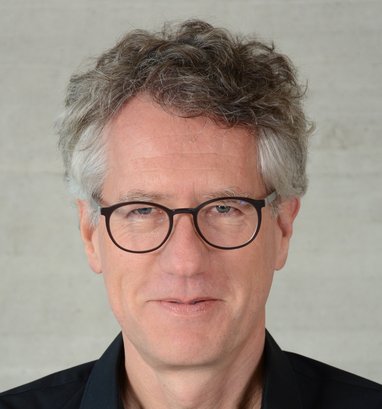
Paolo BellavistaView profile
Professor
Paolo Bellavista is a Professor at the University of Bologna, Department of Electrical, Electronic, and Information Engineering, specializing in Computer Science and Engineering. His research focuses on cutting-edge technologies bridging the physical and digital worlds, with particular emphasis on Digital Twins, Edge Computing, Federated Learning, and IoT systems across various application domains. His research interests span Digital Twins implementation in industrial settings, Edge Computing architectures, Federated Learning techniques, Internet of Things applications, 5G/6G networking, Cloud Computing paradigms, and Smart Manufacturing systems. His work demonstrates a strong focus on practical implementations of theoretical concepts, particularly in the context of distributed systems where latency, reliability, and security are critical concerns. Analysis of his recent publications reveals a strong trend toward integrating Digital Twin technology with edge computing infrastructure, developing privacy-preserving federated learning techniques, and creating efficient communication protocols for industrial IoT applications. His work spans both theoretical contributions and practical implementations across smart factories, transportation systems, aviation, and urban infrastructure. While specific awards are not mentioned in the available data, his extensive publication record in top-tier venues demonstrates significant recognition within the academic community. His collaborations span numerous institutions and researchers across Europe and beyond. Professor Bellavista actively supervises research in distributed systems, with numerous PhD students and postdoctoral researchers contributing to his projects. His research has been supported by various grants focused on next-generation networking, edge computing, and industrial digitalization initiatives. His laboratory work centers around the IoTwins platform for implementing distributed digital twins in industrial manufacturing and facility management settings, with applications spanning smart factories, urban environments, and transportation systems. Current research directions include entanglement-aware middleware for digital twins, federated unlearning techniques, and adaptive resource management in cloud-to-edge continuum environments.