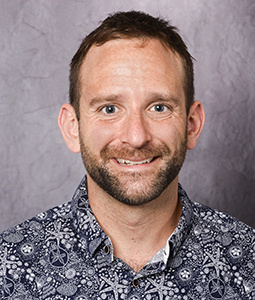
Dr. Daniel Speiser is an Associate Professor in the Department of Biological Sciences at the McCausland College of Arts and Sciences, University of South Carolina. His research focuses on the evolutionary physiology of marine invertebrates, particularly their visual systems and sensory adaptations. Visual Ecology: Studies spatial resolutions, spectral responses, and temporal dynamics of vision in molluscs and crustaceans for predator/prey detection and navigation. Distributed Visual Systems: Investigates neurobiology of multi-eyed molluscs like scallops and chitons with decentralized processing. Complex Trait Co-evolution: Analyzes functional relationships between sensory and locomotory systems in marine invertebrates. Biology of Color: Examines pigment-nanostructure interactions in color production, focusing on butterfly Speyeria . Natural Armor Systems: Explores trade-offs between protection and sensory function in structures like snapping shrimp orbital hoods and chiton shells.
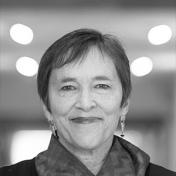
Caroline A. Jones is a Professor of Art History at MIT's Department of Architecture, specializing in modern and contemporary art with technological dimensions. Her research spans technological production modes, cognitive neuroscience intersections, and global art systems. Academic Affiliation: History, Theory, and Criticism of Architecture and Art Program at MIT Research Focus: Technology's role in art, cognitive perception, systems theory, bio-art, and climate discourse Jones' publications and symposium organization demonstrate her interdisciplinary approach. Key themes include: Postwar artistic technology integration Umwelt theory and interspecies cognition Anthropocene critique through art Cybernetic systems in artistic practice Gut microbiome's role in consciousness understanding Temporal expansion through artistic bio-fiction Her work connects art history with contemporary scientific dialogues through projects like the Seeing/Sounding/Sensing symposium. Awards include prestigious fellowships from National Endowment for the Humanities, Guggenheim Foundation, and Radcliffe Institute. Current research examines cultural evolution, planetary boundaries, and artistic interventions in environmental systems. Jones actively explores how art can challenge human cognitive limitations and foster interspecies symbiosis frameworks.
Assoc. Prof. Dr. Arife Yurdakul is a faculty member in the Department of Metallurgical and Materials Engineering at Düzce University’s Faculty of Engineering, Turkey. She currently holds the academic rank of Associate Professor and actively contributes to both teaching and research in advanced ceramics and composite materials. Research Focus: Ceramic matrix composites and zirconia-based toughening mechanisms Processing of yttria-, ceria-, and magnesia-stabilized zirconia powders and sintered bodies Glass-fiber reinforcement in cementitious and polymer matrices Microstructural characterization from macro to atomic scale using electron microscopy Industrial applications including welding pins, ceramic bushings, and dental ceramics Across sixteen peer-reviewed publications (2009-2025), Dr. Yurdakul demonstrates a sustained trajectory in engineering high-performance ceramics. Her recent work emphasizes co-doped zirconia composites that achieve simultaneous gains in hardness and fracture toughness, while earlier studies systematically explored glass fiber durability in alkaline environments and novel glass compositions optimized for fiber drawing. Scientific Awards & Distinctions: No specific awards or honors are mentioned in the provided materials. Advising & Funding: No named graduate students, ongoing projects, or grant details are supplied. Laboratories & Teams: While the Faculty of Engineering at Düzce University hosts modern ceramics and microscopy laboratories, explicit laboratory affiliations or research group names are not stated.
Peter Brown is an Associate Professor in the School of Life Sciences at Anglia Ruskin University (ARU), Faculty of Science and Engineering. His research focuses on ladybird ecology, invasive species, and citizen science, with strong collaborations across the UK (especially the UK Centre for Ecology & Hydrology and University of Hull), Europe, and Chile. Education: PhD: The spread of the harlequin ladybird Harmonia axyridis (Coleoptera: Coccinellidae) in Europe and its effects on native ladybirds – Anglia Ruskin University (2010) BSc (Hons) Ecology and Conservation – Anglia Ruskin University (2004) Peter's research interests include ladybird ecology, the impacts of non-native species on native biodiversity, intraguild predation among arthropods using molecular tools, and the use of citizen science in ecological research, particularly through the UK Ladybird Survey and COST Action CA17122. He investigates the global spread and ecological effects of the harlequin ladybird (Harmonia axyridis) and evaluates the benefits and risks of exotic biological control agents. As director of the Citizen Science Research Group and member of the Applied Ecology Research Group, he emphasizes public engagement in science. His recent publications reveal a consistent focus on citizen science, invasive species monitoring, and conservation biology. Themes include volunteer motivations, digital tools for data collection, policy implications of alien species, and recovery strategies for native ladybirds. This body of work demonstrates a strong integration of field ecology, molecular techniques, and public participation. Scientific Awards and Memberships: Fellow, Royal Entomological Society Honorary Fellow, British Naturalists' Association Co-leader, UK Ladybird Survey Editorial board, Nature in Cambridgeshire Member, British Ecological Society Peter supervises postgraduate research in ladybird and insect ecology and welcomes PhD applications. He has secured collaborative research opportunities and leads projects involving citizen science data. He has also contributed to policy and management frameworks for invasive species in Europe. Peter leads the undergraduate module 'Invertebrate Biology' and postgraduate modules in conservation and biodiversity, including field-based learning. He directs the Citizen Science Research Group and is actively involved in public outreach, having appeared on BBC programs such as The One Show, Countryfile Diaries, and The Today Programme, enhancing public understanding of ecology and invasive species.
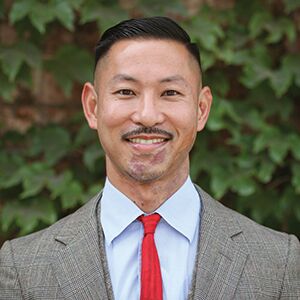
Jih-Fei Cheng is Associate Professor and Chair of the Department of Feminist, Gender, and Sexuality Studies at Scripps College, where he teaches and researches at the intersection of science, media, surveillance, and social movements. He holds a PhD in American Studies and Ethnicity with an emphasis in Visual Studies from the University of Southern California, an MA in Asian American Studies from UCLA, and a BA in Communication from UC San Diego. His interdisciplinary scholarship engages feminist, queer, and decolonial theories to analyze the political economies of virology, global health, and racial capitalism. His research centers on the historical and transnational entanglements of science, empire, and social justice. Key areas include the institutionalization of queer politics, the geopolitics of HIV/AIDS, and the racialized foundations of virology. His co-edited volume AIDS and the Distribution of Crises (Duke UP, 2020) rethinks the pandemic as a network of overlapping crises shaped by colonialism and neoliberalism. He is currently working on a book project titled Materialist Virology , which historicizes virology within Euro-American empire. Cheng’s recent publications span journals such as History and Technology , Radical History Review , and GLQ , with 2025 articles on financial contagion and reservoirs signaling his continued engagement with interdisciplinary frameworks linking finance, disease, and history. His work often collaborates with artists and activists, exemplified by writings on Candice Lin’s art and co-organized dialogues on care and intravention during the pandemic. He has been recognized with multiple awards, including the Lavender Graduation Award (2023, 2016), Professional Development Grants (2019–2020, 2016–2017), and fellowships from USC and the American Antiquarian Society. His teaching and service reflect a deep commitment to LGBTQIA inclusion, racial justice, and community-based scholarship. Lavender Graduation Award for providing safe and inclusive spaces for LGBTQIA students, Queer Resource Center, The Claremont Colleges (2023) Professional Development Networks Grant at The Claremont Colleges (2019–2020) Diversity Teaching Award Nominee, The Claremont Colleges (2018) EnviroLab Asia Research and Conference Award (2017–2018) Lavender Graduation Award (2016) Professional Development Networks Grant (2016–2017) Research Fellow, Summer Institute for the Center for Historic American Visual Culture, American Antiquarian Society (2014) Visual Studies Summer Research Award, USC (2014) New Directions Fellow, USC Center for Feminist Research (2011–2012) Tritia Toyota Fellowship (2001–2002) Cheng has advised and collaborated with numerous scholars and activists, though no formal advisees are listed. His work is deeply rooted in community engagement, having previously worked in HIV/AIDS social services and served on the Board of Directors at the HIV League. He was managing editor of American Quarterly (2010–2013) and has taught at UCLA and Hunter College. His research is supported by interdisciplinary networks and collaborative projects, including digital humanities initiatives and art-theory praxis. He is involved in multiple collaborative research and publishing projects, often working with artists like Candice Lin and scholars such as Alexandra Juhasz and Nishant Shahani. His recent special issue on 'Reservoirs' brings together scholars from anthropology, media studies, and philosophy to rethink historical and ecological crises. His lab-like collaborative environments include feminist media praxis collectives and interdisciplinary workshops on crisis, care, and decolonial knowledge.
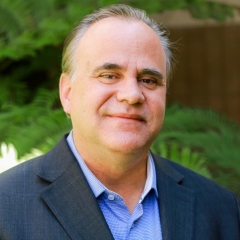
Steven DenBaars is a Professor of Materials and Electrical & Computer Engineering at the University of California, Santa Barbara (UCSB), where he holds the Mitsubishi Chemical Chair in Solid State Lighting and Displays. He serves as Director of the Institute for Energy Efficiency and Executive Director of the Solid State Lighting and Energy Electronics Center (SSLEEC). PhD, Electrical Engineering, University of Southern California BS, Materials and Metallurgical Engineering, University of Arizona MS, Materials Science, University of Southern California His research revolves around the growth and application of wide-bandgap (GaN-based) semiconductors for blue LEDs, laser diodes, high-power electronics, and quantum technologies. Key areas include MOCVD of III-V compound materials, strain engineering, and device fabrication. Recent publications highlight advancements in GaN-based microLEDs for quantum random number generation, UV LED efficiency, laser diode design, and strain relaxation techniques. Subfields span tunnel junctions, V-defect engineering, and metasurface light-emitting structures. 2021 ISCS Quantum Devices Award 2010 IEEE Photonics Society Aron Kressel Award 2008 JSAP Outstanding Paper Award 2005 IEEE Fellow 2014 National Academy of Inventors Fellow 2021 Central Coast Innovation Award Member, U.S. National Academy of Engineering He has co-founded four compound semiconductor companies (Nitres, Soraa, SLD Laser, Akoustis) and holds over 150 U.S. patents. His research group at UCSB includes 11 graduate students and postdocs focusing on III-nitride materials for optoelectronics and quantum applications. DenBaars leads the SSLEEC, a multidisciplinary lab advancing solid-state lighting and energy-efficient electronics through semiconductor innovation.
Yu Cao is an Adjunct Professor in the School of Electrical, Computer and Energy Engineering at Arizona State University (ASU). He holds a Ph.D. in Electrical Engineering from the University of California, Berkeley (2002), an M.A. in Biophysics (1999), and a B.S. in Physics from Peking University (1996). His research focuses on nanoscale technology modeling, variability and reliability in electronics, and hardware design for on-chip learning. Key interests include predictive technology modeling, post-silicon integration, and energy-efficient semiconductor devices. Dr. Cao has led multiple grants funded by NSF, Samsung, Semiconductor Research Corporation, and academic institutions. His work emphasizes bridging technology and design automation gaps in nanometer-scale integration. Courses taught include VLSI design, digital systems, and graduate research supervision. He has authored two books and numerous articles on nano-CMOS modeling and physical design. His recent research advances include stable, efficient organic light-emitting diodes (OLEDs) and electrochromic devices leveraging phosphorescent molecular aggregates. These innovations address challenges in color stability, energy efficiency, and device lifetime. Notable grants include NSF-funded projects on hardware and algorithms for on-chip learning (2015–2016) and low-power bio-signal processing (2015–2016). His contributions span semiconductor reliability, nanoelectronic device applications, and predictive circuit simulation techniques.
Prof. Sylvia Pont is a Professor of Perceptual Intelligence at Delft University of Technology, leading the Perceptual Intelligence lab and section. Her work focuses on multisensory design, lighting science, and ecological optics, emphasizing cross-disciplinary approaches to real-world perception challenges. She coordinates the Master’s course Lighting Design and teaches in human-centered design and multisensory systems. As an Associate Editor for the Journal of Vision , her research bridges art, science, and design, with notable contributions to lighting design methods and material perception. Research Themes: Multisensory experiences, light-material interactions, perceptual intelligence, and healthcare environments. Media & Outreach: Featured in ILI Magazine , Radio Omroep Delft , and public lectures like the Van Leeuwenhoek Lecture on light perception. Professional Roles: Board member of Stichting Dutch Daylight (2022–2026), promoting daylight research and applications. Her publications span lighting science, AI ethics, and healthcare acoustics, reflecting a commitment to interdisciplinary innovation. Recent work includes studies on ICU soundscapes, algorithmic fairness, and the perceptual impact of light color changes.
Dr. Mingfeng Wang is a Senior Lecturer in Robotics and Autonomous Systems at Brunel University London, affiliated with the Department of Mechanical and Aerospace Engineering within the College of Engineering, Design and Physical Sciences. His research focuses on specialized robotic systems including continuum, legged, soft, precision farming, and miniaturized robots. Chartered Engineer (CEng) with Engineering Council UK Fellow of the Higher Education Academy (FHEA) Member of IEEE, IEEE-RAS, IMechE, and IFToMM Editorial roles: Associate Editor of International Journal of Advanced Robotic Systems (JCR-Q3); Associate Editor of Frontiers in Robotics and AI (JCR-Q2); Editor of Information Processing in Agriculture (JCR-Q1), Biomimetic Intelligence and Robotics (JCR-Q1), and STEM Education Research expertise includes: Continuum Robotics : Design of extra-slender continuum robots (diameter-to-length ratio Legged Robotics : Parallel mechanism-based biped and hexapod robots for extreme environments Miniaturized Robotics : Active locomotion and drug delivery in capsule endoscopes Soft Robotics : Compliant end-effectors and bio-inspired designs Precision Farming : Laser weeding systems and agricultural automation Key scientific awards: BRIEF award (2022) TAROS Best Paper Post Nomination (2022) IFToMM Asian-MMS Best Paper Award (2014) Recent publications focus on: Cochlear implant surgery robotics Passive compliance in train fluid servicing Snake-biomimetic sealing surfaces Parallel kinematic manipulators Capsule endoscope image enhancement Professional services include conference organization (TAROS 2023/2024 Steering Committee; TAROS 2024 Programme Chair) and journal refereeing for IEEE-ASME Transactions on Mechatronics and Scientific Reports.
Arijit Bishnu is an Associate Professor at the Indian Statistical Institute in the Advanced Computing and Microelectronics Unit (ACMU). He has taught courses such as Design and Analysis of Algorithms , Randomized Algorithms , Computational Geometry , and Algorithms for Big Data over multiple years (2008–2025), focusing on theoretical and applied aspects of computer science. Research Interests: His work spans Theoretical Computer Science , Randomized and Approximation Algorithms , Computational Geometry , and Combinatorics . He explores problems in sublinear algorithms, streaming computation, geometric data analysis, and complexity theory. Publications: Recent papers include contributions to STOC 2025 , RANDOM 2025 , and APPROX 2024 , covering topics like property testing, triangle counting complexity, and streaming algorithms. Collaborations with researchers like Sourav Chakraborty, Gopinath Mishra, and Sayantan Sen highlight his interdisciplinary approach. Academic Leadership: He has co-organized research courses such as Approximation Algorithms and Topics in Algorithms and Complexity , emphasizing mentorship and knowledge dissemination in theoretical computer science. His comprehensive work integrates algorithmic innovation with rigorous mathematical analysis, advancing computational techniques for large-scale and geometric data.
Alexander Adames is a Presidential Postdoctoral Research Fellow in the Department of Sociology at Princeton University . His research focuses on economic stratification, particularly disparities in wealth and income across racial and educational groups. He holds a PhD in Sociology from the University of Pennsylvania (2023), alongside a master's in Statistics and Data Science from The Wharton School, and a master's in Sociology (2019). His work intersects social stratification, education sociology, race/ethnicity studies, and social psychology. Adames' research highlights the cumulative effects of colorism on wealth distribution, as seen in his 2023 Social Forces publication. He has received the Institute of Education Sciences (IES) Pre-doctoral Fellowship during his doctoral studies. While no advising or grant details are provided, his academic profile reflects a focus on quantitative methods and intersectional analyses of inequality. Further information is available at aadames.com .
Felix Sperling is a Professor in the Biological Sciences Department at the University of Alberta's Faculty of Science. His research focuses on insect systematics, evolution, and biodiversity, with a particular emphasis on Lepidoptera (butterflies and moths) and Coleoptera (beetles). He leads the Sperling Lab, which integrates molecular genetics, morphological analysis, and computational tools to study speciation, phylogenetics, and conservation. Current projects include investigating mountain pine beetles, spruce budworms, and swallowtail butterflies, with applications to pest management and biodiversity preservation. Courses taught include BIOL 335 (Principles of Systematics), ENT 327 (Terrestrial Arthropod Diversity), and ENT 527 (Advanced Terrestrial Arthropod Diversity). His lab trains students in taxonomy and genomics, with recent alumni including Leah Jackson (MSc 2024), Oksana Vernygora (PhD 2020), and Victor Shegelski (PhD 2020). The lab’s work frequently involves collaborations with museums and conservation agencies, leveraging natural history collections and genomic data to address ecological and evolutionary questions. Notable achievements include groundbreaking studies on species delimitation in butterflies and beetles, as well as the development of interactive tools for taxonomic analysis. The lab has also contributed to understanding the genetic basis of dispersal in forest pests like the mountain pine beetle.
Wes Osburn is an Associate Professor in the Department of Animal Science at Texas A&M University, specializing in meat science. He holds a B.S. in Agricultural Education from Texas A&M (1981), an M.S. in Meat Science from Texas A&M (1992), and a Ph.D. in Animal Science from the University of Nebraska (1996). Before joining Texas A&M in 2004, he served as faculty at Michigan State University with a joint appointment in Animal Science and Food Science & Human Nutrition. His research focuses on processed meats, food safety, meat quality, and value-added products, collaborating with national/international meat processors. He coordinated MSU’s meat judging program and has extensive industry engagement. Osburn’s work addresses innovations in meat processing, packaging, and consumer perception of alternative curing systems. His research integrates food chemistry, microbiology, and sensory science to enhance meat product quality and safety.
Xin Gao is a Professor in the Department of Mathematics and Statistics at York University, Toronto. His research focuses on Artificial Intelligence , Machine Learning , and Statistical Genetics , with applications in biomedical data analysis and planetary science. He leads the Artificial Intelligence and Machine Learning Lab , which has developed impactful tools like an online Type 2 Diabetes risk predictor using logistic regression and Mars rock composition analyzers for NASA. His methodological work includes penalized composite likelihood and multi-task feature learning , implemented in R packages FusionLearn and lassoGEE . Scientific Awards NSERC Discovery Acceleration Award ($120,000, 2018-2020) Key Software Contributions FusionLearn : Correlated multi-task feature learning lassoGEE : High-dimensional clustered/longitudinal data analysis Notable Collaborations Vector Institute (AI scholarship mentoring) Fields Institute (committee roles) International genomic data integration projects
Mark E. Warner is a full Professor in the School of Marine Science & Policy at the University of Delaware’s College of Earth, Ocean & Environment . Based at the Lewes campus , he leads research bridging coral physiology, phytoplankton ecology, and climate-change impacts on marine symbioses. Education Ph.D., Ecology, University of Georgia, 1998 East-West Marine Biology Program, Northeastern University, 1991 B.S., Zoology, University of Georgia, 1992 Research Interests Professor Warner’s work centers on physiological ecology of phytoplankton and reef-building corals , with particular emphasis on algal–invertebrate symbioses . His laboratory investigates how temperature stress, ocean acidification, and nutrient regimes modulate the fitness of both Symbiodiniaceae (zooxanthellae) and their cnidarian hosts. A major thrust is understanding thermotolerance mechanisms that underpin coral resilience in a warming ocean, employing techniques from bio-optical fluorometry to stable-isotope probing . Additional foci include the ecology of harmful algal blooms , where he examines how dinoflagellate growth, toxicity, and fatty-acid profiles respond to multifactorial environmental change, and the development of low-cost, field-deployable instrumentation (e.g., CBASS) for standardized coral-stress diagnostics. Publication Trends Across the most recent 15 publications (2023-2025), the work spans coral bleaching physiology, symbiont diversity, thermal tolerance, and technology innovation . Themes include zooxanthellae–host fidelity , nutrient-transfer efficiency under heat stress , and portable bio-optical tools for reef monitoring , reflecting a trajectory from cellular mechanisms to ecosystem-scale applications. Scientific Awards No awards are explicitly listed in the provided text. Advising & Grants No specific student names or grant numbers were found in the supplied materials. Laboratory & Teams Professor Warner directs an active research group within the College of Earth, Ocean & Environment at the University of Delaware’s Lewes campus , housed in Cannon Laboratory (Room 232). The lab collaborates closely with the marine operations and instrumentation teams to advance coral-reef science and phytoplankton ecology.