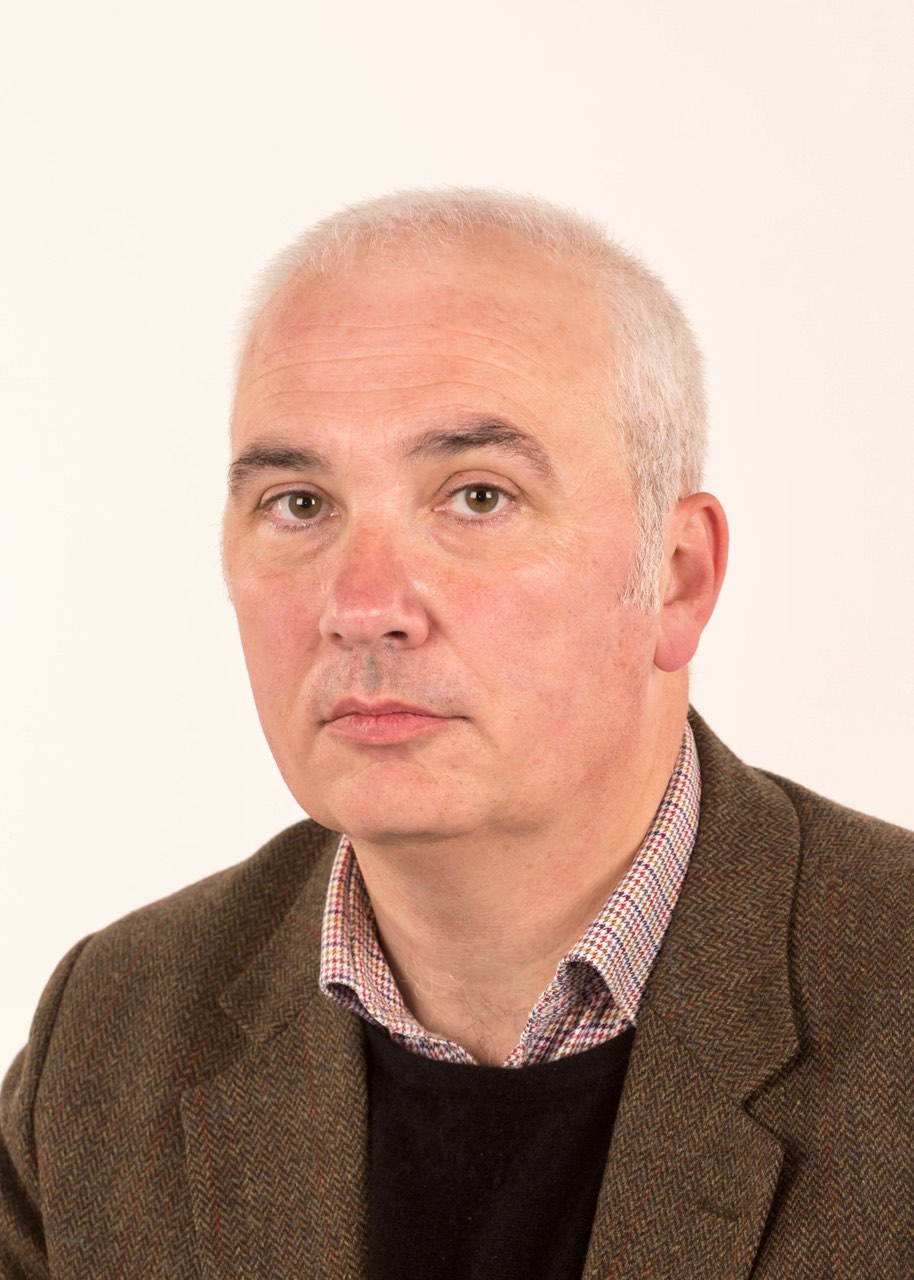
Dr. Daan van Rooij serves as an Assistant Professor in the Department of Experimental Psychology at Utrecht University's Faculty of Social and Behavioural Sciences. His academic work is centered within the Helmholtz Institute Experimental Psychology research program under Chair Kenemans. His research expertise spans Cognitive Neuroscience, Functional Magnetic Resonance Imaging, Psychology, Disruptive Behaviour Disorders (specifically ADHD, ODD, CD), Cognitive Development, and Artificial Intelligence. Van Rooij employs fMRI and EEG imaging metrics to study brain development during childhood and adolescence, with particular focus on understanding how biological and environmental factors shape the development of impulsive behavior in youth. His scholarly publications demonstrate strong contributions to autism research, ADHD symptomology, and the genetic architecture of brain structures, with work appearing in high-impact journals including Molecular Autism, NeuroImage: Clinical, and Nature Genetics. Dr. van Rooij teaches various courses within the bachelor and master programs of Applied Cognitive Psychology, as well as AI bachelor and master tracks at Utrecht University, including courses such as 'Artificial Intelligence for an Open Society' and 'Experimentele methoden en statistiek' (Experimental Methods and Statistics).
Katrina Choe serves as Assistant Professor in the Department of Psychology, Neuroscience & Behaviour at McMaster University and holds a Tier 2 Canada Research Chair in Neurobiology of Social Behaviour. Her research program investigates the multi-level neurobiological mechanisms underlying psychiatric disorders, with primary focus on autism spectrum disorders (ASD) and oxytocin signaling pathways. Her academic training includes: PhD in Neuroscience from McGill University (2013) Honours BSc in Zoology from University of Toronto (2002-2006) Postdoctoral Fellowship at UCLA (2013-2020) Dr. Choe's research employs an integrative approach spanning molecular, cellular, circuit, and network levels to examine how ASD-associated gene mutations disrupt social behavior. Current work centers on oxytocin signaling mechanisms in ASD, convergent neurobiological pathways across psychiatric disorders, and the role of glial cells in neural circuit function. Her lab utilizes advanced techniques including optogenetic fMRI, single-cell RNA sequencing, and multi-level behavioral assays in genetic mouse models. Analysis of her 15 most recent publications reveals a clear research trajectory: early work (2015-2020) established foundational knowledge in vasopressin neuron regulation and salt homeostasis, while recent publications (2022-2025) demonstrate a focused shift toward ASD mechanisms, oxytocin signaling, and social circuit dysfunction using the Cntnap2 knockout model. This evolution reflects her transition from postdoctoral training to independent research leadership. Her scientific recognition includes: Tier 2 Canada Research Chair in Neurobiology of Social Behaviour (2022) NIMH K99/R00 Award CIHR Postdoctoral Fellowship Dr. Choe actively mentors six graduate students across PhD and MSc programs while leading a dynamic research team comprising postdoctoral fellows, laboratory technicians, and undergraduate researchers. Her program receives substantial support from major grants including a 5-year CIHR Project Grant and NSERC Discovery Grant focused on 'The role of CASPR2 in central oxytocin system development.' The Choe Lab maintains active collaborations with leading neuroscience groups including the Bourque, Prager-Khoutorsky, and Cunningham labs, as evidenced by participation in the 4th 1000 Islands/Gananoque Meeting on Hypothalamic Mechanisms. Her laboratory, established in 2020, operates as a multidisciplinary hub utilizing molecular biology (qPCR, RNA-seq), advanced imaging (lightsheet, confocal), electrophysiology (in vitro and in vivo), and behavioral neuroscience approaches to investigate social behavior mechanisms. Current projects examine microglia-astrocyte-neuron interactions in social circuit function and the therapeutic potential of oxytocin for ASD-related social deficits.
Dr Fernanda Cardoso is a Senior Research Fellow at the Institute for Molecular Bioscience, University of Queensland. She holds dual Brazilian-Australian citizenship and specializes in venom peptide-based biodiscovery and therapeutics development for neurological disorders such as chronic pain, motor neuron disease (MND), and irritable bowel syndrome (IBS). Her interdisciplinary expertise spans neuropharmacology, medicinal chemistry, and drug discovery. Education: Bachelor's, Universidade Federal de Minas Gerais (UFMG) MSc in Molecular Pharmacology, UFMG PhD in Biochemistry and Immunology, UFMG Research Interests: Mechanisms and therapies for chronic pain/visceral pain/IBS Neurodegeneration pathophysiology and drug development Venom pharmacology of spiders, cone snails, and snakes Structure-function relationships of venom peptides Voltage-gated ion channel modulation Grants & Projects: Current: Peptide Inhibitors Targeting Sodium Channels (2023-2026) Past: Multifunctional analgesic inhibitors (2020-2023), IBS pain therapies (2018-2019) Supervision: Recently advised 14 students on projects including ALS therapies, venom peptide characterization, and ion channel modulation. Current openings focus on venom bioactives and neurological disorder treatments. Achievements: Pioneered venom-based ion channel modulator discovery, identified neuroprotective venom peptides, and developed a schistosomiasis vaccine candidate. Her work bridges basic research with clinical applications for global health challenges.
Professor Mike Le Pelley is a cognitive psychologist working in the School of Psychology at the University of New South Wales (UNSW). His research program spans multiple domains of cognitive science, focusing on the intersection of mind, brain and behavior. Professor Le Pelley's work aims to characterize the mental processes underlying human cognition and how these processes influence ongoing behavior in both healthy individuals and those with psychiatric conditions. His primary research focus is the relationship between attention and learning. Specifically, he investigates how attention changes as a result of learning about relationships between events. For example, as described in his profile, when driving, individuals prioritize the road ahead while trying to ignore distractions like squabbling children in the back seat. Professor Le Pelley's research examines the mechanisms that govern such attentional prioritization. While the core of his research focuses on fundamental processes in healthy cognition, he also studies how dysfunction in these processes contributes to conditions such as addiction and schizophrenia. His work has significant implications for understanding cognitive processes in both healthy individuals and those with psychiatric conditions. Professor Le Pelley has published extensively on topics including attentional capture by reward-related stimuli, associative learning, and the neural mechanisms underlying cognitive processes. His research frequently employs eye-tracking and neurophysiological methods to examine cognitive processes. His recent publications (2023-2025) demonstrate a clear research trajectory examining how reward systems influence attentional mechanisms. A significant portion of his work investigates how outcome variance, rather than just reward value, modulates attentional priority. His research on inner speech has provided important neurophysiological evidence regarding motor preparation and how this process is disrupted in schizophrenia. Professor Le Pelley's work consistently bridges basic cognitive mechanisms with clinical applications, particularly in understanding addiction and schizophrenia. Professor Le Pelley has made substantial contributions to theoretical frameworks in cognitive psychology, particularly in the areas of associative learning and attention. His 2010 book 'Attention and Associative Learning: From Brain to Behaviour' (co-edited with Chris Mitchell) is a significant contribution to the field. His collaborative work extends across multiple institutions and disciplines, reflecting the interdisciplinary nature of his research.
Meredith E. Coles is a Professor in the Department of Psychology at Binghamton University, State University of New York. She directs the Binghamton Anxiety Clinic (BAC), established in 2004, which focuses on OCD and social phobia treatment using cognitive-behavioral approaches. Her research explores OCD etiology, anxiety disorders, and the role of sleep/circadian rhythms in mental health. She holds a PhD and MA from Temple University and a BA from Dickinson College. Education: PhD/MA (Temple University), BA (Dickinson College) Research interests include cognitive vulnerabilities, not-just-right experiences (NJREs), repetitive negative thinking, and the impact of sleep disruptions on OCD outcomes. Methodologies involve experimental designs, EEG, eye-tracking, and emerging fMRI studies. She serves on editorial boards for journals like Behaviour Research and Therapy and Journal of Cognitive Psychotherapy . Her work emphasizes translational research, bridging clinical practice and science through the BAC’s community-based programs. Awards highlight her scholarly contributions to psychological science and cognitive-behavioral therapies. Labs/Teams: Directs the Binghamton Anxiety Clinic, collaborating on interdisciplinary projects examining OCD mechanisms and innovative treatment approaches.
Janine Olthuis is an Associate Professor in the Department of Psychology at the University of New Brunswick (UNB), located in Fredericton. Her research focuses on expanding access to evidence-based psychological interventions, particularly through the integration of physical activity, transdiagnostic approaches, and distance-delivered care. She holds a PhD in Clinical Psychology from Dalhousie University and a BA (Honors) from Smith College. Her academic roles include teaching undergraduate courses such as Abnormal Psychology and Community Psychology, and graduate courses in Cognitive Behavioural Therapy. Olthuis has been recognized with awards including the 2023 UNB Merit Award and multiple teaching nominations. Her work spans athlete mental health, anxiety sensitivity, and substance use, with a focus on innovative intervention designs. Research interests include: Physical activity’s role in mental health treatment Transdiagnostic interventions targeting shared risk factors (e.g., anxiety sensitivity) Distance-delivered therapies (e.g., internet-based care) Psychosocial factors in athlete substance use Recent publications highlight her contributions to topics such as athlete alcohol consumption, anxiety sensitivity profiles, and telehealth interventions for PTSD. She actively mentors graduate and undergraduate students in these research areas. Awards and recognitions include: 2023 Merit Award (UNB) 2014 Canadian Institutes of Health Research Postdoctoral Fellowship 2010-2013 Vanier Canada Graduate Scholarship Her advising and grant activities include supervising students in experimental and clinical studies. While no specific labs are listed, her research collaborations involve institutions like Dalhousie University and the Strongest Families program.
Professor Ken Ong is Professor of Paediatric Epidemiology at the University of Cambridge , jointly appointed in the Department of Paediatrics and the MRC Epidemiology Unit , School of Clinical Medicine . He co-leads the Unit’s Early Life Aetiology and Mechanisms of Diabetes and Related Metabolic Disorders programme with Dr John Perry and serves as an honorary consultant paediatric endocrinologist and clinical lead for childhood obesity at Cambridge University Hospitals NHS Trust . He also chairs the Scientific Advisory Committee on Nutrition’s Subgroup on Maternal and Child Nutrition . Education: PhD in Paediatrics, University of Cambridge and University of Oxford – investigating gene-environment interactions in fetal and early childhood growth using large population-based studies. Research Interests: Professor Ong’s overarching research addresses the early-life determinants of obesity, type 2 diabetes and related metabolic disorders . His programme integrates epidemiology, genetics, physiology and public health to identify developmental trajectories that confer long-term disease risk. Key themes include: The role of rapid postnatal growth and weight gain in programming later metabolic disease. Genetic and environmental influences on puberty timing and their consequences for obesity, diabetes and psychosocial outcomes. Mechanistic pathways linking early growth, reproductive maturation and lifelong health, with a view to informing behavioural interventions that delay puberty and prevent childhood obesity. Publication Trends: Across >150 publications, Professor Ong’s recent work (2024-2025) demonstrates a strong focus on large-scale genetic discovery (GWAS, exome and whole-genome sequencing) for traits such as adiposity, puberty timing, birth weight, proteomic aging and diabetes risk . Methodologically, his team employs Mendelian randomization to infer causality, integrates multi-omics (genomics, epigenomics, metabolomics) and leverages population cohorts (UK Biobank, ALSPAC, TOPCHILD Collaboration). Comparative studies now extend to canine models to validate obesity genes across species, while intervention coding work within TOPCHILD seeks to distil effective behavioural components for obesity prevention in early childhood. Scientific Awards & Recognition: While specific named prizes are not listed in the text, Professor Ong’s sustained leadership of a major MRC programme, chairmanship of national SACN subgroups and honorary NHS consultant role collectively denote significant peer recognition. Grants & Funding: Professor Ong’s programme is core-funded by the Medical Research Council (MRC) through the Early Life Aetiology and Mechanisms of Diabetes and Related Metabolic Disorders strategic award. Additional project grants arise from cross-disciplinary initiatives within Cambridge Reproduction and the Cambridge Metabolic Network. Laboratory & Team: He heads a multidisciplinary team located within the Institute of Metabolic Science on the Cambridge Biomedical Campus, integrating bioinformaticians, geneticists, epidemiologists and clinical researchers. Active collaborations span the MRC Epidemiology Unit, Department of Paediatrics, Cambridge University Hospitals NHS Trust and international consortia.
Dr. Mirit Grabarski serves as an Assistant Professor in the Department of Business Administration at Lakehead University, where she joined in August 2021. Her academic expertise spans organizational behavior and human resource management, with a distinctive focus on career development, diversity initiatives, and positive organizational dynamics within contemporary workplaces. Her educational foundation includes: Ph.D. from the Ivey Business School at Western University MBA from the Open University of Israel Dr. Grabarski's research investigates critical intersections of identity, empowerment, and systemic inclusion. She examines career empowerment through lenses of resilience and hope, analyzes neurodiversity management frameworks, and explores gender dynamics in leadership roles. Her work consistently addresses how organizational structures impact individual career trajectories, particularly during disruptive events like the pandemic, while emphasizing practical applications for inclusive workplace design. Analysis of her publication trajectory reveals a pronounced shift toward neurodiversity research since 2022, complemented by sustained investigation into gender composition effects. Her articles demonstrate methodological diversity across qualitative explorations of career control and quantitative analyses of leadership diversity impacts, with increasing emphasis on practical frameworks for inclusive management. Dr. Grabarski secured research funding as part of Lakehead University's November 2022 research initiative announcement. Her teaching portfolio includes Organizational Behaviour, Human Resource Management, and academic success courses previously delivered at Western University and Fanshawe College, reflecting her commitment to translating research insights into educational practice.
Dr. Kiran Soma is a Professor in the Department of Psychology at the University of British Columbia (UBC) and a member of the Djavad Mowafaghian Centre for Brain Health and the Graduate Program in Neuroscience. He investigates how steroid hormones regulate neural circuits, behavior, and immune function, with a focus on neurosteroids and immunosteroids. Education: PhD in Psychology from the University of Washington (2000), BA from Stanford University. Research Interests : Dr. Soma’s work spans behavioural neuroscience , neuroendocrinology , and neuroethology , examining how hormones like glucocorticoids, estrogens, and androgens influence aggression, executive function, and stress responses. His lab employs advanced techniques such as LC-MS/MS for steroid profiling and collaborates with experts in immunology, nutrition, and cancer research. Recent Publications highlight the impact of maternal diet on offspring steroid levels, the role of neurosteroids in aggression and brain function, and mechanisms of glucocorticoid synthesis in immune tissues. His studies often bridge comparative animal models (songbirds, rodents) with human applications , such as stress biomarker development. Scientific Awards : Killam Award for Excellence in Mentoring (2020) APS James McKeen Cattell Fellowship (2017) AAAS Fellow (2015) Killam Faculty Research Prize (2012) Killam Faculty Research Fellowship (2010) Advising & Grants : Dr. Soma has mentored numerous PhD, Master’s, and undergraduate students, including AAAS Fellows and Killam recipients. His research is supported by CIHR , NSERC , CFI , and HHMI , with a focus on cutting-edge infrastructure like the lab’s LC-MS/MS system . Labs & Collaborations : The Soma Laboratory at UBC studies neurosteroids and immunosteroids using multidisciplinary approaches. The lab collaborates with institutions globally, including the University of Rennes and NIH, and provides steroid analysis services via ultrasensitive LC-MS/MS.
Dr. Nouchka Tick is an Associate Professor at the Faculty of Social and Behavioural Sciences , Utrecht University , specializing in Developmental Psychology . Her work focuses on the transactional dynamics between social relations, teacher behavior, and student outcomes in special education. She actively engages in designing and organizing educational workshops, including the Key2Teach series, and has presented extensively on classroom interventions. Research Areas : Developmental Psychology, Special Education, Teacher-Student Relationships, Behavioral Interventions Awards : No specific awards mentioned in provided texts Recent Article Trends : Analyzing classroom behavior, ADHD, psychopathology, and the efficacy of the Good Behavior Game in special education settings Teaching Involvement : Courses like Psychodiagnostics in Clinical Developmental Psychology and lecturer roles in epidemiology and research methodology
Magdalena Janus is a Professor in the Department of Psychiatry & Behavioural Neurosciences at McMaster University, affiliated with the Faculty of Health Sciences. She is a leading expert in early childhood development, focusing on school readiness, developmental vulnerability, and the social determinants of child health. Her work emphasizes the use of population-level data tools like the Early Development Instrument (EDI) to monitor child development and inform policy. Research interests include: child mental health, immigrant/refugee child health, neighborhood socioeconomic effects, and pandemic impacts on development. Teaches HTHSCI 4SC3: 'Social Determinants of Child Health' at McMaster. Her research highlights disparities in developmental outcomes linked to socioeconomic status, immigration background, and health conditions. Key contributions include the Canadian Neighbourhoods Early Child Development (CanNECD) database and studies on asthma, anemia, and dental needs in kindergarten children. Recent work addresses pandemic effects on child development, with studies on educator perceptions, learning models, and food insecurity. She collaborates widely, including with the Offord Centre for Child Studies and international teams in Brazil, Malawi, and Pakistan.
Associate Professor Sridhar Vasudevan is a faculty member in the Department of Pharmacology , University of Oxford, where he leads research at the intersection of circadian biology, sleep science, and psychiatric drug discovery. He heads the Vasudevan Group and is a co-founder of the spin-out Circadian Therapeutics . Education: BSc in Biotechnology, Anna University, India (2004) MSc in Pharmacology, University of Oxford (2005) DPhil, University of Oxford (2009) – supervised by Grant Churchill & Antony Galione Research Focus: Dr Vasudevan’s laboratory investigates how circadian rhythms and sleep can be therapeutically manipulated to treat metabolic, psychiatric and neurodegenerative disorders . The team combines in silico drug-design, chemical biology, and translational models to identify novel molecular targets and develop small-molecule modulators of sleep and circadian pathways. Current projects explore adenosine signalling, salt-inducible kinases (SIKs), and the molecular clock in the context of bipolar disorder, HIV latency, and metabolic syndrome. Scientific Awards & Funding: BBSRC-RSE Enterprise Fellowship (Edinburgh) Successive grants from BBSRC, MRC and Wellcome Trust Teaching & Training: He delivers advanced courses in pharmacology, psychiatry, target discovery, and sleep/circadian science to medicine, biomedical sciences, and pharmacology students within the Medical Sciences Division. Industry Translation & Enterprise: Beyond academia, Dr Vasudevan co-founded Circadian Therapeutics , a company dedicated to translating circadian-targeted therapies to the clinic, underscoring his commitment to real-world health impact.
Professor Mark Tranmer is a faculty member at the University of Glasgow's School of Social & Political Sciences, Department of Quantitative Social Sciences. He joined in 2016 and previously held roles at the University of Manchester. He holds an Honorary Professorship at the University of Wollongong. Education: PhD in Social Statistics (University of Southampton, 1999), MSc and BSc in Statistics (University of Sheffield). Research Interests: Methodological: Multilevel models, social network analysis, relational event models (REM), combining network and spatial/organizational structures. Substantive: Public health (smoking/substance use, well-being), health systems (hospitals, patient safety), social stratification, animal behavior. Research Contributions: Over 15 articles from 2015–2024 focus on network-driven health outcomes, multilevel modeling innovations, and policy impacts (e.g., benefit sanctions). Notable work includes pandemic-related substance use disruptions and temporal animal social dynamics. Affiliations: Leads the Glasgow Quantitative Methods Group (GQMG), promoting interdisciplinary quantitative methods. Active in Mitchell Centre for Social Network Analysis (Manchester) and Cathie Marsh Institute (CMIST). Teaching & Supervision: Taught statistical methods globally; supervised 14 PhD students on quantitative applications in health/social sciences.
Dr. Caitlin Cowan is an NHMRC Investigator fellow and Scientia Senior Lecturer in the School of Psychology at the University of New South Wales. Her research focuses on the developing gut microbiome and its contribution to mental health risk and resilience through the gut-brain axis. Dr. Cowan completed her PhD in Behavioural Neuroscience and Masters of Clinical Psychology at UNSW. She subsequently undertook a prestigious Marie Curie postdoctoral fellowship at the APC Microbiome Ireland (University College Cork), establishing her expertise at the intersection of neuroscience and microbiome research. Dr. Cowan's research program examines how the gut microbiome influences mental health development, particularly in childhood. Her work bridges behavioral neuroscience and clinical psychology, employing both preclinical animal models and translational human studies. Her expertise spans gut-brain axis mechanisms, early-life microbiome development, anxiety and depression pathways, and potential microbiome-based interventions for mental health conditions. Her research has significant implications for understanding mental health risk and resilience factors during critical developmental windows. Analysis of Dr. Cowan's recent publications reveals a strong focus on the microbiome-gut-brain axis with particular emphasis on anxiety disorders, depression, and developmental mental health. Her work spans basic science investigating microbial mechanisms through to clinical applications and dietary interventions. A notable trend is her increasing focus on methodological rigor in microbiome research and the development of standardized protocols for animal studies. 2023-24 Superstars of STEM (Science & Technology Australia) 2022 Young Tall Poppy (Australian Institute of Policy and Science) 2021 APS Rising Star (Association for Psychological Science) 2021 Research Excellence and Impact Recognition Award (Brain & Mind Centre) 2020 Education & Public Engagement Person of the Year (APC Microbiome Ireland) Dr. Cowan currently leads an NHMRC Investigator Grant (2021-2025) titled 'The developing microbiome as a predictor and modulator of mental health risk & resilience: A translational gut-brain axis approach to improving childhood mental health.' Previously, she held a Marie Sklodowska-Curie Actions Individual Fellowship (2018-2020) for her project 'GutMIND: Gut microbiota-Microglia Interactions in NeuroDevelopment.' Her research program has attracted significant funding that supports her translational approach to understanding how early-life microbiome development influences mental health trajectories. Dr. Cowan's work is conducted within interdisciplinary research networks connecting UNSW with international collaborators, particularly through her previous fellowship at APC Microbiome Ireland. Her research bridges psychology, neuroscience, microbiology, and clinical practice, positioning her at the forefront of the emerging field of nutritional psychiatry and microbiome-based mental health interventions.
Paul Salkovskis is a Professor of Clinical Psychology at the University of Oxford and holds multiple leadership roles, including Director of the Oxford Centre for Psychological Health, the Oxford Institute of Clinical Psychology Training and Research, and the Oxford Cognitive Therapy Centre. He is also the Course Director for the Doctorate in Clinical Psychology (DClinPsych) and Clinical Director of the Oxford Health Specialist Psychological Interventions Clinic. His career spans over four decades, with previous roles at King’s College London and the University of Bath. Education: Qualified as a clinical psychologist in 1979 at the Institute of Psychiatry and Maudsley Hospital. He has extensive NHS experience, including leading national OCD services and establishing a NHS National Specialist Clinic upon his return to Oxford in 2010. Research Interests: Focuses on anxiety disorders (OCD, panic, agoraphobia, health anxiety), transdiagnostic factors (cognitive appraisals and safety-seeking behaviors), and health psychology (medically unexplained symptoms, long-term conditions, health decision-making). His work emphasizes evidence-based treatments and CBT dissemination. Publications: Over 200 peer-reviewed articles, focusing on CBT adaptations, OCD treatment efficacy, hoarding disorder, and mental health stigma. Recent work explores telehealth interventions and CBT mechanisms of change. Scientific Awards: MB Shapiro Prize (2017), Aaron T. Beck Award, Monte Shapiro Award, Honorary Fellowship of BABCP, and Fellow of the British Psychological Society. Advising & Grants: Leads CBT training programs globally and advises on NHS clinical services. His work integrates clinical practice with research, emphasizing translational science and public involvement. Labs/Teams: Involved with the Oxford Anxiety and Trauma (OxCADAT) research group and directs multiple training institutes. Editor-in-Chief of Behavioural and Cognitive Psychotherapy and chairs BABCP.