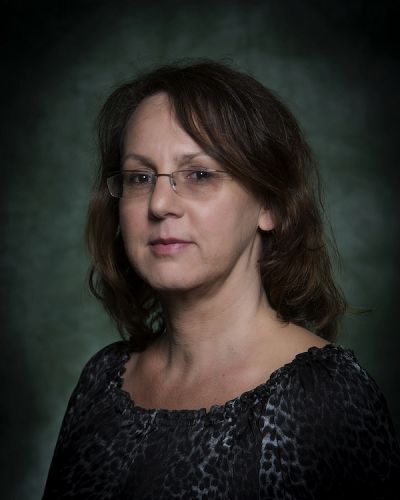
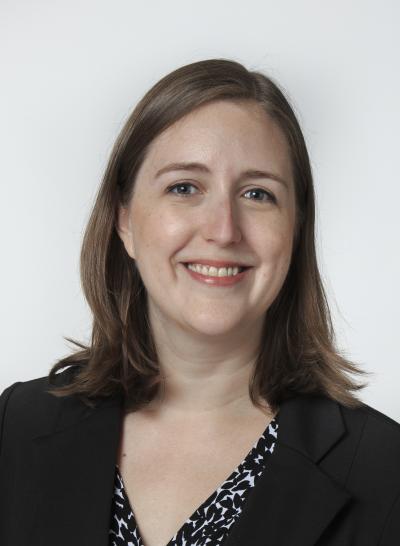
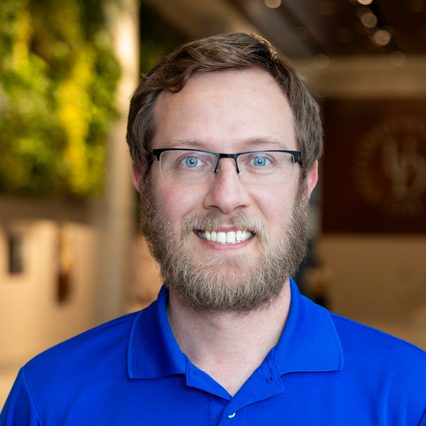
Dr. Maria Hadjimarkou is an Assistant Professor in the School of Psychology at the University of Sussex. She holds a PhD in Neuropsychology from the City University of New York (CUNY) and has held academic positions including Assistant Professor (University of Nicosia, 2010–2018) and Special Scientist (University of Cyprus, 2010–2013). Her research focuses on sleep physiology, mental/physical health interactions, gonadal hormones, and behavioral pharmacology. Education includes a PhD in Neuropsychology (CUNY), MA Psychology (CUNY), and BA degrees in Psychology (CUNY) and Pre-School Education (University of Cyprus). Professional certifications include PGCerHE from the University of Sussex. Research interests emphasize sleep’s role in health, hormone-sleep interactions, and neuropharmacology. Recent articles explore sex differences in circadian rhythms, immunity-sleep links, and trauma studies in Cyprus. Awards include the Sussex Spirit Award and Young Investigator Travel Award. She teaches modules like Psychology of Sleep and Biological Basis of Mental Disorders , and coordinates Study Abroad programs. Professional roles include Deputy Head of the Exam Board and membership in the Equality Diversity and Inclusion committee.
Dr. Lisa M. Savage is a Professor in the Department of Psychology at Binghamton University. Her research focuses on understanding the neural mechanisms underlying memory disorders, including Wernicke-Korsakoff’s disease, alcohol-induced dementia, and Alzheimer’s disease. She employs a systems-level approach combining neuroanatomical, biochemical, and electrophysiological techniques to study neural circuits involved in learning and memory. Education: PhD in Psychology from the University of Minnesota, Minneapolis; Postdoctoral training at the VA Medical Center, San Diego. She has received prestigious awards such as the APA’s Distinguished Scientific Early Career Award and the Chancellor’s Award for Excellence in Scholarship. Her lab investigates how alcohol, aging, and malnutrition impact cholinergic circuits and cognitive function. Current research includes exploring neurotrophin-mediated recovery of cholinergic neurons via exercise and the role of thalamocortical circuits in alcohol-related brain damage. Key techniques used include viral tracing, immunocytochemistry, and chemogenetics. Dr. Savage mentors students through a collaborative environment emphasizing creativity and data-driven discovery. She has trained over 20 graduate students and postdocs who now hold academic and industry roles. Her work is funded by the NIAAA through grants like the NADIA and DEARC initiatives.
Claudia Persico is an Associate Professor in the Department of Public Administration and Policy within the School of Public Affairs at American University. She holds multiple prestigious research affiliations, including as a Research Associate at the National Bureau of Economic Research (NBER), an IZA Institute of Labor Economics Research Fellow, and a Research Affiliate with the Institute for Research on Poverty at the University of Wisconsin-Madison and the Institute for Policy Research at Northwestern University. She is also affiliated with the Center for Environmental Policy at American University. Dr. Persico earned her Ph.D. and M.A. in Human Development and Social Policy from Northwestern University, an M.A. in Philosophy of Religion from the University of Chicago, and a B.A. in Biology from Boston University. Prior to her current position, she served as an Assistant Professor at the University of Wisconsin-Madison. Her research focuses on the intersection of environmental policy and education policy, with particular emphasis on how early exposure to environmental pollution affects child and adult health, development, behavior, and academic achievement. She employs causal inference methods to examine how poverty, the environment, and children's cognitive development and health are interconnected. Her work also investigates school funding impacts on long-term outcomes, school segregation effects on racial disparities in special education, and how childhood pollution exposure affects academic performance. Dr. Persico's research has been featured in top journals including the Quarterly Journal of Economics , the Journal of Labor Economics , and the Journal of Human Resources , and has been covered by major media outlets such as the New York Times, Washington Post, NPR, and the Atlantic. Her recent publications reveal a strong focus on air pollution's effects on educational outcomes, the relationship between pollution and health outcomes including suicide, and the economic implications of environmental policies. The research consistently demonstrates how environmental factors create and perpetuate inequality through their impact on child development and educational achievement. Research Associate at the National Bureau of Economic Research (NBER) IZA Institute of Labor Economics Research Fellow Research Affiliate with the Institute for Research on Poverty at the University of Wisconsin-Madison Research Affiliate with the Institute for Policy Research at Northwestern University Affiliated with the Center for Environmental Policy at American University Dr. Persico actively advises on policy matters and has been interviewed by major media outlets regarding her research findings. Her work has significant implications for environmental regulation, education policy, and public health initiatives. She teaches courses including PUAD-685 Topics in Policy Analysis/Management: Education/American Policy System and PUAD-604 Public Program Evaluation at American University.
Daoyun Ji is a Professor in the Department of Neuroscience at Baylor College of Medicine. His research focuses on neural circuit mechanisms underlying memory formation, consolidation, and utilization, with a particular emphasis on how memories guide behavior. He holds a Ph.D. in Neuroscience from Baylor College of Medicine and advanced training at MIT. Education: Ph.D., Baylor College of Medicine (2000); Ph.D., Nankai University (1996); Advanced training at MIT (2008) Research interests include the interplay between visual cortex and hippocampus during memory encoding, sleep-dependent memory processing (focusing on slow-wave and REM sleep roles), and memory dysfunction in neurodegenerative disorders like Alzheimer’s. His lab uses electrophysiological recordings, genetic models, and computational approaches to study neural circuits in rodents. Key findings include identifying rigid hippocampal firing patterns in tauopathy models and demonstrating sleep’s role in memory consolidation via hippocampal-cortical replay. Collaborations include work with Mauro Costa-Mattioli and Huda Zoghbi. Lab members include postdoctoral associates and a PhD student. Publications highlight breakthroughs in memory replay dynamics, LSD’s impact on spatial perception, and tau-mediated neurodegeneration effects. Ongoing projects explore social learning mechanisms and disease models of memory disorders.
Billie Jo Rodriguez is a Senior Lecturer in the School Psychology program within the University of Oregon’s College of Education. She holds dual roles as a practicing school psychologist and district Positive Behavior Interventions and Supports (PBIS) Coach in Springfield Public Schools. With over 15 years of experience, she specializes in behavioral assessment, systems-level consultation, and multi-tiered support frameworks. Rodriguez authored/co-authored influential works such as An educator’s guide to schoolwide PBIS and contributes to professional development through national conference presentations and editorial roles. Her teaching focuses on behavior management, consultation, and intervention strategies in special education settings. Education: Dr. Rodriguez earned a PhD in School Psychology (2010), MS in Special Education (2008), and BS in Psychology (Summa Cum Laude, 2005) from the University of Oregon and University of Central Arkansas, respectively. Research & Awards: Her research bridges behavioral analysis and educational systems, emphasizing culturally responsive practices and professional development. She received the 2014 President’s Distinguished Teaching Award and UTSA’s Excellence in Teaching Award. Her work has been funded by grants such as the Dynamic Indicators for Basic Early Literacy Skills (2008). Advising & Leadership: Rodriguez supervises practicum students and interns in school psychology and behavior analysis. She previously coordinated an ABA certificate program at the University of Texas at San Antonio and served in district/state leadership roles for PBIS implementation.
John R. Seeley is a Professor and Associate Dean for Research at the University of Oregon's College of Education. He specializes in prevention science, special education, and school-based mental health interventions. His research focuses on emotional and behavioral disorders, suicide prevention, and substance abuse prevention. Dr. Seeley holds a PhD in Special Education (2001), an MS in Interdisciplinary Studies (1991), and a BS in Political Science (1985), all from the University of Oregon. His research interests emphasize school-based screening, prevention, and treatment for psychopathology. He leads a National Institute of Mental Health-funded study on adaptive treatments for suicidal college students and directs evaluations for Oregon's suicide prevention initiatives. He received the 2021-22 Fund for Faculty Excellence Award. Dr. Seeley is Principal Investigator (PI) or Co-PI on several grants, including studies on family-centered web programs for youth behavior and substance use prevention. His work bridges clinical research and policy, with a focus on scalable interventions. He advises the Ballmer Institute for Children’s Behavioral Health and collaborates with state agencies like the Oregon Health Authority. Grants: R01DA037628 (Family Check-Up Online), R01MH116050 (Suicide Intervention Trial), H79SM086285 (Oregon Project AWARE). Awards: 2021-22 Fund for Faculty Excellence Award. His publications span journals like Drug and Alcohol Dependence and Journal of School Psychology , reflecting contributions to prevention science and child mental health. He prioritizes equitable implementation of evidence-based practices in schools and communities.
Jamie Edgin is a Professor and Chair of the Department of Psychology at Virginia Polytechnic Institute and State University. She directs the Memory Development and Policy Lab, focusing on sleep, memory, and brain development in typical and atypical populations. Her research bridges cognitive neuroscience with policy advocacy, particularly in neurodevelopmental disorders like Down syndrome and autism. Edgin holds a PhD in Developmental Cognitive Neuroscience from the University of Denver. Research & Grants: Her work includes NIH/NICHD grants since 2016 and a Bill & Melinda Gates Foundation grant (2014) on sleep in at-risk infants. Notable findings link sleep disruption to cognitive challenges in Down syndrome. Collaborations span institutions like UNAM in Mexico City. Awards: 2020 Distinguished Contribution to Science Award (Arizona Psychological Association), 2015 LuMind Rising Star Award, 2018 Koffler Prize for Outreach. Teaching: Courses include Developmental Cognitive Neuroscience and Sleep and Sleep Disorders. Policy Work: Advocacy efforts include global parent group engagements and policy-informing research. Edgin is a first-generation college graduate, born in Pennsylvania’s Appalachian region.
Ibra S. Fancher serves as an Assistant Professor in the Department of Kinesiology & Applied Physiology within the College of Health Sciences at the University of Delaware. His research program focuses on vascular physiology with particular emphasis on ion channel mechanisms underlying cardiovascular dysfunction in obesity, diabetes, and hypertension. Dr. Fancher directs the Vascular Ion Channel Research Laboratory and maintains active editorial roles with BMC Cardiovascular Disorders and AJP Heart and Circulatory Physiology. Dr. Fancher completed his PhD in Exercise Physiology at West Virginia University in 2014 followed by a postdoctoral fellowship at the University of Illinois at Chicago in the Department of Medicine, Division of Pulmonary, Critical Care, Sleep and Allergy, and Department of Physical Therapy. His research investigates how cardiovascular risk factors impair vascular function through mechanisms involving smooth muscle and endothelial ion channels, particularly inwardly rectifying potassium (Kir) channels. Current work examines how obesity, hypertension, and hypercholesterolemia disrupt vascular tone regulation through CD36-mediated pathways, glycocalyx alterations, and cholesterol-protein interactions. The laboratory employs physiological, cellular, and molecular techniques in both animal models and human subjects to identify novel therapeutic targets for preventing vascular dysfunction progression. Analysis of Dr. Fancher's recent publications reveals a strong focus on vascular ion channels (particularly Kir2.1), adipose-vascular interactions, endothelial mechanotransduction, and the role of CD36 in metabolic vascular disease. His work spans basic molecular mechanisms to translational human studies, with increasing emphasis on obesity-hypertension interactions and immunometabolic aspects of vascular function. Editorial Board Member, BMC Cardiovascular Disorders Editorial Board Member, AJP Heart and Circulatory Physiology Member, APS Awards Committee Dr. Fancher directs the Vascular Ion Channel Research Laboratory which investigates mechanisms of vascular dysfunction in cardiovascular risk factors. His team uses physiological, cellular, and molecular approaches to study ion channels in disease pathways, with particular focus on how obesity, diabetes, and hypertension impair vascular function through distinct mechanisms involving endothelial Kir channels and glycocalyx integrity. Current research explores CD36-mediated pathways, lipid-ion channel interactions, and adipose-vascular crosstalk in disease progression.
Professor Siobhan O'Neill is a Full Professor of Mental Health Sciences at Ulster University's School of Psychology within the Faculty of Life & Health Sciences. She serves as Northern Ireland's Mental Health Champion, advocating for mental health policies and services. Her roles include public advocacy for marginalized communities and voiceless groups, emphasizing lived experience perspectives. Education : Bachelor's in Psychology from Queen's University Belfast Master's in Health Psychology from NUI Galway Research Focus : Mental health in school children, transgenerational trauma from Northern Ireland's Troubles, and suicide prevention. Key projects include the NI Study of Health and Stress (2008) and the NI Suicide Study (1600+ cases). Current work explores digital mental health interventions and biological bases of suicidal behavior. Key Contributions : Member of World Mental Health Survey Consortium Director of Youthlife and National Suicide Research Foundation Advisor to suicide prevention organizations like I Am Here Tribe Leads interdisciplinary teams (e.g., Outstanding Interdisciplinary Research Team Award, 2024) Awards : Best Journal Paper Award (2025) National Societal Impact Award (2020) Inaugural Industry-Academic Collaboration Award (2019) Grants & Projects : Active project 'Our Generation' (2024–2027) developing a youth-focused mental health app. Supervised PhD students include Gillian Cameron (Chatbot applications) and Jamie McNulty (scoping reviews). Labs/Teams : Collaborates with the National Confidential Inquiry into Suicide and the World Health Organization's mental health initiatives.
Dr. Theodore Tomeny serves as Associate Professor of Psychology and Director of Undergraduate Studies at the University of Alabama, with affiliations spanning the Center for Innovative Research in Autism, Center for Youth Development and Intervention, and Alabama Research Institute on Aging. His work bridges clinical practice and academic research within the autism spectrum disorder (ASD) community. Dr. Tomeny earned his Ph.D. from The University of Southern Mississippi followed by a pre-doctoral internship specializing in autism at Indiana University School of Medicine. His educational background established the foundation for his dual focus on clinical application and research innovation in developmental disabilities. His research program centers on autism spectrum disorder and intellectual developmental disabilities across the lifespan, with particular emphasis on family dynamics, sibling relationships, and long-term care planning for aging families. He investigates quality-of-life factors, cross-neurotype interactions, stakeholder perceptions of ASD, and systemic barriers faced by rural and underserved populations. Current projects examine undergraduate attitudes toward autistic peers, social interaction experiences of autistic adults, and rural caregivers' knowledge of autism. Analysis of Dr. Tomeny's publication trajectory reveals consistent thematic focus on family systems surrounding ASD, with increasing attention to lifespan transitions and rural healthcare disparities. His work demonstrates methodological diversity spanning systematic reviews, mixed-methods studies, and naturalistic interventions, all oriented toward improving service delivery and family outcomes. Dr. Tomeny mentors a dynamic research team within the Research on Autism and Families (RAF) Lab, supervising graduate students including Allison Birnschein, Rachel Harmon, Jong-Woo Suh, and Olivia Ward alongside undergraduates like Amaya McClain. His trainees have secured prestigious positions at institutions including Indiana University School of Medicine, Children's Hospital Colorado, and Cook Children's Medical Center. The RAF Lab operates as a multidisciplinary hub conducting eight active research initiatives including long-term care planning for autistic adults, social interaction studies for autistic adults, and investigations into rural teachers' knowledge of autism. The lab maintains strong clinical ties with the University of Alabama ASD Clinic and UA-ACTS program to ensure research translation into practice.
Allan Fu is a Lecturer in Physiotherapy at the University of Sydney, affiliated with the China Studies Centre , Sydney Southeast Asia Centre , and Charles Perkins Centre . His academic profile focuses on clinical and sports science intersections, including injury prevention, musculoskeletal pain management using acupuncture, biomechanics, and talent identification in sports. Research interests span Clinical Science , Sports Injury Prevention , Musculoskeletal Pain Management , Biomechanics , Skill Acquisition , and Talent Identification . Key projects involve Sports Injury Management , Musculoskeletal Pain with Acupuncture , and Talent Identification in High School Athletes . Recent publications highlight systematic reviews on weather-related musculoskeletal pain , pregnancy outcomes , and biomechanical studies in scoliosis and postural adjustments. Collaborative work also explores physical activity trends during the pandemic and ultrasound-guided interventions for knee osteoarthritis. Dr. Fu supervises research students Lynn and Varalakshmi Sivanesan, whose projects focus on pregnancy-related musculoskeletal pain and augmented reality interventions for children with DCD . Current grants include funding from the Ministry of Education, Singapore, and the University of Sydney's China Studies Centre for initiatives like technology-enhanced throwing pedagogy and movement screening tests for physical inactivity. He collaborates with multidisciplinary teams at the China Studies Centre and Charles Perkins Centre , integrating clinical practice with technological innovation to advance physiotherapy approaches.
Prof. Ilia Karatsoreos is a Professor and Department Chair in the Department of Psychological and Brain Sciences at the University of Massachusetts Amherst. He holds a B.Sc. from the University of Toronto (2001), a Ph.D. from Columbia University (2008), and completed postdoctoral work at The Rockefeller University. His research focuses on circadian rhythms, stress physiology, neuroimmunology, and metabolic dysfunction. Key areas include how circadian disruption affects brain function, immune responses, and metabolic health, with grants from NIH and NSF. Research interests span circadian regulation of metabolism, stress adaptation, and the neurobiological mechanisms underlying resilience. He investigates how daily biological clocks influence mental and physical health, with applications to modern societal challenges like shift work and chronic stress. Recent work explores time-of-day effects on immune function, astrocyte activation, and metabolic pathways in the brain and periphery. Notable grants include an NSF CAREER Award for studying circadian influences on prefrontal cortex function and an NIH R01 for metabolic studies. Collaborations with institutions like Washington University and Barnard College advance understanding of stress hormones and developmental impacts. His lab integrates in vivo biosensors, electrophysiology, and molecular techniques to study brain-body interactions.
Dr. Neil Boyle is a Research Fellow at the University of Sheffield's School of Psychology and affiliated with the Interdisciplinary Centre of the Social Sciences (ICOSS). He holds qualifications including a PhD in Psychology, a BSc (Hons) in Psychology, and an Advanced Diploma in Learning Disabilities Nursing. His research focuses on the interplay between stress, cognition, and health, with particular attention to dietary interventions, food insecurity, and sustainable nutrition strategies. Dr. Boyle's work examines how stress influences eating behaviors and explores nutrients' potential to modulate stress vulnerability. He also investigates population-level food security challenges and promotes evidence-based policy solutions. Key projects include the H3 initiative (Healthy Soil, Healthy Food, Healthy People) and collaborations with organizations like Sanofi Aventis on cognitive and stress-related research. Grants include £6.1M UKRI funding for H3 and £426K from Sanofi Aventis for headache-related cognitive research. Publications span topics from fiber consumption policies to prebiotic impacts on cognitive resilience. His research has practical applications in public health strategies, food system resilience, and stress management interventions. Collaborations with policymakers and industry highlight his commitment to bridging academic research with real-world solutions.
Daniel Smilek is a Professor at the University of Waterloo, leading the Vision and Attention Lab. His research focuses on understanding attentional engagement in real-world settings, including mind wandering, sustained attention, and media multitasking. He holds a BSc from McMaster University and advanced degrees (MA, PhD) from the University of Waterloo. His work bridges theoretical frameworks with practical applications, examining how attention shapes everyday experiences. Key research interests include: Mind wandering mechanisms and consequences Vigilance and sustained attention over time Flow states and peak engagement Impact of media multitasking on cognitive performance Attentional errors and recovery processes Funded by the Natural Sciences and Engineering Research Council (NSERC), his lab investigates attentional dynamics using experimental and naturalistic methods. Notable contributions include defining intentional vs. unintentional mind wandering and exploring pandemic effects on learning. He received the 2007 Outstanding Performance Award for his scholarly contributions. Students interested in joining his lab can contact him via email or visit his office. His research spans educational psychology, cognitive neuroscience, and applied attention science, with over 150 peer-reviewed publications since 2000.
Dr. Virissa Lenters is an Assistant Professor in environmental epidemiology at the Vrije Universiteit Amsterdam (VU), affiliated with the Faculty of Science, Department of Environmental Health & Toxicology, and the Amsterdam Institute for Molecular and Life Sciences (AIMMS). She investigates the health impacts of plastic and chemical pollution on maternal and child health, with a focus on disparities in exposure and resilience mechanisms. Her work is supported by national (ZonMW) and EU-funded projects, including the AURORA initiative addressing microplastic risks and the FREIA project studying endocrine-disrupting chemicals. Education: MSc and PhD in Epidemiology from Utrecht University (Registered Epidemiologist B). Research Interests: Environmental health, planetary health, child health, exposome science, microplastics pollution, and endocrine-disrupting chemicals. She contributes to UN Sustainable Development Goals related to health and environmental sustainability. Grants: Principal Investigator of the FLES project (€300k, 2023–2025) and co-applicant for AURORA (€6M, 2021–2026). Projects include PFAS exposure studies in lactating women (VU-Amsterdam UMC-RIVM collaboration). Teaching: Courses include Gezondheid en Leven (Bachelor-level) and Epidemiology for Toxicologists (post-graduate). Holds a University Teaching Qualification (UTQ). Societal Engagement: Member of the Health Council of the Netherlands’ Subcommittee on Reproduction Toxic Substances since 2024. Media contributions include expert commentary on microplastics, pesticides, and air pollution. Labs/Teams: Collaborates across disciplines in projects like AURORA and FLES, focusing on translational research and policy impact.