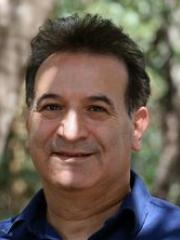
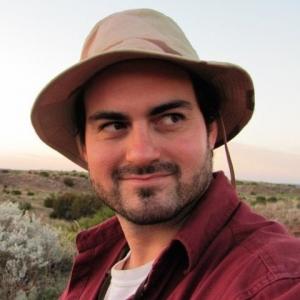
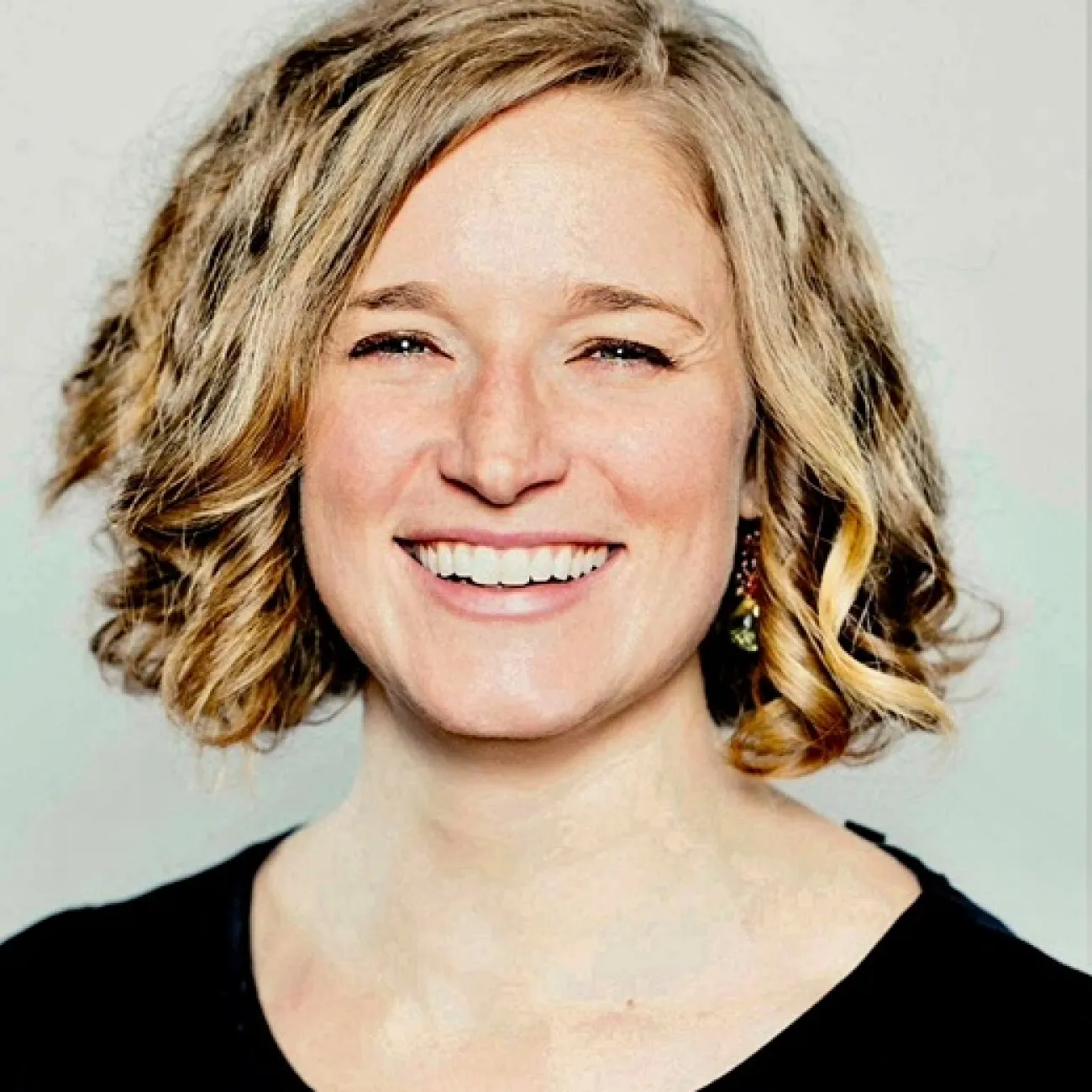
Betül Demirci Kurşun is a researcher affiliated with the Department of Mechanical Engineering at Başkent University. She collaborates with Assoc. Prof. Dr. Nureddin Dinler on projects related to fluid dynamics, thermoeconomics, and fire safety analysis. Her research focuses on: Computational Fluid Dynamics (CFD) applications in mechanical systems Thermoeconomic analysis of energy systems Fire dynamics and tunnel ventilation Design optimization of mechanical components Energy efficiency in thermal systems Recent publications highlight her work on smoke dispersion in tunnels, boiler thermoeconomics, dust collection units, and vehicle fire modeling. Her studies often integrate numerical simulations and experimental validations.
Associate Professor Mehmet Kizil is the Mining Engineering Program Leader at the School of Mechanical and Mining Engineering, The University of Queensland. With a career spanning 25+ years, he holds a Bachelor of Mining Engineering (1986) from Dokuz Eylul University (Turkey) and PhD (1993) from the University of Nottingham (UK). His affiliations include being an affiliate of Future Autonomous Systems and Technologies and active participation in Mining Education Australia. School of Mechanical and Mining Engineering Australian Research Council (ACARP, CRCTiME, MRIWA, SIMTARS, industry partners) Research interests focus on mine planning/design, production optimization, computer/virtual reality applications, and mine ventilation systems. His 2025-2024 publications highlight innovations in FMIPCC systems, methane dispersion modeling, digital twins for mineral processing, and sustainable underground mining. Notable scientific achievements include being recognized as Higher Education Academy Senior Fellow (2018) and receiving national teaching awards. His work with industry partners (Newcrest, Rio Tinto, BHP, Xstrata, Anglo American, Origin Energy, Iluka Resources) has secured over $3M in research funding.
Gaurav Baruah is a researcher in the Faculty of Biology at the University of Bielefeld , specializing in Theoretical Biology . His work explores ecological systems through mathematical and network-based approaches, aligning with the university’s strategic research area on the Changing World , which investigates societal and environmental dynamics under uncertainty. Research Focus: Network science in ecological systems, including food web recovery, mutualistic networks, and climate change impacts on biodiversity.Eco-evolutionary feedbacks and trait-based modeling for species coexistence and population resilience. Grants & Collaborations: Participation in interdisciplinary projects under DFG Collaborative Research Centres and European Commission-funded initiatives, emphasizing complex systems and global change biology. Contact: Email gaurav.baruah@uni-bielefeld.de | Office: UHG W4-113 | Phone: +49 521 106-5572
Manuel Hess, a German national, serves as an Associate Professor in the Department of Accounting, Law & Finance. His academic work focuses on Venture Capital, New Venture Growth, Gender Equality, Entrepreneurship, Corporate Governance, New Venture Boards, and Social Networks. Hess's research provides critical insights into startup funding dynamics, board governance structures, and gender-based disparities in entrepreneurial success. Hess investigates venture capital decision-making processes with emphasis on corporate strategic search, technology sourcing ambidexterity, and gender bias in investor evaluations. His work reveals how physical appearance affects women entrepreneurs' funding outcomes and how emotional dynamics undermine gender equality in boardrooms. He also develops practical frameworks like the Startup Navigator to guide entrepreneurs through scaling challenges and governance complexities. Analysis of Hess's 2020-2025 publications shows a cohesive research trajectory centered on venture capital-performance linkages, gender dynamics in entrepreneurship, and startup governance evolution. Key contributions include identifying performance spillovers from core-focused corporate venture capital, documenting attractiveness biases in funding decisions, and exposing emotional barriers to boardroom equality. His recent work increasingly integrates practical tool development with theoretical insights for entrepreneurial ecosystems.
August (Gus) Costa is an Adjunct Lecturer in Anthropology & Earth Science at Rice University. He directs the Houston Archaeological Society (HAS) lab and collaborates with institutions like the Houston Museum of Natural Science and the Whiteside Museum of Natural History. His teaching emphasizes experiential learning, with courses in Paleo-Technology , Geoarchaeology , and Paleontology . Research Focus : Costa investigates early human settlement in southern Asia, transitional lithic technology in western India, and vertebrate fossil preservation at Gopnath. His work bridges archaeology, paleontology, and earth science, with field programs identifying Ice Age fossil localities and lab revitalization projects for HAS collections. Articles Trends : His publications center on Pleistocene paleobiogeography , lithic technology , experimental archaeology , and human dispersal models . Key themes include coastal refugia, bone technology, and taphonomic processes. Scientific Awards : Fulbright Scholar Grants & Collaborations : Received teaching grants from Rice University to support interactive lessons in experimental archaeology. Collaborates with museums for exhibits like 'Scenes From The Stone Age' and events such as International Archaeology Day. Labs & Teams : As HAS lab director, he revitalized collections facilities at Rice, improving storage, labeling, and online access. Supervises the Katy Mammoth Project, providing field and lab opportunities for students.
Anne Goldizen is a Professor at the School of the Environment at the University of Queensland, Australia. With over 130 journal articles, 3 book chapters, 12 conference papers, and 1 data collection throughout her career, she has established herself as a leading researcher in animal behavior and conservation biology. Her work spans multiple continents and ecosystems, focusing particularly on marsupial ecology, predator-prey dynamics, and marine mammal behavior. Dr. Goldizen's research interests center on animal social behavior, particularly in marsupials like kangaroos and wallabies, but also extending to marine mammals and other species. Her work examines social structure, mating systems, vigilance behavior, dispersal patterns, and the impact of environmental factors on animal populations. She has made significant contributions to understanding the complex social dynamics of eastern grey kangaroos, the conservation challenges facing northern quolls, and the acoustic communication of humpback whales. Her research employs sophisticated methodologies including genetic analyses, long-term field observations, and experimental approaches to unravel the intricate relationships between animal behavior and ecological processes. Analysis of her most recent publications reveals a researcher with remarkable breadth and depth. Her work spans terrestrial and marine ecosystems, examining everything from marsupial social networks to coral reef ecology. A consistent theme throughout her career has been investigating how animals respond to environmental pressures, whether through behavioral plasticity, social organization, or physiological adaptations. Her research on kangaroo sociability, quoll conservation, and whale communication demonstrates both theoretical sophistication and practical relevance to wildlife management and conservation. Dr. Goldizen has collaborated extensively with researchers across multiple institutions and disciplines. Her work often involves long-term field studies that require significant logistical coordination and team management. While specific grant information isn't provided in the available text, her extensive publication record suggests successful acquisition of competitive research funding. She has mentored numerous early-career researchers, as evidenced by her collaborations with junior authors on many publications.
Dr. Aimee Slangen is a Senior Researcher at the Royal Netherlands Institute for Sea Research (NIOZ) and affiliated with the Faculty of Geosciences at Utrecht University. Her work focuses on sea-level change, coastal geomorphology, and climate modeling, particularly within the research themes Future Deltas and Pathways to Sustainability (PtS) . She actively participates in organizing international conferences, such as the 2017-2018 Impact of Sea-Level Rise (iSLR) event. Expertise: Climate Change, Sea Level Change, Coastal Geomorphology Collaborations: International researchers and institutions on coastal flood risk, IPCC scenarios Her publications highlight interdisciplinary work on sea-level projections, coastal adaptation strategies, and glacial dynamics. Recent articles explore sterodynamic sea-level modeling, economic impacts of coastal flooding, and stakeholder-driven climate services. She contributes to marine science education and policy-relevant research.
Susanne S. Renner is an Honorary Professor of Biology at Washington University in St. Louis, where she pursues integrative research that merges plant systematics, phylogenetics, ecology, and evolutionary biology. Her work explores the deep-time evolution of plants and their interactions with animals, especially mutualisms involving ants, bees, moths, and hummingbirds. Research Interests Plant systematics and molecular phylogenetics Evolution of plant–animal mutualisms (ants, bees, moths, hummingbirds) Biogeography and long-distance dispersal Plant sexual systems and sex-chromosome evolution Domestication genomics of crops such as watermelon, cucurbits, and walnuts Phenological responses to climate change History of biological collecting and biodiversity informatics Her recent publications (2023–2025) reveal a strong emphasis on genomics-enabled insights into crop domestication, the genomic architecture of plant sex chromosomes, co-evolutionary dynamics between plants and insects, and the application of AI and large-scale databases to biodiversity research. These studies collectively advance understanding of how plants adapt, diversify, and interact with their biotic environments across evolutionary timescales. Scientific Awards & Honors No specific awards are listed in the provided material. Advising & Grants While the text does not enumerate current students or funded projects, her extensive publication record with numerous international collaborators suggests active mentoring and sustained grant support. Laboratories & Teams She is associated with the Department of Biology at Washington University in St. Louis, but no dedicated laboratory name is provided in the supplied text.
Karine Goglio is an Associate Professor of B2B Marketing at KEDGE Business School on the Toulon campus. She holds a Master's degree in economics from the University of Paris I Panthéon Sorbonne and a PhD in economics from the University of Nice Sophia Antipolis. At KEDGE BS, she teaches B2B marketing, project marketing, B2B negotiation, and B2B solutions and services courses. Her research focuses on accelerating innovation through communities of practice. Over fifteen years, she has analyzed companies' strategies to dismantle organizational silos and enhance internal knowledge sharing. She founded the KEDGE BS Knowledge Communities Observatory (KCO), a collaborative platform with entities like Engie, Laerdal Medical, and Schneider Electric, examining community-driven innovation and business development. Recent publications highlight social collectives' resilience, healthcare trust dynamics, and innovation frameworks in geographically dispersed communities. These works emphasize collaborative structures for organizational agility and territorial development. The KCO platform facilitates cross-sector partnerships, integrating academic and practitioner perspectives to advance community-based innovation strategies in corporate environments.
Émilie Bédard is an Associate Professor at the Department of Civil, Geological and Mining Engineering at Polytechnique Montréal. She serves as a member of the CentrEau and CREDEAU water treatment research centers, with associate membership at the CHU Sainte-Justine Research Center . Her career spans environmental engineering, microbiology, and water quality research. Doctorate from École Polytechnique de Montréal (2015) Combined Master-PhD in Civil Engineering Bachelor in Chemical Engineering with environmental concentration Dr. Bédard's research focuses on water quality in building systems , particularly studying Legionella pneumophila and Pseudomonas aeruginosa transmission through cooling towers, plumbing systems, and wastewater. She investigates antimicrobial resistance genes in urban water systems and explores rainwater harvesting sustainability. Recent publications demonstrate expertise in bioaerosol generation from water systems, antimicrobial resistance dynamics, and energy-water nexus challenges. Her work combines fluid dynamics , molecular microbiology , and environmental engineering to address public health risks. Supervises 5 PhD students and 2 research masters students Co-directed 4 thesis projects Previously mentored 6 completed graduate theses Her team collaborates with media outlets like ICI Première Montréal for public science communication, addressing topics like antibiotic resistance and climate change and rainwater harvesting practices.
Dr James Shucksmith is a Senior Lecturer in Water Engineering at the School of Mechanical, Aerospace and Civil Engineering, University of Sheffield. After completing his undergraduate degree and PhD at the same department, he joined the academic staff in 2010 following a KTP associate role with Yorkshire Water. His research focuses on urban flooding hydrodynamics, water quality modeling, and sustainable drainage systems. Co-director of EPSRC Centre for Doctoral Training in Water Infrastructure and Resilience Current projects: Real Time Abstraction Management (with Severn Trent Water), Centaur FloodInteract Research interests include: Urban flood hydrodynamics and drainage-surface flow interactions Water quality forecasting tools for surface water abstraction Development of local real-time control systems for urban drainage Experimental validation of flood models using PIV measurements His publications (2010-2025) cover topics like contaminant transport in flooded sewer systems, longitudinal dispersion modeling, and real-time control optimization. Recent work focuses on data-driven approaches for Cryptosporidium prediction and E. coli forecasting.
Dr. Amandine Schaeffer is a Senior Lecturer at UNSW Sydney's School of Mathematics & Statistics, specializing in physical oceanography, marine heatwaves, and jellyfish trajectory modeling. Her research integrates mathematical tools with observational data to study coastal dynamics, boundary currents, and climate extremes. PhD in Physical Oceanography (2010), Mediterranean Institute of Oceanography MSc in Physical Oceanography (2006), University of Toulon Masters in Marine Engineering (2006), SeaTech, Toulon Her research focuses on the East Australian Current's influence on marine heatwaves, submesoscale eddies, and bluebottle drift dynamics. By analyzing HF radar data, Lagrangian drifters, and glider observations, she explores how ocean stratification, wind forcing, and boundary current variability shape coastal climate extremes and ecological processes. The 15 most recent publications reveal trends in marine heatwave drivers, biophysical interactions in boundary currents, and jellyfish transport mechanisms. Key keywords span physical oceanography, climate science, and marine ecology, with sub-fields like eddy dynamics, coastal upwelling, and ocean observing systems. She supervises PhD students Youstina Elzahaby (marine heatwaves), Daniel Lee (bluebottle drift), and Natacha Bourg (boundary current dispersion). Her teaching includes mathematics and statistics courses for life sciences, as well as specialized marine science topics. As leader of the BluebottleWatch project, she bridges academic research with public safety initiatives, leveraging UNSW's oceanographic expertise to address coastal hazards through interdisciplinary collaboration.
Dr. Lauren Nadler is a Lecturer in Marine Biology and Ecology at the University of Southampton's Ocean and Earth Science faculty, based at the National Oceanography Centre Southampton. She is a member of the Marine Biology and Ecology research group and the Southampton Marine and Maritime Institute. Current research focuses on the interplay between physiology and behavior in social fishes Examining biotic (social context, parasite infection) and abiotic (climate change, habitat degradation) pressures Developing tools for real-world testing of lab findings in marine systems Her work employs an interdisciplinary approach to understand how marine organisms' behavior and physiology create complex underwater interactions. She investigates the physiological mechanisms behind behavioral traits, requiring technological innovations beyond traditional biology. Key trends in her 15 most recent articles (2025-2021) span: Parasite-induced behavioral manipulation Social dynamics in coral reef fish Climate change impacts on physiology Metabolic rate variability Escape response biomechanics Reef conservation methodologies She supervises PhD students in the Ocean & Earth Science department and has previously held academic appointments at Nova Southeastern University (2020-2022) and postdoctoral positions in Norway and California. Her educational background includes: PhD in Marine Biology (James Cook University, 2016) MRes in Marine & Freshwater Ecology (University of Glasgow, 2011) BA in Biology with Marine Science specialization (Boston University, 2007)
Stephen Beaudoin is a Professor of Chemical Engineering at Purdue University and serves as Director of the Purdue Energetics Research Center. He joined Purdue in 2003 and holds affiliations with the Davidson School of Chemical Engineering. B.S. in Chemical Engineering from MIT (1988) M.S. in Chemical Engineering from University of Texas-Austin (1990) Ph.D. in Chemical Engineering from North Carolina State University (1995) His research focuses on adhesion/cohesion in energetic materials, polymer adsorption onto crystals, and enhanced centrifuge-based powder characterization. Supported by the Department of Homeland Security Science and Technology Directorate and the Department of Education, his work bridges fundamental studies of interfacial phenomena with applications in security and pharmaceuticals. Recent publications highlight advancements in atomic force microscopy techniques for Hamaker constant estimation, trace explosive detection, and pharmaceutical powder adhesion mechanisms. His team develops novel sensors, swabs, and computational models to address challenges in energetic materials and drug delivery systems. Teaching Academy Fellow (2018) NSF CAREER Award (2000) University Faculty Scholar (2006-2011) Multiple awards for undergraduate instruction and mentorship Beaudoin's research group includes current graduate students and has produced alumni now employed at Intel, Microsoft, Pfizer, and academic institutions. His laboratory combines experimental and computational approaches to study particle-scale interactions, surface functionalization, and material behavior under extreme conditions.
Dr. Ara Asatryan is a Lecturer at the University of Technology Sydney (UTS) within the School of Mathematical and Physical Sciences . With an international reputation in theoretical and computational photonics, he focuses on wave propagation in complex photonic structures, including Anderson localization and photonic crystals. His h-index of 28 and over 137 refereed publications underscore his academic impact. Research Interests : Photonics, Anderson localization, wave propagation in disordered media, photonic crystals, and solar energy applications. Teaching : Coordinates and lectures Mathematics and Physics subjects, including Linear Algebra, Differential Equations, and Physical Modeling. Scientific Contributions : He developed semi-analytic tools for wave propagation modeling in photonic clusters and constructed Green’s functions for photonic structures. His funded research includes the grant titled Photon Conductance in Photonic Crystal Devices (2004-2005). Awards : Senior Member of the Optica Society (since 2010). Publications : 137 refereed publications (including 93 journal articles) and 64 conference abstracts.