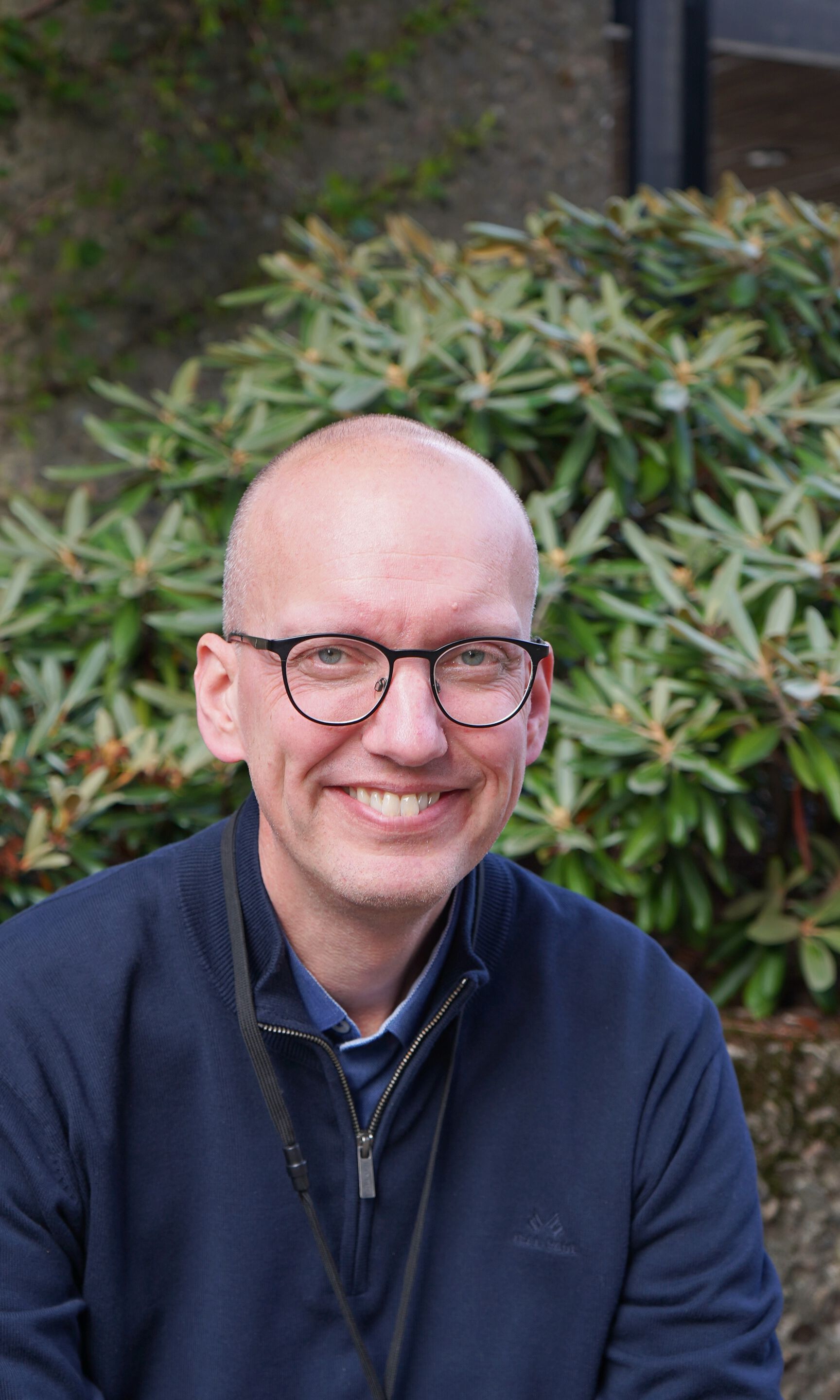
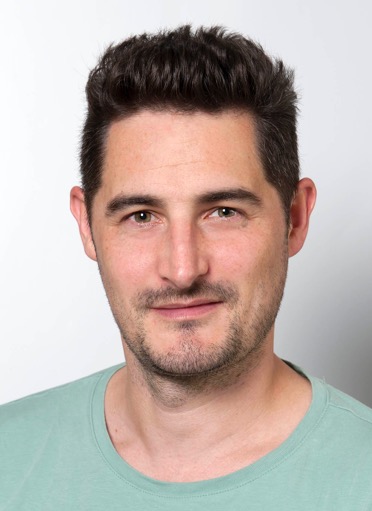
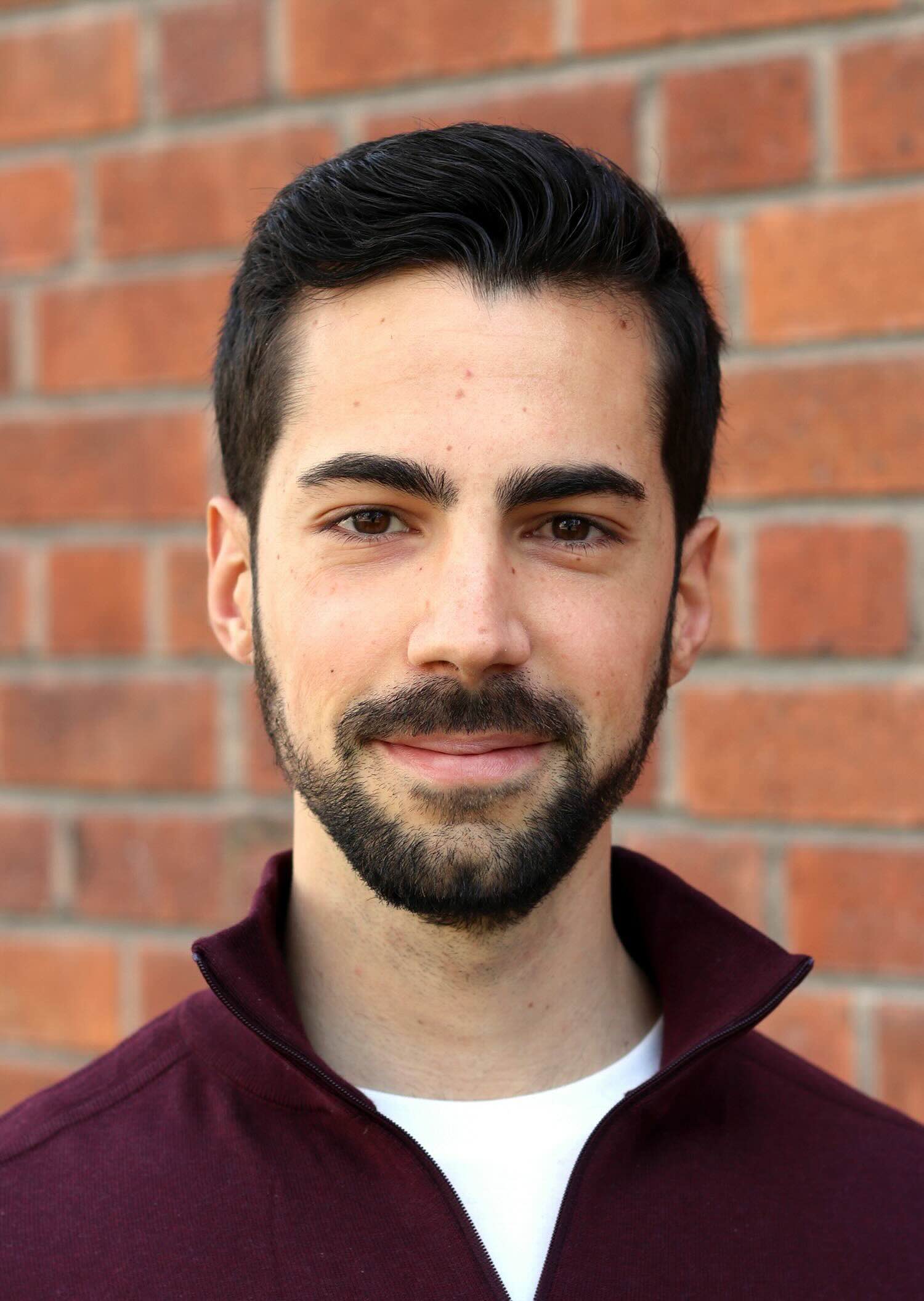
Molly Maleckar is a Research Professor at the Computational Physiology Department of Simula Research Laboratory , Oslo, Norway. Her work bridges computational modeling, cardiac electrophysiology, and biomedical applications, with a focus on arrhythmia mechanisms, fibrosis modeling, and machine learning integration in cardiac risk prediction. Research Interests include: Computational Cardiology Ion Channel Dynamics Machine Learning in Medicine Excitable Tissue Modeling Cardiac Fibrosis Analysis Biomedical Simulation Scientific Contributions span 15+ publications (2018-2024) addressing atrial fibrillation, calcium handling, and AI-driven ECG analysis. Key collaborative projects involve patient-specific ventricular modeling and educational initiatives like the Simula Summer School in Computational Physiology .
Norwegian University of Science and TechnologyNorway
Guangyu Cao is a Professor at the Department of Energy and Process Engineering, Norwegian University of Science and Technology (NTNU). He holds leadership roles in multiple international organizations, including the European standards working group CEN TC156 WG18, REHVA's technical committee, and the editorial board of the Journal of Building Engineering (Impact Factor 5.318). His research focuses on indoor airflow dynamics, ventilation systems in healthcare settings, and airborne disease transmission mitigation, with a strong emphasis on surgical environments and school buildings. Education: PhD in Energy Engineering (2009), Helsinki University of Technology Senior Researcher at VTT Technical Research Center (2009-2014) Research Interests: Hospital ventilation optimization, thermal comfort in clinical settings, airborne infection control, and sustainable building environmental quality. He combines experimental studies with mathematical modeling to evaluate ventilation strategies, particularly in operating rooms and isolation wards. Projects: EU Marie Curie DTN HumanIC (2024–2027) EU H2020 iclimabuilt (2021–2025) NFR POSIred (2020-2024) Labs/Teams: Collaborates with St. Olav's Hospital on indoor environment projects and leads teams in Cold Climate HVAC and Healthy Building Europe initiatives.
Professor Mohan Lal Kolhe is a distinguished academic at the University of Agder , serving as a Full Professor in Smart Grid and Renewable Energy within the Faculty of Engineering and Science and the Department of Engineering Sciences . With over three decades of international academic experience, he has held positions at prestigious institutions including University College London, University of Dundee, and Hydrogen Research Institute in Canada. His career spans technical innovation, policy development (e.g., as a member of South Australia’s Renewable Energy Board), and extensive research leadership in sustainable energy systems. Research Leadership : Focus on Smart Grid integration, Electric Vehicles, Hydrogen Energy, Solar/Wind Systems, and Techno-Economic Energy Analysis. Global Recognition : Listed in the top 2% of scientists worldwide (2020-2023) by Stanford University, with 10 publications averaging 200+ citations. Recent publications emphasize advanced optimization techniques for renewable integration, EV charging infrastructure, hydrogen production, and power system stability. His work has secured competitive funding from entities like the Norwegian Research Council and EU programs. Awards and Expert Roles : Top 2% Global Scientist (Stanford, 2020-2023) Highly Cited Researcher (Top 10 publications, 200+ avg. citations) Expert evaluator for European Commission, Royal Society London, EPSRC, and Cyprus Research Foundation He actively contributes to international conferences as keynote speaker and editorial board member, with leadership roles in research groups like Autonomous and Cyber-Physical Systems and Energy Systems .
Roles and Affiliations: Fred Espen Benth is a Professor in the Department of Mathematics at the University of Oslo, affiliated with the Risk and Stochastics research group. He holds a Dr. scient (PhD equivalent) in mathematics from the University of Oslo (1995). His academic journey includes roles as a researcher at the Norwegian Computing Center, a postdoc at the Universities of Aarhus and Oslo, and an Associate Professor at the University of Trondheim before becoming a full professor in 2002. Research Interests: Benth’s research focuses on mathematical finance, particularly energy and weather markets, commodity derivatives, and stochastic analysis. He explores modeling, estimation, and simulation of spot and forward prices, as well as pricing options and portfolio optimization. Recent work extends to climate systems, energy transition dynamics, and machine learning applications in financial and environmental modeling. Publications and Projects: His extensive publication record includes over 150 journal articles and book chapters, with a focus on energy markets, stochastic processes, and climate-related financial instruments. Notable projects include ‘Spatial-Temporal Uncertainty in Energy Systems (SPATUS)’ and contributions to interdisciplinary energy informatics. His work bridges theoretical stochastic analysis with practical applications in energy systems and risk management. Labs and Collaborations: Benth collaborates with the Stochastics of Renewable Energy Markets (STORE) group and contributes to initiatives like the ‘Computational Modelling and Machine Learning for Applications in Hydropower’ project. His research emphasizes the integration of stochastic methods with real-world energy and climate challenges.
Xuan Zhang is an Associate Professor at the Department of Information and Communication Technology, University of Agder. His research focuses on Tsetlin Machines, learning automata, and their applications in machine learning, computer vision, and hyperspectral imaging. Research Trends: Zhang’s recent work includes developing interpretable machine learning models (e.g., Tsetlin Machines), optimizing convolutional architectures for image processing, and applying automata theory to solve multi-armed bandit problems and channel selection in cognitive networks. His field spans theoretical analysis and practical implementations in AI, remote sensing, and health informatics. Scientific Contributions Co-developed advanced Tsetlin Machine variants for XOR/NOT operator convergence, disease forecasting, and image restoration Published in journals like IEEE Transactions on Pattern Analysis and Machine Intelligence , Information Sciences , and Applied Intelligence Explored Bayesian pursuit algorithms, hierarchical learning automata, and particle swarm optimization techniques Contact: xuan.zhang@uia.no
Alvaro Köhn-Luque is an Associate Professor at the Oslo Center for Biostatistics and Epidemiology, University of Oslo, and Group Leader at the Department of Medical Genetics, Oslo University Hospital. His work bridges mathematical modeling with clinical applications, particularly in cancer research. His academic background includes a PhD in Mathematical and Computational Biology from Complutense University of Madrid (2012), preceded by multiple Master's degrees in Mathematics and Physics from Spanish universities. Dr. Köhn-Luque's research focuses on mathematical oncology , developing computational models to understand cancer dynamics and improve treatment strategies. His work spans multiscale modeling of tumor growth, personalized cancer medicine through computer simulations, and biomarker discovery using machine learning approaches. He has made significant contributions to modeling breast cancer progression and treatment response, particularly in the context of endocrine therapy and CDK4/6 inhibition. His recent publications demonstrate a strong trend toward integrating mechanistic learning approaches that combine mathematical models with machine learning techniques. This hybrid methodology allows for more accurate prediction of treatment outcomes while maintaining biological interpretability. His work frequently involves collaboration with clinical researchers to ensure models are grounded in real patient data and have direct translational potential. Computational modeling of tumor heterogeneity and drug response Development of methods for phenotypic deconvolution in cancer cell populations Integration of multi-omics data for personalized treatment prediction Application of birth-death processes to model tumor evolution Creation of user-friendly computational tools for biomedical researchers Dr. Köhn-Luque has supervised multiple PhD students including Even M Myklebust, Salim Ghannoum, and Xiaoran Lai, and has secured funding for projects including RESCUE, BigInsight, and Integreat. His research demonstrates a consistent trajectory from theoretical mathematical biology toward increasingly clinically relevant applications in personalized cancer medicine.
Emily Annika Burger is a Professor at the Department of Health Management and Health Economics, University of Oslo, where she leads research on health economics and cancer prevention. She holds a PhD from the University of Oslo and maintains a joint appointment as Research Scientist at Harvard T.H. Chan School of Public Health. Her education includes an MPhil from the University of Oslo and a BS from the University of Denver. Her research applies mathematical modeling to evaluate health policies, with emphasis on HPV vaccination strategies, cervical cancer screening, and cost-effectiveness analyses in global health contexts. Primary interests include optimizing prevention programs, health technology assessment, and addressing healthcare disparities. Recent publications demonstrate a focus on modeling vaccination impacts during pandemics, health economic evaluations of cancer interventions, and innovative screening methodologies. Her work frequently employs microsimulation models to project long-term public health outcomes. Awards and Honors 2023 Cancer Society of Norway Young Researcher Award 2024 University of Oslo Award for Young Researchers She leads multiple international collaborations, including projects with the Cancer Registry of Norway and Harvard Chan School. Her research group focuses on economic evaluation methodologies for healthcare technologies.
Eirik Valseth is an Associate Professor of Scientific Computing at the Norwegian University of Life Sciences (NMBU), Department of Data Science. He holds concurrent roles as a research associate at the Oden Institute, University of Texas at Austin, and an affiliated researcher at Simula Research Laboratory (Department of Numerical Analysis and Scientific Computing). His expertise lies in advanced finite element methods for PDEs with applications in flood modeling and hydropower systems. Current Affiliation: NMBU (Norwegian University of Life Sciences) Secondary Affiliations: Oden Institute (UT Austin), Simula Research Laboratory Research interests span numerical methods for challenging PDE systems, including: Stabilized finite element formulations Hurricane storm surge and riverine flood modeling Hydropower infrastructure analysis Computational mechanics and applied mathematics His recent publications (2024–2025) emphasize flood risk assessment (compound flooding, dam breaks, dredging impacts), advanced numerical methods (isogeometric analysis, stochastic finite elements, graph-grammar algorithms), and environmental applications (pollution transport, pathogen distribution, mosquito population dynamics after hurricanes). Key trends include cross-disciplinary integration of physics-aware machine learning and robust hydrodynamic simulation tools. Valseth's work extends to software development (e.g., WAVEx for spectral wave models, SWEMniCS for coastal circulation) and large-scale modeling frameworks like the ADCIRC unstructured mesh model for US coasts. Collaborative projects involve institutions such as University of Texas at Austin, Simula, and NOAA.
Jon Andoni Duñabeitia is a Full Professor at the School of Languages and Education of Universidad Nebrija in Madrid. He serves as Director of the Centro de Investigación Nebrija en Cognición (CINC) and the International Chair in Cognitive Health . With an h-index of 43 (Scopus), he has published 170+ articles across psycholinguistics, multilingualism, cognitive training, and virtual reality applications in education. His research examines how language processing interacts with cognitive load, emotional modulation, and technological innovation. Principal Investigator for 8+ projects funded by Spanish Government, Basque Government, BBVA Foundation Associate Editor and Editorial Board Member of high-impact journals Recognized among Spain's top 3% scientists across all disciplines Recent publications span topics including: Second-language reading dynamics in VR environments Multilingual cognitive interactions in neurological conditions Emoji/typographic effects on word processing Computerized cognitive assessment and training systems He actively contributes to scientific meetings as invited speaker across Europe, Asia, and Americas. His work bridges basic research in psycholinguistics with applied technologies for cognitive health.
Alvaro Fernandez Quilez is an Associate Professor in Artificial Intelligence at the Department of Electrical Engineering and Computer Science, Faculty of Science and Technology, University of Stavanger. He leads the Stavanger AI Laboratory (SAIL), fostering interdisciplinary AI research with a focus on healthcare and education applications. Research Interests: His work centers on responsible AI, emphasizing ethics, fairness, transparency, and uncertainty in AI systems. He applies deep learning and machine learning techniques to medical imaging, particularly in prostate cancer and neurodegenerative diseases like Alzheimer’s and Parkinson’s. His research integrates algorithmic innovation with clinical relevance, addressing challenges in data scarcity, bias, and model interpretability. The recent publications highlight a strong trend in developing and evaluating AI models for diagnostic support in radiology and neurology. Key themes include uncertainty quantification, self-supervised learning, synthetic data generation via GANs, and fairness analysis across gender and centers. The work spans from foundational AI methods to their clinical translation in multi-center studies. Teaching and Academic Leadership: He coordinates the course DAT105 - AI for everyone and has contributed as a guest lecturer in bioinformatics, technological foundations, and PhD ethics, particularly on AI and ethics. He is also enrolled in a PhD supervisory qualification program, underscoring his growing role in graduate education. Advising and Grants: While specific students and grants are not listed in the text, his leadership of SAIL and active publication record suggest involvement in research supervision and project funding. His collaborations span multiple institutions and disciplines, indicating strong team-based research efforts. Laboratories and Teams: He leads the Stavanger AI Laboratory (SAIL), which serves as the central hub for AI research at the University of Stavanger, promoting collaboration across departments and with external partners in healthcare and technology.
Ida Scheel is an Associate Professor in Statistics and Data Science at the University of Oslo , Department of Mathematics. She specializes in Bayesian hierarchical modeling, recommendation systems, and stochastic processes on networks. Her research interests include: Bayesian statistics and model diagnostics Data science applications in environmental and health domains Network-based machine learning Uncertainty quantification in predictive modeling Recent publication trends show a focus on Bayesian model validation, machine learning for product adoption prediction, and real-estate analytics. She contributes to interdisciplinary projects like BigInsight and CELS . Scientific awards : Sverdrup Prize for Young Researchers (2011) Advising : Supervised 8 PhD students (main/co-supervisor) in areas spanning Bayesian causal effects, neural network survival analysis, and model conflict detection. Key grants include participation in the Data Science@UiO and Integreat projects. Labs/teams : Active member of the Center for Computational Inference in Evolutionary Life Science (CELS) and the BigInsight center.
Norwegian University of Science And TechnologyNorway
Morten Hovd is a Professor in the Department of Engineering Cybernetics at the Norwegian University of Science and Technology (NTNU). His research focuses on advanced control systems, model predictive control (MPC), power electronics, and optimization algorithms. He has contributed significantly to the development of robust control strategies for uncertain systems and has published extensively in leading journals and conferences in the field of control engineering. His research interests span several key areas in control systems engineering, including model predictive control, nonlinear control systems, optimization under uncertainty, and applications in power systems and energy efficiency. He is particularly known for his work on discrete-time bilinear systems, modular multilevel converters (MMCs), and the integration of machine learning techniques with control theory. His contributions address both theoretical advancements and practical implementations in industries such as energy and petroleum engineering. Hovd's recent publications highlight advancements in energy-efficient control systems, stochastic surrogate modeling for subsurface flows, and optimization algorithms tailored for complex engineering problems. His work often combines rigorous mathematical frameworks with real-world applications, such as improving the reliability of power systems and enhancing reservoir management through data-driven methods. He is actively involved in teaching courses such as TTK4210 (Advanced Control of Industrial Processes) and TK8118 (Mini-seminar in Cybernetics). His research has led to innovations in fault detection for power systems, energy-efficient building climate control, and robust MPC strategies for uncertain systems.
Norwegian University of Science And TechnologyNorway
Raghavendra Ramachandra is a Professor at the Department of Information Security and Communication Technology (IIK) , within the Faculty of Information Technology and Electrical Engineering at the Norwegian University of Science and Technology (NTNU) in Gjøvik. His research focuses on biometric systems, particularly in face, fingerprint, and finger vein recognition, with emphasis on presentation attack detection, morphing attack detection, and deep learning applications. Current research projects include: SALT (2022-2026) : Developing privacy-preserving facial biometric authentication systems. OffPAD (2022-2025) : Creating cryptographic tools and presentation attack detection for fingerprint biometrics. SWAN (2015-2020) : Developing biometric countermeasures against presentation attacks. His recent publications demonstrate technical expertise in: Face morphing attack detection using vision transformers and point cloud networks Image fusion techniques for multispectral biometrics GAN-based synthetic data generation for security evaluation Explainable AI approaches for biometric verification Professor Ramachandra also supervises PhD and Master’s students, and has extensive experience in leading national and EU research initiatives.
Karl Harmenberg is a Swedish economist based at the Department of Economics, University of Oslo since 2022. He holds a PhD from Stockholm University's Institute for International Economic Studies (2018) and previously worked at Copenhagen Business School (2018-2021) and BI Norwegian Business School (2021-2022). As a tenure-track associate professor , he teaches Macroeconomic Theory and develops open-source Python tooling for macroeconomic modeling. Key research themes include macroeconomic dynamics with heterogeneous agents , earnings distribution mechanisms , and integrated epi-econ modeling for pandemic preparedness His methodological innovations include the permanent-income-neutral measure for heterogeneous-agent models and directed cycle graph representations of macroeconomic frameworks Current projects include WaCoMacro (wage contracts and macroeconomics) and ongoing collaborations with Timo Boppart , Per Krusell , and Erik Öberg Recent publications span: 2025 International Economic Review work on unemployment-risk amplification mechanisms 2025 Quantitative Economics article on integrated epi-econ modeling 2024 Economics Letters paper establishing Pareto distribution in top earnings 2023 AER Insights research on wage contract rigidity 2021 Journal of Economic Dynamics & Control contribution on permanent income shocks His work has been cited in policy discussions regarding: Swedish automatic stabilizer design Norwegian pandemic response strategies Scandinavian labor market reforms Nordic macroeconomic teaching curricula
Hege Christensen is a Professor of Pharmacology at the University of Oslo's Department of Pharmaceutical Biosciences. She has been affiliated with the Department since 1992 and holds leadership roles in academic programs such as the Master's Degree in Pharmacy and Clinical Pharmacy. Her research focuses on pharmacokinetics, particularly drug metabolism variability due to genetic and environmental factors, and drug interactions. She collaborates with institutions like the IMUP Center for Immunopharmacology in Transplantation and the School of Pharmacy at the University of Manchester. Key areas include physiology-based pharmacokinetic modeling and in vitro-in vivo extrapolation techniques. Christensen's education includes a Cand.pharm. from the University of Oslo (1986), a Dr.scient. (1992), and an Advanced Diploma in Clinical Pharmacy Teaching from the University of Leeds (1996). Her career spans roles at the International Heart Research Institute (1991–1992) and pharmaceutical industries like Løvens Kemiske Fabrik (1986–1987). Her research interests emphasize understanding drug bioavailability and optimizing therapies through pharmacokinetic studies. Recent work investigates gastric bypass surgery's effects on drug metabolism and the role of microbiome signatures in weight loss outcomes. She has published extensively in journals like Clinical Pharmacokinetics and Mucosal Immunology, with a focus on cytochrome P450 enzymes, drug transporters, and obesity-related pharmacology. Notable collaborations include projects with Professor Amin Rostami-Hodjegan at the University of Manchester, exploring advanced pharmacokinetic modeling. Her work bridges clinical and translational research, addressing challenges in drug dosing for patients with obesity and comorbidities.