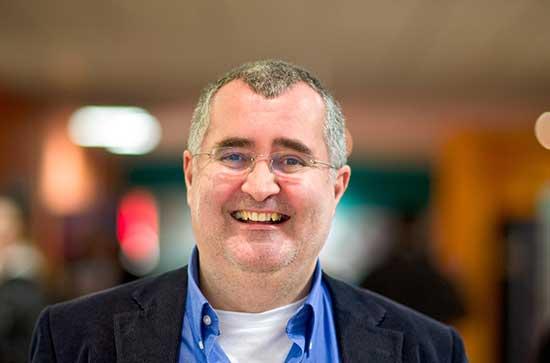
Russell Christopher is a Professor of Law at the University of Tulsa’s College of Law. His research focuses on theoretical and philosophical issues within criminal law, criminal procedure, ethics, and morality. He holds a J.D. from the University of Michigan. Education: Russell Christopher earned his J.D. from the University of Michigan. Research interests include the theory of punishment, justification and excuse in criminal cases, and ethical dilemmas in areas like rape, blackmail, and torture. He critically examines retributivism, the paradoxes of capital punishment, and the intersection of legal rights with moral principles. His articles explore topics such as the moral implications of delayed capital punishment, the ethics of torture, and the philosophical foundations of criminal law. These works reflect a focus on retributive justice, legal procedure critiques, and systemic moral paradoxes. Scientific Awards: None listed. Advising and Grants: Russell Christopher has advised at least one student, Neha Jain (2015). No grants or funding opportunities are explicitly mentioned in the provided text. Labs/Teams: No specific lab or team affiliations are noted in the text.
Valerie Jones Taylor serves as an Associate Professor in the Department of Psychology within Rutgers University's School of Arts and Sciences, maintaining her office in Tillett Hall 417 on the Livingston campus. Her research program integrates stereotype/social identity threat theory with intergroup contact frameworks to examine interracial interactions, race/gender experiences in academic contexts, and perceptions of racialized physical spaces. Focusing on how social identity threat impedes cross-race understanding within America's legacy of racism, her work develops interventions to improve racial attitudes and enhance identity-safety for marginalized groups through traditional behavioral change methodologies and virtual reality applications. Dr. Taylor directs the SSIVR Lab (Social Identity and Virtual Reality Lab), which investigates systemic solutions to reduce social inequities by addressing the psychological barriers that undermine sustained interracial contact and commitment to equity initiatives.
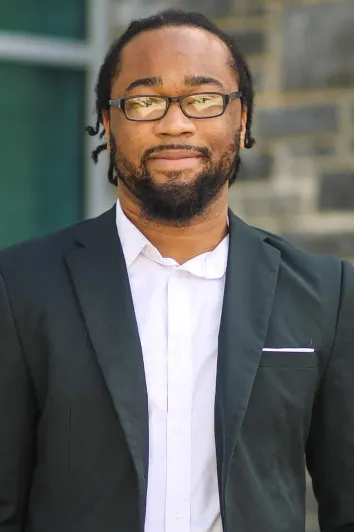
Darius Green, PhD is an Assistant Professor in the Department of Counseling and Human Services at the University of Colorado Colorado Springs (UCCS). He holds a Ph.D. in Counselor Education from James Madison University. His research focuses on integrating social justice and multiculturalism into counseling practices, addressing systemic issues like police violence, race-based trauma, cyber racism, and substance use interventions. Key research themes include: Racial trauma and vicarious traumatization from police violence Cyber racism in digital counseling spaces Abolitionist approaches to substance use treatment Decolonization of counseling practices Recent publications (2020-2024) emphasize: Historical analysis of Black males' counseling experiences Crisis counseling during social justice movements Counselor training for racial equity No academic awards listed. His clinical experience includes trauma-informed counseling for substance use, domestic violence, and marginalized communities. Office: Columbine Hall 3009 | Phone: (719) 255-4963
Dr Catherine Dewhirst is a Senior Lecturer in History at the University of Southern Queensland , affiliated with the School of Humanities and Communication . She teaches courses such as Global History since 1500, Revolutions and the People's Voice, and Sovereignty, Equality and Racism. Her work intersects with the Centre for Heritage and Culture and the Institute for Resilient Regions , and she served as Queensland representative on the Australasian Centre for Italian Studies from 2009-2022. Education: Diplôme de Civilisation Française, Paris-Sorbonne (1987) BA, UNSW (1986) Graduate Diploma in Education, UNSW (1986) MA, UNSW (1989) PhD, Queensland University of Technology (2004) Her research specializes in Italian migration history and women's autobiographical histories , focusing on migrant press, internment experiences, and gendered narratives. Recent projects explore Italian memories of internment during WWII and Liberal Italy’s relationship with migrant editors. Publications include two co-edited books on migrant press and articles analyzing Italian communities in Australia across the 20th century. She has supervised doctoral research on topics like African participation in Queensland and Indigenous-Greek migrant intersections. Grants: Internal Academic Affairs Collaboration Grant (2024) for Italian Internment Mapping and The Ian Potter Foundation funding (2017) for a conference on migrant press contexts. Labs & Teams: Active in the Centre for Heritage and Culture, Institute for Resilient Regions, and has contributed to the Australian Historical Association as Chief Convenor for the 2019 conference.
Britt P. Tevis is an Assistant Professor of History and the Phyllis Backer Professor of Jewish Studies at Syracuse University. She specializes in antisemitism in U.S. history, civil rights, and legal discrimination. University of Wisconsin-Madison (Ph.D. in History, 2016) University of Wisconsin (J.D., 2012) University of Florida (B.A. in Jewish Studies and Political Science, 2007) Her research focuses on antisemitism's historical intersections with civil rights, legal frameworks, and public accommodations. She examines how Jewish identity has been racialized in American legal contexts and contributes to discussions about discrimination documentation. Recent publications and presentations include work on the Johnson-Reed Act, federal housing policies, and the legal construction of Jewish stereotypes. Awards include the Jody Ellant and Howard Reiter Family Fellowship and the Wasserman Essay Prize. Assistant Professor, Department of History Phyllis Backer Professor of Jewish Studies Committee member, Association of Jewish Studies (2020-present) Podcast co-creator, 'Antisemitism, U.S.A.' (2024)
Joshua F.J. Inwood is a Professor of Geography and Senior Research Associate in the Rock Ethics Institute at Pennsylvania State University. He holds a PhD from the University of Georgia and previously served as faculty at the University of Tennessee and Auburn University. His research focuses on social justice, political geographies, and historical legacies of racism, including work on truth and reconciliation commissions (TRCs) and the impact of historical injustices on contemporary anti-racist struggles. He has been recognized with the Stanley Brunn Young Scholar Award for contributions to political geography and the Glenda Laws Award for social justice-focused research. Inwood collaborates with scholars like Derek H. Alderman on projects such as restorative mapping and the role of place names in systemic inequality. His work often intersects with activism, emphasizing how marginalized communities use mapping and spatial practices to document history and advocate for equity. Educations: PhD in Geography (University of Georgia), prior faculty roles at University of Tennessee and Auburn University. Key Projects: Studies on Greensboro TRC, legacies of racial violence, and the geography of voting rights post-Shelby v. Holder. Awards: Stanley Brunn Young Scholar Award (most recent), Glenda Laws Award (2015). His recent publications explore discriminatory street names via the STNAMES LAB app, Black communities’ use of maps to reclaim history, and the erosion of voting rights protections. Inwood’s research underscores the material and spatial dimensions of justice, aiming to transform public spaces and policies to reflect equity.
Dr Seamus Taylor is the Head of Applied Social Studies and a Lecturer in Social Policy at Maynooth University. He holds a BSocSc (double first class honours) from University College Dublin, an MA in Social Policy (distinction) from Goldsmiths College, and a PhD in Applied Social Science (Law) from Lancaster University. His career spans roles at the ESRI, London Irish Centre, Haringey Council, Commission for Racial Equality, and the UK Crown Prosecution Service, where he advanced equality and diversity initiatives. Research focuses on hate crime policy (especially disability hate crime), criminal justice system reforms, equality mainstreaming, and public-sector policy processes. His books include Hate Crime Policy and Disability (2022) and Critical Perspectives on Hate Crime (2017). He chairs the London Hate Crime Scrutiny Panel and the Irish Penal Reform Trust, and advises Irish government on equality budgeting. Awards include a CBE (2010), Royal Society of Arts Fellowship (2007), and multiple public-sector diversity awards. He teaches modules on social policy fundamentals, equality studies, and criminal justice, emphasizing problem-based learning. He chairs Maynooth University’s Equality, Diversity, and Interculturalism Committee and serves on its Governing Authority.
Margaret O'Brien Caughy is the Georgia Athletic Association Professor in Family Health Disparities at the University of Georgia's College of Family and Consumer Sciences, where she investigates developmental science, epidemiology, and public health intersections. Her work focuses on risk and resilience contexts for young children, particularly within African American and Latinx families facing poverty. Sc.D., Maternal and Child Health, Johns Hopkins School of Public Health (1992) M.Ed., Human Development, University of Maryland, College Park (1989) B.S., Psychology, Texas A&M (1986) Her research integrates developmental science , ethnic-racial socialization , and urban neighborhood effects to understand how familial processes like supportive parenting and cultural identity shape child outcomes. Current projects examine self-regulation and academic achievement in low-income populations, utilizing longitudinal data from the Dallas Project on Education Pathways (DPREP). Recent publications analyze physiological markers (e.g., RSA instability), culturally grounded parenting tools , and acculturation stress in Latinx youth. Her Google Scholar profile shows 15 recent articles (2022–2025) spanning mental health disparities , parent-child dynamics , and neighborhood socioeconomic influences over two decades. President Scholars’ Award for Teaching Excellence (2015) University of Texas Regent’s Outstanding Teaching Award (2015) Frontiers of Research on Children, Youth, and Families Initiative award (1998) As Principal Investigator for NICHD-funded DPREP and NIMH/NIH grants, Caughy leads a team studying language development and mental health trajectories among 400+ children. Her lab website ( SDCD Lab ) details collaborative work with institutions like George Washington University and UT-Austin.
Nicolas Sallée is a Full Professor in the Department of Sociology at the Faculty of Arts and Sciences, University of Montreal. He specializes in juvenile justice, social control mechanisms, and the sociology of gender and sexuality. His research explores how societies treat deviance, particularly focusing on youth labeled as 'delinquent' and the evolving dynamics of age-related social norms. His work integrates historical and comparative perspectives, examining topics such as the legal treatment of transgender youth, the history of incest cases in Quebec, and the socio-legal construction of age of consent laws. He leads the CREMIS (Centre de Recherche de Montréal sur les Inégalités Sociales et les Discriminations) as Scientific Director and contributes to the Centre International de Criminologie Comparée (CICC). Key Projects: Observatoire des Profilages (2020–2028) L'enfance du 'mauvais genre' (2021–2027) Accès au Droit et à la Justice (ADAJ, 2016–2023) His research emphasizes interdisciplinary collaborations, with grants from the Social Sciences and Humanities Research Council (SSHRC) and the Fonds de Recherche du Québec. He has supervised over 20 graduate students, focusing on topics ranging from gender non-conformity to carceral institutions and digital surveillance in youth justice systems. Nicolas Sallée has authored multiple books and articles, including Sous la réhabilitation, le contrôle. La justice des mineurs au XXIe siècle (2023) and Éduquer sous contrainte. Une sociologie de la justice des mineurs (2016). His work is characterized by innovative methodologies, such as graphic reportage in sociology, to visualize youth incarceration conditions.
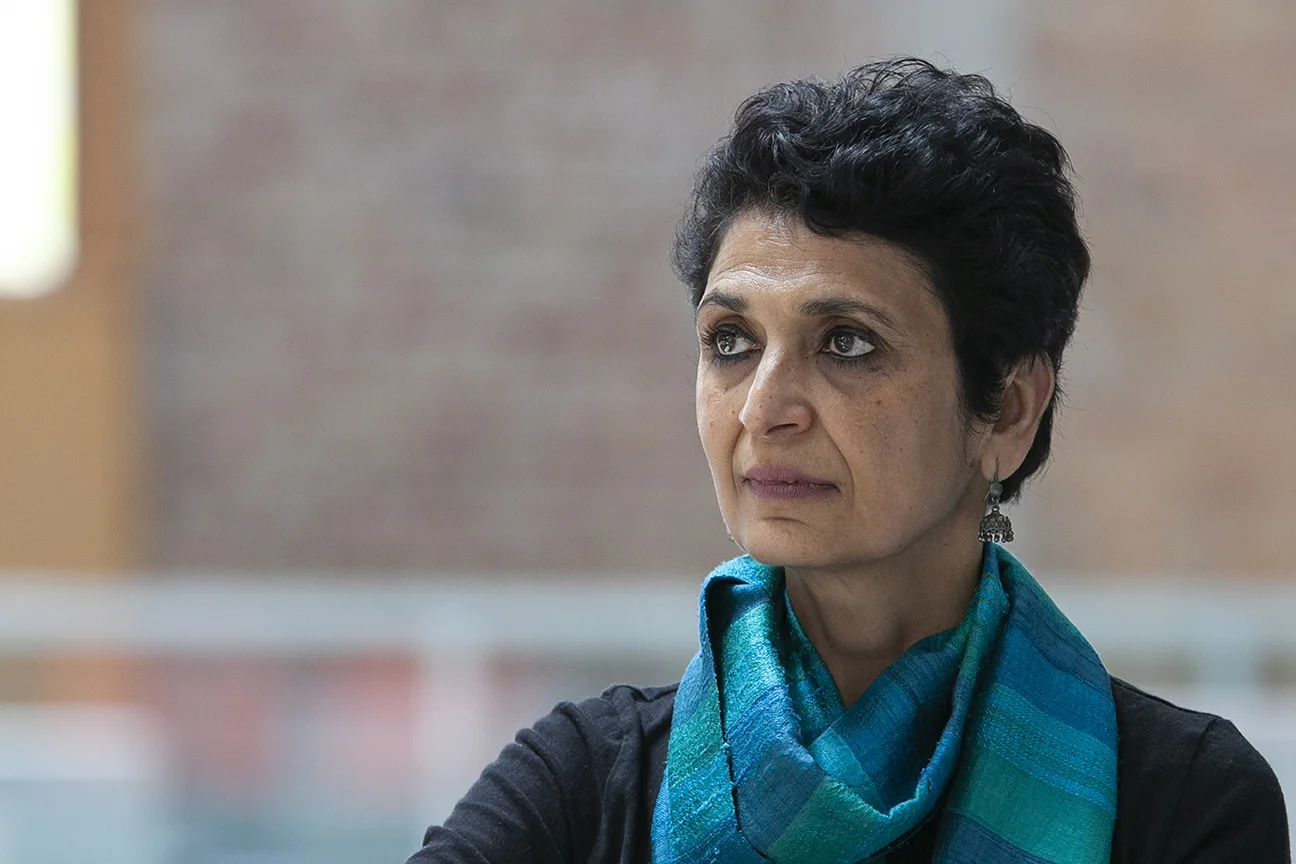
Reena Kukreja is an Associate Professor in the Department of Global Development Studies at Queen's University, with cross-appointments in Gender Studies and affiliation with the Cultural Studies Program. She holds a PhD in Cultural Studies from Queen's University, an MA in Film & Mass Communications from Jamia Millia Islamia, and a BAH in History from Lady Shri Ram College, Delhi University. Her research focuses on migration, masculinity, and gender studies, particularly examining the impacts of xenophobia, Islamophobia, and neoliberal reforms on marginalized communities in South Asia and Greece. Education: PhD in Cultural Studies, Queen's University MA in Film & Mass Communications, Jamia Millia Islamia BAH in History, Lady Shri Ram College, Delhi University Research Interests: Dr. Kukreja's work explores intersections of migration, gender, race, and masculinity, with a focus on: Undocumented South Asian migrants in Greece Neo-liberal reforms and caste dynamics in rural India Cultural resistance through sports like Kabaddi Racial capitalism and health vulnerabilities Affiliations: American Men's Studies Association Royal Anthropological Institute International Political Science Association Teaching: Courses include Globalization, Gender, and Development; Migration Studies; and Cultural Politics of Development. Documentary Filmmaking: Kukreja's films address gender, child labor, and development in South Asia, often used for grassroots activism. They have been screened globally and awarded for their social impact. Labs/Teams: Affiliated with the International Migration Research Centre (Balsillie School of International Affairs) and the Rotary Centre for Peace and Conflict Studies.
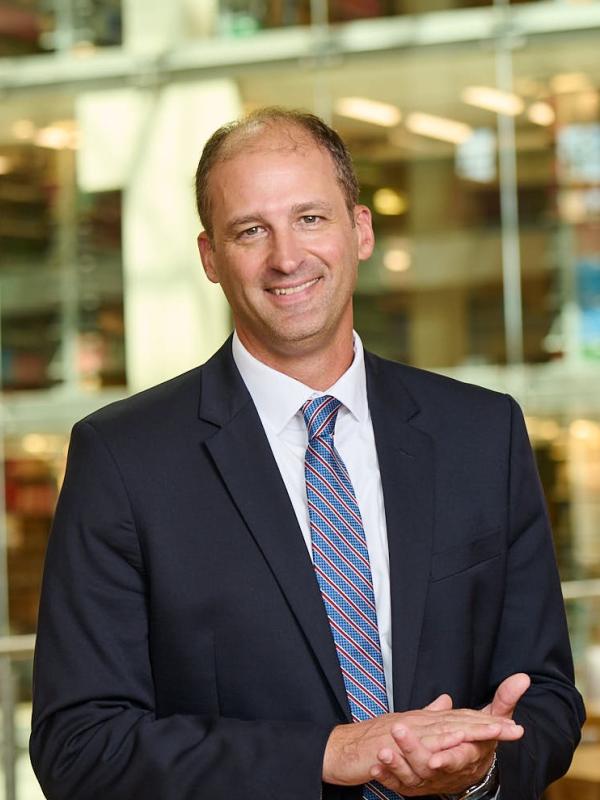
Ryan King is the Divisional Dean of Social and Behavioral Sciences and a Professor at The Ohio State University, where he specializes in criminology, law, punishment, and intergroup conflict. He holds a Ph.D. in Sociology from the University of Minnesota (2005). His research examines hate crimes, sentencing disparities, and the intersection of crime with family dynamics. Current projects focus on hate crime prosecution challenges and racial sentencing trends. He is co-editing the Oxford Handbook of Sentencing . His work has been supported by the National Science Foundation and National Institute of Justice. King’s research spans hate crime law, punitive attitudes, and criminal deportation. He has published in top journals like the American Sociological Review and Criminology . His administrative role since 2021 has reduced research time but not output. Grants have enabled projects on topics like housing discrimination audits and immigrant removals. His expertise includes legal sociology, with a focus on how societal structures influence criminal justice outcomes. He addresses issues of trust in federal statistical systems and the societal impacts of economic insecurity on imprisonment rates. While no specific awards are listed, his contributions to criminal justice reform and hate crime analysis are widely recognized in academic circles.
Dr. Subasri Narasimhan is an Assistant Professor in the Hubert Department of Global Health at Emory University's Rollins School of Public Health, where she specializes in sexual and reproductive health, maternal and child health, and intimate partner violence. Her research spans Sub-Saharan Africa, Asia, and the Southeastern United States, with a focus on policy restrictions on abortion and contraceptives, crisis pregnancy centers, and reproductive health equity. Dr. Narasimhan completed her PhD in Community Health Sciences at the University of California Los Angeles Fielding School of Public Health, where she was a Bixby Doctoral Fellow, Child and Family Health Trainee, and a Eunice Kennedy Shriver NICHD Pre-Doctoral Trainee. She then completed a Postdoctoral Fellowship at the Center for Reproductive Health Research in the Southeast (RISE) at Emory University. She also holds an MPH from UNC-Chapel Hill. Her research interests encompass maternal and child health, intimate partner violence, policy restrictions on abortion and contraceptives, crisis pregnancy centers, and reproductive health equity across diverse populations. She employs mixed and multi-level methodology to study the impact of policy restrictions on abortion provision and contraceptive use on the health and wellbeing of people capable of pregnancy, with particular attention to how these policies affect marginalized communities. Analysis of Dr. Narasimhan's recent publications reveals a strong focus on reproductive justice, abortion policy, intimate partner violence during the pandemic, and health disparities. Her work frequently examines legislative debates around abortion restrictions, the impact of policy changes on access to care, and the experiences of diverse populations navigating reproductive healthcare systems. She has increasingly focused on the intersection of race, gender, and reproductive health, particularly examining how systemic racism affects birth experiences and abortion access. 2019 Society of Family Planning Emerging Scholar Award Dr. Narasimhan serves as Co-Principal Investigator on several significant studies including the Abortion Bans Project (which studies state-level legislative debate on six-week abortion bans), PROVIDA (which examines provision of medication abortion implementation via telehealth), and a pilot study focused on the impact of COVID-19 on experiences of prenatal care, birth support, and delivery for first time parents. She has secured research funding for projects examining reproductive health policy, intimate partner violence, and abortion access in restrictive environments. She is actively involved with the Center for Reproductive Health Research in the Southeast and the Maternal and Child Health Center of Excellence at Emory University, collaborating with interdisciplinary teams to advance reproductive health research and policy. Her work often involves community-engaged research approaches, particularly in examining doula care and birth support for diverse populations in Georgia.
Jessica Sales is a Professor in the Department of Behavioral, Social, and Health Education Sciences at Emory University's Rollins School of Public Health. She holds affiliations as Co-Director of the Prevention and Implementation Sciences Core of Emory's Center for AIDS Research (CFAR) and Director of the Emory CFAR Implementation Science Hub. Her work focuses on HIV prevention, trauma-informed care, and implementation science in clinical settings, particularly targeting women and girls in the U.S. South. She also leads the RSPH Maternal and Child Health Certificate Program. Education: Dr. Sales earned her PhD and MA from Emory University and a BS from the University of Iowa. Research Interests: Her research integrates behavioral science with public health interventions, emphasizing dissemination strategies for HIV prevention (e.g., PrEP implementation in Title X clinics) and trauma-informed practices in HIV care. She has pioneered studies on clinical improvements to enhance patient outcomes, including dual protection strategies for contraception and STI/HIV prevention. Grants & Awards: She has secured funding from NIMH, CDC, and Ryan White programs, leading studies on trauma-informed HIV care adoption and clinic-based interventions. Over 200 peer-reviewed manuscripts and book chapters reflect her prolific contribution to public health literature. Labs/Teams: She directs teams at Emory CFAR and collaborates with the Committee on Psychology and AIDS (APA), contributing to policy and clinical practice guidelines.
Bouke Klein Teeselink is a Lecturer in Philosophy, Politics, and Economics at King’s College London’s Department of Political Economy, affiliated with Yale School of Management. He holds a PhD in Economics from Vrije Universiteit Amsterdam and Tinbergen Institute. His research focuses on behavioral economics, applied microeconomics, and political economy, using large datasets from donations, medication purchases, and protests to analyze real-world economic theories. His key research interests include partisan behavior dynamics, gender favoritism in high-stakes decisions, and preference formation. He is part of the Quantitative Political Economy research group bridging economics and political science through advanced quantitative methods. Recent studies include analyzing BLM protests’ impact on US elections, partisan charitable donation patterns, and gender bias in TV game shows. His work frequently appears in interdisciplinary contexts like sociology and public policy evaluation. Teaching responsibilities include Microeconomics and Evaluating Public Policy. He supervises PhD students using quantitative methods in political economy and behavioral economics. Office hours are held at Bush House North East Wing, room 9.08, on Tuesdays and Thursdays.
Nicole Yadon is an Associate Professor of Political Science at The Ohio State University. She earned her Ph.D. in Political Science from the University of Michigan in 2020. Her research focuses on the multidimensional nature of race and skin color in American politics, particularly their influence on political attitudes, public opinion, and policing. Education: Ph.D., University of Michigan (2020) Her work examines how skin tone stratification intersects with political behavior across racial groups, including African Americans, Latinos, and White Americans. She employs mixed-methods approaches, combining surveys, experiments, and qualitative interviews. Her publications include two books: The Politics of Skin Tone (University of Chicago Press, 2025) and Skin Color, Power, and Politics in America (Russell Sage Foundation Press, 2022). Her research has been supported by the National Science Foundation, Russell Sage Foundation, TESS, and the Hanes Walton Award. She has received the MPSA Lucius Barker Award for best paper on race and ethnic politics and an APSA Centennial Center Grant. Her methodological expertise includes skin tone measurement innovations like the Yadon–Ostfeld Skin Color Scale. Scientific Awards & Grants: National Science Foundation Graduate Research Fellowship National Science Foundation Doctoral Dissertation Research Improvement Grant Russell Sage Foundation Presidential Award APSA Centennial Center Grant Hanes Walton Award MPSA Lucius Barker Award Nicole’s teaching philosophy emphasizes accessibility and critical thinking, informed by her background as a first-generation college student. She connects course concepts to contemporary events and employs diverse pedagogical techniques.