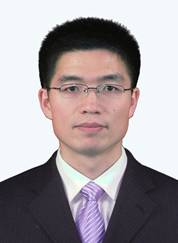
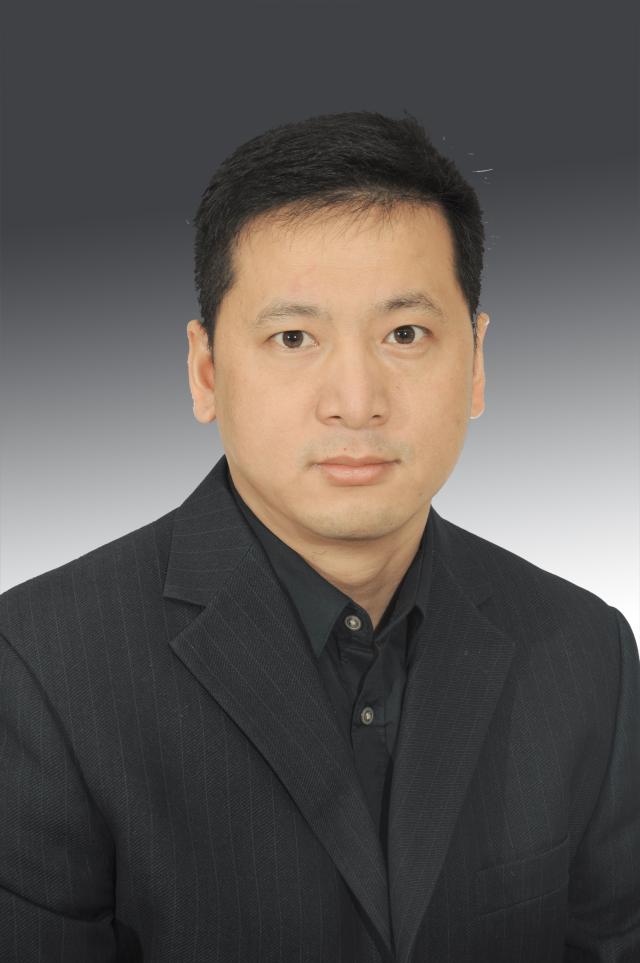
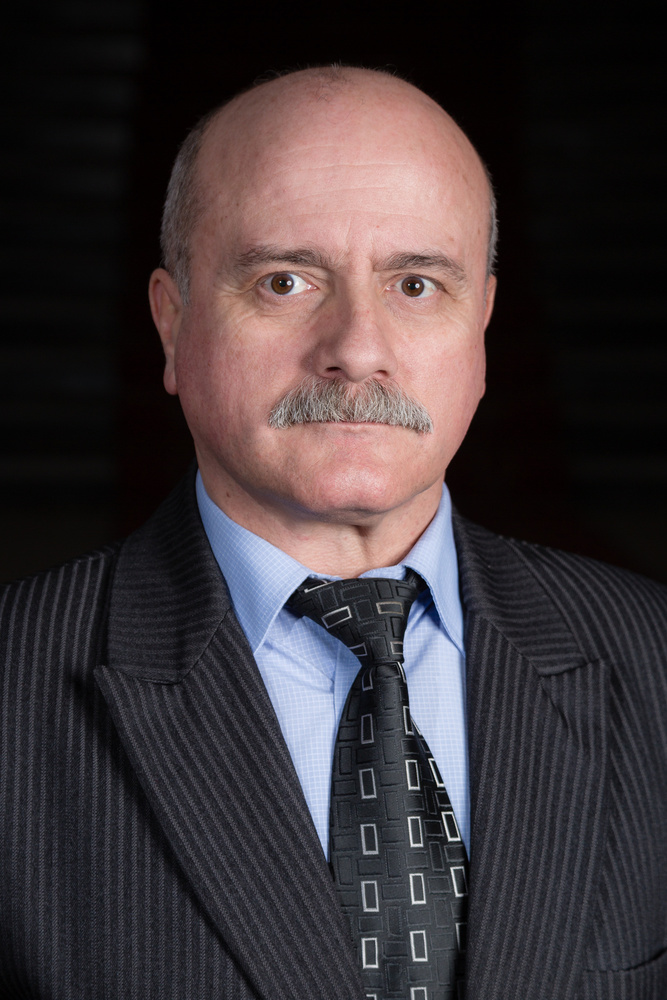
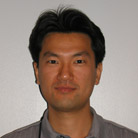
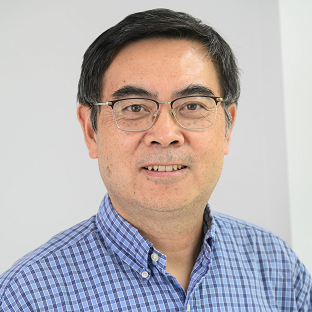
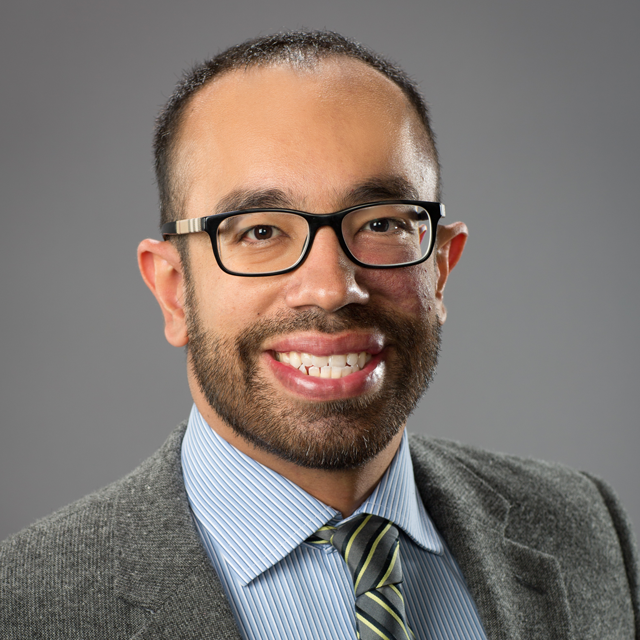
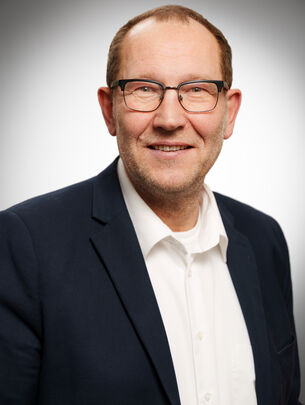
Yiguo Xue is a Professor and PhD Tutor at the Geotechnical and Structural Engineering Center, School of Civil Engineering, Shandong University. He has contributed extensively to tunnel engineering, subsea infrastructure, and slope stability analysis through advanced prediction models and numerical simulations. Research Interests: New tunnel geological condition prediction technologies Subsea tunnel and underground energy storage systems High slope stability evaluation Engineering exploration methods His recent work focuses on tunnel safety, subsea structural mechanics, and AI-driven hazard prediction models. Publications highlight his expertise in rockburst analysis, water inrush risk, and excavation optimization using machine learning and numerical frameworks. Scientific Awards: Recipient of China's Top 100 Most Influential Domestic Academic Paper Award (2008 paper on tunnel geological hazard forecasting) He has secured multiple national invention patents for tunnel monitoring devices (e.g., vibration sensors, collapse prediction systems) and developed specialized software for displacement prediction and rock classification.
Daohong Qiu is an Associate Professor and Master Tutor at the Geotechnical and Structural Engineering Center, School of Civil Engineering, Shandong University. His research focuses on advanced geological prediction in tunnels, surrounding rock stability, structural health monitoring for urban rail transit, and TBM tunneling performance optimization. Position: Associate Professor Affiliation: School of Civil Engineering, Shandong University Email: qiudh@sdu.edu.cn Research Interests: He specializes in geotechnical engineering challenges related to underground construction, including rock burst prediction , disaster control , and machine learning applications in geological modeling. His work emphasizes integrating advanced computational methods like quantum genetic algorithms and RBF neural networks with field data to improve tunnel safety and efficiency. Publication Trends: His recent 2019 studies address subsea tunnel risk assessment , rock burst prediction in underground caverns, and machine learning-driven surrounding rock classification . Earlier works (2014-2015) explore SVM/GA-SVM for geological disaster forecasting, while pre-2010 papers focus on optimization theory and stress field analysis. Patent Contributions: He holds multiple invention patents for geological prediction devices, including three-dimensional geological network modeling , seismic signal detection , and concrete elevation control systems .
Bo ZHANG is a Professor and Doctoral Supervisor at the Department of Engineering Mechanics, School of Civil Engineering, Shandong University. He holds a PhD in Engineering Mechanics and is a National Registered Structural Engineer. Education: MSc in Solid Mechanics (2006), PhD in Engineering Mechanics (2009), both from Shandong University Research Interests: Engineering Mechanics, Rock Mechanics, Hydraulic Fracturing, Underground Disaster Prevention, Structural Reinforcement, Vibration Control of Large Structures Awards: First prize of Shandong Technical Invention Award (2015, fourth author) Grants: 2 National Natural Science Foundation projects (2019, 2014), 1 Provincial project (2012), 1 Ministry of Education project (2012) His publications focus on hydraulic fracturing mechanisms, rock bolt reinforcement, cross-flaw material behavior, and structural vibration control. Over 40 papers in journals like International Journal of Geomechanics and Rock and Soil Mechanics , with 30+ SCI/EI-indexed. He led enterprise-funded projects valued at 30.08 million Yuan for limestone mine water control in Hejing.
Prof. Goldan Tudor is a faculty member at the University of Petroșani Dimitrie Leonida , holding the position of Professor in the Department of Mining Engineering, Surveying and Construction within the Faculty of Mining. His research focuses on mining engineering challenges, environmental impact mitigation in mining activities, and geomechanical analysis. He has contributed extensively to understanding subsidence caused by mining operations, coal stockpile management, and sustainable practices in open-pit coal mining. Key areas of expertise include: Environmental degradation caused by open-cast coal mining Geomechanical characterization of rock materials Optimization of mining technologies and methods Risk assessment in mono-industrial regions Land restoration and infrastructure protection His work also explores innovative approaches to mining safety, such as fire prevention in coal stockpiles and methane emission management. Recent studies emphasize climate change interactions with mining activities and socio-economic impacts of environmental policies.
Qiangyong Zhang is a Professor and PhD Tutor at the School of Civil Engineering , Shandong University , serving as Deputy Dean. His work focuses on geotechnical engineering, particularly deep underground structures and rock mechanics. Stability analysis of surrounding rock in deep caves Numerical and physical simulation of geotechnical systems Mechanical properties of fractured rock masses High slope reinforcement Rock-soil interaction mechanics Underground engineering disaster risk control Tunnel construction mechanics His research trends emphasize zonal disintegration mechanisms, time-dependent rock behavior, seepage-stress coupling, and advanced numerical/experimental methods for underground energy storage. Scientific contributions include: Over 15 recent publications in high-impact journals Development of specialized geomechanical test systems Fundamental studies on creep, fracturing, and reinforcement Scientific awards : Recognized as Taishan Scholar Distinguished Expert . Collaborative network spans multiple institutions, with co-authors from Chinese academia and industry in energy/geotechnical sectors.
Adil M. Sharag-Eldin is an Associate Professor of Architectural Sciences at Kent State University's College of Architecture & Environmental Design. He serves as a sustainability consultant for projects in the Middle East, including the 20 million sq. ft. King Saud University industrial incubator and King Abdul Aziz University's green campus initiative. His expertise includes high-performance design, renewable energy integration, and natural ventilation systems in buildings. Education: PhD from UC Berkeley, MS from MIT. Research focuses on air movement in enclosed spaces, health/comfort impacts, wind-induced pressures, and sustainable design guidelines. He contributed to the Saudi Grand Mosque's expansion's sustainability review in 2008. Developed parametric models for natural ventilation prediction Published extensively on building energy performance, green schools, and healthcare design Consulted for major Middle Eastern universities and urban revitalization projects Professional affiliations include USGBC, ASHRAE, and the Society of Building Science Educators. Current initiatives include the Environmental Science & Design Research Institute's interdisciplinary work on sustainable urban systems.
Dr. Jae-Ho Pyeon is an Associate Professor in the Department of Civil & Environmental Engineering at San José State University. He specializes in construction engineering and management, with a focus on project delivery systems, risk management, and sustainable construction practices. Dr. Pyeon holds a Ph.D. from the University of Florida and has extensive experience in developing decision support systems for optimizing construction processes. His research explores innovative contracting methods, such as incentive/disincentive provisions, and their impact on project time and cost performance. Notable areas include traffic management during highway construction, the application of BIM and VR technologies, and environmental sustainability in construction equipment. He has published widely on topics like blockchain-based environmental monitoring systems, synthetic data generation for hazard scenarios, and cost estimation hybrid algorithms. Dr. Pyeon is affiliated with the Construction Research Council and Construction Institute, contributing to industry-standard practices. His work emphasizes bridging technological advancements with practical construction challenges, such as reducing carbon emissions through hybrid/electric equipment and enhancing safety through digital twin simulations. His research also addresses post-disaster infrastructure recovery frameworks and global trends in long tunnel construction.
Linbing Wang is a Professor and Director of The Sensing and Perception Lab at the University of Georgia. His research focuses on smart infrastructure, pavement engineering, and IoT-enabled monitoring systems. He holds notable professional certifications including ASCE Fellow and F.EMI Fellow. Education details are not explicitly provided, but his academic and industry expertise are evident through his roles and publications. Research interests span asphalt and cement pavement performance, material behavior under dynamic loads, sensor networks, and machine learning applications in civil engineering. Recent work emphasizes IoT integration for real-time infrastructure monitoring, acoustic emission analysis for material failure prediction, and sustainable pavement material development. His articles highlight advancements in pavement vibration analysis, fatigue damage modeling, and smart transportation systems. Notable awards include ASCE Fellow and F.EMI Fellow, reflecting his contributions to civil engineering and infrastructure resilience. His lab, The Sensing and Perception Lab, drives innovation in sensor technologies and data-driven infrastructure solutions.
Behrooz Abbasi is an Associate Professor in the Department of Mining and Metallurgical Engineering at the University of Nevada, Reno (UNR), affiliated with the Mackay School of Earth Sciences and Engineering. His academic background includes a Ph.D. (2016) and M.S. (2011) from Southern Illinois University, and a B.S. (2008) from Tehran Polytechnic University. Education: Ph.D. Engineering Science, Southern Illinois University (2016) M.S. Mining Engineering, Southern Illinois University (2011) B.S. Mining Engineering, Tehran Polytechnic University (2008) Research Interests: Focus on geotechnical challenges in mining, including open-pit and underground mine stability, rock mass characterization via DFN modeling, blast design optimization, mine safety audits, and 3D geological modeling. His work addresses critical issues like slope failure mechanisms, seismic risk in underground mines, and numerical modeling of fault behaviors. Professional Experience: Prior to academia, Abbasi held roles as a scientist/engineer at Golder Associates (2015–2017), geotechnical engineer at CH2M HILL (2014–2015), and mining R&D at Itasca Consulting Group (2012–2013). Notable projects include slope stability assessments for Bingham Canyon Copper Mine and structural evaluations for Jansen Potash Mine. Teaching: Courses include World Mineral Economics, Mining and Sustainable Development, Production Engineering in Mines, and Advanced Ground Control. He integrates practical industry insights into curriculum design. Grants & Projects: His research has been applied to real-world challenges such as optimizing heap leach pad stability, developing UAV-based 3D modeling for open-pit slopes, and improving roof support systems in coal mines. Collaborations with industry partners like BHP Billiton and Kennecott Utah Copper highlight applied research focus. Labs & Teams: His research leverages advanced numerical tools (e.g., FLAC3D) and field data collection methods, often involving interdisciplinary teams in geomechanics and environmental engineering.
University of Applied Sciences Upper AustriaAustria
Raimund Edlinger is a research-focused academic at the University of Applied Sciences Upper Austria, Wels campus, affiliated with the Research Center Wels. He leads the Center of Excellence for Automotive/Mobility and Smart Production, with specialized focus areas in Digital Transformation, Rail Automation, Telematics, and Smart Automation and Robotics. His interdisciplinary work bridges engineering and practical robotics applications across diverse environments. Edlinger's research centers on advancing robotics for real-world challenges, particularly in GNSS-denied scenarios and hazardous environments. His expertise spans autonomous navigation, sensor fusion (LiDAR, thermal imaging, tactile systems), and human-robot interaction, with significant contributions to rescue robotics, underground mapping, and space analog missions. Recent work emphasizes digital twin applications for Mars simulations and tactile terrain assessment to enhance robot mobility in complex terrains. Analysis of his publication trends reveals a strategic shift toward multi-sensor integration for reliability in adverse conditions (e.g., smoke, narrow tunnels, Mars analogs). His 2022-2025 output shows concentrated effort in practical deployment challenges: casualty evacuation systems, nuclear disaster response, and cost-effective sensing solutions, reflecting strong industry and emergency response collaboration. His competitive robotics achievements include: 1st place EnRicH 2021 (Manipulation category) Multiple RoboCup podium finishes (2015-2022) in Rescue League and Best-in-Class Manipulation German Open championship recognitions across five consecutive years Edlinger directs significant research initiatives including the active MOBES project (Mobile Erdstall Scanner, 2025-2026), MARK Racing Team, and Autility platform development, funded by Austria's Climate and Energy Fund and ICT programs. He supervises student research while contributing to national robotics strategy through activities like ÖBFV Führungsseminar workshops on digitalization. His work is operationalized through the RRT-Roboto-Racing Team and specialized labs within Research Center Wels, featuring underground structure simulators, Mars analog testbeds, and sensor calibration facilities for extreme environments. Current projects integrate 5G communication and AI-driven manipulation for next-generation rescue systems.
Rentai LIU is a Professor and doctoral supervisor at Shandong University's School of Civil Engineering, affiliated with the Geotechnical and Structural Engineering Center. He earned his Ph.D. in Geotechnical Engineering from Shandong University in 2012 and subsequently joined the faculty, with a postdoctoral stint at Shandong Energy Group (2012-2015). His research focuses on controlling geological hazards in underground engineering and developing innovative grouting technologies. Research Interests: Dr. LIU specializes in dynamic water grouting theory, quantitative grouting design for water-rich strata, and novel material development. His work addresses practical challenges like water inrush disasters, sand layer stabilization, and rock mass reinforcement. Key innovations include cement-based anti-dispersion grouts and expansion materials for high-pressure water surges, applied in major infrastructure projects across China. Research Trends: His publications (2011-2019) predominantly explore grouting material properties, underground water control, and geomechanical modeling. Recent work emphasizes computational simulations, subsea tunnel risks, and sustainable materials like pervious concrete. Awards & Honors: Second Prize, Shandong Provincial Science and Technology Progress Award (2019) Second Prize, China Coal Association Science and Technology Award (2018) Second Prize, Ministry of Education Technology Invention Award (2017) Second Class, China Highway and Transportation Society Award (2016) First Prize, Shandong Provincial Science and Technology Progress Award (2015) First Prize, Ministry of Education Science and Technology Progress Award (2014) Grants & Projects: Dr. LIU leads multidisciplinary projects including: National Natural Science Foundation grants on grouting reinforcement mechanisms (¥610K active) National Key R&D Program sub-projects on infrastructure resilience (¥300K) 14 industry collaborations with Qingdao Metro, China Railway Bureaus, and Shandong Energy Group (total value ~¥4.5M), addressing tunnel safety and material R&D. Laboratory & Advising: He directs research at the Geotechnical Engineering Center and mentors doctoral candidates in geotechnical engineering, emphasizing practical solutions for underground construction hazards.
Georg Agricola University of Applied SciencesGermany
Ludger Rattmann serves as Professor of Mining Engineering and Vice President for University Development at Georg Agricola University of Applied Sciences (THGA) in Bochum, Germany, a position held since April 2016. Previously, he spent 25 years at RWTH Aachen University rising to Deputy Head of the Institute of Mineral Resources Engineering, while also teaching at TU Delft and coordinating the European Mining Course. Academic Background: 1985-1991: Dipl.-Ing. in Mining Engineering, RWTH Aachen University 1991-1997: Doctorate, RWTH Aachen University His research centers on underground mine design and sustainable development , with pioneering work in deep sea mining and near-to-face processing to enhance resource efficiency. He has significantly advanced mine safety through rescue chamber innovations and emergency response systems, addressing critical challenges in mineral extraction sustainability and operational safety across global mining contexts. Analysis of his 2009-2019 publications reveals three dominant themes: sustainable practices in Vietnamese coal mining (waste dump stabilization, dust mitigation), real-time process optimization (sensor-based monitoring, near-to-face processing), and engineering education innovation (international knowledge transfer models). These reflect his dual commitment to technical advancement and educational leadership in mining engineering. While specific grant details remain undisclosed, his research demonstrates consistent industry collaboration through projects like the I²Mine initiative. His leadership roles indicate active mentorship in academic development, though formal student advisement records aren't publicly documented. Current laboratory infrastructure at THGA's Department of Georesources and Process Engineering supports his ongoing work in mining process optimization and sustainability research.
Dr. Sanjay Nimbalkar is an Associate Professor at the University of Technology Sydney's School of Civil and Environmental Engineering, with over two decades of experience in geotechnical engineering, railway infrastructure, and sustainable pavement design. As a Chartered Professional Civil Engineer (CPEng) and Fellow of Engineers Australia (FIEAust), he bridges theoretical research with practical applications in transport geotechnics. Developed pseudo-dynamic methods for earth-retaining structures Specializes in 3D finite element modeling, constitutive framework development, and field monitoring of infrastructure Recipient of multiple awards: Thomas Telford Premium (2014), Second Sussman Best Paper Prize (2019), and Editor's Choice Award (2020) His research examines nanomaterials for coastal infrastructure (Nano-MgO/SiO2), vibration isolation systems, and recycled materials for sustainable pavements. With over 225 research outputs and top 5% ranking in geotechnical engineering, his work addresses critical challenges in railway track stability, seawater corrosion resistance, and climate change mitigation. Supervising HDR candidates and serving as Adjunct Faculty at IIT Madras and Visiting Associate Professor at IIT Bombay, Nimbalkar leads contract research projects across Australia-India partnerships. His editorial roles span Frontiers in Built Environment, Canadian Geotechnical Journal, and Sustainability, while mentoring through Publons Academy and Engineers Without Borders Australia.