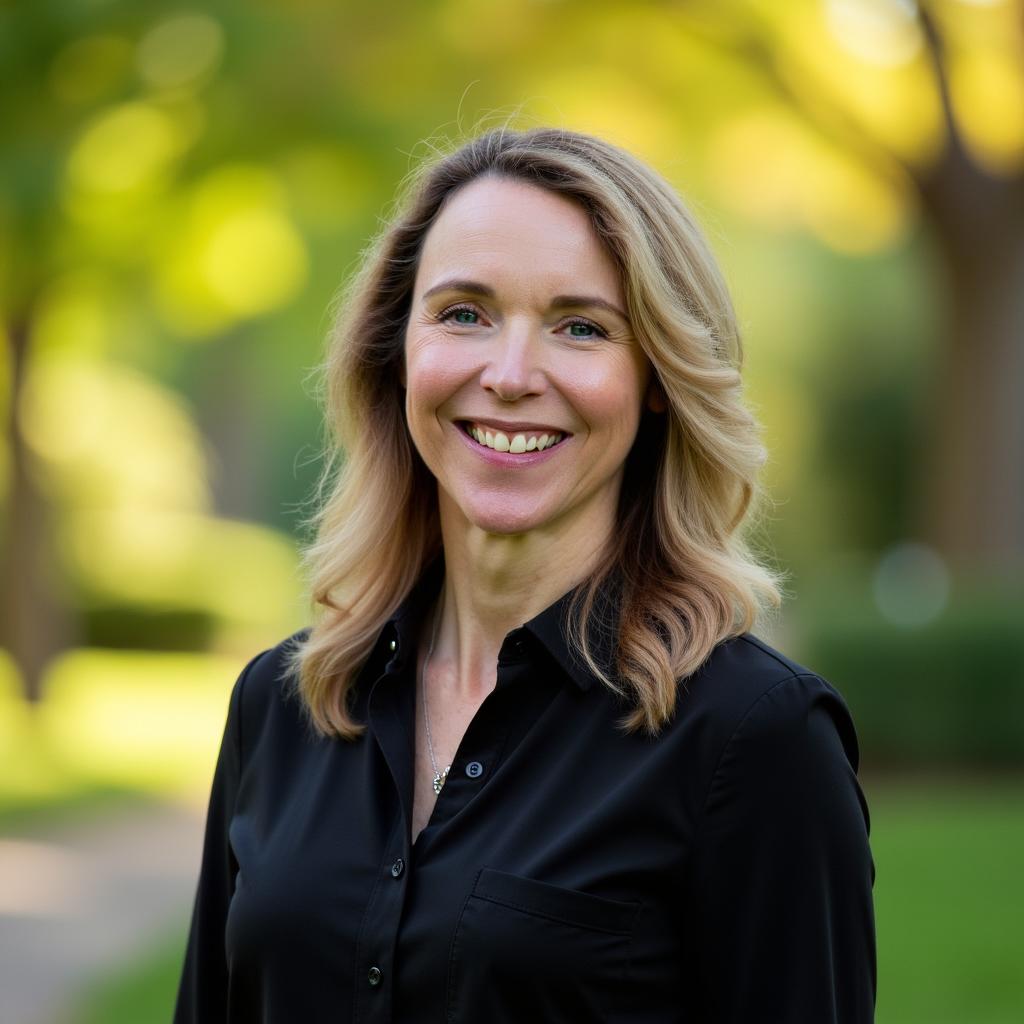
Dr. Rajesh Venugopal is an Associate Professor at the London School of Economics and Political Science's Department of International Development. He specializes in the politics of development and ethnic conflict with regional expertise in South Asia. His research examines ethnocracy, neoliberalism, natural disasters, and political sensitivity in development contexts. His research focuses on: Development processes in post-conflict societies Ethnic conflict dynamics and nationalist movements Liberal peace-building challenges State-business relations in developing economies Political economy of market reforms Publication analysis reveals consistent focus on conflict resolution mechanisms, with recent work examining illiberal peace-building in Asia and ethnic domination in democratic systems. His scholarship combines theoretical innovation with deep empirical analysis of South Asian cases. Scientific Awards: No awards mentioned in provided materials. Research Leadership: No current students or advising relationships specified.
Prof Juliana Bowles is a Professor at the School of Computer Science, University of St Andrews. Her research focuses on applying formal methods (model checking, constraint solving) to healthcare challenges such as polypharmacy, cancer treatment optimization, and clinical decision support systems. She collaborates with clinicians and engineers to develop tools for medication safety and efficient healthcare processes. Notable projects include EPSRC-funded work on automated conflict resolution in clinical pathways and RAE-funded collaborations with Brazil on healthcare process analysis. Her expertise spans formal verification, concurrency, and health informatics. She leads projects addressing global health challenges through computational techniques, including work on endometriosis care, cancer treatment in the elderly, and secure healthcare data sharing platforms. Supervising PhD students like Ariane Hine and Qurat Ul Ain Shaheen, she integrates interdisciplinary approaches to enhance healthcare outcomes. Key Collaborations: Royal Academy of Engineering (RAE), UNISC Brazil, EPSRC Grants: EPSRC (EP/M014290/1), RAE Newton Research Collaboration (Project NRCP1617/5/62) Publications: Over 90 peer-reviewed articles, focusing on formal methods in healthcare and computational medicine Her work contributes to UN Sustainable Development Goals by improving healthcare access and decision-making through technology. She develops secure systems for medical data sharing and personalized treatment strategies, balancing usability and privacy concerns in healthcare IT.
Dr. Stephanie Nawyn is an Associate Professor and Graduate Program Director in the Department of Sociology at Michigan State University's College of Social Science. Her research examines migration, refugee studies, and gender, with current projects focusing on COVID-19 impacts on humanitarian interventions and climate migration. Education: Ph.D. in Sociology, University of Southern California (2006) Research Focus: Dr. Nawyn leads international teams studying refugee assistance adaptations during COVID-19 in Turkey, Lebanon, and Jordan. Her second research stream examines climate migration dynamics, including conflict mediation in receiving communities. Methodologically, she employs comparative fieldwork and mixed methods to analyze migration systems. Awards: Fulbright Fellow at Istanbul University (2013-14) Principal Investigator for NSF ADVANCE project on STEM equity Publication Trends: Recent works address layered crises in humanitarian contexts, gender dimensions of migration, and the sociopolitical framing of refugee crises, reflecting engagement with contemporary forced displacement challenges.
Sobhan (Sean) Arisian is Associate Professor of Supply Chain and Logistics at La Trobe Business School. He leads the Sustainable Operations Management discipline and serves as Associate Investigator at the ARC Training Centre in Optimisation Technologies (OPTIMA). Research focuses on supply chain resilience, digitalization, and sustainability—particularly decarbonization of maritime transport and disaster relief logistics. Recent publications demonstrate strong emphasis on quantitative optimization models, with recurring themes in: Robust optimization for disruption management Sustainable logistics decarbonization Humanitarian supply chain coordination Quantum computing applications in operations Awarded the Inaugural Collaborative Research Award by BAM/ANZAM and Outstanding Reviewer recognition. Secured $382,742 from Australian Government for Quantum Enhanced Optimisation project and $234,400 DFAT National Focused Grant. Collaborates with University of Cambridge scholars and industry partners on digital transformation strategies. Editorial roles include Associate Editor for Transportation Research Part E and IEEE Transactions on Engineering Management.
Amanda Stewart is an Associate Professor in the Department of Public Administration at North Carolina State University's School of Public and International Affairs. She serves as Director of the Master of Public Administration program, Coordinator of the Graduate Certificate in Nonprofit Management, and Coordinator of the Undergraduate Minor in Nonprofit Studies. Her academic roles include teaching courses such as Management of Nonprofit Organizations (PA536), Fund Development (PA539), and Grant Writing (PA540). Her research focuses on nonprofit management, leadership, and organizational capacity, with a particular emphasis on board diversity, resilience during crises, and workforce dynamics. Education: Amanda holds a B.S. in Business Administration from Birmingham-Southern College (2001), a Master’s in Social Work (macro focus) from Boston College (2005), and a Ph.D. in Public Administration from American University (2015). Her interdisciplinary background blends business, social work, and public policy expertise. Research Interests: Nonprofit governance, leadership succession, organizational resilience, workforce well-being, and the impact of economic crises on nonprofit operations. She has conducted extensive studies on board diversity’s role in organizational performance and post-pandemic workforce challenges. Her recent publications explore nonprofit sector resilience during economic recessions, the psychological impacts of organizational change on employees, and the value of nonprofit degree programs from alumni perspectives. Ongoing projects include the Nonprofit Education Survey Project and the M. Scott Project, focusing on educational needs and leadership pathways. Amanda actively participates in academic conferences such as the Academy of Management, American Society of Public Administration, and Association for Research on Nonprofit Organizations and Voluntary Action. She contributes to policy discussions on nonprofit professionalization and capacity-building initiatives. Her work bridges academic research and practical application, aiming to strengthen nonprofit organizational effectiveness through evidence-based strategies. Key areas of impact include board management, succession planning, and fostering adaptive leadership in turbulent environments.
Professor Sarah L Dance is a Professor of Data Assimilation and EPSRC Senior Fellow in Digital Technology for Living With Environmental Change at the University of Reading's Department of Mathematics and Statistics, part of the School of Mathematical, Physical and Computational Sciences. She leads the Data Assimilation Research Centre (DARC) and focuses on advancing data assimilation techniques in weather forecasting, hydrology, and environmental monitoring. Her work integrates cutting-edge computational methods with real-world applications, particularly in improving flood prediction and soil moisture estimation through innovative modeling approaches. Her research interests span data assimilation algorithms, remote sensing applications, and numerical modeling of environmental systems. Recent work emphasizes the use of satellite data, radar observations, and deep learning for environmental monitoring and disaster management. She collaborates extensively with international institutions on projects like Hydro-JULES and the Transatlantic Data Science Academy, advancing both theoretical and applied aspects of environmental data science. Professor Dance has contributed to operational systems such as the Met Office's data assimilation frameworks and has pioneered methods to handle observation uncertainty in high-resolution models. Her projects often bridge academia and industry, addressing challenges in flood forecasting, climate modeling, and sensor data integration.
Michael G. Kay is an Associate Professor in the Edward P. Fitts Department of Industrial and Systems Engineering at North Carolina State University's College of Engineering. Since joining in 1992, he has served as Director of the Integrated Manufacturing Systems Engineering graduate program and as Co-Director of the Operations Research Program. His educational background includes a Ph.D. in Industrial Engineering from NC State University (1992), an MS in Industrial Engineering from the University of Florida (1984), and a BA in Economics from the University of Florida (1981). Kay's research focuses on logistics engineering, particularly the design of public logistics networks using driverless delivery vehicles. His work explores innovative solutions for freight transportation, warehousing, and production system design, with applications ranging from military logistics to sustainable supply chains. Key research areas include metaheuristic optimization, material handling systems, and multimodal transportation networks. Analysis of Kay's recent publications reveals a strong interdisciplinary focus spanning operations research, logistics engineering, and supply chain innovation. His work increasingly incorporates emerging technologies like blockchain and additive manufacturing to solve complex industrial problems. Research trends demonstrate consistent application of stochastic optimization methods to real-world challenges in transportation, manufacturing, and military logistics. Throughout his career, Kay has developed significant software tools including: Logjam (Julia package for logistics engineering) Matlog (Logistics Engineering Matlab Toolbox) Lgpy (Logistics Engineering Python Package) GAOT (Genetic Algorithm Optimization Toolbox)
Poul Einar Heegaard is a Professor at the Department of Information Security and Communication Technology (IIK), Norwegian University of Science and Technology (NTNU). He has held leadership roles including Head of the Networking Research Group (2019-2021) and Head of the Department of Telematics (2009-2013). He has also served as Head of the QUAM-lab at NTNU (2015-2019) and as Coordinator of the Network Research area (2006-2009). He has been a visiting professor at institutions such as Duke University, University of Illinois at Urbana-Champaign, and TU München. He holds a Master's Degree (Siv.ing.) in Computer Systems and Telematics (1989) and a PhD (Dr.ing.) in Telematics (1998), both from NTNU. His research focuses on Quality of Service (QoS) evaluation, rare event simulation techniques, survivability quantification, network monitoring, and distributed autonomous management in communication systems. His recent academic articles explore topics like network slicing, NFV resilience, Markov models for server performability, and scalability indices in 5G systems. He has contributed to conferences and journals on QoE fairness, IoT traffic modeling, and software reliability in SDN controllers.
Bharat Rao is an Associate Professor in the Department of Technology Management and Innovation at New York University’s Tandon School of Engineering. His research focuses on managing emerging technologies, innovation strategy, and the societal impacts of disruptive technologies such as AI, drones, and 3D printing. He explores topics including defense innovation cycles, technology diffusion in underdeveloped societies, and the role of universities in fostering entrepreneurship. Affiliations: Tandon School of Engineering, NYU Office: LC 401 Dibner Email: bharat.rao@nyu.edu His work bridges technology adoption, business models, and strategic implications across sectors like defense, entertainment, and environmental sustainability. Rao’s recent publications address AGI prospects, AI’s impact on defense industries, and social entrepreneurship approaches for river revitalization. His research also examines innovation ecosystems in government agencies (e.g., Defense Innovation Unit) and multinational corporate expansion strategies (e.g., TCS in Europe). Rao has published extensively on topics ranging from cloud computing in developing regions to the cultural economics of magic performances. His work integrates technical analysis with organizational and policy perspectives, often using case studies to illustrate innovation dynamics.
Amanda Lynch is the Sloan Lindeman and George Lindeman Jr. Distinguished Professor of Environmental Studies and Professor of Earth, Environmental, and Planetary Sciences at Brown University. She also serves as Chair of the Research Board at the United Nations World Meteorological Organization (WMO). Her primary affiliations include the Institute at Brown for Environment and Society , which she founded in 2014, and the Department of Earth, Environmental, and Planetary Sciences. Dr. Lynch holds a B.Sc. (Honors) in Applied Mathematics from Monash University and a Ph.D. in Atmospheric Sciences from the University of Melbourne (1993). Her research focuses on the intersection of atmospheric science and environmental governance, particularly in Arctic and Antarctic regions. Key areas include climate modeling, polar system dynamics, indigenous knowledge integration, and policy analysis related to climate change adaptation. She develops models to understand Arctic marine accessibility and extreme weather events, emphasizing interdisciplinary approaches to address climate challenges. Dr. Lynch has received numerous accolades, including the Priestley Medal (2008) , Priestley Medal of the Australian Meteorological and Oceanographic Society (2007) , and fellowships from the American Meteorological Society, Australian Academy of Technological Sciences and Engineering, and Norwegian Scientific Academy for Polar Research. In 2022, she was awarded the Myres S. McDougal Prize in International Law . In addition to her academic roles, Lynch leads international initiatives such as the UN WMO Research Board and contributed to the World Climate Research Programme. Her work bridges science and policy, advocating for global cooperation in addressing climate impacts. As founder and leader of the Institute at Brown for Environment and Society, Lynch fosters interdisciplinary research on environmental challenges, integrating natural and social sciences to promote sustainable solutions.
Hamish S Fraser is an Associate Professor of Medical Science and Associate Professor of Health Services, Policy and Practice at Brown University's Brown Center for Biomedical Informatics. He holds dual appointments in the School of Public Health and collaborates with institutions globally. His academic career includes roles at Harvard Medical School (2006-2015), University of Leeds (2014-2019), and University of Edinburgh. He trained in Medicine and Cardiology at Edinburgh University, with postdoctoral work in Clinical Decision Making at MIT and New England Medical Center. Key research focuses include evaluation of eHealth systems in low-resource settings, global health informatics, and diagnostic decision support systems. Notable projects include co-founding OpenMRS, a widely used open-source EHR system, and leading evaluations of HIV care systems in Rwanda and Kenya. He has received grants from CDC, Rockefeller Foundation, and EU Horizon 2020, including a 2021 R01 grant for machine learning in HIV care cascades. His work spans 15 countries, with funded research on digital health systems in LMICs, stroke diagnosis via symptom checkers, and telemedicine. Awards include the Marie Skłodowska-Curie Fellowship and Fellowships from the American College of Medical Informatics and International Academy of Health Sciences Informatics. Teaching includes global eHealth courses at MIT, Edinburgh, and Brown, contributing to a textbook on global health informatics. Current projects involve evaluating AI-driven symptom checkers in emergency care and improving EHR usability for non-communicable diseases.
Dr. Ian Belton is a Lecturer in Management Science at the University of Strathclyde's Strathclyde Business School. His research focuses on decision-making under risk and uncertainty in organizational contexts such as legal systems, defense, and security sectors. He specializes in strategic foresight techniques including the Delphi method and Bayesian network modeling, with particular emphasis on applications in Arctic search and rescue operations and criminal sentencing analysis. Key projects include the BARD initiative (Bayesian ARgumentation via Delphi), funded by IARPA, which developed graphical tools for causal Bayesian network analysis. He co-led the Nunavut-Nunavik Search and Rescue (NSAR) project, applying Inuit-driven risk modeling to enhance Arctic SAR operations. His work bridges qualitative foresight methods with quantitative risk models, emphasizing interdisciplinary collaboration between psychology, operations research, and computational science. Belton has organized major conferences such as StrathWide 2023/2024 and contributed to initiatives like the Human Digital Twin roadmap for occupational safety. His research outputs include over 18 peer-reviewed articles, with recent emphasis on urgent Arctic challenges and veracity judgment in structured groups. He has held collaborative roles in multi-university projects involving UCL, Monash University, and Canadian partners.
B.L.M. Kothuis is a researcher affiliated with Delft University of Technology's Faculty of Civil Engineering and Geosciences, specializing in Hydraulic Structures and Flood Risk. Their work focuses on flood vulnerability assessment, nature-based solutions for flood risk management, and transdisciplinary educational methodologies. Kothuis has contributed to international collaborations between the Netherlands and the U.S. Upper Texas Coast, addressing coastal flood risk reduction and multifunctional infrastructure design. Research interests include disaster resilience, stakeholder engagement in infrastructure projects, and the socio-cultural dimensions of flood management. They have led or co-authored over 50 publications since 2012, emphasizing comparative case studies across regions such as The Netherlands, Puerto Rico, and Texas. Kothuis also engages in editorial roles and public outreach, such as the Journal of Delta Urbanism , and has presented at conferences on topics like contested issues in flood defense design and historical flood management practices. Notable outputs include co-design frameworks for inclusive flood risk management and analyses of residential flood vulnerability across diverse geographies. Their work bridges engineering, environmental science, and social science to develop adaptive strategies for climate change impacts.
Ala Arvidsson is a Senior Lecturer at the Supply and Operations Management Department within the Technology Economics and Organization school at Chalmers University of Technology. Their work focuses on supply chain innovation, procurement strategies, and logistics resilience. Key affiliations include projects funded by VINNOVA and collaborations with industry partners such as the automotive and humanitarian sectors. Research Interests : Arvidsson’s research spans supply chain management, sustainable procurement, blockchain applications in logistics, disaster relief coordination, and Industry 5.0 adoption in SMEs. Recent work emphasizes multi-tier supply chain resilience, right-to-repair policies, and circular economy frameworks. Projects : Active projects include Hållbar cirkulär tillförsel av teknologi till bilindustrin (SusTeq) (2024–2028) and COLLECT: Horizontal Cooperation in Urban Logistics (2022–2023). Past initiatives involved developing procurement big data software and frameworks for disaster relief resource sharing. Grants & Collaborations : Funded by VINNOVA and industry partners, Arvidsson collaborates with researchers across disciplines, including transportation engineering and humanitarian logistics. Their work bridges academic theory with practical applications in manufacturing, healthcare, and disaster management.
Professor Tolga Bektas is a faculty member at the University of Liverpool Management School, holding the rank of Professor. Previously, he served as Professor of Logistics Management and Head of the Decision Analytics & Risk Department at Southampton Business School for 11 years. He holds a PhD in Industrial Engineering from Bilkent University (2005) and completed a postdoctoral fellowship at CIRRELT, University of Montreal. His research focuses on applying mathematical modeling and optimization to freight transportation, distribution planning, and supply chain networks, emphasizing environmental sustainability. Key projects include railway timetable optimization, maintenance planning for sea vessels, and last-mile urban logistics. He has secured funding from InnovateUK, EPSRC, and others for initiatives like SCALE, Freight Traffic Control 2050, and FTC2050. Professor Bektas actively contributes to academic leadership, serving as Editor for Computers & Operations Research , Transportation Science , and Networks . He has organized conferences such as ICCL 2017 and presented keynote addresses on topics like green vehicle routing and urban last-mile logistics. His professional roles include Associate Dean International at Liverpool and past Treasurer of the Southern OR Group. His teaching responsibilities include coordinating modules on Business Analytics (EBUS205/EBUS305) and teaching Operations Modelling and Simulation (EBUS504). His work bridges academia and industry, collaborating with SMEs to enhance operational efficiency through analytical approaches.