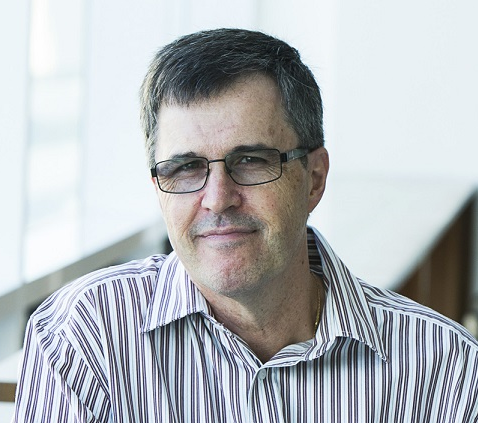
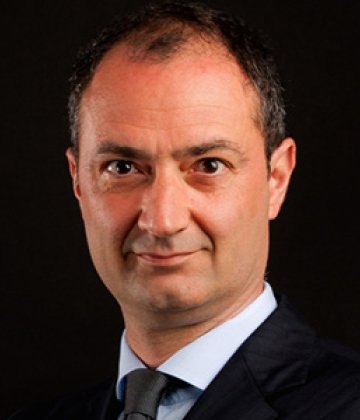
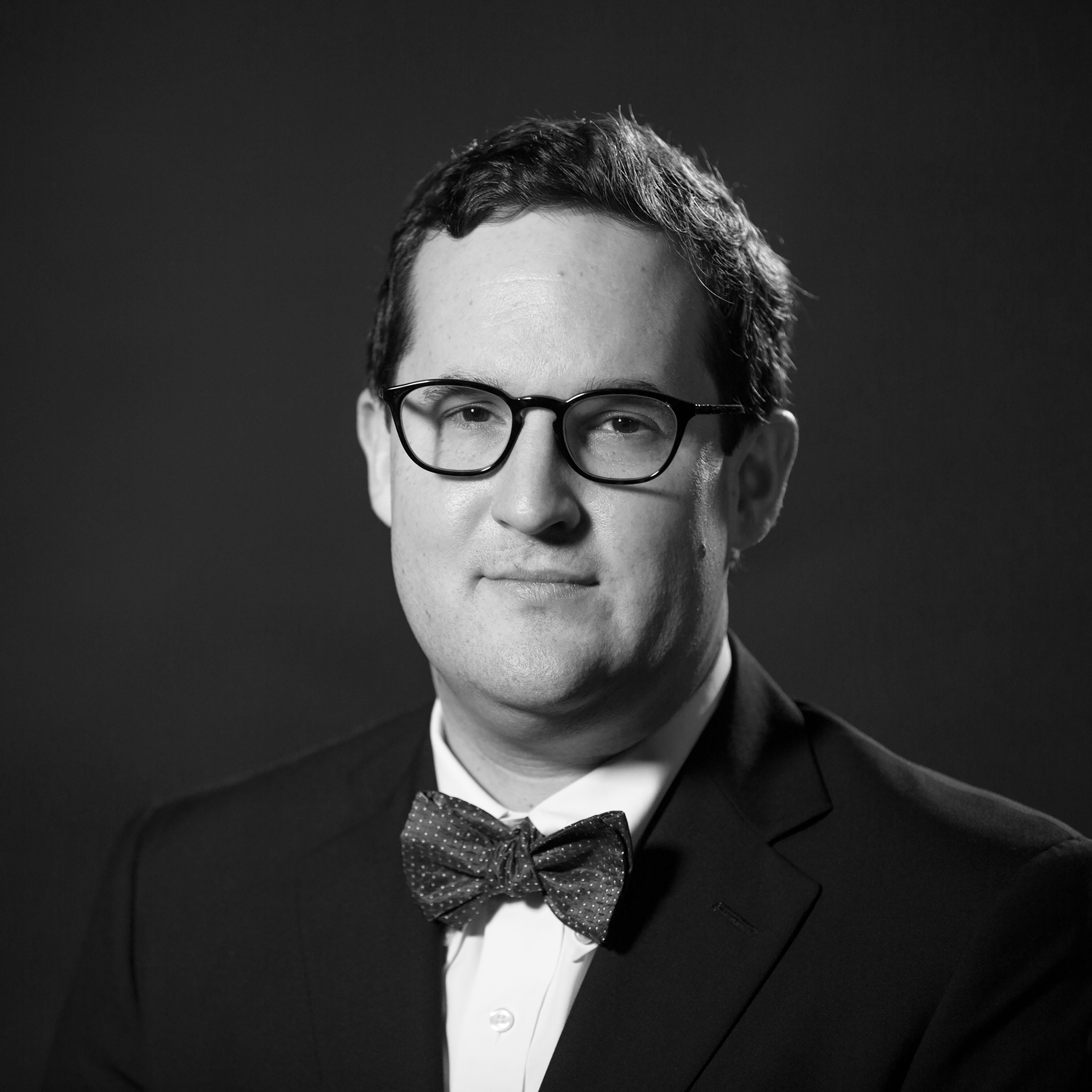
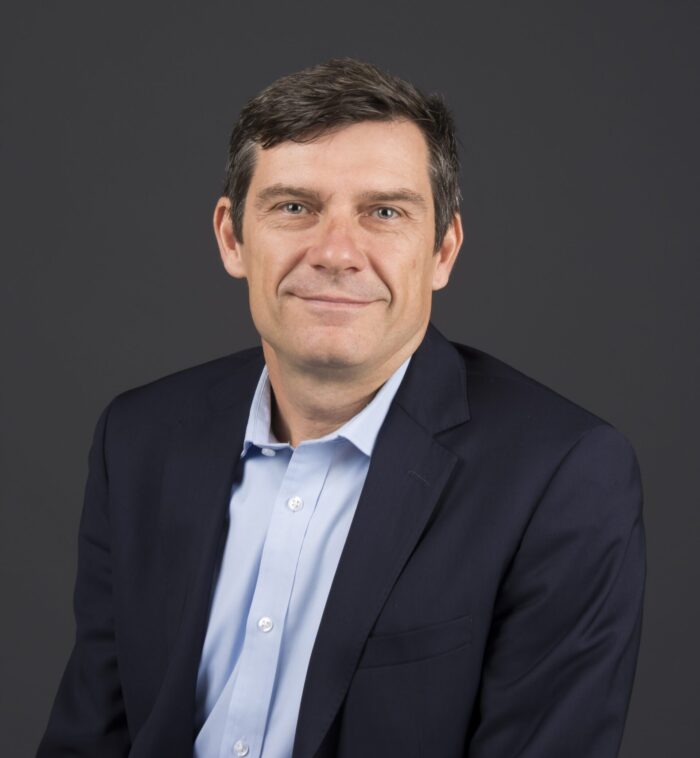
Professor Denzil G Fiebig is a leading academic in econometrics and health economics, affiliated with the School of Economics at UNSW Business School . He has held visiting appointments at prestigious institutions including the University of Florida and Tilburg University. His research focuses on econometric modeling in healthcare decision-making and policy design. Member of the Australian Research Council College of Experts (2014-17) President of Australian Health Economics Society (2005-10) Chair of iHEA Scientific Committee (2016-19) His work has attracted over $AUD15.6 million in research funding from ARC and NHMRC. Key editorial roles include service on Economic Record and Social Science and Medicine . Recent publications analyze topics ranging from: Discrete choice experiments in healthcare Health insurance market dynamics End-of-life care economics Neonatal healthcare utilization Major awards include: 2016 Vice Chancellor’s Award for Teaching Excellence 2003 Fellow of the Academy of Social Sciences in Australia
Professor Christian Biener is a faculty member at the University of St. Gallen, affiliated with the School of Economics and Political Science and the Department of Economics. His research focuses on insurance economics, behavioral economics, and risk management, with particular emphasis on topics like cyber risk, microinsurance, health insurance design, and the societal impacts of emerging technologies such as chatbots and telematics. He holds a prominent role in academic and industry discourse through his extensive publication record and contributions to policy-relevant research. Biener’s work bridges theoretical economic analysis with practical applications, addressing challenges in global insurance markets, pandemic response strategies, and the interplay between technological innovation and human behavior. His research has explored how factors like microbiome composition influence economic decision-making, the ethical implications of contact-tracing apps, and the design of effective reinsurance strategies. He actively engages with industry trends, advising on future skills requirements in reinsurance and the balance between privacy and risk hedging in digital environments. His scholarly output spans over a decade, with recent trends emphasizing behavioral aspects of insurance decisions, the impact of global events on healthcare costs, and the transformational role of technology in insurance products. Biener’s articles consistently analyze both micro-level individual decision-making and macro-level market dynamics, offering insights that inform both academic theory and policy formation. While no formal awards are explicitly mentioned, his prolific publication record and institutional affiliation suggest significant recognition within the field. Biener’s work often incorporates experimental methodologies, such as randomized controlled trials, to empirically validate theoretical models. He collaborates across disciplines, integrating insights from psychology, computer science, and public health into his economic analyses. Biener’s current research agenda includes investigating the insurability of novel risks (e.g., cyber threats), optimizing microinsurance programs in emerging markets, and analyzing non-cognitive skills’ role in post-crisis economic recovery. He leads projects at the Institute for Economics (IVW) at HSG, contributing to both academic and applied research initiatives.
Cydney F. Albert is an Adjunct Professor of Insurance Planning at the American College of Financial Services, where she also serves as discipline lead for the Insurance Management program. She concurrently teaches at a local college and provides corporate training for insurance designations. With 15+ years in personal lines insurance, she specializes in team leadership, performance management, and educational partnerships. Education: BA from Mount Holyoke College; MBA and MS in Accounting (Internal Audit focus) from the University of Texas at Dallas. Professional credentials include CPCU, AIC, AINS, API, AIM, and ACS designations. Research interests emphasize training methodologies, insurance product innovation, and bridging academic theory with industry practice. Her recent contributions address crisis management in caregiving, retirement strategy evolution amid market uncertainty, and insurance sector trends.
Antonella Basso serves as a Full Professor in the Department of Economics at Ca' Foscari University of Venice, specializing in mathematical methods of economics and actuarial and financial sciences (STAT-04/A). She is affiliated with the Research Institute for Complexity and maintains her office in the San Giobbe building where she holds regular office hours on Tuesdays from 2:00 pm to 5:00 pm CET. Professor Basso's research expertise spans multiple domains of quantitative finance and economics, with particular emphasis on Financial Mathematics , Quantitative and Computational Finance , and Ethical Finance including ESG investments and green finance. She has pioneered the application of Data Envelopment Analysis (DEA) across diverse contexts from mutual funds and pension funds to museum evaluation. Her work increasingly explores the integration of Artificial Intelligence and Machine Learning techniques for economic applications, alongside traditional risk assessment methodologies. She also maintains significant research interests in art as a financial asset and alternative investment class. Her recent publications (2019-2025) reveal a consistent research trajectory with growing emphasis on sustainable finance, alternative investments including art, and performance measurement in cultural institutions. Her work demonstrates sophisticated methodological approaches to portfolio optimization with volume-based liquidity constraints, ethical fund evaluation using metafrontier approaches, and innovative integration of DEA with Balanced Scorecard and AHP methodologies for comprehensive performance assessment. As an educator, Professor Basso actively supervises undergraduate and master's theses on topics spanning financial mathematics, computational finance, insurance, and ethical finance applications. She requires preliminary discussions with students to ensure appropriate thesis topic alignment with research objectives and methodological capabilities. Through her affiliation with the Research Institute for Complexity, she contributes to interdisciplinary research examining complex economic and financial systems through quantitative lenses, bridging theoretical mathematical approaches with practical financial applications across multiple sectors.
Davide Castellani is an Associate Professor in the Department of Management at the University of Bergamo. His research focuses on financial inclusion, SME finance, green microfinance, and sustainable development, with a strong interdisciplinary approach to addressing global financial challenges. He has collaborated with multilateral organizations such as the Union for the Mediterranean, the Development Bank of Latin America (CAF), World Vision International, and the Inter-American Development Bank (IADB). His work explores innovative financial instruments for economic empowerment, particularly among marginalized populations, and includes policy-oriented strategies, financial education programs, and impact evaluations of financial inclusion initiatives. Recent publications analyze geographic diversification in microlending, early-stage financing diversity, and risk management in disaster-prone areas. Articles highlight trends in financial behavior, climate resilience, and the role of microfinance in sustainable development. His research on PLS-SEM in quality management (with Francesca Magno) underscores methodological advancements in the field. No scientific awards are explicitly mentioned in the provided texts.
Kimberly Cornaggia is a Professor of Finance and Department Head at the Smeal College of Business, Pennsylvania State University. She holds the endowed Louis R. & Virginia A. Benzak Professorship and serves as Research Director of the Center for the Study of Financial Markets. Her roles include board memberships at the Eastern Finance Association and Western Finance Association. Dr. Cornaggia specializes in corporate finance, credit risk, public finance, and household finance. Her research addresses topics like financial shocks, municipal bond markets, and opioid crisis impacts. Prior to Smeal, she taught at American University, College of William and Mary, New York University, and Indiana University. Her non-academic experience includes SEC and Department of Justice roles analyzing credit ratings and asset-backed securities. She earned her PhD from Purdue University’s Krannert Graduate School (2000) and BS from the University of Nebraska-Lincoln (1994), majoring in Actuarial Science and Finance. Her work spans over two decades, with publications in top journals like the Journal of Finance and Journal of Financial Economics. Key themes include credit rating agency dynamics, municipal finance, and the intersection of public policy with financial markets.
Philipp Ager is a Professor in the Department of Economics at the University of Mannheim, with affiliations as a Research Fellow at the Centre for Economic Policy Research (CEPR) and editorial board member at Explorations in Economic History . University: University of Mannheim Professional Affiliations: CEPR, Explorations in Economic History His research spans multiple domains within Economic History , focusing on: Disaster Response (e.g., Great Mississippi Flood of 1927, 1906 San Francisco earthquake) Technological Change (e.g., milking machines, antitoxin treatments) Human Capital Development (e.g., charity nurseries, fertility transitions) Gender Dynamics in economic and historical contexts Medical Innovation and its impact on life expectancy Status Competition during wartime Article trends highlight interdisciplinary work bridging historical analysis with modern economic theory, particularly in labor markets , wealth shocks , and sustainable finance through historical case studies. His publications often intersect with broader themes in development economics and poverty alleviation , using empirical methods to analyze long-term societal impacts of economic policies and technological shifts.
Giuseppe Corvino is a Professor of Financial Markets and Institutions at Bocconi University, specializing in investments, insurance, and pension funds. He has held visiting roles at Politecnico Milano and the MIB Trieste School of Management, and is a scientific partner of the Osservatorio sul Welfare by Luiss Business School. His research focuses on insurance companies, asset management, risk management, and regulatory frameworks. Corvino won the Bocconi University Research Incentives Award (with F. Saita) for work on retirement savings investment strategies. He designed executive programs for global financial institutions through SDA Bocconi School of Management. During an academic leave, he led BlackRock's Italy Institutional Client Business and Financial Institutions Group as a Managing Director. His professional roles include chairman, independent board member, and advisor to major financial institutions. He contributed to projects like the UN’s International Decade for Natural Disaster Reduction and served on the EIOPA Occupational Pensions Stakeholder Group. His teaching includes courses on risk management, banking, insurance economics, and international financial markets.
Ihtisham Malik is an Honorary Senior Lecturer in Finance at the University of Queensland (UQ), where he earned his PhD in 2020. With over a decade of teaching experience, he specializes in finance courses such as Portfolio Management and Public Financial Management, delivered in both traditional and online formats. He has served as Academic Director for UQ's joint public sector finance program with the Queensland Treasury Corporation (2021–2024), bridging academic theory with practical industry insights. His research focuses on Sustainable Finance, Asset Pricing, and Climate Policy Uncertainty, with publications in top-tier journals like International Review of Financial Analysis and Corporate Governance: An International Review . Recognized for his teaching excellence, he received the Student Engagement Award for fostering dynamic learning environments. His research explores the intersection of natural disasters, corporate governance, and financial markets, including studies on insider trading during extreme weather events and board diversity's impact on eco-innovation. Recent work addresses climate policy uncertainty's effects on stock returns and corporate default risk. He actively engages in capacity-building initiatives for public sector professionals through Executive Education programs. Key awards: Student Engagement Award (UQ) Grants/Advising: His academic leadership in the UQ-Queensland Treasury program exemplifies his commitment to applied research. He collaborates with global peers on topics like board gender reforms and CSR's role in disaster resilience. Labs/Teams: Engaged with UQ Business School's research hubs focusing on Sustainable Finance and Financial Markets Analysis.
Jesse M. Keenan is the Favrot II Associate Professor of Sustainable Real Estate and Urban Planning at Tulane University's School of Architecture and Built Environment. As Director of the Center on Climate Change and Urbanism, he bridges climate science, real estate, and urban policy to address climate adaptation and mitigation in the built environment. Formerly at Harvard Kennedy School, Columbia University, and Oxford University Contributor to IPCC, U.S. National Climate Assessments, and FEMA reform debates His research spans climate finance , resilient infrastructure , climate gentrification , and policy innovation . He pioneered concepts like 'Bluelining' and 'Climate Intelligence Arms Race' that influence global adaptation strategies. Media outlets like The New York Times and BBC frequently cite his work. Recent publications focus on compound climate hazards , cyber-physical resilience , and equity in adaptation planning . He has held advisory roles for the U.S. Commodity Futures Trading Commission, Federal Reserve Bank of San Francisco, and the Obama administration's Climate Action Plan. Scientific awards include PREA Scholar and Harvard Visiting Fellow Executive Producer of America Adapts podcast (Webby Honoree)
Brian Nussbaum is an Assistant Professor in the College of Emergency Preparedness, Homeland Security and Cybersecurity (CEHC) at the University at Albany. He is concurrently a Fellow of the Cybersecurity Initiative at New America and an Affiliate Scholar at Stanford Law School's Center for Internet and Society (CIS). Previously, he served as a Senior Intelligence Analyst at the New York State Office of Counter Terrorism (OCT), where he established the Cyber Analysis Unit (CAU) at the New York State Intelligence Center (NYSIC). Education: Ph.D. in Political Science, University at Albany, 2009 M.A. in Political Science, University at Albany, 2007 B.A. in Political Science, Binghamton University, 2002 Nussbaum's research examines cybersecurity governance with emphasis on state/local capabilities, critical infrastructure protection, and intelligence communication. His core interests include: Policy frameworks for municipal cybersecurity resilience Threat assessment methodologies for emerging technologies Cross-jurisdictional information sharing architectures Operational challenges in smart city security His recent publications (2020-2024) demonstrate multidisciplinary analysis of cyber-physical threats, with recurring themes in: Critical infrastructure vulnerability and crisis management Evolution of financial cybercrime and regulatory responses Attribution challenges in cyber incidents Intersections of disinformation, surveillance, and democratic processes Nussbaum contributes to field-building through affiliations with New America and Stanford CIS, extending his impact beyond academia into national policy discourse. His prior operational experience at NYSIC informs applied research on public-sector cybersecurity capacity.
Olaf Weber is a Professor and CIBC Chair in Sustainable Finance at the Schulich School of Business, York University . He also serves as a Senior Fellow at CIGI and Adjunct Professor at the School of Environment, Enterprise and Development (SEED), University of Waterloo . His research focuses on the intersection of finance, sustainability, and policy, particularly addressing how financial institutions can advance sustainable development goals (SDGs), manage climate risks, and integrate ESG principles into investment strategies. He is the Director of the Centre of Excellence in Responsible Business at Schulich. Key research areas include sustainable finance regulation , ESG performance measurement , transition finance , and green bond markets . Weber critiques Canada’s lag in sustainable finance leadership, emphasizing the need for stronger policy alignment between financial activities and climate goals. His work highlights challenges such as fossil fuel financing by Canadian banks and proposes solutions like public-private partnerships and stricter sustainability criteria for investments. He advises on climate stress testing , carbon pricing mechanisms , and the role of institutional investors in driving sustainable transitions. Weber’s interdisciplinary approach combines finance, environmental science, and policy to address global sustainability challenges. His research has been applied to sectors like renewable energy, water management, and microfinance.
Dr. Paul Leahy is a Lecturer in Wind Energy Engineering at University College Cork (UCC) and a funded investigator in the SFI MaREI Centre for Energy, Climate, and Marine Research. He leads research on wind energy, circular economy applications for decommissioned turbine blades, and climate change impacts. His work includes the Re-Wind project, a transdisciplinary initiative funded by SFI, NSF, and Northern Ireland's Department for the Economy. He co-supervises six PhD students and has examined over 20 theses globally. Education: BE Electrical Engineering (1995), PhD Electrical Engineering (2001), Postgraduate Certificate in Teaching & Learning in Higher Education (2018). Research & Awards: Research focuses on wind energy forecasting, energy storage, and greenhouse gas emissions. Notable awards include the Environmental Research Letters' 2013 Highlight and an ISI Highly Cited Paper (2012). He contributed to IPCC Special Reports on climate change mitigation and co-edits Renewable & Sustainable Energy Reviews. Grants & Projects: Secured €320,000 for Re-Wind and led multiple EU, EPA, and industry-funded projects. Current research includes lifecycle assessments of repurposed turbine blades and hydrogen production via offshore wind. Teaching & Outreach: Coordinates modules like NE6003 Wind Energy Engineering and contributes to energy systems education. Engages in public lectures and policy initiatives like Energy Cork Cluster leadership. Labs & Teams: Collaborates with multidisciplinary teams on infrastructure repurposing (e.g., BladeBridges) and climate adaptation strategies for agriculture and peatlands.
Amal N Trivedi is a Professor of Health Services, Policy and Practice and Professor of Medicine at Brown University. His research focuses on quality of care, healthcare disparities, and the impact of patient/provider incentives on healthcare equity. He teaches health policy to medical students and residents, and leads a course on Quality Measurement and Improvement for graduate students. His work has been published in top-tier journals like the New England Journal of Medicine and JAMA, with a focus on Medicare/Medicaid policy, dialysis disparities, and post-acute care outcomes. Key research interests include analyzing healthcare systems' performance, particularly for vulnerable populations such as Medicare Advantage enrollees, dialysis patients, and those with Alzheimer’s disease. His studies often address structural inequities, such as racial disparities in kidney failure incidence linked to historical redlining, and the impact of policy changes like Medicaid expansion and Medicare Advantage network structures. Dr. Trivedi’s articles consistently explore themes of healthcare access, payment models, and social determinants of health. Recent work highlights disparities in Medicare Advantage disenrollment patterns, the effects of burn pit exposure on military veterans, and the role of vertical integration in healthcare systems. His research frequently informs policy debates on improving healthcare equity and quality. Despite no listed scientific awards, his prolific publication record and contributions to high-impact journals underscore his academic influence. His advising and grant activities, while not explicitly detailed, are implied through collaborative studies with institutions like the VA and federal agencies.
Stefan Klonner serves as Professor of Development Economics at Heidelberg University's South Asia Institute since 2010, leading the Development Economics Team. His academic trajectory includes a Ph.D. in Economics from Heidelberg University (2001) and a Master's in Statistics and Econometrics from the University of Utah (1996), with prior appointments at Yale University (postdoctoral fellow and visiting lecturer), Cornell University (assistant professor), and Goethe University Frankfurt (Professor of International and Development Economics). His educational credentials: Ph.D. in Economics, Ruprecht-Karls University Heidelberg, 2001 Master's in Statistics and Econometrics, University of Utah, 1996 Klonner's research centers on microeconomic analysis of low-income economies, specializing in credit/insurance markets, health interventions, poverty targeting mechanisms, and impact evaluation of welfare programs. His extensive fieldwork in South India combines rigorous quantitative methods with deep regional expertise to address practical policy challenges in development contexts. This work bridges theoretical economics with real-world applications for poverty reduction. Analysis of his recent publications reveals consistent methodological rigor in evaluating social programs across India and Burkina Faso, with dominant themes including disaster resilience, maternal health financing, employment guarantee schemes, and poverty targeting. His research demonstrates strong regional specialization in South Asia while addressing universal development challenges through microeconometric approaches and field experiments. Professor Klonner actively engages public discourse through expert commentary in media outlets like Die Tageszeitung (taz) and La Liberté, along with invited lectures at institutions including the State Bank of India Leadership Institute and University of Cologne. His presentations address Sustainable Development Goals, fair trade, and poverty measurement methodologies. As head of the Development Economics Team within Heidelberg's South Asia Institute, he contributes to interdisciplinary research on South Asian economies through the Centre for Asian and Transcultural Studies (CATS), directing field studies and policy-relevant analysis focused on South India.