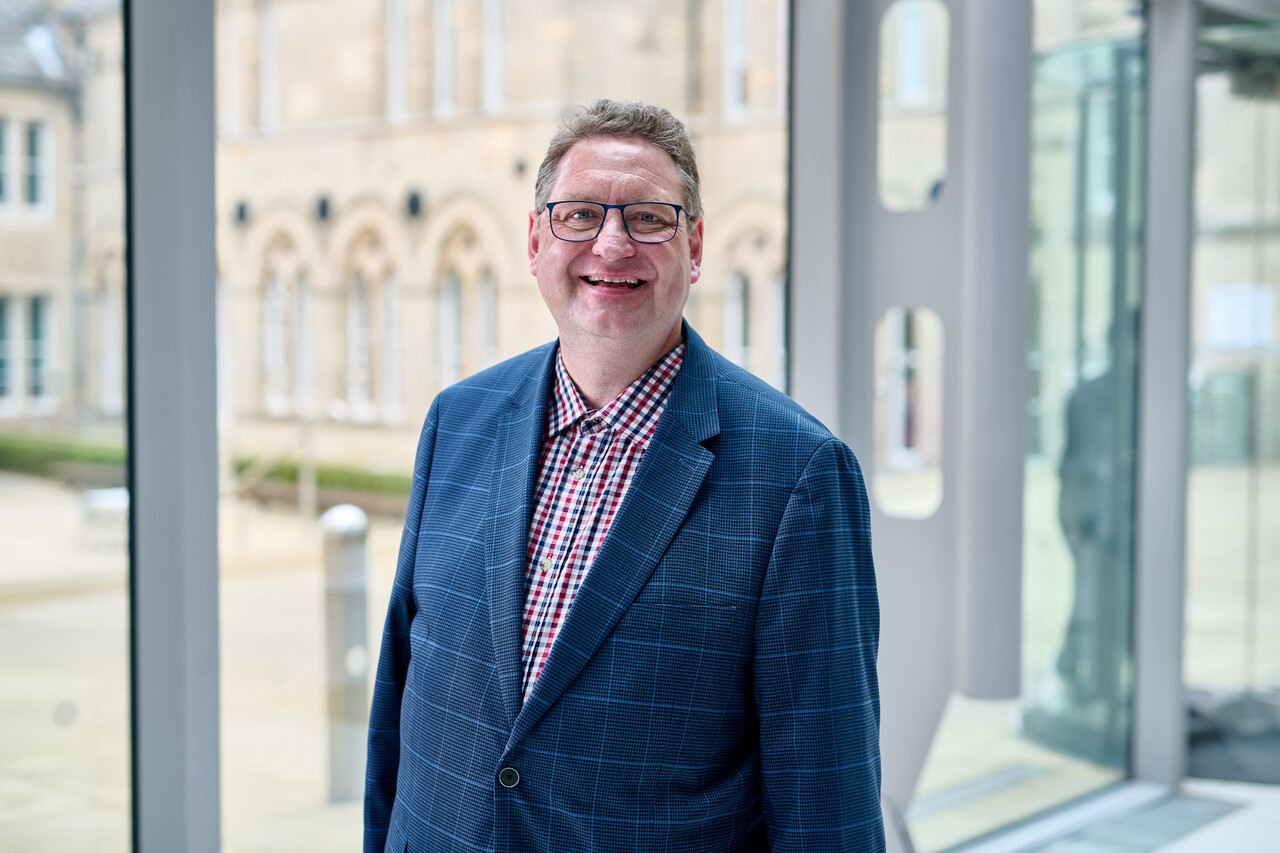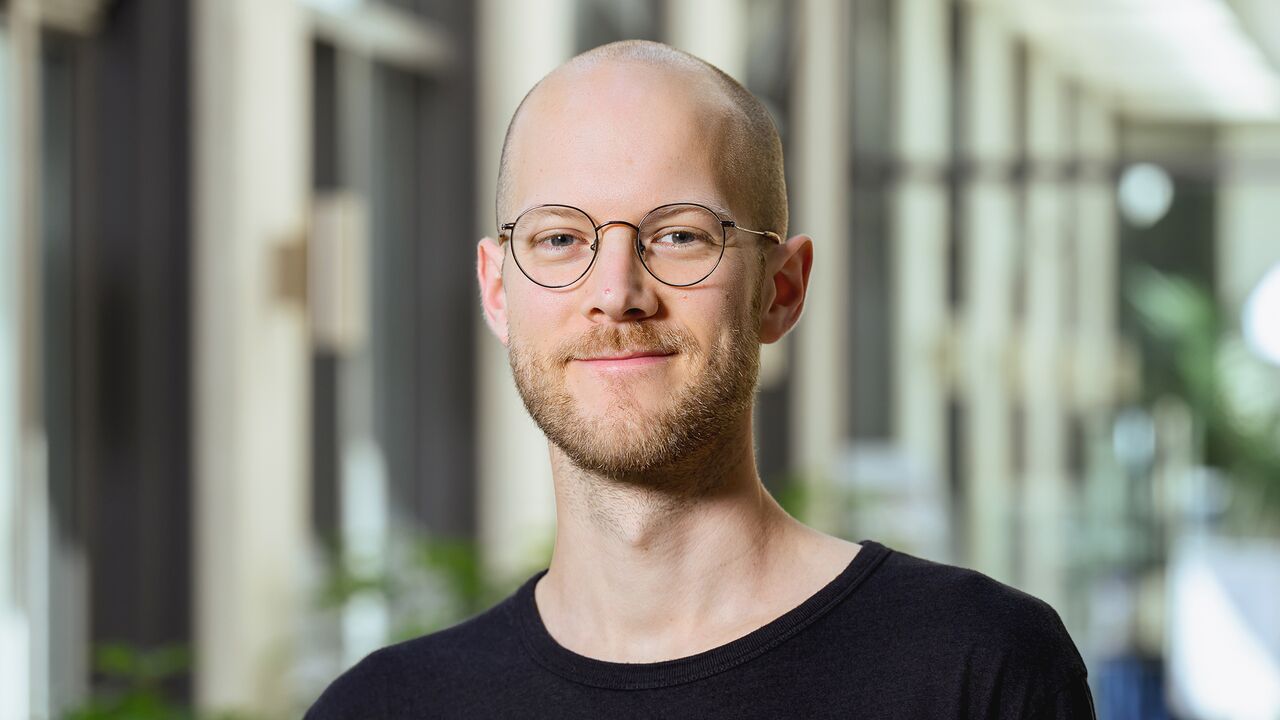
Florian SpissingerView profile
Professor
Prof. Dr. Florian Spissinger has been Professor of Social Work – Theories and Methods at the Baden-Württemberg Cooperative State University (DHBW) Villingen-Schwenningen since 2025. He teaches and researches within the Faculty of Social Work, concentrating on qualitative social research, homelessness, right-wing populism, and socio-ecological transformation. Education & Career Path 2023: Doctorate (Dr. rer. pol., summa cum laude) in Political Science, University of Leipzig 2018–2021: BMBF doctoral scholarship, Rosa Luxemburg Foundation 2009–2012: Dual Bachelor’s in Social Work (Care & Rehabilitation), DHBW Stuttgart Research Focus Spissinger’s work combines ethnographic fieldwork with affect theory to interrogate the emotional architectures of contemporary right-wing movements. He analyses how the AfD constructs an “emotional community” that offers feelings of belonging, moral vindication, and even pleasure to its adherents. Parallel strands of his research connect social-work practice with anti-climate politics, homelessness, and disability inclusion. Scientific Awards & Fellowships 2024: Finalist, German Study Award (Social Sciences), Körber Foundation 2023: Dissertation Prize, Barbara Budrich Publishing House 2018–2021: BMBF Doctoral Scholarship, Rosa Luxemburg Foundation 2012: Award for Outstanding Achievements in the Bachelor’s Programme, DHBW Stuttgart Research Grants & Networks He is Co-speaker (since 2024) of the DVPW working group “Ethnographic Methods in Political Science” and an active member of the DGSA specialist group on “Climate Justice and Socio-Ecological Transformation in Social Work.” His earlier BMBF-funded PoliLab project investigated the malleability of national narratives through political laboratories. Laboratories & Teams At DHBW Villingen-Schwenningen he leads seminars on qualitative research, outreach emergency housing, and human-rights-based social work. He collaborates with the state-level Team meX programme (Baden-Württemberg State Office for Political Education) and maintains an active schedule of public-engagement talks, podcasts, and policy-oriented workshops.