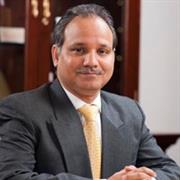
Dr. Rajesh Sharma is an Associate Professor in the School of Global, Urban and Social Studies (GUSS) at RMIT University, Melbourne, Australia. He specializes in Dispute Resolution, Investment Arbitration, and International Trade Law. His research focuses on arbitration laws in Asia, WTO-related issues, and mediation innovations. He holds a PhD in Law from China's Chinese University of Political Science and Law, complemented by degrees from Monash University and the University of Delhi. Dr. Sharma has advised governments and transnational companies on trade policies and has conducted trainings in over 20 countries. He is a winner of the ADR Teacher Award 2022 in Australia. His professional roles include: Associate Editor of the Manchester Journal of International Economic Law Editorial Board member of China and WTO Review and Asia-Pacific Mediation Journal Member of ICC Australia National Committee and Singapore Convention preparation He has designed unique moot competitions, including the Asia-Pacific Vis Pre Moot, promoting disability inclusion in legal advocacy. His current projects include a book comparing China-India investment laws and commentary on the Singapore Convention. Dr. Sharma's service engagements include roles as Panel Arbitrator for the Shanghai Arbitration Commission and leadership in organizations like the Hong Kong Basic Law Education Association.
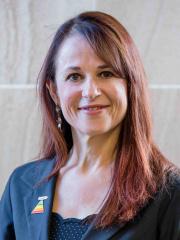
Dr. Farzana Aman Tanima is a Senior Lecturer at the University of Sydney Business School’s Accounting, Governance, and Regulation department. She previously held roles at the University of Wollongong (2017–2023). Her research focuses on critical and dialogic accounting, social justice, and challenging neoliberal frameworks through participatory approaches. Born in Bangladesh, she earned her PhD in 2015 from Victoria University of Wellington, New Zealand, with a thesis on dialogic accounting practices for marginalized women. Education: PhD in Accounting, Victoria University of Wellington, 2015 Undergraduate Honours Degree, Victoria University of Wellington Research Interests: Dr. Tanima’s work centers on dialogic accounting to democratize accounting practices, with focus on NGOs, microfinance, Indigenous education, and race. She employs participatory action research and autoethnography to address systemic inequalities. Key areas include: Accounting’s role in empowerment and development Decolonizing accounting education through Jindaola Critical race theory and counter-accounting Awards: 2024 Mary Parker Follet Award (AAAJ Journal) 2020 VC OCTAL Teaching Award 2015 AFAANZ Best PhD Award Teaching & Mentorship: She leads pedagogical initiatives embedding Indigenous perspectives into curricula and fosters dialogic learning. Supervised two completed PhDs, with co-authored publications. Active in mentoring early-career researchers through invited talks and workshops. Labs/Teams: Part of the Alternative Accounting Research Network and editorial boards for CPA Journal and Financial Accountability & Management . Co-leads special issues on critical dialogics and publicness in accounting.
Sandi Sando is a lecturer at Flinders University, focusing on communication diversity and support needs. They coordinate and lecture in topics related to disability studies and counselling skills. Email: sandi.sando@flinders.edu.au Location: Perth Home Office, Flinders University, South Australia Their research interests span: Communication and Support Needs in disability contexts Counselling Skills for community engagement Education Inclusion strategies Psychosocial Interventions for diverse populations
Dr. Barbara Barbosa Neves is a sociologist of technology and ageing at the University of Sydney’s Sydney Centre for Healthy Societies, holding a prestigious Sydney Horizon Fellowship in AI Social Science. She specializes in loneliness, social isolation, and digital inequalities in later life, with over $6 million in competitive funding from global bodies. Her research bridges sociology and computer science, focusing on inclusive technology design for older adults. Education: PhD in Sociology. Formerly an Associate Director at the Technologies for Aging Gracefully Lab, University of Toronto, Canada. Visiting positions at Oxford, Oslo, Louvain, and Toronto. Research Interests: Sociology of Technology , Aging Anxieties , Healthcare AI , and Ageism . Her work examines how AI, VR, and robotics can benefit older adults while addressing ethical and social challenges. Key themes include combating age-based digital divides and designing technologies that align with care ethics. Grants & Projects: Lead Investigator for the $1M+ evaluation of Australia’s Aged Care Volunteer Visitors Scheme, ARC Discovery Project on loneliness and technology, and MRFF-funded dementia studies. Collaborates with multidisciplinary teams, including computer scientists and policy experts. Awards: 28+ international awards, including Mather Awards (US), George Story Distinguished Lecturer, and Fellowships from the Royal Society of Arts (FRSA) and Higher Education Academy (FHEA). Public Engagement: Over 200 media contributions, including ABC op-eds and SBS documentaries. Her research informs policy and public discourse on aging, technology, and social equity.
Dr. Abby Haynes is a Research Fellow at the Sydney School of Public Health, University of Sydney, affiliated with the Institute for Musculoskeletal Health and Faculty of Medicine and Health. Her work focuses on physical activity for healthy ageing and people with disability, employing qualitative research, systems thinking, and realist evaluation. Key research themes include: Healthy Ageing Disability and Physical Activity Implementation Science Knowledge Mobilisation Her recent publications analyze: Inclusive sports programs for children with disability Fall prevention in acute hospitals Telehealth physiotherapy for aged care Realist evaluations of yoga and dance interventions Systems thinking in public health policy These emphasize public health, gerontology, and health equity approaches. Grants include MRFF-funded projects on traumatic brain injury rehabilitation (2024), fall prevention (2023), and aged care mobility (2022).
Professor Sara Dolnicar is an ARC Australian Laureate Fellow at the School of Business, Faculty of Business, Economics and Law, University of Queensland. With degrees in psychology and business administration from Wirtschaftsuniversität Wien, she specializes in market segmentation, sustainable tourism, social marketing, and environmental behavior. Born in Slovenia, raised in Austria, now based in Australia Over 300 refereed publications and 16 ARC grants Recipient of TTRA Distinguished Researcher Award (2017) and Slovenian Ambassador of Science (2016) Her research improves market segmentation methodology, addresses environmental sustainability in tourism, and develops behavioral interventions for eco-friendly tourist practices. She pioneered perceptions-based market segmentation and introduced bi-clustering techniques for improved data analysis. Recent publications focus on towel reuse interventions, buffet waste reduction, and smart sensor systems for hotel sustainability. She supervises PhD students in environmental behavior, tourism carbon emissions, and IoT applications for sustainability. Current grants include 'Mechanisms of Behaviour Change Theory' (2025-2028) and 'Reducing plate waste in hotels' (2021-2025). Key research areas: Sustainable tourism, market segmentation, social marketing Supervised over 15 PhD students in environmental behavior and disability employment Collaborates with industry partners like Energy Queensland and disability organizations
Professor Luke Prendergast is the Deputy Dean of the School of Computing, Engineering & Mathematical Sciences (SCEMS) at La Trobe University (LTU) and holds a Professorship in the Department of Mathematics and Statistics. He previously served as Head of Department (2014–2020) and led LTU's Statistics Consulting Platform. His research focuses on robust statistics, meta-analysis, dimension reduction, and applied statistics, leading the DRAMA research group. Collaborations span fields like endocrinology, disability studies, and respiratory health. He actively contributes to research grants, including projects on Prader-Willi syndrome and exercise for disability populations. Professor Prendergast's recent work emphasizes statistical software development (e.g., the rquest package) and applications in biostatistics, such as metabolomics analysis and health intervention fidelity. His articles address topics like quantile-based hypothesis testing, geospatial accessibility for disability care, and motivational interviewing efficacy. Professional roles include NHMRC grant review panels, editorial boards for Nutrients and Respirology , and leadership in the Statistical Society of Australia (SSA Vic). His teaching includes courses in meta-analysis, linear models, and data-based critical thinking. Grants funded projects on exercise programs for cerebral palsy populations and community-university partnerships for disability inclusion. Luke's work bridges statistical theory with real-world health challenges, emphasizing robust methodologies and interdisciplinary collaboration.
Carmen Huckel Schneider is an Associate Professor at the University of Sydney, holding positions as Deputy Director of the Leeder Centre for Health Policy, Economics and Data and Director of Academic Education in the Sydney School of Public Health. She also serves as Honorary Senior Fellow at the George Institute and Senior Adviser at the Sax Institute. Her research focuses on global health governance, health policy analysis, and health systems financing. She completed her PhD at the University of Tübingen, examining global health organizations' legitimacy. Her current research explores governance in global health, comparative health systems analysis, and systems approaches to health policy. She leads the Health Governance, Policy and Leadership theme at the Leeder Centre and coordinates units on 'Health Systems and Financing' and 'Global Health Policy'. Notable grants include NHMRC Partnership Grants for health system reforms in NSW and a Centre for Research Excellence in Integrating Health and Social Care. She collaborates internationally, including with the University of Geneva on projects analyzing global health security discourses. Her publications span global health governance, health system reforms, and policy frameworks. She has authored books like *The Legitimacy of Global Health Governance* and contributed to high-impact journals such as *The Lancet Regional Health* and *BMJ Global Health*.
Associate Professor Helen Adam is a leading academic in the School of Education at Edith Cowan University (ECU), specializing in culturally responsive pedagogy and the role of children’s literature in fostering equity and inclusion. She holds a PhD in Early Years Education (2019) and has extensive experience in primary education and literacy research. Her career includes roles as a teacher, researcher, and leader in teacher education, particularly in addressing systemic inequities through literature. She is Board President of the Primary English Teaching Association of Australia (PETAA) and actively contributes to national and international educational initiatives. Research interests focus on diverse children’s literature, social-emotional development, and dismantling prejudice through books. Notable projects include a Churchill Fellowship (2022) exploring global practices in children’s literature and equity-driven education. Her work has been recognized with awards such as the 2023 Churchill Fellowship and multiple ECU research accolades. Helen supervises postgraduate research in literacy and diversity, including projects on postmodern picturebooks and culturally diverse family representation. She collaborates with institutions like ECU’s Kurongkurl Katitjin Centre for Indigenous Education, emphasizing allyship and support for marginalized groups.
Professor Katrina Skewes McFerran is a Professor at the University of Melbourne's Faculty of Fine Arts and Music, serving as Co-Director of the Creative Arts and Music Therapy Research Unit (CAMTRU) and Chair of the CAMTRU Advisory Board. She also holds the role of Editor-in-Chief for the journal Voices: A world forum for music therapy . With a PhD from the University of Melbourne (2001), her career has focused on music therapy research and education since 2004. Her research interests center on music therapy with young people, particularly in schools and community settings, emphasizing participatory action research and qualitative methodologies. She has secured funding from the Australian Research Council and supervised 27 PhD and Master’s students. Her work addresses health, education, and disability sectors, advocating for collaborative, empowering relationships in research and practice. McFerran is the author of Music, Music Therapy, and Adolescents and co-author of Building Music Cultures in the Schools . She has published over 80 refereed articles and presents globally on music therapy and youth. Her research team at CAMTRU drives innovation in music-based interventions.
Elizabeth Stephens is an Associate Professor of Cultural Studies at the University of Queensland's School of Communication and Arts, serving as Director of Research. She holds affiliations with the Queensland Digital Health Centre and the Centre for Digital Cultures & Societies. Her academic journey includes roles as an Australian Research Council Future Fellow (2017–2021) and Associate Dean Research at Southern Cross University (2014–2017). Her research focuses on three interlinked areas: histories of science/medicine/technology, art/science collaboration, and critical medical humanities. Notable works include Normality: A Critical Genealogy (2017) and Anatomy as Spectacle (2011). Recent projects explore the history of work, productivity, and fatigue, alongside speculative biology and art-science intersections. Stephens supervises PhD candidates in cultural studies of science, medical humanities, and digital cultures. Her 100+ publications span books, book chapters, and journal articles, addressing topics from queer theory to biotechnologies. She actively engages in interdisciplinary collaborations, reflecting her commitment to bridging arts and sciences. Her articles critically examine themes like automation's cultural impacts, historical medical practices, and gender/sexuality in science and media. Awards and grants include ARC Discovery Projects and UQ Foundation grants. Stephens is available for supervision and media commentary on gender, medical humanities, and digital culture.
Joel Townsend is an Associate Professor at Monash University's Faculty of Law and serves as Director of Monash Law Clinics, a community legal centre providing experiential education to law students while delivering legal assistance across multiple practice areas including social security, NDIS appeals, tenancy, and migration law. Education: Currently pursuing PhD at Monash University focusing on merits review in Australian public law Townsend's research centers on Administrative Law and Public Law , with specialized expertise in merits review mechanisms , social security law (particularly the Robodebt scheme), disability law (NDIS) , migration law , and tenancy law reform . As an Accredited Specialist in Administrative Law and co-Chair of the Law Institute of Victoria's Administrative Law Advisory Committee, his work directly influences policy development and legal practice through extensive public advocacy and law reform submissions. His scholarly output reveals a critical examination of administrative review systems across diverse contexts, consistently analyzing how automated decision-making impacts government accountability and access to justice. Recent publications demonstrate growing focus on the intersection of technology, public administration, and legal redress mechanisms. Scientific Awards: Vice-Chancellor's Award for Industry and Community Education Programs (Community) (2022) Townsend supervises law students in clinical placements at Monash Law Clinics while leading significant policy initiatives, including a 2023 expert report on third-party merits review for the EPBC Act commissioned by Lock the Gate Alliance Limited. His grant activities extend to Senate committee consultations on automated decision-making and submissions to Victoria's Administrative Reform Review. As Director of Monash Law Clinics, Townsend oversees a multidisciplinary team handling high-impact public interest litigation and community legal services, maintaining strong connections with organizations including Flemington Kensington Community Legal Centre (where he previously served as Board Chair) and Inner Melbourne Community Legal.
Professor Barbara Pini is a faculty member at Griffith University's School of Humanities, Languages and Social Science , with a focus on rural sociology, gender studies, and media analysis. She holds a PhD from Queensland University of Technology (2001) and an MBA from the University of New England (1997). Research Interests: Pini's work examines rural identities, gender representation in media, disability studies, and affective geographies. Her projects often intersect with Sustainable Development Goals like Gender Equality and Reduced Inequalities , using interdisciplinary approaches to analyze visual culture, policy, and social narratives. Funded Research: She has received grants from the PA Research Foundation (2021-2022) and the Australian Research Council (2011-2017) for studies on emergency care and rural disability experiences. Scientific Awards: Notable grants include the ARC Discovery Projects DP110102719 and PA Research Foundation's 'Rethinking Emergency Medicine' grant. Teaching & Supervision: Pini has supervised over 14 doctoral and master's students at Griffith University, including Hannah Ruth Adler, Marnie Cruickshank, and Laura Rodriguez Castro, across topics like medicinal cannabis, gendered financialization, and decolonial research.
Dr. Julie King is Associate Professor of Social Work at the University of Southern Queensland. Her research addresses intersectional challenges in disability inclusion, disaster management, and gender-based violence prevention, with fieldwork across Australia, Africa, and Southeast Asia. Research Themes: Dr. King's work examines barriers to disability-inclusive disaster response, healthcare access for women with disabilities in low-income countries, and safety challenges in public transportation systems. Her projects employ qualitative methods to center marginalized voices in policy development. Global Health Focus: Field studies in Vietnam, Solomon Islands, and Bangladesh have informed guidelines for disability-inclusive services. Recent work evaluates transportation safety interventions to reduce gender-based violence in Bangladesh and Cambodia. Supervision: Mentors doctoral candidates researching spinal injury healthcare, disaster communication for marginalized communities, and gender identity studies.
Professor John Piggott AO FASSA is Scientia Professor of Economics at the University of New South Wales, where he serves as Director of the Australian Research Council Centre of Excellence in Population Ageing Research (CEPAR). He has held significant leadership roles at UNSW including three terms as Head of School of Economics, Associate Dean Research for the Business Faculty for 7 years, and Interim Dean of the Faculty. His expertise spans retirement economics, pension systems, and population ageing issues, with particular focus on Asia-Pacific region. His educational background includes: BA from University of Sydney MSc from London School of Economics PhD from University of London Professor Piggott's research focuses on retirement and pension economics, population ageing, and public finance. His work examines pension system designs across different countries, with particular emphasis on emerging Asian economies. He has conducted extensive research on retirement income systems, long-term care financing, and the economic implications of demographic change. His research has significant policy relevance, having informed government reviews and international organizations' work on ageing populations. He has published widely in leading international economics and actuarial academic journals, with recent work analyzing pension reforms in Indonesia, Thailand, and China. His recent publications demonstrate a strong focus on population ageing in the Asia-Pacific region, particularly examining pension systems and long-term care in emerging economies. His work bridges economics, public policy, and health services research, with increasing attention to the interconnections between demographic change, economic development, and social policy in aging societies. His research has directly influenced policy discussions through participation in the Henry Tax Review and Australian Ministerial Superannuation Advisory Committee. Professor Piggott has received numerous prestigious awards and honors: Fellow of the Academy of the Social Sciences in Australia (1992) Scientia Professor at UNSW (2011-present) ARC Australian Professorial Fellow (2011-2015) UNSW Business School's Staff Excellence Global Impact Award (2020) Officer of the Order of Australia (AO) (2020) Professor Piggott has supervised numerous PhD students including Rafal Chomik, Hoang Hoyen, and T Le Trang. He has secured substantial research funding including multiple ARC grants totaling over $27 million for the CEPAR Centre, Japan Economic and Social Research Institute projects, and Rockefeller Foundation support. His research has directly informed policy discussions through participation in the Henry Tax Review and Australian Ministerial Superannuation Advisory Committee, and he was appointed co-chair of the Think20 Task Force on Aging Population during Japan's G20 Presidency. As Director of CEPAR, Professor Piggott leads a major research center focused on population ageing research, bringing together interdisciplinary expertise to address the challenges of aging societies. The center collaborates with international partners including the US National Academy of Medicine and OECD, and has played a key role in establishing the International Pension Research Association. His work has significant real-world impact, with his research on JobKeeper transition proposals during the COVID-19 pandemic receiving widespread media attention.