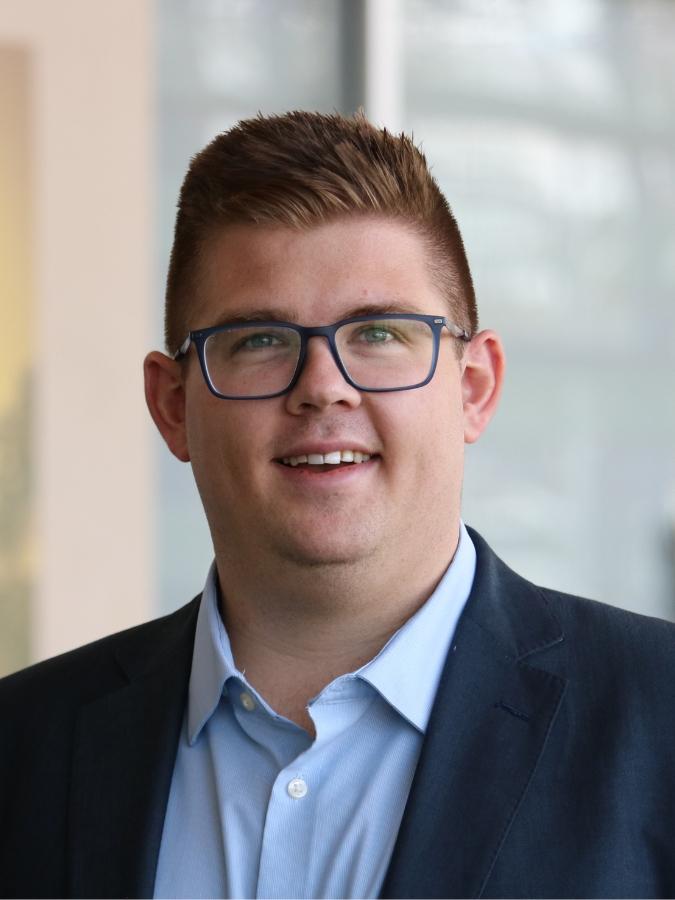
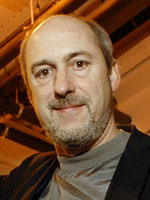
Tom Eldredge serves as an Associate Professor (Lecturer) in the School of Accounting at the Eccles School of Business, University of Utah, bringing over 20 years of professional experience to his academic role. Concurrently, he holds the position of Professional Standards partner at Grant Thornton's Salt Lake City office, where he oversees audit quality and delivers services to clients across diverse industries including direct selling, manufacturing, transportation, and gaming. His expertise centers on accounting, audit, and technology-driven control systems, with specialized focus on financial accounting, accounting information systems (AIS), and computer security frameworks. Eldredge actively shapes professional standards through his contributions to the Uniform CPA Examination—writing and reviewing technology and control-related questions—and authoring college textbooks on audit methodologies and control systems. At Grant Thornton, he leads teams in implementing audit, process, and control solutions for complex regulatory and international business challenges. His teaching portfolio includes advanced courses such as Cases in Auditing and Systems (ACCTG 6510), Accounting Information Systems (ACCTG 5410), and AIS/Auditing (ACCTG 6750), emphasizing practical applications of security protocols and financial controls.
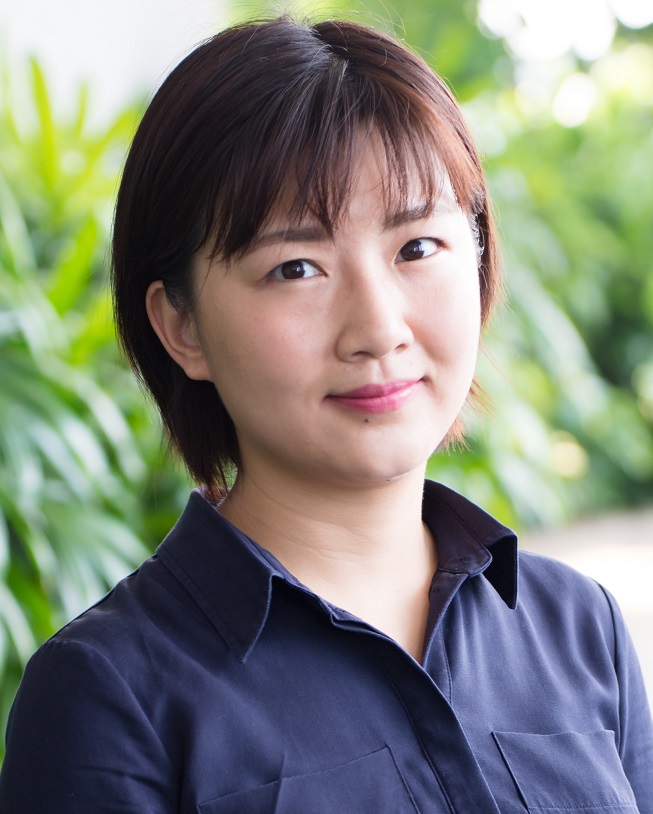
Dr. Rob Dekkers is a Reader in Industrial Management at the University of Glasgow since 2014, previously holding academic positions at the University of the West of Scotland and Delft University of Technology. He holds an MSc in Mechanical Engineering (1984) and a PhD in Technology Management (2004) from Delft University of Technology, alongside being a Senior Fellow of the Higher Education Academy (2014). His professional experience includes roles as a Senior Project Manager at AKZO and Production Manager at Philips. Dr. Dekkers is affiliated with the Services and Operations Management research cluster and focuses on Operations Management, Innovation and Technology Management, Industrial Networks, and Industrial Engineering. Education: MSc Mechanical Engineering, Delft University of Technology (1984) PhD, Delft University of Technology (2004) Senior Fellow, Higher Education Academy (2014) Research Interests: Dr. Dekkers explores the intersection of theoretical frameworks and practical applications in manufacturing and innovation systems. His work emphasizes strategic decision-making (e.g., outsourcing, capacity management), the role of non-producing entities in innovation ecosystems, and educational methodologies in operations management. He actively engages in international collaborations and has authored/co-authored over 180 publications. Advising & Grants: While specific grants or advisees are not listed, Dr. Dekkers has mentored researchers and students through his academic roles and conferences. His work often involves collaborative projects with industry partners and international institutions. Labs/Teams: He contributes to the Services and Operations Management cluster at the University of Glasgow, fostering interdisciplinary research in manufacturing systems and innovation policy.
Dr. Trevor Fleck is an Assistant Professor in the School of Engineering & Computer Science at Baylor University, where he conducts research in additive manufacturing and advanced materials processing. His work bridges innovation in fabrication techniques with practical engineering applications. Dr. Fleck earned his PhD, MS, and BS in Mechanical Engineering from Purdue University in 2020, 2017, and 2015, respectively. His educational background has provided a strong foundation for his research in advanced manufacturing systems. His research interests focus on additive manufacturing (AM), including novel materials development, in situ process monitoring, process enhancement, and component qualification. He has experience with multiple AM techniques such as fused filament fabrication, inkjet printing, and direct ink writing. These efforts aim to improve the reliability, efficiency, and scalability of 3D printing technologies for industrial applications. While no recent publications are listed in the provided text, his research trajectory emphasizes innovation in materials and process control within additive manufacturing, suggesting strong interdisciplinary engagement across mechanical engineering, materials science, and industrial systems. No scientific awards were mentioned in the source text. Dr. Fleck is a co-founder of Next Offset Solutions, indicating active involvement in technology translation and applied research. There is no mention of graduate students or funded grants in the available information. He is affiliated with the Department of Mechanical Engineering at Baylor University and contributes to the research and academic mission within the School of Engineering & Computer Science. His lab or research team was not explicitly described, but his focus areas suggest potential connections to advanced manufacturing labs or innovation centers at Baylor.
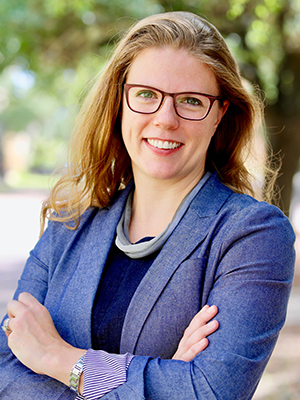
Marta Monjo Cabrer is a Full Professor in the Department of Biochemistry and Molecular Biology at the University of the Balearic Islands (UIB), Faculty of Fundamental Biology and Health Sciences. She is co-leader of the Cell Therapy and Tissue Engineering (TERCIT) research group, affiliated with UIB, IUNICS, and the Balearic Islands Health Research Institute (IdISBa). She holds leadership roles as coordinator of the Translational Research PhD program (TISP) and the Transversal Area of Science and Technology in Health at IdISBa, and serves on the Internal Scientific Committee and Innovation Commission. Degree in Biology (1998), University of the Balearic Islands Degree in Biochemistry (1999), University of the Balearic Islands PhD in Biochemistry and Molecular Biology (2004), University of the Balearic Islands Predoctoral Fellowship (2000–2003), UIB Visiting Researcher (2001–2002), Institute for Nutrition Research, University of Oslo Postdoctoral Researcher (2004–2008), Department of Biomaterials, University of Oslo Her research focuses on tissue engineering, cell therapy, regenerative medicine, biomaterials, and dental implants , with strong emphasis on translational applications. She has extensive expertise in technology transfer and the development of medical products. Her work bridges fundamental science with clinical and industrial applications, particularly in the design of biomaterials and extracellular vesicle-based therapies. The body of her scholarly output—including over 90 articles, 5 patents, and more than 100 conference contributions—demonstrates a consistent trajectory in biomaterials innovation, translational biomedicine, and interdisciplinary collaboration . Her recent work emphasizes technology transfer, commercialization, and the integration of research into public health solutions, particularly through biotech entrepreneurship and industry partnerships. Scientific Awards and Recognitions: 4 teaching quinquennia recognized 3 research sexennia recognized 1 transfer quinquennium recognized Complementary remuneration for teaching, research, and knowledge transfer (CAIB) Multiple entrepreneurship awards Marta Monjo actively supervises predoctoral and postdoctoral researchers and leads a dynamic research team within the TERCIT group. She has participated in 27 research projects (13 as principal investigator) and over 30 industry-relevant contracts. She played a key role in founding two biotechnology companies and was a member of the executive committee of the Biotechnology and Biomedical Cluster of the Balearic Islands (BIOIB) from its inception until 2013. Her lab is deeply engaged in translating scientific discoveries into clinical and commercial applications. The TERCIT research group, which she co-directs with Dr. Joana Mª Ramis, is a consolidated R&D&I laboratory focused on advanced therapies, disease modeling, drug delivery systems, and therapeutic extracellular vesicles. The group operates across multiple institutions, including the Tissue Bank of the Balearic Islands (FBSTIB), ensuring a strong link between research, clinical practice, and public health.
Philip Beesley is a Professor of Architecture and Digital Design at the University of Waterloo, Canada, where he leads the School of Architecture and directs the Integrated Group for Visualization, Design and Manufacturing. He also holds a professorship at The European Graduate School. His work bridges architecture, digital media, and biology, focusing on responsive environments and near-living systems. Bachelor of Fine Art (Queen’s University) Diploma in Architectural Drafting (Humber College) Bachelor of Architecture (University of Toronto) Beesley’s research explores the boundaries between organic and inorganic matter, exemplified in installations like the Venice Biennale-winning Hylozoic Ground. His interdisciplinary projects combine advanced digital tools with traditional craftsmanship, emphasizing interactivity and sustainability. Notable works: Aerial Well Study (2014), Epiphyte Series (2013), Sibyl (2012) He has received prestigious awards including the Prix de Rome and VIDA 11.0, and his writings appear in academic journals and books. Beesley’s firm, Philip Beesley Architect Inc., collaborates with academic institutions to develop innovative architectural concepts.
Dr. Zhai Wei is an Assistant Professor at the Department of Mechanical Engineering, National University of Singapore (NUS), where he leads the Nature-inspired Advanced Materials Engineering (NAME) Laboratory. His research focuses on the Multiscale Manufacturing of Multifunctional Materials (4M), developing advanced manufacturing techniques for creating lightweight, strong materials with multifunctional properties including acoustic, electrical, and electromagnetic capabilities. Dr. Zhai received his PhD from the University of Cambridge's Department of Engineering (2011-2015) under Professor David Cardwell, following a BEng from the University of Science and Technology Beijing's School of Materials Science & Engineering (2007-2011) and a visiting period at Tsinghua University's Department of Physics (2010-2011). His research spans advanced manufacturing of porous materials, additive manufacturing, freeze casting, and powder processing for creating alloys, composites, and hierarchical ceramics. Drawing inspiration from nature materials like nacre and bamboo, his work focuses on designing materials with multi-scale structural control from nano- to macro-length scales. His group employs a multi-disciplinary approach combining engineering, materials science, chemistry, and physics principles. Analysis of Dr. Zhai's recent publications (2021-2023) reveals a strong focus on developing multiscale manufacturing techniques, particularly direct ink writing and freeze casting, to create materials with tailored microstructures. His work demonstrates significant advancements in sound-absorbing metamaterials, bio-inspired cellular structures, and multifunctional ceramics with applications in water treatment, electromagnetic wave attenuation, and bone tissue engineering. His scientific recognition includes the A*STAR Research Highlights award received during his time at the Singapore Institute of Manufacturing Technology (2015-2019). Dr. Zhai actively recruits Research Fellows (Postdocs), Master's and PhD students, as well as visiting scholars for collaborative research. He serves as Assistant Managing Editor for Materials & Design (2017-present) and Editor for Materials Today Communications (2019-present). The NAME Laboratory at NUS focuses on developing multiple types of colloidal processing technologies that enable design and control of material composition and structure across multiple length scales. Current research directions include multi-functional cellular materials, multi-functional composite materials, multi-scale freeze casting technologies, and multi-scale additive manufacturing technologies.
Paul V. Braun is a Grainger Distinguished Chair in Engineering and Professor of Chemistry at the University of Illinois. He also holds appointments in Mechanical Sciences and Engineering, Materials Science and Engineering, and Chemical and Biomolecular Engineering. His research focuses on materials chemistry, energy storage, polymers, self-assembly, and photonics. Braun earned his B.S. from Cornell University and his Ph.D. in Materials Science and Engineering from the University of Illinois. He leads the Braun Group, pioneering advanced materials with nano/mesoscale architectures for applications in batteries, optics, and self-healing systems. His work has produced over 350 publications, multiple patents, and founded four companies. Notable awards include Fellowships from AAAS and the National Academy of Inventors, the Grainger Award for Translational Research, and the MRS Fellowship. Braun’s research integrates synthesis, characterization, and application of functional materials. Recent projects include solid-state battery innovation, low-thermal-conductivity polymers, and 3D optical devices via direct laser writing. He directs the Materials Research Laboratory and has served on advisory boards for the U.S. Army and DARPA. Education: B.S., Cornell University; Ph.D., University of Illinois (Materials Science & Engineering) Affiliations: Beckman Institute (Part-Time), Grainger College of Engineering Funding: NSF, DOE, DOD, and industry partnerships Lab Focus: Electrochemical energy storage, polymer science, advanced optics, self-healing materials
Gemma Fargas Ribas is an Associate Professor in the Department of Materials Science and Engineering at the School of Engineering of Barcelona East (EEBE), part of the Polytechnic University of Catalonia (UPC). She leads research in advanced materials fabrication, particularly focusing on additive manufacturing techniques for ceramic and metallic materials. Her work spans multiple research groups including CIEFMA (Centre d'Integritat Estructural, Fiabilitat i Micromecànica dels Materials), CCEM (Centre de Recerca en Ciència i Enginyeria Multiescala de Barcelona), and CER-H2 (Centre de Recerca de l'Hidrogen de la UPC). Her primary research interests encompass Materials Science, Ceramic Engineering, Additive Manufacturing (particularly Direct Ink Writing), Catalysis, Corrosion Science, Biomaterials, Mechanical Properties of Materials, and Microstructure Characterization. Her work demonstrates a strong interdisciplinary approach, bridging fundamental materials science with practical applications in energy, healthcare, and industrial processes. Recent research has focused on developing novel ceramic structures for hydrogen production, CO2 conversion, and biomedical applications through advanced manufacturing techniques. Analysis of her recent publications reveals a consistent focus on optimizing additive manufacturing processes for ceramic materials, particularly zirconia and alumina-based systems. Her research shows strong trends in developing functional materials for catalytic applications, with increasing emphasis on sustainable energy solutions like hydrogen production and carbon capture. The work also demonstrates growing interest in biomedical applications of 3D printed ceramics, particularly for tissue engineering scaffolds. Dr. Fargas Ribas has been actively involved in educational innovation through projects like RevCEM (Revolució Educativa en Ciència i Enginyeria de Materials), which focuses on active learning methodologies and innovative educational projects in Materials Science and Engineering education. She has successfully secured competitive research funding from various national and European programs to support her work in materials development and characterization. Her research is conducted within multiple collaborative frameworks, including the CIEFMA-PROCOMAME group focused on Microstructural Design and Advanced Manufacturing of Materials, and the IMEM-BRT group working on Biomaterials for Regenerative Therapies. These collaborations enable her to address complex materials challenges from multiple perspectives, combining fundamental research with practical applications.
Dr. Ali Mohammadi is a Senior Lecturer in the Department of Electronic & Electrical Engineering within the Faculty of Engineering & Design at the University of Bath. He leads innovative research in Micro-electromechanical Systems (MEMS) and serves as an Associate Editor for IEEE Sensors. His work is supported by multiple EPSRC-funded research projects with strong industry collaboration, totaling over £1.5 million across five projects. Dr. Mohammadi is embedded within several key research units: Electronics Materials, Circuits & Systems Research Unit (EMaCS), The Foundry: Centre for Digital, Manufacturing & Design, Centre for Bioengineering & Biomedical Technologies (CBio), and the Bath Institute for the Augmented Human. Dr. Mohammadi's academic background includes postdoctoral research at the Department of Engineering Science, University of Oxford (2016-2017) and the Department of Electrical and Computer Systems Engineering, Monash University, Australia (2014-2016). This foundation has enabled his interdisciplinary approach to micro/nano-electromechanical systems and electronic circuit design. His research program addresses fundamental challenges in micro/nano-electromechanical transducers and electronic interface circuits, with specific innovations in on-chip atomic force microscopy, implantable energy harvesters, and high precision coupled resonator sensors. These contributions span multiple UN Sustainable Development Goals, particularly advancing clean energy technologies and healthcare solutions. Dr. Mohammadi's work uniquely bridges electrical engineering, mechanical systems, and materials science to develop next-generation sensing and energy harvesting technologies with real-world applications. Analysis of his 48 research outputs reveals a clear trajectory from fundamental MEMS device development toward integrated sensor systems with practical applications. His most recent publications (2023-2025) demonstrate increasing integration of machine learning with precision sensing technologies, particularly for manufacturing condition monitoring and biomedical applications. The research shows progression from individual components to complete systems, with growing emphasis on real-time data processing at the sensor edge and human-machine interfaces. Dr. Mohammadi's professional standing includes: Member of the Institute of Electrical and Electronics Engineers (IEEE) Associate Editor of IEEE Sensors Journal As a doctoral supervisor, Dr. Mohammadi actively mentors students in Microelectromechanical Systems and Electronic Integrated Circuits. His research portfolio includes two active EPSRC projects: 'Transforming the use of Ansys simulation software within engineering curricula' and 'SENSYCUT- Sensor Enabled Systems for Precision Cutting,' demonstrating strong industry-academic collaboration. These projects focus on practical engineering solutions for manufacturing optimization, condition monitoring, and human-computer interaction, with direct applications in industrial settings. Dr. Mohammadi's research ecosystem spans multiple interdisciplinary centers at Bath. Within EMaCS, he advances fundamental electronic materials and circuit design. Through The Foundry, he contributes to digital manufacturing innovation. His CBio affiliation enables medical applications of his sensor technologies, while the Bath Institute for the Augmented Human provides context for human-centered applications of his tactile display research. This multi-faceted institutional integration allows his work to progress from laboratory prototypes to real-world implementations across healthcare, manufacturing, and human augmentation domains.
Tony Valayil Varghese serves as Senior Research Scientist and Assistant Research Professor at Boise State University, holding dual appointments in the Micron School of Materials Science and Engineering and the Electrical and Computer Engineering Department. His interdisciplinary work bridges advanced materials science with practical applications in energy harvesting and flexible electronics systems. Dr. Varghese's educational foundation includes: Ph.D. in Material Science and Engineering from Boise State University (2019) M.S. in Nanoscience and Technology from National Institute of Technology, India (2012) B.S. in Mechanical Engineering from Mahatma Gandhi University, India (2010) His research program centers on additive manufacturing of 2D nanomaterials with particular emphasis on flexible thermoelectric devices for energy harvesting. Key investigation areas include MXene-based materials development, advanced printing techniques for flexible electronics, and nanomaterial ink formulation. His work spans multiple disciplines including materials science, electrical engineering, and environmental monitoring, with strong connections to UN Sustainable Development Goals related to clean energy and climate action. Analysis of his publication record (2011-2025) reveals an accelerating research trajectory with increasing focus on practical applications of nanomaterials. Recent work demonstrates sophisticated integration of aerosol jet printing, laser-induced graphene techniques, and plasma deposition methods to create next-generation energy harvesting and sensing devices. His research shows particular innovation in developing stable nanomaterial inks and improving manufacturing processes for real-world implementation. Dr. Varghese actively collaborates with Prof. David Estrada's research group and maintains an extensive publication record with 18 research outputs, an h-index of 7, and 431 citations. His work has gained attention from multiple news outlets, academic blogs, and social media platforms including Bluesky and X, with significant readership on Mendeley. His laboratory specializes in advanced additive manufacturing techniques for nanomaterials, particularly focusing on creating flexible electronic components and energy harvesting devices using colloidal nanocrystals and 2D materials. Current projects appear to emphasize triboelectric nanogenerators, MXene supercapacitors, and flexible electrochemical sensors for environmental monitoring applications.
Emily Pentzer is a Professor in the Department of Chemistry and affiliated faculty in Chemical Engineering and Materials Science & Engineering at Texas A&M University. She serves as Associate Dean for Research in the College of Arts & Sciences and is a Presidential Impact Fellow, recognizing her significant contributions to research and innovation. Education: B.S. in Chemistry, Butler University Ph.D. in Chemistry, Northwestern University Postdoctoral Research, University of Massachusetts Amherst (2010–2013) Her research focuses on designing functional organic and polymeric materials using scalable synthesis and advanced manufacturing techniques. Key areas include polymer chemistry , additive manufacturing , energy storage , carbon capture , and thermal energy management . She employs a bottom-up approach to tailor molecular interactions and microstructures for high-performance applications. The recent publications highlight a strong trend in developing advanced polymer composites using novel fabrication methods such as direct ink writing and emulsion templating , with applications in sustainable technologies and energy systems. Research spans from fundamental molecular design to real-world implementation through interdisciplinary collaboration. Scientific Awards and Honors: Fellow of the Polymer Division of the American Chemical Society (2024) Innovation Award, Journal of Polymer Science (2023) Blavatnik Award Finalist (2022) Texas A&M Presidential Impact Fellow (2021) ACS WCC Rising Star Award (2021) NSF CAREER Award (2016) Dr. Pentzer leads an active research group with funding from major agencies, supporting innovation in materials for energy and sustainability. She collaborates widely across chemical engineering, materials science, mechanical engineering, and biomedical fields, enhancing translational impact. While student names are not listed, she mentors graduate and undergraduate researchers in her lab. The Pentzer Lab operates in the Chemistry Building at Texas A&M, with dedicated lab and office spaces, focusing on scalable, environmentally conscious material design for next-generation applications.
Michael Mitchell is a Lecturer at the Direct Manufacturing Research Center (DMRC), Paderborn University, Germany. He has been serving in this academic role since 2015, contributing to higher education and research initiatives. Additionally, he has maintained a long-standing position as a teacher and textbook author at Gymnasium Maria Veen since 1976, showcasing a dual career in both secondary and tertiary education. His academic background includes: Doctor of Philosophy (PhD) in Comparative Literature, University of Warwick (1996–2001) Master of Arts (MA) in Modern and Medieval Languages, Gonville & Caius College, Cambridge (1968–1971) Education at Christ's Hospital (1959–1968) Michael Mitchell's research and professional interests center around comparative literature, creative writing, and pedagogical practices in higher education. His expertise spans curriculum design, teaching methodologies, and academic editing. Though no recent publications are listed, his work appears to focus on educational development and literary studies. He has received no explicitly mentioned scientific awards. Michael Mitchell has advised no named students, and there is no mention of grants or funded projects. His professional skills include teaching, public speaking, editing, Microsoft Word, proofreading, social media research, and curriculum design. He operates across both university and secondary education environments, indicating a strong commitment to educational excellence. The Direct Manufacturing Research Center (DMRC) at Paderborn University is primarily engineering-focused, suggesting interdisciplinary engagement, possibly in communication, technical writing, or humanities aspects of manufacturing research.
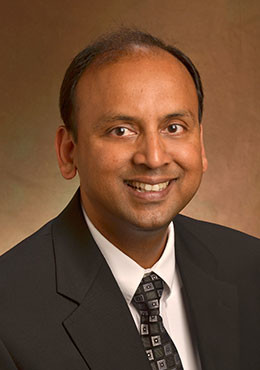
Dayakar Penumadu is a Professor in the Department of Civil and Environmental Engineering at the University of Tennessee, Knoxville (UT), where he has been a faculty member since 2001. He holds the Fred N. Peebles Professorship and the Institute for Advanced Materials and Manufacturing (IAMM) Chair of Excellence, a joint position with Oak Ridge National Laboratory. He served as Department Head from 2007 to 2014. His research spans multiple domains in civil and materials engineering. Key areas include: Carbon fiber reinforced polymeric composites and sandwich structures Environmental degradation and multi-scale mechanics Non-invasive characterization using neutron and X-ray tomography and diffraction Mechanics of multi-phase and granular materials Direct Numerical Simulations in porous media His recent publications reveal a strong focus on advanced characterization techniques such as neutron diffraction and X-ray tomography applied to composites, metals, and granular materials. Themes include structural health monitoring, fire damage effects, composite manufacturing, and micromechanical modeling. He frequently collaborates with national labs and industry partners. Notable scientific recognitions include: Fred N. Peebles Professorship Institute for Advanced Materials and Manufacturing (IAMM) Chair of Excellence Penumadu has secured research funding from major agencies including the National Science Foundation, Office of Naval Research, Department of Energy, Defense Threat Reduction Agency, General Motors, Entergy Corporation, National Nuclear Security Administration, and the Tennessee Department of Transportation. He has advised numerous students and leads a vibrant research group focused on next-generation materials and structural systems. He is actively involved in experimental and computational research with applications in transportation, energy, and defense sectors.
Joaquim Minguella Canela is a Senior Lecturer in the Department of Mechanical Engineering at the Escola Tècnica Superior d'Enginyeria Industrial de Barcelona (ETSEIB), part of the Universitat Politècnica de Catalunya (UPC). He is actively involved in cutting-edge research within the TECNOFAB Research Group and the DigiFACT Advanced Digital Factory Network, focusing on advanced manufacturing technologies. His research interests are centered around additive manufacturing, 3D printing, multi-material fabrication, rapid prototyping, and digital manufacturing, with applications spanning mechanical engineering, medical devices, and Industry 4.0. His work emphasizes functional integration, material development, and process optimization. His recent publications demonstrate a strong trend in developing multi-material 3D printed systems with embedded sensing capabilities, particularly for robotics and medical applications. He also contributes significantly to the advancement of ceramic and metal additive manufacturing processes, including direct ink writing and powder bed fusion, with a focus on industrial and biomedical use cases. Premi Nacional al Partenariat Publicoprivat en R+I 2019 Minguella Canela has participated in numerous competitive R&D+i projects and has collaborated with various research groups and industrial partners. He has also contributed to academic journals as a collaborator and served on scientific committees for international conferences, indicating active engagement in the academic and industrial communities. His work often involves interdisciplinary collaboration, particularly in the fields of robotics, biomedical engineering, and materials science. He is affiliated with key research groups including UPC TECNOFAB - Research Group in Manufacturing Technologies and DigiFACT - Network of Centers for the Advanced Digital Factory (TECNIO Network / CIT UPC), which are central to his research activities in advanced production technologies.
Prof. Kees Hummelen is Professor of Chemistry of Molecular Organic and Bio-organic Materials at the University of Groningen's Faculty of Science and Engineering. He serves as Chairman of the Chemistry of (bio)Molecular Materials and Devices research group and as Workgroup Leader for the FOM Focus group on Next-Generation Organic Photovoltaics. His research focuses on developing plastic solar panels using conjugated polymers and fullerene derivatives (buckyballs) as cheaper alternatives to traditional silicon-based solar cells, though efficiency improvements are still needed for commercial viability. Prof. Hummelen's research spans organic photovoltaics, molecular electronics, and energy materials science. His work investigates how molecular structure affects electronic properties, with particular emphasis on enhancing dielectric constants, improving charge transport, and developing novel doping strategies for organic semiconductors. He has pioneered approaches using oligoethylene-glycol side chains to modify polymer properties without sacrificing solubility or processability. His team also explores thermoelectric applications of organic materials and develops air-stable molecular electronic components through innovative molecular design. Analysis of Prof. Hummelen's publication record reveals consistent contributions to understanding fundamental mechanisms in organic electronics, particularly exciton dynamics, charge separation, and transport phenomena in polymer:fullerene systems. His recent work demonstrates a strategic shift toward practical applications, with increasing focus on device stability, manufacturing processes, and integration of organic electronic components into functional systems. The research shows strong interdisciplinary collaboration across chemistry, physics, and engineering disciplines. Prof. Hummelen leads an active research group within the Stratingh Institute of Chemistry at the University of Groningen. His team maintains strong connections with industry through Solenne BV, where he serves as CEO, facilitating technology transfer from academic research to commercial applications. He also contributes to the energy transition discourse as a board member of Energie Coöperatie Oostwold (ECO), demonstrating his commitment to practical implementation of sustainable energy solutions.