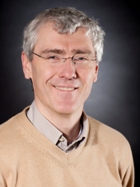
Robert Geffers is a Research Group Leader at the Helmholtz Centre for Infection Research (HZI) and the head of the Genome Analytics group since 2011. He is also a founding member of the Braunschweig Integrated Centre of Systems Biology (BRICS). His work focuses on advanced genome, epigenome, and transcriptome analysis technologies to support interdisciplinary research. Biology degree from the University of Hamburg (1996) Doctoral research on gene regulation at TU Braunschweig Established genome analysis services at HZI His research spans genomics , transcriptomics , and bioinformatics , with recent publications addressing microbiota dynamics in liver cirrhosis, immune regulation in cancer, SARS-CoV-2 pathogenesis, and genetic mechanisms in congenital diseases. The Genome Analytics group provides critical tools for high-throughput sequencing and computational modeling, enabling studies on host-pathogen interactions and immune system modulation. Despite no explicit awards listed, his leadership in technical innovation and collaborative projects underscores his institutional significance.
Prof. Dr. Alisdair Fernie serves as a Research Group Leader within the Department of Root Biology and Symbiosis at the Max Planck Institute of Molecular Plant Physiology in Potsdam, Germany. His position as a full Professor reflects his leadership in plant metabolic research, where he directs the Central Metabolism research group investigating fundamental biochemical processes in plants. His research spans Plant Metabolism, Metabolomics, Plant Stress Physiology, Molecular Plant Biology, Plant Biochemistry, and Photosynthesis. Fernie employs advanced omics technologies to dissect metabolic networks, particularly focusing on how plants reconfigure their biochemistry in response to environmental stresses and developmental cues. His work integrates systems biology approaches to understand metabolic fluxes and regulatory mechanisms across diverse plant species. Analysis of his 2024-2025 publications reveals dominant themes in plant metabolomics, stress adaptation mechanisms, and biotechnological applications for crop improvement. His research frequently utilizes model systems like Arabidopsis alongside economically important crops including tomato, rice, maize, and citrus, with particular emphasis on postharvest physiology, nutrient signaling, and the molecular basis of specialized metabolism. Prof. Fernie leads the Central Metabolism research group, which investigates core metabolic pathways and their regulation through innovative combinations of biochemical, genetic, and computational approaches. His team's work on organelle interactions, lipid metabolism, and stress-responsive metabolic reprogramming has positioned them at the forefront of plant systems biology research.
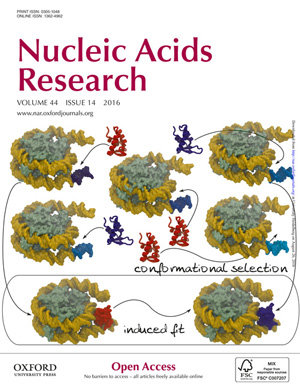
Vlad Cojocaru is a Research Professor and Group Leader of the Computational Structural Biology project group at the Max Planck Institute for Molecular Biomedicine in Münster, Germany. Since September 2018, he has also served as a Group Leader at the Hubrecht Institute of the Royal Netherlands Academy of Arts and Sciences in Utrecht, The Netherlands. His research group applies state-of-the-art computational methods to investigate biological processes from a physico-chemical perspective, with particular focus on stem cell pluripotency mechanisms. Dr. Cojocaru's research centers on understanding how transcription factors recognize and bind to DNA through computational approaches including structural modeling, biomolecular simulations, and molecular docking. His work examines protein-nucleic acid interactions, protein-membrane interactions, and computer-aided drug discovery. Key research areas include DNA recognition by transcription factors involved in combinatorial control of transcription, cooperativity between transcription factors during DNA binding, and the impact of transcription factor folding on DNA recognition. Analysis of Dr. Cojocaru's recent publications reveals a strong emphasis on chromatin structure and transcription factor dynamics, particularly regarding how pioneer factors like OCT4 interact with nucleosomes. His work combines computational modeling with experimental validation to reveal molecular mechanisms difficult to observe through traditional methods, significantly advancing our understanding of stem cell regulation and chromatin dynamics. PLoS Computational Biology 2011 journal cover feature Biochimica et Biophysica Acta 2007 journal cover feature Nucleic Acids Research 2005 journal cover feature Dr. Cojocaru actively mentors students in computational structural biology and receives funding from prestigious sources including the Max Planck Society and the DFG SPP1356 Priority Program. He utilizes significant computational resources from the Max Planck Society and the PRACE EU initiative. His group welcomes Master's and PhD students interested in pursuing computational biology research, with applications directed to him personally. The Computational Structural Biology group, which includes researchers like Jan Huertas, utilizes what Cojocaru terms a 'computational nanoscope' - a suite of molecular modeling and simulation methods enabling visualization of biomolecular dynamics at atomistic resolution. Their work has produced significant insights into chromatin dynamics, nucleosome breathing, histone tail dynamics, and the structural mechanisms of pioneer transcription factor binding to nucleosomes.
Prof. Dr. Dr. Jürgen Becker is Head of the Department of Translational Skin Cancer Research at the University of Duisburg-Essen's Faculty of Biology and leads the Translational Oncology group at the West German Cancer Center (WTZ). He is affiliated with the German Cancer Research Center (DKFZ) and focuses on leveraging skin cancer's unique characteristics – early diagnosis and sequential progression – to study tumor biology and immunotherapy responses. His research integrates advanced methodologies including spatial transcriptomics, single-cell multiomics, micro-CT, and deep learning to analyze tumor microenvironments, heterogeneity, and biomarker discovery. Key interests include: Immunotherapy optimization for Merkel cell carcinoma and melanoma Tumor microenvironment dynamics and endogenous retrovirus activation Biomarker development for early diagnosis and treatment response DNA repair/DNA damage response inhibition strategies Becker leads significant clinical trials (ADMEC-O, IMMUNED) and maintains prospective biosample registries (MCC TRIM) to enable longitudinal studies. His publications emphasize translational insights in skin cancer, with recent work exploring immunotherapy biomarkers, Merkel cell polyomavirus mechanisms, and combinatorial therapies. He directs a research group at WTZ investigating tumor epidermotropism, neuroblastic transformation, and lesional microbiome impacts. Future projects include 3D tissue mapping via micro-CT and multi-omic integration of archived FFPE samples.
Magdalena Götz is a Professor at Ludwig-Maximilians-Universität München and Director of the Institute of Stem Cell Research at Helmholtz Munich. She leads the Stem Cell Center Department and Neural Stem Cells research group, focusing on molecular mechanisms of neurogenesis and direct neuronal reprogramming. Chair of Physiological Genomics, LMU Biomedical Center Director, Institute of Stem Cell Research Head, Stem Cell Center Department Head, Neural Stem Cells Research Group Her research in molecular & developmental neuroscience explores neural stem cells, neurogenesis, brain injury repair, and direct neuronal reprogramming. Key discoveries include identifying radial glial cells as neural stem cells and pioneering glia-to-neuron conversion for brain repair. Recent work examines epigenetic remodeling, centrosome proteins, and human neural stem cell proteomics. Articles highlight advancements in neurogenesis mechanisms and therapeutic applications for brain injuries. Honors & Awards Gottfried Wilhelm Leibniz Prize (2007) Advanced ERC Grant (2014, 2020) Roger de Spoelberch Prize (2017) She mentors numerous PhD students and collaborates with institutions like GSN Scientific Board and Synergy Cluster. Her work bridges developmental biology with regenerative medicine, offering new hope for neurodegenerative diseases.
Leif Steil serves as Group leader at the Department of Functional Genomics within the Interfaculty Institute of Genetics and Functional Genome Research at the University of Greifswald. His research integrates proteomic, genomic, and structural approaches to investigate bacterial pathogenesis and host immune responses, with primary focus on Staphylococcus aureus and Streptococcus pneumoniae. Dr. Steil's research program centers on molecular mechanisms of bacterial virulence regulation under environmental stresses like iron limitation. His work employs mass spectrometry-based proteomics, structural biology, and molecular genetics to dissect host-pathogen interactions, particularly examining serine protease-mediated immune evasion, lysine acetylation in virulence reprogramming, and bacterial nutrient acquisition systems. Key contributions include elucidating Spl protease functions in Staphylococcus aureus and developing genetic tools like pTripleTREP for virulence factor expression. Recent publications demonstrate strong translational impact across bacterial physiology and clinical medicine, with significant work on thrombosis-immunology interfaces including platelet-activating histone/antihistone complexes in thrombocytopenia syndromes. His methodological innovations such as SpectroPipeR for DIA-MS data analysis enhance proteomics workflow efficiency, while structural studies on oligopeptide transporters provide fundamental insights into bacterial nutrient sensing. As research group leader, Dr. Steil directs investigations into bacterial adaptation mechanisms and their clinical implications, maintaining active collaborations across international research networks to advance antimicrobial strategies and diagnostic approaches.
Prof. Yang Li serves as Director of the Centre for Individualised Infection Medicine (CiiM) and heads the Department of Computational Biology for Individualised Medicine at CiiM and the Helmholtz Centre for Infection Research (HZI), affiliated with Hannover Medical School in Germany. Education: PhD in Bioinformatics, University of Groningen, 2010 Research Focus: Her work centers on deciphering molecular mechanisms of immune-related/infectious diseases through multi-omics integration, leveraging single-cell genomics , spatial transcriptomics , and machine learning to advance individualized infection medicine. Key methodologies include computational analysis of epigenetic regulation, immune cell phenotyping, and genetic epidemiology in disease contexts. Publication Trends: Recent 2025 work demonstrates strong emphasis on trained immunity (BCG vaccination studies), immune aging clocks , and spatial mapping of inflammatory niches in sarcoidosis/gout, with consistent multi-omics approaches across HIV comorbidities, transplant rejection, and metabolic surgery outcomes. Scientific Recognition: National Bioinformatics Young Investigator Award (2011) NWO-VENI grant (2013) ZonMW-Offroad grant Hypatia grant She has co-authored ~70 publications in journals including Cell , Nature Medicine , and Nature Immunology , and serves as reviewer for Nature Ecology & Evolution and Genetics . Laboratory Leadership: Directs the Computational Biology for Individualised Medicine group developing AI-driven tools for multi-omics data analysis, with recent focus on gene regulatory network benchmarks (geneRNIB) and spatial immune profiling.
Dr. Sarah Kinkley serves as a Research Group Leader at the Max Planck Institute for Molecular Genetics in Berlin, Germany, where she directs the Kinkley Lab focused on nuclear architecture and epigenetic regulation. Her research group investigates fundamental mechanisms of chromatin organization and its impact on essential cellular processes. Dr. Kinkley's research centers on higher-order chromatin structure, with particular emphasis on the epigenetic reader protein PHF13 and its multifaceted roles in transcriptional regulation, DNA damage response, cell division, and differentiation. The lab employs advanced molecular and imaging techniques to elucidate how PHF13 modulates chromatin compaction and genome stability, with implications for understanding disease mechanisms and malignant phenotypes. Analysis of Dr. Kinkley's recent publications (2014-2025) reveals a consistent research trajectory focused on chromatin organization, with increasing specialization in PHF13 protein function and its role in epigenetic regulation. Her work spans molecular biology, genomics, and immunology, demonstrating interdisciplinary approaches to understanding nuclear architecture. As a research mentor, Dr. Kinkley supervises PhD students including Francesco Rossi, whose dissertation focused on PHF13's role in genome regulation. Her laboratory collaborates extensively with other research groups at the Max Planck Institute and beyond, evidenced by multi-institutional publications in high-impact journals. The Kinkley Lab maintains active research programs investigating PHF13's molecular interactions, chromatin compaction mechanisms, and connections to heterochromatin formation through partnerships with experts in imaging, biochemistry, and computational biology.
Univ.-Prof. Dr. med. Johannes Roth serves as Director of the Institute of Immunology at the Medical Faculty of the University of Münster. He is a member of the "Cells in Motion" Cluster of Excellence and actively participates in the CiM-IMPRS Graduate Programme as a supervisor and Research and Careers Committee member. His research focuses on understanding inflammatory processes at the molecular level, with particular emphasis on cells of the innate immune system and their role in both acute and chronic inflammation. Professor Roth's research interests span pediatric rheumatology and immunology, innate immunity, phagocytes, endothelial cells, alarmins and DAMPs, and S100 proteins. In his interview, he emphasized that his work aims to identify molecular mechanisms that trigger and strengthen inflammatory reactions, with clinical applications in rheumatoid arthritis, infections, inflammatory intestinal diseases, allergies, and rare autoinflammatory diseases. His team has made significant contributions to understanding how alarmins like S100 proteins regulate inflammation processes, with the goal of developing diagnostic and therapeutic approaches that directly benefit patients. Analysis of Professor Roth's recent publications (2018-2023) reveals a strong focus on inflammatory mechanisms, particularly the role of alarmins and S100 proteins in immune regulation across multiple disease contexts. His work spans immunology, molecular biology, rheumatology, and imaging technologies, with key research trends including investigating how inflammatory processes become chronic, understanding phagocyte behavior in different disease contexts, and developing diagnostic approaches based on inflammatory biomarkers. Notably, his team developed a biomarker that improved diagnosis of Systemic Juvenile Idiopathic Arthritis, enabling faster and more targeted therapy for critically ill children. Member of Research and Careers Committee Supervisor in CiM-IMPRS Graduate Programme Director of Institute of Immunology since active research period Former pediatrician with clinical experience informing research direction Professor Roth leads the Roth Lab at the Institute of Immunology, which is deeply involved in the "Cells in Motion" research network. His team develops methods to genetically modify, multiply, and visualize immune cells in living organisms, reflecting his commitment to translating basic research into clinical applications. He has expressed particular interest in understanding the body's natural ability to regulate inflammation, believing this knowledge could lead to more efficient therapies with fewer side effects for inflammatory diseases.
Dr. Heinrich Flaswinkel is a researcher affiliated with the Ludwig-Maximilians-Universität München, specifically within the Human Biology and BioImaging research group focused on monoclonal antibodies. His work spans immunology, molecular biology, and virology, with contributions to understanding mechanisms in cancer immunotherapy, viral interactions, and cardiac cell biology. He has been involved in developing transgenic mouse models and studying genetic mutations affecting immune function. Research interests include antibody engineering for targeted therapies, Notch signaling in regeneration, and metabolic pathways in immune cells. His studies on SARS-CoV-2 and Epstein-Barr virus highlight expertise in viral-host interactions. Flaswinkel has published extensively since the 1990s, contributing to foundational knowledge in B-cell receptor signaling and genetic mutagenesis approaches. No scientific awards are explicitly listed, though his long-term contributions to immunology and molecular biology are evident. He collaborates with groups like the Monoclonal Antibodies team at LMU and participates in interdisciplinary projects such as the CALM initiative. His work often combines experimental biology with translational applications, such as improving cardiac cell adhesion and investigating insulin regulation in pancreatic cells.
Prof. Dr. Magdalena Götz is the Director of the Institute of Stem Cell Research at Helmholtz Center Munich and a Professor of Physiological Genomics at Ludwig Maximilian University Munich. Her research focuses on neurogenesis, neural stem cells, and direct neuronal reprogramming of glial cells for brain repair. Education : Dr.rer.nat at Friedrich-Miescher Institute of the Max-Planck Society (1992) Postdoc : National Institute for Medical Research, London (1993-1996) Her research interests span mechanisms of neural stem cell identity, brain development, and reprogramming strategies to convert glia into neurons with up to 90% efficiency in vivo. She pioneered direct neuronal reprogramming prior to induced pluripotent stem cells and discovered key factors like Akna and Hmgb2. Her scientific awards include: Gottfried Wilhelm Leibniz Prize (2007) Advanced ERC Grant (2014, 2020) Roger de Spoelberch Prize (2017) Her recent publications highlight epigenetic remodeling during reprogramming, glial cell heterogeneity, and mitochondrial proteome contributions. These studies, spanning Nature Neuroscience , Science , and Nature Communications , underpin therapeutic strategies for neurodegenerative diseases. She leads the Stem Cell Center at Helmholtz and collaborates with networks like NSC Reconstruct, Synergy, TRR274, and SPP Ferroptosis.
Giacomo Masserdotti is an Adjunct Professor and Senior Scientist at the Department of Physiological Genomics, Faculty of Medicine, Ludwig-Maximilians-Universität München. He is affiliated with the Graduate School of Systemic Neurosciences (GSN) and conducts cutting-edge research in direct neuronal reprogramming from glial cells and fibroblasts. Research Interests: His work focuses on the molecular mechanisms—transcriptional, proteomic, and metabolic—underlying the direct conversion of astrocytes, OPCs, and fibroblasts into functional neurons. He employs advanced techniques such as primary cultures, transduction, immunofluorescence, RNA-seq (bulk and single-cell), patch-clamp, and 3D bioprinting to develop improved in vitro 3D models that mimic the in vivo environment, aiming to enhance reprogramming efficiency and neuronal subtype specificity while reducing animal use in research. Publication Trends: His recent publications highlight innovations in overcoming metabolic barriers in reprogramming, enhancing mitochondrial function via CRISPR, and understanding heterogeneity in reprogrammed neurons. These works, published in top journals like Cell Stem Cell and Cell Reports , reflect a strong focus on translational neuroscience and regenerative strategies. Scientific Contributions: Dr. Masserdotti plays a key role in advancing glia-to-neuron conversion technologies. His research bridges basic molecular neuroscience with potential therapeutic applications in neurodegenerative diseases. Mentorship and Team: He currently mentors GSN student Fabio Laredo and collaborates closely with Prof. Magdalena Götz, a leading figure in neural stem cell research. His lab integrates molecular biology with systems-level analysis to dissect reprogramming dynamics.
Prof. Dr. Rüdiger Klein is the Director and Head of the Department of Molecules – Signaling – Development at the Max Planck Institute for Biological Intelligence. His research focuses on neuronal circuit formation, cell-cell communication, and neurodegenerative mechanisms using mouse models. Research Areas : Cortex development, amygdala circuits, optogenetics, mouse behavior, neurodegeneration studies Key Techniques : Genetic circuit manipulation, single-cell RNA sequencing, optogenetics, 2-photon calcium imaging Scientific Contributions : His work includes ERC-funded studies on synthetic neurocircuit reconstruction, FLRT protein roles in cortical folding, and amyloid-like aggregate toxicity in Huntington's disease. Advising : Mentored students including Aleksa Petković and Dr. Ylenia Mastrodicasa. Collaborates with Max Planck Institute of Biochemistry departments on proteostasis and neurodegeneration.
Dr. Raphaela Goldbach-Mansky serves as Research Professor and Principal Investigator at the National Institutes of Health (NIH), where she leads the Translational Autoinflammatory Disease Section at the National Institute of Arthritis and Musculoskeletal and Skin Diseases (NIAMS). Her work bridges clinical rheumatology with cutting-edge molecular research to address rare autoinflammatory disorders. Her academic foundation includes: Medical degree from University Witten-Herdecke, Germany Combined residency in Internal Medicine and Pediatrics at Case Western Reserve University Rheumatology fellowship at NIAMS/NIH Goldbach-Mansky's research centers on interferonopathies and monogenic autoinflammatory diseases, with emphasis on CANDLE, SAVI, and COPA syndromes. She pioneers cytokine-targeted therapies and JAK inhibitor applications while developing diagnostic biomarkers through gene expression profiling. Her translational approach integrates patient phenotyping with molecular mechanisms to establish treatment protocols for these life-threatening conditions. Recent publications reveal accelerating focus on personalized management strategies for autoinflammatory disorders, particularly through stem cell modeling of genetic mutations and refinement of flare criteria for JAK inhibitor therapy. Her work increasingly addresses interferon signaling pathways across multiple disease entities, demonstrating cross-diagnostic therapeutic principles for type I interferon-mediated conditions. As Specialty Chief Editor for Frontiers in Immunology (Autoinflammatory and Autoimmune Disorders sections), she shapes scholarly discourse in the field despite no specific awards being documented in available materials. Her NIH program directs substantial research funding for clinical trials and mechanistic studies, mentoring a multidisciplinary team of clinicians and scientists. While specific trainee names aren't listed, her principal investigator role implies supervision of postdoctoral fellows and clinical researchers in rare disease investigation. The Translational Autoinflammatory Disease Section operates as a global referral center, combining patient care with laboratory discovery. Current initiatives include developing iPSC models for genetic validation, establishing international registries, and testing novel STING pathway inhibitors to address unmet therapeutic needs in interferonopathies.
Prof. Dr. Cindrilla Chumduri is a Visiting Professor at the Chair of Microbiology, University of Würzburg . Her research focuses on the interplay between cervical epithelial transition zones, Chlamydia , and HPV in pathogenesis, utilizing advanced models like organoids and spatial transcriptomics. Key Research Areas: Cervical epithelial transition zones Chlamydia-HPV coinfection mechanisms Organoid modeling of infections Systems biology of antibiotic action Methodological Expertise: Single-cell RNA sequencing Spatial transcriptomics Multiplex RNA in situ hybridization Genetic lineage analysis Her recent publications highlight the role of epithelial immune heterogeneity, Wnt signaling in tissue homeostasis, and Chlamydia-induced DNA damage in cervical cancer progression. She collaborates with teams at the Biocenter to study cellular reprogramming and cofactors in infection-driven pathogenesis.