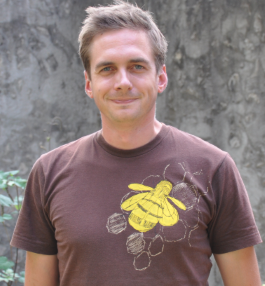
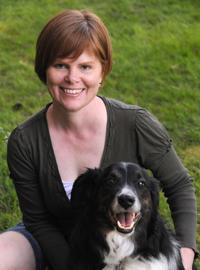
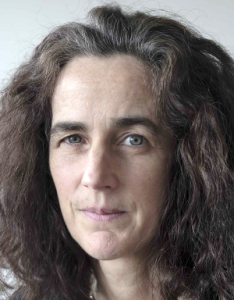
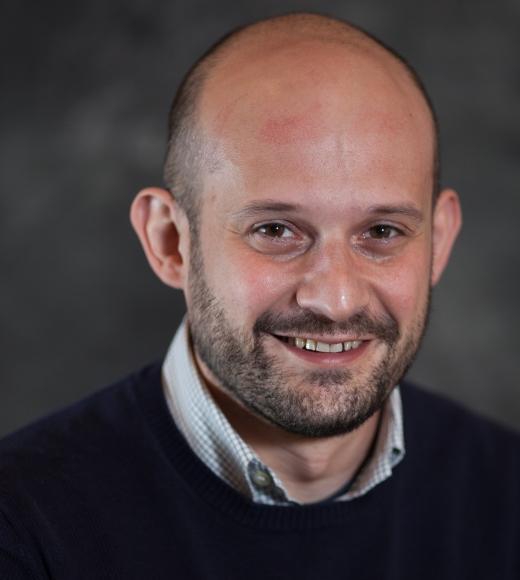
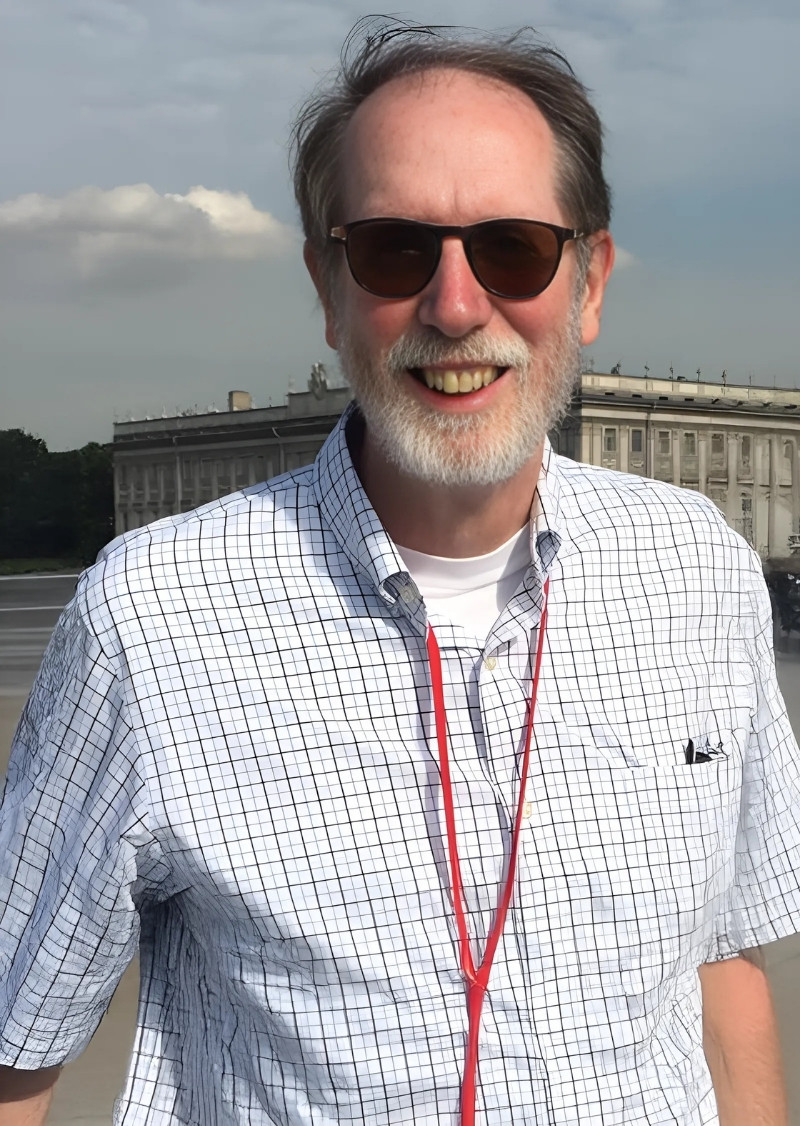
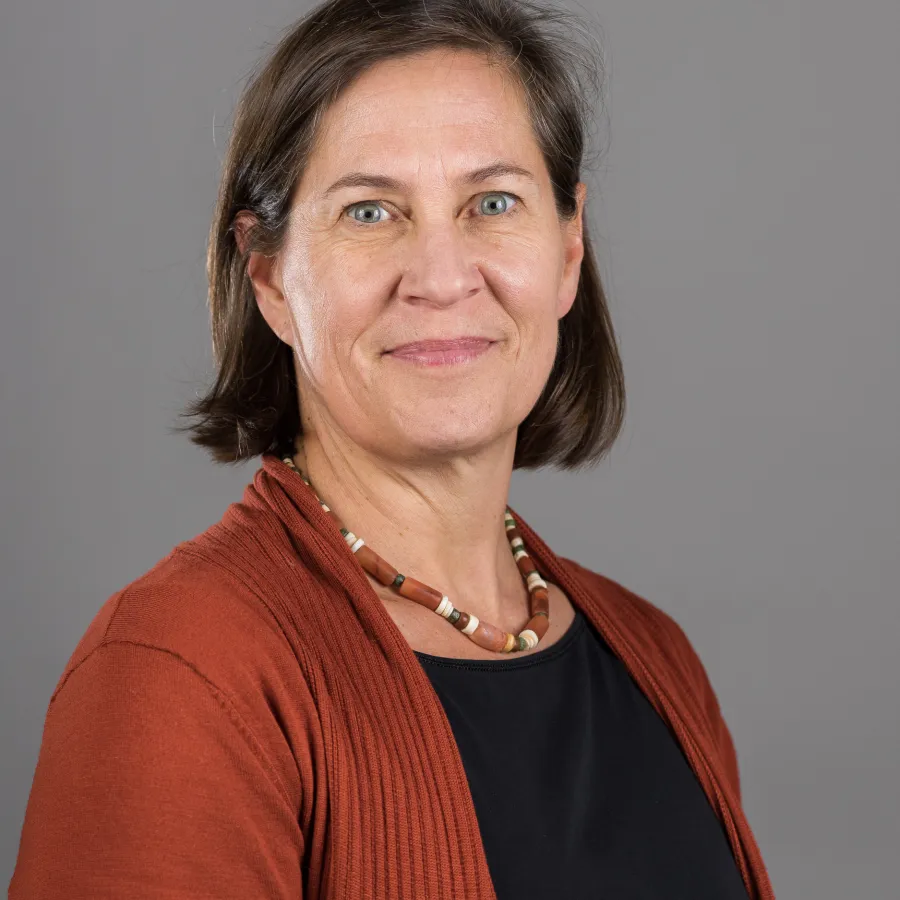
Marcel Dorken is a Professor in the Department of Biology at Trent University. He holds a B.Sc. from the University of Guelph, M.Sc. from Queen's University, Ph.D. from the University of Toronto, and postdoctoral training at Oxford University. His research focuses on the evolution and ecology of plant reproduction, particularly transitions from hermaphroditism to dioecy, clonality, and plant-pollinator interactions. He investigates these topics through field experiments, genetic analysis, and modeling. Current projects include studying the ecological impacts of invasive hybrid cattails and the role of spatial structure in plant fitness. Teaching responsibilities include BIOL 1020H (Foundations of Biodiversity), BIOL 3170H (Plants and their Ancestors), BIOL 3190H (Wild Plants of Ontario), and BIOL 4610H (Evolutionary Ecology). His lab actively mentors graduate and undergraduate students in field and lab-based research. Contact: marceldorken@trentu.ca, Office DNA C250.
Lucas Marie-Orleach is a Lecturer at the University of Tours, affiliated with the Institute for Research on Insect Biology (IRBI) under the UMR CNRS 7261. His research focuses on the effects of sexual reproduction on evolution at micro- and macro-evolutionary scales, combining laboratory experiments and theoretical models in quantitative genetics, population genetics, and behavioral ecology . Affiliation: University of Tours, France Academic Rank: Lecturer Research Themes: Sexual selection, speciation, self-fertilization, social effects, environmental stress adaptation Marie-Orleach’s work explores key questions such as the quantification of sexual selection, evolutionary consequences of social interactions, and impacts of self-fertilization on speciation. His 15 most recent publications (2013–2024) span topics like mating systems, cryptic female choice, and genome-wide heterozygosity maintenance. Notably, his 2024 Cold Spring Harbor Perspectives in Biology study addresses selfing’s role in speciation, while his 2023 Science Advances paper uncovers non-Mendelian inheritance in asexual nematodes. Scientific Awards: Marie-Orleach has received multiple grants, including a 2020 Norwegian Research Council fellowship, two Swiss National Science Foundation postdoc fellowships (2017, 2015), and doctoral fellowships from the Burkhardt-Bürgin Foundation (2013) and Freiwillige Akademische Gesellschaft Basel (2013). His collaborations span institutions in Norway (University of Oslo), France (University of Rennes), and Scotland (University of St Andrews). Marie-Orleach’s research integrates experimental and theoretical approaches, emphasizing transitions between sexual systems, indirect genetic effects, and evolutionary consequences of mating behaviors.
Chris Martine is the David Burpee Professor in Plant Genetics & Research and Professor of Biology at Bucknell University. He serves as Director of the Manning Herbarium and leads the Martine Lab, a research community where undergraduates, Master's students, and postdoctoral fellows collaborate on plant science questions. His work bridges field studies and molecular approaches with a focus on biodiversity conservation and science communication. Educational Background: B.S. Natural Resource Management, Cook College, Rutgers University, 1996 M.S. Ecology and Evolution, Rutgers University, 2001 Ph.D. Botany, University of Connecticut, 2006 Professor Martine is a biodiversity scientist specializing in plant ecology and evolution, with particular expertise in reproductive systems. His research primarily focuses on the Solanaceae family, especially Australian "bush tomatoes" (Solanum species) in the Monsoon Tropics. He investigates unusual breeding systems, including dioecy and andromonoecy, and examines how plant reproductive strategies evolve in response to environmental pressures. His work also extends to invasive species biology in northeastern US ecosystems and science communication through his "Plants Are Cool, Too!" initiative. Analysis of Martine's recent publications reveals a strong focus on Australian Solanum systematics and evolution, with significant contributions to understanding plant reproductive biology, particularly dioecious systems. His work bridges molecular phylogenetics, field ecology, and conservation biology, with increasing attention to science education and communication. The publications demonstrate collaborative research across multiple institutions and continents, with particular emphasis on Australian flora and Pennsylvania plant conservation. Scientific Awards: Fellow of the Linnean Society, elected 2022 Peter Raven Award, American Society of Plant Taxonomists, 2018 Melinda F. Denton Memorial Lecturer, University of Washington, 2017 New England Biolabs Passion in Science Award, 2016 Dennis M. Fenton Distinguished Graduate Alumni Award, Rutgers University, 2016 Innovations in Plant Systematics Education Prize, American Society of Plant Taxonomists, 2014 David T. Scadden Faculty Scholar Award, Bucknell University, 2013 Chancellor's Award for Excellence in Teaching, State University of New York, 2011 Charles Edwin Bessey Teaching Award, Botanical Society of America, 2010 George R. Cooley Award, American Society of Plant Taxonomists, 2005 Professor Martine mentors a diverse group of students in the Martine Lab, where undergraduates, Master's students, and postdoctoral fellows work together on plant science research. His collaborative approach is evident in numerous co-authored publications with students and colleagues. His research has been supported by various grants, though specific funding sources aren't detailed in the provided text. Martine emphasizes the importance of effective science communication and has developed outreach initiatives like "Plants Are Cool, Too!" to engage the public with botanical science. The Martine Lab serves as a collaborative research environment focused on plant biodiversity, with particular attention to Australian Solanum species and northeastern US flora. The lab combines field studies, molecular techniques, and herbarium-based research to address questions in plant systematics, evolution, and conservation. Martine's work with the Manning Herbarium supports both research and educational initiatives at Bucknell University.
Dr. Jeannette Whitton is an Associate Professor in the Department of Botany at the University of British Columbia (UBC), Faculty of Science. Her research focuses on plant evolutionary biology, speciation, and polyploid evolution, with a particular emphasis on understanding the genetic and ecological mechanisms driving biodiversity. She leads the Whitton Lab, investigating systems like the sunflower family (Asteraceae), including the Townsendia and Crepis agamic complexes, to explore questions about species integrity, polyploidy, and reproductive strategies. Academic History: B.Sc. in Environmental Biology from McGill University (1988), Ph.D. in Botany from the University of Connecticut (1994), and postdoctoral research at Indiana University (1994–1997). Research Interests: Dr. Whitton studies population genetics, phylogenetics, and speciation processes. Her work examines how polyploidy and asexual reproduction (apomixis) influence species diversification, particularly in response to environmental pressures. Key projects include analyzing the Rocky Mountain Townsendia genus, the North American Crepis agamic complex, and invasive plant species' genetic traits. Grants and Collaboration: Collaborates with researchers like Loren Rieseberg and Sally Otto on projects funded by UBC's Excellence Funds. Advises graduate students (Chris Sears, Chris Lee, Jamie Leathem) and undergraduate researchers. Her lab combines fieldwork, molecular genetics, and phylogenetic analysis to address evolutionary questions. Labs/Teams: Whitton Lab focuses on evolutionary ecology, conservation biology, and plant systematics. Recent projects include common garden experiments for Townsendia hookeri and studies on invasive plant traits in Yukon.
Francesco Mercati is a Senior Researcher at the Institute of Biosciences and BioResources (IBBR-CNR) in Palermo, Italy. His work focuses on plant genetics, bioinformatics, and biodiversity conservation, leveraging next-generation sequencing (NGS) and molecular markers to study species like grapevine, citrus, and asparagus. He has collaborated internationally, including work at the University of Georgia (USA), and contributed to advancements in nitrogen use efficiency (NUE) and DNA barcoding. Education: PhD in Biology Applied to Agri-Food and Forest Systems (2012), University of Reggio Calabria Bachelor’s Degree in Cell Biology and Development (2003), University of Pisa Research Interests: NGS applications in plant genetics DNA barcoding for species identification Genetic diversity and population structure analysis Transcriptomics of stress responses NUE in crops like eggplant and durum wheat Somatic embryogenesis in citrus Collaborations and Projects: LIMSEED Asparagus project (sex determination genes) Italian wine database development European Community-funded genetic polymorphism studies Publications: Recent work spans grapevine domestication, caper genomics, and Citrus somatic regeneration Key themes: stress adaptation, symbiotic interactions, gene family evolution
Béatrice Albert serves as a Lecturer at Université Paris-Saclay within the Laboratoire Écologie, Société et Évolution (IDEEV), specifically in the “Plant diversity and evolution” research team. She has maintained continuous academic employment since 1998 as an Assistant Professor at Paris XI University (now part of Université Paris-Saclay), teaching genetics, molecular biology, and statistics across multiple institutions including Paris VII, Paris XIII, and the University of Sussex. Her educational foundation includes a PhD in Genetics and Evolution (1993-1996) and a Master in Biodiversity, Genetics and Evolution (1992-1993), both completed at Paris XI University. These qualifications established her trajectory in evolutionary biology and molecular genetics. Albert’s research centers on evolutionary developmental biology (Evo-Devo), with particular emphasis on pollen morphology and aperture pattern formation in angiosperms. She investigates how developmental mechanisms determine aperture patterns while examining the interplay between selective pressures and developmental constraints. Her methodology integrates experimental approaches with theoretical modeling to understand morphological evolution at cellular and organismal levels, bridging molecular genetics with macroevolutionary patterns. Publication analysis reveals a distinct research evolution: early work (1996-2002) focused on mitochondrial genome dynamics in plants and fungi, transitioning to pollen development studies (2003-2013) where she established expertise in microsporogenesis and aperture pattern ontogeny. Her recent publications demonstrate sophisticated integration of comparative phylogenetics with cellular developmental biology, particularly in monocots and eudicots. PhD student: Mohamed DIALLO (2018-2021) on “Interdisciplinary assessment of plant species translocations for conservation purpose” (co-supervised with Bruno Colas) Master’s student: Juliette BARON (2019) on “Cost assessment of exotic invasive species” (co-supervised with Christophe Diagne) She actively collaborates with researchers across France (A. Ressayre, P.-H. Gouyon), the UK (C. Furness), and USA (M. Yang), contributing to international projects while maintaining her core research program within the IDEEV laboratory’s plant evolution team.
Simon Queenborough is Senior Lecturer and Musser Director of the Tropical Resources Institute at Yale School of the Environment. His botanical ecology research examines interactions among individuals, species, and communities in ecological and evolutionary time, with long-term field studies in Yasuní National Park, Ecuador – one of Earth's most biodiverse ecosystems. His work investigates mechanisms of diversity maintenance, plant breeding systems, resource allocation trade-offs, and quantitative population dynamics. Current projects assess climate change impacts on tropical tree reproduction and pioneer species growth. He teaches tropical field courses, statistical analysis in R, and data visualization. As TRI Director, he oversees summer research support for YSE students. He developed intro2r.info, an online resource for teaching R programming. Research combines field demography, phylogenetic comparative methods, and socio-ecological modeling to address conservation challenges.
Professor Jer-Ming Hu is a faculty member at National Taiwan University , serving as Curator of the NTU Herbarium (TAI) and leading the Plant Systematics and Evolution Lab in the Department of Life Science. With a Ph.D. from the University of California, Davis, his research spans plant systematics, reproductive ecology, East Asia floristics, and ethnobotany, focusing on parasitic plants like Balanophora and Mitrastema , as well as collaborations with anthropologists on indigenous knowledge systems. Education: Ph.D. in Evolutionary Biology, University of California, Davis, USA Research Interests focus on: Plant systematics, phytogeography, and floristics, particularly in East Asian flora Evolution of plant reproductive ecology, including dioecy and agamospermy patterns Natural history and museum studies, with emphasis on pre-1945 TAI herbarium specimens Ethnobotany, studying traditional ecological knowledge among Taiwan's Amis tribe Recent Publications highlight taxonomic revisions in Elatostema (Urticaceae), Sonerila (Melastomataceae), and Ardisia (Primulaceae), alongside biogeographic studies of Taiwan's flora and evolutionary genetics of parasitic plants. His work integrates molecular phylogenetics with traditional specimen analysis. Courses Taught include advanced seminars in plant evolution, ethnobotany, and biological illustration, as well as field-focused programs like Exploring Taiwan: Natural Environment and Resources . Lab Activities center on: Taxonomic and phylogenetic research across multiple plant families Herbarium-based studies of historical collections Development of science education tools like the NTU Museum Loan Box Collaborative ethnobotanical fieldwork with Anthropology Department
Dr. Dario Cantù is an Associate Professor and Louis P. Martini Endowed Chair in Viticulture and Enology at the University of California, Davis. His research focuses on systems biology, genomics, and plant-microbe interactions to develop disease-resistant grapevine varieties and improve crop resilience. Key areas include bacterial/fungal pathogen defense, genetic resistance mechanisms, and environmental stress adaptation. Research interests include genomic analysis of grapevine pathogens (e.g., downy mildew, powdery mildew), microbiome recruitment dynamics, and structural genomic variation influencing traits like fruit quality and disease tolerance. He leads projects on genome assembly of Vitis species and coffee varieties, leveraging advanced sequencing technologies. Publications highlight breakthroughs in pathogen virulence mechanisms, resistance gene discovery (e.g., Ren6/Ren7 loci), and applications of AI in crop improvement. Work on smoke taint and chloride exclusion addresses pressing viticultural challenges. His research integrates field observations with lab-based molecular techniques to bridge genotype-to-phenotype understanding. Dr. Cantù collaborates extensively, publishing in high-impact journals like Nature Genetics and Plant Biotechnology Journal . His lab focuses on translating genomic insights into practical solutions for sustainable viticulture, including biocontrol strategies and precision breeding.
Greg Anderson is a Professor at the University of Connecticut specializing in plant systematics, biosystematics, and evolution with a focus on vascular plants. His research emphasizes pollination biology, tropical Solanaceae, and conservation botany, particularly in island ecosystems like the Robinson Crusoe Islands and Canary Islands. He leads studies on reproductive mechanisms in endangered plant species, integrating fieldwork and genomic approaches. His work explores floral biology, breeding system evolution, and the impact of environmental factors on plant reproduction. Key contributions include analyses of dioecy in Solanum species and collaborative projects on island flora conservation. Anderson collaborates internationally, publishing widely on plant systematics, genetic diversity of endemic species, and ethnobotanical studies in Nicaragua and the Caribbean. Research highlights include studies on Solanum vespertilio’s reproductive biology, genetic diversity in pepino (Solanum muricatum), and the ecological role of key plants in cultural contexts. His interdisciplinary approach bridges botany, genetics, and conservation, addressing both theoretical and applied challenges in plant diversity preservation.
Ingrid Jordon-Thaden is an Assistant Professor of Botany at Murray State University, where she also serves as Curator of the Murray State Herbarium and leads a plant systematics lab. Previously, she was Director of the Botany Garden & Greenhouses at the University of Wisconsin-Madison (2017–2024) and held roles at the University of California-Berkeley, Bucknell University, and the University of Florida. Her research focuses on plant speciation processes, polyploidy, and adaptations in plants, particularly in genera like Draba , Tragopogon , and Solanum . She has a strong track record in mentoring students, including an Outstanding Mentor award from UC Berkeley’s Cal NERDS program. Education: PhD in Natural Sciences (2009, University of Heidelberg), M.Sc. in Biology (2005, University of Nebraska-Lincoln), and dual B.Sc. degrees in Horticulture and Chemistry (2000, University of Nebraska-Lincoln). Research Interests: Plant systematics, polyploid genome evolution, phylogeography, and reproductive biology. She investigates topics such as apomixis in Draba oligosperma , genome changes in Tragopogon polyploids, and dioecy in Australian Solanum species. Affiliations: Research Associate at the Florida Museum of Natural History, active member of the American Society of Plant Taxonomists (Secretary 2023–2026), and contributor to initiatives like the Nagoya Protocol Action Team.
Edward Golenberg is a Professor in the Department of Biological Sciences at Wayne State University, affiliated with the College of Liberal Arts and Sciences. His research focuses on evolutionary genetics, plant developmental evolution, and sexual dimorphism. He holds a Ph.D. from Stony Brook University (SUNY) and a B.A. from Johns Hopkins University. His research explores how genetic differences drive morphological and functional variations in plants, particularly in sex determination and the evolution of unisexual flowers. He also investigates the genetic basis of flat appendages in plants and animals, aiming to uncover universal 'Rules of Life' through genomic studies. Key projects include NSF-funded work on ancient molecular toolkits and USGS-funded studies on invasive species control using RNAi. Recent publications span topics like gene silencing in Phragmites, transcriptome analysis of leaf architecture, and hormonal regulation of floral development. His work bridges basic and applied science, with implications for crop improvement and ecological restoration. Grants: NSF RoL Grant (2018-2020) USGS/GLRI Grant (2015-2019) Courses Taught: BIO3800 - Botany MGG7015 - Introduction to Genetics BIO1030 - Biology Today Labs/Teams: Focuses on molecular genetics and evolutionary biology, collaborating with institutions like the NSF-funded 'Ancient Toolkits' initiative.
Gregory J. Anderson is a Professor at the University of Connecticut, specializing in plant systematics, biosystematics, and evolution. His research focuses on vascular plants, particularly Solanaceae, and encompasses pollination biology, tropical botany, and conservation strategies for endangered species. He has authored numerous publications on island floras, reproductive biology, and genetic diversity of rare plants. His work integrates molecular genetics, field studies, and conservation efforts to understand plant evolution and protect biodiversity in regions like the Juan Fernández and Canary Islands. Key areas of research include the reproductive biology of island endemics, genetic diversity in endangered Solanum species, and the ecological role of plants in cultural systems. Anderson’s studies often highlight the interplay between plant biology and conservation, emphasizing the importance of interdisciplinary approaches in preserving threatened species. His recent work explores the genetic basis of sex determination in dioecious plants, floral morphology in Solanum, and the application of high-throughput genotyping for conservation. Despite the absence of listed awards, his contributions to plant systematics and island biology are widely recognized in academic circles.
Susan Swensen is Professor of Biology at Ithaca College, Director of the H&S Innovation Scholars Program, and Coordinator of the Innovation Scholars Program. Her research integrates molecular systematics and population genetics to explore plant evolution, with field and lab projects on island endemics, Cucurbitales phylogeny, and actinorhizal symbioses. Education: B.A. Biology, Grinnell College M.S. Botany, University of Tennessee Ph.D. Plant Physiology & Genetics, University of Tennessee Research Interests: Swensen uses DNA sequence data and microsatellites to reconstruct phylogenies and examine population-level processes. Current focal questions include the origin of the Hawaiian relict Hillebrandia , the evolution of nitrogen-fixing symbioses, and conservation genetics of Caribbean Scaevola threatened by invasive species. Her peer-reviewed articles reveal sustained contributions to understanding deep angiosperm relationships, symbiosis evolution, and cryptic tropical biodiversity, often involving undergraduate co-authors. Grants & Support: Funding includes NSF awards for tropical biodiversity research and Ford/Provost grants for Puerto Rican Scaevola population genetics. She actively mentors undergraduates in research, coordinates the campus-wide Innovation Scholars Program, and leads sustainability-themed curricular initiatives.
Janelle Burke is a Professor of Biology and Interim Chair of the Dept. of Earth, Environment and Equity (E3) at Howard University's College of Arts & Sciences. She specializes in plant evolution, biodiversity, and interdisciplinary STEM education. Trained as a botanist at Cornell University (Ph.D., 2011) and Johns Hopkins University (B.A., 2004), she has described 14 new plant species and two species named in her honor: Coccloba burkeae and Miconia burkeae. Her leadership has expanded Howard University's Environmental Studies program, securing grants and partnerships to advance student opportunities. She focuses on innovative curricula for HBCU students in environmental sustainability and has pioneered studies on reproductive systems in plants like Rumex and Miconia. Education: Ph.D. in Plant Biology, Cornell University (2011) B.A. in Behavioral Biology, Johns Hopkins University (2004) Her research integrates phylogenetics, taxonomy, and ecology, with notable contributions to understanding plant evolution in tropical regions. Recent work explores the historical biogeography of Miconieae and the genetic basis of sex chromosomes in Rumex species. She actively promotes STEM retention among HBCU students through culturally responsive curricula and self-efficacy frameworks. Dr. Burke’s grants have supported collaborative projects on biodiversity conservation and plant systematics. Her awards include a 2016 Research Initiation Award for studying reproductive system evolution in plants. She leads interdisciplinary teams advancing environmental science education and has contributed to over 30 peer-reviewed publications since 2008.