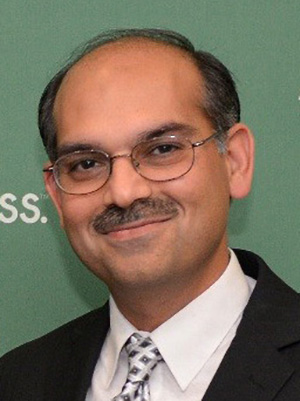
Prof. Pavel Lipavský is a Full Professor at the Institute of Physics, Faculty of Mathematics and Physics, Charles University . His research spans theoretical physics of many-body systems , with expertise in semiconductor transport , nuclear matter simulations , and superconductivity . 1975–1980: Studied at Charles University's Faculty of Mathematics and Physics 1980: Diplomarbeit on nonlinear plasma-wave interactions 1987: PhD on non-equilibrium Green functions for semiconductor transport 2007: Habilitation as Associated Professor 2014: Appointed Full Professor Key research themes include: Superconductivity : Time-dependent Ginzburg-Landau theory, vortex dynamics, and critical temperature modeling Semiconductors : High-field and mesoscopic transport phenomena Quantum Systems : Bose-Einstein condensation, correlated Fermi gases, and Josephson effects His recent publications focus on quantum transport corrections (2024), nonequilibrium thermodynamics (2018–2019), and superconducting material properties (2014–2008). Students include Miroslav Hopjan (PhD 2014) and Břetislav Šopík (PhD 2012). Collaborations span institutions in Germany (Forschungszentrum Dresden-Rossendorf, TU Dresden) and international groups.
Kateřina Hofbauerová is a Scientific Researcher at the Institute of Physics, Faculty of Mathematics and Physics, Charles University in Prague. Her work focuses on molecular biology techniques for protein expression, purification, and crystallization, as well as structural analysis using optical spectroscopy (Raman, FTIR, UV–VIS, CD) and computational modeling. She collaborates internationally, including long-term stays at Laboratoire pour l’Utilisation du Rayonnement Electromagnétique (France) and Justus-Liebig-University Giessen (Germany). Education : Ph.D. in Physical Chemistry (2004) from Faculty of Science, Charles University, Prague; MSc in Physical Chemistry (1998) from the same institution. Research Interests : Structural biology of proteins, particularly their interactions and stability, with a focus on methods like Raman spectroscopy, homology modeling, and protein crystallization. Her studies often address protein dynamics in neurodegenerative diseases, ion channels, and enzymatic systems. Recent Publications highlight collaborations on topics such as amyloid β42-induced cell death pathways, TRPM channel binding epitopes, and antimicrobial peptide-membrane interactions. Her work spans biophysics, molecular biology, and clinical diagnostics. Teaching includes courses in bioorganic chemistry and practical biochemistry training. She has supervised Bachelor thesis students like Katarína Križanová (2018). Labs & Collaborations : Active in structural biology research at Charles University, with ties to institutions in France, Germany, and Japan. Her lab employs advanced spectroscopic and computational tools for protein studies.
Jochen Küpper is a Professor in the Department of Physics and by courtesy in the Department of Chemistry at the University of Hamburg, while also serving as a Lead Scientist at DESY and Group Leader at the Center for Free-Electron Laser Science (CFEL). His work spans molecular physics, ultrafast dynamics, and advanced imaging techniques, with a focus on controlled molecule experiments and X-ray free-electron laser applications. Key Research Areas: Laser-induced alignment/orientation of molecules Single-particle diffractive imaging Quantum dynamics in intense fields Nanoparticle and biomolecule control His recent publications highlight innovations in imaging methodologies (e.g., Timepix3 detectors, aerodynamic lens simulations), ultrafast molecular dynamics (e.g., fluorene ionization, water dimer ionization), and machine learning applications for quantum simulations. His group has pioneered techniques for conformer-specific chemical kinetics and atomic-resolution imaging of complex systems. Scientific Awards: ERC Consolidator Grant (2013) Nernst-Haber-Bodenstein Prize (2009) Feodor-Lynen Fellowship (2001) Rao Prize (2000) Fellow of the Royal Society of Chemistry (2014) Küpper’s academic service includes leadership roles in the Deutsche Physikalische Gesellschaft and organizing conferences like MOLEC23 and QUTIF2018 . His work bridges theoretical modeling, experimental physics, and interdisciplinary applications in structural biology and materials science.
Prof. Dr. Michael Thorwart is a Professor at the University of Hamburg , affiliated with the Faculty of Mathematics, Informatics and Natural Sciences and the Department of Physics . As the leader of the Nonequilibrium Quantum Dynamics Group at the I. Institute for Theoretical Physics , he focuses on quantum coherence, spintronic systems, and condensed matter dynamics. Research Interests : Quantum transport, nonequilibrium physics, spin waves, and biophysics. Students : PhD candidates Frederik Austrup, Mei Bai, Gregor Gurski, Michael Lau, Leon Mixa, Florian Otterpohl, and postdoc Milan Radonjic. Contact : Office Room 4009, Tel: +49 40 42838-3641, Email: michael.thorwart@uni-hamburg.de His recent publications highlight trends in quantum coherence in biological systems, skyrmion dynamics , and quantum control in extreme environments. Key methodologies include two-dimensional spectroscopy , path integral approaches , and spin wave formalisms . Current projects involve: Quantum effects in photosynthetic energy transfer Spintronic devices using antiferromagnetic lattices High-precision timing tools for X-ray lasers Hydration shell impacts on molecular electronics Patented skyrmion-based data storage
Dr. Henning Tidow leads the research group "AG Tidow" at the University of Hamburg, located within the Institute of Biochemistry and Molecular Biology, Department of Chemistry, Faculty of Mathematics, Informatics and Natural Sciences. His group focuses on mechanistic structural biology of membrane proteins and calcium transport. Research interests span five core areas: Structure & function of membrane proteins Calcium transport across biological membranes Protein crystallography and cryo-electron microscopy Time-resolved structural biology Genetic encoding of unnatural amino acids for spectroscopic probes Across 60+ publications (2004-2024), his work integrates high-resolution structures (X-ray, cryo-EM, SAXS, SANS) with real-time kinetics to dissect the mechanisms of ABC transporters, ion channels (TRPM2, P2X7), TonB-dependent siderophore transporters, and the SARS-CoV-2 main protease. Scientific awards: No specific awards are listed in the provided material. Funding & collaborations: His group participates in the Collaborative Research Centre SFB 1615 “SMART Reactors”, the ERC Synergy Grant BioValCat, and the Graduate School NANOHYBRID, indicating robust external funding.
Dr. Francesca Massi is an Associate Professor at UMass Chan Medical School with multiple appointments across the institution. She holds positions in the T.H. Chan School of Medicine's Department of Biochemistry and Molecular Biotechnology, as well as in the Morningside Graduate School of Biomedical Sciences where she is affiliated with the Department of Biochemistry and Molecular Biotechnology, the Department of Biophysical Chemical and Computational Biology, the MD/PhD Program, and the Postbaccalaureate Research Education Program. Additionally, she is associated with the Bioinformatics and Integrative Biology department within UMass Chan Programs, Centers and Institutes. Her educational background includes a Laurea from the University of Rome "La Sapienza" in 1995, followed by a Ph.D. in Chemistry from Boston University in 2002. She completed her postdoctoral training at Columbia University from 2002 to 2007. Dr. Massi's research focuses on understanding the intricate relationship between protein structure, stability, and dynamics. Her laboratory employs a multi-disciplinary approach that combines biophysical, biochemical, and in vivo techniques, with particular emphasis on solution NMR spectroscopy and computational methods. Her work seeks to elucidate how protein structure and dynamics influence molecular recognition, allostery, and stability. Her specific research programs target three main areas: first, investigating how the TTP protein family regulates cytokine mRNA turnover, which has implications for inflammation and cancer; second, studying how C. elegans TZF proteins govern cell fate specification in early embryogenesis through post-transcriptional mRNA regulation; and third, characterizing the allosteric mechanism of Scapharca dimeric hemoglobin to understand how changes in protein flexibility mediate allosteric communication. Analysis of Dr. Massi's publication history reveals a strong focus on protein dynamics, RNA-protein interactions, and neurodegenerative diseases. Her most recent work (2023-2025) shows an increasing emphasis on ALS-related research, particularly studying TDP-43 and PFN1 proteins using NMR spectroscopy and computational approaches. She also has made significant contributions to understanding RNA-binding proteins, especially those involved in embryonic development in C. elegans, and has recently published on SARS-CoV-2 genome structure. Dr. Massi actively mentors students through rotation projects that address questions about protein structure, dynamics, and their biological implications. Her laboratory offers opportunities to investigate how structural disorder in RNA-binding proteins affects cellular activity, how mutations in RNA-binding domains lead to cancer, and the mechanisms by which proteins like HuR regulate mRNA stability. Her laboratory represents a dynamic research environment that bridges biophysics, biochemistry, and computational biology to address fundamental questions about protein function and its implications for human health and disease.
Sigurd Christiansen is an Associate Professor in Chemistry and Lab Safety Manager at the Faculty of Science and Technology within the University of the Faroe Islands . Holding a PhD from Aarhus University (2015-2020), he specializes in atmospheric chemistry with a focus on aerosols , ocean-atmosphere interactions , and cloud formation . His academic profile builds on prior postdoctoral work at Stockholm University (2021-2023) and a Carlsberg Foundation Internationalisation Fellowship (2021-2024). Education PhD in Chemistry (Aarhus University, 2015-2020) MSc in Chemistry (Aarhus University, 2014-2017) BSc in Chemistry (University of Copenhagen, 2011-2014) Research Interests center on Arctic climate dynamics, particularly: Aerosol-cloud interactions in marine environments Chemical properties of sea spray aerosols during phytoplankton blooms Role of biogenic compounds like dimethyl sulfide in cloud formation Hygroscopicity and CCN activation of atmospheric particles Environmental monitoring of pollutants (PAHs) in Faroese ecosystems Scientific Awards include: Carlsberg Foundation Internationalisation Fellowship (DKK 972,596) Nordisk Ministrerråd Grant (DKK 500,000, 2023-2024) Faroese Research Council Grant (DKK 540,000, 2018-2020) His 15 recent publications span atmospheric chemistry of dimethyl sulfide, sea spray aerosol dynamics, PAH pollution monitoring, and bioaerosol impacts on Arctic clouds. Notable collaborations include Stockholm University and University of Granada (PhD examination role). Research aligns with UN Sustainable Development Goals for climate action and environmental science.
Marjory Brooks is a Professor at Cornell University's College of Veterinary Medicine, affiliated with the Department of Population Medicine and Diagnostic Sciences. She directs the Comparative Coagulation Lab and co-chairs the Cardiac Biomarkers Working Group at Health & Environmental Sciences Institute (HESI). Education: B.S. (1977) and DVM (1981) from Cornell University Professional Experience: 1981-1983: ASPCA clinical roles; 1988-1994: Wadsworth Center Research Scientist; 1994-2009: Cornell Senior Research Associate; 2010-present: Cornell Comparative Coagulation Section Director Her research focuses on comparative hemostasis , particularly canine models of hereditary bleeding disorders and biomarkers of hypercoagulability across multiple species. Recent publications address anticoagulant drug trials , genetic testing for coagulopathies, and viscoelastic coagulation assays . Selected publications (2022-2025) demonstrate expertise in von Willebrand disease (5 articles), immune thrombocytopenia (4 articles), and translational coagulation models (3 articles). Awards include: 1986 ASPCA Outstanding Resident Research Award; 2006 ACVECC Scientific Award. Laboratory work emphasizes canine platelet function (TMEM16F mutations, Scott syndrome) and diagnostic assay development for coagulation disorders. Professional affiliations include: ACVIM, AVMA, AABB, and HESI Cardiac Safety Committee.
Professor John M Christie is a leading expert in photobiology at the University of Glasgow's School of Molecular Biosciences. With a career spanning over three decades, he identified phototropin as the phototropism receptor (Science 1998) and elucidated UVR8's UV-B sensing mechanism (Science 2012). His work has produced optogenetic tools (Science 2015, 2019) and advanced plant signaling research through fluorescent reporters (PNAS 2008). He co-leads the North West Biosciences Doctoral Landscape Programme and chairs major scientific committees. Education: BSc Biochemistry (Glasgow 1992), PhD (Glasgow 1997) His research focuses on UV/blue light signaling in plants, combining structural biology with synthetic biology to engineer photoreceptors. Key areas include: Phototropin-mediated phototropism and chloroplast movement UVR8 photoreceptor's role in UV-B response Optogenetic tools for neuronal and plant systems Fluorescent protein design (iLOV, LOV domains) Stomatal regulation for water use efficiency Signal transduction pathways Recent work (2025) explores promoter-specific gene expression in stomatal complexes, while 2024 studies examine UV-B phosphorylation dynamics. His 15 most recent publications highlight mechanistic studies of photoreceptors, optogenetic applications, and biotechnological innovations in Arabidopsis and cyanobacteria. Scientific recognition includes: Fellow of the Royal Society of Edinburgh (FRSE) Chair of Gordon Research Conference (2016) He supervises PhD students Liu Weiqi and Patitaki Eirini , with grants from BBSRC, Leverhulme Trust, and Royal Society. His lab develops light-regulated tools for biotechnology and contributes to understanding plant-environment interactions.
Professor Gareth I Jenkins is a leading academic in Plant Cell and Molecular Biology at the University of Glasgow. His research focuses on elucidating the cellular and molecular mechanisms of plant responses to UV-B light, particularly the structure and function of the UVR8 photoreceptor. University of Glasgow (1986–present) PhD in Photosynthetic Electron Transport (University of Leeds, 1979) Research Interests: Jenkins’ work bridges plant photobiology, UV-B signaling, and stress acclimation. He pioneered understanding of UVR8 photoreceptor dynamics and its role in gene regulation, protein interactions, and plant development under UV-B exposure. Recent Publications: His 15 most recent articles (2025–2016) explore UVR8’s role in UV-B signaling, conformational changes, gene expression, and plant-insect interactions. Key themes include protein phosphorylation, dimer/monomer transitions, evolutionary conservation of UVR8, and UV-B’s impact on crop stress resistance. Scientific Awards: Fellow, Royal Society of Edinburgh (2013) Fellow, Society of Biology (2014) President, International Association for Plant UV Research (2016–present) Teaching & Mentorship: Jenkins has dedicated his career to education, including secondary school science teaching, adult education, and curriculum development at Glasgow. He initiated the MSc in Food Security and led the MSci program’s research placement structure.
Dr Michael Oliver is a Researcher in the Department of Molecular Biosciences at the University of Glasgow, specializing in structural biology and virology. His work focuses on understanding molecular mechanisms in viral envelope proteins, kinase activity, and evolutionary pathways using advanced computational and experimental techniques. Research Interests: Protein structure prediction, viral evolution, membrane fusion mechanisms University: University of Glasgow Email: Michael.Oliver@glasgow.ac.uk Recent publications highlight his expertise in structural biology and virology, particularly in Flaviviridae and Hepacivirus research, alongside collaborations with multidisciplinary teams exploring computational modeling and biochemical interactions.
Dr. Trinanjan Datta is a Professor of Physics in the Department of Physics and Biophysics at Augusta University's College of Science and Mathematics. His academic appointments include roles in the Department of Chemistry and Physics and Department of Physics and Biophysics. He holds a PhD in Theoretical Condensed Matter Physics from Purdue University (2007), an MS from Indian Institute of Technology (2001), and a BS from University of Calcutta (1999). His research focuses on theoretical and computational studies of magnetic systems , including spectroscopic properties of magnon, multi-magnon, and topological magnon excitations in quantum magnets. Key methods include RIXS, Raman, INS, and transport studies, with additional interest in classical Monte Carlo simulation of non-equilibrium magnetic systems. Notable awards include the 2017 College of Science and Mathematics Exemplary Teaching Award and 2016 University System of Georgia SoTL Fellow . Recent publications analyze topics like periodicity staircase patterns in Fe/Gd thin films , Einstein-de Haas effect in topological magnon insulators , and dynamical phase transitions in the XY model . These reflect a trend toward understanding topological phases , non-equilibrium magnetism , and quantum spin dynamics through spectroscopic and computational approaches. His scientific awards include: 2017 College of Science and Mathematics Exemplary Teaching Award 2016 College of Science and Mathematics Excellence in Research Award 2016 University System of Georgia SoTL Fellow 2015 GRU College of Science and Mathematics Outstanding Faculty Award 2012 KITP Scholar Award Dr. Datta actively supervises undergraduate and graduate research students, including Alex Price , Curtislee Thornton , and Cheng Luo , while collaborating with institutions like Sun Yat-sen University. His work spans frustrated magnetism , correlated electron systems , and biophysics , with 32 peer-reviewed publications to date.
Prof. Dr. Hab. Bożena Obmińska-Mrukowicz is a faculty member at the Department of Pharmacology and Toxicology , Wrocław University of Environmental and Life Sciences. She serves as the Head of the Department and has coordinated courses such as Equine Clinical Pharmacology , Veterinary Pharmacology I/II , and Methodology and Ethics in Scientific Research since 2015. Her research focuses on: Veterinary pharmacology and toxicology Canine cancer treatment mechanisms Immune system modulation Apoptosis induction in hematopoietic malignancies Drug sensitization and combination therapies Key article trends include: DNA damage response pathway analysis in canine cancers Development of PARP and ATR kinase inhibitors Immunomodulatory effects of natural compounds (yolkin, ovophospholipids) Synergistic antitumor interactions of veterinary drugs Comparative studies between canine and human osteosarcomas
Dr. Fei Wang is an Assistant Professor at the University of Texas Southwestern Medical Center, affiliated with the Department of Cell Biology and Biochemistry. He leads an independent research laboratory focused on molecular mechanisms of eukaryotic cellular development. Dr. Wang holds the distinction of being a Nancy Cain and Jeffrey A. Marcus Scholar in Medical Research. His educational background includes a B.S. in Genetics and M.S. in Gene Therapy from Fudan University (China), followed by a Ph.D. in Biochemistry and Molecular Biology from the University of Massachusetts-Amherst. Dr. Wang's research centers on two primary domains: Autophagy in meiosis : Investigating how autophagic machinery orchestrates cellular remodeling during yeast gametogenesis (spermatogenesis/oogenesis) and developmental transitions under stress conditions. Small Proteins (SPs) : Characterizing the targeting mechanisms, interactions, and turnover of sub-50-residue proteins in eukaryotic membrane systems. His laboratory employs yeast genetics, live-cell imaging, proteomics, and biochemical reconstitution approaches. Analysis of Dr. Wang's 15 most recent publications (2008-2023) reveals strong thematic focus on: Autophagy regulation during meiotic development Membrane protein targeting (ER/chloroplast) Translational control via amyloid-like repressors Structural mechanisms of protein insertases GTPase regulation in organelle biogenesis His research group includes: Rudian Zhang (Research Scientist) Jayaprakash Monala (Postdoctoral Researcher) Akshay Chellappa (Research Technician) Prospective trainees are invited to contact him regarding lab opportunities.
Jyoti Shah serves as Distinguished Research Professor and Chair of the Department of Biological Science at the University of North Texas, where he leads research in plant defense mechanisms since joining in 2007 after rising to Associate Professor at Kansas State University. His educational background includes: B.Sc. in Microbiology and Biochemistry (1983) from University of Bombay M.Sc. in Microbiology (1985) from University of Bombay Ph.D. in Biology (1991) from University of Notre Dame under Mary J. Clancy Shah's research program centers on plant-pathogen and plant-insect interactions, with particular focus on lipid signaling in stress responses. His lab pioneered model systems for studying aphid resistance and discovered novel roles for diterpenoids like dehydroabietinal in plant immunity and reproductive development. Current applications target engineering Fusarium head blight resistance in wheat through oxylipin pathway manipulation. His 15 most recent publications (2018-2022) reveal consistent emphasis on lipid-mediated defense signaling across multiple stress contexts, with recurring themes in aphid resistance mechanisms, diterpenoid signaling, and translational crop protection strategies. The work predominantly utilizes Arabidopsis thaliana models while increasingly incorporating wheat pathology applications. Shah's honors include UNT's University Distinguished Research Professor title, reflecting his 100+ publications with 8000+ citations. He mentors graduate students through UNT's Biochemistry & Molecular Biology program and currently leads three major USDA-funded projects: Developing New Technologies for Fusarium Head Blight resistance ($221,256; 2021-2024) Facilitation of Fusarium graminearum invasiveness by plant 9-lipoxygenase ($493,867; 2020-2023) Generating pathogen-resistant non-GMO cotton ($296,000; 2021-2024) His laboratory specializes in lipidomic analysis of plant stress responses and has developed key tools for studying phloem-feeding insect interactions, maintaining active collaborations with USDA-ARS and cotton research programs.