Yang Liu is a tenured Associate Professor at the Department of Management and Engineering , Linköping University, Sweden, and an Adjunct Professor at the University of Oulu, Finland. His expertise spans smart manufacturing, clean energy transition, and Industry 4.0 applications. He holds an M.Sc. and D.Sc. from the University of Vaasa, Finland. Research & Awards: Liu's work focuses on sustainable systems, decision support systems, and AI-driven energy efficiency. He has authored over 140 Web of Science publications, including top 0.1% ESI Hot Papers. He is ranked among the world's top 2% scientists (Stanford-Elsevier) and leads globally in 'big data analytics in manufacturing' and 'Industry 4.0-driven circular economy' research. Leadership & Projects: He leads projects like FlexSUS (EU Horizon 2020) and PERSEUS, developing tools for smart urban energy planning and 15-minute city models. He serves as Editor-in-Chief of Cleaner Engineering and Technology and Guest Editor for multiple journals. His research emphasizes bridging data science with sustainability challenges in manufacturing and energy systems. Key Achievements: Top-ranked in global citations, ESI Highly Cited Papers, and industry-driven sustainability frameworks. Grants: Leads EU-funded projects and collaborates with Siemens Energy on energy transition solutions. Labs & Teams: Part of the Environmental Technology and Management (MILJÖ) division and Unit for Product Service Innovation (MILJOPSI) at Linköping.
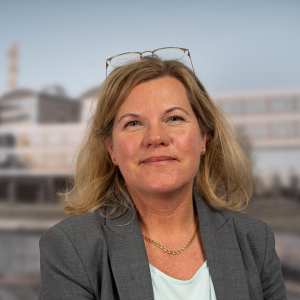
Susanne Iwarsson is a Professor in Gerontology and Care for Older People at Lund University's Faculty of Medicine, holding the Mary and Seved Ribbing Professorship since 2005. She also serves as Director of the Centre for Ageing and Supportive Environments (CASE) and Coordinator of the Swedish National Graduate School for Competitive Science on Ageing and Health (SWEAH). Her academic journey includes a PhD in Medical Science (1997) and promotions to Associate Professor (1999) and Professor (2003). She has held leadership roles such as Pro-dean of the Faculty of Medicine (2006-2011) and Coordinator of the strategic research area MultiPark (2012-2014). Her research focuses on environmental gerontology, housing accessibility, and proactive ageing strategies. Key contributions include the Housing Enabler assessment tool and studies on ageing populations' participation in society. She has supervised 18 PhD students and 6 licentiates, with ongoing supervision of 4 current PhD candidates. Major projects include the Home, Health and Disability longitudinal study (2002-present) and the UserAge program exploring user participation in ageing research. Awards include the Excellent Teaching Practitioner title (2010) and Doctor Honoris Causa. Her work addresses UN Sustainable Development Goals related to health, sustainable cities, and reduced inequalities. Collaborations span universities in Sweden, Finland, Latvia, and the U.S., with partnerships in healthcare and municipal sectors.
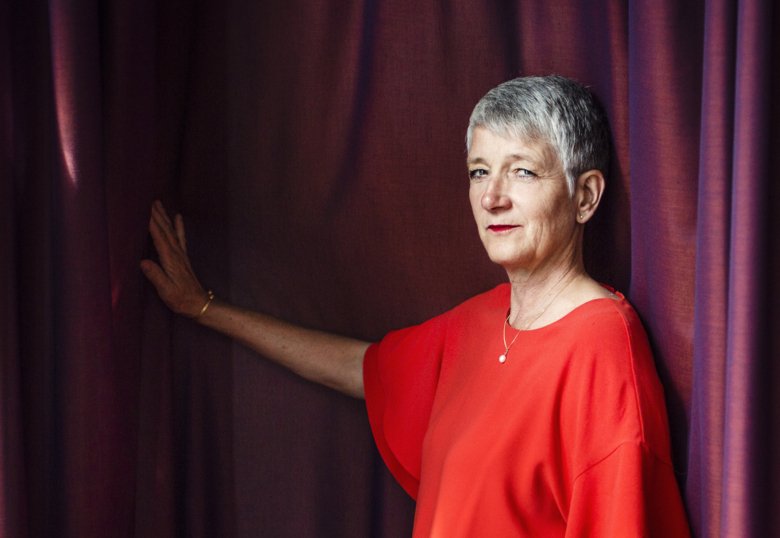
Fariya Sharmeen is an Associate Professor of Mobility and Urban Planning at KTH Royal Institute of Technology's School of Architecture and the Built Environment (ABE), affiliated with the Digital Futures Faculty. She holds a PhD from Eindhoven University of Technology and has previously served as Assistant Professor at Radboud University, Lecturer at Bangladesh University of Engineering and Technology (BUET), and research fellow at institutions including TU Delft and Imperial College London. Her research focuses on sustainable mobility transitions, social network dynamics in travel behavior, and policy responses to emerging transport technologies like MaaS and cycling innovations. Notable honors include the 2017 Piet Rietveld Award for transport research and a 2013 Royal Geographic Society award for transport geography. Sharmeen advises doctoral and master’s students on topics such as urban transformation and mobility governance. She coordinates courses like Sustainable Mobility (FAG3187) and leads projects like Bicification and ENCom. Her work integrates quantitative methods with policy analysis, addressing challenges in both global north and south contexts.
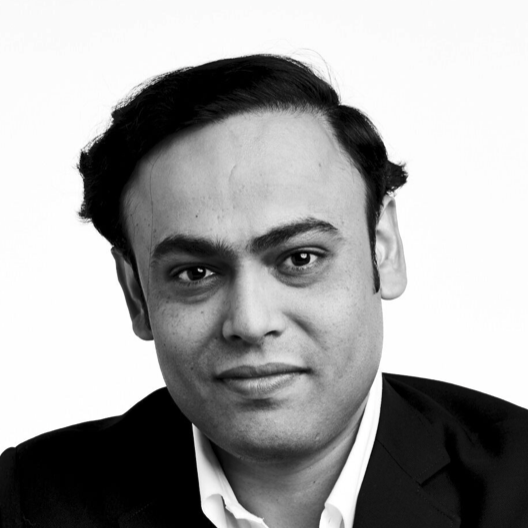
Saurabh Amin is a Professor in the Department of Civil and Environmental Engineering at the Massachusetts Institute of Technology (MIT), where he also serves as the Edmund K. Turner Professor and Undergraduate Officer. He is a Principal Investigator at the Laboratory of Information and Decision Systems and holds affiliations with the Operations Research Center and the Center for Computational Science and Engineering. His educational background includes: B.Tech. 2002, Indian Institute of Technology (IIT) Roorkee M.S. 2004, University of Texas (UT) Austin Ph.D. 2011, University of California (UC) Berkeley Saurabh Amin's research focuses on the design and control of infrastructure systems using game theory and optimization in networks. His work spans three main areas: resilient network control, information systems and incentive design, and optimal resource allocation in large-scale infrastructure systems. By concentrating on critical infrastructure domains including highway transportation, electric power distribution, and urban water networks, his research develops innovative theory and tools to enhance system performance against both stochastic and adversarial disruptions. His approach involves modeling cyber-physical interactions in infrastructures to assess vulnerabilities, developing detection and response tools for failures at various scales, and designing economic incentive schemes that improve aggregate public good while accounting for dependencies and private information among strategic entities. Amin's work bridges mathematical systems theory with practical civil engineering applications, creating a rigorous theoretical foundation for infrastructure resilience that addresses diverse failure mechanisms from natural disasters to deliberate malicious actions. His recent publications demonstrate a strong focus on decarbonization of energy systems, resilient infrastructure planning under climate uncertainty, optimization methods for complex networked systems, and game-theoretic approaches to sustainable infrastructure management. His work increasingly integrates artificial intelligence and machine learning techniques with traditional control theory to address contemporary challenges in infrastructure resilience and sustainability. The research shows a clear trajectory toward addressing climate change impacts on infrastructure systems while maintaining economic efficiency and operational reliability. Professor Amin has received numerous prestigious awards and honors: Common Ground Excellence in Teaching Award, 2025 HSCC Test-of-Time Award, 2024 MIT CEE, Distinguished Service and Leadership Award, 2023 Samuel M. Seegal Prize (SoE) – inspiring students in pursuing and achieving excellence, 2022 Earll M. Murman for Excellence in Undergraduate Advising, 2022 C3.ai Digital Transformation Institute Research Award, 2020 MIT, Ole Madsen Mentoring Award, 2020 MIT, Energy Initiative Research Award, 2020 National Academy of Engineering, China-America Frontiers of Engineering Symposium speaker, 2019 MIT, Robert N. Noyce Career Development Professor, 2015-2018 Google Faculty Research Award, 2015 National Science Foundation CAREER Award, 2015 Siebel Energy Institute Research Award, 2015 MIT, Solomon Buchsbaum AT&T Research Fund Award, 2012 Professor Amin has been actively involved in significant research projects including the C3.ai DTI project on Causal Reasoning for Real-Time Attack Identification in Cyber-Physical Systems and another on Learning in Routing Games for Sustainable Electromobility. He serves as the chief scientist on multi-institutional NSF grants, including the $9 million Foundations of Resilient Cyber-Physical Systems (CPS) project. His teaching portfolio includes courses such as 1.008 Engineering for a Sustainable World, 1.104 Sensing and Intelligent Systems, 1.020 Engineering Sustainability: Analysis and Design, and 1.208 Resilient Networks. As Undergraduate Officer, he plays a key role in shaping the educational experience for civil and environmental engineering students at MIT. Professor Amin leads the Resilient Infrastructure Networks Lab at MIT, where his team develops theoretical foundations and practical tools for infrastructure resilience. The lab focuses on the intersection of control theory, game theory, and optimization applied to cyber-physical infrastructure systems. Current research directions include pandemic-resilient urban mobility and hurricane-resilient smart grid operations, reflecting the lab's commitment to addressing pressing societal challenges through rigorous systems engineering approaches.
Yael Feldman Maggor is a Postdoctoral Fellow at KTH Royal Institute of Technology, affiliated with the Media Technology & Interaction Design Division and the Digital Futures research center. Her work bridges educational technologies, artificial intelligence, and science education, with a focus on enhancing pedagogy through innovative tools. Research Themes: Generative AI in education, self-regulated learning, learning analytics, chemistry education, and ethical considerations in AI integration. Key Projects: Contributions to the International Journal of Science Education, development of AI-driven evaluation frameworks, and pandemic-era online teaching analysis. Methodologies: Expertise in quantitative and qualitative research, educational data mining, and design of interactive learning platforms. Recent publications emphasize cross-cultural trust in AI, generative AI applications in chemistry education, and explainable AI for teacher professional development. She co-authored studies on nanotechnology courses for educators and self-regulation strategies in online learning environments.
Titti Mattsson is a Professor of Public Law at the Faculty of Law, Lund University, specializing in Health Law, Social Welfare Law (including child law and elder law), and Human Rights Law. She served as Pro Dean of Research at the same faculty from 2021 to 2023. Editor of the European Journal of Health Law Board member of the Swedish Institute of Human Rights, Swedish National Agency for Health and Care Analysis, and Swedish National Council on Medical Ethics Vice Chair of the Region Skåne Ethical Board Coordinator of the Health Law Research Centre and the Law and Vulnerabilities Group at Lund University Her research focuses on the governance of welfare state issues from national and transnational perspectives, emphasizing outcomes for vulnerable groups and the individual through a human rights lens. Key areas include legal, social, and ethical issues in health and community care for children, disabled persons, and older adults. She leads interdisciplinary projects such as Children's Rights and Evidence-based Care (2020-2023) and Child Care Investigation in Private Government (2018-2022), funded by organizations like Forte and the Kamprad family research foundation. Her work contributes to UN Sustainable Development Goals, particularly in Social Sciences and Law. Mattsson teaches public law, health law, and elder law at advanced levels, supervises six doctoral projects, and engages in outreach through expert assignments and collaborations with international institutions like Emory University and Haifa University.
Anders Parment is a Lecturer in Business Administration at Stockholm University , affiliated with the Stockholm Business School and its Department of Business Administration . With a focus on Marketing , he contributes to research on sustainability, generational differences, and urban-rural market dynamics. PhD in Economics from Linköping University (2005) MSc in Economics from Linköping University and Lund University Degree in Competition Law from Örebro University His research bridges Marketing , Sustainability , and Generational Behavior , examining how urbanization, digitalization, and societal polarization influence consumption and labor markets. Current projects explore urbanization effects and marketization in the Swedish school system . Publications highlight trends in Generational Marketing , Sustainable Practices , and Consumer Behavior across diverse contexts like automotive branding, retail evolution, and public administration. Swedish Marketing Association's Marketing Book of the Year (2019, 2016, 2014, 2013) Educational awards for teaching excellence He teaches basic and advanced marketing courses, including eMBA and leadership programs, emphasizing critical perspectives on corporate sustainability and consumer empowerment.
Bertram Steininger is an Associate Professor at the Department of Real Estate and Construction Management at KTH Royal Institute of Technology, Sweden. He is affiliated with the cross-disciplinary Digital Futures research center (KTH, Stockholm University, and RISE). His research focuses on quantitative analyses in real estate and finance, emphasizing AI, FinTech/PropTech innovation, natural risk, and investment vehicles like REITs and tokens. He currently directs the international M.Sc. in Real Estate and Construction Management and serves as managing editor of the German Journal of Real Estate Research. Steininger’s academic roles include teaching courses such as Financial Econometrics, Real Estate Finance, and Applied Statistics. His research collaborations span global networks including EFA, EEA, and ERES. Key research themes include tokenization of real estate assets, flood risk pricing spillovers, and infrastructure project cost overruns. He has published extensively in journals like the Journal of Portfolio Management, Journal of Real Estate Finance and Economics, and European Journal of Finance. His work bridges theoretical finance with empirical real estate applications, addressing topics from green housing premiums to blockchain-driven token offerings.
Lars-Olof Johansson is a Senior Lecturer at Halmstad University's School of Information Technology, specializing in Informatics. His research focuses on digital service innovation from a learning perspective, emphasizing collaboration between diverse stakeholders and knowledge exchange in innovation processes. He is actively involved in the LeaDS research program (Learning in a Digitalized Society) and teaches in the bachelor's program 'Digital Business Development' and the master's program 'Digital Learning'. His work bridges educational methodologies and technological innovation, particularly in fostering environments where interdisciplinary learning drives successful digital service creation. Notably recognized as an 'Excellent Teacher in Informatics,' he integrates practical experience with academic rigor, contributing to both scholarly discourse and pedagogical advancements. Key projects include SESMA (2019-2021), exploring sustainable mobility solutions, and ongoing collaborations in boundary practices for ICT innovation. His publications span topics like knowledgeability in digital service innovation, ethics in autonomous systems, and collaborative learning frameworks. His awards highlight his pedagogical impact, while his research addresses systemic challenges in innovation through interdisciplinary approaches.
Professor Kristina Gemzell Danielsson is a Senior Physician and Head of the Department of Women's and Children's Health at Karolinska Institutet. She holds a Docent title (2000) and has been employed at Karolinska since 2006. Her research focuses on reproductive health, obstetrics, and gynaecology, with a particular emphasis on medical abortion protocols, contraception efficacy, and global health equity. She leads initiatives to improve access to safe abortion services and has contributed to policy reforms in reproductive health care. Her academic roles include: Head of Division for Neonatology, Obstetrics, Gynaecology, and Reproductive Health Member of international advisory boards on reproductive medicine Research interests span reproductive medicine, hormonal contraception safety, and the intersection of gender-based violence with healthcare. Key contributions include studies on telemedicine abortion, epigenetic biomarkers in cancer risk, and endometriosis pathophysiology. Her publications analyze over 50 studies, emphasizing translational research and global health impact. Notable work includes randomized controlled trials on medical abortion protocols and systematic reviews on climate change and sexual health.
Sophie Isaksson Hallstedt is a Full Professor at Chalmers University of Technology, conducting research in Sustainable Product Development (SPD) with a focus on strategic sustainability integration in product innovation. She holds appointments at both Chalmers and Blekinge Institute of Technology, and serves on international Design Society committees. Key Research Areas: Strategic socio-ecological sustainability, digital decision support tools, circular value chains, and sustainability in emerging technologies. Notable Projects: SUSTAIN (aerospace sustainability), Circular Design Nexus (user behavior analysis), and Digital Materials Ecosystems. Awards & Recognition: Featured in Royal Swedish Academy of Engineering Sciences (IVA) 100-list (2020, 2023). Publications: Over 80 peer-reviewed works demonstrating methods for sustainability maturity assessment, impact evaluation, and progress visualization. Teaching & Education: Developed master's programs and PhD courses in sustainability-driven product development. Collaborates extensively with industry partners like GKN Aerospace and VINNOVA. Current work examines predictive models for user behavior and sustainability implications of additive manufacturing.
Ebru Turanoglu Bekar is a Senior Lecturer at the Department of Industrial and Materials Science, Chalmers University of Technology, specializing in Smart Maintenance and Production Systems. She contributes to the Production Service Systems & Maintenance research group. Research Interests: Total Productive Maintenance (TPM), Artificial Intelligence applications in manufacturing, Multi-Criteria Decision Making, Performance Measurement systems Recent Focus: Development of data-driven algorithms for predictive maintenance, integration of digital twins in industrial contexts Key Projects: Factory SensAI (2025–2028) - Data integration for AI in manufacturing Trustworthy Predictive Maintenance TPdM (2022–2025)
Liane Colonna is an Assistant Professor in Law and Information Technology at the Department of Law, Stockholm University , where she investigates ethical and legal challenges arising from AI-driven practices in higher education. She also engages in methodologically oriented research at the intersection of AI and Law, contributing to the Wallenberg AI, Autonomous Systems and Software Program – Humanities and Society. Additionally, Liane serves as the director of the Swedish Law and Informatics Research Institute (IRI) and is a member of the New York Bar since 2008. Primary Affiliation: Department of Law, Stockholm University Institute Leadership: Director, Swedish Law and Informatics Research Institute (IRI) Professional Status: Member of the New York Bar Research Interests: Ethical and legal challenges of AI in higher education Methodological approaches in AI and Law Data protection and privacy by design Regulatory frameworks for AI and emerging technologies Privacy implications of lifelogging and health IoT International data governance and surveillance law Publications demonstrate expertise in AI regulation, GDPR compliance, and privacy-preserving technologies, particularly for assisted living and educational contexts. Her work bridges technical implementation with legal accountability, emphasizing human oversight and ethical design.
Hanna Hjalmarson, a Lecturer at the Department of Business Administration (Stockholm Business School), specializes in consumer behavior, advertising, public relations, and research methods. She is affiliated with the DIISS research group (Digitalization, Innovation, Internationalization, Sustainability, Service) and focuses on how family, media, and peer influences shape consumption patterns and well-being in young consumers. Consumer socialization dynamics Healthcare marketing analysis Media impact on pandemic compliance Questionnaire response styles research Her publications examine celebrity endorsements, green marketing, cause-related campaigns, and sensory marketing. Key themes include brand attitude mediation, materialism's psychological effects, and sustainable communication strategies. 2016: Introduced "attitude toward the endorsement" as mediation variable 2012: Analyzed green certifications' consumer impact 2010: Demonstrated trivial attributes' sensory influence 2007: Explored materialism's life satisfaction connections She also investigates political marketing through local association collaborations (2007) and reviews Nordic advertising/PR research frameworks from 2000-2011, highlighting methodological challenges and interdisciplinary opportunities.
Susanne Guidetti is a Professor of Occupational Therapy at Karolinska Institutet's Department of Neurobiology, Health Sciences and Society, leading the HELD research group focusing on neurological disability rehabilitation. She holds roles in academic leadership, including chairing international strategy groups and managing postgraduate programs like the Postgraduate Program in Health Sciences (PUF-V). Her research emphasizes person-centered interventions using ICT, global health collaborations (e.g., in Uganda and Denmark), and sustainable stroke prevention strategies. She has pioneered mobile health solutions for stroke rehabilitation and frailty prevention in low-resource settings. Collaborations with institutions like Makerere University and international networks drive her work in non-communicable disease management. Education: Doctoral degree in Neurobiology, Health Sciences and Society (Karolinska Institutet, 2008) Master's in Nursing Science (1997) Research Interests: Guidetti's work bridges occupational therapy, technology integration, and global health equity. She develops interventions addressing activity participation post-stroke, stroke prevention through everyday engagement, and leveraging mobile platforms in low-resource regions. Her approach prioritizes patient-centeredness and interdisciplinary collaboration, reflected in projects like F@ce 2.0 and Make My Day. Grants & Projects: Leading the Centre of Excellence for Sustainable Health (Uganda-Sweden collaboration) Funding for trials on ICT-supported rehabilitation and frailty reversal Labs/Teams: HELD research group (Health in Everyday Life for Neurological Disabilities) and collaborations within Neuroepidemiology and Health and Healthcare Research at KI.