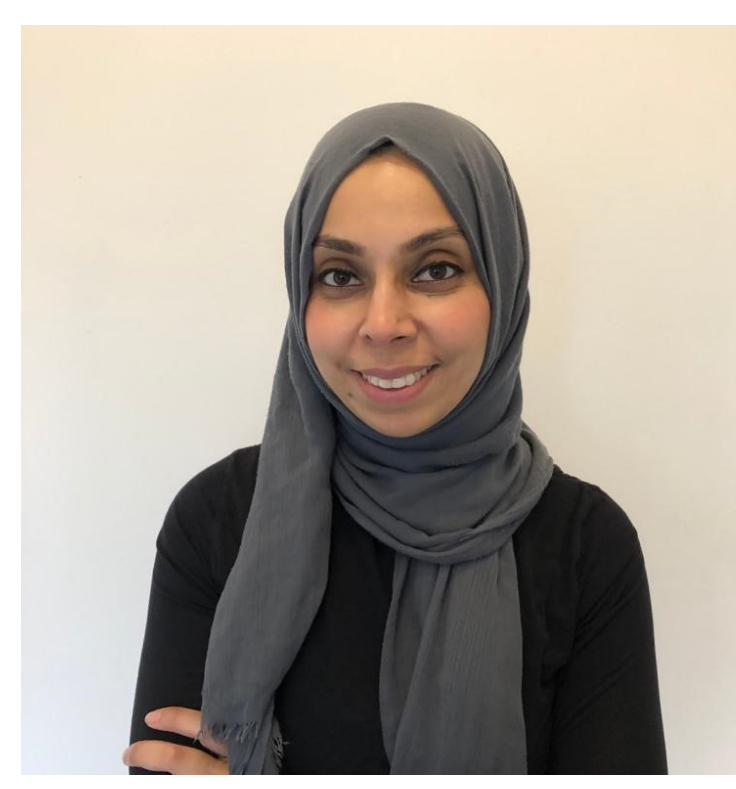
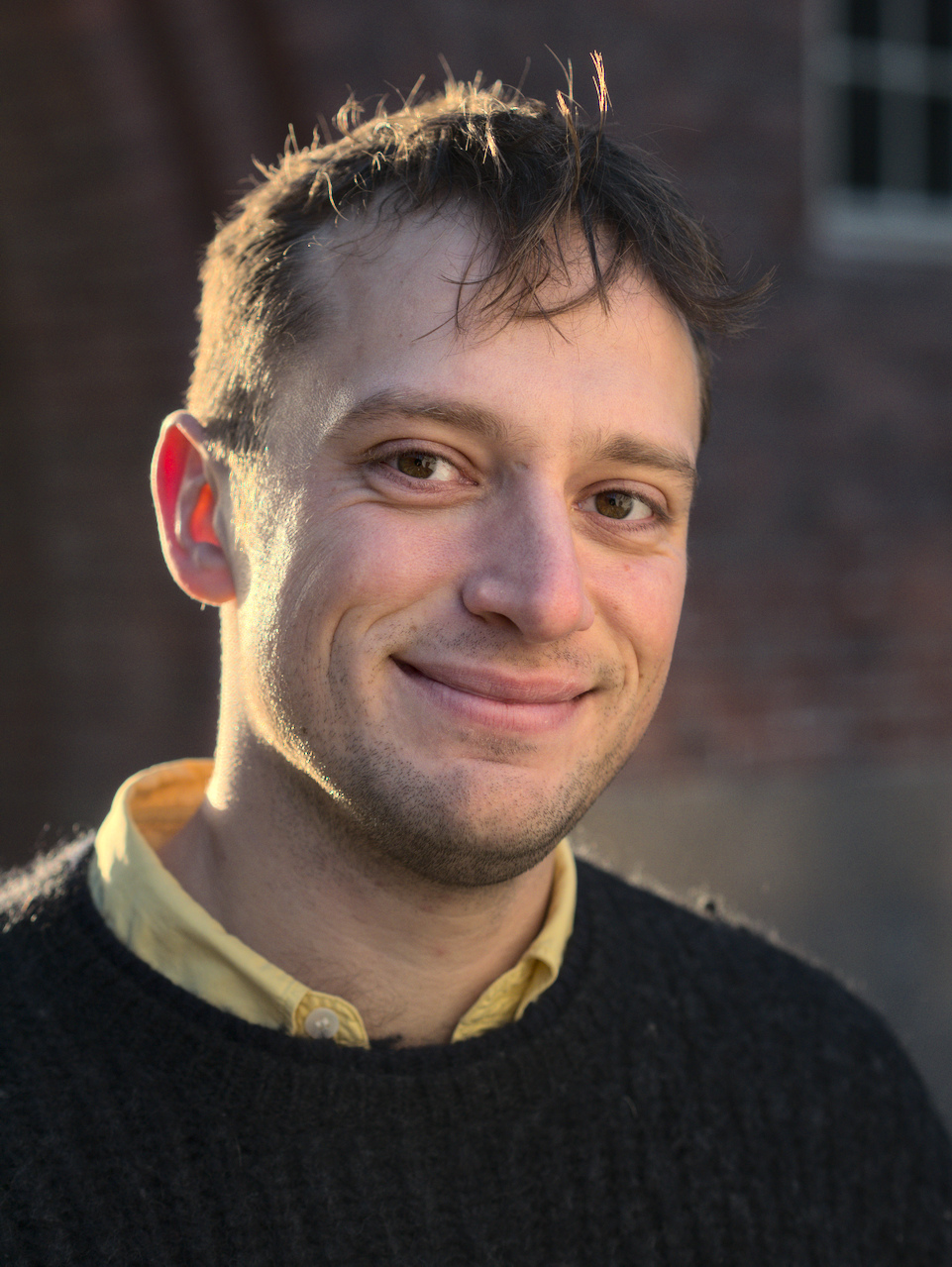
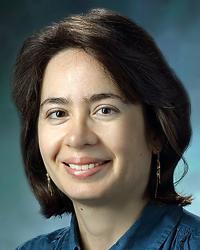
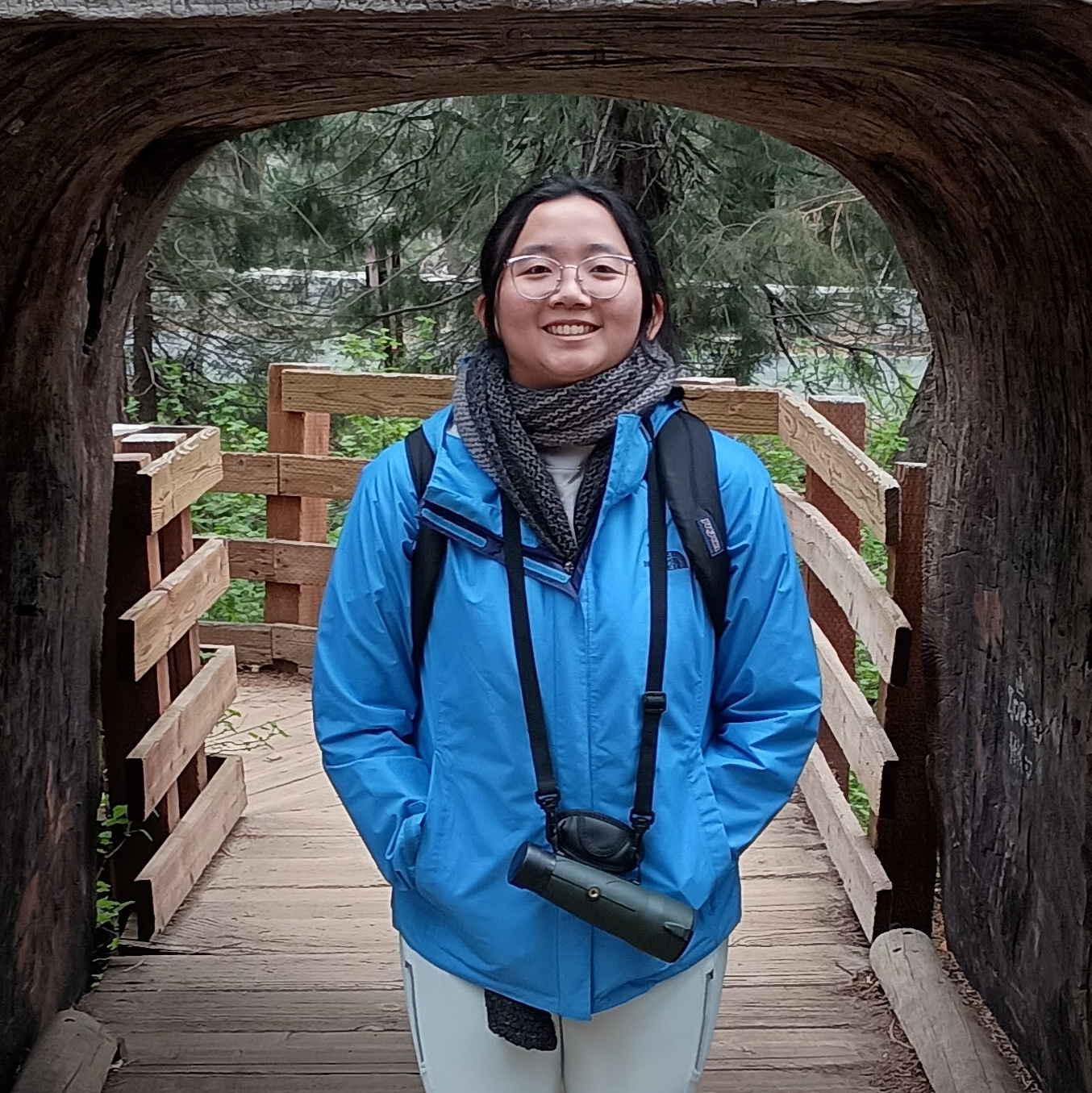
Dr. Samrah Ahmed is a Lecturer in Psychology at the University of Reading, affiliated with the School of Psychology and Clinical Language Sciences. She leads the Brain Health and Dementia Lab, focusing on clinical characterization of dementia syndromes such as Alzheimer’s disease and frontotemporal dementia. Her work integrates neuropsychological assessments and neuroimaging to identify disease subtypes and develop diagnostic tools. Key research areas include phenotyping dementia syndromes, tracking disease progression, and studying cognitive risk markers in APOE ε4 carriers. She holds roles as Academic Lead for Reading NeuroAge and Research Lead for the Acquired Neurological Disorders Group. Her research emphasizes refining diagnostic accuracy through detailed clinical phenotyping and identifying biomarkers for therapeutic interventions. Current projects include investigating non-visual symptoms in posterior cortical atrophy and longitudinal cognitive changes in at-risk populations. Dr. Ahmed's email is samrah.ahmed@reading.ac.uk .
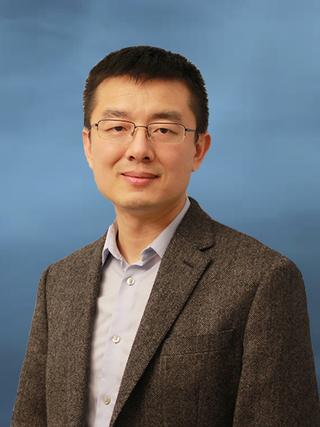
Xing Qiu, PhD, is a Professor in the Department of Biostatistics and Computational Biology at the University of Rochester Medical Center (URMC), School of Medicine and Dentistry (SMD). He holds leadership roles in the Respiratory Pathogens Research Center (RPRC) and Center for AIDS Research (CFAR). His expertise spans biostatistics, computational biology, and big data analytics, with a focus on omics data integration and medical imaging analysis. Education: PhD in Mathematics (2004, University of Rochester), MA in Mathematics (2000, UR), ME in Civil Engineering (1996, South China University of Technology). His postdoctoral training was in Biostatistics at UR (2004–2007). Research Interests: Developing statistical methods for omics data (gene/protein expression, microbiota), medical imaging (MRI/DTI), and network analysis. Key projects include multi-omics integration pipelines, diffusion tensor imaging analysis, and HIV-related neuroimaging studies. Collaborations focus on infectious diseases (RSV, influenza, HIV) and environmental health. Awards: 9 recognized awards including the University Research Award (2022–2023), Best Mentor Award (2017), and grants supporting computational infrastructure. His work bridges statistical theory and translational research, with over 100 peer-reviewed publications. Grants & Collaborations: Active in 20+ NIH-funded projects. Serves as Core Leader for the RPRC Data Management team and Unit Leader for CFAR’s Bioinformatics core. Research teams include interdisciplinary groups in immunology, neurology, and environmental health. Labs/Teams: Leads URMC’s biostatistics computational biology unit, collaborating with clinical and basic science researchers. His lab develops open-source tools like MatchMixeR and Super-delta for omics data analysis.
Karim Anaya-Izquierdo is a Senior Lecturer in the Department of Mathematical Sciences at the University of Bath, where he specializes in statistical methodology with applications in engineering and computational mathematics. His research integrates information geometry, spatial statistics, and Bayesian inference to solve complex problems across domains including materials science, epidemiology, and environmental studies. His methodological work focuses on parametric modeling, tensor decompositions for high-dimensional data, and geometric approaches to statistical inference. Applied research includes collaborative projects on composite materials certification with aerospace industry partners and spatial analysis of disease intervention trials. Recent publications demonstrate a strong emphasis on computational statistics, with research bridging theoretical mathematics and practical applications in clinical trials, ecological modeling, and reliability engineering. Articles frequently develop novel methods for uncertainty quantification in complex systems. Dr. Anaya-Izquierdo is involved in the EPSRC Centre for Doctoral Training in Statistical Applied Mathematics and co-investigator on multiple research council projects. He teaches advanced statistics courses and supervises doctoral students in mathematical sciences.
Robert T. Schultz is the R.A.C. Endowed Professor of Psychiatry and Psychology in the Departments of Pediatrics and Psychiatry at the University of Pennsylvania. He directs the Center for Autism Research (CAR) at Children's Hospital of Philadelphia (CHOP) and has led NIH-funded autism research since 1995. His work bridges clinical psychology, cognitive neuroscience, and developmental disorders, with a focus on autism spectrum disorder (ASD), social attention deficits, and neuroimaging biomarkers. Education and training include a BA in Psychology from the University of Delaware, a PhD in Clinical Psychology from the University of Texas, Austin, and postdoctoral training at Yale University. He transitioned to CHOP/UPenn in 2007 after 15 years on Yale’s faculty. Research interests span social cognition, brain-behavior relationships in ASD, early developmental biomarkers, and big data strategies for clinical translation. Key projects include the Infant Brain Imaging Study (IBIS) network and development of the SPARK cohort. Recent studies emphasize social motivation theory, amygdala connectivity, and applications of AI in autism screening. Grants and advising: Continuous NIH funding since 1995; advised graduate students in Psychology and Neuroscience, including Maya McNealis. Collaborates widely on comorbidities like sleep disturbance and ADHD in ASD. Labs/teams: CAR Director; co-lead in the IBIS network; affiliated with the PennCHOP Microbiome Program and Roberts Center for Pediatric Research.
Assoc Prof Viet Ha Hoang is an Associate Professor and Assistant Chair (Academic) in the School of Physical and Mathematical Sciences (SPMS), Division of Mathematical Sciences at Nanyang Technological University (NTU). He holds a PhD in Mathematics from the University of Cambridge and has extensive research experience in multiscale modeling and numerical analysis. His work focuses on stochastic processes, partial differential equations, and applications in computational science. Education: Bachelor of Mathematics, University of Wollongong, 1996 PhD in Mathematics, University of Cambridge, 2000 Research interests include multiscale problems , probabilistic PDEs , and numerical methods , with contributions to homogenization theory, Bayesian inversion, and computational fluid dynamics. Current grants support his work on multiscale systems and stochastic modeling. Key achievements include pioneering finite element methods for multiscale equations and developing Bayesian frameworks for inverse problems. His lab collaborates on interdisciplinary projects in mathematical physics and biomedical engineering.
Gerald Voelbel, PhD, is an Associate Professor of Cognitive Neuroscience in the Department of Occupational Therapy at New York University's Steinhardt School. His research focuses on neuroplasticity-based cognitive remediation for individuals with traumatic brain injuries (TBI), particularly targeting deficits in processing speed, executive function, and working memory. He employs functional and structural neuroimaging techniques to identify biomarkers of cognitive impairment in concussions and severe TBI. Dr. Voelbel leads studies such as the Verbal Working Memory and Attention Remediation for Adults with TBI and the Evaluation of Supports for Individuals with Brain/Brain Stem Conditions , which investigate cognitive rehabilitation efficacy and psychosocial challenges in affected populations. His teaching includes courses like Cognition & Everyday Life: The Science of Neurorehabilitation , which integrates neuroscience principles with practical rehabilitation strategies. Dr. Voelbel's work bridges clinical practice and research, emphasizing translational approaches to improve functional outcomes for individuals with neurological conditions.
Yousef Yavarian is a Clinical Associate Professor and Ledende overlæge at Aalborg University Hospital's Department of Radiology, affiliated with the Faculty of Medicine. His primary role involves clinical and academic work in radiology with a focus on neuroimaging applications. Research Interests include neuroimaging techniques like Diffusion Tensor Imaging, brain microstructure analysis in chronic conditions (e.g., diabetes, multiple sclerosis), stroke recurrence prediction through white matter hyperintensity studies, and rare neurological disorders like neurosarcoidosis. Notable Publications focus on clinical neurology applications of imaging technologies, including BPPV treatment innovations and case studies on atypical neurological manifestations. His work bridges clinical practice and advanced imaging diagnostics. Grants & Collaborations involve multi-institutional research (e.g., collaboration with Prof. Lip on stroke studies) and data sharing via platforms like Figshare. He has supervised at least one PhD student but no named advisees are listed. Labs/Teams include involvement with radiology departments and interdisciplinary teams focusing on neuroimaging applications in clinical settings.
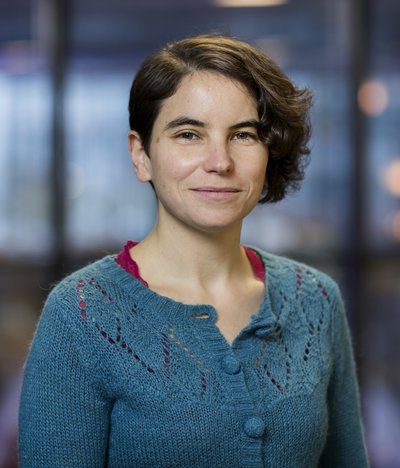
Andrea Fuster is an Assistant Professor in the Department of Mathematics and Computer Science at Eindhoven University of Technology (TU/e). She specializes in mathematical image analysis, differential geometry applied to diffusion MRI, and theoretical physics, particularly extensions of general relativity. Her research integrates physics, mathematics, and medical imaging. Education: PhD in theoretical physics (2007, Free University Amsterdam); MSc in theoretical physics (University of the Basque Country, Spain). She held postdoctoral positions before joining TU/e in 2014. Professional activities include chairing WISE-Network (female scientists), coordinating the Multiscale Science & Engineering honors program, and organizing workshops like CDMRI at MICCAI (2015-2016) and the Dagstuhl Seminar on Anisotropy (2018). Research Interests: Focus on differential geometry in diffusion MRI (e.g., geodesic tractography, adjugate tensors), Finsler geometry applications in physics (e.g., pp-waves, gravitational wave models), and interdisciplinary methods linking physics and medical imaging. She has authored >35 publications and co-edited Springer books on Computational Diffusion MRI. Scientific Contributions: Guest editor for the Journal of Mathematical Imaging and Vision. Notable works include the Sheet Probability Index (SPI) for white matter analysis and geometric approaches to brain connectivity. Her work bridges theoretical physics with practical medical imaging solutions. Grants & Awards: While no specific awards are listed, her extensive publication record and editorial roles reflect scholarly impact. She leads projects on Finsler geometry applications and computational methods in imaging. Labs/Teams: Active in the Mathematical Image Analysis and Applied Differential Geometry groups at TU/e. Collaborates internationally on projects involving geometric modeling and medical imaging analysis.
Jianwei Ma is a Professor at the School of Mathematics, Harbin Institute of Technology, leading the Center of Geophysics and the Institute of Artificial Intelligence. His expertise spans exploration geophysics, artificial intelligence, and compressed sensing. Ma holds a Ph.D. in Solid Mechanics from Tsinghua University (2002) and a BS in Engineering Mechanics from Dalian University of Technology (1998). His research focuses on improving seismic exploration through mathematical methods, including sparse transforms, compressed sensing, and deep learning applications. Notable contributions include methodologies for seismic noise reduction, data interpolation, and full waveform inversion. Ma has held visiting positions at institutions like UCLA, UC Los Angeles, and the University of Texas at Austin. He has received prestigious awards such as the NSFC Distinguished Young Scholar (2016) and World's Top 2% Scientists (2020-2024). Ma actively contributes to professional societies, including SEG and IEEE, and has organized international workshops on mathematical geophysics and AI-driven geoscience. His team includes faculty members and over 30 graduate students, reflecting his commitment to training future researchers in geophysics and AI. Collaborations with global leaders in geophysics and mathematics, such as Prof. Stanley Osher (UCLA) and Prof. Gerlind Plonka (University of Goettingen), highlight his interdisciplinary approach. Key publications include advancements in deep learning for geophysical inversion and sparse representation techniques for seismic data processing.
Oskar Kviman is a doctoral student at KTH Royal Institute of Technology working in the Lagergren Lab within the Division of Computational Science and Technology. His research bridges machine learning, statistics, and computational biology with a focus on developing and applying advanced probabilistic methods. His primary research interests include: Bayesian phylogenetics and probabilistic machine learning Variational inference, variational auto-encoders, and sequential Monte Carlo methods Generative AI techniques including flow matching, Schrödinger bridges, and diffusion models Computational cancer research focusing on differential expression testing and spatial transcriptomics Kviman's publication record demonstrates significant contributions to variational inference methodology, particularly in phylogenetics and generative modeling. His work spans top machine learning conferences including ICML, NeurIPS, and AISTATS, showing consistent development of techniques that improve efficiency and accuracy in probabilistic modeling. Recent publications focus on multi-marginal flow matching, variational resampling, and mixture learning in black-box variational inference. He has been recognized for his peer review contributions as a Top reviewer (10%) for AISTATS 2023. Kviman has supervised master's theses for Xindi Liu and Ricky Molén at KTH and serves as a lecturer for 'Statistical Methods in Applied Computer Science' since 2021, while previously working as a teaching assistant for 'Machine Learning, Advanced Course' and 'Deep Learning, Advanced Course'.
Professor Patricia E Cowell is a leading figure in Cognitive Neuroscience at the University of Sheffield , affiliated with the School of Allied Health Professions, Nursing and Midwifery and the Human Communication Sciences division. She completed her PhD in Biobehavioral Sciences at the University of Connecticut and held a postdoctoral fellowship at the University of Pennsylvania Medical School. Her academic journey began with a BA in Psychology and Statistics from Boston University. Education: BA, Psychology and Statistics, Boston University (1987) MS, Biobehavioral Sciences, University of Connecticut (1990) PhD, Biobehavioral Sciences, University of Connecticut (1992) Research interests span neurocognitive plasticity, sex differences in cortical development, cerebral asymmetries, and the effects of ovarian hormones on speech and cognition. Her current projects explore: Hormonal influences on speech and language Language asymmetries in monozygotic twins Neurocognitive plasticity in apraxia of speech rehabilitation Collaborations include work with Prof Sandra Whiteside (Sheffield), Dr Jennifer Gurd (Oxford), and Prof Rosemary Varley (UCL). Her publications focus on: Mechanisms of neuroplasticity in communication disorders Sex differences in brain structure and function Menstrual cycle and menopause effects on language processing Corpus callosum morphology and interhemispheric communication Professional memberships include the Society for Neuroscience and the Organization for the Study of Sex Differences. She leads the Cognitive Neuroscience of Speech and Language research group and contributes to advanced clinical practice initiatives.
Atle Bjørnerud is a Professor II at the University of Oslo, affiliated with the Faculty of Mathematics and Natural Sciences and the Centre for Lifespan Changes in Brain and Cognition (LCBC). His research focuses on medical imaging, neuroimaging, and machine learning applications in healthcare, with a particular emphasis on neurological disorders such as Alzheimer’s disease, multiple sclerosis, and brain tumors. He has contributed to advancements in MRI techniques, AI-driven diagnostic tools, and biomarker development for neurodegenerative conditions. Key research areas include diffusion MRI, tumor segmentation algorithms, and the integration of multimodal data for clinical decision-making. His work bridges engineering, neuroscience, and clinical practice, aiming to improve diagnostic accuracy and treatment outcomes through technological innovation. Notable projects involve developing AI models for breast cancer detection, brain metastasis segmentation, and predicting treatment responses in psychiatric disorders. Bjørnerud collaborates extensively across disciplines, contributing to multi-center studies and open-source imaging pipelines like ExploreASL for perfusion MRI. His publications span journals like Radiology, NeuroImage, and Nature Communications, reflecting his broad impact in both technical and clinical domains.
Ciprian Crainiceanu is a Professor in the Department of Biostatistics at the Bloomberg School of Public Health, Johns Hopkins University. His research spans biostatistical methodology and applications in public health, with a focus on high-dimensional data from wearable devices and medical imaging. Education: PhD, Cornell University, 2003 MS, University of Bucharest, 1998 His research interests include functional data analysis, measurement error, longitudinal modeling, Bayesian inference, and nonparametric statistics, with applications in sleep, aging, multiple sclerosis, Alzheimer’s disease, and cancer. He develops statistical tools tailored to complex data from accelerometers, neuroimaging (MRI, CT, SPECT), and surgical monitoring. His recent work involves dynamic prediction models, step-counting algorithms for NHANES and ARIC data, and methods for high-dimensional functional and imaging data. The most recent publications highlight advancements in wearable data analysis, medical imaging platforms like Neuroconductor, and novel resampling methods such as the upstrap. His work integrates statistical theory, software development, and interdisciplinary collaboration. Scientific Awards: Fellow of the American Statistical Association (ASA) Chair, Statistics in Imaging Section of ASA (two terms) Chair, Biostatistics Methods and Research Design (BMRD) NIH review section Crainiceanu is actively involved in mentoring, teaching, and collaborative research. He co-founded the SMART (Statistical Methods and Applications for Research in Technology) research group and Neuroconductor, fostering interdisciplinary innovation. His work emphasizes scalable, software-backed methods and close collaboration with domain scientists. He has led methodological developments in variance components testing, functional regression, population value decomposition, and dynamic prediction, applied to real-world health challenges. Labs and Research Groups: Co-founder, SMART (Statistical Methods and Applications for Research in Technology) Co-founder, Neuroconductor (open-source platform for medical imaging in R) Wearable and Implantable Technology (WIT) group MAGIC (Methods and Applications Group for Imaging in the Clinic)
Dr. Andreia Vasconcellos Faria is an Associate Professor of Radiology and Radiological Science at the Johns Hopkins School of Medicine. She holds an M.D. from the State University of Campinas, Brazil, and a Ph.D. in Neurosciences, followed by postdoctoral research at Johns Hopkins. Her expertise spans neuroradiology, medical imaging physics, and computational analysis, with a focus on MRI technology and AI-driven tools for neurological disorders. She leads the Faria Lab, which develops advanced MRI analysis techniques for neurodegenerative diseases, psychiatric conditions, and stroke, emphasizing translational research. Education: M.D. (2004) and Ph.D. in Neurosciences (2004) from Universidade Estadual de Campinas, Brazil. Postdoctoral training at Johns Hopkins University. Research Interests: MRI post-processing, automated segmentation, AI models for brain patterns, and imaging applications in neurodegenerative disorders (e.g., Alzheimer’s, Huntington’s) and stroke. Her lab’s innovations include the Digital 3D Brain MRI Arterial Territories Atlas and automated radiological reporting systems for acute stroke. Key Achievements: Over 80 journal articles, including top-cited works in NeuroImage, patents, and NIH-funded projects. Awards include The Discovery Award (Johns Hopkins) and BRITESTAR Award (Radiology Department). Labs/Teams: Faria Lab focuses on MRI-based translational research, integrating computational methods with clinical applications to advance understanding of brain structure-function relationships.
Joyce A. Chew is an Assistant Professor of Mathematics & Statistics at Calvin University. She holds a PhD in Mathematics from UCLA (2025) and dual bachelor’s degrees in Mathematics and Chemistry from Calvin University (2020). Her research focuses on geometric deep learning, low-rank matrix/tensor approximation, and mitigating bias in machine learning. She has contributed to manifold-based data analysis, scattering transforms, and non-negative matrix factorization techniques. Her work bridges mathematics, data science, and applications in single-cell genomics and chemometrics. Chew has received prestigious awards including the NSF Graduate Research Fellowship and the UCLA Raymond Redheffer Prize. She actively mentors undergraduate researchers and participates in initiatives like UCLA’s Collaborative Undergraduate Research Experience. Education : PhD in Mathematics, UCLA, 2025 (Thesis: Topics in Geometric Deep Learning and Learning on Manifolds) C.Phil. & MA in Mathematics, UCLA, 2023 & 2022 B.S. (Honors) Mathematics & B.A. Chemistry, Calvin University, 2020 Research Interests : Her work emphasizes geometric structures in data science, including manifold learning, neural network architectures for non-Euclidean data, and algorithmic fairness. She develops methods for analyzing high-dimensional datasets (e.g., point clouds) using diffusion maps and scattering transforms. Recent projects address bias in word embeddings and robust uncertainty quantification in spectroscopic analysis. Awards : Pacific Journal of Mathematics Dissertation Award (2025) SIAM Student Travel Award (2024) UCLA Raymond Redheffer Prize (2022) NSF Graduate Research Fellowship (2020) Mentoring & Grants : Chew leads UCLA/Los Angeles Pierce College Collaborative Undergraduate Research Experience (2023-2024) and directs the UCLA CAM REU (2021-2022). She has advised projects in geometric deep learning and chemometric modeling. Labs/Teams : Collaborates with groups at UCLA (Deanna Needell’s lab), Stanford (Smita Krishnaswamy), and institutions globally on manifold-based data science initiatives.