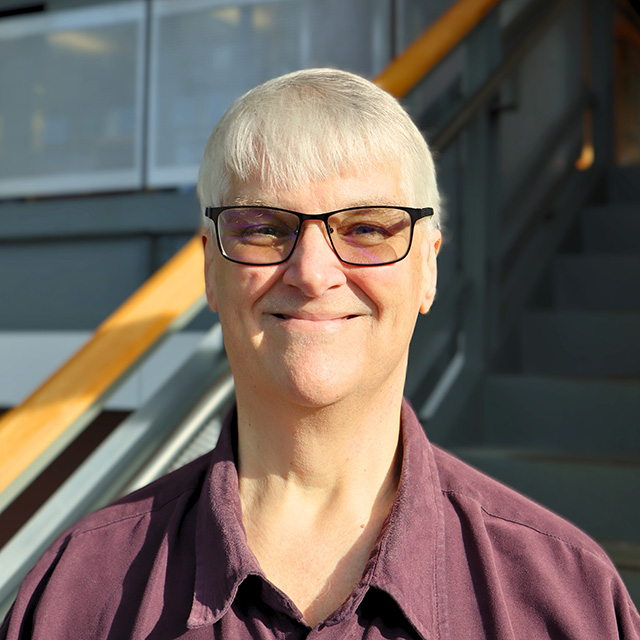
Dr. Paul Bolls is a Professor at Washington State University's Murrow College of Communication, where he serves as Director of Research Laboratories and Co-Director of the Murrow Media Mind Lab. His groundbreaking work in media psychophysiology/neuroscience investigates brain processes underlying media effects, supported by over 30 years of research and industry experience. Education: B.S. in Communication Studies (Montana State University), M.A. in Communication Research (WSU), Ph.D. in Mass Communication with Cognitive Science minor (Indiana University) Dr. Bolls' research spans media neuroscience, health communication, political messaging, and entertainment psychology, focusing on psychophysiological responses to advertising, news, and digital content. He pioneered neuromarketing applications in industry contexts since 2012, consulting for NBC-Universal, VISA, and Disney Parks. His laboratory work includes developing the Murrow Media Mind Lab and Digital Media and Society Lab, with publications analyzing sonic branding, avatar effects, and platform-specific media processing. While maintaining academic rigor, he also enjoys fly fishing in Montana's rivers.
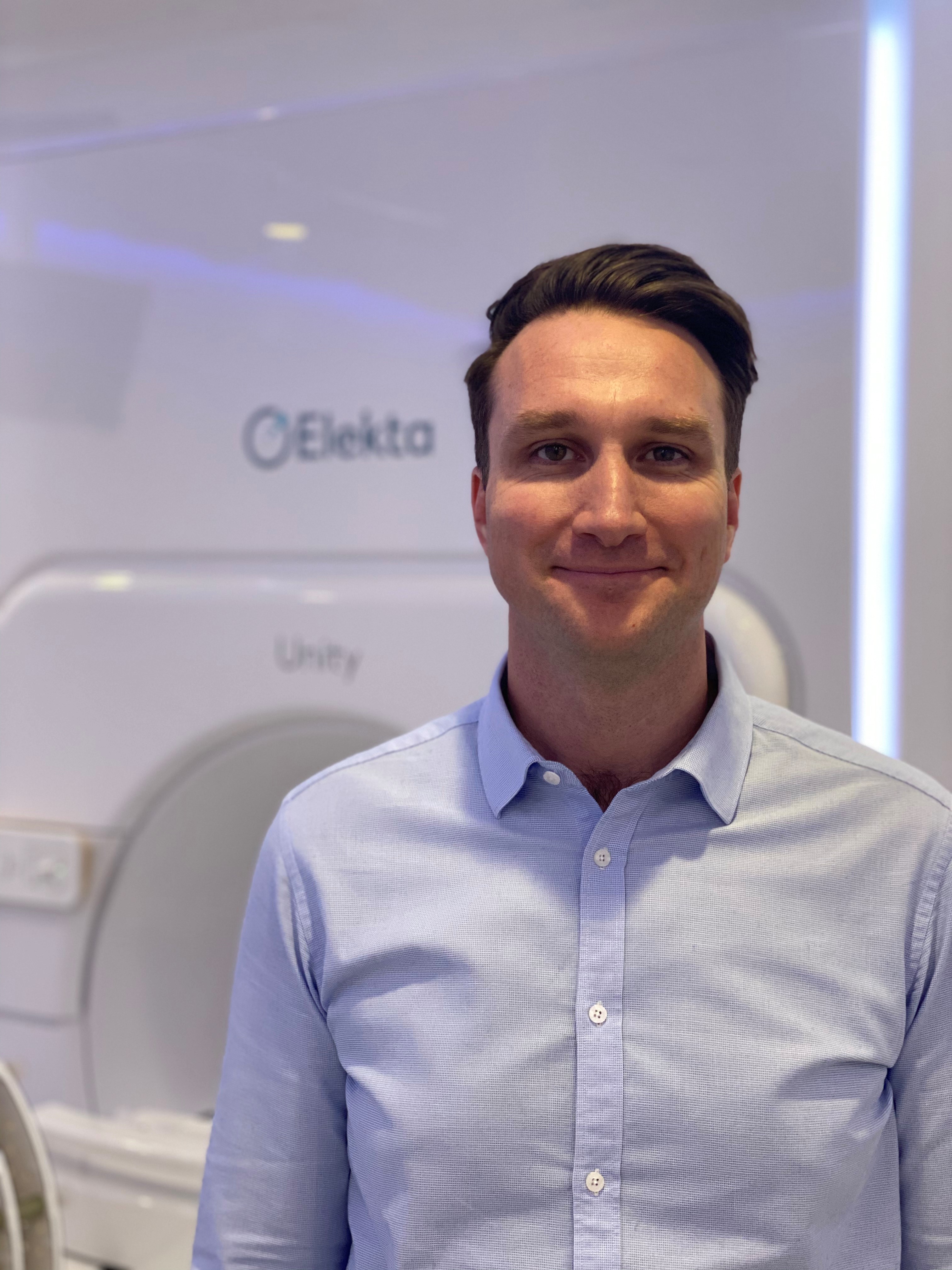
Dr. Michael Geoffrey Jameson is a Medical Physics researcher at the University of New South Wales, Medicine & Health faculty, based at St Vincent's Clinical School. His work focuses on improving radiotherapy accuracy and precision through innovative research across the entire treatment planning and delivery process. Education: Ph.D., University of Wollongong, NSW, Australia (2016) B.Med.Rad.Phys (hons1), University of Wollongong, NSW, Australia (2007) His research interests center on Medical Physics, Radiation Oncology, MRI applications, Image Processing, Radiation Dosimetry, and 3D Printing. Dr. Jameson has made significant contributions to understanding uncertainties in target delineation and has co-invented The HexaCheck medical device, now licensed to Standard Imaging Inc. His publications demonstrate a strong focus on adaptive radiotherapy, particularly for brain cancer treatment, with an emphasis on integrating MRI technology to improve treatment accuracy. Scientific Recognition: Cancer Institute NSW Early Career Fellowship recipient NHMRC Program Grant recipient Associate Editor, Australasian Physical & Engineering Sciences in Medicine (since 2014) Dr. Jameson serves as Principal Investigator on multiple research projects including the INTREPID trial for brain cancer outcomes and has secured significant funding from Cancer Institute NSW, NHMRC, and UNSW. His professional affiliations include the Australasian College of Physical Scientists and Engineers in Medicine, Australian Institute of Physics, American Association of Physicists in Medicine, and Trans-Tasman Radiation Oncology Group.
Professor Agustin Agüera Perez is affiliated with the University of Cádiz, specifically in the Department of Automation, Electronics, Architecture and Computer Networks Engineering. He is associated with the Institute of Viticulture and Agri-Food Research (IVAGRO) and the TIC168 Computational Instrumentation and Industrial Electronics (ICEI) research group. His research focuses on power quality monitoring, with particular expertise in applying higher-order statistics (HOS) for the characterization of electrical phenomena. His work spans electronics, smart grid monitoring, and renewable energy systems integration. He has extensive publications in these domains from 2010 to 2025. His publications from 2023-2025 show continued focus on HOS techniques for power quality analysis, including sag detection, time domain and frequency domain measurements, and event detection strategies. This work has applications in smart grids and renewable energy integration. He has also published on the use of ESP32 microcontrollers for real-time synchronized sensor networks. He earned his PhD from the University of Cádiz in 2013 with a thesis titled 'Prediction of wind potentials from basic meteorological networks. Fuzzy logic applied to the characterization of local wind conditions' under the supervision of Dr. Antonio Moreno Muñoz and Dr. Juan José González de la Rosa.
Luigino FILICE is a Full Professor at the University of Calabria, affiliated with the Department of Mechanical, Energy and Management Engineering. His career spans advanced manufacturing research, focusing on sustainable production technologies and numerical simulation of forming processes. Open Innovation in the Industry (Management Engineering, 2025) Biomaterial Processing Technologies (Mechanical Engineering, 2025) Industrial Technologies (Chemical Engineering, 2025) Manufacturing Technologies for Food Industry and Bioprocesses (Chemical Engineering, 2025) Professor Filice's research emphasizes material forming processes, additive manufacturing, and sustainable practices. Key areas include macro/micro joining techniques, mechanical characterization of transformed materials, numerical methods for process design, and energy-efficient production systems. His work addresses both metallic (steels, light alloys) and non-metallic materials (polymers, composites) across industrial and biomedical applications. The 2024-2025 publications highlight his contributions to machining simulations, hybrid drug delivery systems, additive manufacturing of implants, and sustainable automotive production strategies. Keywords span Manufacturing Engineering, Biomaterials, and Industrial Ecology. 2007: European Scientific Association for Material Forming award for outstanding contribution to material forming processes Professor Filice has collaborated on numerous government-funded research projects and served as vice-president of the Italian Association of Mechanical Technology and vice-rector for the Residential Center at University of Calabria. He is involved in research labs focused on material characterization, precision machining, and sustainable manufacturing technologies.
Jennifer Burns serves as Professor and Department Chair in the Department of Biological Sciences at Texas Tech University, where she leads research on physiological adaptations of polar marine mammals to extreme environments. Her work bridges laboratory investigations with field studies in Antarctica, focusing on species like Weddell seals as models for understanding fundamental biological principles under climate change stressors. Dr. Burns' research centers on three interconnected pillars: physiological development in juvenile marine mammals, the relationship between physiological condition and diving performance, and how life history events reflect individual condition and environmental variables. Her laboratory employs multidisciplinary approaches including hormone assays, dive recorder analysis, and virological screening to unravel how polar species regulate energy allocation, thermoregulation, and foraging strategies in seasonal ecosystems. This work has direct implications for predicting ecosystem responses to habitat loss and prey shifts in the Antarctic. Analysis of her 2021-2025 publications reveals escalating integration of physiological data with conservation frameworks, particularly through studies on habitat shifts in crabeater seals and global movement patterns of marine megafauna. A significant emerging thread involves viral ecology, with multiple papers identifying novel anelloviruses, papillomaviruses, and circoviruses in Antarctic seal populations. Methodological innovation remains strong, exemplified by tools for reconstructing historic dive traces and 3D-printed tracking devices. Dr. Burns directs externally funded projects including NSF-supported research using Weddell seals as autonomous oceanographic sensors in the Ross Sea and collaborative studies on maternal iron transfer in grey seal pups. Her laboratory operates within Texas Tech's STEM CORE initiative, facilitating fieldwork in Antarctica through partnerships with national science foundations and international polar research programs. The Burns Lab maintains active field operations in Antarctica, utilizing instrumented seals to collect hydrographic data while investigating seasonal changes in body condition, hormone profiles, and viral loads. Current projects emphasize the intersection of climate-driven habitat alterations with physiological thresholds, particularly examining how reduced sea ice affects lactation energetics and pup development in ice-dependent species.
Dr. Ashley Mason is an Associate Professor in the Department of Psychiatry at the University of California, San Francisco (UCSF) School of Medicine. She leads research at the intersection of behavioral medicine, mindfulness interventions, and digital health technologies. Key affiliations: UCSF Weill Institute for Neurosciences, SEA Lab, Osher Sleep Group Education: BA in Psychology & Sociology (Northwestern), PhD in Clinical Psychology (Arizona), Postdoctoral Fellowship in Integrative Behavioral Medicine (UCSF) Her research focuses on non-pharmacologic interventions for mood and metabolic disorders, particularly: Whole-body hyperthermia for major depressive disorder Wearable device data analysis for early disease detection (e.g., SARS-CoV-2) Mindfulness-based lifestyle interventions for type 2 diabetes Food addiction phenotyping in obesity Publication Trends Recent work emphasizes digital biomarker development using wearable technology, with cross-cutting themes in stress-related eating behaviors , sex-based physiological differences , and mind-body interaction mechanisms . Key journals span J Med Internet Res , Brain Behav Immun , and Mindfulness . Scientific Contributions NIH-funded R34/R33 trials on hyperthermia-CBT integration Pioneering wearable ring data applications for fever/Covid monitoring Development of RED-X5/RED-13 scales for reward-related eating She collaborates extensively with UCSF's Integrative Medicine and Neurosciences teams, with publications spanning mindfulness-based weight loss , stress eating in diabetes, and physiological correlates of depression . Her work bridges clinical psychology , digital health , and chronobiology .
Patrick LESERF is an Associate Professor at ESTACA, a French engineering school specializing in transport systems, where he serves as a Teacher-researcher in ESTACA'Lab. Since joining in 2005, he has founded the embedded systems laboratory, developed academic programs including a specialized master's degree in Embedded Lighting Systems (with IOGS, Renault, and PSA), and led research collaborations with CEA-LIST on transport systems reliability using model-based approaches. His research centers on Model-Based Systems Engineering (MBSE) for embedded automotive systems, with expertise in SysML modeling, safety-security co-optimization, and AUTOSAR methodology. Key contributions include architecture optimization for critical systems, real-time communication networks (CAN/LIN/FlexRay), and embedded OS design. Recent work expands into intelligent transportation systems and electric vehicle powertrain optimization. Analysis of his 2023-2024 publications reveals a strategic shift toward AI-integrated solutions: neural architecture search for efficient deep learning models, predictive analytics for urban traffic optimization using Eclipse MOSAIC, and multi-objective optimization of battery/motor systems in electric vehicles. This evolution demonstrates integration of traditional embedded systems engineering with data-driven approaches. Scientific Awards: No major awards documented in source materials. Advising and Grants: Co-supervises PhD candidate Léo Pouy on MBSE for autonomous decision-making systems. Led the European Matelo project (statistical testing for embedded software) during industrial tenure and established ESTACA's joint research team with CEA-LIST. Directs curriculum development for embedded systems education across multiple specialized master's tracks. Labs and Teams: Founded ESTACA'Lab's embedded systems research group in 2005, scaling it to four teacher-researchers. The lab focuses on model engineering, transport communication networks, and software architecture optimization, supported by a 350-hour teaching program covering embedded networks, OS, and microcontrollers. Current activities include steer-by-wire systems and IoV applications.
Brijesh Patel serves as Clinical Associate Professor in Cardiothoracic Critical Care within the Department of Surgery & Cancer at Imperial College London's Faculty of Medicine. Based at the Royal Brompton Campus Adult Intensive Care Unit, he maintains dual affiliations with the Anaesthesia and Perioperative Care research group and the Imperial Artificial Intelligence Network. His clinical responsibilities center on advanced cardiothoracic critical care interventions and ECMO management. Dr. Patel's research program integrates critical care physiology with data science, focusing on extracorporeal life support, mechanical ventilation optimization, and AI-driven decision systems. He has spearheaded multiple National COVID Cohort Collaborative (N3C) investigations examining Long COVID trajectories, metabolic complications in diabetes, and health disparities in pandemic outcomes. His work uniquely bridges bedside critical care with large-scale data analytics to address respiratory failure heterogeneity. Analysis of his 167 publications reveals a dominant emphasis on critical care challenges during the SARS-CoV-2 pandemic, particularly ECMO outcomes, ventilation strategies, and post-acute sequelae. His collaborative approach leverages international consortia like EuroECMO-COVID and N3C to transform observational data into clinical practice guidelines, with recent work pioneering digital twin applications for personalized ventilation management. As an active American Thoracic Society member, Dr. Patel contributes to high-impact journals including The Lancet Respiratory Medicine and Critical Care Medicine, where his work on biomarker heterogeneity and AI decision support continues to shape critical care innovation.
Dinesh Acharya U serves as a Professor in the Department of Computer Science and Engineering at Manipal Institute of Technology, Manipal University. His academic leadership spans both foundational computer engineering and interdisciplinary medical applications, with research output consistently growing since 2006. Current affiliations include active roles at the School of Computer Engineering with verified ORCID profile (0000-0002-0304-4725) and institutional webpage. Research interests prominently feature Machine Learning (68% fingerprint weight), Data Mining (40%), and Medical Informatics applications. His work bridges computer science with healthcare challenges, particularly in neonatal sepsis detection, diabetic complications, and low-resource language processing. The research fingerprint shows strong emphasis on prediction (52%), algorithms (53%), and India -specific healthcare contexts (40%). Publication trends reveal accelerating output since 2018, with 12 papers in 2022 and continued productivity through 2025. Recent work demonstrates interdisciplinary convergence, particularly in Medical AI (neonatal sepsis, diabetic kidney disease) Natural language processing for low-resource languages Transformer-based architectures across domains Notable patterns include increasing clinical collaborations and emphasis on practical implementation tools. Professional recognition includes an h-index of 13 with 596 citations across 71 research outputs. Key distinctions: Scopus profile verification ORCID registration Multi-institutional collaborations evident in co-authorship Academic supervision and grant activity cannot be confirmed from available data, though 15+ recent publications suggest active research teams. Current projects appear focused on Medical diagnostic tool development Low-resource language technology Clinical decision support systems with evident laboratory infrastructure supporting computational healthcare research.
Benjamin Pliska is an Associate Professor at the Faculty of Dentistry , University of British Columbia, affiliated with the Department of Oral Health Sciences . He specializes in Sleep Medicine and Craniofacial Development , focusing on the interplay between Oral Health and Sleep Disorders . Research Supervision: Available for thesis-based programs in Craniofacial Science (MSc/PhD) Research Cluster: Member of the Social Exposome Cluster His research explores how facial growth abnormalities contribute to obstructive sleep apnea , with emphasis on dental age estimation methods , 3D imaging validation , and long-term oral appliance effects . Key technologies include Cone-Beam CT (CBCT) and stereophotogrammetry for diagnostic and therapeutic applications. Recent publications analyze craniofacial morphology differences in obese vs nonobese patients, orthodontic interventions for pediatric sleep apnea , and dental side effects of prolonged sleep therapy devices . These works span clinical trials , systematic reviews , and technology validation studies . Awards include: Alumni Builder Award As a graduate research supervisor, he collaborates across disciplines to address gaps in sleep disorder screening by dental professionals and interdisciplinary treatment outcomes .
Coralie Vogelaar is an interdisciplinary artist and lecturer at the ArtScience Interfaculty , affiliated with Leiden University . Her work bridges behavioral science with artistic practice, focusing on human-machine relationships through algorithmic systems and biometric data. 2021 Prix de Rome nominee Collaborates with experts in data analysis, choreography, and sound design Exhibited at Stedelijk Museum Amsterdam, ZKM Karlsruhe, and Science Gallery Dublin Her research explores: Power dynamics in responsive technologies Biometric data translation into sensory experiences Algorithmic biases in image recognition systems Human compliance with fitness-machine hybrids Technical collaborations with V2_Lab , TU/e Innovation Space , and Digital Methods Initiative demonstrate her cross-disciplinary approach. Works utilize Teachable Machine , SuperCollider , and facial action coding systems to interrogate digital-physical interfaces. Scientific Recognition: Nominated for Prix de Rome (2021) Featured in V2_ Lab's 40-year retrospective
Dr. Jungeun (Jenny) Won serves as Assistant Professor of Research in the Department of Biomedical Engineering at the University at Buffalo's School of Engineering and Applied Sciences, with an affiliated appointment in Ophthalmology at the Jacobs School of Medicine & Biomedical Sciences. She directs the Translational Biophotonics Laboratory, developing optical imaging technologies for clinical translation in otolaryngology and ophthalmology. Postdoctoral associate, Massachusetts Institute of Technology (2024) PhD, Bioengineering, University of Illinois Urbana-Champaign (2021) MS, Bioengineering, University of Illinois Urbana-Champaign (2017) BS, Biomedical Engineering and Minor in Optics, University of Rochester (2015) Her research pioneers translational optical imaging with core expertise in optical coherence tomography (OCT) , biomedical instrumentation , and AI-driven image analysis . She develops clinically feasible devices for middle ear infection diagnosis (otitis media), retinal disease monitoring (AMD, diabetic retinopathy), and bacterial biofilm characterization , integrating computational methods to advance disease diagnostics and treatment monitoring. Recent publications (2021-2025) reveal dominant trends in handheld OCT device development for point-of-care use, machine learning integration for automated image classification, and multimodal approaches combining OCT with Raman spectroscopy. Her work bridges engineering innovation with clinical applications across ophthalmology and otolaryngology, emphasizing real-world translation. National Alliance for Eye and Vision Research Emerging Vision Scientist Program (2024) Bob Bilger Graduate Award for Hearing Research (2020) McGinnis Medical Innovation Graduate Fellowship (2020) Baxter Young Investigator Award (2019) Biannual Symposium Travel Scholarship Award (2019) Nadine Barrie Smith Memorial Fellowship (2017) Walt and Bobbi Makous Prize for Vision Research (2015) Xerox Engineering Research Fellowship (2014) As Principal Investigator, Dr. Won secures translational research funding including: UB CTSI Translational Pilot Studies Program ($49,700, 2025) for pediatric otitis media imaging UB Research Programs ($10,460 + $9,750, 2024-2025) for AI-assisted retinal imaging and handheld probe prototyping Her laboratory mentors students in biomedical imaging, device development, and computational analysis while advancing clinical partnerships for technology validation. The Translational Biophotonics Laboratory unites engineers, clinicians, and scientists to develop light-based imaging solutions addressing unmet clinical needs in ear and eye diseases, with active projects spanning middle ear biofilm characterization, retinal blood flow quantification, and AI-enhanced diagnostic platforms.
John Osborn is a Professor in the Department of Surgery at the Institute for Engineering in Medicine, University of Minnesota , with a focus on hypertension , renal medicine , and neurocardiology . His research explores autonomic regulation, neural stimulation, and interventional therapies for cardiovascular disorders. Current projects include vagus nerve stimulation for cardiovascular modulation (2021-2028), renal denervation trials with Ablative Solutions (2021-2026), and transcriptomic analysis of sensory neurons in neurogenic hypertension (2024-2025). His work contributes to UN Sustainable Development Goals through medical device innovation and precision hypertension treatment . Research Trends : Recent publications focus on renal nerve mechanisms , vagal excitation , and neurohumoral interactions in cardiovascular disorders, with interdisciplinary applications spanning neuroscience , physiology , and biomedical engineering . Collaborations : Dr. Osborn works with institutions like NIH , Verve Medical , and Augusta University , collaborating with experts in neurology , biomedical engineering , and cardiovascular medicine .
Deborah Fuller is a Professor of Microbiology at the University of Washington and serves as the Associate Director of Research at the Washington National Primate Research Center. She also directs the Virology & Immunology Core at the Washington National Primate Research Center. Her research program is focused on developing novel antivirals, vaccines, and immunotherapies for SARS-CoV-2, HIV, influenza, hepatitis B, Zika virus, and Valley Fever using non-human primate models. Dr. Fuller's research interests center on virology and immunology with a particular emphasis on mucosal immune responses. Her laboratory investigates new vaccine and antiviral concepts aimed at achieving broader, more universal protection against highly variable viruses. She developed the first Particle-Mediated Epidermal Delivery (PMED) device (gene gun) to deliver plasmid DNA directly into cells in the skin for more effective DNA vaccination. Her work has shown that PMED consistently induces strong immune responses and protection against HIV and a wide range of other viral infections. The lab also works on computational protein designs for universal influenza vaccines and antivirals, CD180-targeted vaccines, and Zika virus pathogenesis. Analysis of her recent publications reveals a strong focus on RNA vaccine technologies, particularly self-amplifying RNA platforms, for rapid response to emerging pathogens like SARS-CoV-2 variants. Her work demonstrates significant contributions to understanding cross-protective immunity, mucosal responses, and vaccine durability. Much of her research employs non-human primate models to bridge basic science with clinical applications. Dr. Fuller leads a comprehensive research team including postdoctoral fellows, research scientists, graduate students, and undergraduate researchers. Her laboratory collaborates extensively with the Institute for Protein Design, Abacus Bioscience, HDT Bio, and other institutions to advance vaccine and antiviral development. The Virology and Immunology Core she directs provides cutting-edge virologic and immunologic assays to support NHP research across multiple infectious diseases.
Jeroen van Oijen is Full Professor in the Power & Flow group at the Department of Mechanical Engineering of the Eindhoven University of Technology (TU/e). His expertise lies in theoretical and numerical modeling of combustion, with a focus on engines and energy converters and his teaching covers mechanical engineering, chemically reacting flows, combustion modeling, and interfacial transport phenomena. His research interests include: Theoretical and numerical modeling of combustion Development of computational methods for chemically reacting flows Design of clean and efficient combustion devices for sustainable fuels Flamelet-Generated Manifold (FGM) method development Reduced chemical mechanisms for engineering applications Professor van Oijen's publications demonstrate a strong progression from fundamental flame theory to practical applications in complex combustion systems. His work focuses on flamelet-based chemical reduction techniques, particularly the Flamelet Generated Manifold approach for modeling premixed and partially-premixed flames. The research shows increasing sophistication in handling flame stretch, curvature, and preferential diffusion effects while maintaining computational efficiency for engineering applications. His scientific awards include: Fellow of The Combustion Institute (2021) Chairman of the Dutch Association for Flame Research Professor van Oijen has coordinated several national and international research projects on development of reduced models for turbulent combustion and emissions. His models are widely used for the design of clean and efficient engines, boilers, furnaces and gas turbine combustors. He has been actively involved in the Power & Flow research group, which focuses on developing new models for devices employing new combustion concepts and future sustainable fuels for the energy transition.