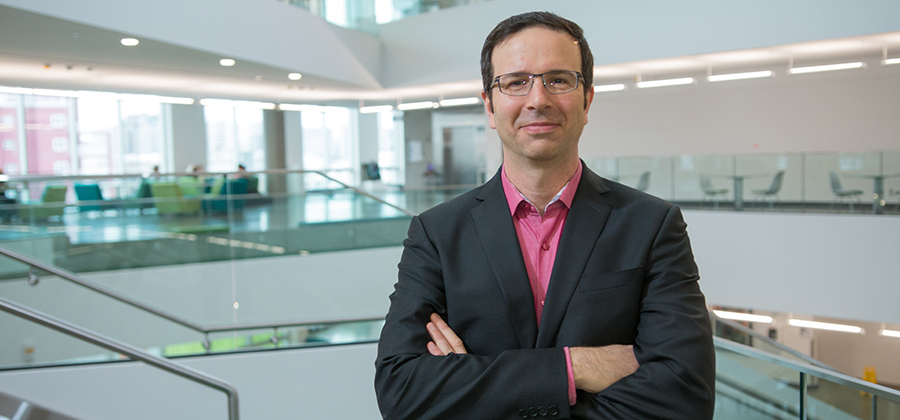
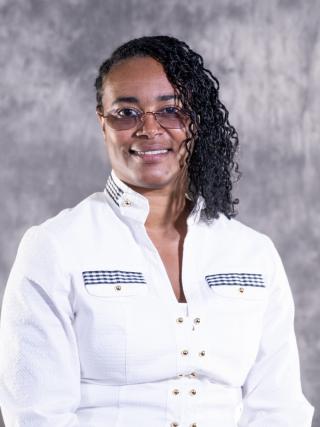
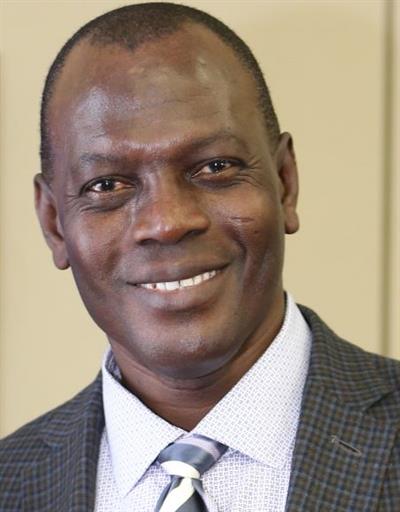
David D. Vachon is an Associate Professor in the Department of Psychology at McGill University. His research focuses on individual differences in deviance across the lifespan, emphasizing the role of personality in externalizing disorders and the absence of internal controls like empathy and constraint. He explores clinical psychology, social/personality dynamics, and developmental science. Research Interests: His work spans Personality etiology of psychopathy, antisocial personality disorder, and narcissism Deviant behaviors (substance use, aggression, crime) as natural outcomes without internal controls Developmental psychopathology and its intersection with race/criminal status Publications: His articles analyze empathy-aggression relationships, psychopathy prevalence, and DSM-5 critiques, reflecting themes of behavioral prediction and forensic psychology. Advising & Grants: No formal advisees or grant details listed. His work is supported by collaborative research networks in clinical and developmental psychology.
Adelle Forth is a Professor in the Department of Psychology at Carleton University, specializing in psychopathy research. Her work examines cognitive and affective processes underlying psychopathic traits, early manifestations in youth, and societal impacts. She has published extensively on violence risk assessment, forensic evaluation tools, and interpersonal dynamics affected by psychopathy. Research Focus: Her studies explore psychopathy's influence on romantic relationships, empathy deficits, humor styles, and vulnerability perceptions. She also validates cross-cultural diagnostic tools like the Spanish PCL:YV and investigates cyber-related deviant behaviors linked to dark personality traits. Professional Service: Dr. Forth serves on editorial boards and has supervised numerous graduate theses. She no longer accepts new students.
Ryan Broll is an Associate Professor in the Department of Sociology and Anthropology at the University of Guelph , within the College of Social & Applied Human Sciences . He holds a PhD in Sociology from Western University (2014). His research focuses on bullying/cyberbullying prevention, resilience in youth, policing practices, and dark fandoms. Prior roles include teaching at St. Jerome's University (University of Waterloo) and research at the Centre for Addiction and Mental Health. Education: PhD in Sociology, Western University (2014) His research interests emphasize: Resilience in bullying victims Social control of vulnerable populations (e.g., policing youth/homeless individuals) Cybercrime dynamics Public policy implications of sociological findings He currently supervises graduate students in Criminal Justice/Public Policy programs. Grants & Projects: Co-Investigator for Building Bridges: Youth Education on Homelessness (2025) Prior evaluations of healthy relationships programs for youth Notable Achievements: Authored/co-authored over 15 peer-reviewed articles and a book on violence recovery Active in interdisciplinary collaborations across criminology, education, and public health
Wesley Helms is an Associate Professor of Strategic Management and a Goodman Social Innovation Research Scholar at the Goodman School of Business, Brock University. His research focuses on organizational behavior, stigma studies, institutional theory, and strategic management. He explores topics such as workplace stigma, deviance, social control mechanisms, and the impact of stigma on organizations and markets. Key research interests include the dynamics of stigma disclosure in organizations, the economic consequences of stigma, and the application of social control theories in digital contexts. Helms has contributed to understanding how organizations navigate stigma through managerial strategies and institutional frameworks. His work often bridges organizational theory with practical implications for management and policy. Recent publications highlight his exploration of disability stigma in workplaces, the social control of deviant behavior, and the role of stigma in shaping organizational outcomes. His scholarship also extends to strategic advantages derived from community practices and the ethical dimensions of social enterprises. Helms’ research has been published in high-impact journals, reflecting his commitment to advancing knowledge in organizational studies and strategic management. He currently holds affiliations within the Goodman School of Business, contributing to both academic and applied initiatives in social innovation.
Dr. Alicia Horton is a Lecturer in the Department of Sociology at Kwantlen Polytechnic University's College of Arts. She holds a BA (Honors, 1st Class) from Simon Fraser University, an MA, and a PhD from Queen's University. Her research focuses on criminology, deviance, and body modification, with an emphasis on social policy, subcultural practices, and the cultural analysis of deviant behavior. She has contributed to academic discourse through publications in the Routledge Handbook of Deviance and peer-reviewed journals like Deviant Behavior. Her recent scholarly work explores the intersection of criminology, spatial dynamics, and identity formation. She co-founded the Prison Education Network (PEN) in 2021 to advance educational initiatives in correctional settings.
Martin Lalumière is a Full Professor in the School of Psychology at the University of Ottawa, affiliated with the Faculty of Social Sciences. He also serves as Vice-Dean, Governance and Internationalization. His academic career spans institutions including the University of Lethbridge, University of Toronto, and Centre for Addiction and Mental Health (CAMH). Education: PhD in Psychology, Queen's University at Kingston (1995) MPS in Psychology, Université de Montréal (1990) BSc in Psychology, Université de Montréal (1989) His research centers on clinical and forensic psychology, particularly psychopathology, sexual deviance, phallometric testing, and sexual victimization. He investigates mechanisms of sexual arousal, assessment tools for pedophilic interest, and physiological responses in nonconsensual contexts. His work bridges clinical science, criminology, and mental health law. His recent publications reveal a strong focus on the validity of assessment instruments in forensic psychology, the interpretation of physiological sexual responses, and integrative models of psychopathology. These works predominantly appear in high-impact journals such as Archives of Sexual Behavior and The Journal of Sex Research , indicating sustained scholarly productivity and specialization in sexual behavior and clinical assessment. Scientific Awards: No awards listed in the provided text. Martin Lalumière actively supervises graduate students, including Kailey Roche, Enya Levaque, and Lucas Walters, indicating an ongoing commitment to mentorship and research training. There is no mention of external grants or funding sources in the provided content. He has held leadership roles in academic governance and has built a career integrating research, teaching, and administration across multiple institutions. He is associated with research teams and labs focused on sexual behavior and forensic assessment, though specific lab names are not provided. His prior affiliations with CAMH and the Law and Mental Health Program suggest deep engagement with clinical and legal applications of psychological science.
Peter Voyer is an Associate Professor of Marketing at the Odette School of Business, University of Windsor. He holds a Ph.D. from Ivey Business School, Western University, along with an MBA from the University of New Brunswick, and undergraduate degrees in Psychology (Carleton University) and Mathematics/Physics (University of Ottawa). His research focuses on consumer deviance, sustainable consumption, word-of-mouth processes, and service marketing, with notable contributions to brand management and leadership frameworks derived from military strategy. Professional affiliations include the American Marketing Association, Association for Consumer Research, and Administrative Sciences Association of Canada. He has received military honors for service in Afghanistan and over three decades in the Canadian Armed Forces, including the General Campaign Star Medal and Canadian Forces Decoration (CD2). Key research areas include applying military leadership principles to organizational challenges, analyzing consumer behavior through social norms and tie strength, and exploring sustainable consumption patterns. His work bridges academic and applied domains, with case studies on rebranding (e.g., Alfa Romeo), leadership in uncertain times, and big data-driven consumer insights. Voyer has secured grants for research on commitment barriers and word-of-mouth analysis. His teaching and case writing span marketing strategy, consumer behavior, and leadership development, reflecting his interdisciplinary background in business and military service.
Patrick Parnaby is an Associate Professor in the Department of Sociology and Anthropology at the University of Guelph, affiliated with the College of Social & Applied Human Sciences. His research focuses on risk discourse, policing, deviant behavior, and the social construction of expertise and control mechanisms. He holds a PhD from McMaster University (2004). Key research areas include the sociology of risk, crime prevention through environmental design (CPTED), evolutionary psychology influences on policing, and the social dynamics of police retirees. Recent studies examine retirement's impact on police officers' identity and resilience, collaborating with the Police Pensioners Association of Ontario. His work bridges sociology and criminology, analyzing intersections between professional practices (e.g., financial planning, healthcare) and societal control. Notable projects include investigations into police Twitter activity, symbolic violence in financial advising, and interdisciplinary approaches to understanding police deviance. Publications span topics like disaster policing, role transition after retirement, and the cultural politics of urban space. Parnaby actively supervises MA and PhD students, emphasizing empirical and theoretical contributions to sociological inquiry.
Kelly Bergstrom is an Associate Professor in the Department of Communication and Media Studies at York University, specializing in disengagement from digital cultures with a focus on digital games and social media. Previously, she held positions at the University of Hawai‘i at Mānoa and was a Postdoctoral Fellow at York University’s Institute for Research on Digital Learning. Her research explores: Dropout patterns in digital gaming communities Labor dynamics in game cultures Gender representation in media Deviant leisure activities in online spaces Platform transitions and community conflicts Her publications predominantly analyze player disengagement, toxic workplace cultures in gaming, and community dynamics on platforms like Reddit, reflecting consistent focus on how digital environments shape social behavior.
Sabrina Deutsch Salamon is Associate Professor at York University's School of Administrative Studies and School of Human Resource Management. Her research examines organizational trust, citizenship behaviors, and group dynamics. With publications in leading journals including Journal of Applied Psychology, she investigates how trust develops in organizations and influences employee behavior. Her work has been supported by SSHRC and Mitacs grants. Professor Deutsch Salamon brings interdisciplinary expertise combining her PhD in Organizational Behavior with clinical training as a registered psychotherapist and certified group facilitator.
Dr. Evandro Bocatto is an Associate Professor at MacEwan University’s School of Business, specializing in Business Ethics, Innovation, and Organizational Behavior. He holds a BSc in Psychology from Pontifical Catholic University of Campinas (Brazil), an MBA from EAESP/FGV (Brazil), an MSc and PhD in Management Studies from ESADE Business School (Spain). Before joining MacEwan, he served as an Assistant Professor at Rovira i Virgili University in Spain and worked as a psychologist, business consultant, and adjunct professor in Brazil. His research focuses on critical theory applied to participatory budgeting, innovation ecosystems in Alberta, and ESG factors in corporate valuation. He has authored nearly 100 publications and received awards including the Global Best Award (2014) and MacEwan’s Research Achievement Fund (2009-2011). Education: BSc in Psychology, Pontifical Catholic University of Campinas MBA (stricto sensu), EAESP/FGV, Sao Paulo MSc in Management, ESADE, Barcelona PhD in Management Studies, ESADE Research Interests: Dr. Bocatto’s work bridges critical theory with practical governance, particularly in participatory budgeting and high-tech startup ecosystems. He explores how innovation ecosystems drive economic diversification in Alberta and analyzes ESG factors’ impact on corporate value. His methodologies include deviant scrutiny and psychoanalytical approaches to uncover hidden dynamics in organizational learning and ethical decision-making. Publications Overview: His articles span topics like global development dynamics, ESG integration, and participatory governance. Recent works highlight the role of ESG in cash valuation and the application of psychoanalytical methods in management research. Awards and Affiliations: Global Best Award (2014) for innovative partnerships Chartered Psychologists Council (Brazil, 1995–present) Mentor, Inovativa Brazil (2015–present) Board member, Collaborative Eating Disorder Awareness (CEDAA) Teaching and Mentorship: Available to supervise senior thesis projects, Dr. Bocatto emphasizes practical application of theoretical frameworks in business innovation and ethics.
Franca Cortoni is an Associate Professor at the School of Criminology, Faculty of Arts and Sciences, Université de Montréal. She holds a Ph.D. in Forensic and Clinical Psychology from Queen's University (1998) and serves as a regular researcher at the International Centre for Comparative Criminology (CICC), where she chairs the Clinical Intervention theme. Cortoni has authored over 60 publications and 90 scientific presentations, including co-authored books on female sex offenders and criminal violence. She specializes in sexual offender risk assessment, treatment efficacy, and dynamic risk factors. Her research explores sexual delinquency in both genders, focusing on etiological factors like sexual regulation issues, deviant sexual behavior, and adaptive strategies. She investigates recidivism prediction, treatment outcomes for violent offenders, and risk communication frameworks. Cortoni's work spans correctional intervention processes, cybersexual offending, and high-risk offender management. As a consultant and trainer across Canada, the UK, and the US, she has influenced sexual offender treatment protocols. Cortoni supervised numerous doctoral and master's students at Université de Montréal, particularly in areas examining therapeutic outcomes, dynamic risk factors, and offender cognition. Research Affiliations: International Centre for Comparative Criminology (CICC) Education: Ph.D. in Psychology, Queen's University (1998)
Dadria R. Lewis is an Assistant Professor and Chair of the Psychology Department at Burman University. She holds a PhD in Counseling and Counselor Education from the University of Florida, with a focus on Mental Health Counseling. Previously, she served as an Assistant Professor and fieldwork coordinator at Northern Caribbean University (NCU), Jamaica, where she contributed to violence interruption strategies and community counseling initiatives. Her research spans child/family wellness, behavior modification in schools, and the intersection of religion and mental health. She has conducted disaster mental health outreach in Southern Africa and collaborates with the Centre for Traumatic Stress Research. Education: M.Ed. and Ed.S. in Marriage and Family Therapy (University of Florida), PhD in Counseling and Counselor Education (University of Florida). Research interests include behavioral interventions in schools, cultural competency in counseling, and community-based mental health initiatives. Her work emphasizes evidence-based strategies for marginalized populations, particularly in educational and disaster response contexts. Professional activities include membership in the University Council of Jamaica’s Psychology and Professional Counselling Standards Committee, focusing on program accreditation. She also leads research teams supporting student and faculty projects in traumatic stress studies.
Dr. Baniyelme Zoogah is a Professor and Area Chair of Human Resources and Management at the DeGroote School of Business, McMaster University in Ontario, Canada. He holds a PhD from The Ohio State University and serves as a McMaster Global Ambassador, recently leading strategic engagement initiatives in Ghana that resulted in a Memorandum of Understanding with Kwame Nkrumah University of Science and Technology (KNUST). Dr. Zoogah's research spans four major streams at the intersection of individuals, teams, organizations, and societies: Strategic Alliance Management: Examining capabilities in strategic alliances, with contributions to strategic alliance mental models Environmental Sustainability: Investigating manager and organizational signatures in sustainability, including his highly cited work on "The dynamics of Green HRM behaviors" Strategic Followership: Exploring how followers contribute to organizational objectives through transcendent and restorative approaches, with two books on the subject Management History: Historicizing management issues, with his award-winning paper "Academic Athena: Writing in Africa in Management and Organization Science" A unifying theme across his work is the emphasis on African contexts in exploring development issues across both macro (strategy, international business) and micro (HRM, organizational behavior) domains. Analysis of Dr. Zoogah's recent publications (2024-2025) reveals a strong interdisciplinary focus bridging leadership theory, sustainability, business ethics, and decolonizing management studies. His work demonstrates how indigenous knowledge systems, particularly from African contexts, can enrich global management scholarship while addressing practical organizational challenges related to environmental sustainability, ethical leadership, and cross-cultural management. His notable recognition includes: Journal of Management History Award for Best International Paper at the 2022 Academy of Management Annual Meeting As Area Chair of Human Resources and Management, Dr. Zoogah plays a significant leadership role at DeGroote. His recent strategic engagement in Ghana involved meetings with Dr. Jemima Asabea at the University of Ghana and Dr. Daniel Y.A. Duah at KNUST, exploring collaborations in business development, climate change, and artificial intelligence. He remarked: "This trip reaffirmed my belief in the transformative power of international partnerships... when institutions work together, we not only create knowledge—we create impact." While specific information about dedicated research labs isn't provided, Dr. Zoogah's work appears conducted through transnational academic networks spanning McMaster University and multiple African institutions, facilitating knowledge co-creation across geographical boundaries.
Julie Pitcher Giles is an Assistant Professor and Program Chair of Business Administration at Memorial University's Grenfell Campus , School of Arts & Social Science. Her work bridges strategic management, corporate social responsibility (CSR), and educational innovation, with a focus on small businesses in rural contexts. Education: BA, MBA (Memorial University), PhD (University of Leicester) Email: jpitchergiles@mun.ca Her research examines how small businesses naturally embed CSR through community connections despite limited resources, challenging traditional profit-driven models. She also explores case-based learning for real-world business challenges and investigates hybrid/online pedagogy for enhanced curriculum design. Recent publications analyze strategic decision-making in rural enterprises (2025), organizational deviance linked to workplace exclusion (2023), and mindfulness interventions for job performance (2020). Her work spans business ethics, rural economics, and psychological dynamics in organizations. She supervises undergraduate researchers via the MUCEP program and graduate students in the MAEP and MALA programs, integrating strategic management principles with community-focused research.