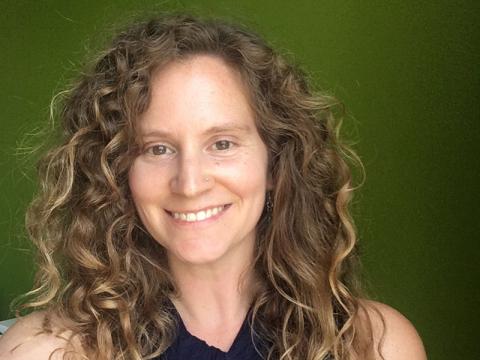
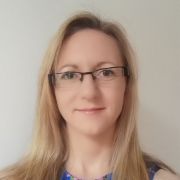
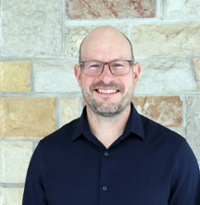
Dr. Kathleen Ferris is an Assistant Professor in the Department of Ecology and Evolutionary Biology at Tulane University, School of Science & Engineering. She holds a PhD in Biology from Duke University (advisor: John Willis) and completed postdoctoral research at UC Berkeley and UC Davis. Her research focuses on the genetic and phenotypic basis of adaptation and speciation in Mimulus (Monkeyflowers), particularly in rocky environments. Key projects explore leaf morphology, mating systems, phenology, and how these traits contribute to adaptation and evolutionary narratives. Dr. Ferris emphasizes diversity, equity, and inclusion in her lab, advocating for anti-racist practices and fostering collaboration over competition. The lab actively recruits PhD students, postdoctoral scholars, and technicians. Notable achievements include securing a NIH ESI MIRA grant (2021) and mentoring students like Diana Tataru (first author in Proceedings B, 2023) and Whitney Murchison (PhD student since 2021). Labs and teams: The Ferris Lab prioritizes holistic science and community well-being, with ongoing projects in New Orleans and fieldwork-driven research. Recent lab news highlights include Caroline Dong’s postdoc appointment (2020), Jessica Scales’ PhD start at U Montana (2023), and Catherine Ogoma’s arrival (2022). Dr. Ferris also values creative writing and artistic endeavors, such as her children’s book Sneaky Cephalopods .
Amina Schartup is Associate Professor at Scripps Institution of Oceanography, UC San Diego, affiliated with the Geosciences Research Division. Her research examines mercury cycling in marine environments, climate change impacts on contaminant distribution, and public health implications. Research focuses on: Mercury biogeochemical cycling Trace metal interactions Marine food web contamination Climate-contaminant interactions Environmental toxicology Leads the Schartup Lab investigating trace metal effects on planetary and human health. Current projects include mercury speciation time series at Scripps Pier and studies of mercury dynamics in coastal systems.
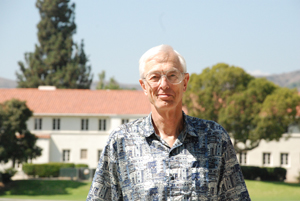
Charles Hill is a Professor of Social Psychology at Whittier College's Department of Psychological Sciences. He holds a B.A. in Physics (Phi Beta Kappa, University of Oregon), M.S. in Physics, M.A. in Sociology (University of Washington), and a Ph.D. in Social Psychology (Harvard University). His research focuses on interpersonal relationships, diverse identities, and cross-cultural psychology. He has authored influential books like Intimate Relationships Across Cultures: A Comparative Study (with global collaborators) and Prejudice, Identity and Well-Being: Voices of Diversity Among College Students , analyzing data from over 3,300 respondents. Dr. Hill’s work emphasizes cross-cultural comparisons, with projects spanning 72 countries and 51 nations visited. He has developed online tools like the Intimate Relationships Questionnaire (20 languages, 9,000+ participants) and the Multiple Identities Questionnaire . His 2014 Harry W. Nerhood Award for Teaching Excellence highlights his dedication to education. His research integrates global perspectives on love, prejudice, well-being, and cultural norms, often using innovative statistical methods. Key areas of exploration include: the psychological effects of diversity on college students, global variations in relational dynamics, and the intersection of cultural values with intimate relationships. His work bridges theory and practice, influencing both academic discourse and practical applications in intercultural communication. Education: B.A. Physics (U Oregon), M.S. Physics & M.A. Sociology (U Washington), Ph.D. Social Psychology (Harvard) Key Projects: Global relationship surveys, diversity identity analyses, pandemic impact studies Travel & Collaboration: Research in 51 countries, international cohort studies
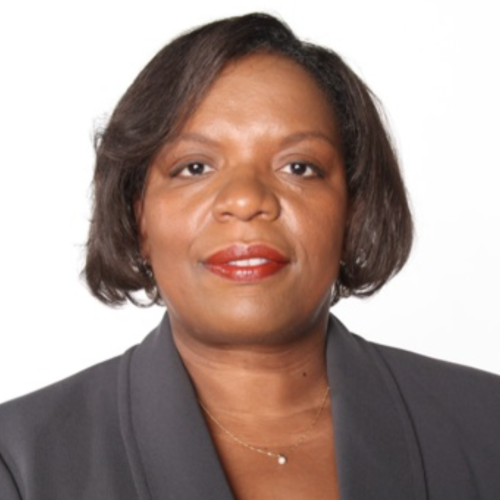
Marjorie C. Gondre-Lewis, Ph.D. is a tenured Professor of Neuroscience at the Howard University College of Medicine , where she also serves as Associate Dean for Faculty Development and Chief Justice, Equity, Diversity, and Inclusion (JEDI) Officer . Her research focuses on Precision Brain Health approaches for underserved communities, particularly addressing addiction mechanisms, early life stress, and health disparities. Education: B.A. in French Civilization/Chemistry, New York University (1990) M.S. in Cellular and Molecular Neuroscience, Albert Einstein College of Medicine (1998) Ph.D. in Neuroscience, Albert Einstein College of Medicine (2002) Postdoctoral Fellow, NICHD/NIH (2005) Research Interests: Neuroscience Addiction and Substance Use Disorders Brain Reward Pathways (nicotine, alcohol, opioids) Early Life Stress and Toxic Stress Effects Health Disparities and Social Determinants Precision Medicine for Underserved Populations Grants & Funding: NIH/NICHD (U54 HD090257) NIH/NIMHD (R41 MD012318, G12MD007595) VA/CSRD (I01 CX000479) NIH (R01HD70888) University New York Research Foundation (Q0942016) Leadership: Director of the Developmental NeuroPsychoPharmacology Laboratory Mentor at all career stages
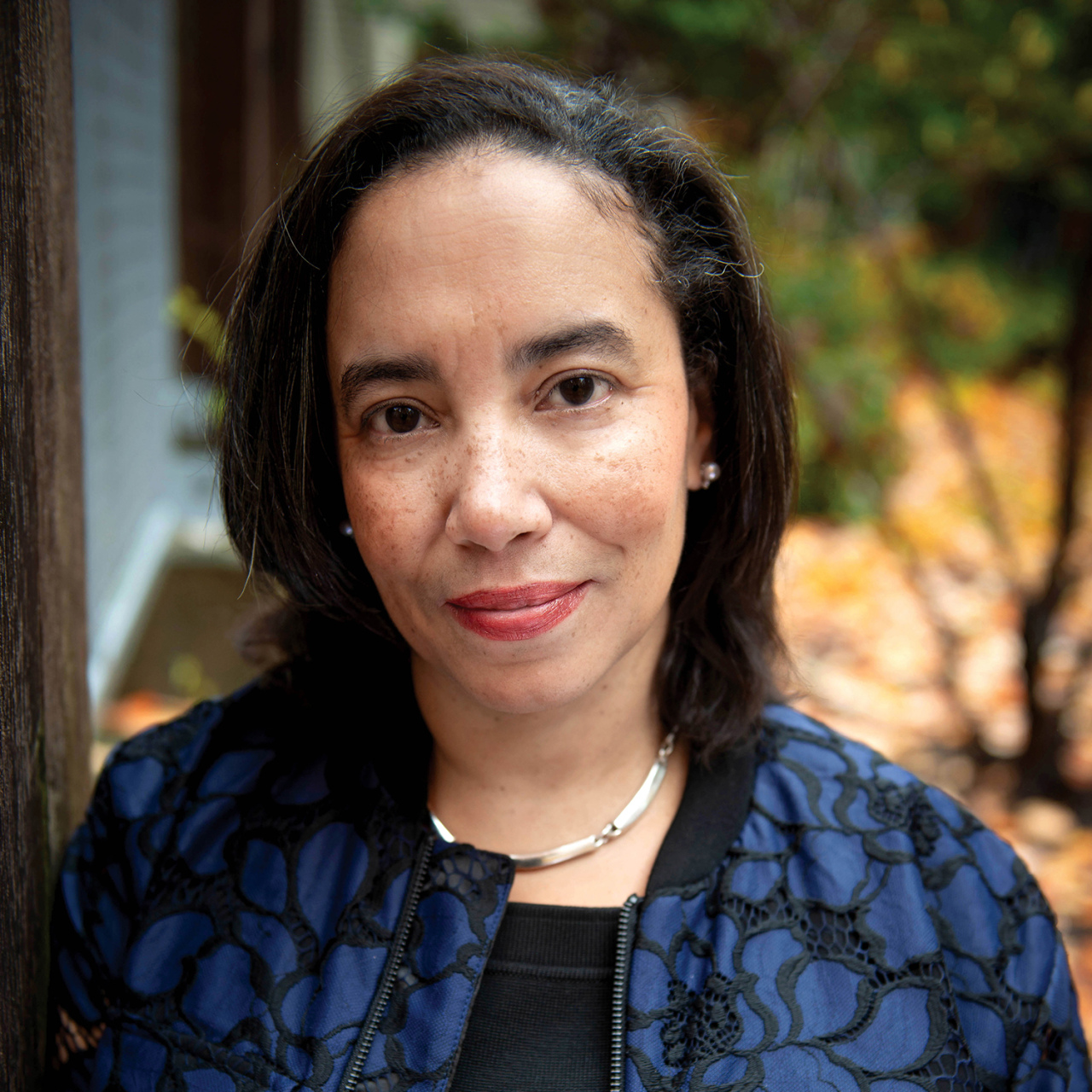
Nancy E. Hill is the Charles Bigelow Professor of Education at Harvard University’s Graduate School of Education (GSE). She holds a Ph.D. from Michigan State University (1994). Her research focuses on parenting, adolescent development, and the intersection of race, socioeconomic status, and community contexts in educational opportunities. She co-authored The End of Adolescence: The Lost Art of Delaying Adulthood (2021), emphasizing extended developmental timelines. Research interests include upward mobility pathways, relational supports for youth purpose development, and equitable post-secondary transitions. Current projects involve longitudinal studies on adolescent purpose and immigrant youth’s academic engagement. She collaborates with urban school districts to address equitable school choice systems. Honors include the Ernest Hilgard Award (APA), National Academies’ Board membership, and the Society for Research on Adolescence’s Best Article Award. She serves as President-Elect of the Society for Research in Child Development. Awards: Ernest Hilgard Award, William T. Grant Fellowship, NASEM Board Member Grants/Partnerships: Research-practice collaborations with school districts, longitudinal studies on purpose development Labs/Teams: Partnerships with urban schools, interdisciplinary teams on equity initiatives
Professor Alison Garton is an Honorary Professor in the School of Arts and Humanities at Edith Cowan University (ECU). She holds an MA (Honours) from Scotland and a Doctor of Philosophy from England (1982). Her research focuses on developmental psychology, child and adolescent behavior, educational psychology, and ethics in professional practice. She has authored influential books such as Exploring Cognitive Development: The Child as Problem Solver and contributed to seminal works on intercountry adoptee well-being, adolescent leisure activities, and collaborative learning dynamics. Her research has been supported by grants including a $441,398 Healthway grant (2005–2013) for youth tobacco control programs and a $45,000 Telstra grant (2003–2005) addressing language difficulties in children. She has supervised numerous doctoral candidates on topics ranging from dissociative identity disorder treatment to the psychological impacts of migration and addiction. Key research themes include: Cognitive and social factors influencing child development Adolescent leisure participation and family dynamics Ethical frameworks in psychological practice Intercountry adoption outcomes and cultural identity Her work bridges theoretical psychology with practical applications in education, health promotion, and policy development.
Paul Dudis is a Professor in the Department of Linguistics at Gallaudet University, affiliated with the School of Language, Education, and Culture. He specializes in cognitive linguistics, sign language documentation, and the study of depiction in American Sign Language (ASL). His research focuses on topics such as theme buoys in ASL narratives, spatial semantics, and the motivation behind grammatical structures in signed languages. Dudis has advised numerous student research projects and contributed to Gallaudet's academic governance through roles like Department Chair and committee memberships. His teaching includes advanced courses on cognitive linguistics (LIN-721, LIN-732), depiction theory (LIN-537G), and ASL morphology. He has pioneered research ethics frameworks for sign language documentation and advocated for the inclusion of Deaf perspectives in linguistic studies. Dudis has led Gallaudet's linguistics department and participated in interdisciplinary initiatives like the OCBO video production project. His scholarly contributions span over 15 peer-reviewed articles and book chapters, with recent works examining semiotic diversity in sign languages and the cognitive underpinnings of indicating verbs. Dudis' work bridges theoretical linguistics with applied research in Deaf education and language policy.
Michael Nachman is a Professor in the Department of Integrative Biology at the University of California, Berkeley, and a member of the Museum of Vertebrate Zoology. His research focuses on population, evolutionary, and ecological genetics and genomics, primarily using house mice (Mus musculus) as a model system. The Nachman lab investigates the genetic basis of evolutionary change, including adaptation to extreme environments (e.g., deserts, high elevations), reproductive isolation in hybridizing species, and the interplay between host genetics and gut microbiota. Their work integrates field studies, laboratory experiments, molecular biology, and computational genomics. Recent publications highlight studies on climatic and desert adaptation via gene regulation and protein evolution genomic signatures of selection and parallel evolution hybridization dynamics and reproductive isolation mechanisms host-microbiota co-evolution and environmental gradients As a UC Berkeley faculty member, Nachman contributes to promoting a supportive, inclusive, and anti-discriminatory research environment, aligning with the lab’s commitment to scientific integrity and diversity.
Alecia Carter is an Associate Professor in Evolutionary Anthropology at University College London (UCL), where she has been working since 2019. She is affiliated with the Department of Anthropology and conducts research primarily focused on primate behavior, cognition, and evolutionary anthropology. Her work bridges multiple disciplines including ecology, evolutionary biology, and zoology, with a particular emphasis on understanding complex behaviors in wild primates. Dr. Carter's academic journey includes: Undergraduate studies: BSc (Hons) and BA at the University of Queensland PhD at the Australian National University Postdoctoral positions at the University of Cambridge (Research Associate in Zoology, 2012; Junior Research Fellow with Churchill College, 2013) Research Scientist at l'Université de Montpellier, France (prior to joining UCL in 2019) Dr. Carter's research centers on two main themes: how primates respond to the deaths of others (providing insights into the evolution of cognition and complex emotion), and how individuals access information to make decisions. She investigates how primates use their social environment to gather information and how individual characteristics may constrain this process. Her work on primate thanatology (the study of death responses) has been particularly influential, examining phenomena like infant corpse carrying across multiple primate species. She also studies behavioral consistency and individual differences in primates, exploring how and why animal behavior varies between individuals but remains consistent over time. Analysis of Dr. Carter's recent publications reveals a strong focus on primate cognition, social behavior, and evolutionary anthropology. Her work frequently examines baboon behavior in the wild, with special attention to social dynamics, reproductive strategies, and responses to death. She employs comparative approaches across primate species and integrates methodologies from behavioral ecology, cognitive science, and evolutionary biology. Her research often addresses fundamental questions about the evolution of complex social behaviors and cognition in primates, with implications for understanding human evolution. Professional recognition: Fellow of the Higher Education Academy Dr. Carter is actively involved in mentoring students and researchers in evolutionary anthropology and primate behavior. Her collaborative network spans multiple institutions globally, with frequent co-authorship with researchers from Cambridge, Montpellier, and other leading universities. She has secured research funding for field studies of wild primates, particularly focusing on chacma baboons in Africa. Her work often involves long-term observational studies combined with innovative experimental approaches in natural settings. Dr. Carter is part of a vibrant research community studying primate behavior at UCL and collaborates with researchers across the globe. Her work contributes to UCL's commitment to Sustainable Development Goal 15 (Life on Land) through research that enhances understanding of primate ecology and conservation needs. She is passionate about ethics in academia, equality, diversity and inclusion, and alternative approaches to teaching, which informs both her research and educational practices.
Tess Killpack is an Associate Professor in the Department of Biology at Salem State University. She specializes in biology education, focusing on skill-building in introductory courses, active and inclusive pedagogy, and faculty professional development for inclusive practices. Lead Faculty for Biology Secondary Education Biological Systems (BIO105) Course Coordinator Her research emphasizes pedagogical innovation, including equity-focused lab course redesign, scaffolding experimental design skills, and integrating inclusive teaching practices. She collaborates on projects involving DNA barcoding, remote-learning frameworks, and curriculum interventions for anti-racism in biology education. Her publications span biology education, ecological immunology, and environmental science, with recent work centered on inclusive teaching tools like First-Day Info Sheets and Deep Teaching Residency workshops. Key presentations include invited webinars and practitioner workshops at institutions like Howard Hughes Medical Institute and DePauw University. Scientific Awards : Editor’s Choice, Journal of Avian Biology (2013) She has delivered numerous refereed and invited presentations on inclusive pedagogy, including collaborations with Bryan Dewsbury on the Deep Teaching Residency program. Her teaching portfolio includes courses in DNA barcoding, biology internships, and methods of teaching secondary science.
Professor Megan Freeth serves as Professor of Neurodevelopmental Psychology and School Director of Research and Innovation at the University of Sheffield's School of Psychology. Her internationally recognized research focuses on improving the lives of autistic individuals through co-produced studies addressing healthcare access, employment barriers, and societal inclusion, while simultaneously investigating autism's expression in rare genetic syndromes using innovative eye-tracking methodologies. Her educational background includes: PhD in Psychology, University of Nottingham MSc in Psychology, University of Nottingham BSc in Psychology, University of Birmingham Professor Freeth's research program centers on three interconnected themes: Societal Barrier Reduction : Conducting co-produced qualitative research to understand and dismantle obstacles faced by autistic people in healthcare systems and employment contexts through interpretative phenomenological analysis. Genetic Syndrome Phenotyping : Leading groundbreaking studies on autism manifestations in Sotos syndrome, Russell-Silver syndrome, SOX11 syndrome, and 16p11.2 copy number variations to unravel autism's heterogeneity. Real-World Social Attention : Utilizing mobile and laboratory eye-tracking to examine how autistic and neurotypical individuals process social cues in naturalistic environments. Analysis of her recent publications (2022-2025) reveals a decisive shift toward participatory research methodologies where autistic individuals actively shape study design and implementation. Her work increasingly addresses systemic barriers in healthcare and employment while expanding genetic syndrome characterization through multimodal assessment. This dual focus on immediate quality-of-life improvements and fundamental neurodevelopmental mechanisms defines her impactful scholarly trajectory. Her scientific recognition includes: Leverhulme Early Career Fellowship (2011-2013) ESRC Post Doctoral Fellowship (2009-2010) Professor Freeth maintains an active supervisory portfolio with current PhD students Nazli Altin (primary), Aikaterini Giannadou, Louise Stokes, Jiayi Chen (co-supervision), and DClin student Rosie Wilson. Her research program is sustained by major funding including NIHR PDG (£148,622), NIHR RfPB (£249,883), and Colt Foundation (£80,953) grants focused on participatory systems mapping, post-diagnostic assessment, and employment barrier reduction respectively. She directs the Sheffield Autism Research Lab (ShARL) within the University's Neuroscience Institute, leading interdisciplinary teams comprising cognitive neuroscientists, clinical psychologists, and geneticists. Her research group's collaborative approach with autistic communities and healthcare providers ensures direct translation of findings into practice through the International Classification of Functioning framework.
Ritva Torppa is a University Lecturer in Speech-Language Pathology at the University of Helsinki , with an Associate Professor (Docent) position at the University of Turku. Her research focuses on leveraging musical activities and singing to enhance speech perception, language skills, and cortical functioning in children with hearing impairments, particularly cochlear implant users. Her work integrates Event-Related Potentials (ERPs) with behavioral experiments and language assessments to explore auditory processing and rehabilitation strategies. She leads projects like MULAPAPU , which examines music's role in speech recovery, and contributes to initiatives like Harmonian palautuminen , studying music perception in cochlear implant recipients. Torppa’s recent publications highlight cross-cultural studies on parental engagement, screen time effects, and longitudinal cortical changes linked to singing. Her research emphasizes music-based therapeutic interventions and auditory working memory as critical for language development in hearing-impaired children. Scientific Awards Best Student Paper Award (2010) Honored member of LapCI ry (2017) Activities Organized international conferences on cochlear implants and music therapy Keynote speaker on music’s role in speech rehabilitation Peer reviewer for journals like Hearing Research and Journal of Speech, Language, and Hearing Research
Dr. Kent Kowalski is a Professor in the Department of Kinesiology at the University of Saskatchewan. His academic background includes a PhD in Kinesiology (2000), M.Sc. in Physical Education (1995), B.F.A. in Studio Art (2007), and B.A. in Honours Psychology (1993). He focuses on self-compassion in sport and exercise, particularly how it influences athlete well-being and performance. Key research themes include gender differences in athletic experiences, self-compassion interventions, and the intersection of masculinity with athlete identity. Teaching responsibilities include courses like Social Behavioral Foundations of Physical Activity , Research Methods in Kinesiology , and specialized topics such as Self-Kinpassion in Sport and Exercise . His recent publications (2014–2024) emphasize qualitative and mixed-methods approaches to understanding self-compassion's role in athlete resilience, injury recovery, and emotional regulation. Notable projects include a scoping review on self-compassion in sport and a feasibility study of interventions for male athletes. Dr. Kowalski co-leads the Self-Kinpassion initiative, creating sport-specific resources for self-compassion. His work bridges psychological theory with practical applications in competitive and recreational sport contexts. Collaborations with colleagues like Dr. Leah Ferguson and Danielle Cormier have produced influential studies on body image, gendered sport experiences, and mental health strategies for athletes. Public engagement includes podcast appearances discussing self-compassion interventions and the role of mindfulness in sport. His research consistently highlights the importance of self-compassion in fostering inclusive, mentally healthy sport environments.
Dr. Mitchell Travis is an Associate Professor in Law and Social Justice at the University of Leeds' School of Law, part of the Faculty of Social Sciences. He holds a PhD in Law from Keele University and previously taught at the University of Exeter. His research focuses on intersex embodiment, vulnerability, legal personhood, and feminist legal theory, with a particular interest in science fiction as a legal imaginary. He directs the LLM in Law and Social Justice and teaches modules on Gender and the Law, Foundations of Law, and Inequalities, Law and Justice. His research projects include evaluating Malta's Gender Identity Act and its impact on intersex infants' bodily integrity. Key interests include challenging medical pathologization of intersex variations, exploring cultural awareness of intersex issues, and analyzing legal frameworks beyond identity categories. He also examines dystopian jurisprudence and the role of science fiction in shaping legal imaginaries. Travis has contributed to numerous interdisciplinary studies on intersex activism, medical ethics, and the scalar limitations of international law. His work bridges legal theory with cultural studies, emphasizing resilience-building through law and policy. He currently advises on modules that integrate professional ethics through popular culture and advocates for inclusive legal frameworks that address intersectional vulnerabilities.
Dr James Dunn is a Lecturer and ARC DECRA Research Fellow in the School of Psychology at UNSW Sydney. His research focuses on face and person recognition, forensic science applications, and individual differences in cognitive performance, utilizing behavioral methods, machine learning, and eye-tracking technologies. Education: BSc(Adv) (Psychology) 2012, Ph.D. 2018 - UNSW Sydney Research Themes: Face Recognition, AI Applications, Forensic Science, Cognitive Assessment, Individual Differences, Visual Processing Grants: ARC DECRA (2025-2028), Royal Society Marsden Fund (2024-2027), Office of National Intelligence Postdoctoral Grant (2023-2025) His work bridges theoretical research with practical applications in high-stakes environments, particularly focusing on improving accuracy in identity verification and criminal investigations through collaborations with Australian Federal Police and NSW Police. He is also a member of the Psychology Equity, Diversity & Inclusion team at UNSW. Dr Dunn's publications demonstrate a consistent focus on face recognition expertise, visual information sampling, and forensic applications of AI. His research has been featured in top journals including Psychological Science , Journal of Experimental Psychology , and Scientific Reports , with recent work exploring AI-hyperrealism detection and computational value of facial information sampling. Scientific Awards Australian Research Council (ARC) Discovery Early Career Researcher Award (DECRA) Royal Society Te Apārangi Marsden Fund Grant Office of National Intelligence National Intelligence Postdoctoral Grant Early Career Impact Award - 2024 Community, Health & Safety, and Wellbeing Impact Award - 2023 UNSW Science Early Career Academic Award - 2021 As an educator, Dr Dunn coordinates courses in forensic psychology and psychology & law, while lecturing on perception and cognition topics. He supervises PhD students including Daniel Chu, and contributes to professional training programs for forensic practitioners. His research has significant implications for security systems, law enforcement practices, and AI development in facial recognition technologies.