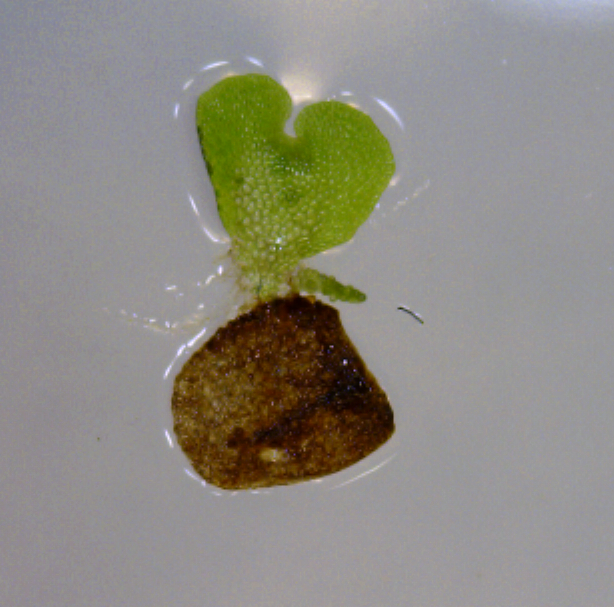
David Fawkner-Corbett is an NIHR Academic Clinical Lecturer in Paediatric Surgery at the University of Oxford , affiliated with the Nuffield Department of Surgical Sciences and Wolfson College . His research bridges clinical practice and advanced multi-omic techniques to study intestinal inflammation and developmental disorders. Education: MBChB, MPhil, MRCS, PgDip, DPhil Research Interests: His work focuses on understanding epithelial barrier breakdown in Inflammatory Bowel Disease (IBD) using single-cell RNA-sequencing to identify molecular drivers and novel therapeutic targets. He also investigates postnatal intestinal maturation, aiming to address rare developmental disorders like Necrotising Enterocolitis and Hirschsprung's disease. Publication Trends: Recent articles span developmental biology, immunology, and pediatric surgery, with high-impact studies in Cell , Nature , and Nature Immunology . Key themes include intestinal cell diversity, stromal-epithelial interactions, and translational approaches for IBD and congenital anomalies. Scientific Awards: Oxford NIHR-BRC clinical research fellowship Joint British Association of Paediatric Surgeons-Royal College of Surgeons of England research fellowship Wellcome Doctoral (DPhil) training fellowship NIHR Academic Clinical Fellow (ACF) in Oxford Collaborations: His work involves international partnerships (Brazil, Australia, USA) and multidisciplinary teams integrating clinical insights with cutting-edge genomic technologies.
Professor Bruce Abernethy is Executive Director of UQ's Engagement with the 2032 Olympic and Paralympic Games, following his tenure as Executive Dean of the Faculty of Health and Behavioural Sciences (2014-2023) at the University of Queensland. His academic leadership includes previous roles as Deputy Executive Dean, Associate Dean (Research), and Head of the School of Human Movement Studies (1991-2003). He also served as inaugural Chair Professor at the University of Hong Kong's Institute of Human Performance (2004-2011). His educational background includes First Class Honours and University Medallist status from the University of Queensland, complemented by a PhD from the University of Otago. Professional recognition includes Fellowships from the American Academy of Kinesiology and Physical Education, Australian Sports Medicine Federation, and Exercise and Sport Science Australia. Abernethy's research centers on the interdisciplinary study of skilled movement control and acquisition, bridging human movement science, experimental psychology, neuroscience, and medical sciences. His work investigates expert perception and production of human movement patterns, with particular focus on deception detection in sports, visual-motor expertise, and fundamental movement skills development. This spans applications from elite athletic performance to pediatric movement disorders. Analysis of his recent publications reveals sustained focus on perceptual-cognitive aspects of sport expertise, with recurring themes in deception detection (particularly in football/cricket), gaze behavior analysis, and perceptual training methodologies. His work increasingly integrates interdisciplinary approaches across motor control, cognitive psychology, and sports biomechanics, with strong emphasis on practical applications for athletic training and movement rehabilitation. International Fellow, American Academy of Kinesiology and Physical Education Fellow, Australian Sports Medicine Federation Fellow, Exercise and Sport Science Australia University Medallist, University of Queensland Professor Abernethy has supervised eight PhD candidates to completion between 2003-2022, with research spanning cricket batting expertise, perceptual training, and movement disorders. His funding portfolio demonstrates exceptional grant acquisition success, including sustained support from the Motor Accident Insurance Commission (1997-2019), Australian Research Council (multiple projects 1995-2011), Australian Football League, Australian Sports Commission, and Hong Kong Research Grants Council. Current engagement with the 2032 Games represents strategic alignment of his expertise with major international sporting events. His research is conducted through the Centre for Extracellular Vesicle Nanomedicine within UQ's Faculty of Health and Behavioural Sciences, collaborating with interdisciplinary teams across sports science, psychology, and medical research domains. This network supports his translational research from basic motor control principles to applied sporting and clinical contexts.
Lisa Boyce is a Professor and Executive Director of the DDE Center for Early Care and Education within the Department of Human Development and Family Studies at Utah State University. Her research focuses on early childhood development and intervention for at-risk populations through quantitative methodologies. Education Background: PhD in Family and Human Development, Utah State University (1999) M.Ed. in Psychological Services, Idaho State University (1992) BS in Psychology, Idaho State University (1991) Pre-Technical Biology, Ricks College (1989) Research Focus: Dr. Boyce investigates early language development, emergent literacy, and parent-child interactions, with emphasis on dual language learners and children in poverty. Her current projects include classroom bookmaking interventions for Head Start children, dissemination of the SHELLS curriculum for migrant families, evaluation of Ecuador's early education curriculum, and predictors of language development in bilingual children. She employs rigorous program evaluation frameworks to assess intervention efficacy. Publication Trends: Her recent work demonstrates consistent focus on practical, scalable interventions that strengthen parent-child language interactions. Key themes include adapting bookmaking/storytelling techniques for diverse populations, measuring longitudinal impacts on school readiness, and developing culturally responsive strategies for migrant families and dual language learners within Head Start frameworks. Awards & Honors: Solnit Fellow (Zero to Three, 2001) Research Assistant of the Year (College of Family Life & Family and Human Development Department, 1996) Research Scholars Grant Award (Head Start, 1996) Graduated with Honors (Idaho State University, 1991) Kasiska Foundation Scholarship (Idaho State University, 1990) Leadership Scholarship (Ricks College, 1987) Advising & Grants: Dr. Boyce has mentored 15+ graduate students in Human Development and Family Studies. Her grant portfolio includes SHELLS (Storytelling for Home Enrichment of Language and Literacy Skills), PEECSE (Promoting Effective Engagement, Communication, and Self-regulation with English language learners), and UTELL (Using Technology for Emergent Literacy and Language), all targeting early language development in vulnerable populations. Leadership: As Executive Director of the DDE Center for Early Care and Education, she oversees translational research connecting academic scholarship with community implementation in early childhood systems.
Alessandro Toppeta is an Assistant Professor at the Institute for Social Research (SOFI) at Stockholm University , holding a Ph.D. in Economics from University College London (UCL) (2023). He is affiliated with the Centre for Microdata Methods and Practice (CeMMAP) and the Stone Centre at UCL . Research Interests: Focuses on inequality, poverty, human capital, and socio-emotional skill transmission across generations. His work spans labor market economics, education disparities, and migrant political behavior. Labor Market Economics (AME group) Intergenerational mobility Parental investment during pandemics Expatriate voting patterns
Professor Alfredo Franco-Obregón is a Research Associate Professor at the National University of Singapore (NUS), with multiple appointments across the Yong Loo Lin School of Medicine. He holds positions in the Department of Surgery and the Department of Physiology, and is affiliated with the Institute for Health Innovation & Technology, the Healthy Longevity Translational Research Programme, the NUS Centre for Cancer Research, and the Nanomedicine Translational Research Programme. He leads the Biolonic Currents Electromagnetic Pulsing Systems (BICEPS) Laboratory, which focuses on developing non-invasive electromagnetic technologies to enhance muscle function and systemic health, particularly for aging populations and those with mobility limitations. Dr. Franco-Obregón's research centers on understanding how biophysical forces, particularly mechanical and electromagnetic stimuli, translate into tissue regeneration and survival. His work specifically investigates the role of Transient Receptor Potential (TRP) channels, particularly TRPC1, in skeletal muscle development and how magnetic fields can activate mitochondrial respiration through a process he terms "Magnetic Mitohormesis." This research has significant implications for metabolic health, cancer therapy, and aging interventions. His laboratory has demonstrated that brief (10-minute) weekly exposure to low-energy pulsed electromagnetic fields (PEMFs) can enhance muscle development, improve metabolic efficiency, and even produce anticancer effects through the activation of muscle secretome responses. His recent publication record demonstrates a strong focus on translating these findings into clinical applications, with numerous randomized controlled trials examining the effects of PEMF therapy on conditions including knee osteoarthritis, Achilles tendinopathy, metabolic disorders, and breast cancer. His research bridges fundamental cellular mechanisms with practical clinical applications, showing how magnetic field exposure can serve as a non-invasive exercise mimetic for populations unable to engage in physical activity. 2020: Innovation of the Year Product Winner by the Ageing Asia World Ageing Festival (for QuantumTx) 2015: Wong Hock Boon Society Best Mentor Award (NUS) 2008: Goldenen Eule (The Golden Owl Excellence in Teaching Award) (ETH) 1990: Martin Luther King Mentorship Award (UCSF) Dr. Franco-Obregón is actively engaged in mentoring students and collaborating on international research projects. He has established the BICEPS Laboratory as a hub for interdisciplinary research, bringing together engineers, clinicians, and basic scientists. His work has led to the founding of QuantumTx Pte. Ltd., a NUS spin-off company developing magnetic therapeutic devices, and he is currently conducting human clinical trials in Singapore, China, Southeast Asia, and the US to evaluate the efficacy of his magnetic therapeutic platforms. The BICEPS Laboratory operates at the intersection of engineering and clinical medicine, with a mission to develop non-invasive technologies that enhance muscle function and bioenergetics. The lab's research has significant potential to transform clinical practice, particularly in preventative medicine and rehabilitation. Dr. Franco-Obregón is also working to establish international collaborations, including potential student exchange programs between ETH/UZH and NUS, to further advance this field of research.
Professor Maria Craig is a leading academic in paediatric endocrinology at the University of Sydney's Faculty of Medicine and Health, serving as Professor of Paediatric Endocrinology at The Children's Hospital at Westmead and Principal Investigator at the Westmead Applied Research Centre. She is a member of the Charles Perkins Centre, focusing on diabetes research across multiple domains. Her research spans prediction and prevention of islet autoimmunity , enterovirus-diabetes associations , and epidemiology of childhood diabetes including complications. Current work examines health outcomes in adults with childhood-onset type 1 diabetes, screening protocols for early-stage disease, and clinical education requirements. Her publications reveal strong emphasis on longitudinal cohort studies, international registry analyses (particularly Australasian Diabetes Data Network), and mechanistic investigations into viral triggers of autoimmunity. Professor Craig has contributed significantly to ISPAD Clinical Practice Consensus Guidelines across multiple editions, particularly in microvascular complications, epidemiology, and type 1 diabetes staging. Her research program integrates clinical epidemiology with molecular virology, maintaining active collaborations across Australia, New Zealand, Europe, and North America. She supervises multiple research students including Tom Campbell, Celia Li, and Kara Mikler, with projects spanning clinical outcomes, screening protocols, and educational interventions. Her work involves substantial grant funding for longitudinal studies like the Environmental Determinants of Islet Autoimmunity (ENDIA) project. Professor Craig leads laboratory investigations in the Westmead Applied Research Centre examining gut virome profiles, enterovirus detection methods, and biomarker discovery for early diabetes prediction. Her team actively recruits pediatric cohorts for prospective studies on viral exposures and autoimmune development.
James Johnstone is Deputy Dean at Anglia Ruskin University's Faculty of Science and Engineering, overseeing recruitment and partnership development. Previously, he served as Head of Department for Life Sciences (4 years) and Sport & Exercise Sciences (2 years). He holds a PhD in Exercise Science and professional accreditations from BASES and UKSCA. His research explores: Physiological monitoring technology for athletic performance prediction Talent identification frameworks in sports Mobile health applications in exercise science Sport officiating science and physical activity epidemiology His recent publications demonstrate interdisciplinary work spanning sports nutrition, mental health in athletes, geriatric exercise physiology, and performance analytics. Research frequently incorporates wearable technology and large-scale cohort studies. James supervises PhD projects on exercise addiction screening and sedentary behavior in aging populations. He maintains industry partnerships through sport science consultancy for professional cricket, football, and rugby teams, including extended roles with Essex County Cricket and GB Adaptive Rowing.
Emre Ugur is an Associate Professor in the Department of Computer Engineering at Bogazici University, where he serves as the head of the Cognition, Learning and Robotics (CoLoRs) laboratory. His research focuses on bridging the gap between continuous sensorimotor experiences and discrete symbolic representations in robotics. Funded by major international sources including the European Commission's Horizon 2020 program and TUBITAK, his work has significant implications for cognitive robotics and autonomous systems. Education: PhD in Computer Engineering from Middle East Technical University (METU, Turkey) Ugur's research interests center on cognitive and developmental approaches to robotics, with particular emphasis on neuro-symbolic integration, affordance learning, and symbol emergence. His work explores how robots can autonomously develop high-level cognitive capabilities through continuous interaction with their environment, similar to human cognitive development. His approach combines machine learning, cognitive science, and robotics to create systems that can learn, predict, and reason about their actions. His recent publications reveal a strong trajectory toward neuro-symbolic robotics, where he develops methods for extracting discrete symbolic representations from continuous sensorimotor experiences. This work enables robots to perform complex planning and reasoning tasks while maintaining connection to physical reality. There is also significant focus on social robotics, particularly in human-robot interaction, social navigation, and embodied cognition. Scientific Awards: The Young Scientist Award by the Science Academy (BAGEP) The Excellence in Teaching Award by the Faculty of Engineering (2023) As Principal Investigator of major projects including INVERSE (EU Horizon 2025), DEEPPLAN (TUBITAK), and previously DEEPSYM and IMAGINE, Ugur has established a robust research program that bridges theoretical advances with practical applications. He has supervised numerous PhD and Master's students who have made significant contributions to the field. His leadership extends to organizing major workshops at top robotics conferences including IROS, RSS, and ICRA. At the Cognition, Learning and Robotics (CoLoRs) lab, Ugur leads research on cognitive robotics, developmental robotics, and neuro-symbolic AI. The lab explores fundamental questions about how robots can develop understanding of their actions, learn from interaction, and form abstract representations necessary for high-level cognition. Current projects focus on symbolic reasoning, prediction, and planning in robotic systems.
Chi-Lien Cheng is a Professor in the Department of Biology at the University of Iowa, where she investigates fundamental mechanisms of plant development with emphasis on alternation of generations in land plants and vegetative phase change in maize. Her research program leverages the model fern Ceratopteris richardii to dissect asexual life cycle transitions and identify evolutionarily conserved genetic pathways. Education: PhD, University of Connecticut Dr. Cheng's research integrates genetics, molecular biology, and evolutionary perspectives to understand how plants regulate developmental transitions across generations. Her laboratory focuses on molecular mechanisms controlling gametophyte-sporophyte switching in ferns and phase change in maize, utilizing genomic, transcriptomic, and functional approaches to elucidate conserved regulatory networks. This work provides critical insights into the evolution of developmental processes from non-seed to seed plants. Analysis of her 15 most recent publications (2018-2025) reveals three dominant research trajectories: (1) WOX gene family evolution and function in fern gametophyte development, (2) hormonal and epigenetic regulation of vegetative phase change in maize, and (3) molecular adaptation mechanisms in mangroves under environmental stress. Her publications consistently bridge model systems—from ferns to maize to mangroves—demonstrating how comparative approaches uncover universal principles in plant development. Dr. Cheng leads an active research laboratory that pioneered transformation techniques for Ceratopteris gametophytes, enabling genetic dissection of asexual reproduction pathways. Her team's identification of key genes in apogamy and apospory provides foundational knowledge for understanding apomixis in crop plants, with potential applications for agricultural innovation through clonal seed production.
Markus Teige is a researcher at the Max Perutz Labs, affiliated with the Faculty of Life Sciences at the University of Vienna, in the Department of Biochemistry and Cell Biology. His work focuses on plant stress tolerance, calcium signaling, chloroplast development, protein phosphorylation, and organelle signaling networks. Current projects include Molecular mechanisms of plant stress tolerance (2021–2025) and Calcium regulation of chloroplast development & function (ongoing). Past projects include Auswirkungen von Virusinfektionen auf die Kalziumhomöostase (2020–2022). Research trends from his 62 publications emphasize calcium signaling in plant antiviral defense, chloroplast stress responses, and integrated multi-omics approaches to abiotic stress in crops like potato. His work bridges organelle physiology with whole-plant stress adaptation. Teige collaborates internationally on plant signaling and systems biology, contributing to Sustainable Development Goals (SDGs) related to climate-resilient agriculture and stress biology.
Matthew F. Bonnan, Ph.D. is a vertebrate paleontologist, professor, author, science communicator, and singer/songwriter. Based in Hammonton, New Jersey, he has made significant contributions to dinosaur paleontology, particularly in sauropod evolution and locomotion biomechanics. He co-discovered three new Jurassic species and has published extensively on skeletal morphology and evolutionary biology. Dr. Bonnan's research interests span vertebrate paleontology, dinosaur evolution, locomotion biomechanics, skeletal morphology, and the evolution of hearing. His work often bridges the gap between scientific research and public understanding through innovative approaches. He has pioneered the use of music as a science communication tool, creating concept albums that explore evolutionary themes in an accessible way. His scholarly publications reveal a consistent focus on understanding dinosaur locomotion, particularly sauropod biomechanics, bone morphology across evolutionary time, and the evolutionary transitions that led to modern vertebrate anatomy. His work frequently employs advanced techniques like XROMM (X-ray Reconstruction of Moving Morphology) to analyze joint function in both extant and extinct species. A recurring theme is how skeletal structures evolved to support different locomotor strategies, especially in relation to gigantism in sauropods. Dr. Bonnan is notable for his unique interdisciplinary approach, combining rigorous paleontological research with creative science communication. His music projects, particularly 'Once Upon Deep Time' and 'An Ode to Everything,' translate complex evolutionary concepts into engaging musical narratives about hearing evolution, human-animal relationships, and our connection to deep time. These projects demonstrate his commitment to making science accessible and emotionally resonant for diverse audiences. His collaborative work extends to university settings, as evidenced by his collaboration with Stockton University's a cappella group on the 'Storytellers' track, which explores how scientific narratives connect us to our evolutionary past. Dr. Bonnan's approach exemplifies how scientific research can be integrated with artistic expression to enhance public understanding of evolutionary biology.
Daniel L. Hartl is the Higgins Professor of Biology and Professor in the Department of Immunology and Infectious Diseases at Harvard University. His research focuses on the intersection of evolutionary biology and genomics, particularly studying organismal evolution, systems dynamics, and speciation. He employs model organisms like fruit flies, nematodes, yeast, and bacteria, alongside public health-relevant parasites such as the malaria parasite. His lab utilizes advanced molecular, statistical, and computational methods for genetic analysis. Affiliations: Harvard University, Department of Immunology and Infectious Diseases, Organismic and Evolutionary Biology (OEB). Key Projects: Malaria parasite genomics, drug resistance mechanisms, and evolutionary dynamics in microbial systems. Research interests emphasize genetic surveillance of malaria in Senegal, parasite transmission patterns, and the genetic basis of drug resistance. His work bridges basic science and public health, contributing to malaria elimination strategies globally. Hartl has been recognized with prestigious awards, including the 2019 Thomas Hunt Morgan Medal for his contributions to genetics. Lab Members: Includes researchers like Tulika Deb and Bridget Power, focusing on computational genomics and epidemiological modeling. His lab actively collaborates with institutions worldwide, publishing on topics ranging from transposable element evolution to the historical contributions of Mendel and Lewontin. Hartl also contributes to educational materials such as textbooks like Biology: How Life Works and Essential Genetics and Genomics .
Associate Professor Susan O'Brian is a speech pathologist and researcher affiliated with the Australian Stuttering Research Centre (ASRC) at the University of Technology Sydney (UTS). She holds a position in the Faculty of Health and specializes in stuttering research, clinical practice, and program development. Her work focuses on stuttering measurement, internet-based treatments (e.g., the Camperdown Program), and the Lidcombe Program for early intervention. She is a founding member of the Camperdown Program Trainers Consortium and has presented workshops globally. Her research spans clinical translation of stuttering interventions, cost-benefit analysis of stuttering treatment, and neurodevelopmental underpinnings of stuttering. She has contributed to over 100 journal articles and book chapters. Key grants include NHMRC-funded projects on internet anxiety treatments and randomized trials for stuttering interventions. Recent articles highlight her work on stuttering severity metrics, social anxiety in children, and brain connectivity in at-risk neonates. She collaborates internationally and emphasizes translational research to bridge clinical practice and evidence-based methods.
Benjamin J. Lovett is a Professor of Psychology and Education at Teachers College, Columbia University, and Director of the School Psychology Ph.D. Program. He holds a Ph.D. from Syracuse University and has extensive experience in academic and clinical roles, including prior positions at SUNY Cortland and Elmira College. His research focuses on disability diagnostics, testing accommodations, and test anxiety, with over 120 publications and an h-index of 36. He is a Co-Principal Investigator on an IES-funded grant exploring extended time accommodations. Lovett is a licensed psychologist in New York and serves on editorial boards for journals like Journal of Psychoeducational Assessment and Journal of Attention Disorders . He has advised numerous doctoral students and contributes to educational policy, equity, and professional development in school psychology. Education: Ph.D., School Psychology, Syracuse University (2007) M.S., Psychology, Syracuse University (2005) B.A., Psychology (summa cum laude), Pennsylvania State University (2002) Research Interests: Diagnosis of learning disabilities and ADHD Efficacy of testing accommodations Test anxiety assessment and intervention Educational equity and policy Grants & Awards: IES Grant (2024–2026): $702,577 for exploring extended time accommodations Ball Stick Bird Fund Grant (2023): $20,000 for studying writing modalities Professional Service: Editorial board roles and review work for multiple journals Consultant to testing agencies and school districts Leadership in institutional committees at Teachers College
Dr. Aaron M. Pallas is the Arthur I. Gates Professor of Sociology and Education at Teachers College, Columbia University. His research focuses on education policy, inequality, teacher accountability, and urban school systems. Previously, he taught at Johns Hopkins University, Michigan State University, and Northwestern University, and served as a statistician at the National Center for Education Statistics. Research Interests: Dr. Pallas investigates how education policies affect life opportunities and resource distribution in schools. His current work examines segregation patterns in NYC middle schools and the sociological dimensions of teaching. He translates complex research for public discourse, with findings featured in major media outlets including the New York Times , Washington Post , and Wall Street Journal . Honors and Recognition: Fellow, American Educational Research Association Elected Member, National Academy of Education Elected Member, Sociological Research Association Former Editor, Sociology of Education journal Former Chair, American Sociological Association's Sociology of Education Section