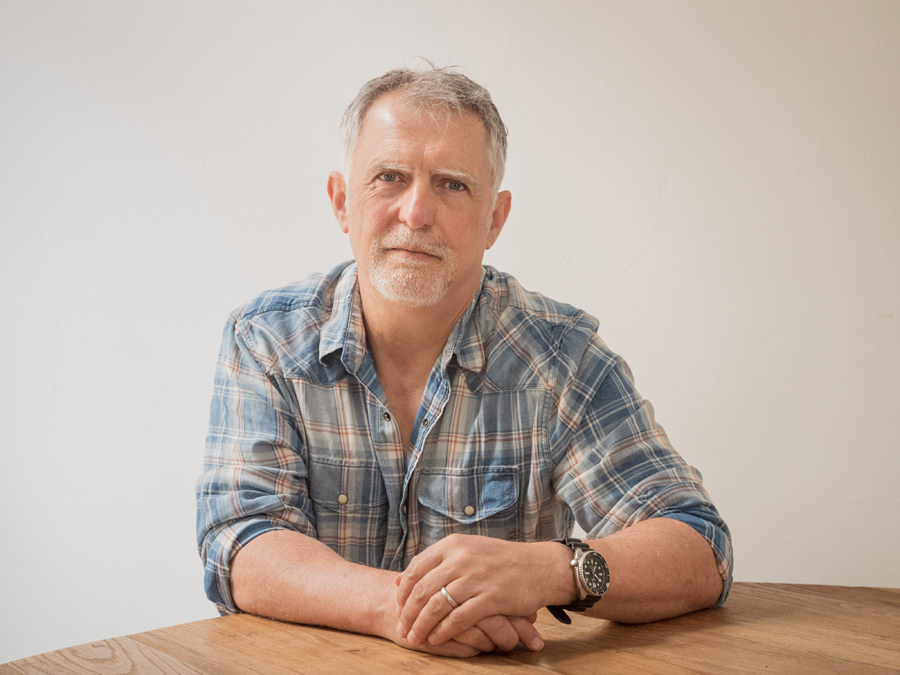
Professor Richelle Mychasiuk, affiliated with the School of Medical Sciences at the University of Sydney, specializes in Sleep Biology and the neurobiological impacts of early life experiences. Her research focuses on how perinatal trauma and adverse childhood events shape neurodevelopment, increasing susceptibility to sleep disturbances, chronic pain, and post-concussive symptomologies in adolescents, with a particular emphasis on sex differences. Education: PhD in Neuroscience Her work explores mechanisms by which early life stressors "under the skin" to alter neuroplasticity and microbiome-gut-brain interactions. She co-founded The GIN hub, integrating Gastroenterology, Immunology, and Neuroscience to study complex chronic disease models. Recent articles highlight her contributions to understanding dietary influences on pain, epigenetic modifications, microbiome depletion effects, and neurovascular interventions in TBI models. Grants: 2025 FMH Start-up Scheme (Faculty of Medicine and Health, University of Sydney) Collaborations: Brain and Mind Centre, University of Sydney; clinical research partnerships for translational studies.
Ben Cosgrove is an Associate Professor in the Meinig School of Biomedical Engineering at Cornell University, serving as Director of Graduate Studies. His research focuses on systems bioengineering approaches to understand muscle stem cell dysfunction in aging and disease. He leads the Cosgrove Lab, a multidisciplinary group integrating biomedical engineering, stem cell biology, and systems biology to study microenvironmental signaling in muscle regeneration. His work includes developing biomimetic microenvironments for stem cell manufacturing and improving regenerative medicine therapies. Dr. Cosgrove holds a B.Eng. from the University of Minnesota (2003) and a Ph.D. in Bioengineering from MIT (2009). Postdoctoral training at Stanford University (with Dr. Helen Blau) followed. His research is supported by NIH grants (including R01, R21), the Glenn Medical Research Foundation, and others. He has been recognized with awards such as the BMES Graduate Research Award (2008), Rising Star Award (2015), and Swanson Teaching Excellence Award (2019). Research interests span bioengineering, biomechanics, computational science, and systems biology. His lab's innovations include spatial transcriptomic mapping and high-yield stem cell expansion platforms. Current projects aim to decode stem cell-niche interactions to treat muscle degeneration and aging. Grants: NIH K99/R00, R01, R21; Glenn Medical Research Foundation Labs/Teams: Cosgrove Lab (Cornell University) Future Work: Expanding applications of spatial transcriptomics and engineering regenerative therapies for muscle diseases
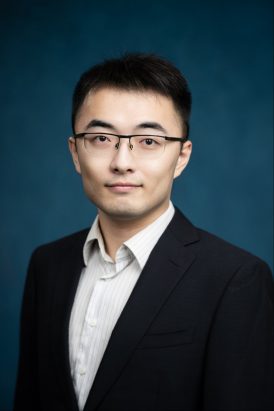
Hang Lu is an Associate Professor in the Department of Communication and Media at the University of Michigan's College of Literature, Science, and the Arts. He specializes in science, health, environmental, and risk communication (ComSHER), with a focus on media psychology. His research explores audience responses to media messages about sensitive topics and strategies to enhance message effectiveness. Lu holds a Ph.D. in Communication from Cornell University (2018), along with advanced degrees from Cornell, Marquette University, and Central South University in China. He directs the Media and Risk (MaR) Lab and previously served as a postdoctoral fellow at the Annenberg Public Policy Center. His research spans four main areas: 1) emotion dynamics in media responses, 2) predictors of information behaviors, 3) media effects on stigmatization, and 4) AI applications in sensitive domains. He has published in journals like Journal of Communication , Risk Analysis , and Public Understanding of Science , earning multiple top paper awards. As Vice Chair of the Environmental Communication Division at the International Communication Association, Lu contributes to interdisciplinary dialogue. His work addresses critical societal issues such as climate change communication, vaccination hesitancy, and emerging technology ethics.
Dr. Xi Chen is a Professor in the Department of Chemistry at the University of California, Davis, where he has been a faculty member since 2003. His research spans carbohydrate chemistry, glycobiology, and cancer biology, with notable contributions to chemoenzymatic methods for glycoconjugate synthesis. Dr. Chen's work focuses on developing hybrid chemical-enzymatic approaches to synthesize complex carbohydrates and glycoconjugates, characterizing glycosyltransferase mechanisms, and designing enzyme mutants for improved catalysis. He also investigates carbohydrate-based diagnostics and therapeutics, particularly in cancer and inflammatory diseases. His recent publications highlight interdisciplinary studies linking carbohydrate metabolism to p53 tumor suppression pathways and RNA-binding protein regulation in cancer. Awards include AAAS Fellow (2015), ACS Isbell Award (2012), and NSF CAREER Award (2006). He earned his Ph.D. at Wayne State University (2000) and B.S. at Xiamen University (1994). Scientific Awards American Association for the Advancement of Science Fellow (2015) Dean's Team Award for Excellence (2013) Carbohydrate Research Award for Creativity (2013) ACS CARB Horace S. Isbell Award (2012)
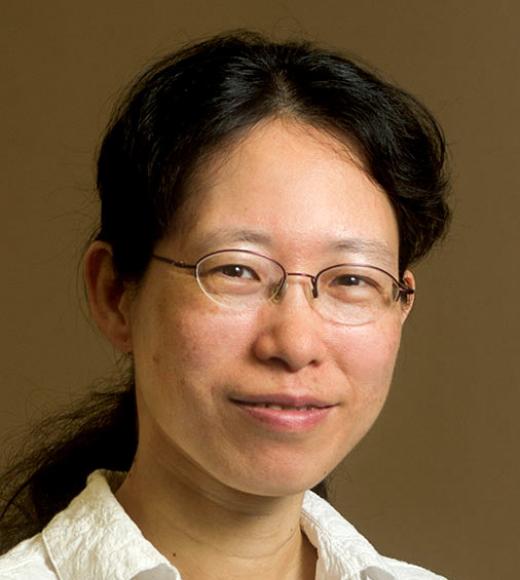
Hong Han is an Assistant Professor in the Department of Biochemistry & Biomedical Sciences within McMaster University's Faculty of Health Sciences and a member of the Centre for Discovery in Cancer Research (CDCR). She holds a Canada Research Chair and leads the Han Lab, which focuses on cancer biology, RNA regulation, and innovative high-throughput technologies for therapeutic discovery. Dr. Han earned her Ph.D. from the University of Toronto (2010-2016) and has established herself as a leading researcher in glioblastoma and alternative splicing regulation. Her interdisciplinary research integrates cancer biology, RNA science, and multilayer gene regulation to uncover mechanisms underlying cancer progression and treatment resistance. Her laboratory pioneers integrated technological platforms for large-scale genetic/drug screening and ultra-high-throughput single-cell profiling. The research focuses on three main areas: alternative splicing regulation in cancer (particularly glioblastoma and prostate cancer), multilayer mechanisms of glioblastoma heterogeneity and microenvironment evolution, and multiplexed screening approaches for therapeutic discovery in treatment-resistant cancers. Analysis of Dr. Han's recent publications reveals a strong emphasis on single-cell technologies to characterize glioblastoma heterogeneity, minimal residual disease states, and tumor-immune interactions. Her work increasingly bridges basic RNA biology with translational applications, particularly in developing novel therapeutic strategies targeting splicing networks and immune evasion mechanisms. Canada Research Chair Dr. Han teaches Advanced Techniques in the Biomedical Sciences (BIOCHEM 734). Her research program is supported by multiple funding sources, as evidenced by her extensive publication record in high-impact journals including Nature, Cell, Molecular Cell, and Nature Communications. She employs a comprehensive approach combining in vitro, in vivo, and patient cohort studies with cutting-edge genomic technologies. The Han Lab has developed innovative multiplexed screening platforms that enable simultaneous interrogation of thousands of conditions, ranging from CAR-T cells to small molecule therapeutics. This approach accelerates the discovery of novel cancer targets and therapeutic strategies for treatment-resistant cancers.
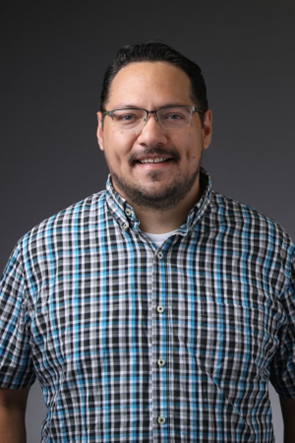
Dr. Rodolfo J. Flores serves as an Assistant Professor in the Department of Psychology within the College of Liberal Arts at the University of Texas at El Paso (UTEP). His primary research investigates neuromodulator function in the prefrontal cortex, with emphasis on acetylcholine and dynorphin systems during motivational conflict, stress responses, and addiction pathways. He employs advanced optogenetic and biosensor technologies to dissect neural circuitry underlying psychiatric conditions. Dr. Flores earned his Ph.D. in Social Cognitive and Neuroscience from UTEP in 2019, followed by postdoctoral training at the National Institute of Mental Health (NIMH). His work bridges molecular neuroscience with behavioral outcomes, focusing on how stress and substance exposure alter prefrontal cortical function. His research portfolio demonstrates consistent high-impact publication in top neuroscience journals including Nature Neuroscience , Neuron , and Psychoneuroendocrinology . Current work examines opioid neuropeptide dynamics, nicotine-alcohol interactions, and sex-specific hormonal influences on addiction behaviors. Methodologically, he specializes in genetically encoded biosensors and circuit-level manipulations to study threat processing and reward pathways. Dr. Flores teaches graduate and undergraduate courses including PSYC 4341 (Motivation & Emotion), thesis/dissertation supervision (PSYC 5395/6395), and research applications courses. His lab actively trains students through undergraduate research (RSRC 4033) and independent study opportunities (PSYC 4352).
Chen Ran, PhD, is an Assistant Professor in the Department of Neuroscience at Scripps Research in San Diego. His laboratory focuses on understanding how the brain processes internal sensory signals from visceral organs, such as hunger, satiety, nausea, and visceral pain. Using advanced techniques like in vivo two-photon calcium imaging, optogenetics, and circuit tracing, his team maps the functional architecture of brainstem circuits responsible for interoceptive processing. Key contributions include the discovery of a 'visceral homunculus' in the brainstem and the development of novel calcium indicators for high-resolution neuronal activity tracking. Education : PhD in Biology, Stanford University (2017) Bachelor of Science in Biology, Peking University (2011) Research Interests : Dr. Ran’s work integrates experimental and analytical approaches to decode how visceral stimuli are transduced into conscious sensations. Current projects investigate the coding logic of mechanical, chemical, and thermal signals from internal organs, with implications for developing therapies for obesity, diabetes, visceral pain, and eating disorders. The lab employs cutting-edge tools to visualize and manipulate neural circuits in awake behaving mice, linking circuit-level activity to physiological states. Awards & Honors : NARSAD Young Investigator Award (2022) NIH K01 Career Development Award (2023) Simons Collaboration on the Global Brain Award (2022) Harvard Brain Science Initiative Award (2021) Grants & Funding : Supported by NIH, Simons Foundation, and private philanthropy, his research bridges basic science and translational medicine. Current grants focus on brainstem circuit mapping and developing therapeutic targets for interoceptive disorders. Labs & Affiliations : Dr. Ran leads an interdisciplinary team at Scripps Research’s Neuroscience Department, collaborating with engineers, geneticists, and clinicians to advance interoceptive neuroscience.
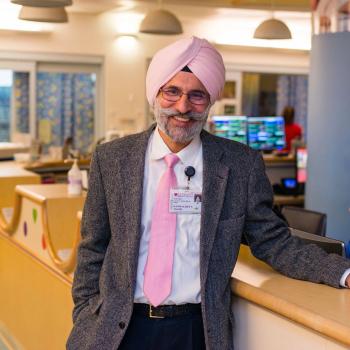
Dr. Kanwaljeet S. Anand is a dual-appointed Professor of Pediatrics (Pediatric Critical Care) and Anesthesiology, Perioperative & Pain Medicine at Stanford University School of Medicine. As director of the Pain/Stress Neurobiology Lab and Jackson Vaughan Critical Care Research Fund, he serves as Editor-in-Chief of Pediatric Research and maintains active membership in Bio-X, MCHRI, and Wu Tsai Neurosciences Institute. Rhodes Scholar with D.Phil from University of Oxford Harvard postdoctoral fellowship and Boston Children's Hospital residency Founded Harmony Health Clinic - Arkansas' largest charitable medical-dental facility A translational researcher with 30+ years of impact, Dr. Anand established the first scientific framework for infant pain perception and developed novel pain assessment methodologies. Current research focuses on: Hair biomarker analysis for stress and social affiliation (cortisol/oxytocin) Machine learning systems for objective pain detection in non-verbal infants Biopsychosocial interventions for stress reduction in disadvantaged youth Neurotoxicity mechanisms of sedatives in developing brains Global NICU opioid usage patterns through the NeoOpioid Consortium His work has yielded over 260 publications and significant advances in: Pediatric pain management protocols Neonatal stress biomarker development Critical care neurobiology insights Community health initiatives AI-driven clinical decision support systems Scientific Recognition 9th Annual 'In Praise of Medicine' Public Address, Erasmus University (2014) Nightingale Excellence Award (2016) Honorary Doctorate from University of Örebro (2019) NIH SBIB-H82 Study Section Chair (2018) Multiple IASP and American Pain Society awards Swedish Academy of Medicine's Nils Rosén von Rosenstein Award (2009) St. Jude Endowed Chairholder (2010) As mentor to Med Scholar Anjali Gupta and advisor to numerous professional bodies, Dr. Anand maintains active clinical leadership in Pediatric Intensive Care while advancing computational approaches to pain detection through collaborations with Stanford's AI researchers.
Istvan Albert is a Research Professor of Bioinformatics at Pennsylvania State University , affiliated with the Department of Biochemistry and Molecular Biology . He leads the Bioinformatics Consulting Center and teaches BMMB 852: Applied Bioinformatics . Research Interests: Specializing in bioinformatics, large-scale biological data analysis, microarray and sequence analysis, scientific programming, algorithm development, and database-driven web development. His work spans gene ontology visualization , RNA-Seq analysis , and coronavirus research . Software Development: Created GeneScape for gene function visualization and bio for bioinformatics workflows. Maintains the Biostar Handbook series and the Biostars Q&A Forum , a leading bioinformatics resource.
Dr. Timur Alexander Yorgan is a prominent researcher at the Department of Osteology and Biomechanics at University Medical Center Hamburg-Eppendorf (UKE). Holding a Dr. rer. nat. degree, he has established himself as a leading figure in bone biology with over 60 publications spanning from 2013 to 2025. His research is deeply integrated with key institutional research areas including the Hamburg Center of Neuroscience and immunology research networks at UKE. Dr. Yorgan's research focuses on skeletal development, bone remodeling, and genetic bone disorders, with particular emphasis on Wnt signaling pathways and their role in bone homeostasis. His work spans multiple approaches from molecular genetics to translational studies, investigating osteoblast and osteocyte biology, genetic mechanisms underlying disorders like osteogenesis imperfecta, and the effects of various mutations on skeletal integrity. Recent research has expanded into the gut-bone axis, mechanobiology of bone cells, and neuro-immune interactions affecting bone metabolism. Analysis of Dr. Yorgan's publication record reveals a consistent trajectory of high-impact research in bone biology. His work increasingly explores interdisciplinary connections between bone metabolism and other physiological systems, with growing emphasis on translational approaches for therapeutic interventions. The research demonstrates sophisticated use of mouse models and molecular techniques to unravel complex bone disorders and identify potential treatment targets. Dr. Yorgan appears to be actively involved in collaborative research across multiple institutions, as evidenced by his extensive publication record with numerous co-authors from various departments and institutions. His work is frequently published in high-impact journals including Journal of Bone and Mineral Research, Nature Communications, and Bone Research. The Department of Osteology and Biomechanics at UKE, where Dr. Yorgan is based, is part of a vibrant research ecosystem that includes the Hamburg Center of Neuroscience and other key research networks focusing on immunology, oncology, and cardiovascular research. This collaborative environment enables interdisciplinary approaches to understanding skeletal disorders and developing novel therapeutic strategies.
Prof. Stephan J. Sigrist is a Full Professor of Genetics at the Institute of Biology, Free University of Berlin. His lab focuses on synaptic active zone architecture, neuroplasticity, and aging-related neurodegeneration. He leads the Collaborative Research Center 958 on Membrane Scaffolding and co-directs NeuroCure, a DFG Cluster of Excellence at Charité. Education: PhD in Molecular Genetics (1997) and Habilitation (2005) from the University of Göttingen. Positions: Einstein Professor (2014–present), Spokesperson CRC 958 (2012–present), and Co-Director NeuroCure (2009–present). Research explores presynaptic mechanisms using Drosophila and mouse models, combined with STED microscopy. Key contributions include discoveries of Bruchpilot's role in active zones and spermidine's protective effects against age-related synapse decline. Grants: Over €6 million in funding, including DFG CRCs, Einstein Foundation, and ERC Advanced Grant (2025). Awards: Einstein Professorship, Best Habilitation Award, EMBO/HFSP Fellowships. Collaborations span structural biology (e.g., Stefan Hell), neurophysiology (David DiGregorio), and aging research (Frank Madeo).
Alicia Che is an Assistant Professor of Psychiatry at Yale University School of Medicine and serves as Director of Graduate Admissions for the Interdepartmental Neuroscience Program. She joined the Yale Department of Psychiatry in 2021 after completing her postdoctoral fellowship with Dr. Natalia De Marco García at Weill Cornell Medical College and Dr. Gord Fishell at NYU. Her research is conducted through the Che Lab at Yale, where she investigates how early life experiences impact brain circuit assembly and mature function in models of psychiatric illness. Yale School of Medicine, Department of Psychiatry Interdepartmental Neuroscience Program Center for Brain & Mind Health Division of Molecular Psychiatry Wu Tsai Institute Yale Center for the Science of Cannabis and Cannabinoids Dr. Che earned her Ph.D. in Physiology and Neurobiology from the University of Connecticut in 2014, where she worked in the laboratory of Dr. Joseph LoTurco. She received her B.S. with triple majors in Biology, Physics, and Physical Chemistry from Pacific Lutheran University in Washington state in 2009. Her research focuses on understanding developmental trajectories following early life experiences to develop diagnostics and early interventions for psychiatric illnesses. Dr. Che's research examines how sensory inputs, social bonding, stress, and substance exposure impact brain development. She employs a multi-dimensional approach to assess transcriptional, circuit, neuronal activity, and behavioral changes across the entire developmental timeline. Her lab currently focuses on four specific areas: the role of oxytocin in social behavior development, circuit dysfunction in PTSD, early-life cannabinoid exposure effects, and the impact of early life stress on development and adulthood. She utilizes advanced techniques including mouse genetics, slice electrophysiology, and longitudinal in vivo 2-photon imaging on behaving animals. Her most recent publications demonstrate significant contributions to understanding neural circuit development, PTSD mechanisms, and the effects of early life experiences on brain function. Her work spans from molecular neuroscience to behavioral outcomes, with publications in top journals including Nature, Neuron, and Nature Communications. Her research has revealed important insights into how translaminar neuronal activity strengthens cortical columns, how oxytocin facilitates social touch development, and how PTSD affects brain transcriptomics. NARSAD Young Investigator Award (2020) K99/R00 Pathway to Independence Award from NINDS (2019) Dr. Che's work has significant implications for understanding and treating neurodevelopmental disorders, PTSD, and the consequences of early life experiences on mental health. She collaborates extensively with researchers across Yale and beyond, with frequent co-authorship with colleagues including Lin Lin, Alex Kwan, and Christopher Pittenger. Her research program bridges basic neuroscience with clinical applications, aiming to translate findings into potential interventions for psychiatric conditions.
Professor Peter Godfrey-Smith holds a half-time position in the School of History and Philosophy of Science at the University of Sydney, alongside his role at the CUNY Graduate Center. He earned his undergraduate degree from the University of Sydney and a PhD in Philosophy from UC San Diego. His research spans the philosophy of biology, animal cognition, and consciousness evolution, with notable books like Other Minds and Metazoa . Key awards include the Royal Society of NSW Medal (2017) and the Lakatos Award (2010) for his work Darwinian Populations and Natural Selection . His fieldwork on octopuses has garnered international attention, exploring their intelligence and implications for understanding consciousness. Peter has taught at Stanford, Harvard, and ANU, balancing academic roles with public engagement through media appearances and podcasts. Education: B.A. University of Sydney; PhD in Philosophy, UC San Diego. Research Interests: Evolution of consciousness, animal minds, cephalopod behavior, philosophy of biology, and interdisciplinary studies on cognitive evolution. Awards: Royal Society of NSW Medal (2017), Lakatos Award (2010), multiple fellowships and recognitions in philosophy and biology. Grants and Advising: While no specific grants are listed, his extensive publications reflect sustained research funding. Advises students in history and philosophy of science, though current names are not provided. Labs/Teams: Engages in fieldwork on octopuses, collaborating with marine biologists and philosophers globally. Active in interdisciplinary research groups studying animal cognition.
Vicente Grau Colomer is a Professor of Engineering Science and Biomedical Image Analysis at the University of Oxford, affiliated with the Institute of Biomedical Engineering. He serves as Director of the Centre for Doctoral Training in Healthcare Innovation and a Professorial Fellow at Mansfield College. His work bridges biomedical engineering, medical imaging, and artificial intelligence. Education: PhD in medical image analysis from Universidad Politécnica de Valencia, Spain. Postdoctoral research at Harvard University and LSU Health Sciences Center. Joined Oxford in 2004, awarded full professorship in 2015. Research focuses on medical image analysis, AI-driven diagnostics, and collaborations between academia, industry, and clinicians. Notable tools include the MSP-tracker software for cellular analysis and advancements in bone marrow fibrosis quantification. Recent articles highlight interdisciplinary efforts in AI applications, MPN pathophysiology, and biomedical software development. Awards include recognition as a Professor at Oxford. Advising: Leads the Healthcare Innovation CDT and mentors students in biomedical engineering. Active in Oxford’s e-Research Centre and Systems Approaches to Biomedical Sciences CDT. Collaborates globally to translate research into clinical solutions.
Kunihiko Kaneko is a Professor at the Niels Bohr Institute, University of Copenhagen, with a distinguished career in theoretical biophysics and complex systems. He received his PhD and MSc in Physics from the University of Tokyo, and has held leadership roles at the Universal Biology Institute and Center for Complex Systems Biology. PhD Physics, 1984 - University of Tokyo MSc Physics, 1981 - University of Tokyo His research spans five primary areas: Universal Biology, Evolutionary Constraints, Ecosystem Dynamics, Neural Cognition, and Universal Anthropology. He has published extensively on multi-level consistency principles, dimensional reduction in biological systems, and reciprocity between robustness and plasticity across scales. Recent publications show strong focus on microbial ecosystems (2025), evolutionary game theory (2025), neural modular architectures (2024), and dimensional reduction in cellular systems (2024). His work bridges physics and biology through dynamical systems theory applied to diverse phenomena from protocells to human societies.