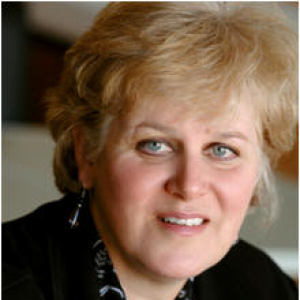
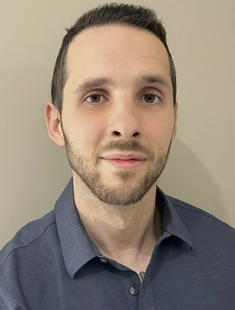
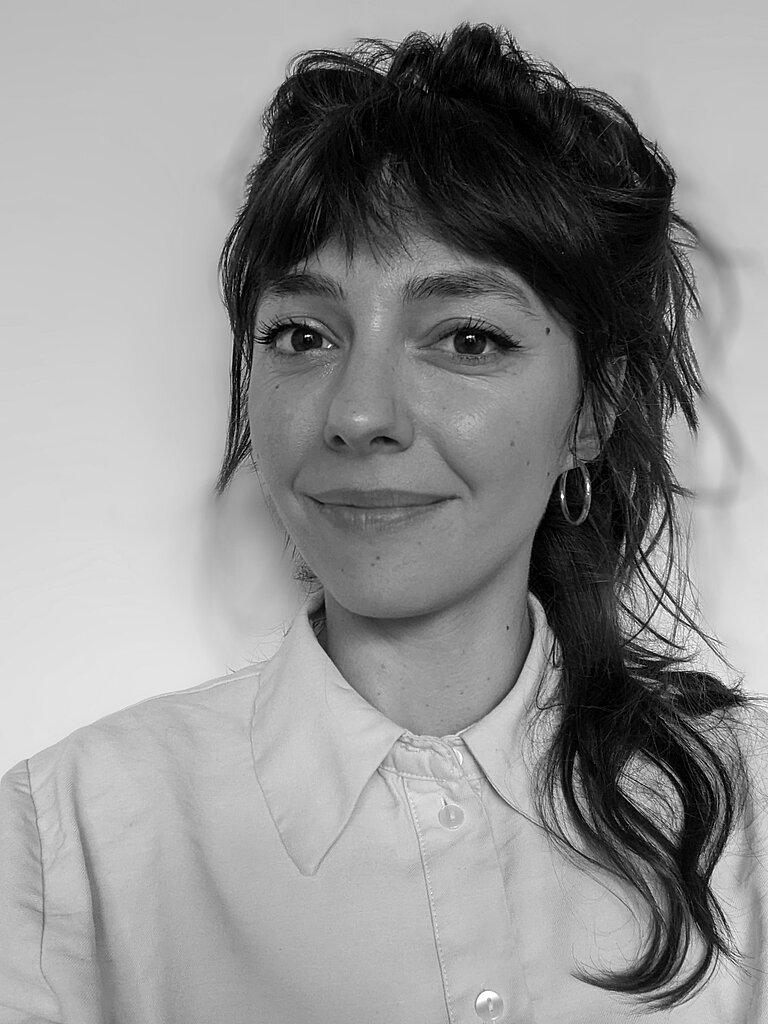
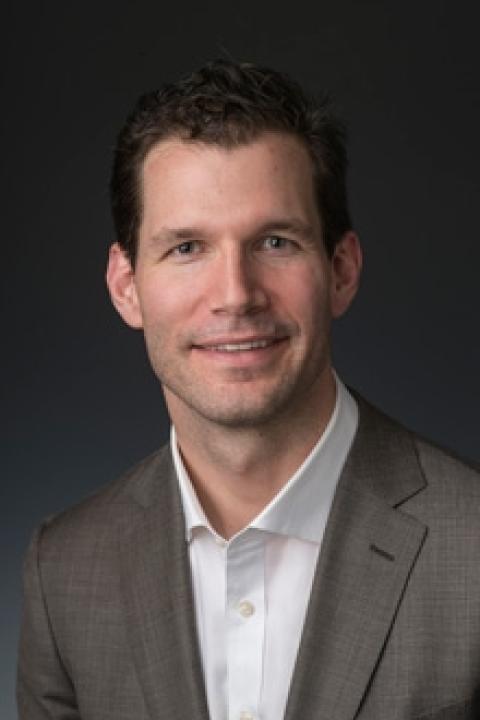
Liza J. Shapiro is a Professor in the Department of Anthropology at the University of Texas at Austin, affiliated with the College of Liberal Arts. Her research focuses on the functional morphology, ontogeny, and evolution of primate locomotion, employing quantitative comparative analysis of musculoskeletal systems in extant and extinct primates alongside biomechanical studies in both laboratory and field settings. Her work emphasizes the vertebral musculoskeletal system in primates and investigates quadrupedal locomotion mechanics. Recent publications explore lemur locomotor mechanics, wild primate limb kinematics, and the role of compliant substrates in augmenting leaping behavior. She has also contributed to debates on hominin locomotor evolution through fossil analysis. Shapiro teaches courses including Primate Anatomy , Biological Anthropology , and Primate Evolution , with active research programs involving collaborations with scholars like Andrew Barr and Brett Nachman. She contributes to the Academic Phylogeny of Biological Anthropology project and maintains field and laboratory research methodologies.
Dean Tantin is a Professor of Microbiology and Immunology at the University of Utah School of Medicine, where his research delves into gene regulation in T cells, stem cells, and cancer. His lab investigates how transcription factors like Oct1, Oct4, and OCA-B control stem-like properties in cells, impacting immunological memory, autoimmunity, and cancer progression. Education: B.S. – University of California, San Diego Ph.D. – University of California, Los Angeles Research Interests: Dr. Tantin’s work centers on understanding how transcription factors regulate cell fate decisions, particularly in T cells and stem cells. His lab explores the roles of Oct1 and Oct4 in pluripotency and differentiation, the function of OCA-B in T cell memory and autoimmunity, and the therapeutic potential of targeting these factors in diseases like multiple sclerosis and type 1 diabetes. A major focus is on how these transcription factors control gene expression programs that endow cells with longevity, self-renewal, and rapid response capabilities. Article Trends: Recent publications highlight a strong emphasis on transcriptional regulation in immune cells, particularly CD4+ T cells, and stem cells. Studies explore how OCA-B and Oct factors influence T cell memory formation, autoimmune responses, and cancer development. The work bridges molecular mechanisms with translational applications, including potential drug targets for autoimmune diseases and cancer. Laboratory and Team: Dr. Tantin leads an active research group at the University of Utah, supported by training grants and core facilities. His lab employs molecular biology, genomics, and in vivo models to dissect transcriptional networks. While specific student names are not listed, his mentorship is evident through his involvement in bioscience PhD programs and collaborative projects.
Laura Korhonen is a Professor of Child and Adolescent Psychiatry at Linköping University , serving as Head of Department of Biomedical and Clinical Sciences (BKV) and leading the national knowledge center Barnafrid . She is affiliated with the Center for Social and Affective Neuroscience (CSAN) and actively contributes to research on child mental health, trauma, and violence prevention. Professor in Child and Adolescent Psychiatry Head of Department of Biomedical and Clinical Sciences Director of Barnafrid National Knowledge Center Active in Center for Social and Affective Neuroscience Teaching roles in medical and psychotherapy programs Her research focuses on psychotic symptoms in children , biomarkers for mental illness , and mental health in refugee populations . She examines the impact of trauma, digital media use, and violence on child development, advocating for early interventions and cross-sector collaboration. Recent publications highlight her work on refugee youth mental health , challenges in ICD-10 coding for child maltreatment , and associations between digital media usage and adolescent well-being . Her team applies mixed-methods approaches to understand non-suicidal self-injury cessation and participatory research methods across Europe. Scientific Awards: Co-investigator in SEK 30 million Forte Council grants (2022) Laura leads Barnafrid , Sweden's national center for child violence prevention, and collaborates internationally through networks like COST Action 19106 . Her work informs European policy guidelines and crisis response frameworks for children in conflict zones.
Lisa A. Cassis serves as Vice President of Research and Professor of Pharmacology and Nutritional Sciences at the University of Kentucky. She holds multiple leadership positions including Co-Director of the Division of Nutritional Sciences and Graduate Faculty in Nutritional Sciences. Dr. Cassis is affiliated with several research centers including the Saha Cardiovascular Research Center, Saha Aortic Center, and serves as an MD/PhD Program Mentor. Dr. Cassis's research program has focused for over three decades on the renin-angiotensin system (RAS) in metabolic and cardiovascular diseases. Her laboratory made the seminal discovery in 1988 that adipocytes express high levels of angiotensinogen, establishing the concept of an adipocyte RAS. In 1999, in collaboration with Dr. Alan Daugherty, her team demonstrated that infusion of angiotensin II to hyperlipidemic mice increases atherosclerosis and causes abdominal aortic aneurysms (AAAs), with their 2000 publication in The Journal of Clinical Investigation becoming highly influential (over 500 citations). Current research emphasizes mechanisms for sex differences in AAA formation and PCB-induced diabetes, particularly examining adipocyte aryl hydrocarbon receptors as mediators of inflammation and insulin resistance. Her work has been continuously NIH-funded since 1988. Analysis of Dr. Cassis's recent publications reveals a strong focus on sex differences in vascular pathologies, particularly abdominal aortic aneurysms. Her research integrates molecular mechanisms with physiological outcomes, emphasizing adipose tissue's role in cardiovascular disease. Recent work explores novel therapeutic targets including serotonin receptors and mitochondrial dynamics in aortic disease progression. The publications demonstrate a progression from foundational mechanistic work to translational applications, with increasing use of advanced techniques like single-cell transcriptomics. 1986 National Research Service Award Postdoctoral Fellowship 1991 IBM Supercomputer Competition, First Place 1992 Research Career Development Award, NIHLBI 2012 Women's Mentor of the Year, Council on Arteriosclerosis, Thrombosis, and Vascular Biology, American Heart Association 2012 Mentor of the year, Center for Clinical and Translational Sciences, University of Kentucky 2012 Council for High Blood Pressure Research Harriett Dustan Award for Excellence in Hypertension Research Dr. Cassis has extensive experience administering major research programs including Director of a multidisciplinary graduate center focused on nutritional scientists, Chair of the Department of Nutritional Sciences, Chair of the Department of Molecular and Biomedical Pharmacology, Director of an NIH T32 on Nutrition and Oxidative Stress, and Director of the Phase II NIH Center of Biomedical Research Excellence on Obesity and Cardiovascular Diseases (COCVD). She has served in numerous leadership roles including as Project Director of a University of Kentucky Superfund Basic Science Research Program focused on polychlorinated biphenyls (PCBs). Dr. Cassis leads the Saha Cardiovascular Research Center and Saha Aortic Center at the University of Kentucky, where her laboratory investigates the intersection of metabolic and cardiovascular diseases. Her team combines molecular, cellular, and physiological approaches to study sex differences in vascular pathologies, with particular emphasis on abdominal aortic aneurysms and the role of adipose tissue in cardiovascular disease.
Dr. Cory L. Cobb is an Assistant Professor at Texas A&M University and a licensed psychologist in Texas. A prevention scientist trained in clinical psychology, he directs a community-centered research program focused on reducing mental-health disparities among Latino populations through culturally sensitive, technology-enabled interventions. Education Postdoctoral Research Fellow, Prevention Science – University of Texas at Austin, 2021 Ph.D., Counseling Psychology – University of Central Arkansas, 2019 M.S., Mental Health Counseling – University of Central Arkansas, 2016 B.A., Psychology – University of Central Arkansas, 2014 A.A., General Education – Pulaski Technical College, 2012 Research Focus Dr. Cobb’s scholarship integrates prevention science and clinical psychology to examine sociocultural determinants of mental and behavioral health in Latino communities. His multi-level investigations span individual, family, and community factors, with a strong emphasis on digital mental-health technologies for scaling evidence-based interventions. He is particularly interested in resilience mechanisms that can be leveraged to offset discrimination, acculturative stress, and limited access to services among underserved Latinos. Scientific Recognition NIMH R34 Grant: “Latino Youth and Family Study-III” APS Rising Star Award – 2025 APA Samuel M. Turner Early Career Award for Distinguished Contributions to Diversity in Clinical Psychology National APA Convention Research Award – 2015 Associate Editor, American Journal of Health Behavior (2023–present) Associate Editor, International Journal of Intercultural Relations (2022–present) Associate Fellow, Texas A&M Telehealth Institute Mentorship & Service Committed to lifelong mentorship, Dr. Cobb trains undergraduate, graduate, and postdoctoral scholars in research design, data analysis, and career development. He fosters inclusive mentoring environments that emphasize publication writing, professional networking, and dissemination of culturally informed science.
Yasser Arafat Payne is a Professor of Sociology & Criminal Justice at the University of Delaware's College of Arts & Sciences, with a joint appointment as an associate professor in the Department of Africana Studies. His academic work focuses on street ethnographic research examining policing and reentry, economic well-being and educational inequality, and gun violence with street-identified Black Americans through the innovative Street Participatory Action Research (Street PAR) framework. Payne earned his Ph.D. and M.Phil. from the City University of New York Graduate Center, an M.A. from Seton Hall University, and a B.A. from Wagner College. His educational background has informed his distinctive approach to studying marginalized communities through the lens of those who live within them. Payne's research program challenges dominant arguments in the literature by asserting that all of the streets of Black and Brown America are resilient. His work focuses on racial identity, street identity, school violence, physical violence, Gangster Rap music and culture, and the methodology of street participatory action research. He has developed Street PAR as a framework that includes three essential features: research orientation, intervention for Street PAR members, and a vehicle for action and activism in local communities. His recent publications reveal a consistent focus on violence exposure, police-community relations, reentry challenges, and resilience among street-identified Black populations. Payne's work spans multiple disciplines including criminology, sociology, public health, and urban studies, with particular attention to the intersection of structural inequality and individual experience. Payne actively engages with media on issues of policing and structural violence, as evidenced by his July 2024 commentary on stop-and-frisk policies for NBC News and his August 2023 presentation to the Wilmington Reparations Task Force. He co-authored the book 'Murder Town, USA: Homicide, Structural Violence and Activism in Wilmington' (Rutgers University Press, 2023), which has become a key resource for understanding gun violence in urban communities. As an educator, Payne teaches specialized courses on street ethnography, Gangster Rap Music and Culture, Racial Stratification, and core courses on Race, Class & Gender and Race, Gender & Poverty. His teaching philosophy centers on bringing the lived experiences of street-identified populations into academic discourse through innovative pedagogical approaches. Payne leads a research lab focused on Street PAR methodology, training community members to document experiences of street-identified Black populations through surveys, interviews, and dual interviews. His approach emphasizes community ownership of research and the transformative potential of participatory methodologies in addressing structural violence.
Dr. Emily K. Simpson is a Professor of Occupational Therapy at Midwestern University's College of Health Sciences-Downers Grove. She serves as Director of Student Research in the Occupational Therapy Doctorate Program and Chair of Admissions. With 20 years of clinical experience in community mental health and 16 years as an educator, her work focuses on marginalized populations. She holds a Ph.D. in Education and Service Leadership from Cardinal Stritch University, an M.S. in Occupational Therapy from the University of Illinois at Chicago, and B.S. degrees in Fine Arts and Developmental Psychology from DePaul University. Her research explores occupational participation among unhoused LGBTQ+ youth, stigma experiences of healthcare providers with addiction, and trauma's impact on occupational engagement. Key areas include identity development interventions, workplace stigma mitigation, and culturally responsive service design. She teaches advanced research courses, psychosocial practice, and occupational justice. Certifications include Lifestyle Redesign programs for chronic pain management. Teaching responsibilities include Research Project Implementation (OTHED 1610), Critical Analysis of Evidence (OTHED 1510), and Occupational Justice (OTHED 1723). Her work bridges clinical practice with advocacy for underserved communities through qualitative research methodologies.
Gwynn Morris is a Professor of Psychology and Department Chair for Psychology & Social Work at Meredith College. She joined the faculty in 2008 and specializes in lifespan development and memory studies, particularly focusing on autobiographical memory retention and childhood amnesia. Her research explores emotional influences on memory narratives in older adults and predictors of early memory persistence. Education: Ph.D. in Psychology, North Carolina State University M.S. in Psychology, North Carolina State University B.S. in Biology, University of North Carolina at Chapel Hill Her research interests center on developmental psychology, cognitive processes in memory, and intergenerational connections. Notable projects include examining language acquisition’s role in childhood memory retention and fall-risk reduction in older adults through community-engaged learning. Grants & Collaborations: Co-PI on $13,000 CIC Intergenerational Connections Grant for home safety modifications and in-home exercise programs targeting socially isolated older adults. She actively presents at conferences such as the American Psychological Association and Eastern Psychological Association, focusing on teaching methodologies, academic self-efficacy, and intergenerational resilience strategies.
Gioele La Manno is an Assistant Professor (tenure track) at the École Polytechnique Fédérale de Lausanne (EPFL), affiliated with the School of Life Sciences (SV) and the Department of Life Sciences Engineering. He leads the Unité du Prof. La Manno (UPLAMANNO) and holds roles in teaching and doctoral education within the SSV-ENS and Programme doctoral Biologie computationnelle et quantitative . His research focuses on single-cell genomics, cellular heterogeneity, and systems biology approaches to study developmental and neural systems. La Manno’s educational background includes a strong foundation in computational and quantitative biology, reflected in his teaching of courses like Biological data science I: statistical learning and Scientific literature analysis in neuroscience . His lab explores interdisciplinary methods combining genomics, epigenomics, and machine learning to dissect cell fate decisions and tissue organization. He actively contributes to doctoral programs, supervising over a dozen PhD students and advising theses on topics ranging from nervous system development to drug sensitivity profiling. His work bridges basic research with translational applications, such as clinically compliant cell cryopreservation for regenerative medicine. La Manno collaborates across EPFL’s Life Sciences Engineering ecosystem, leveraging state-of-the-art technologies like mass spectrometry imaging and single-cell RNA velocity modeling. His lab’s recent studies address lipidome dynamics, glial diversity in the CNS, and the molecular regulation of midbrain dopaminergic neurons.
Dr. Mellinee Lesley is a Professor in the Language, Diversity & Literacy Studies program at Texas Tech University's College of Education. She serves as Associate Vice Provost for Outreach and Engagement, leading the Community Engaged Learning initiative. Previously, she worked as a high school English teacher and directed a developmental reading program. Ph.D. in Language in Education, Reading/Writing/Literacy from University of Pennsylvania M.A. in English, Rhetoric and Teaching of Composition from New Mexico State University B.A. in English from University of Iowa Her research focuses on critical literacy , disciplinary writing , and equity in education , particularly for marginalized student populations. She explores intersections of media literacies , gender identity , and literacy reform in K-12 settings. Recent publications highlight trends in adolescent writing pedagogy , critical media frameworks , and community-engaged scholarship . Her work bridges high-stakes testing contexts with student-centered literacy approaches . Community Engagement Scholarship Award for Exemplary Projects (APLU/W.K. Kellogg Foundation) Fellow of the National Writing Project Dr. Lesley mentors graduate students in engaged scholarship and examines the democratization of knowledge through collaborative research methodologies . She co-founded the Llano Estacado Writers' Alliance to support equitable literacy practices.
Alexandra Schuh is a Postdoctoral Researcher in the Department of Human Origins at the Max Planck Institute for Evolutionary Anthropology in Leipzig, Germany, where she has worked since July 2023. Her research integrates evolutionary anthropology with developmental biology to investigate facial bone growth patterns across hominids. Her academic training includes a Ph.D. in Human Evolution from the Max Planck Institute (2016-2020), a Master's in Biological Anthropology and Prehistory from the University of Bordeaux (2012-2014), and a Bachelor's in Cellular Biology and Physiology from the University of Strasbourg and University of Montreal (2009-2012). She also completed a Fyssen postdoctoral fellowship at the University of Bordeaux (2022-2023). Dr. Schuh's research focuses on facial evolution , ontogeny , Neanderthal anatomy , and the cellular and genetic mechanisms of bone modelling . She employs advanced 3D imaging, geometric morphometrics, and bone histology to analyze developmental processes in human and primate facial skeletons, with particular emphasis on comparative studies between modern humans, Neanderthals, and chimpanzees. Her publication record reveals a consistent trajectory in hominid facial development research, combining microscopic bone analysis with evolutionary morphology. Key themes include the evolutionary roots of human facial gracilization, midfacial growth patterns, and the developmental integration of facial structures across ontogeny and phylogeny. Her scientific recognition includes: Fyssen Foundation Postdoctoral Fellowship (2021) Poster prize at the 1841st Annual meetings of the Anthropological Society of Paris (2016) Dr. Schuh has secured significant research funding including the FACCTS program award ($25,000, 2023) for skull evolution studies and the Grand Projet de Recherche HUMAN PAST (€5,755, 2022). She collaborates with leading researchers like Philipp Gunz and Shara Freidline on projects examining primate skull development and facial gracilization through the DevCel initiative. As an active member of the Department of Human Origins, she contributes to interdisciplinary efforts integrating developmental biology into paleoanthropological frameworks, advancing methodological approaches in fossil hominin analysis through cutting-edge imaging and morphometric techniques.
Andrew D. Coppens, Ph.D., is an Associate Professor of Learning Sciences at the University of New Hampshire, directing the Graduate Programs in Educational Studies. He holds a Ph.D. in Psychology from UC Santa Cruz, focusing on cultural and developmental psychology, learning sciences, and qualitative methods. His research examines cultural processes of learning in non-dominant communities across diverse settings, including rural, middle-class, and Indigenous-heritage communities globally. Key projects include the New Hampshire Youth Retention Initiative (YRI), addressing rural youth futures through NSF, Spencer Foundation, and NH Charitable Foundation grants. Coppens teaches courses on human development, qualitative research, and cultural perspectives in education. Education: Ph.D. in Psychology (Latin American Studies), UC Santa Cruz; M.S. Psychology, UC; B.S. Kinesiology: Outdoor Education, UNH Research interests span cultural child development, qualitative methods, rural education, and children’s prosocial learning. His work emphasizes strengths-based approaches and informal learning contexts, with publications in journals like Social Development and Frontiers in Psychology. Coppens collaborates internationally, contributing to frameworks for rural teacher residencies and youth retention strategies. Recent articles highlight outdoor recreation’s role in STEM equity, socioscientific decision-making, and cross-cultural prosocial behavior. Grants include exploring identity trajectories and STEM pathways in rural areas. The YRI’s interdisciplinary efforts aim to combat human capital extraction in rural communities through sustainable educational pathways.
Lynn Dempsey is an Associate Professor in Applied Linguistics and Associate Dean of Undergraduate Studies in the Faculty of Social Sciences at Brock University. She holds a PhD in Rehabilitation Sciences from the University of Western Ontario (2005), an M.Sc. in Speech-Language Pathology, and degrees in Psychology and Social Work from McMaster University. A certified Speech-Language Pathologist, her research focuses on narrative comprehension in preschool children with and without language impairments, emphasizing story representation, early literacy development, and the application of the ICF framework in clinical assessment. Dr. Dempsey directs the Child Language Laboratory and contributes to the LifeSpan Development Centre. Her teaching spans courses in child language acquisition, language disorders, and clinical evaluation. She has held leadership roles including Chair of the Department of Applied Linguistics (2020-2023), Graduate Program Director, and member of ethics and academic committees. Her publications emphasize methodologies for assessing story comprehension, the impact of play-based interventions, and literacy support for children with hearing impairments. Dr. Dempsey’s work bridges developmental psychology, speech-language pathology, and educational practices. Her research consistently examines how narrative structures, background knowledge, and clinical frameworks influence young children’s language development. Recent studies explore emotion categorization in children’s language and the validity of assessment tools for pre-readers.
Brandon K. Schultz, EdD, NCSP is an Associate Professor in the Department of Psychology at East Carolina University. His research focuses on adolescents with ADHD, developmental behavior disorders, and school-based interventions. He leads federally funded projects including a serious game for ADHD management (www.athemosthegame.org) and innovations to school mental health frameworks. Education: EdD in School Psychology from Indiana University of Pennsylvania; MEd in Educational Psychology and School Counseling from Indiana University of Pennsylvania and Frostburg State University; BA in Psychology from Salisbury State University. Research Interests: Schultz explores academic and social impairments in adolescents with ADHD, emphasizing school consultation and evidence-based interventions. His work integrates technology (e.g., serious games) and systemic frameworks to improve mental health service delivery in K-12 settings. Recent projects address teleconsultation acceptability among school psychologists and long-term treatment compliance outcomes. Grants: Projects funded by the US Department of Education include advancing school mental health systems and developing innovative ADHD interventions. No scientific awards explicitly listed, though his ongoing projects suggest strong recognition in developmental psychology and school-based care. Advising/Grants: Mentors graduate students in school psychology through funded research initiatives. Projects emphasize implementation science and translational research bridging academic theory with school practice. Labs/Teams: Leads interdisciplinary teams focused on school-based mental health innovations, including collaborations with the Interconnected Systems Framework initiative and serious game development for behavioral interventions.
Zheng Zhou is a Professor at the Verna and Marrs McLean Department of Biochemistry and Molecular Biology at Baylor College of Medicine. He is also a member of the Dan L Duncan Comprehensive Cancer Center. His research focuses on the molecular mechanisms of apoptotic and necrotic cell clearance in Caenorhabditis elegans , particularly the recognition, engulfment, and degradation of dying cells. Zhou holds a BS from Fudan University (Shanghai, China) and a PhD in Biochemistry from Baylor College of Medicine. He completed postdoctoral training at MIT and Baylor College of Medicine. His honors include the Norton Rose Fulbright Faculty Excellence Award (2018) and multiple fellowships, including from the Robert A. Welch Foundation and the Rita Allen Foundation. His research interests include understanding how dying cells expose 'eat-me' signals like phosphatidylserine and how phagocytic receptors (e.g., CED-1) mediate clearance. His lab uses genetic screens, live imaging, and molecular tools to study these processes in C. elegans . Recent work highlights roles of calcium signaling in necrotic cell recognition and autophagy-phagocytosis crosstalk in apoptotic cell degradation. Zhou has mentored numerous students and postdocs, including Omar Peña-Ramos (now a postdoc) and Jonathan Pickett. His lab is funded by grants such as an R35 MRA award and an RO1 supplement supporting research on lipid transfer proteins' roles in cell-cell interactions. Labs/Teams: The Zhou Lab at Baylor College of Medicine focuses on programmed cell death and clearance mechanisms. Collaborations include work on dynamin function and signaling pathways in phagocytosis.