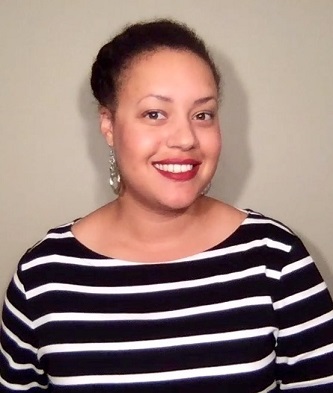
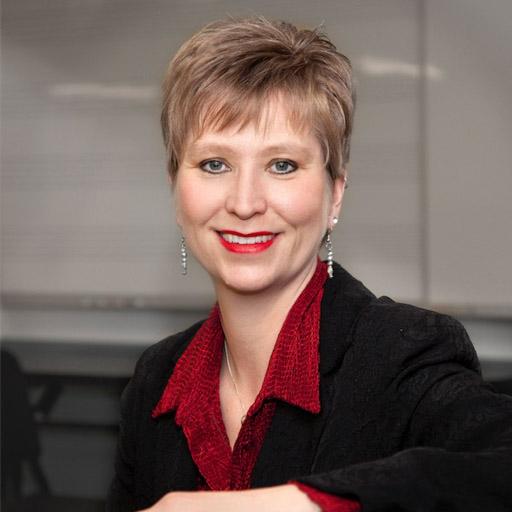
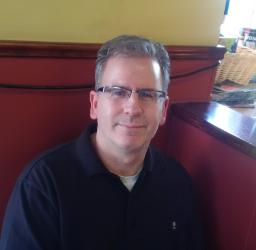
Dana Small, PhD is a Senior Scientist at the RI-MUHC and Professor in the Department of Neurology and Neurosurgery at McGill University . Her research is centered in the Metabolic Disorders and Complications Program within the Centre for Translational Biology . Her research focuses on understanding how body and mind work together to optimize behavior, particularly through neuroimaging, metabolic, and behavioral studies of ingestive behavior. She investigates how modern food environments affect brain evolution and eating behavior. The 15 most recent publications show a consistent focus on food reward mechanisms (2025), nutrient-brain interactions (2024), addiction-genetics relationships (2023), and neural processing of taste and reward (2020-2023). These works appear in high-impact journals like Cell Metabolism and Science .
Danilo Bzdok is an Associate Professor in the Department of Biomedical Engineering at McGill University’s Faculty of Medicine and a Canada CIFAR AI Chair at Mila – Quebec Artificial Intelligence Institute. He holds dual expertise in systems neuroscience and machine learning, with two doctoral degrees: one in neuroscience from Forschungszentrum Jülich (Germany) and another in computer science (machine learning statistics) from INRIA–Saclay and Neurospin (France). His research bridges computational neuroscience and AI, focusing on understanding human intelligence through neuroimaging and biomedical data. Education: PhDs in Neuroscience (Jülich) and Computer Science (INRIA/Neurospin). Postdoctoral training at Harvard Medical School. Current affiliations include McGill University and Mila. Research interests span computational biology, deep learning, LLMs, and their applications in neuroimaging, precision medicine, and neurodegenerative diseases. Over 150+ peer-reviewed publications, with recent work on LLMs in autism diagnostics, brain network modeling, and social neuroscience. Key Awards: Canada CIFAR AI Chair. Lab focuses on interdisciplinary projects like AI4Science, neuroimaging analysis, and AI ethics. Supervises a dynamic team of PhD/Master’s students and postdocs. Collaborations include clinical institutions and industry partners through Mila’s Applied Research programs.
Michelle Cameron is an Associate Professor in the Department of Anthropology at the University of Toronto's Faculty of Arts & Science. She joined the department in 2018 and specializes in skeletal biology and bioarchaeology, integrating skeletal analysis with archaeological and ecological evidence to study human adaptability across diverse environments. Her research explores how environmental and cultural contexts shape human biology through time, focusing on biocultural stressors and skeletal responses. She employs advanced methodologies including 3D modeling, biomechanical analyses, and spatial analysis frameworks to examine human adaptation to environmental challenges. Primary research regions: Africa (South Africa, Namibia, Lake Turkana), North America, Europe Key methodologies: Cross-sectional geometry, skeletal biomechanics, paleodiet reconstruction Dr. Cameron's publications demonstrate expertise in subsistence transitions (herding practices), human evolutionary morphology, and contemporary skeletal biology applications. She maintains active fieldwork programs in southern Africa while engaging in comparative studies across continents. Scientific Awards: SSHRC Insight Development Grant Connaught New Researcher Award Education: PhD, University of Cambridge (2017) As co-host of the YouTube series 'Humans in 5', she actively participates in science communication, distilling complex anthropological concepts into accessible five-minute segments.
Dr. Laurel Young is a Professor in the Department of Creative Arts Therapies at Concordia University, specializing in music therapy with a focus on gerontology, palliative care, and neurodiverse populations. She holds certifications in the Bonny Method of Guided Imagery and Music (FAMI) and has over 23 years of clinical experience across geriatrics/dementia, oncology, HIV care, and developmental disabilities. Her roles have included Professional Leader of Creative Arts Therapies at Sunnybrook Health Sciences Centre and teaching positions at Wilfrid Laurier University and Temple University. Dr. Young’s research spans multicultural competence in therapy, ethical frameworks, and the intersection of music with health and well-being. Key themes include end-of-life care for dementia patients, singing groups for autistic adults, and bereavement support through music. She has published extensively in peer-reviewed journals and books, including editorial leadership for Barcelona Publishers’ Qualitative Inquiries in Music Therapy Monograph Series (2012–2013). Her work emphasizes bridging research and clinical practice, with a focus on marginalized groups such as older adults, individuals with disabilities, and those facing chronic illnesses. Awards include the 2014 CAMT Research & Publications Award and teaching accolades from Wilfrid Laurier and Temple Universities. Current projects explore AI-assisted therapeutic technologies and community-based music interventions.
Robinder P. Bedi is a Professor in the Department of Educational and Counselling Psychology, and Special Education at the University of British Columbia (UBC). He specializes in Counselling Psychology , with a focus on Cultural Psychology , Multicultural Counselling Competencies , and integrating Indigenous Psychologies into Western practices. His work addresses Counselling with Men and Masculinity , Folk Models of Illness , and Cultural Adaptation of Psychotherapy , particularly for Punjabi Sikh and Asian-Indian populations. Research Trends : Recent publications analyze the ideological underpinnings of Western psychotherapy , gender dynamics in Indian counselling , and program evaluations for immigrant/refugee trauma interventions . Subfields include implicit bias in Muslim mental health , substance use recovery metrics , and sexuality counseling pedagogy . Scientific Awards : Michael Smith Foundation for Health Research Scholar Award (2009) Green College Leading Edge Scholar (2015) Killam Laureate (2022) Canadian Psychological Association Fellow (2023) Advising : Mentored students such as Kesha Pradhan (PhD candidate), Syler Hayes (poster awardee), and Graham Haber (SSHRC awardee). His lab promotes multi-level mentorship and co-authorship opportunities. Labs : Leads the Counselling and Psychotherapy Research, Teaching, and Service (RTS) Lab at UBC, which emphasizes critical thinking , cross-cultural research , and integration of traditional healing methods .
Pamela Beach is the Associate Dean, Research and Associate Professor of Language and Literacy at Queen’s University’s Faculty of Education. She holds an MA and PhD in Child Study/Developmental Psychology from the University of Toronto. With nearly a decade of elementary teaching experience, her research focuses on leveraging online and multimedia resources to enhance teacher education and professional development. Key projects include SSHRC-funded studies on teachers’ self-directed online learning, analysis of web analytics for literacy PD platforms, and cross-cultural studies of literacy practices in Montessori and Reggio Emilia schools. Her expertise spans early literacy development, critical literacy integration, and the use of technologies like eye-tracking and virtual classrooms in teacher training. She leads the Literacy Education Research Team, collaborating on projects such as integrating music into literacy education and evaluating virtual classroom tools for teacher candidates. Beach is also the author of Promoting Language and Early Literacy Development (2024), a practical guide for educators and caregivers. Current roles include supervising graduate students in the Language and Literacy program and overseeing research initiatives as Associate Dean. Her work bridges research, practice, and policy to improve literacy instruction and teacher learning in diverse educational contexts.
Angelica Lim is an Assistant Professor of Professional Practice and Rajan Family Scholar in the School of Computing Science at Simon Fraser University. Her research focuses on Human Robot Interaction, Affective Computing, and Multimodal Perception with applications in healthcare and developmental robotics. She holds a PhD in Informatics from Kyoto University (2014), an M.Sc. from Kyoto University (2012), and a B.Sc. in Computing Science from SFU (2008). Her work bridges robotics and human-centered AI through projects like the ROSIE Lab, exploring emotion-aware systems, socially assistive robots, and VR programs for aging populations. Key contributions include benchmarking emotional speech recognition (BERSting), developing embodied emotion models for robots, and co-designing healthcare technologies with patient partners. Recent publications emphasize ethical AI, multimodal perception systems, and human-robot collaboration in dynamic environments. Teaching includes courses on software engineering, artificial intelligence, and introductory computer science. Her research has been applied in dementia care through VR programs, robotic companionship for older adults, and emotion-aware human-robot communication systems. Current initiatives focus on inclusive HRI design and sim2real methodologies for underrepresented data in affective computing.
Martin Mrazik is a Full Professor in the Department of Educational Psychology at the University of Alberta’s Faculty of Education. He holds a PhD in clinical neuropsychology from the University of Georgia and is a registered psychologist (R.Psych.). His primary affiliations include the School and Clinical Child Psychology Program, with professional roles as a neuropsychology consultant to the NHL and CFL. His research focuses on traumatic brain injury, sport concussions, athlete mental wellbeing, and neuropsychological assessment in children with developmental disabilities. Education: BSc, MEd, PhD in clinical neuropsychology. Professional training includes roles as Clinical Director of a Head Trauma Program and Chief Psychologist at the Millard Center in Edmonton. Research emphasizes psychological outcomes of sport concussions, rehabilitation of athletes, and international school psychology applications. Collaborations include CIHR-funded projects and multinational athlete rehabilitation studies. Teaching involves advanced courses in psychological assessment, neuropsychology, and clinical practices. He currently teaches EDPY 518 and EDPY 597 in Fall 2025. As of 2025, he is not accepting new graduate students.
Thomas Schanding serves as Associate Professor and Department Head in the Department of Educational and Counselling Psychology, and Special Education at the University of British Columbia's Faculty of Education. He concurrently directs the Psychological Services and Counselling Training Centre. Previously, he held significant roles including core faculty in Special Education and Associate Director of Outreach and Leadership for the decade-long LoneStar LEND program at the University of Texas Health Science Center at Houston, alongside clinical supervision positions at Baylor College of Medicine/Texas Children’s Hospital. His educational foundation includes doctoral coursework at the University of Southern Mississippi (APA-accredited) and doctoral internship with Cypress-Fairbanks Independent School District (APA-accredited). Doctoral Coursework: University of Southern Mississippi Doctoral Internship: Cypress-Fairbanks Independent School District Dr. Schanding's research centers on social-emotional learning (SEL) and behavioral/mental health (B/MH) through three interconnected pillars: (1) assessment methodologies for SEL/B/MH, (2) evidence-based interventions to enhance youth well-being, and (3) cultural-linguistic considerations in school-community contexts. His clinical expertise spans Autism Spectrum Disorders and 2SLGBTQIA+ youth experiences, operating within Cognitive-Behavioral and Ecological theoretical frameworks. The SMART Lab ( https://blogs.ubc.ca/smartlab ) drives his applied research agenda focusing on inclusive practices and mental health promotion. Analysis of his recent publications reveals consistent emphasis on SEL assessment tools, helicopter parenting dynamics, and diversity-inclusive frameworks in school psychology. Key trends include validation studies of early literacy screeners, exploration of LGBTQ+ mental health predictors, and critical examinations of equity in educational literature, reflecting his commitment to evidence-based social justice. His scholarly contributions have been recognized through: President’s Distinguished Faculty Research Award, University of Houston – Clear Lake (2020) Group Teaching Excellence Award, University of Houston (2011) Early Career Scholar, Society for the Study of School Psychology (2009) As an educator, Dr. Schanding has supervised numerous practicum and intern students across settings including school districts and hospital systems. His leadership extends to directing the Psychological Services and Counselling Training Centre at UBC and previously leading outreach initiatives for neurodevelopmental disabilities through the LEND program. His teaching portfolio includes EPSE 506 (Applied Psychopathology), EPSE 555 (Academic & Social-Emotional Assessment), and specialized courses on Autism Spectrum Disorders. The SMART Lab (Social, Mental health, and Academic Research Team) operates as his primary research vehicle, conducting community-engaged projects on SEL implementation, mental health screening, and culturally responsive interventions for diverse youth populations, with particular attention to inclusive practices for 2SLGBTQIA+ students.
Dr. Xuesen Dong is an Associate Professor in the Department of Urologic Sciences at the University of British Columbia and a senior scientist at the Vancouver Prostate Centre. His research focuses on prostate cancer therapy resistance mechanisms and developing novel therapeutics. His educational background: Medical training in China MSc in Molecular and Cellular Biology, Laval University PhD in Physiology, University of Toronto Postdoctoral training: Samuel Lunenfeld Research Institute (Mount Sinai Hospital, University of Toronto) and Vancouver Prostate Centre Research interests include prostate cancer, therapy resistance, RNA splicing, gene regulation, drug development, hormone-dependent cancers, endocrine regulation, and biomarker discovery. His lab uses RNA sequencing and computer-aided drug design to identify new targets and diagnostics for prostate cancer. Scientific awards and funding: Rising Star Award from Prostate Cancer Canada Continuously funded by Canadian Institutes of Health Research (CIHR) grants since 2005 Dr. Dong supervises graduate students in UBC's Cell and Developmental Biology, Experimental Medicine, and Interdisciplinary Oncology programs. His laboratory at the Vancouver Prostate Centre is dedicated to overcoming treatment resistance in prostate cancer.
Kristin A Andrews serves as Professor of Philosophy and York Research Chair in Animal Minds at York University in Toronto, Canada. She is a CIFAR Fellow in the Future Flourishing program and will join the CUNY Graduate Center as Professor in Fall 2025. Her interdisciplinary work bridges philosophy, cognitive science, and animal ethics to investigate nonhuman animal capacities. Her educational background includes a PhD in Philosophy from the University of Minnesota and an MA in Philosophy from Western Michigan University. Professor Andrews' research centers on the cognitive, affective, social, and cultural capacities of nonhuman animals. She pioneers frameworks for identifying social norms in animal communities, arguing these predate human language. Her work spans animal consciousness, morality, legal personhood, and conservation implications—challenging anthropocentric views through empirical and theoretical analysis. She actively develops implications for animal welfare policy and multispecies ethics. Recent publications (2023-2025) reveal three dominant trends: (1) Advocating for the 'All Animals Are Conscious' hypothesis to shift consciousness science's null hypothesis; (2) Developing dimensional frameworks for cross-species normativity studies; (3) Addressing methodological biases like the WEIRD problem in comparative cognition. Her interdisciplinary approach integrates philosophy, primatology, and cognitive neuroscience. Key honors include: York Research Chair in Animal Minds CIFAR Fellowship (Future Flourishing program) Royal Society of Canada’s College of New Scholars membership (2015) Visiting Professorships at LSE (2021-2022), Ruhr-Universität Bochum (2022-2025), and Università Degli Studi di Cagliari (2023) Professor Andrews coordinates the Greater Toronto Area Animal Cognition Discussion Group and serves on the Borneo Orangutan Society Canada board. She co-authored the New York Declaration on Animal Consciousness—endorsed by 39 scholars—and engages public discourse through media like TVO interviews. Her grant activity focuses on CIFAR-funded projects examining animal social cognition and norm evolution. She leads collaborative initiatives including the 'week of animal social norms' research with international teams studying chimpanzees, dolphins, and rats. Her upcoming book on social norm evolution and ongoing work with the OCTOPUS Act advocacy group demonstrate active research expansion into policy applications.
Jaynie Yang, PhD, is a full Professor in the Department of Physical Therapy, Faculty of Rehabilitation Medicine at the University of Alberta, where she has served since January 1990. She additionally holds adjunct appointments in the Department of Biomedical Engineering and is an active member of the Neuroscience & Mental Health Institute and the Women and Children’s Health Research Institute. She has previously acted as Graduate Coordinator for the thesis-based MSc and PhD programs and as Acting Chair of the Department of Physical Therapy. Education Post-doctoral Fellowship, Neuroscience, University of Alberta (1987–1989) PhD, Kinesiology, University of Waterloo (1987) BSc, Physical Therapy, Queen’s University (1978) Research Interests Dr. Yang’s research centres on how the nervous system controls human walking and how this control is altered following injury to the central nervous system. She investigates three inter-related themes: (1) neural mechanisms underlying gait control in healthy humans and how these are disrupted by spinal cord injury or perinatal brain injury; (2) optimization of task-specific training paradigms—such as intensive early therapy in infants with perinatal stroke or powered exoskeleton training in adults with spinal cord injury—to drive neuroplasticity and improve walking; and (3) developmental aspects of motor learning, comparing how children and adults acquire and retain novel walking patterns on split-belt treadmills. Recent Publication Trends Over the past decade her team has produced a high-impact portfolio that blends mechanistic studies of neural plasticity with pragmatic clinical trials. Common keywords across recent papers include “perinatal stroke,” “cerebral palsy,” “spinal cord injury,” “powered exoskeleton,” “functional electrical stimulation,” and “neuroplasticity.” The work spans bench-to-bedside translation, from rodent studies of critical periods through multi-centre randomized controlled trials evaluating early intensive rehabilitation protocols in infants and gait-retraining paradigms in adults. Current Studies & Funding Multi-centre RCT (Edmonton & Calgary) examining early, intensive leg training in children Cohort studies investigating cortical and spinal neuroplasticity induced by powered exoskeleton (ReWalk, Ekso) training in adults with chronic SCI. Split-belt treadmill studies comparing motor learning retention across children, young adults, and older adults. Laboratory & Team Dr. Yang leads an interdisciplinary group that integrates neurophysiology, biomechanics, and clinical rehabilitation. The lab is embedded within the University of Alberta’s Neuroscience & Mental Health Institute and has active collaborations with the Glenrose Hospital, Alberta Children’s Hospital, and Children’s Hospital of Eastern Ontario. At present she mentors one graduate student and is not accepting additional trainees for the upcoming cycle. Teaching She is the instructor for PTHER 500 – Movement Analysis, a core course in the MScPT curriculum covering mechanical and analytical concepts essential for physical therapy practice (scheduled for Fall Term 2025).
Stephen Schneider is a Professor and Department Chair in the Department of Criminology at Saint Mary's University, Halifax, Nova Scotia. His roles include teaching courses such as Crime Prevention, Organized Crime, and Policing, while leading research projects on community safety, transnational organized crime, and crime prevention strategies. He has held academic positions since 1997, with a Ph.D. in Community and Regional Planning from the University of British Columbia (1997). Education: Ph.D., Community and Regional Planning, University of British Columbia (1997) M.Sc., International Development, University of Pennsylvania (1993) B.A., Political Science, Carleton University (1990) Research Interests: Dr. Schneider focuses on crime prevention strategies, organized crime dynamics, and policing practices. His work includes analyzing transnational criminal networks like the 'Ndrangheta, community safety initiatives (e.g., Wolfville Community Safety Study), and programs like PALS/SMART for at-risk youth. He emphasizes social development approaches to reduce recidivism and promote academic resilience. Key Projects: Wolfville Community Safety Study (2024): Designing a Community Safety Office model 'Ndrangheta in Canada (2022): Examining transnational power shifts Money Laundering in British Columbia (2020): Submitted to the Cullen Commission PALS/SMART Programs: Social developmental initiatives for youth Advising and Grants: Led $400,000 National Crime Prevention Centre-funded PALS program. Co-developed the SMART project, combining tutoring, mentoring, and psychological support for marginalized youth. Involved in federal grants analyzing port vulnerabilities and securities fraud. Labs/Teams: Oversees the Saint Mary’s Academic Resilience Team (SMART), a pilot program integrating academic support and recidivism prevention strategies for disadvantaged youth.
Sunita Mathur is an Associate Professor in the School of Rehabilitation Therapy at Queen's University, affiliated with the Faculty of Health Sciences. She holds a cross-appointment as Associate Director of the School of Rehabilitation Therapy. Her research focuses on improving skeletal muscle function in chronic diseases, including COPD, cystic fibrosis, and critical illness, using non-invasive techniques like MRI, ultrasound, and dynamometry. She co-founded CAN-RESTORE to promote exercise in solid organ transplant recipients and leads the Canadian Donation and Transplantation Research Program (CDTRP) Theme 5. Education: BSc Physiotherapy (Dalhousie University), MSc Rehabilitation (Dalhousie), PhD Human Kinetics (University of British Columbia), and a postdoc at the University of Florida. She supervises students in AGHE PhD and RHBS MSc/PhD programs. Research interests span sarcopenia, muscle dysfunction in chronic illness, and rehabilitation strategies. Her work integrates clinical and translational approaches to enhance patient outcomes through tailored exercise programs and advanced imaging. Key contributions include studies on ICU-acquired weakness, lung transplant rehabilitation, and the role of exercise in improving post-transplant outcomes. She has collaborated on international initiatives like the RECOVER Program to address long-term outcomes of critical illness survivors.
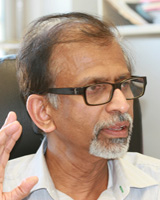
Dr. Raj Rajakumar is an Associate Professor at Western University's Department of Anatomy and Cell Biology, cross-appointed with the Department of Psychiatry. His work focuses on molecular mechanisms underlying schizophrenia symptoms and autism neurobiology, employing animal models to study drug effects and neural signaling. He holds a PhD from the University of Western Ontario, with prior degrees in M.B.B.S. (University of Peradeniya) and M.Sc. (University of Western Ontario). Educations: Ph.D., Anatomy and Cell Biology, University of Western Ontario M.Sc., Anatomy and Cell Biology, University of Western Ontario M.B.B.S., Medicine, University of Peradeniya Research Interests: Molecular pathways in schizophrenia symptom manifestation Neurobiological basis of autism spectrum disorders Pharmacological interventions using antipsychotics and psychotropic drugs Neuroimaging techniques (fMRI, MRS) to study brain connectivity His research combines molecular biology, neuroanatomy, and behavioral assays in animal models to explore schizophrenia pathophysiology. Recent work includes maternal immune activation effects on fetal brain development, cannabinoid impact on executive function, and white matter inflammation in Alzheimer's models. Collaborations with Dr. W.J. Rushlow and others highlight translational research in neuropsychiatric disorders. Key contributions include automated MRI algorithms for medial temporal lobe analysis and longitudinal studies of glutamatergic deficits in schizophrenia. His work bridges basic science with clinical applications in mental health. Dr. Rajakumar's lab focuses on understanding brain circuitry disruptions in psychiatric disorders, with implications for novel therapeutic targets. No formal advisees are listed, but his research team actively engages in interdisciplinary collaborations.