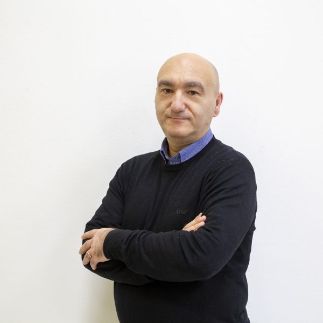
Giovanni Buccino is a Full Professor of Human Physiology at the Faculty of Medicine, San Raffaele University and Magna Graecia University of Catanzaro, specializing in Neuroscience and Neurorehabilitation. His career spans multiple institutions, including the University of Parma and Forschungszentrum Juelich. Education: MD (1989), Neurology Specialist (1993), PhD in Neuroscience (1999), all from the University of Parma. His research focuses on the human motor system, mirror neurons, and neurorehabilitation. Recent articles explore motor imagery, action observation, virtual reality therapy, and semantics. These studies span neurophysiological mechanisms and clinical applications in stroke, Parkinson's, and developmental disorders. Scientific Awards: Theodor von Karman fellowship (2016) Buccino has held teaching roles since 1993, including Associate Professor positions in Neurology and Human Physiology. He actively participates in doctoral programs such as the Cognitive and Behavioral Sciences PhD at San Raffaele University and the Biomarkers of Chronic Diseases program at Magna Graecia University. His work bridges fundamental and applied research in motor and cognitive neuroscience.
Olena Vyacheslavivna Gavrylenko serves as a Senior Lecturer at Zaporizhzhia Polytechnic University, specifically within the Department of Special Education under the Faculty of Special Education and Physical Culture. With a background in defectology, speech therapy, and preschool education from Berdyansk State Pedagogical University (graduated 2006), she has dedicated her career to advancing specialized educational practices for children with speech disorders. Her research interests focus on innovative approaches to speech therapy and special education, particularly examining correctional and developmental work with children who have severe speech disorders, the formation of speech competence in preschool children through linguodidactic technologies, and the integration of information and communication technologies in special education settings. Her work bridges traditional speech therapy methodologies with modern technological approaches to create more effective interventions. Analysis of her publication record reveals a consistent focus on practical applications of speech therapy techniques, with increasing emphasis on technology integration in recent years. Her research demonstrates a progression from foundational computer literacy in early childhood (2010-2013) toward more sophisticated applications of sensory tools and narrative techniques for speech development (2021-2022), reflecting evolving approaches in special education. Dr. Gavrylenko teaches courses including Speech Correction Techniques, Speech Therapy Technologies, Logarithmics with Methodology, and Differential Diagnostics and Logoprophylaxis of Speech Disorders in Young Children. Her ORCID identifier is 0000-0002-6244-1835 and she maintains a Google Scholar profile (TX_ycgEAAAAJ), indicating her active engagement in academic scholarship within her field.
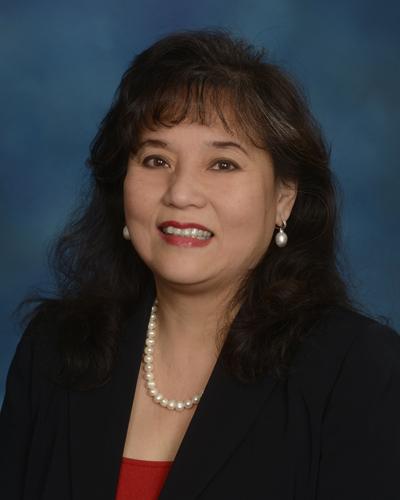
Linda Chang, MD, MS is a Professor at the University of Maryland School of Medicine in the Department of Diagnostic Radiology and Nuclear Medicine . She also holds an Adjunct Professor position at the Johns Hopkins University School of Medicine . Dr. Chang is internationally recognized for her work in advanced neuroimaging and genetics to study HIV-related neurological disorders , substance use , and brain development/aging . BS in Biochemistry, University of Maryland College Park MS in Physiology and Biophysics, MD from Georgetown University Neurology Residency and Fellowships at UCLA Her research spans machine learning for brain injury assessment , MR-guided focused ultrasound to eliminate HIV reservoirs , and multimodal MRI in working memory training . She leads the ABCD Study at University of Maryland with $21M+ NIH funding. Recent publications focus on HIV and Alzheimer's interactions , sleep disruption , and neuroinflammation . A NIDA Avant-Garde Award recipient, she has served NIH councils and journals as Associate Editor for Frontiers in Neurology . Labs include Center for Advanced Imaging Research and teams with experts like Thomas Ernst, Christine Cloak , and Muhammad Saleh . Her work combines clinical trials , animal models , and population studies to address neurodegenerative and developmental disorders .
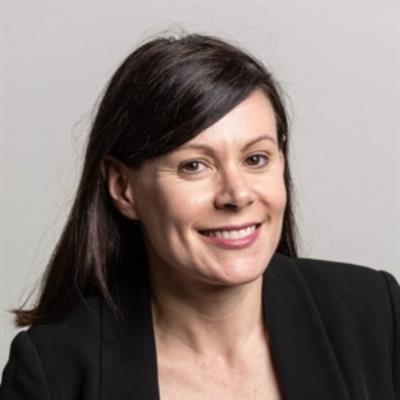
Professor Angela Morgan is the Group Leader of the Speech & Language research team at the Murdoch Children's Research Institute. Her work focuses on genetic mechanisms underlying childhood speech and language disorders, with particular expertise in neurodevelopmental conditions such as childhood apraxia of speech, stuttering, and genetic syndromes affecting communication. She holds the academic rank of Professor and serves as a Senior Principal Research Fellow. Her primary research domains include: Genomic medicine applications in speech pathology Neurogenetic bases of communication disorders Phenotypic characterization of rare genetic syndromes Development of clinical frameworks for childhood speech disorders Publications (2015-2025) demonstrate consistent focus on genetic architectures of speech disorders, neurodevelopmental trajectories, and clinical translation. Recent work emphasizes large cohort studies, genotype-phenotype correlations, and diagnostic guideline development. Article keywords frequently involve neurogenetics, epigenetic regulation, and neurorehabilitation.
Rebecca Gomez is a Professor in Cognition & Neural Systems at the University of Arizona's College of Science, where she also serves as Associate Dean for Undergraduate Student Success. She directs the Child Cognition Lab, focusing on statistical language learning, semantic integration, and sleep's role in memory formation in infants and young children. Her work bridges developmental psychology, cognitive neuroscience, and clinical applications. Education: B.A. in Philosophy (1985), New Mexico State University M.A. in Experimental Psychology (1989), New Mexico State University Ph.D. in Experimental Psychology (1995), New Mexico State University Research Interests center on statistical language learning in infancy, semantic integration in toddlers, and the interplay between sleep and memory consolidation. Her studies explore how sleep affects retention of learned information across developmental stages. Publication Trends reveal a focus on developmental cognitive neuroscience, with keywords spanning sleep research, language acquisition, and memory mechanisms. Sub-fields include nonadjacent dependency learning, nap effects, dialect-specific rules, and hippocampal development. Scientific Recognition : 2013 Research Paper Award, Journal of Speech and Hearing Research Minority Postdoctoral Research Fellowship (1996) Teaching includes courses like PSY 240 (Child Development), PSY 340 (Cognitive Development), and PSY 596F (Developmental Cognitive Neuroscience), reflecting her expertise at the intersection of psychology and neuroscience.
Luísa Ribeiro is an Assistant Professor at the Faculty of Education and Psychology , affiliated with the Research Center for Human Development (CEDH) at Universidade Católica Portuguesa. Her work bridges psychology and educational research, focusing on developmental studies, language acquisition, and psychosocial factors in learning environments. Education: PhD in Psychology from University College London (2007), specializing in object relations in personality disorder. Research Interests: Her work spans developmental psychology, language development, and personality disorder analysis. She explores socioeconomic disparities in education, mindfulness interventions for adolescents, and the interplay between parental behavior and academic outcomes. Recent projects examine burnout predictors in industrial settings and digital dependency in family dynamics. Article Trends: Her publications emphasize longitudinal studies, psychometrics, and case-based approaches. Key themes include early childhood education, stress vulnerability, and service-learning integration in academic curricula. Supervised Work: She has advised studies on digital dependency, financial anxiety in families, and noise-stress relationships in industrial contexts, mentoring students like Ferreira, M. M. and Reis, S. F. Labs & Collaborations: As part of CEDH, she collaborates on interdisciplinary projects, including the Transform4Europe alliance, focusing on mental health, psychosocial risks, and educational innovation through service-learning frameworks.
Assoc. Prof. Polina Mihova, PhD is a faculty member at New Bulgarian University (NBU) in the Department of Healthcare and Social Work. Her academic career spans over two decades at NBU, where she serves as Associate Professor in Public Health (since 2021) and Head of Department (since 2023). Doctoral degree in Medical Informatics (2014) Master's degrees in Medical Computer Technologies (2006) and Speech Pathology Rehabilitation (2020) Bachelor's in Medical Computer Systems (2004) Her research focuses on medical informatics, telemedicine systems, healthcare information security, and digital interventions for autism spectrum disorders. She has contributed to international telemedicine standards and clinical process management through 10+ EU projects including e-KINE, EuRiCa, and DAAD-funded initiatives. The 15 most recent publications highlight her work in telemedicine evolution (2025), ASD digital interventions (2024-2023), pandemic-era education adaptations (2023), and serious games for developmental therapies (2022-2021). These works span keywords including Telemedicine, Medical Informatics, Autism Spectrum Disorders, and Digital Health Interventions. As a certified Board Certified Telehealth Professional (BCTP®-III) and active participant in organizations like American Telemedicine Association, she bridges clinical needs with technology while ensuring compliance with GDPR and HIPAA standards.
Ellen Rombouts is a tenure track lecturer at KU Leuven's Faculty of Medicine within the Department of Neuroscience. She is an active member of the Experimental Oto-rhino-laryngology Research Group and holds dual affiliations with the LBI - KU Leuven Brain Institute and the LILI – KU Leuven Interdisciplinary Language Institute. Her academic governance roles include membership on the Faculty Council of Medicine, POC Speech Therapy and Audiology, and Departmental Council of Neurosciences. Her research centers on speech and language pathology with specialized focus on bilingual language development and disorders. She pioneers diagnostic protocols for Developmental Language Disorder (DLD) in multilingual children, investigates gesture-based communication strategies for individuals with Down syndrome and stuttering, and applies neuroimaging techniques like fNIRS and EEG to study language processing. Her work bridges clinical practice, neuroscience, and assistive technology development. Recent publications (2024-2025) reveal strong thematic continuity in bilingual language assessment, highlighted by the PITTO diagnostic protocol development. She demonstrates innovative integration of gesture comprehension tasks for DLD screening and explores AI applications in language support systems. Her research consistently addresses practical clinical challenges while advancing methodological approaches in neuroimaging and cross-linguistic assessment. As co-promoter on multiple funded projects, she leads research on non-invasive brain activity measurement using fNIRS (2023-2024), develops evidence-based language assessment protocols for bilingual children with DLD (2021-2025), and previously investigated stuttering-gesture interactions in Down syndrome (2018-2022). Her grant portfolio reflects sustained focus on translational research with clinical impact. Dr. Rombouts contributes to interdisciplinary research ecosystems through the Experimental Oto-rhino-laryngology Research Group, KU Leuven Brain Institute, and Interdisciplinary Language Institute, fostering collaborations that integrate linguistic, neurological, and clinical perspectives on human communication disorders.
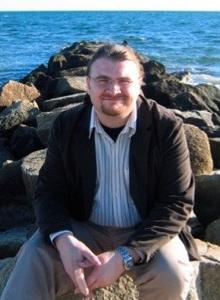
Michael F Armey is an Associate Professor (Research) in the Department of Psychiatry and Human Behavior at the Warren Alpert Medical School of Brown University, affiliated with Butler Hospital. He co-directs the Cognition, Emotion, and Life experiences (CEL) Lab and serves as Associate Director of the Consortium for Research Innovation in Suicide Prevention (CRISP). His work integrates ecological momentary assessment (EMA) with bio-behavioral methods, including psychophysiology, fMRI, and implicit bias paradigms, to study suicidal and non-suicidal self-injury (NSSI) mechanisms. Education: PhD (2009) and MA (2004) from Kent State University; BA (1999) from Kenyon College Armey's research focuses on ecological momentary assessment of proximal risk factors for suicide, emotion regulation, and technology-delivered interventions. He has developed mobile apps like Mobile Application to Prevent Suicide (MAPS) and employs machine learning to predict suicidal ideation. His work bridges clinical psychology with digital health innovations. Recent publications highlight collaborations with researchers like Heather Schatten and Nicole Nugent, emphasizing mobile technology in suicide prevention and EMA methodologies for affect tracking. Grants include NIH R01 awards for sleep disruption impacts on suicide risk and cannabis use studies in trauma-exposed adolescents. Teaching roles include Introduction to Clinical Psychology at Brown's Summer@Brown program and cognitive behavioral therapy courses at Connecticut College. He collaborates with faculty across departments, including Bertram Malle (Cognitive Sciences) and Ivan Miller (Psychiatry), and contributes to cross-institutional initiatives like the Military Suicide Research Consortium.
Sharon Christ is an Associate Professor in the Department of Human Development and Family Science at Purdue University, with joint appointments in the Department of Statistics, College of Science, and courtesy appointments in the Department of Speech, Language, and Hearing Sciences. She serves as Co-Director of The Methodology Center at Purdue (MCAP) and is actively involved in research focusing on statistics, statistical modeling, adolescent development, and aging. Her work spans multiple research areas including Health and Well-Being, Interpersonal Relations, and Military Families. Dr. Christ received her PhD in Sociology from the University of North Carolina in 2008, an MS in Statistics from the same institution in 2004, an MA in Sociology in 2002, and a BA in Sociology & Political Science from the University of Minnesota in 1994. Her research primarily focuses on applications in the social, behavioral, and health sciences, with expertise in structural equation modeling (SEM) with latent variables, multilevel (mixed effects) models, longitudinal modeling, and analysis of complex sample data. She investigates measurement of social constructs, missing data, and selection problems, often using large nationally representative datasets as well as data from observation and experimental designs. A significant portion of her recent work examines child maltreatment experiences in adolescence and their impacts on well-being outcomes including academic achievement, aggressive behaviors, and mental health. Analysis of Dr. Christ's recent publications reveals a strong focus on developmental language disorders, military family research, and statistical methodology. Her work increasingly integrates retrieval practice techniques for language learning in children with developmental disorders, examines long-term trajectories of mental health outcomes in military families, and investigates the relationship between physical activity, stress, and health outcomes in diverse populations. There's a clear interdisciplinary trend across her publications, bridging statistics, psychology, speech-language pathology, and military family research. Dr. Christ has received numerous awards and honors including: University Faculty Scholar, Purdue University (2022-present) Christine M. Ladisch Faculty Leadership Award, Purdue University (2022) Faculty Leadership Academy for Interdisciplinary Research (FLAIR) Fellow, Purdue University (2020) Honorable Mention for Disruption Paper Competition, National Foundation to End Child Abuse and Neglect (2019) College of Science Team Award for Statistics Living Learning Community, Purdue University (2015) Center for Aging and the Life Course Outstanding Professor Award for Exceptional Teaching and Mentoring of Emerging Scholars in Aging, Purdue University (2014) Dr. Christ actively mentors graduate students and is accepting applications for the December 1, 2024 deadline. She has secured significant research funding, including as Co-Principal Investigator for the 'Interdisciplinary Summer Institute on the Analysis of Complex, Large-Scale Longitudinal Data' from the National Institute on Drug Abuse ($365,129, 2024-2027) and as Co-Investigator on multiple substantial grants from agencies including the U.S. Army Medical Research & Development Command, National Institute on Deafness and other Communication Disorders, and Eunice Kennedy Shriver National Institute of Child Health and Human Development. Dr. Christ is affiliated with several research centers at Purdue including the Center for Families, The Military Family Research Institute, The Methodology Center at Purdue (MCAP), and the Center on Aging and the Life Course. These affiliations support her interdisciplinary research on family dynamics, military families, statistical methodology, and aging processes.
Sohyun Meacham is a Professor and Associate Dean for Graduate Studies and Research at the University of Northern Iowa (UNI) College of Education. She coordinates the EdD Program and teaches courses such as Children's Literature , Early Literacy Methods , and Qualitative Research Methods . Her work bridges literacy, multicultural education, and play-based learning. Research Focus: Meacham centers on language development in classrooms , representation in children’s literature , and teacher education practices . Her scholarship examines racial/cultural identity in Asian American families, disability portrayal in award-winning picturebooks, and the impact of play on literacy outcomes. She employs collaborative self-study and qualitative methods to address systemic oppression in academia. Key Publications include studies on multiracial identity in picturebooks, dual language learners’ needs, and Reggio Emilia-inspired approaches to literacy. She co-authored Methods of Teaching Early Literacy (2023), an open-access textbook, and explored the integration of technology in early childhood education. Professional Contributions span collaborations with international institutions like Reggio Children and publications in journals such as Qualitative Inquiry and Early Education and Development . Her work emphasizes transformative pedagogy, cultural responsiveness, and sustainability in teacher education.
Juliane Britz is a Lecturer at the Department of Psychology, Faculty of Letters and Human Sciences, University of Fribourg. Her research focuses on the interplay between brain and body in conscious awareness, particularly through EEG microstate analysis and multimodal investigations of interoceptive signals. Current project: BBC - Brain, Body and Consciousness (2019-2025) examining how bodily rhythms (heartbeat/respiration) interact with brain activity in perceptual awareness. Key methodologies: Simultaneous EEG-ECG-respiration recording, source reconstruction, network dynamics modeling. Research Focus Her work bridges cognitive neuroscience and physiological psychology, exploring: Temporal organization of EEG microstates in health and neurological disorders Brain-body interactions in sensory threshold perception Embodied semantics in language processing Neural dynamics during propofol-induced unconsciousness Publication Trends Recent articles reveal a trajectory from basic neural dynamics (2008-2011) to translational applications in schizophrenia vulnerability markers (2014) and anesthesia research (2022), culminating in current investigations of interoceptive influences on consciousness (2024). Contact Email: juliane.britz@unifr.ch Office: RM 01 bu. C-4.110, University of Fribourg
Dr. Joshua John Diehl serves as the Chief Program Officer for Child & Adolescent Services at LOGAN Center and holds a concurrent appointment as a Senior Research Associate at the University of Notre Dame. His work focuses on autism spectrum disorder (ASD), emphasizing family-centered interventions and technology integration in clinical settings. Education: BA in Psychology from Princeton University, PhD in Clinical Psychology from the University of Rochester (LEND fellowship). Research spans prosody analysis , robotics for ASD treatment , and social-communication dynamics , with publications across Psychology, Robotics, and Speech-Language Pathology. Current affiliations: Indiana Providers of Ethical Autism Treatment, Camp Millhouse, Chosen Vision, and the Michigan Behavior Analysis Providers Association (founding member). His interdisciplinary research has secured significant grants, including an NIH R01, and has been featured in major media outlets. Dr. Diehl's clinical expertise includes childhood neuropsychiatric disorders and developmental disabilities.
Professor Ross G. Menzies is a leading academic and clinician in Cognitive Behavioral Therapy (CBT) and existential psychology , currently serving as Professor of Psychology at the Graduate School of Health, University of Technology Sydney (UTS) . He previously held the position of Associate Professor in Health Sciences at the University of Sydney for 28 years (1990–2018). Education : B.Sc (Psychology, First Class Honours), M.Psychol (Clinical Psychology, First Class Honours), and PhD in Clinical Psychology from the University of New South Wales (UNSW) . His research spans anxiety disorders , OCD , depression , and stuttering , integrating CBT with existential concerns . He has pioneered treatments like the DIRT package for OCD and syllable-timed speech interventions for stuttering . Recent publications focus on existential threats in psychopathology, cross-cultural anxiety assessments , and process-based therapy frameworks. Professor Menzies has secured over $7 million in national competitive research grants and authored 200+ peer-reviewed manuscripts . He held leadership roles in organizations like the Australian Association for Cognitive and Behavioral Therapies (AACBT) and the World Confederation of Cognitive and Behavioral Therapies (WCCBT) . His clinical practice addresses global patients through in-person and Skype-based therapy , with a focus on relationship problems and mental health .
Ana Manzano León serves as an Assistant Professor in the Department of Psychology at the University of Almería, teaching core courses in Primary Education, Social Education, and Educational Psychology programs including Specific Educational Support Needs, Practicum II, and specialized interventions for hearing/language disorders. Her research centers on Educational and Developmental Psychology with critical focus areas in Special Educational Needs , Language Disorders , and Sensory Disabilities . As an active member of the Human Development and Socio-Educational Intervention (HUM878) research group under José Manuel Aguilar Parra, she develops assessment frameworks for diverse populations across age groups. Professor Manzano León maintains structured virtual tutoring via appointment (aml570@ual.es) with dedicated hours Monday-Friday. Her socio-educational intervention work addresses children, youth, adults, and seniors through evidence-based programs developed within the HUM878 research collective.