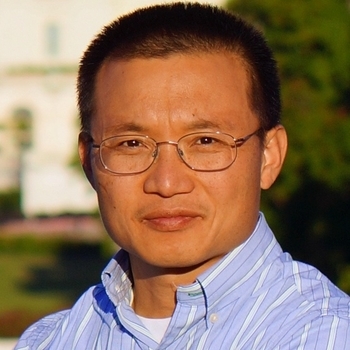
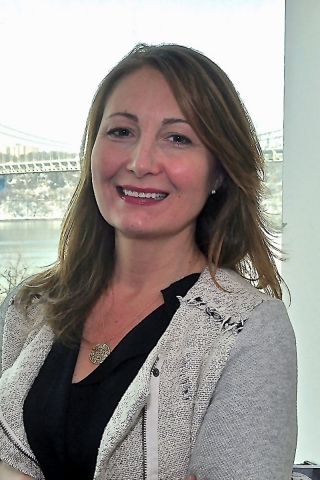
Zhong Wang is a Professor in the Department of Cardiac Surgery at the University of Michigan Medical School. His research focuses on epigenetic regulation in heart disease, repair, and regeneration, with a particular emphasis on histone acetylation, fibroblast reprogramming, and bioengineering strategies for cardiac cell therapy. He is located at the NCRC, Building 26, Ann Arbor, Michigan. Email: zhongw@med.umich.edu Research Areas: Biomaterials, Drug Delivery, Functional Imaging, Tissue Engineering The Wang laboratory investigates three key directions: (1) cross-talk between histone acetylation and acetyl-CoA metabolism in heart repair; (2) epigenetic mechanisms for fibroblast-to-cardiomyocyte reprogramming; and (3) bioengineering approaches combining cell therapy with biomaterials. His recent work spans AI-driven drug discovery, chromatin remodeling, and metabolic reprogramming for cardiovascular applications. Scientific efforts under his leadership address critical challenges in donor heart preservation, ischemic injury, and regenerative therapies. The lab employs advanced techniques including condensation analysis, multi-omics integration, and scaffold design for tissue engineering.
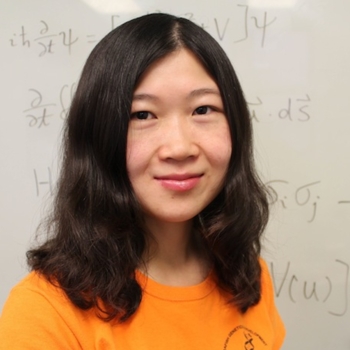
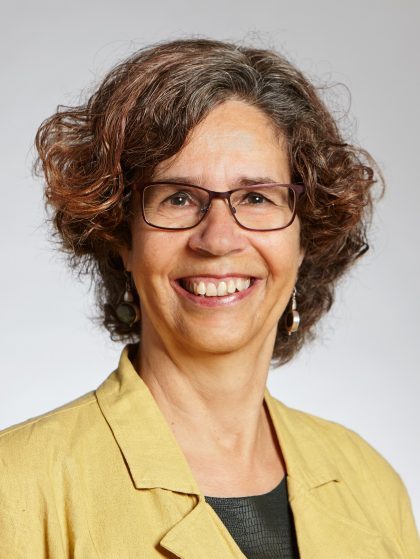
Qiong Yang is an Associate Professor of Biophysics at the University of Michigan. She leads the Yang Lab, which focuses on interdisciplinary biophysics research, particularly in understanding self-organization during early embryo development in zebrafish and Xenopus. Her work integrates modeling, molecular biology, microscopy, and biomechanics to study biological clocks, cell cycles, and segmentation clocks. The lab is affiliated with multiple departments, including Biophysics, Physics, and Cell and Developmental Biology. Education: PhD in Physics from MIT, Postdoc at Stanford University with the Damon Runyon Cancer Research Foundation. Affiliations: Biophysics, Physics, Applied Physics, Center for the Study of Complex Systems. Research interests include quantitative analysis of biological oscillators, synthetic cell systems, and the interplay between mechanical forces and developmental processes. Recent projects involve microfluidics-based assays and droplet-based artificial cells to study cell cycle dynamics and segmentation clocks. Key awards include the Sloan Fellowship (2017), NSF CAREER Award (2015), and NIH MIRA Award (2016). Her team has published extensively on topics like coupled oscillators and substrate rigidity effects in development. Teaching responsibilities include courses on biophysical microscopy, modeling, and dynamical processes. The lab actively engages in outreach, including science demonstrations at museums and K-12 programs.
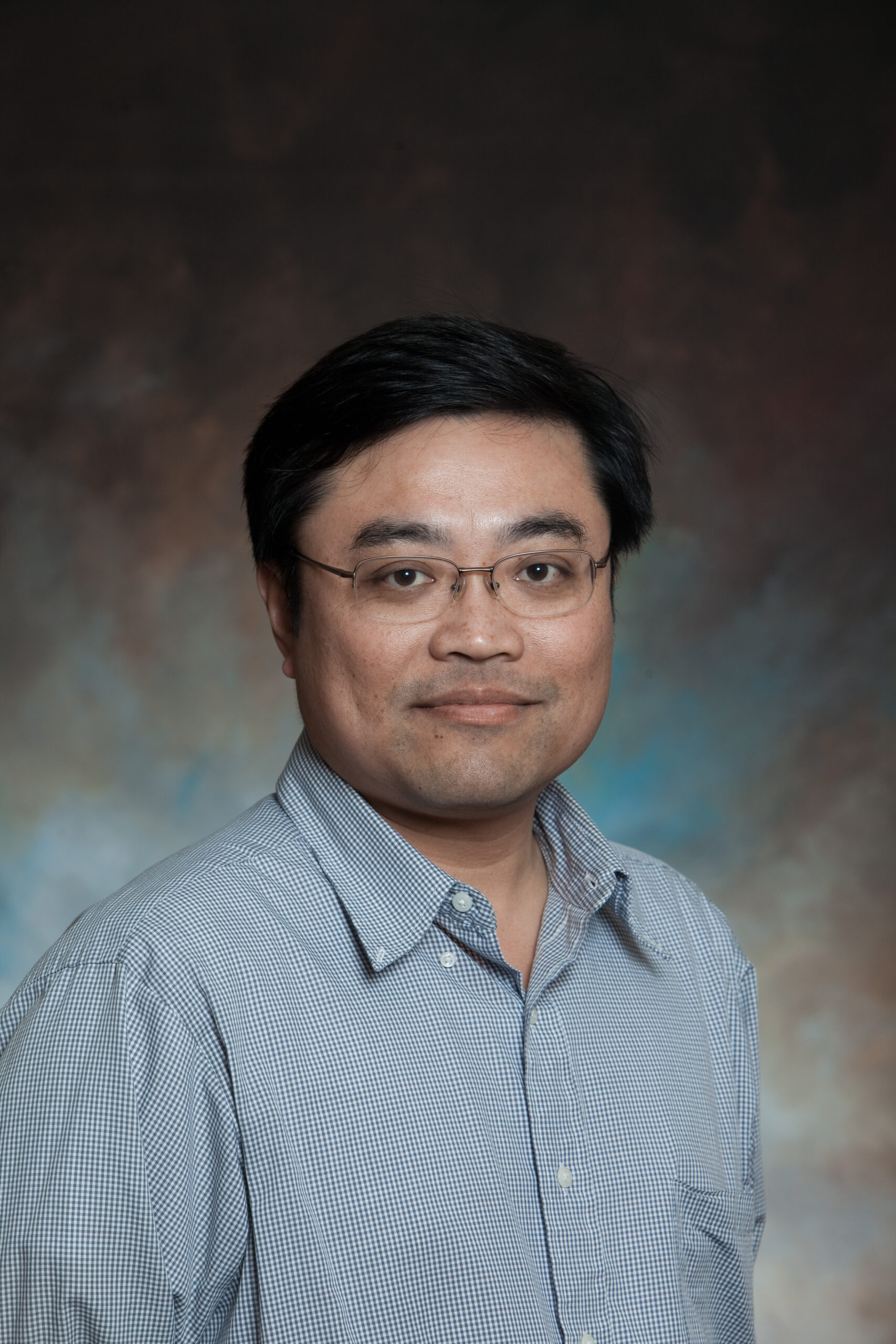
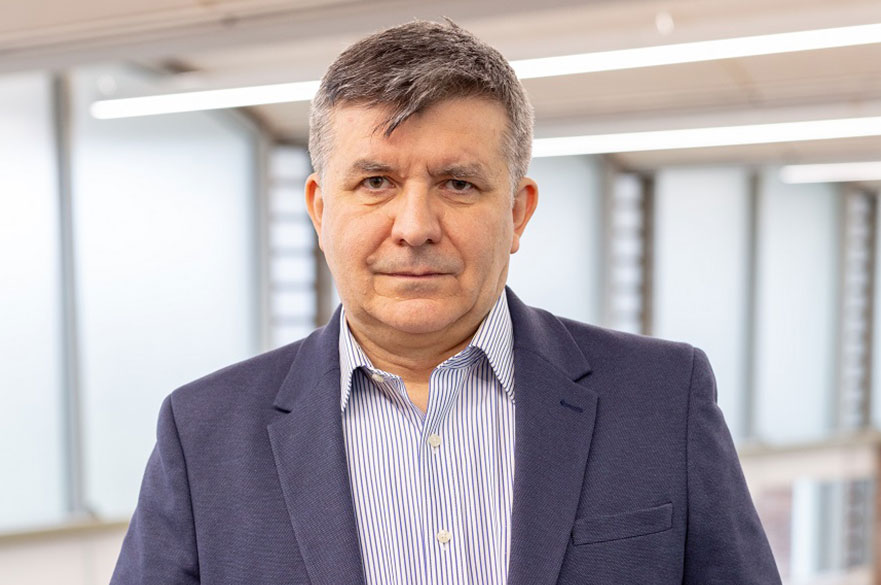
Todd P. Coleman is an Associate Professor in the Department of Bioengineering at Stanford University, with a courtesy appointment in Electrical Engineering. He holds a B.S. (summa cum laude) from the University of Michigan in electrical and computer engineering, and M.S./Ph.D. degrees from MIT in electrical engineering and computer science. His research focuses on interdisciplinary approaches combining applied probability, physiology, and bioelectronics, including technologies for monitoring and modulating nervous system activity in the brain and visceral organs. He has led grants from NSF, NIH, DoD, and private foundations, and holds 10 U.S. patents. He has served as Chair of the National Academies Standing Committee on Biotechnology and is a Gilbreth Lecturer (NAE), TEDMED speaker, and Fellow of IEEE and AIMBE. Dr. Coleman’s work spans wearable technologies for Parkinson’s disease, non-invasive electrophysiological monitoring (e.g., gastric and bladder function), and machine learning for medical diagnostics. His innovations include flexible electrode arrays, magnetoneurography systems, and DNA melt curve profiling. His recent projects address neurodevelopmental impairments in infants exposed to prenatal alcohol, gastrointestinal disorders, and interoceptive neural mechanisms linking gut-brain interactions. Scientific awards include recognition for his contributions to biomedical engineering and translational research. His research emphasizes clinical impact, with applications in neurology, gastroenterology, and neonatal health. He has collaborated extensively across academia and industry, driving advancements in medical devices, diagnostics, and computational neuroscience.
Alison Marsden is the Douglass M. and Nola Leishman Professor of Cardiovascular Diseases at Stanford University, with joint appointments in Pediatrics (Cardiology) and Bioengineering, and a courtesy appointment in Mechanical Engineering. She previously held faculty positions at UC San Diego (2007–2015) and completed her postdoctoral training in Bioengineering and Pediatric Cardiology at Stanford (2005–2007). Her research integrates computational modeling, medical device design, and clinical translation to address congenital heart disease and cardiovascular hemodynamics. Education: BSE in Mechanical Engineering, Princeton University (1998) MSE in Mechanical Engineering, Stanford University (2000) PhD in Mechanical Engineering, Stanford University (2005) Research focuses on numerical methods for cardiovascular blood flow simulation, optimization of medical devices, and mechanobiological processes in congenital heart defects. Her lab develops open-source software like SimVascular and collaborates on clinical trials for pediatric heart surgery. Recent work includes bioprinted vascular grafts, hemodynamic predictors of aneurysm growth, and computational tools for arrhythmia prediction. Key awards include the NSF CAREER Award (2011), Van C. Mow Medal (2023), and multiple teaching/mentorship recognitions. She serves on editorial boards for leading journals in biomechanics and chairs the Fontan Outcome Registry using CMR Examinations (FORCE) initiative. Advising and grants: Supervises graduate students in bioengineering and mechanical engineering; secures funding from NSF, NIH, and private foundations. Over 160 peer-reviewed publications demonstrate her leadership in cardiovascular computational modeling. Labs/Teams: Director of the Cardiovascular Biomechanics Computation Lab, co-founder of the SimVascular open-source project, and collaborator on interdisciplinary teams in pediatric cardiology and biomedical engineering.
Dr. Vanessa R Yingling is a Professor in the Department of Kinesiology at California State University, East Bay. She holds a Ph.D. in Kinesiology (Biomechanics) from the University of Waterloo and is a Fellow of the American College of Sports Medicine (FACSM). Her research focuses on osteoporosis prevention, bone strength development, and the interplay between muscle power and skeletal health, with NIH-funded studies exploring bone functionality across populations. She has held editorial roles for journals like the Journal of Science and Medicine in Sport and chairs the Society for Transparency in Kinesiology (STORK). Education: Ph.D. (Kinesiology - Biomechanics) from University of Waterloo; Postdoc in Orthopaedic Surgery at Washington University School of Medicine; M.S. (Exercise Science) from University at Buffalo; B.S. (Bioengineering) from UC San Diego. Research interests emphasize 'growing strong skeletons' through biomechanical studies on bone adaptation, puberty impacts, and exercise interventions. Key areas include muscle-bone synergy, pediatric bone development, and methodological rigor in kinesiology research. Her work bridges basic science and clinical applications, with studies on college athletes, postmenopausal women, and animal models. Publications highlight systematic reviews on muscle power-bone strength associations, bone robusticity analyses, and replication studies in sports science. She advocates for transparent research practices and has developed frameworks to assess study replicability. Current projects investigate activity patterns in college populations and optimize bone loading strategies for osteoporosis prevention. Grants include NIH funding (NIA/NIAMS) for bone development studies. Advising focuses on mentoring undergraduates in kinesiology research through service-learning programs. She collaborates with institutions like the Cooper Institute on fitness guidelines and bone health metrics.
Prof. Iris Augustin is a Professor of Cell Biology at the Hochschule Weihenstepfan-Triesdorf University of Applied Sciences, leading the Department of Bioengineering within the Faculty of Bioengineering. Her academic career includes roles as a research assistant at the Max Planck Institute for Immunology (2004–2008) and group leader at the German Cancer Research Center (2008–2016). She specializes in molecular cell biology and cell culture technology, with a focus on Wnt signaling pathways in stem cells, skin biology, and cancer biology. Her research explores Wnt signaling's role in embryonic stem cell differentiation, tumor microenvironment interactions, and skin homeostasis. Notable studies include the functional analysis of Evi/Wls protein in Wnt secretion, its impact on cancer immunosurveillance, and the development of psoriasis-like skin conditions in Evi-deficient mice. She collaborates extensively with institutions like the Max Planck Institutes and maintains an active publication record in peer-reviewed journals. Prof. Augustin's work bridges basic research and translational applications, addressing mechanisms underlying stem cell regulation, cancer progression, and skin disorders. Her lab employs advanced cell culture techniques and mouse models to unravel the molecular basis of Wnt signaling in health and disease.
Robert N Jinks is a Professor of Biology at Syracuse University, specializing in Neuroscience and Bioengineering. His research focuses on inherited neurodevelopmental diseases in Amish and Mennonite populations, alongside studies of photoreceptor physiology in marine organisms like horseshoe crabs and hydrothermal vent shrimp. Education: B.S. in Bioengineering (Syracuse University), Ph.D. in Neuroscience (Institute for Sensory Research, Syracuse University) Research Interests: Dr. Jinks investigates genetic mutations underlying neurological disorders and sensory adaptations in extreme environments. His work bridges molecular genetics and ecological physiology. Recent Publications: His research includes studies on autophagosomal pathways in neurodevelopment, mitochondrial protease mutations in metabolic disorders, and signal transduction in photoreceptor membrane turnover.
Yih-Choung Yu is an Associate Professor and Acting Department Head of Electrical and Computer Engineering at Lafayette College. He holds a Ph.D. in Electrical Engineering from the University of Pittsburgh, an M.S. from SUNY Binghamton, and a B.S. from Chinese Culture University. His research focuses on interdisciplinary applications of control systems in bioengineering, including cardiovascular modeling, brain-computer interfaces (BCI), and medical device development. He has pioneered work in dyslexia classification using machine learning and BCI-based robotic navigation. Dr. Yu’s teaching philosophy emphasizes mentorship and student-driven projects, reflecting his third-generation teaching heritage. Notable honors include the B. Vincent Viscomi Engineering Prize for mentoring excellence. Education: Ph.D., Electrical Engineering, University of Pittsburgh M.S., Electrical Engineering, SUNY Binghamton B.S., Electrical Engineering, Chinese Culture University His work bridges electrical engineering with healthcare, addressing challenges in cardiac function monitoring, assistive robotics, and neurodevelopmental diagnostics. Recent projects include developing affordable BCI systems for robotic navigation and non-invasive cardiac monitoring algorithms. Dr. Yu collaborates with Easton Area High School to promote engineering education and mentors students in Lafayette’s robotics initiatives. Publications highlight innovations in cardiovascular modeling (e.g., rotary blood pump interactions), BCI applications (quadcopter control, dyslexia classification), and biomedical signal processing. His research trends emphasize interdisciplinary problem-solving, leveraging control theory and machine learning to advance healthcare technologies. Awards: B. Vincent Viscomi Engineering Prize for Excellence in Mentoring and Teaching Dr. Yu’s advising style emphasizes building student confidence and fostering creativity, with many projects arising from independent studies and collaborations. Grants and funding support his work in assistive technology and bioengineering. He leads Lafayette’s efforts in regional STEM outreach, connecting undergraduates with high school students through robotics teams and educational partnerships. Active in Lafayette’s Engineering Division, he oversees facilities and curriculum development, maintaining ABET accreditation. His lab focuses on cardiovascular system modeling, BCI development, and educational robotics, with ongoing projects in dyslexia biomarkers and low-cost medical devices.
Ellen Langer, Ph.D., is a leading researcher in cancer biology and cellular plasticity. Her work focuses on understanding mechanisms of tumor development and progression, particularly in breast and pancreatic cancers, through the lens of tumor-stromal interactions and phenotypic heterogeneity. She pioneered the use of 3D bioprinted tumor models to study the tumor microenvironment and crosstalk between cancer cells and stromal components. Education: B.S., University of Notre Dame (2001); Ph.D., Washington University in St. Louis (2007). Postdoctoral training with Dr. Ken Murphy, Dr. Mario Capecchi, and Dr. Rosalie Sears. Research Interests: Cellular plasticity in neoplastic and non-neoplastic cells, mechanisms driving therapeutic resistance, and the role of extrinsic factors like nutrient stress or therapies in tumor phenotypes. Her lab employs 2D/3D models and mouse systems to target tumor-stromal crosstalk. Publications highlight innovations in bioprinting, drug development (e.g., micelle-formulated juglone), and molecular mechanisms involving MYC, PIN1, and PP2A pathways. Ongoing work explores synthetic living materials and clonal T cell responses in pancreatic cancer recurrence. Notable contributions include modeling tumor heterogeneity in HER2+ breast cancer and developing tools to study differentiation-state transitions. Collaborations span bioengineering, computational biology, and clinical oncology.
Haiqi Chen is an Assistant Professor at the Cecil H. and Ida Green Center for Reproductive Biology Sciences and the Department of Obstetrics and Gynecology at UT Southwestern Medical Center. His research focuses on gene regulation in mammalian reproductive systems, leveraging spatial and functional genomics technologies. He leads the Chen Lab, which develops cutting-edge methods such as spatial transcriptomics and machine learning approaches to study chromatin remodeling and tissue microenvironment dynamics in reproductive biology. Dr. Chen holds a Ph.D. in Molecular Endocrinology from a joint program between the University of Hong Kong and the Rockefeller University (2017), followed by postdoctoral training at the Broad Institute of MIT and Harvard. In 2021, he established his independent lab at UT Southwestern. His research interests span advanced genomic technologies, including next-generation spatial genomics and functional genomics tools, combined with computational methods to dissect gene regulation in male reproduction. Key areas include the mechanistic study of blood-testis barrier dynamics, sperm maturation, and the application of spatial transcriptomics to map cellular interactions in reproductive tissues. Awards: Lalor Foundation Fellowship (202X), 2024 Rising Star Award in Reproductive Biology Publications highlight breakthroughs in spatial genomics, such as PHOTON technology for subcellular resolution, and investigations into spermatogenesis and contraceptive mechanisms. The lab actively collaborates on topics like chromatin organization and extrachromosomal DNA in the germline.
Jeremy Hirota is an Associate Professor at the McMaster School of Biomedical Engineering and holds an affiliation with the Department of Medicine at McMaster University. He leads a translational research program in lung exposure science , focusing on particulate matter, cigarette smoke, and cannabis smoke effects on respiratory health. His work integrates 3D bioprinting and microphysiological systems to model lung immunity and disease mechanisms. Education: Ph.D. in Biomedical Engineering from McMaster University (2009). Research Interests: Hirota’s lab develops advanced in vitro models incorporating dynamic microenvironments, including 3D-printed lung tissues and bioinks derived from decellularized human lung matrices. His work addresses lung fibrosis, immune responses to environmental exposures, and translational applications of biomaterials. Key projects include: Development of cannabis smoke exposure models to study developmental and respiratory impacts Creation of mechanically dynamic lung-on-a-chip systems for drug testing Commercialization of bioink formulations via patents and startups like Infinotype Articles Trends: His 150+ publications span lung epithelial biology , biomarker discovery (e.g., CXCL10), and 3D bioprinting methods . Recent work highlights cannabis smoke’s immunosuppressive effects on viral infections and novel bioink applications. Entrepreneurship: Co-founder and CEO of Infinotype (2020-present), a biotech company developing diagnostic tools like AlignDx sequencing software. Holds 5 IP disclosures, including bioinks and therapeutic inhibitors. Labs/Teams: Leads the Lung Exposure & Engineering Lab at McMaster, collaborating with SickKids Hospital on lung disease models. Active in commercializing research through partnerships with regional innovation centers.
Maura Boldrini is a Professor of Psychiatry and Director of the Quantitative Brain Biology (Brain QUANT) Institute at Columbia University Irving Medical Center. She leads the Human Neurobiology laboratory within the Department of Psychiatry at the Vagelos College of Physicians and Surgeons. Her research focuses on neurogenesis, neuroinflammation, and the molecular mechanisms underlying depression, suicide, and brain aging. She is affiliated with the Center for Computing Systems for Data-Driven Science and Health Analytics. Dr. Boldrini’s lab employs cutting-edge multi-omic technologies (single-cell, spatial transcriptomics, proteomics) to study brain cell function and regulatory networks. Recent work includes investigating neuron regeneration, the impact of stress and neuroinflammation on brain health, and the effects of SARS-CoV-2 on neurobiology. She has pioneered studies demonstrating persistent adult neurogenesis in humans and its implications for mental health and aging. Her team’s computational methods and large multi-omic datasets are widely used by the scientific community. She mentors predoctoral/postdoctoral fellows in bioengineering and data sciences, emphasizing culturally aware mentoring practices to foster inclusivity and career development. Key research interests include: Neurobiological mechanisms of depression and suicide Neurogenesis and brain regeneration COVID-19’s impact on neural function Multi-omic profiling of brain tissues Gene regulatory networks in psychiatric disorders Publications highlight advancements in understanding transcriptome/epigenome interactions, hippocampal dysfunction in depression, and spatially resolved molecular signatures of brain health.
Prof. Viola Vogel is a Full Professor at ETH Zurich's Department of Health Sciences and Technology, leading the Laboratory of Applied Mechanobiology. Trained as a Physicist at Frankfurt University and postdoc at UC Berkeley, she transitioned to bioengineering, founding the University of Washington's Center for Nanotechnology before joining ETH in 2004. She chairs the department (2018–2020) and holds roles at the Wyss Translational Center Zurich and Berlin Institute of Health. Her research focuses on mechanobiology, particularly how mechanical forces regulate protein and cellular functions, with applications in regenerative medicine and nanotechnology. Education: Bachelor's in Physics, Frankfurt University Graduate Research, Max-Planck Institute for Biophysical Chemistry Postdoctoral Fellowship, UC Berkeley Department of Physics Research Interests: Mechanochemical switches in proteins Extracellular matrix mechanics in health/disease Mechanotransduction in stem cells and immune cells Biomedical applications of mechanobiology Awards: Member of National Academy of Engineering (2020) Member of National Academy of Sciences (2021) Fellow, British Royal Academy of Engineering (2023) Recipient of Otto-Hahn Medal, ERC Advanced Grant, and International Solvay Chair Advising & Grants: Jury Member, Queen Elizabeth Prize for Engineering Former Board Member of Ludwig-Maximilians-Universität Munich Recipient of NIH First Award, NSF grants, and industry partnerships Labs & Collaborations: Laboratory of Applied Mechanobiology at ETH Zurich Interdisciplinary projects with Charité Berlin and Kantonsspital Baden
Alexander Buffone is an Assistant Professor in the Department of Bio-Medical Engineering at the New Jersey Institute of Technology (NJIT). His research focuses on understanding the mechanisms of cell migration, immune cell trafficking, and glycobiology-driven cancer progression. Recent work includes studies on macrophage migration under shear flow and the role of sialylation in tumor mechanics. Key research interests include leukocyte biology, cell adhesion cascades, and the interplay between glycocalyx composition and cancer progression. His lab employs microfluidic assays and CRISPR-Cas9 gene editing to investigate cellular processes in inflammatory and oncological contexts. Notable contributions include a 2024 study revealing how macrophages can migrate upstream against shear flow when Mac-1 is inhibited, and a 2020 review on glycocalyx's role in tumor progression. His team has secured $265K in grants from the New Jersey Health Foundation for health innovation projects. Collaborations span immunology, bioengineering, and oncology. Current work explores upstream migration mechanisms and the therapeutic potential of modulating glycosylation pathways in cancer treatment.
Ahmet Omurtag is a Senior Lecturer in the Department of Engineering at Nottingham Trent University's School of Science & Technology. He holds a Ph.D. in Mechanical Engineering from Columbia University and postdoctoral training in computational neuroscience. His research focuses on multimodal neuroimaging techniques (EEG and fNIRS) to study human performance, neurovascular coupling, and skill assessment in surgical contexts. He leads the Human Factors and Performance research group and oversees the Biomedical Engineering course. Dr. Omurtag's career includes roles at Bio-Signal Group (biomedical device development) and the University of Houston. He is a Chartered Scientist and Fellow of the Higher Education Academy. His work bridges academia and industry, with collaborations in neuroimaging applications for smart manufacturing and surgical training. He serves as an Associate Editor for a bioengineering journal and reviews grants for national funding bodies. Key research themes include: (1) EEG-fNIRS fusion for cognitive workload monitoring, (2) neurophysiological markers of skill acquisition in surgery, and (3) non-invasive diagnostic tools for Alzheimer's and neurological disorders. His >45 publications span neuroergonomics, medical device innovation, and emergency EEG interpretation.