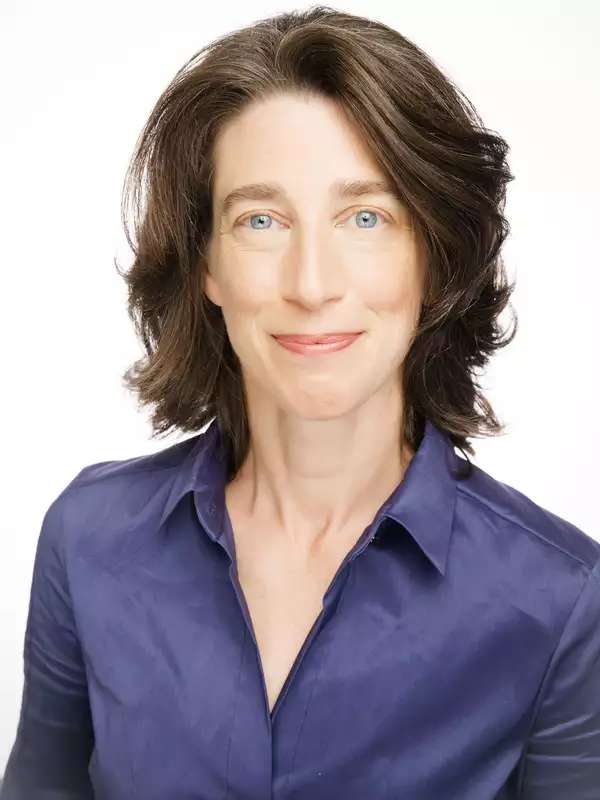
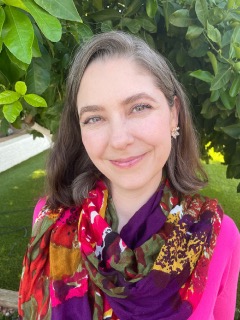
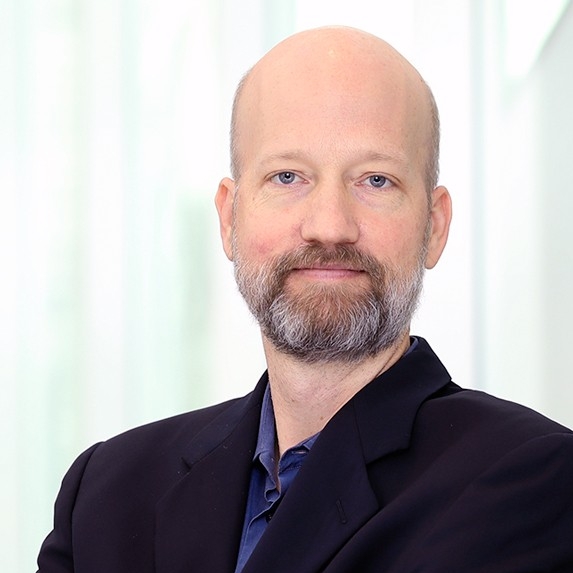
Alexandra Horowitz is a Senior Research Fellow and Adjunct Associate Professor at Barnard College. She has been teaching since 2004, specializing in dog cognition and olfactory research. Her academic roles span the Departments of English and Psychology, reflecting her interdisciplinary focus on animal behavior and human-animal interactions. Education: M.S. and Ph.D. in Cognitive Science from UC San Diego; B.A. in Philosophy from the University of Pennsylvania. Research interests include naturalistic observations of dog social play, testing anthropomorphic assumptions, and characterizing canine olfactory abilities. She has authored influential books like Inside of a Dog and Being a Dog , exploring how dogs perceive the world. Her work frequently appears in top journals and media outlets, including the New York Times and TED-Ed. Recent articles highlight studies on dog navigation, play behavior, and olfactory perception. She has been recognized as among the Top 2% of Cited Authors globally. Her presentations and lectures span academic conferences, museums, and public forums, emphasizing science communication.
Professor Rebecca Lawson is a Professor of Neuroscience and Computational Psychiatry at the University of Cambridge, affiliated with the Department of Psychology and Bye-Fellow at Peterhouse College. Her research focuses on understanding how humans learn to make predictions under uncertainty, with applications to mental health conditions such as anxiety and depression. She leads the Prediction and Learning (PaL) Lab, which combines computational modeling, neuroimaging (e.g., 7T MRI), and behavioral experiments to study cognitive processes in typical and atypical populations. Key research interests include computational psychiatry, autism spectrum disorders, neuroimaging techniques, and the neurochemical basis of learning mechanisms. She has received significant funding, including a £4.3m Wellcome Mental Health Award and the Sir Henry Dale Fellowship. Notable contributions include advancing theories of neural gain and sensory expectations in autism, as well as studies on uncertainty processing in anxiety and depression. Professor Lawson holds academic awards such as the BNPA Lishmann Prize and the BAP Psychopharmacology Award. She actively contributes to public engagement, including initiatives like Knit-a-Neuron and involvement with PrideinSTEM. Her lab collaborates internationally, with projects like the CamRAA study investigating autism-anxiety overlaps and the Chemical and Brain Basis of Uncertainty (CBBU) study exploring pharmacological interventions. Education: PhD in Cognitive Neuroscience (University of Cambridge), BA (Hons) Psychology & Philosophy (University of Glasgow). Grants: £4.3m Wellcome Award, Parke-Davis Fellowship, Lister Institute Prize. Labs/Teams: Principal Investigator of the PaL Lab; collaborations with MRC Cognition and Brain Sciences Unit, Yale University, and Brown University.
Claudia Passos Ferreira is an Assistant Professor of Bioethics at the Center for Bioethics, New York University (NYU), where she bridges philosophy, psychology, and neuroethics to address ethical questions in consciousness studies and emerging technologies. Education: MA and Ph.D. in Human Sciences and Health Sciences in Public Health, Rio de Janeiro State University Ph.D. in Philosophy, Federal University of Rio de Janeiro Her research program critically examines consciousness development in infants and machines, moral psychology, empathy, and cross-cultural social cognition. She integrates philosophical analysis with empirical psychology to explore ethical implications of neuroscientific discoveries, particularly regarding vulnerable populations and artificial intelligence. Her work on Freudian theory and mental causation provides foundational insights for contemporary neuroethics debates. Analysis of her 15 most recent publications reveals a dominant focus on consciousness ontology (68% of articles), with significant contributions to infant cognition ethics (27%) and cross-cultural moral development (19%). Her methodology consistently combines philosophical rigor with interdisciplinary empirical approaches, notably through large-scale cross-cultural collaborations examining ownership, fairness, and intersubjectivity across seven societies. Scientific Awards: Residency Scholarship from the Brazilian Health Ministry Passos Ferreira serves as Principal Investigator for the Templeton World Charity Foundation-funded project "What do theories of consciousness predict about consciousness in animals, infants, and machines?". Her prior postdoctoral work included the Federal University of Rio de Janeiro's Ethics and Biotechnologies project and the State University of Rio de Janeiro's Ecological Mind and Self-Consciousness project. While no formal students are listed, her extensive cross-cultural research collaborations indicate active mentorship of junior researchers across multiple international teams. Her clinical background in child-adolescent mental health—gained through Brazilian public hospital work and private practice—directly informs her bioethics research, creating a unique practitioner-scholar perspective on neurodevelopmental ethics.
Christopher Thomas Sege, PhD is an Assistant Professor in the Department of Psychiatry and Behavioral Sciences at the Medical University of South Carolina (MUSC) College of Medicine. His research focuses on the neurophysiological mechanisms underlying anxiety disorders, particularly examining escape, avoidance, and approach behaviors in the anxiety disorder spectrum. Dr. Sege's primary research interests include: Anxiety Disorders and Emotional Processing Defensive Behaviors and Coping Mechanisms Neurophysiological Correlates of Emotional Anticipation Startle Response and Autonomic Nervous System Functioning Transcranial Magnetic Stimulation (rTMS) Applications His work bridges clinical psychology with neuroscience to understand how individuals with anxiety disorders process and respond to emotional stimuli. Dr. Sege leads the research study "Modeling and Modulating Mechanisms of Escape, Avoidance, and Approach in the Anxiety Disorder Spectrum" which investigates whether repetitive transcranial magnetic stimulation (rTMS) can alter how people with anxiety cope with emotional situations. This study involves measuring brain activation while participants view emotional pictures and undergo rTMS procedures. His publication record demonstrates expertise across multiple domains: Neurophysiological mechanisms of defensive behaviors Emotional anticipation and perception Startle modulation in anxiety disorders Borderline personality disorder research Development of experimental paradigms for emotional processing studies His research employs multiple methodologies including psychophysiology, event-related potentials, and neurostimulation techniques. Dr. Sege collaborates with researchers including Lisa McTeague, Bernadette Cortese, Carla Danielson, Thomas Uhde, and Aicko Schumann. His work appears in journals such as Biological Psychiatry: Cognitive Neuroscience and Neuroimaging, Biological Psychology, and Psychophysiology.
Virginia Polytechnic Institute and State UniversityUnited States
Tae-Ho Lee is an Associate Professor in the Department of Psychology at Virginia Tech, with affiliated appointments in the School of Neuroscience and Translational Biology, Medicine, and Health. His research focuses on affective and cognitive neural development across the lifespan, neurodegeneration, and family-based neural dynamics. PhD in Brain and Cognitive Science, University of Southern California M.A. in Clinical Psychology, Korea University B.A. in Psychology, Korea University Dr. Lee’s work explores brain connectome dynamics, dyadic neural concordance in families, and age-related attentional control. He employs neuroimaging techniques to study how familial and environmental factors shape emotional and cognitive outcomes in adolescents and older adults. Recent publications highlight trends in longitudinal studies , parent-child neural similarity , and functional connectivity in emotion regulation . Key areas include autism spectrum disorder, substance misuse risk, and the role of socioeconomic factors in brain development. Rising Star , Association for Psychological Science (2020) Dr. Lee is not currently accepting students and leads the Affective Neurodynamics and Development (AND) Lab at Virginia Tech.
Zakia Hammal is an Assistant Research Professor with dual appointments at Carnegie Mellon University, holding positions in the Robotics Institute within the School of Computer Science and the Department of Biomedical Engineering in the College of Engineering. Her work bridges computer science, machine learning, artificial intelligence, and social/behavioral psychology to advance computational models for human behavior analysis. Dr. Hammal's educational background includes a PhD in Computer Science, a Master of Artificial Intelligence and Algorithmic with specialization in Image Processing, and an Engineer's degree in Computer Science with specialization in Computer Systems. Her academic journey has positioned her at the intersection of technical expertise and healthcare applications. Her research focuses on multimodal human behavior modeling in social interaction, with particular emphasis on health informatics and affective computing (Emotion AI). Dr. Hammal's work has pioneered computational models for multimodal assessment of psychiatric disorders, including depression severity evaluation, automatic pain intensity measurement, assessment of expressiveness in children with facial abnormalities, analysis of non-verbal communication in mother-infant interaction, and identification of behavioral markers in autism spectrum disorder. Her approach integrates computer vision, machine learning, and behavioral psychology to create systems that can objectively measure human behaviors that are often subjective in clinical settings. Analysis of her recent publications reveals a consistent trajectory toward more sophisticated multimodal approaches to healthcare challenges, particularly in pain assessment and mental health diagnostics. Her work increasingly emphasizes interpretable AI models that can translate complex behavioral patterns into clinically meaningful insights, with growing attention to applications for vulnerable populations including infants, elderly patients, and those with craniofacial abnormalities or autism spectrum disorder. Women in AI Awards North America 2023 – AI Researcher of the Year Award Outstanding Reviewer Award at FG 2015 Best Paper award at ACII 2015 Outstanding Paper award at ICMI 2012 Dr. Hammal has secured significant research funding, primarily from the U.S. National Institutes of Health, including an R01 grant for developing a Multimodal Behavioral AI platform for pain assessment and management, and additional grants for automatic pain assessment in older adults with dementia. Her leadership extends to mentoring through her involvement in organizing workshops and conferences that train the next generation of researchers in affective computing and health informatics. As an active leader in her field, Dr. Hammal serves as ACM ICMI Steering Board Committee Member, Associate Editor for IEEE Transactions on Affective Computing and IEEE Transactions on Multimedia, and has organized numerous influential workshops including the International Workshop on Automated Assessment of Pain and Face and Gesture Analysis for Health Informatics. She is set to serve as Program Chair for FG 2025, ACII 2025, and ICMI 2026, demonstrating her growing influence in shaping the future direction of research in multimodal interaction and affective computing.
Elizabeth A. Simpson is an Associate Professor in the Department of Psychology at the University of Miami's College of Arts and Sciences. She serves as Associate Director of the Child Division and directs the Social Cognition Laboratory, focusing on infant social and cognitive development through interdisciplinary methodologies. Education: Ph.D. in Psychology (unspecified institution) Key Research Areas: Developmental Psychology, Autism, Social Cognition, Primate Studies, Visual Attention, Infant Behavior Her research investigates individual differences in infant visual attention, social motivation, and physiological markers like salivary oxytocin. Recent studies demonstrate: Stability of attentional patterns from newborn to 14 months Sex differences in early face detection Links between oxytocin levels and social affect in infants Neurophysiological markers in newborns later diagnosed with ASD Scientific awards include the NSF CAREER grant for neonatal imitation research. She contributes to open science initiatives through the ManyBabies consortium and develops remote eye-tracking methods for broader accessibility. Current lab work explores: Parent-infant affective interactions during still-face episodes Predictive power of early attentional biases Development of pathogen avoidance behaviors Cross-species comparisons of social cognition
Virginia Polytechnic Institute and State UniversityUnited States
Martha Ann Bell is a University Distinguished Professor of Psychology and College of Science Faculty Fellow at Virginia Tech. She leads the Cognition, Affect, and Psychophysiology (CAP) Lab, focusing on developmental cognitive neuroscience and the integration of emotion and cognition in early development. Her work examines EEG/ECG biomarkers, executive function, temperament, and maternal-child interactions. Dr. Bell holds a PhD in Human Development from the University of Maryland (1992), an MS in Child and Family Studies from the University of Tennessee (1983), and a BS in Home Economics from Carson-Newman College (1978). She has held progressive roles from Assistant Professor (1996) to her current distinguished title. Her research interests include developmental changes in brain-behavior relations, neurophysiological correlates of emotion regulation, and longitudinal predictors of child development. Recent work explores maternal emotion coaching, EEG neuromarkers of ADHD, and the neurodevelopmental impacts of nutrition. Key awards include the Virginia Tech University Distinguished Professorship (2021) and College of Science Faculty Fellowship (2019–2025). Her publications span developmental psychobiology, neuroimaging methods, and temperament-behavior links. Dr. Bell’s advising and grants focus on interdisciplinary developmental science. The CAP Lab collaborates on projects involving infant neuroimaging, maternal-child physiology, and early childhood interventions.
James J. Gross is the Ernest R. Hilgard Professor of Psychology at Stanford University, directing the Stanford Psychophysiology Laboratory. He specializes in emotion regulation, with affiliations in Philosophy (courtesy). His education includes a Ph.D. in Clinical Psychology from UC Berkeley (1993), a B.A. in Philosophy and Psychology from Yale (1987), and a visiting graduate year at Oxford (1988). Research focuses on emotion regulation mechanisms, psychopathology, neuroimaging, and cultural influences. His work bridges clinical, cognitive, and social psychology, examining how individuals manage emotions to influence mental health and behavior. Notable contributions include the Process Model of Emotion Regulation and interventions targeting emotion regulation deficits. Publications (~650, 250k citations) highlight studies on emotion regulation strategies, clinical applications, and neural underpinnings. Recent work explores transdiagnostic treatments, digital health interventions, and the interplay between beliefs and emotion regulation. Awards: Stanford Dean’s Teaching Award, Walter J. Gores Award (highest teaching honor), multiple mentoring awards, and honorary doctorates from UC Louvain and Tilburg. Professional Roles: Co-founding President of the Society for Affective Science, Founding Co-Editor-in-Chief of Affective Science , and Fellow of major psychological and scientific societies. Labs/Teams: Directs the Stanford Psychophysiology Lab, collaborating on projects involving neuroimaging, psychophysiological assessment, and computational modeling of emotion processes.
William S. Horton (Sid) is an Associate Professor in the Department of Psychology at Northwestern University , where he has taught since 2005 and directed the Cognition and Communication Lab (Cresap 108). Starting in September 2025, he will serve as Chair of the Department of Linguistics . His research focuses on socio-cognitive mechanisms in language use, particularly discourse pragmatics , perspective-taking , and non-literal language processing . Education: B.S. in Psychology/German from Duke University (1991), M.A. and Ph.D. in Cognitive Psychology from University of Chicago (1994/1999) Previous roles: Postdoctoral research at SUNY-Stony Brook, Cognitive Aging at Georgia Tech Research trends from his 20+ years of publications include common ground , memory processes , figurative language , and age-related communication changes . His work increasingly incorporates computational text analysis and real-time digital communication studies. Awards : Fellow, Society for Text and Discourse Students : Supervised Ph.D. theses on conversational alignment, common ground activation, and digital communication. Undergraduate honors projects explore inhibitory deficits, speech internalization, and perspective-taking in bilingualism. Cognition and Communication Lab investigates language processing in spoken/written contexts using experimental methods and computational models.
Kyle Treiber is a University Professor in Neurocriminology at the Institute of Criminology, University of Cambridge , with a focus on integrating psychological, neuroscientific, and criminological theories to explain criminal behavior. She serves as Deputy Director of the Peterborough Adolescent and Young Adult Development Study (PADS+) and has developed its neurocognitive dimensions and theoretical foundation, Situational Action Theory (SAT) . Education: BS in Psychology (University of North Carolina at Chapel Hill, 2001, Phi Beta Kappa), MPhil (2003), and PhD (2008) in Criminology (University of Cambridge). Leadership: Director of Criminological Research Programmes (2016–2019), Editor-in-Chief of the European Journal of Criminology , and member of the European Society of Criminology Executive Board. Her research examines how neurocognitive machinery (e.g., prefrontal brain functioning, self-control) and social environments interact to shape crime propensities. She specializes in multi-method longitudinal studies, dual process models of decision-making, and cross-comparative research grounded in SAT. Key themes include: Neurocognitive and moral decision-making in criminal behavior Gene-environment interactions in crime causation Space-time budgets and criminogenic environments Policy implications of integrated biosocial frameworks Recent publications highlight SAT’s application to diverse contexts like corruption , intimate partner abuse during the pandemic , and gender gaps in juvenile crime . She emphasizes refining theoretical models through empirical testing and advancing analytical criminology. Awards: Lopez-Rey Graduate Prize (2008), Nigel Walker Prize (2008). Dr. Treiber contributes to teaching programs in criminological theory, research methods, and neurocriminology. She leads the Centre for Analytic Criminology and collaborates on international comparative studies of crime causation.
Professor Heather Ferguson is a distinguished cognitive psychologist at the University of Kent's School of Psychology, where she has built an impressive academic career since her appointment as Lecturer in 2009. Promoted to Professor in 2018, she leads groundbreaking research examining the cognitive basis of social communication across the lifespan. Her work bridges cognitive psychology, neuroscience, and social cognition, with particular expertise in perspective-taking, theory of mind, and the interface between cognitive processes and social interaction. Her research primarily investigates how we access and represent other people's perspectives during communication, using methodologies including eye-tracking, EEG, and reaction time measurements. Key questions driving her work include: How do people understand and predict events based on others' mental states? What happens when these conflict with our own knowledge? How do social abilities relate to cognitive skills like memory and inhibitory control? How does aging affect social cognition? Her work has significant implications for understanding autism spectrum disorder, social development, and cognitive aging. Professor Ferguson's recent publications reveal a strong focus on perspective-taking across the lifespan, social cognition in autism, the cognitive effects of fiction reading, and the neural mechanisms underlying empathy. Her research demonstrates consistent methodological rigor through pre-registered studies and meta-analyses, with particular attention to developmental trajectories from adolescence through older adulthood. Psychonomic Society Early Career Award (2019) Open Science Framework Pre-registration Challenge award (2018) Cognitive Neuroscience Society Postdoctoral Fellow Award (2018) University of Kent Prize for Research (2016) Kent Union Teaching Award for 'Best Teacher' (2012) Professor Ferguson actively supervises multiple PhD students and has secured substantial research funding, including a €1.5 million ERC Starting Grant and multiple Leverhulme Trust grants. Her work with the Cognitive basis of Social Communication and Ageing (COGSOCOAGE) research group has produced influential findings on social cognition across the lifespan. She serves as Associate Editor for the Journal of Experimental Psychology: Learning, Memory & Cognition and on the editorial board of Cognition, while also mentoring early-career researchers through the Eastern Arc Mentoring Scheme.
Qimin Liu is an Assistant Professor at Boston University, serving as Lab Director of the Quantitative Psychopathology Laboratory. He holds a PhD in Psychological Sciences from Vanderbilt University with specializations in Clinical Science and Quantitative Methods. His research focuses on emotional disturbances across development, statistical methodology development, and health equity with an emphasis on intersectional marginalization. He has expertise in analyzing intensive longitudinal data and has published extensively on topics like irritability, suicidality, and mental health disparities among sexual and gender minority populations. Dr. Liu’s work frequently integrates advanced statistical techniques such as latent variable modeling, network analysis, and machine learning. His recent studies explore the temporal dynamics of affect, the impact of stigma on mental health, and the role of childhood adversity in psychiatric outcomes. Notable contributions include developing methods for analyzing zero-inflated longitudinal data and creating algorithms for digital phenotyping of mood disorders through mobile device usage patterns. His scholarship emphasizes bridging clinical phenomena with rigorous quantitative approaches, addressing gaps in understanding how social determinants and individual differences shape mental health trajectories. He has collaborated on large-scale datasets like the Collaborative Psychiatric Epidemiological Surveys and contributed to interdisciplinary research on public health outcomes among aging sexual minority men. Dr. Liu’s methodological innovations include the DACF framework for ceiling/floor effect data and the lamme package for log-analytic multiplicative effects modeling. He actively publishes in high-impact journals such as Psychological Methods and Journal of Abnormal Psychology , focusing on both empirical findings and statistical best practices.
David Melcher is Professor of Psychology and Program Head in Psychology at New York University Abu Dhabi (NYUAD), where he also serves as a Global Network Professor. He is affiliated with the Division of Science and leads the Perception and Active Cognition Lab, focusing on the integration of perception, attention, memory, and action within a cognitive neuroscience framework. PhD in Psychology and Cognitive Science, Rutgers University (2001) Former researcher and professor in Italy and the UK Current leadership: Program Head, Psychology, NYUAD David Melcher's research centers on cognitive neuroscience , particularly how perception, attention, working memory, eye movements, and self-motion interact to shape cognition and behavior. His lab emphasizes active cognition —the idea that perception is not passive but dynamically shaped by action, context, and goals. He investigates how temporal dynamics in neural processing organize perceptual experiences and guide decision-making. His work spans both healthy and clinical populations, exploring individual differences in spatial and temporal processing across the lifespan. The 15 most recent publications reflect a consistent focus on temporal organization in cognition , perception-action coupling , and neural mechanisms of attention and memory . Keywords across these works include cognitive neuroscience, perception, and neuroimaging, with subfields ranging from eye movement research and neural synchrony to computational modeling and clinical neuropsychology. Collectively, they demonstrate a trajectory toward integrative models of brain function that bridge behavioral, neuroimaging, and computational approaches. Among his notable recognitions is the Distinguished Scientific Award for Early Career Contribution to Psychology from the American Psychological Association (2011), highlighting the early impact of his work in cognitive neuroscience. Distinguished Scientific Award for Early Career Contribution to Psychology, APA (2011) David Melcher has advised numerous students through capstone projects in psychology and computer science, fostering interdisciplinary research at the intersection of cognitive science and technology. His research has been generously supported by major funding agencies including the European Research Council , the US National Institutes of Health , the Italian Ministry of Research and Education , and the Chinese Ministry of Foreign Expert Affairs . He also contributes to the academic community as a member of the editorial boards of Journal of Vision , Psychonomic Bulletin & Review , Perception , and iPerception . He leads the Perception and Active Cognition Lab at NYUAD, which employs a multidisciplinary approach combining behavioral experiments, neuroimaging (fMRI, EEG, MEG), eye-tracking, computational modeling, and clinical assessments. The lab’s research aims to understand how the brain constructs stable percepts from dynamic sensory input, particularly during active engagement with the environment.
Mahzarin R. Banaji is the Richard Clarke Cabot Professor of Social Ethics at Harvard University and a Harvard College Professor. She is affiliated with the Department of Psychology and is a key figure in the Mind, Brain, and Behavior (MBB) Interfaculty Initiative. Her research is centered at the intersection of social cognition, implicit bias, and ethical behavior. Institution: Harvard University School: Harvard College Department: Psychology Email: banaji@fas.harvard.edu Dr. Banaji earned her Ph.D. from Ohio State University and has been a leading scholar in the study of unconscious bias. Her work explores how implicit attitudes shape perception, judgment, and behavior outside conscious awareness. She co-developed the Implicit Association Test (IAT) , a groundbreaking tool for measuring unconscious biases related to race, gender, age, and other social categories. Her research spans social cognition, prejudice, stereotyping, moral psychology, and the neuroscience of social behavior . More recently, she has extended her work into the domain of artificial intelligence, investigating how human-like biases emerge in large language models. The 15 most recent publications reflect a strong trend toward computational social science , combining psychological theory with natural language processing and AI. Her team analyzes bias in digital corpora, studies the transmission of stereotypes in AI systems, and develops tools to measure intersectional and implicit attitudes at scale. These works bridge psychology, ethics, and technology, highlighting the societal implications of implicit cognition. Among her notable scientific honors are: Fellow of the American Academy of Arts and Sciences William James Fellow Guggenheim Fellowship Kurt Lewin Award (SPSSI) Harvard College Professorship Dr. Banaji has advised numerous graduate students, including Tessa Charlesworth and Kerry Morehouse, many of whom are now active researchers in social and cognitive psychology. She has secured major grants through the Mind, Brain, and Behavior Initiative and has led interdisciplinary teams exploring bias in education, law, and technology. She is also the co-creator of OutsmartingHumanMinds.org , a public education platform on implicit bias. Her lab serves as a hub for collaborative research on implicit social cognition, bringing together psychologists, neuroscientists, and computer scientists to understand and mitigate unconscious bias in human and artificial systems.