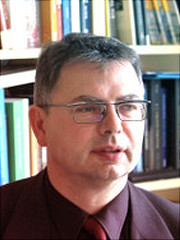
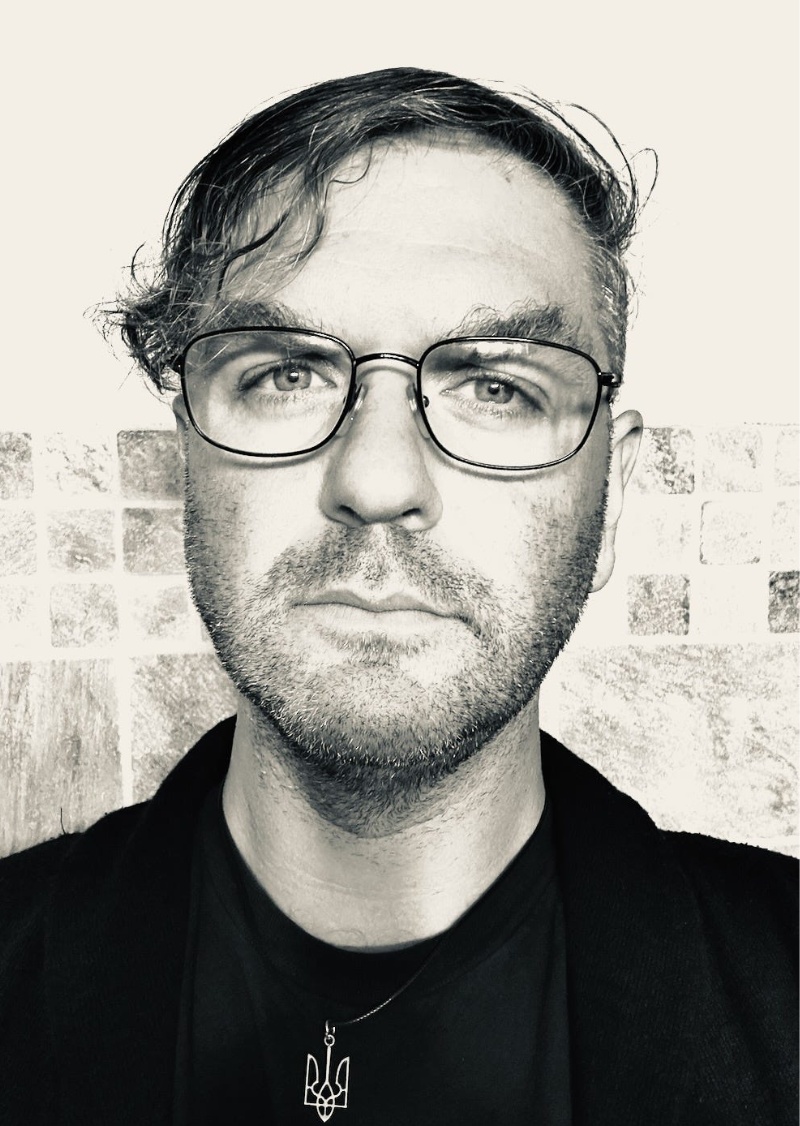
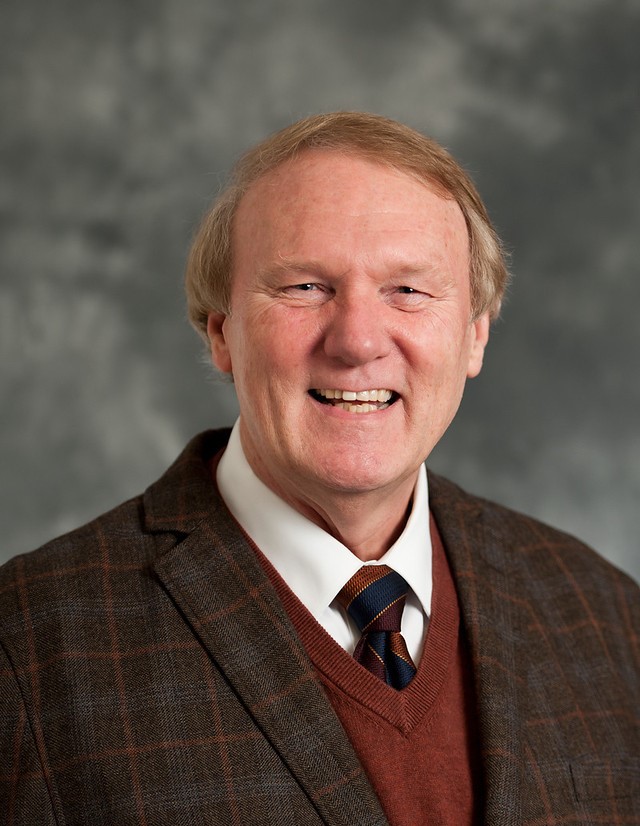
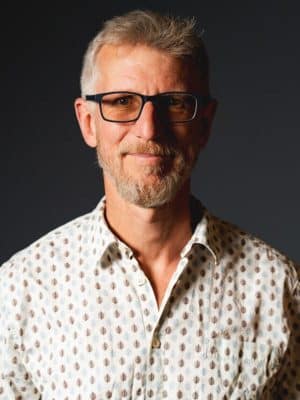
Dr Jung Woo Lee is a Senior Lecturer in Sport and Leisure Policy at Moray House School of Education and Sport, University of Edinburgh. He serves as Deputy Director of Research, Engagement and Impact at Moray House (2025–present), Research Director of the Scottish Centre for Olympic Research and Education (SCORE), and Guest Module Leader at the German Sport University Cologne’s MA Olympic Studies Programme. His roles include editorial board memberships for journals like International Journal of Sport Communication and Palgrave’s Sport in Asia series. Lee’s research focuses on sport diplomacy, mega-events, nationalism, media, and cultural studies, with particular attention to Korean Peninsula dynamics and East Asian geopolitics. His research interests span sport mega-events’ socio-political impacts, Olympic diplomacy, intercultural connections via sport (e.g., Gaelic games in East Asia), and sport nationalism. He leads projects funded by the British Academy, University of Edinburgh, and Korean/Taiwanese governments. Lee is affiliated with Edinburgh Critical Studies in Sport (ECSS) and actively engages in international conferences, addressing topics like North Korean women’s football, Sino-US-Qatari dynamics in the 2027 FIBA World Cup, and post-colonial sport cultures in Taiwan/South Korea. Lee has received prestigious fellowships from the Academy of Korean Studies (2022) and Taiwan’s Ministry of Foreign Affairs (2018). His work bridges academia and policy, emphasizing sport’s role in diplomacy, identity formation, and global cultural politics.
Prof. Dr. Jürgen Zimmerer is a leading scholar in colonial and postcolonial history at the University of Hamburg 's Department of Global History. His work bridges the connections between colonialism, genocide, and modern mass violence, with a focus on German colonial history in Africa and its global implications. Professor of African History (2010–present) Former Reader at University of Sheffield (2007–2010) Co-founder of Sheffield Center for Genocide Studies Advisory roles at international genocide prevention institutions His research explores the intersection of colonial administration, racial violence, and cultural heritage. Key projects include: Investigating Hamburg's colonial past through monuments and urban spaces Decolonizing museum practices and historical narratives Developing the Colonial Sites app for public engagement Examining environmental violence as a form of genocide Zimmerer's recent publications analyze colonial memory in Germany, including the 2024 book From Windhoek to Auschwitz that traces ideological linkages between colonial and Nazi atrocities. He is actively involved in debates about renaming institutions with colonial legacies, recently advocating for the Bernhard Nocht Institute for Tropical Medicine. His academic service includes co-editing the Journal of Genocide Research and leadership in the International Network of Genocide Scholars. Zimmerer's methodological approach combines archival research with digital humanities and public history initiatives.
Professor Peta Mitchell is a leading scholar in digital media and geographies at Queensland University of Technology (QUT), where she holds a Professorship in the School of Communication and the Digital Media Research Centre (DMRC). She leads the Urban Media and Digital Geographies Research Group and serves as Director of Research Training for QUT's Faculty of Creative Industries, Education, and Social Justice. In 2023, Professor Mitchell was appointed to serve a three-year term on the Australian Research Council's College of Experts, recognizing her significant contributions to research in digital media and geographies. Professor Mitchell earned her Doctor of Philosophy from the University of Queensland. Her academic journey has established her as a prominent voice in the interdisciplinary field bridging geography, media studies, and digital culture. She has received prestigious fellowships including a Vice Chancellor's Research Fellowship from QUT (2014-2018) and a visiting fellowship from the Institute for Advanced Studies in the Humanities at the University of Edinburgh (2009). Professor Mitchell's research explores the complex connections among space, place, society, and the digital. Her work focuses on digital and media geographies, everyday digital and data cultures, digital inclusion, and network contagion. She has made significant contributions to understanding how digital technologies reshape our relationship with space and place, particularly in urban environments. Her research examines how location-aware technologies influence social dynamics, cultural practices, and power relations, with particular attention to issues of inclusion, privacy, and justice in digital contexts. Professor Mitchell has investigated how digital media practices shape experiences of belonging, particularly among marginalized communities, and how geospatial data is produced, circulated, and contested in contemporary society. Her extensive publication record reveals a trajectory of increasingly interdisciplinary work that bridges humanities, social sciences, and spatial sciences. Recent publications show a growing focus on the intersection of digital technologies with environmental concerns, multispecies justice, and urban governance. Professor Mitchell's work has evolved to address emerging challenges related to generative AI, smart city technologies, and the ethical implications of location-aware applications. Her research consistently engages with questions of power, equity, and social justice in digital spaces, making significant contributions to both theoretical frameworks and practical applications in the field. Vice Chancellor's Research Fellowship, Queensland University of Technology (2014-2018) Faculty research fellowship, Centre for Critical and Cultural Studies, University of Queensland Visiting fellowship, Institute for Advanced Studies in the Humanities (IASH), University of Edinburgh (2009) Professor Mitchell has successfully supervised numerous doctoral students whose research explores diverse aspects of digital media and geographies. Her current and former students have investigated topics including smart urban governance, digital privacy, diaspora media practices, digital inclusion, and the cultural dimensions of location-based technologies. She has secured substantial research funding through competitive grants, including multiple ARC Discovery and Linkage Projects. Her current projects include "Generative AI and the Future of Academic Writing and Publishing" (2025-2028) and "Promoting Low-Income Parents' Digital Media Literacies" (2025-2028), demonstrating her ongoing commitment to addressing pressing contemporary issues at the intersection of technology, society, and space. As leader of the Urban Media and Digital Geographies Research Group within QUT's Digital Media Research Centre, Professor Mitchell fosters interdisciplinary collaboration among researchers examining how digital technologies reshape urban spaces and social relations. Her research group brings together scholars from geography, communication, design, computer science, and the humanities to investigate the spatial dimensions of digital culture. The group's work has particular relevance for understanding the implications of smart city technologies, location-aware applications, and digital inclusion initiatives in contemporary urban contexts.
Peter K. Bol is the Charles H. Carswell Professor of East Asian Languages and Civilizations at Harvard University. His research focuses on China's cultural elites from the 7th to 17th centuries, geospatial analysis, and digital humanities projects including the China Historical Geographic Information Systems (CHGIS) and China Biographical Database (CBDB). His research interests include: Intellectual transitions in Tang and Sung China Neo-Confucianism and its historical context Geospatial analysis in historical research Biographical database development Digital approaches to Chinese history Bol has led significant university-wide initiatives including the establishment of Harvard's Center for Geographic Analysis in 2005 and has served as Vice Provost (2013-2018) overseeing HarvardX, the Harvard Initiative in Learning and Teaching, and online learning research.
Dr. Christopher Muellerleile is a Senior Lecturer in Geography at Swansea University's School of Biosciences, Geography and Physics. He holds a PhD from the University of Wisconsin-Madison and was a Marie Curie postdoctoral fellow at the University of Bristol before joining Swansea in 2016. His research focuses on the spatial dynamics of financial markets, cryptocurrencies, and the marketization of academic knowledge. He currently leads projects on cryptocurrency derivatives regulation funded by the British Academy and the historical roots of the 2008 financial crisis in Chicago's financial infrastructure. Education: PhD in Geography, University of Wisconsin-Madison, 2013 Marie Curie Postdoctoral Fellowship, University of Bristol, 2013-2015 Research Interests: His work examines how financial markets shape urban spaces and vice versa, with a focus on regulatory frameworks for emerging financial instruments. Recent projects explore blockchain technology's spatial implications and contradictions in open access publishing models that create new market enclosures. His work bridges economic geography, political economy, and urban studies. Teaching: Teaches undergraduate modules on urban geography (GEG131) and supervises PhD dissertations in human geography (GEG331/GEG332). Advanced modules include Society-Environment Relations (GEGM28) and Advanced Research in Human Geography (GEGM16). Supervision: Currently supervising three PhD students researching climate emergency responses, urban development theories, and green finance policies. Past supervision includes a 2024 awarded thesis on UK climate finance frameworks.
Professor Peter Flügel is Chair of the Centre of Jaina Studies and Professor of the Study of Religions and Philosophies at SOAS University of London. His extensive research covers Jain history, anthropology, sociology, ritual practices, and comparative philosophy. Education: Dr Phil (Johannes Gutenberg-Universität Mainz) MA (Johannes Gutenberg-Universität Mainz) Flügel's research encompasses Jain schools and sects, relic stūpas, Jaina-Vaiṣṇava syncretism, socio-political history of the Jain tradition, and questions of pluralism and non-violence. He specializes in the material culture of Jain mendicant traditions and Jain legal history. Flügel has directed numerous research projects funded by the British Academy, Leverhulme Trust, and AHRC, including 'Jaina Rituals of Death', 'Jaina-Prosopography', and 'Exploratory Survey of the Jaina Heritage in Pakistan'. His publications demonstrate extensive archival research and fieldwork focused on Jain religious practices across South Asia. Scientific Awards: Ācārya Tulsī Anekānt Sammān (1999) International Pravartinī Pārvatī Jain Award (2010) Jewel of the Jain World Award (2012) Flügel convenes the Annual Jaina Studies Workshops at SOAS and serves as editor of the International Journal of Jain Studies. He maintains international collaborations with universities in Lund, Lille, and Ghent, and research partnerships with institutions in India and Germany.
Ye Cai is an Associate Professor of Finance at the Leavey School of Business, Santa Clara University, where she has taught since 2010. She specializes in empirical corporate finance, focusing on mergers and acquisitions, board networks, entrepreneurship, venture capital, and corporate social responsibility. Her research appears in top-tier journals such as the Journal of Financial Economics and Review of Financial Studies. Education: B.A. in Economics, Peking University M.A. in Economics, Vanderbilt University Ph.D. in Finance, University of North Carolina at Chapel Hill Her research explores themes like the environmental impact of corporate decisions, governance structures, and the interplay between religion and financial reporting. Recent work addresses ESG greenwashing, SEC regulations, and carbon emission strategies in competitive markets. Awards: Leavey Extraordinary Teaching Award ACE Outstanding Faculty Award Teaching focuses on Financial Management, Corporate Financial Policy, and Time Series Forecasting. Advising and grant activities are not explicitly detailed in available texts. Active in academic networks and contributes to discussions on sustainability, board governance, and venture capital ecosystems.
Dr. Vincent Artman is an Adjunct Professor at Wayne State University's Center for Peace and Conflict Studies within the College of Liberal Arts and Sciences. He holds a Ph.D. in Geography from the University of Kansas (2016) and focuses on political geography, geopolitics, and the intersections of religion, nationalism, and territoriality in post-Soviet Central Asia. His research examines how identities—religious, national, and civic—are constructed in modern states, particularly in Kyrgyzstan and the Caucasus. Recent work explores Islam’s role in Kyrgyz national identity, white supremacy in the U.S./Europe, and the geopolitics of territorial disputes like Abkhazia/South Ossetia. He has published in Europe-Asia Studies , Geopolitics , and Territory, Politics, Governance . Artman has received grants including Wayne State’s Part-Time Faculty Professional Development Award (2017, 2018), an IREX Fellowship (2014), and a Fulbright (2013). He teaches courses like Introduction to Peace and Conflict Studies and Peace Making: Regional Perspectives , frequently offered in Wayne State’s Peace and Conflict Studies Program. His awards reflect interdisciplinary scholarship, including Foreign Language Area Studies grants for Uzbek and Russian language proficiency. He also contributes to public discourse on Central Asia and Islamophobia, with op-eds in Al Jazeera and lectures on Kyrgyzstan’s religious-national identity dynamics.
Katherine Fama is a tenured Assistant Professor of American Literature in the School of English, Drama and Film at University College Dublin (UCD). She holds leadership roles including Deputy Head of School (2024–2027), former Director of Graduate Research (2021–2024), and Co-Director of the Fictional Spaces research substrand under UCD’s Thresholds of Knowledge research initiative. She co-founded the Single Lives Research Group and helped establish the International Singles Studies Association (ISSA). Her work bridges literary studies, feminist theory, architectural criticism, and creative pedagogy. Dr. Fama earned her PhD in English and American Literature from Washington University in St. Louis in 2013, with a certificate in American Culture Studies. She also holds an MA from New York University and a BA from Swarthmore College. Her postgraduate training includes a Digital EDI Ambassador Badge and participation in the Research Supervisor Support and Development programme at UCD. Her research centers on singleness, architecture and narrative, feminist theory, sexuality studies, and the history of emotions in modern American literature. She explores how domestic spaces shape identity, particularly for single women, and investigates the emotional and material dimensions of literary form. Her book project, The Architecture of Singleness , examines early 20th-century novels, domestic architecture, and the figure of the single woman in America. Her interdisciplinary approach is reflected in collaborations across film, media, and studio arts. Her recent publications span journals such as Emotions: History, Culture, Society , MELUS , Studies in American Naturalism , and Journal of Modern Literature . She co-edited Single Lives: Modern Women in Literature, Culture, and Film (Rutgers University Press, 2022), and her work increasingly integrates creative practice, including printmaking and community art projects focused on environmental regeneration. College of Arts and Humanities Teaching Excellence Award (2024) Marie Skłodowska-Curie Research Fellow Volkswagen Foundation Postdoctoral Fellow NEH Research Fellow W.M. Keck Foundation Fellow Everett Helm Visiting Fellow Katherine Fama supervises PhD and MA students, including Chloe Green, whose research examines illness in the contemporary workplace novel. She founded the Graduate Futures workshop to support PhD candidates in academic and non-academic career development. Her funded research projects include 'Architecture and Narrative: The Built Environment in Modern Culture' and 'Print Exchanges: Site-specific Creative-Critical Responses to Extractivist Landscapes'. She has received grants from the NEH, Winterthur Museum, Huntington Library, Smith College, and the Marie Curie programme. She co-directs the Fictional Spaces substrand of the Thresholds of Knowledge research strand and collaborates with Dr. Jorie Lagerwey on the Single Lives Research Group. She is also active in the UCD Centre for Gender, Feminisms & Sexualities and has held leadership roles in the Irish Association for American Studies.
J. Christopher Brown is a Professor of Geography and Environmental Studies at the University of Kansas. He specializes in human-environment interactions, focusing on sustainable development in the Amazon Basin. His research integrates ecological, political, and socio-economic dimensions to address deforestation, agricultural expansion, and NGO-mediated rural development. Affiliations: Department of Geography, University of Kansas; Collaborator with Brazil's Embrapa Agricultural Research Agency Key Projects: Amazonian NGO dynamics and political impacts Soybean and sugarcane expansion impacts Spatial analysis of deforestation and land use Research interests include political ecology, biogeography, and the interplay between global and local scales. He employs remote sensing and interdisciplinary methods to study environmental governance and policy outcomes. His work on NGOs reveals how funding shapes political behavior in Brazil, with findings published in Comparative Political Studies and Political Geography . Recent studies highlight the edge effects of land-use changes and biodiversity impacts on pollinators like orchid bees. Awards: 2016 George and Eleanor Woodyard International Educator Award (University of Kansas) Brown's research bridges academic inquiry and policy, examining how development policies interact with ecological systems in Latin America. Current projects address soy moratorium efficacy, sugarcane expansion in the Cerrado, and the MST landless movement's political influence.
Lauren Gorfinkel is a Senior Lecturer at Macquarie University's School of Communication, Society and Culture. She specializes in organizational communication, cultural diversity, and media analysis with a focus on multicultural health communication, AI in education, and Chinese media studies. Her research explores multicultural school-family engagement, government communication strategies during crises like the pandemic, and representations of cultural diversity in media. Her academic background includes over a decade examining identity construction in Chinese music-entertainment television and intercultural approaches to language teaching. She holds qualifications in nutrition and health coaching, integrating these into her work on health communication and multicultural community engagement. Notable projects include the Language Inclusion Index (LI-Index) for multilingual Australia and studies on multicultural school communication. She collaborates widely, e.g., in the Multilingualism Research Centre (2019–2022) and the HIA project on plant food bioactives (2024–2029). Gorfinkel supervises HDR students in areas like cultural diversity, health communications, and media representation. She actively engages with public discourse through peer-reviewed articles and book chapters on topics ranging from generative AI in education to social media strategies in schools.
Dr. Lecturer Serkan Köksal is affiliated with the Department of Geography at Bingöl University, where he has held his current position since 2023. His educational background includes a Bachelor's degree from Istanbul University (2007), a Master's from Kahramanmaraş Sütçü İmam University (2012), and a PhD from Balıkesir University (2019). He previously served as a Research Assistant at Kahramanmaraş Sütçü İmam University (2010–2012), Bingöl University (2012–2023), and Balıkesir University (2013–2017). His research focuses on cultural geography, toponymy, and geotourism, with notable contributions analyzing place names in Kayseri and environmental issues in recreation areas. He has also explored historical shifts in place names and their cultural implications. Köksal has actively participated in academic symposiums, presenting papers on topics ranging from Carl Ritter's geographical paradigms to the marketing of place names. He teaches courses including Industrial Geography, Land Use and Planning, and Energy Resources. His English proficiency is rated at 76.25. While no formal awards are listed, his work emphasizes interdisciplinary approaches to geography and cultural studies.
Ronnie Littlejohn is Professor of Philosophy and Director of Asian Studies at Belmont University, within the College of Liberal Arts & Social Sciences. He holds a Ph.D. from Baylor University with a specialization in Comparative Philosophy, Chinese thought, Ethics, and Early Modern Thought. His academic work bridges Eastern and Western philosophical traditions, with a particular focus on Daoism, Confucianism, and moral philosophy. Education: Ph.D., Baylor University Post-doctoral Studies: University of Chicago, University of Hawaii, University of Arizona, Harvard University, Notre Dame, Pennsylvania State University Dr. Littlejohn’s research interests include comparative philosophy, Chinese philosophy, ethics, and the philosophy of language. He has conducted extensive field research on Zhengyi Daoist lineages in China and has been deeply involved in promoting Asian studies in the U.S. through leadership roles in ASIANetwork and the National Consortium for Teaching about Asia. His scholarship emphasizes the relevance of classical Chinese thought to contemporary ethical and philosophical debates. His recent publications span topics such as Daoist sacred sites, moral education, philosophical dialogue in Chinese thought, and the reinterpretation of classical texts like the Daodejing and Zhuangzi . The articles reflect a strong thematic engagement with Daoism, Confucian ethics, comparative hermeneutics, and the application of wu-wei to Western moral philosophy. His work consistently bridges historical analysis with contemporary philosophical inquiry. Scientific Awards and Honors: Tennessee Professor of the Year, 2015 Virginia M. Chaney Distinguished Professor Award, 2013 Distinguished Service Award, ASIANetwork, 2021 International Talent Cooperation Programme Award, Henan Province, China, 2016 Distinguished Service Award, International East-West Center Alumni Association, 2006 Award for Innovative Excellence in Teaching, 2003 Dr. Littlejohn has served as a grant director and co-director for multiple educational initiatives, including the Tennessee National Consortium for Teaching about Asia and the National Consortium for Teaching about East Asia. He has directed Belmont University’s student travel programs in China and Hawaii and has led numerous faculty development workshops. He is also an active contributor to academic journals and encyclopedias, including the Internet Encyclopedia of Philosophy and the International Encyclopedia of Ethics . He has directed several symposia on Asian studies at Belmont and has been a keynote speaker at international conferences in China and the U.S. His work in media includes television programs on Daoism and contributions to National Geographic ’s Sacred Journeys series.
Marcus Bingenheimer is an Associate Professor in the Department of Religion at Temple University, Philadelphia. His academic journey includes an MA in Sinology and a Dr.phil in History of Religions from Würzburg University, Germany, along with an MA in Communication Studies from Nagoya University, Japan. He has held teaching and research positions at institutions across Asia and Europe, including Dharma Drum in Taiwan (2005–2011) and visiting roles at universities in Korea, Japan, Thailand, France, and Singapore. His research focuses on Buddhist Studies and Digital Humanities, with specializations in the history of East Asian Buddhism, early Buddhist sutra literature (Āgama/Nikāya), and computational methods in religious studies. Key projects include the digitization of Buddhist temple gazetteers, historical social network analysis of Chinese Buddhism, and the digital edition of the Song Gaoseng Zhuan. He has also pioneered the application of GIS and stylometric analysis to religious texts. Dr. Bingenheimer has authored or edited over 20 books and numerous articles, including Island of Guanyin (2016) and Studies in Āgama Literature (2011). He directs major research initiatives like the Database of Medieval Chinese Syntax and co-leads the FROGBEAR research cluster on Religion and Technology. His work bridges traditional scholarship with cutting-edge digital tools, emphasizing open access and collaborative projects in Buddhist cultural heritage preservation. Grants and fellowships include a Temple University Presidential Grant for the Sutra2DNA project and an ACLS Translation Grant for his work on Wang Rixiu’s Pure Land essays. His lab activities involve projects like the Nanyang GIS data pool for Southeast Asian Chinese sites and the Digital Archive of Buddhist Temple Gazetteers.
Adrian Martin is Professor of Environment and Development at the School of Global Development, University of East Anglia (UEA). He is a member of the Tyndall Centre for Climate Change Research, Global Environmental Justice, and ClimateUEA. He directs UEA’s Global Environmental Justice research group and serves as a Coordinating Lead Author for the IPBES Assessment of Diverse Values of Nature. His research centers on interdisciplinary approaches to natural resource management in developing countries. Key themes include environmental justice, conservation governance, ecosystem services, payments for ecosystem services (PES), and the intersection of poverty alleviation and biodiversity conservation. His work spans regions including sub-Saharan Africa, Southeast Asia, and Latin America, with a long-standing focus on Rwanda. Adrian’s recent and ongoing research projects include NAVIGATE (2022–2026) on integrating plural values of nature into decision-making, and Environmental Justice Analysis to Advance Rural Landscape Transformations (2020–2024), funded by ESRC. His publications span high-impact journals such as One Earth , Global Environmental Change , and Nature Sustainability , reflecting interdisciplinary reach across social and natural sciences. His most recent publications highlight trends in environmental justice, particularly in conservation policy, Indigenous rights, rural transformations under climate change, and the ethical dimensions of biodiversity governance. The works emphasize equity, participation, and the need to challenge dominant assumptions in conservation and development. Advancing equitable governance in area-based conservation (2024, IUCN WCPA) Is it just conservation? (2024, One Earth ) Unveiling pervasive assumptions in conservation (2025, Current Opinion in Environmental Sustainability ) Adrian supervises multiple PhD students working on topics such as REDD+ in Cameroon, community forestry in Kenya, land tenure in Madagascar, and mangrove restoration in Indonesia. He has led or co-led major funded projects from ERC, ESRC, NERC, DFID, and other international bodies. His teaching includes modules on natural resource governance, rural development, and environmental justice, and he has served as course director for the MA Rural Development and BA Geography and International Development. He is actively involved in research groups including the Global Environmental Justice group and contributes to UN Sustainable Development Goals, particularly those related to poverty, inequality, climate action, and life on land.