Yonghwi Kwon is a Visiting Assistant Professor in the Department of Computer Science at the University of Virginia. His research focuses on software systems security, cyber forensics, and software engineering. He received the CAREER Award for developing dynamic defenses against cyber threats. His work emphasizes securing software from cyber attacks, recovering forensic evidence, and improving software testing and reverse engineering techniques. Key research areas include memory safety mechanisms, automated vulnerability detection in web applications and mobile systems, and forensic analysis of phishing campaigns. He has pioneered frameworks like CMASan for memory allocator-aware sanitization and Racedb for detecting race conditions in database-backed systems. His contributions span cloud security automation, kernel exploitation analysis, and embedded system fuzzing. Notable achievements include the 2025 CAREER Award supporting his dynamic defense research, and impactful publications in areas like Android information leakage detection (DryJIN), Bluetooth protocol fuzzing (BTFuzzer), and autonomous driving bug discovery (Drivefuzz). His work bridges theoretical computer science with practical cybersecurity solutions.
Prof. Walter Richtering is a Universitätsprofessor at RWTH Aachen University, affiliated with JARA-SOFT and the Institute of Physical Chemistry (IPC). His research focuses on soft matter physics, colloids, and polymer chemistry with emphasis on microgels, nanogels, and their applications in biomaterials and materials science. He leads the 'Physical Chemistry of Solids' group and contributes to the CRC 985 (Functional Microgels and Microgel Systems). Key interests include quantifying softness in colloids, interfacial phenomena, and developing educational tools like AFM-based microgel experiments for undergraduate labs. Position: Professor of Physical Chemistry Affiliations: JARA-SOFT, IPC RWTH Aachen, CRC 985 Research Groups: Physical Chemistry of Solids, Polymers and Colloids His work explores structure-property relationships in soft materials, including phase behavior under non-equilibrium conditions, thermoresponsive systems, and catalytic microgel applications. Recent studies address microgel mechanics, anisotropic architectures, and filtration technologies.
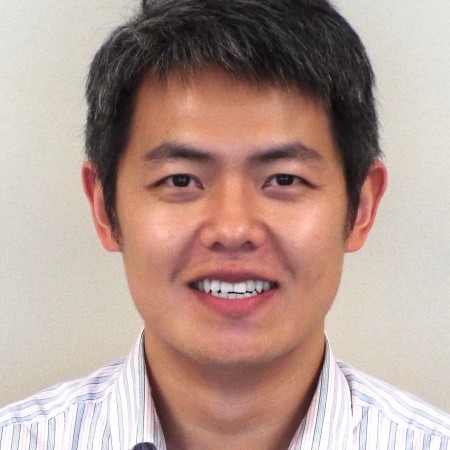
Cong Liu is an Associate Professor of Computer Science at The University of Texas at Dallas (UT Dallas), affiliated with the Erik Jonsson School of Engineering and Computer Science. He joined UT Dallas in 2012 as an Assistant Professor and was promoted to his current rank. His research focuses on real-time and embedded systems, cyber-physical systems, and energy-efficient heterogeneous computing. Liu earned his Ph.D. in Computer Science from the University of North Carolina at Chapel Hill (2013), M.S. from Auburn University (2007), and B.E. from Wuhan University of Technology (2005). His research interests include real-time operating systems, cluster/cloud computing, and autonomous systems. He received the NSF CAREER Award in 2017 to develop algorithmic solutions for real-time data processing in autonomous vehicles and robotics. His work emphasizes GPU-accelerated embedded systems that enable autonomous decision-making in resource-constrained environments. Liu has held roles such as TPC member for IEEE RTAS and reviewer for multiple journals/conferences, including IEEE Transactions on Computers and Journal of Parallel and Distributed Computing. His publications address critical challenges in real-time scheduling, heterogeneous computing, and energy efficiency. He leads research on data-induced challenges in embedded systems, aiming to make autonomous driving systems predictable and controllable. Liu’s contributions bridge theoretical foundations with practical implementations in automotive and robotics domains.
James McGrath is a Professor of Biomedical Engineering at the University of Rochester, holding the William R. Kenan, Jr. Professorship. He leads the Nanomembrane Research Group, pioneering ultrathin silicon nanomembrane technologies for biomedical applications. His work integrates material science, microfluidics, and tissue engineering to address challenges in diagnostics, regenerative medicine, and environmental health. McGrath's interdisciplinary team collaborates across academia and industry, including the Rochester-based SiMPore Inc. (co-founded by him). Education: B.S. Mechanical Engineering, Arizona State University (1991) M.S. Mechanical Engineering, MIT (1994) Ph.D. Biological Engineering, Harvard/MIT (1998) Research Interests: McGrath focuses on nanomembrane technologies for: Microphysiological systems (organ-on-a-chip) Biosensors and diagnostic tools Hemodialysis and toxin removal Microplastics detection in water and biological systems Inflammatory fibrosis modeling (e.g., blood-brain barrier dynamics) Extracellular vesicle biomarker platforms Awards & Recognition: Edmund A. Hajim Outstanding Faculty Award (2019) AIMBE Fellow (2015) William R. Kenan, Jr. Professorship (2023) Advising & Industry: McGrath has advised students and entrepreneurs through his lab and SiMPore Inc., focusing on translating nanomembrane innovations into clinical and commercial applications. His work bridges basic science and applied engineering, with a focus on scalable manufacturing and global health impact. Labs & Collaborations: The Nanomembrane Research Group collaborates with UR, RIT, and international partners to advance nanomembrane-based solutions for healthcare and environmental challenges. Key platforms include the MicroSiM barrier tissue system and silicon nanomembrane analysis pipelines.
Dr. Mercedes Taylor is an Assistant Professor in the Department of Chemistry and Biochemistry at the University of Maryland, College Park. She holds the Nathan Drake Faculty Fellowship. Previously, she was a Jill Hruby Fellow in National Security Science and Engineering at Sandia National Labs (2018–2021) and a Post-Baccalaureate Intramural Research Training Awardee at the NIH (2011–2013). She earned her Ph.D. in Chemistry from UC Berkeley (2018) and a B.A. in Chemistry from Amherst College (2011). Her research focuses on synthesizing novel materials like supramolecular cages, covalent organic frameworks, and porous polymers for applications in water purification and critical metal capture. Her lab emphasizes controlling material structure to achieve selectivity for target molecules and enhance aqueous stability. Key projects include ion separations, environmental remediation, and energy storage solutions. Dr. Taylor’s work has been recognized through awards such as the 2024 Doctoral New Investigator Award (ACS), 2023 DOE Separation Science Core Award, and the 2023 Moore Inventor Fellowship. She mentors a dynamic research group, including graduate students and post-baccalaureate researchers, and actively engages in interdisciplinary collaborations. Her lab is part of the Taylor Group at UMD, which develops advanced materials for ion capture and water treatment. Alumni of her group include researchers at Sandia National Labs and academic institutions, contributing to both industry and academia.
Professor Chee Yew Wong is a leading academic in supply chain management at Leeds University Business School (LUBS), where he holds the position of Professor and serves as Director for Research & Innovation in the Analytics, Technology and Operations department. He previously held a Chair in Logistics and Supply Chain Management at Hull University Business School and has served as a visiting professor in Thailand and China. His work bridges academia and industry, with over nine years of professional experience in operations and supply chain roles across multinational corporations and SMEs. His educational background includes a PhD in Supply Chain Management from Aalborg University, Denmark; an MSc in Manufacturing Management from Linköping University, Sweden; a BEng in Mechanical Engineering from the University of Technology, Malaysia; and a PG Certificate in Higher Education from Hull University, UK. Professor Wong's research centers on intelligent, responsible, and sustainable solutions for global supply chains. Key interests include digital supply chains, supply chain analytics, green logistics, human rights in supply chains, resilience, and circular economy models. He leverages technologies such as blockchain, machine learning, and IoT to enhance transparency, integration, and performance in complex supply networks. The analysis of his recent publications reveals a strong trend toward digital transformation, sustainability, and ethical governance in supply chains. His work increasingly emphasizes data-driven decision-making, environmental and social risk assessment, and the role of technology in enabling responsible global sourcing. Many projects focus on real-world applications in industries such as healthcare, fashion, retail, and manufacturing, often through Knowledge Transfer Partnerships with industry leaders. Best Reviewer Award, Operations and Supply Chain Management Division, Academy of Management Conference, Chicago, USA (2018) Prof. Xiande Zhao's Best Paper Award, International Conference on Operations and Supply Chain Management, Kaifeng, China (2017) Finalist for the Jack Meredith Best Paper Award, Academy of Management Conference, Anaheim, USA (2016) Emerald Best Paper Award, Supply Chain Management: an International Journal (2006) Professor Wong has successfully supervised 10 PhD students and 4 post-doctoral researchers, and has examined over 15 PhD dissertations internationally. He leads multiple research grants, including projects funded by Innovate UK, UKRI, ESRC, and the British Council, focusing on digital transformation, human rights, and green supply chain innovation. His collaborations span academia, government, and industry, demonstrating a strong commitment to impactful, applied research. He is actively involved in the Centre for Operations and Supply Chain Research, the Adaptation Information Management and Technology group, and the Centre for Decision Research at LUBS. These research groups support interdisciplinary work in analytics, digital technologies, and sustainable operations, fostering innovation and knowledge exchange across sectors.
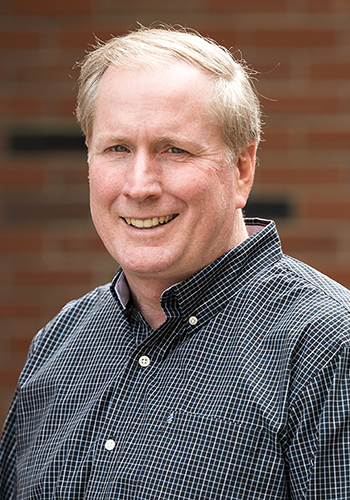
James S. Noble is a Professor and Chair of the Department of Industrial and Systems Engineering at the University of Missouri, where he also serves as the MU Site Director for the NSF I/UCRC Center for Excellence in Logistics and Distribution (CELDi). His work bridges academia and industry through applied research in logistics, supply chain, and integrated production systems. PhD, Purdue University MS, Purdue University BS, University of Oklahoma Dr. Noble's research focuses on logistics and distribution , supply chain system design , and integrated production systems , with applications ranging from humanitarian logistics to intelligent warehouse systems. His work emphasizes modeling, analysis, and optimization of material flow and transportation systems. The 15 most recent articles reflect a consistent trajectory in logistics systems analysis , supply chain modeling , and material flow improvement . These publications demonstrate a strong integration of operations research, systems engineering, and real-world problem-solving, with applications in energy, transportation, humanitarian aid, and industrial logistics. Keywords span Operations Research , Supply Chain Management , and Industrial Engineering , while sub-fields include Bayesian forecasting, reverse logistics, winter road maintenance, and intelligent systems. Dr. Noble has been recognized with several prestigious awards: Society of Manufacturing Engineers Outstanding Young Manufacturing Engineering Award (1997) William T. Kemper Fellowship for Teaching Excellence (2022) Win Horner Award for Innovative Writing Intensive Teaching (2014) Elected Fellow of the Institute for Industrial and Systems Engineering (IISE) (2019) His research has been generously funded by the National Science Foundation , Bayer , Boeing , Hallmark Cards , Honeywell FMT , Medline , Ameren , UMB Financial , the U.S. Economic Development Administration , the Midwest Transportation Consortium , and the Missouri Department of Transportation . While specific advisees are not listed, his leadership in CELDi and role as department chair suggest extensive mentorship of graduate and undergraduate students in real-world logistics projects. He is also a registered Professional Engineer in Missouri. As MU Site Director for CELDi, Dr. Noble leads a multidisciplinary team of faculty from Industrial Engineering, Civil Engineering, Geography, and Biological Engineering, collaborating with over 30 industry, military, and government partners to solve real-world logistics challenges and develop implementable, cutting-edge solutions.
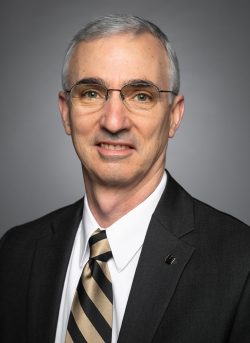
Wing Ng serves as Alumni Distinguished Professor and Chris C. Kraft Endowed Professor in Virginia Tech's Department of Mechanical Engineering within the College of Engineering. His career spans over four decades with continuous contributions to aerospace thermal systems and fluid dynamics research since joining Virginia Tech in 1984. Dr. Ng's academic foundation includes: Ph.D. in Mechanical Engineering from Massachusetts Institute of Technology (1984) M.S. in Mechanical Engineering from Massachusetts Institute of Technology (1980) B.S. in Mechanical Engineering from Northeastern University (1979) His pioneering research focuses on aeroacoustics of drones and jet engines, where he develops advanced diagnostics for turbine flow measurements and investigates transonic turbine blade aerodynamics. Current work explores aerothermal particle interactions in gas turbines and clean energy applications for wind turbines. His experimental approach bridges fundamental fluid dynamics with practical aerospace engineering solutions, particularly in cooling systems for high-temperature components. Analysis of recent publications (2024-2025) reveals three dominant research thrusts: turbine cooling optimization (film/phantom cooling configurations), particle dynamics in gas paths (impact/rebound mechanics), and novel measurement techniques (strain sensors, multiphase flow diagnostics). These studies consistently target performance enhancement and durability improvement in turbomachinery through experimental validation. Dr. Ng's exceptional contributions are recognized through: Virginia Tech Faculty Entrepreneur Hall of Fame (2017) William E. Wine Award for teaching excellence (2014) Multiple Certificates of Teaching Excellence (1985,1988,2011,2014) Dean's Award for Research Excellence (2013) Consecutive Best Paper Awards from ASME/AIAA (2001-2013) Fellow of ASME (1996) and Associate Fellow of AIAA (1992) As director of the Ng Lab, he maintains active collaborations with industry partners through Techsburg, Inc. (where he serves as Chairman) to translate research into commercial applications. His work on drone aeroacoustics and turbine diagnostics directly informs next-generation propulsion systems while addressing critical challenges in particle ingestion and thermal management.
Lailiang Cheng is a Professor in the Horticulture Section of Cornell University's School of Integrative Plant Science, specializing in the physiological processes of deciduous fruit crops (particularly apple). His research focuses on sugar/malate metabolism, mineral nutrition, and environmental stress responses to improve orchard productivity and fruit quality. He integrates physiological, biochemical, and molecular approaches to study sorbitol signaling and nutrient management in high-density orchards. Education: Doctorate, Oregon State University (1999) Master of Science, Shandong Agricultural University (1989) Bachelor of Science, Shandong Agricultural University (1984) Research Focus: Cheng's work investigates carbon partitioning, malate accumulation, and nutrient transport dynamics in apple trees under abiotic stresses. His extension program delivers nutrient management strategies to the apple industry, while his teaching emphasizes analytical techniques (PLSCI 6170) and crop nutrition principles (PLSCI 4551/6551). Publication Analysis: Recent articles (2021-2025) reveal dominant themes in molecular regulation of fruit acidity, transporter biology, stress-responsive transcription factors, and omics-assisted breeding. Over 70% of publications involve collaborative work on apple genomics, with consistent emphasis on translating basic research into orchard management solutions. Awards & Recognition: No scientific awards mentioned in source materials. Academic Contributions: Advises graduate students in Horticulture; research supported by Cornell University Agricultural Experiment Station. Collaborates extensively with pomology breeders, extension specialists, and molecular biologists globally.
Dr. Sam Ferguson is a Senior Lecturer at the School of Computer Science, University of Technology Sydney (UTS), with a multidisciplinary background in music performance, cognitive science, and psycho-acoustics. His research explores the intersection of sound, music, and human experience through creative coding, machine learning, and interactive systems. Key Research Areas: Sound and Music Computing, Human-Computer Interaction, Creative Coding, Cognitive Science, Installation Art, and Acoustics. Current Projects: ARC Linkage project on creative coding and multiplicitous media; industry collaborations on IoT-based audiovisual systems. Recent Publications: Focus on spatial audio complexity, gestural interaction with networked sound, music emotion recognition frameworks, and robotic performance through genre-based cultural platforms. Leadership Roles: Director of Teaching & Learning Engagement; former Deputy Head of School (Teaching and Learning); active in ACM Creativity and Cognition Steering Committee. Teaching: Courses like Digital Media Studio , Prototyping Physical Interaction , and Data Processing using R within UTS's interdisciplinary Software Development Studio.
Dr. Caroline Howe is an Associate Professor in Environmental Social Science at Imperial College London , affiliated with the Centre for Environmental Policy under the Faculty of Natural Sciences . She serves as Vice President of the British Ecological Society and Deputy Programme Director for Imperial’s MSc in Environmental Technology. Dr. Howe co-founded Imperial College’s Network of Excellence in Women’s Health and contributes to the Global Development Hub as an Advisory Board Member. Research Focus: Interdisciplinary exploration of people-nature relationships, equity and justice in biodiversity and ecosystem services, urban health, and sustainable development. Labs: Leads the Transdisciplinary Centre for Nature and People (TCNP) , a global team advancing nature-based solutions. Scientific Contributions: Key author on IPBES assessments and ESPA textbook. Her work spans climate mitigation, sustainable food systems, and postcolonial narratives in conservation. Scientific Awards: Athena SWAN Bronze (departmental leadership). Education and Advocacy: Champions gender/diversity through EDI initiatives and co-leads the MSc in Environmental Technology program.
Dr. Morten Ibsen serves as an Associate Professor at the University of Southampton's Optoelectronics Research Centre (ORC), a world-leading institution in photonics research. His academic profile demonstrates extensive involvement in cutting-edge optical technologies with significant contributions to fiber optics and laser systems. Dr. Ibsen's research focuses on advanced optical sensing technologies, particularly in fiber Bragg gratings, bi-doped fiber lasers, and optical refractometers. His work spans applications from environmental monitoring (heavy metal detection) to high-speed explosives diagnostics and navigation systems. The research demonstrates exceptional versatility across fundamental photonics and practical engineering applications. His publication record from 2018-2020 reveals consistent high-impact output in top photonics journals, with recurring themes in fiber laser development, optical sensor optimization, and novel measurement techniques. The research shows strong international collaboration patterns with institutions across Europe and Asia. Dr. Ibsen actively supervises PhD candidates including Robin Elliott and Sergei Shevtsov within the ORC's doctoral program. His research projects have attracted substantial funding from major organizations including the Royal Society, EPSRC, and the European Union's FP7 program. As a core member of the Fibre Bragg Gratings and Smart Lasers research groups, he contributes to the ORC's reputation as a global leader in photonics innovation. His experimental work bridges theoretical optics with practical engineering solutions for real-world sensing challenges.
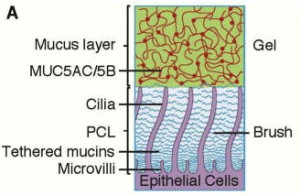
Michael Rubinstein is the Aleksandar S. Vesic Distinguished Professor in the Thomas Lord Department of Mechanical Engineering and Materials Science at Duke University. He also holds professorships in Physics, Biomedical Engineering, and Chemistry. His research spans polymer theory, computer simulations, and the application of these principles to biological systems, particularly mucus biophysics. Dr. Rubinstein earned his Ph.D. from Harvard University in 1983. His educational background in polymer physics has formed the foundation for his extensive research career spanning several decades. Dr. Rubinstein's research focuses on developing simple physical models of soft matter and biological systems ranging from polymeric elastomers and gels to extracellular matrix and mucus in human lungs. His work encompasses several key areas: Mucus Research: Investigating airway surface layer properties and their relationship to respiratory diseases like cystic fibrosis Polymer Entanglements: Studying the dynamics of entangled polymers including ring-linear blends and bottle-brush polymers Reversible Networks: Developing theories for interpenetrating elastomers and gels with both permanent and reversible components Charged Polymers: Extending scaling theory to describe complexes of oppositely charged polymers Analysis of Dr. Rubinstein's recent publications (2023-2025) reveals a strong focus on advanced polymer systems with applications in biomedicine and materials science. His work bridges fundamental polymer physics with practical applications, particularly in understanding mucus biophysics for respiratory diseases and developing novel polymer networks with self-strengthening and adaptive properties. Key themes include chromatin organization, hydrogel mechanics, fracture behavior in polymer networks, and topological constraints in ring polymers. Dr. Rubinstein has received several notable awards including the Nelson W. Taylor Award from Penn State University (2022), a University Distinguished Professorship from Duke University (2020), and recognition from the Royal Society of Chemistry (2019). Dr. Rubinstein leads an active research group (the Rubinstein Lab) that extensively collaborates with experimental, computational, and theoretical groups at Duke and worldwide. His lab combines theoretical modeling, computer simulations, and experimental validation to advance understanding of soft matter systems. While specific grant information isn't detailed in the provided text, his numerous high-impact publications suggest substantial research funding supporting his work. The Rubinstein Lab focuses on several interconnected research thrusts including mucus biophysics, self-assembly of amphiphilic systems, reversible networks and gels, polymer entanglements, and charged polymer systems. The lab employs a multi-pronged approach combining theoretical modeling, computer simulations, and experimental collaborations to develop fundamental understanding of soft matter systems with applications to biomedical challenges.
Dr. Ken Ferens is an Assistant Professor in the Department of Electrical and Computer Engineering at the Price Faculty of Engineering, University of Manitoba. He serves as the Computer Engineering Champion in the Centre for Engineering Professional Practice and Engineering Education and directs the Applied Cognitive Intelligence (ACI) Research Group. Dr. Ferens is a senior member of the Institute of Electrical & Electronics Engineers (IEEE), Chair of the EduManCom Chapter of the IEEE, Vice-Chair of the Computer and Computational Intelligence Chapter of the IEEE, and Chair of the Industry, Teaching Assistants, and Student Forums for Engineering Curriculum Review and Improvement. Ph.D. (Computer Engineering), University of Manitoba, 1996 M.Sc. (Computer Engineering), University of Manitoba, 1991 B.Sc. (Electrical Engineering), University of Manitoba, 1989 Dr. Ferens has over 33 years of research experience in computational intelligence, focusing on cognitive machine learning, artificial intelligence, cognitive computational intelligence, chaos theory applications, agent-based models, and various optimization algorithms including simulated annealing, genetic algorithms, artificial neural networks, and particle swarm optimization. His research applies these techniques to develop software and hardware intrusion detection systems for cybersecurity applications. He teaches graduate-level courses on Computer Network Security and Applied Computational Intelligence, providing students with theoretical background and hands-on experience in state-of-the-art security methods. Analysis of Dr. Ferens' recent publications reveals a strong focus on applying cognitive and chaotic computational techniques to cybersecurity challenges, particularly malware detection and network intrusion detection. His work increasingly integrates complexity theory, fractal analysis, and hybrid optimization approaches to enhance security systems' effectiveness. There's a clear progression toward more sophisticated machine learning architectures applied to increasingly complex security scenarios, with growing emphasis on real-world IoT and network security applications. Best Paper Award at IEEE International Conference on Cognitive Informatics and Cognitive Computing (ICCI*CC 2022) Best Paper Award at IEEE International Conference on Cognitive Informatics and Cognitive Computing (ICCI*CC 2015) Best Journal Paper Award for 2013 (Journal of ICT Research and Applications) Best Poster Award at 12th International Conference on e-Health Networking, Application & Services (2010) Best Paper Award at IASTED International Conference on Computer, Electronics, Control, and Communication (1991) Dr. Ferens collaborates with national and international industry partners including the Department of Advanced Information Management, Content Technology Canadian Tire Corporation (CTC), and Magellan Aerospace. His research group has received funding supporting the Cyber-security Research Program, developing practical applications of computational intelligence for security systems. He has supervised numerous graduate students in the Electrical and Computer Engineering department, focusing on research at the intersection of machine learning and cybersecurity. Dr. Ferens leads the Applied Cognitive Intelligence (ACI) Research Group within the Department of Electrical and Computer Engineering, which focuses on applying cognitive, chaotic, and computationally intelligent algorithms to build intrusion detection systems. The group collaborates with industry partners to develop practical security solutions while providing students with hands-on research experience in cutting-edge security technologies. Their work spans both theoretical algorithm development and practical hardware implementation for real-world security applications.
Professor Ali Yapar is a faculty member at Istanbul Technical University in the Electronics and Communication Engineering department. His research focuses on Electromagnetics , Microwave Engineering , and Antenna Technologies , with a particular emphasis on inverse scattering problems and microwave imaging for biomedical applications. He has supervised numerous graduate students and led projects related to breast cancer treatment and rough surface imaging. PhD in Electronics and Communication Engineering from Istanbul Technical University (1997) MSc in Electronics and Communication Engineering (1995) His recent publications analyze advanced techniques for microwave hyperthermia systems, reverse time migration methods, and Newton-based solutions for electromagnetic inverse scattering. Key projects include TUBITAK-funded initiatives on microwave tomography and brain stroke imaging. He serves as a project investigator and executive for electromagnetic research programs. Research areas span Electromagnetic Wave Propagation , Green's Function Applications , and Dielectric Material Analysis . Collaborations include IEEE members and international researchers in computational electromagnetics.