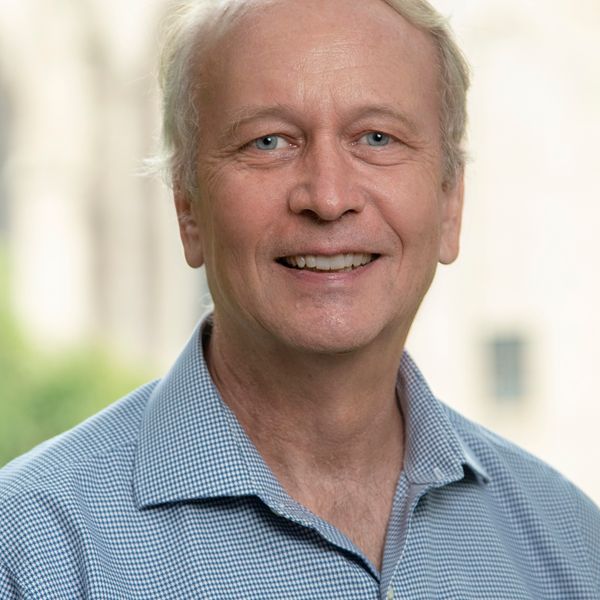
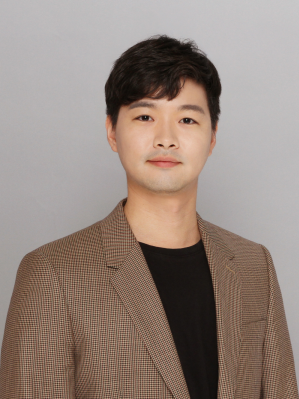
Professor Min An is a Professor of Construction and Risk Management at the University of Salford, leading the Infrastructure Research Group within the School of Science, Engineering & Environment. He holds an honorary professorship at two overseas universities (China and Portugal) and serves on the editorial boards of 12 international journals. With over 40 years of experience, his career spans academic roles at Heriot-Watt University, Coventry University, and the University of Birmingham, alongside industry roles as a civil engineer and researcher. His research focuses on safety and risk management in construction, transportation systems, and energy sectors, with over 200 publications. Key areas include railway and highway safety, offshore oil & gas risk assessment, and nuclear reliability management. He has secured funding from EPSRC, EU, DfT, and industry partners, leading 20+ projects. Notable achievements include developing methodologies for infrastructure safety and maintaining collaborations with 30+ industrial partners. Professor An has supervised 30 PhD students and over 280 postgraduate projects, contributing to industry workshops and best practices. Awards include multiple science technology prizes and conference best paper/keynote recognitions. His teaching spans risk management, construction safety, and project management across MSc programs.
Professor Matthew Jonathan Rosseinsky holds the Chair of Inorganic Chemistry at the University of Liverpool, a position he has occupied since October 1999. His career includes significant appointments at the University of Oxford (1992-1999) and Bell Laboratories in New Jersey (1990-1992), following his DPhil at Merton College, Oxford. As a Fellow of the Royal Society and recipient of numerous prestigious awards, Professor Rosseinsky maintains an active research program and leadership roles in the international chemistry community. Professor Rosseinsky's educational background includes a First Class Honours degree in Chemistry with Quantum Chemistry from the University of Oxford (1987) and a DPhil in "Physical Properties of Superconducting Oxides and Radical Cation Salts" completed in 1990 under Professor P. Day FRS. His research focuses on the synthesis of new materials with applications in energy storage and generation, communications, separation, and catalysis. The Rosseinsky Group employs a broad range of synthesis and characterization techniques, including neutron and synchrotron X-ray diffraction, combined with computational methods in collaboration with Dr. George Darling. Current research areas include Dynapore, CO2 fuels, SOLBAT, and CATMAT projects that target specific material challenges. Professor Rosseinsky's publication record is exceptional, with 304 papers including 11 in Nature, 6 in Science, and 3 in Nature Materials, accumulating over 15,000 citations and an h-index of 56 as of 2012. His work demonstrates consistent excellence across materials chemistry, with particular emphasis on porous frameworks, electronic materials, and solid-state chemistry. Among his numerous accolades are the Harrison Memorial Prize (1991), Corday-Morgan Medal (2000), Royal Society Wolfson Research Merit Award (2002), De Gennes Prize (2009), and the prestigious Hughes Medal from the Royal Society (2011). He also holds an ERC Advanced Investigator Grant and has delivered distinguished lectures worldwide. Professor Rosseinsky has served in numerous editorial and advisory capacities, including as Associate Editor for Chemical Sciences, membership on the Royal Society Conference and Travel Grant Committee since 2007, and as a member of the International Advisory Board for the Max Planck Institut for Solid State Research since 2011. His professional activities extend to international review committees for research institutions in France, South Korea, and Saudi Arabia. The Rosseinsky Group operates within the Department of Chemistry at the University of Liverpool, collaborating extensively with researchers including Dr. John Claridge, Professor Andrew Cooper, and Professor Paul Chalker. The group maintains strong international partnerships and utilizes advanced facilities for materials synthesis and characterization to drive innovation in functional materials development.
Moez Limayem is a Professor at the University of South Florida's Muma College of Business, specializing in Information Systems. His research focuses on digital platforms, user behavior analysis, and technology adoption in e-commerce and healthcare contexts. He has published extensively in top journals like the Journal of Management Information Systems and MIS Quarterly , addressing topics such as recommender systems, virtual collaboration, and the impact of emerging technologies like service robots in hospitality. Limayem has contributed to conferences including ICIS and ECIS, and his work bridges theoretical insights with practical applications in business informatics. His recent projects explore multi-sided platforms, habit formation in technology use, and the ethical implications of mobile phone overuse. Key research areas include: Design and management of digital platforms User behavior in virtual environments Technology adoption in organizations Impact of color and media on learning outcomes Limayem has collaborated with institutions like the University of Alberta and the Polytechnic Montréal, demonstrating cross-disciplinary engagement. His work often emphasizes the integration of information systems into academic and business contexts, as seen in his case study on USF's Muma College of Business. He has also investigated challenges in data collection methods and innovative alternatives to traditional student sample studies.
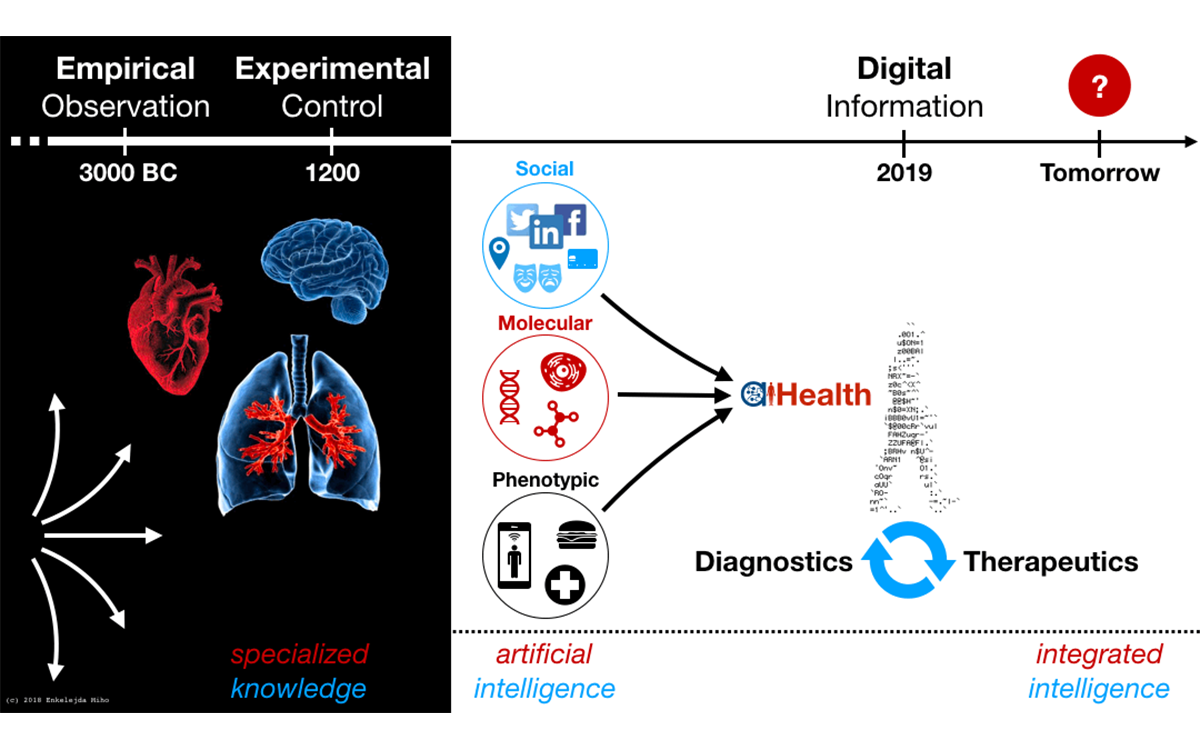
Prof. Enkelejda Miho is a Professor of Digital Life Sciences at the School of Life Sciences, FHNW, leading the aiHealthLab. Her work bridges computer science/AI with life sciences, focusing on drug discovery, personalized medicine, and immunology. She holds roles as Team Leader at aiHealthLab and Group Leader at the Swiss Bioinformatics Institute. Research Interests : She applies machine learning to analyze immune repertoires, antibody engineering, and autoimmunity diagnostics. Her lab develops computational tools like the RWD-Cockpit for real-world data analysis and synthetic antibody-antigen models (Absolut!) to advance biotherapeutics. Her work on dengue immunity and monoclonal gammopathies highlights translational applications. Key Projects : The aiHealthLab focuses on AI-driven diagnostics and therapeutics. Her contributions include AI frameworks for antibody specificity prediction, age-related immune repertoire changes, and large-scale network analysis of antibody repertoires. Labs/Teams : Leads aiHealthLab and collaborates with the Swiss Bioinformatics Institute, integrating computational and experimental immunology.
Lu Su is an Associate Professor at the School of Electrical and Computer Engineering , Purdue University , with prior appointments at SUNY Buffalo . His research spans Internet of Things , cyber-physical systems , mmWave sensing , and crowd-sourced data validation , focusing on quality-of-information aware distributed sensing and security in autonomous systems . Ph.D. in Computer Science (2013) and M.S. in Statistics (2012) from University of Illinois at Urbana-Champaign M.E. and B.E. from Harbin Institute of Technology Research Interests: IoT , cyber-physical systems , crowd sensing , security and privacy , and machine learning for sensor networks. His work addresses quality-aware information integration , adversarial attacks in autonomous vehicles , and privacy-preserving crowd-sourced systems . Recent publications focus on mmWave-based sensing (e.g., 3D pose reconstruction), federated learning (driver monitoring), and data poisoning attacks in crowd-sourced systems. His research also extends to traffic optimization and human activity recognition using wireless networks. Professional Roles: Workshop Chair (INFOCOM 2023, 2022) TPC Vice Chair (INFOCOM 2021) Program Committee Member for top conferences Editorial Board, ACM Transactions on Sensor Networks Teaching: Courses on Embedded Systems , Internet of Things , and Network Concepts at both undergraduate and graduate levels.
Wei Pang is a Professor of Computer Science and Bicentennial Research Leader at the School of Mathematical and Computer Sciences, Heriot-Watt University, Edinburgh. He leads the BCML Lab and is affiliated with the Edinburgh Centre for Robotics and National Robotarium. His expertise spans bio-inspired computing, machine learning, and AI applications in healthcare, robotics, and sustainability. Pang holds a PhD in Computing Science from the University of Aberdeen, with prior roles including Senior Lecturer at the University of Aberdeen and research fellowships in systems biology. Affiliations: Heriot-Watt University, Edinburgh Centre for Robotics, National Robotarium Education: PhD in Computing Science (2009), MEng (by research), BSc (Jilin University, China) Research Interests: Bio-inspired computing (e.g., artificial immune systems, swarm intelligence), machine learning (deep learning, explainable AI), healthcare applications (medical imaging, disease detection), and interdisciplinary projects in robotics and environmental science. His work addresses challenges in robust AI, fairness, and accountable machine learning. Recent Projects: EPSRC-funded RAIns and MI projects, CRUK-funded Endo.AI, and PRIME project on minority ethnic communities' digital experiences. His research has secured over £10M in grants, including £3.5M institutional funding. Awards: Scottish Crucible Award (2015), ADMA Best Paper Runner-Up (2016), EPSRC PRIME Award (2024) Grants/Advising: Supervised 12 PhD completions; contributed to £10M+ external funding. Labs/Teams: BCML Lab (focusing on bio-inspired AI), collaborations with Oxford, Cambridge, and industrial partners like Weather2 and Data2Text.
Guadalupe Garcia-Tsao is a Professor of Medicine at Yale University's Yale School of Medicine and past Chief of Digestive Diseases at the VA-Connecticut Healthcare System. She is also an Associate Editor of the New England Journal of Medicine and former President of the American Association for the Study of Liver Diseases (AASLD). Her work focuses on the complications of cirrhosis, particularly portal hypertension, variceal hemorrhage, ascites, and spontaneous bacterial peritonitis. She has authored over 200 peer-reviewed publications and co-edited major textbooks in gastroenterology and hepatology. Education: M.D. from Universidad Nacional Autónoma de México (1977) Internal Medicine Residency at Instituto Nacional de la Nutrición (1980) Gastroenterology Fellowship at Instituto Nacional de la Nutrición (1982) Hepatology Training at Yale University (1985) Research Interests: Her research emphasizes patient-oriented studies in cirrhosis complications, including portal hypertension management, variceal bleeding prevention, and ascites treatment. She explores innovative approaches like AI-driven diagnostic tools and biomarker discovery for alcohol-associated hepatitis. Her work bridges clinical practice and translational science to improve outcomes for liver disease patients. Awards: EASL International Recognition Award (2014) AASLD Clinician Educator and Mentor Achievement Award (2015) 2023 ALEH Mentor Award Advising & Grants: Dr. Garcia-Tsao mentors junior faculty and trainees, emphasizing clinical and translational research. She leads grants focused on cirrhosis pathophysiology, including studies on AI in liver disease and global cohort analyses for alcohol-associated hepatitis. Notable collaborations include work with the International Club of Ascites and ADQI initiatives. Labs & Teams: She directs the Clinical and Translational Core of the Yale Liver Center and collaborates with the VA-CT Healthcare System on translational projects. Her team investigates liver dysfunction mechanisms and develops novel therapeutic strategies for advanced liver disease.
Jonathan Roberts is a researcher at Bangor University, UK, with a focus on data visualization, visual analytics, and educational technology. His work bridges computer science and creative design, particularly in data art exhibitions and authentic learning. Key research areas: Data Visualization, Visual Analytics, Educational Technology, Digital Art Recent publications explore generative AI in visualization design, multiple-view patterns for time series data, and frameworks for creative learning. His collaborations span institutions like QUT, University of Manchester, and University of Cambridge. Notable awards include VAST 2012 Honorable Mention and VAST 2010 Analytic Process Recognition. He contributes to visualization pedagogy and has co-authored works on haptic interfaces, immersive analytics, and coastal data modeling.
Prof. George Magoulas is a Professor of Computer Science at the University of London's School of Computing and Mathematical Sciences and Director of the Birkbeck Knowledge Lab. He specializes in machine intelligence, machine learning algorithms, and AI system architectures, with applications in healthcare (e.g., neurodegenerative disease diagnosis) and educational technologies. His research has received awards from IEEE, ACM, and others. He holds a PhD in Nonlinear Optimization for Neural Networks and a PGCE in Higher Education. Education: BEng/MEng (Integrated Master's in Systems & Control Engineering), University of Patras, Greece PhD in Nonlinear Optimization for Neural Networks Learning, University of Patras, Greece PGCE in Teaching and Learning (Higher Education) Research & Leadership: He leads the Birkbeck Knowledge Lab, focusing on AI's impact on learning and communication. His work includes designing learning algorithms for psychophysiological data modeling and developing the cloudUPDRS app for Parkinson's disease assessment. He has supervised over 12 PhD students and contributed to 200+ publications. Awards & Recognition: Stanford’s “World’s top 2% of Scientists” (2024) Best Paper Awards at IEEE, ACM, and EUNITE Keynote speaker at major AI and e-learning conferences Honorary membership in the Hellenic Artificial Intelligence Society Administrative Roles: Director of Teaching & Learning Quality (2016–2023) Chair of Postgraduate Programmes Exam Board (2010–2022) Editor-in-Chief, International Journal on Artificial Intelligence Tools Teaching: He teaches courses on Artificial Intelligence, Neural Networks, and Project Management at both undergraduate and postgraduate levels. Labs & Collaborations: He directs the Birkbeck Knowledge Lab and is a member of the Data Science and AI Research Group. His projects include analyzing violent cycles using AI and collaborating on EU-funded initiatives.
David Jones, M.D., Ph.D., holds the A. Bernard Ackerman Professorship of the Culture of Medicine at Harvard Medical School and Harvard’s Faculty of Arts & Sciences. He also serves as a Professor in the Department of Epidemiology at the Harvard T.H. Chan School of Public Health, and an Affiliate of the Department of History (FAS). His academic journey includes an AB in History and Science from Harvard College (1993), a dual PhD in History of Science and MD from Harvard (2001), followed by medical training in pediatrics, psychiatry, and emergency psychiatry. He transitioned from MIT (2005–2011) to Harvard full-time, where he directs the Arts and Humanities Initiative at HMS and received the 2018 Everett Mendelsohn Excellence in Mentoring Award and Harvard College Professor designation (2020). His research focuses on the history of medicine, medical ethics, and the social dimensions of health. Key themes include the historical roots of medical racism, climate change impacts on health, and the integration of humanities into medical education. He has directed initiatives like MIT’s Center for Diversity in Science and Technology and co-led symposia addressing race and science. His recent work analyzes NEJM’s historical complicity in systemic racism, the legacy of eugenics, and climate health curricula. Dr. Jones has published extensively on topics ranging from colonial medicine in India to the ethics of race-based clinical algorithms. Awards include MIT’s MacVicar Faculty Fellow (2009) and the 2010 Donald O’Hara Teaching Prize. His interdisciplinary approach bridges history, public health, and policy, emphasizing historical perspectives to address contemporary challenges like healthcare inequities and environmental crises.
Kerryn Butler-Henderson is an Adjunct Professor in the Department of Health and Biomedical Sciences at RMIT University. Her research focuses on digital health transformation, healthcare informatics, and workforce education. She actively contributes to understanding the integration of artificial intelligence, predictive analytics, and electronic health records (EHR) into healthcare systems. Her work emphasizes improving clinical outcomes through data-driven approaches and addressing challenges in workforce digital literacy. She holds an ORCID identifier (0000-0002-6082-2108) and is open to supervising PhD and Masters students. Research interests include: Learning health systems and AI applications Prediction modeling for musculoskeletal disorders Digital health workforce development Value-based healthcare frameworks Educational innovations in nursing and healthcare Key publications from 2024-2025 explore topics like EHR generalizability, digital health literacy measures, and global digital health workforce roles. Her interdisciplinary collaborations span occupational health, gerontology, and healthcare accounting. Dr. Butler-Henderson is engaged in curriculum development for digital health competencies and has contributed to national surveys on nursing education trends. She maintains strong industry connections through RMIT's Health and Biomedical Sciences research networks.
Randall P. Ellis is a Professor of Economics at Boston University, specializing in Health Economics, Industrial Organization, and Econometrics. His research focuses on healthcare payment systems, insurance design, predictive modeling, and international health economics. He holds a PhD from MIT and has contributed extensively to understanding managed care systems, risk adjustment frameworks, and healthcare policy evaluation. Education: PhD in Economics from Massachusetts Institute of Technology. Research Interests: Ellis’s work spans health care payment reforms, risk selection mechanisms, and the application of machine learning to health economics. He examines issues such as Medicaid managed care, obesity treatment economics, and the impact of anti-corruption programs on healthcare systems. His research emphasizes improving equity and efficiency in healthcare markets, particularly through innovative payment systems and risk adjustment models. Key Contributions: Ellis has developed frameworks for disease surveillance and risk adjustment (e.g., Diagnostic Items Classification System), evaluated payment system performance, and analyzed factors influencing healthcare utilization and costs. His work bridges theoretical economic models with practical policy applications, informing both academic and policy audiences. Grants & Collaborations: While specific grants are not detailed here, his research frequently involves collaborations with institutions like Harvard and MIT through the Health Economics Seminar. His work often addresses global health challenges, including pandemic financing and healthcare corruption in developing regions. Labs/Teams: Ellis is affiliated with Boston University’s economics department and collaborates with interdisciplinary teams on projects related to health policy and econometric modeling.
Christine ABDALLA MIKHAEIL is an Assistant Professor in the Department of Management of Information Systems at IÉSEG School of Management in France. She holds dual Ph.D. degrees in Business Administration with a focus on Information Technology from the University of Paris Dauphine (France) and Georgia State University (USA), alongside advanced degrees in Business Consulting and Administration from Paris Dauphine. Her research focuses on collective action dynamics in social media, cybersecurity and privacy challenges, artificial intelligence applications, and disinformation propagation. Recent work explores the adoption of privacy-enhancing technologies (PETs), paradoxes in hybrid work visibility, and data adequacy in qualitative IS research. She has published in leading journals such as Information Systems Journal and Information and Organization . Her articles reflect a strong emphasis on understanding socio-technical systems through interdisciplinary lenses, combining behavioral theories with digital technology analysis. No specific awards or grant details are mentioned in her profile. She currently advises no formally listed students.
Marco Tomietto is a Professor at Northumbria University's Nursing Midwifery and Health Department. He also holds a Professorship at the University of Oulu. His expertise spans clinical learning environments, mentorship, newcomer organizational socialization, and VR in healthcare. He earned a PhD in Work and Organizational Psychology from the University of Verona, a Master's in Nursing Science from the University of Udine, and a Nursing degree from the University of Udine. His research focuses on nursing workforce sustainability, vaccine hesitancy, VR applications, and healthcare organizational dynamics. He has published over 80 articles and secured grants like the MONARCH project for veteran healthcare needs analysis. Awards include the 2010 Editor’s Award in Nursing Science and the 2022 Sigma Global Nursing Research Award. Key projects include developing mentoring frameworks, analyzing vaccine hesitancy among nurses, and leveraging VR for clinical training. He advises PhD students on topics like healthcare workforce retention and VR implementation. Education: PhD in Work and Organizational Psychology (2014), MSc Nursing Science (2008), BSc Nursing (2001) Grants: Partnership for Workforce Sustainability, MONARCH, and RAF Families Federation initiatives Labs/Teams: Collaborates with international networks on healthcare policy, public health, and nursing education
Lawrence Kim is an Assistant Professor at the School of Computing Science, Simon Fraser University. His research focuses on Human-Computer Interaction, Tangible User Interfaces, and Human-Robot Interaction, with teaching interests in Physical Computing and Human-Centered Computing. Education: PhD in Mechanical Engineering (Stanford University, 2020), MS in Mechanical Engineering (Stanford, 2015), and BS in Mechanical Engineering (University of Illinois at Urbana-Champaign, 2013). Research interests emphasize tangible interaction design, swarm robotics, and assistive technologies for special needs populations. His work includes developing interfaces like Woogu for child education and DiminishAR for cognitive enhancement. He directs the Tangent Lab (https://tangent.cs.sfu.ca/), exploring embodied and robotic interaction. Teaching includes courses such as CMPT 263 (Introduction to Human-Centered Computing) and CMPT 415/416 (Special Research Projects). His recent articles address topics like head posture correction in VR, programmable fidgeting with swarm robots, and stress prediction via mouse movements.