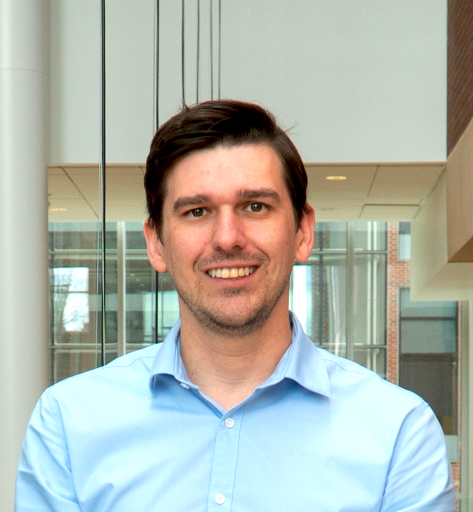
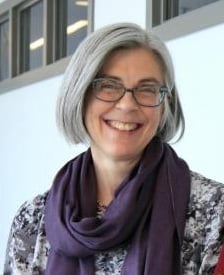
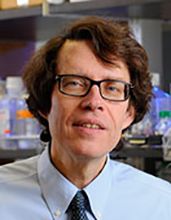
John Iacomini is a Professor at Tufts University School of Medicine , affiliated with the Department of Immunology and cross-appointed in Genetics, Molecular and Cellular Biology, and other biomedical programs. He has taught courses like Intro to Immunology and Advanced Cellular Immunology since 2011. Doctor of Philosophy , Tufts University (1991) Bachelor of Science , Syracuse University (1986) His research focuses on adaptive immune responses , immunological tolerance , and the role of microRNAs in T cell activation and tissue injury responses . Recent work explores how hyperlipidemia and dietary factors influence organ transplant rejection and immune regulation. His publications since 2015 highlight studies on Treg dysfunction , Th17 cell pathogenicity , microRNA-mRNA interactions in nephrotoxicity, and hormonal modulation of T cells. These studies often intersect transplant immunology and metabolic-immune crosstalk . Scientific Awards NIH Grant: Post-transcriptional regulation of gene expression by microRNAs (2021-2026) NIH Grant: Microbial disruption of dendritic cell function (2018-2023) NIH Grant: Hyperlipidemia effects on immune memory (2018-2020) NIH Grant: Diet-induced transplant rejection (2015-2020) American Heart Association Grant: Hyperlipidemia in cardiac rejection (2014) As a mentor, he has advised graduate students like Christopher Benway and contributed to training programs. His laboratory remains active in uncovering mechanisms of immune tolerance , microRNA regulation , and metabolic influences on transplant outcomes .
Ryan M. Pearson is an Associate Professor in the Department of Pharmaceutical Sciences at the University of Maryland School of Pharmacy, where he also serves as Director of the Bio- and Nano-Technology Center. He holds an adjunct appointment in the Department of Molecular Microbiology & Immunology at the University of Maryland School of Medicine. PhD in Biopharmaceutical Sciences, University of Illinois at Chicago Postdoctoral Research, Biomedical Engineering, University of Michigan Dr. Pearson's research lies at the intersection of nanotechnology and immune engineering, focusing on developing nanoparticle-based strategies to treat dysregulated immune responses in conditions such as sepsis, cancer, autoimmunity, and allergy. His lab investigates three primary areas: (1) metabolite-based polymers and nanoparticles for inflammation modulation, (2) protein- and mRNA-delivery systems for antigen-specific immunomodulation, and (3) the role of disease-specific biomolecular coronas in immune responses. His recent publications reveal a strong trend in designing tunable nanoparticles that precisely control immune cell behavior—particularly macrophages, dendritic cells, and B cells—using physicochemical properties and corona engineering. These innovations aim to shift immune responses from pro-inflammatory to tolerogenic states, offering promising translational pathways for chronic inflammatory diseases. American Association of Colleges of Pharmacy New Investigator Award National Institute for Pharmaceutical Technology and Education Rising Star Award Shock Society Faculty Research Award NIGMS Maximizing Investigators’ Research Award (R35 MIRA) Dr. Pearson actively mentors PhD, MS, and postdoctoral researchers and has secured major NIH funding, including an R01 from NIAID for sepsis immunotherapy. He serves on the editorial boards of Pharmaceutical Research and Drug Delivery & Translational Research , and has advised student chapters of AAPS. His lab, the Pearson Lab for Immunomodulatory Biomaterials, fosters a multidisciplinary team integrating immunology, polymer chemistry, and nanobioengineering.
Özcan Met is an Associate Professor at the Department of Experimental & Translational Immunology within DTU Health Technology , Technical University of Denmark. His research focuses on bridging scientific discovery with clinical applications through adoptive cell therapy and gene editing technologies. Translational research T-cell immunology Dendritic cell reprogramming Cancer immunotherapy Gene editing Met's recent work explores functional heterogeneity of effector cells, myeloid cell targeting, and tumor microenvironment modulation. His publications highlight advancements in dendritic cell-based immunotherapy and precision medicine approaches. As main supervisor in the GEAR-T project (2025-2027), he mentors PhD student Madsen, C. Ø. His research has been cited 27 times and featured in 13 news outlets, with 210 Mendeley readers.
Marcelo B. Sztein, MD is a tenured Professor of Pediatrics at the University of Maryland School of Medicine (UMSOM). Since 1989 he has been a key leader within the Center for Vaccine Development (CVD) , serving as Chief of the Cellular Immunology and Flow Cytometry Section, founder of the CVD Immunology Group, and—since 2010— Associate Director for Immunologic Research . He holds secondary appointments in the Departments of Medicine and Microbiology & Immunology and directs the CVD Flow & Mass Cytometry Core that supports campus-wide cutting-edge single-cell analysis. Education & Training High School #4, Nicolás Avellaneda, Argentina — B.S., Biology, 1970 University of Buenos Aires School of Medicine — M.D., 1976 National Research Council, Argentina — Fellow, Immunology, 1976–1979 National Institutes of Health — Visiting Fellow, 1979–1982 George Washington University Medical Center — Research Fellow, Cancer Research Laboratories, 1982–1983 Research Focus Dr. Sztein is an internationally recognized authority on the immunology of infectious diseases , with emphasis on mucosal and systemic immunity elicited by vaccines. His work deciphers human host responses to Salmonella Typhi/Paratyphi, Shigella , ETEC, Plasmodium falciparum , dengue virus, Ebola virus, H. pylori , and influenza. Using controlled human infection models, non-human primates, and novel organotypic intestinal models, his laboratory identifies correlates of protection, dissects multifunctional T-cell subsets (CD4⁺, CD8⁺, MAIT, regulatory T cells), and explores how the gut microbiome modulates vaccine-induced immunity. Current projects under the NIH-funded Cooperative Center for Human Immunology (CCHI) integrate multi-omics , single-cell mass cytometry (CyTOF) , and high-dimensional flow cytometry to accelerate rational vaccine design. Recent Publication Trends Between 2014 and 2016 Dr. Sztein’s group published >25 high-impact papers that collectively advance three major themes: (1) elucidating multifunctional T- and B-cell signatures associated with protection following typhoid and Shigella vaccination; (2) applying controlled human infection models to rigorously benchmark new vaccines; and (3) pioneering 3-D organotypic intestinal cultures and mass cytometry panels to study mucosal responses at single-cell resolution. These studies are shaping the next generation of enteric vaccines for global health. Grants & Funding Leadership Principal Investigator, NIH U19-AI082655 “Mucosal and Systemic Immunity, Vaccines and Microbiota Interplay in Humans” (2014–2019) Principal Investigator, NIH R01-AI036525 “Immune Mechanisms of Protection in S. Typhi Vaccines” (2013–2018) PI Research Project 1, NIH U19-AI109776 “Immunoprophylactic Strategies to Control Emerging Enteric Infections” (2014–2019) PI of Immunology Core, NIH U19-AI110820 “Host, Pathogen, and the Microbiome” (2014–2019) Senior Immunologist, VTEU Contract HHSN2722013000221 (2013–2023) Laboratory PI, HHSN27200012 & HHSN27200010 cytokine/immune-phenotyping service contracts Co-Director of Immunology, T32-AI07524 Training Grant (2013–2018) Laboratory & Core Facilities Dr. Sztein directs the CVD Flow and Mass Cytometry Core , housing state-of-the-art BD LSR-II, Beckman-Coulter Astrios EQ cell sorter, Fluidigm CyTOF 1, and CyTOF Helios instruments. The core supports up to 19-parameter cell sorting and 35-plus-parameter mass cytometry, enabling investigators across UMSOM and collaborating institutions to perform advanced single-cell multi-omics studies under BSL-2/3 containment.
Jonathan Bramson is a Professor and Vice Dean, Research at the Faculty of Health Sciences, McMaster University , holding the John Bienenstock Chair in Molecular Medicine . His work focuses on cell-based therapies for cancer , leveraging genetic engineering, synthetic biology, and chemical biology to enhance anti-tumor activity of white blood cells. Key Research Themes: Cancer immunotherapy, T cell engineering, oncolytic viruses, and tumor immunology. Pioneering Work: Development of TAC (T Cell Antigen Coupler) receptors for targeted cancer therapies, transitioning from lab to clinical trials in Canada and the USA. Scientific Awards: John Bienenstock Chair in Molecular Medicine Collaborative Impact: Co-founded a McMaster biotech start-up advancing immunotherapy for solid cancers. Led clinical trials like CYTOSHRINK for metastatic kidney cancer and explored metabolic modulators (e.g., canagliflozin) to improve radiotherapy outcomes.
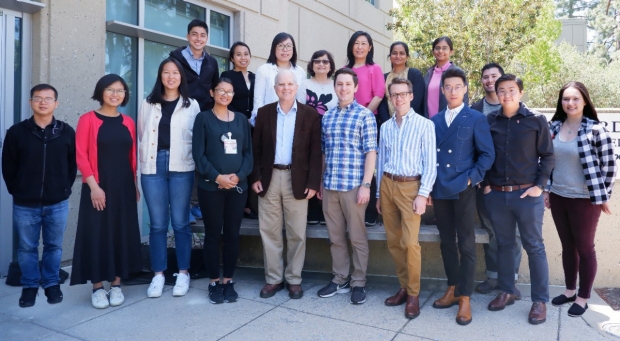
Edgar Engleman is a Professor of Pathology and of Medicine (Immunology and Rheumatology) at Stanford University School of Medicine. He is a leading figure in cellular immunology, with major contributions to cancer immunotherapy, immune tolerance, and myeloid cell biology. He holds key affiliations with the Stanford Cancer Institute, Wu Tsai Neurosciences Institute, Bio-X, and the Maternal & Child Health Research Institute (MCHRI). He serves as Co-Director of Tumor Immunology and Immunotherapy and as Medical Director of the Stanford Blood Center. Professor, Department of Pathology, Stanford University Professor, Department of Medicine (Immunology and Rheumatology), Stanford University Co-Director, Tumor Immunology and Immunotherapy, Stanford Cancer Institute Medical Director, Stanford Blood Center Member, Wu Tsai Neurosciences Institute Member, Bio-X Member, Maternal & Child Health Research Institute (MCHRI) Dr. Engleman’s research focuses on the biology of immune cells, especially dendritic cells, macrophages, and neutrophils, in cancer, autoimmunity, organ transplantation, and metabolic and neurodegenerative diseases. His lab was instrumental in developing Sipuleucel-T (Provenge), the first FDA-approved cell-based cancer immunotherapy. Current work includes reprogramming immunosuppressive myeloid cells, studying lymph node-mediated immune tolerance in metastasis, and targeting novel immune checkpoints. His lab also investigates microglia in neurodegeneration and retinoic acid in colorectal cancer immunity. His recent publications (2022–2025) reveal a strong emphasis on myeloid cell function in tumor immunosuppression, mechanisms of metastasis, and novel therapeutic strategies including neutrophil activation, GPR65 inhibition, and EPO/EPOR blockade. His work integrates advanced technologies such as multiplex imaging, deep sequencing, and machine learning (e.g., CELESTA algorithm) to dissect immune cell interactions and tissue architecture. Notable scientific contributions include: Development of the first FDA-approved cancer vaccine (Provenge) Discovery of lymph node-induced immune tolerance promoting metastasis Identification of novel myeloid immune checkpoints Therapeutic reprogramming of tumor-associated myeloid cells Role of microglia in neurodegeneration and its pharmacological targeting Link between retinoic acid deficiency and impaired anti-tumor immunity in colorectal cancer Dr. Engleman actively mentors numerous graduate students and postdoctoral fellows, advising on doctoral theses and research projects across immunology, cancer biology, and pathology. His lab receives substantial research funding, enabling extensive studies in mouse models and human tissues. He also contributes to education through directed reading and research courses. The Engleman Lab functions as a collaborative Cellular Immunology Lab (CIL), fostering innovation and high-risk research. It utilizes cutting-edge tools including flow cytometry and mass cytometry to map immune responses system-wide. Ongoing efforts aim to translate mechanistic discoveries into clinical applications for cancer, autoimmune disorders, and transplant tolerance.
Dr. Esther Zaal serves as an Assistant Professor at Utrecht University's Faculty of Veterinary Medicine, Department of Biomolecular Health Sciences, specializing in Cell Biology, Metabolism & Cancer. Her research focuses on the intersection of cellular metabolism and disease mechanisms, particularly in cancer and immunological contexts. Her research interests center on cancer metabolism, with particular emphasis on metabolic reprogramming in malignancies such as multiple myeloma. Dr. Zaal investigates how metabolic pathways influence drug resistance mechanisms and tumor progression. Her work spans immunometabolism, examining how metabolic processes regulate immune cell function, particularly T cells and dendritic cells. She also explores metabolic vulnerabilities in cancer that could serve as therapeutic targets, with significant work on nucleotide synthesis, amino acid metabolism, and lipid metabolism in tumor cells. Analysis of Dr. Zaal's recent publications reveals a consistent focus on metabolic adaptations in disease states. Her work demonstrates how metabolic rewiring occurs in cancer cells to resist therapeutic interventions and how similar processes affect immune cell function in inflammatory conditions. The research shows particular strength in metabolomics approaches and stable isotope tracing techniques to map metabolic fluxes in various disease models. Dr. Zaal actively supervises research projects and collaborates extensively with the Berkers laboratory and other research groups at Utrecht University. Her work bridges basic metabolic research with potential clinical applications, particularly in developing strategies to overcome drug resistance in cancer treatment. She maintains laboratory facilities focused on metabolomics and cell biology research, utilizing patient-derived organoids, cell culture models, and advanced mass spectrometry techniques to investigate metabolic pathways in health and disease.
Elizabeth Fixman is an Associate Professor in the Department of Medicine at McGill University's Faculty of Medicine and Health Sciences, and a Scientist at the Research Institute of the McGill University Health Centre (RI-MUHC), Glen site. She leads the Translational Research in Respiratory Diseases Program at the Centre for Translational Biology, conducting research at the Meakins-Christie Laboratories. Education BSc in Chemistry/Biochemistry from Colorado State University (1986) PhD in Pharmacology from Johns Hopkins University (1992) Research Focus Dr. Fixman's research employs murine models to investigate innate and adaptive immune coordination in type 2 inflammation within allergic airways disease. Key areas include: IL-33 and RSV activation of lung innate cells, STAT6 pathways in eosinophils, immunomodulatory peptide development (STAT6-IP), and sex hormone influences on inflammatory responses. Her work bridges immunology, respiratory pathophysiology, and therapeutic innovation. Publication Trends Her recent publications (2013-2024) demonstrate consistent focus on STAT6 signaling pathways, sex-based differences in immune responses, dendritic cell migration mechanisms, and novel peptide therapeutics. Research utilizes murine models to explore neonatal immunity, viral reinfection outcomes, and cellular metabolism in immune regulation, with translational applications for asthma and allergic diseases. Teaching and Laboratory She teaches 'Advanced Topics in Respiration' (EXMD 508) and leads a laboratory at the RI-MUHC Glen site investigating immunological mechanisms in respiratory diseases.
Brent Hanks, MD, PhD is an Associate Professor in the Department of Medicine at the University of North Carolina School of Medicine and a member of the UNC Lineberger Comprehensive Cancer Center. He functions as a laboratory-based physician-scientist with clinical responsibilities managing advanced skin cancer patients and those with upper gastrointestinal malignancies. Dr. Hanks leads the Hanks Lab, which focuses on understanding tumor-mediated immune evasion mechanisms and developing strategies to overcome immunotherapy resistance. His research spans tumor-intrinsic mechanisms of immune evasion, tumor-driven manipulation of dendritic cell functionality, and the role of tumor-mediated innate training in immunotherapy resistance and associated toxicities. His work integrates transgenic mouse tumor models, clinical specimens, and bioinformatic approaches to investigate adaptive immunotherapy resistance, dendritic cell tolerization in the tumor microenvironment, EMT-associated tumor immune evasion, and mechanisms contributing to immunotherapy-associated toxicities. This research program aims to translate fundamental biochemical and metabolic pathway discoveries into early-phase clinical trials. Dr. Hanks' scientific contributions have been recognized with numerous prestigious awards including election to the American Society of Clinical Investigation (ASCI) in 2024, the V Foundation 30th Anniversary Gala Therapy Resistance Award, and multiple Young Investigator Awards from major cancer research organizations. His laboratory team includes research faculty, postdoctoral associates, graduate students, and research technicians working collaboratively to advance cancer immunotherapy. The lab has active recruitment for additional postdoctoral associates and graduate students interested in tumor immunology and immunotherapy research.
Dr. Lionel B. Ivashkiv is a leading academic and physician-scientist, serving as Professor of Medicine and Immunology at Weill Cornell Medicine and holding dual leadership roles as Chief Scientific Officer at Hospital for Special Surgery (HSS) and Director of the David Z. Rosensweig Genomics Research Center at HSS. His research bridges basic science and translational medicine, focusing on cytokine signaling, epigenetic regulation of inflammation, and therapeutic targets for musculoskeletal disorders. Education : MD from Harvard Medical School, Residency at NYU/Bellevue Hospital, Fellowship at Brigham and Women's Hospital Dr. Ivashkiv's laboratory investigates how cytokines like IFN-γ, IFN-α, IL-10, and TNF regulate innate immune and stromal cell functions (macrophages, osteoclasts, synovial fibroblasts). Key themes include: Jak-STAT signaling crosstalk Epigenomic mechanisms in inflammatory gene expression Macrophage reprogramming (priming/tolerance) Autoimmune disease pathogenesis (rheumatoid arthritis, lupus) Translational genomics (RNA-seq, ChIP-seq, ATAC-seq) Precision medicine approaches for individualized therapies His team employs innovative methods combining bacterial artificial chromosomes (BACs) with CRISPR-Cas9 to study human autoimmunity-associated genes like A20/TNFAIP3 . Recent publications highlight discoveries in: Cytokine-driven inflammation in arthritis and implant failure Lipid metabolism regulation in T cells Novel strategies for preventing peri-implant fibrosis Interferon-γ and PGE2-cAMP axis interactions Epigenetic modulation of immune cell phenotypes Mechanosensing in plasmacytoid dendritic cells Scientific honors include election to the Association of American Physicians and American Society for Clinical Investigation , alongside multiple awards from the Arthritis Foundation and NIH . He leads multidisciplinary teams studying clinical challenges such as: Rheumatoid arthritis flares and therapy resistance Orthopedic implant aseptic loosening Total knee replacement complications Spine degeneration and pain
Christian Metallo, PhD, is a Professor at the Salk Institute for Biological Studies, where he leads the Molecular and Cell Biology Laboratory. His research focuses on understanding how metabolic pathways drive diseases such as cancer, diabetes, and neurodegenerative disorders. Metallo employs cutting-edge techniques like stable isotope tracing and mass spectrometry to map metabolic networks and identify therapeutic targets. Education: Bachelor of Science in Chemical Engineering, University of Pennsylvania Master of Science and PhD in Chemical and Biological Engineering, University of Wisconsin-Madison Postdoctoral Fellowship in Biological Sciences, Massachusetts Institute of Technology Research Interests: Metallo’s work investigates how cellular metabolism influences disease progression. Key areas include the role of serine/glycine metabolism in tumors, the metabolic defects linked to macular telangiectasia type 2, and lipid metabolism in obesity and fatty liver disease. His lab also develops tools like Escher-Trace to visualize metabolic flux. Publications: Over 100 peer-reviewed articles, including high-impact studies on metabolic reprogramming in cancer, drug development targeting metabolic vulnerabilities, and the interplay between immunity and metabolism. Recent work highlights metabolic dependencies in pancreatic cancer and the role of itaconate in immune responses. Awards: Recipient of prestigious awards including the Mark Foundation Endeavor Award (2022), AIMBE Fellowship (2021), and Camille & Henry Dreyfus Teacher-Scholar Award (2018). His research is funded by grants from the NIH, NSF, and industry partners. Labs & Teams: The Metallo Lab includes postdoctoral fellows, graduate students, and research scientists from diverse backgrounds in engineering, biochemistry, and immunology. Collaborations span academia and industry, focusing on translational applications of metabolic insights. The lab’s Escher-Trace software is widely used for metabolic pathway visualization.
Richard G. Vile, Ph.D., is a Professor of Immunology at Mayo Clinic in Rochester, Minnesota, with primary appointments as Consultant in the Department of Molecular Medicine and joint appointment in the Department of Immunology. He is also the Richard M. Schulze Family Foundation Professor, an honor awarded in 2008. His research is centered on developing innovative cancer immunotherapies, particularly through oncolytic virotherapy, CAR T-cell therapy, and combination strategies with radiotherapy. Dr. Vile’s research focuses on stimulating antitumor immune responses using murine immune-competent models and syngeneic tumors. His work spans multiple cancer types, including melanoma, prostate cancer, glioma, brain metastases, and hepatocellular carcinoma. A major innovation from his lab is engineering vesicular stomatitis virus (VSV) to express tumor antigen libraries, enhancing immune recognition and destruction of tumors. His recent publications reveal a strong emphasis on enhancing CAR T-cell efficacy, overcoming immune evasion, and combining oncolytic viruses with checkpoint inhibitors. These studies highlight his leadership in advancing immunovirotherapeutic strategies for solid tumors, particularly through genetic engineering of viral vectors and immune cell therapies. The Richard M. Schulze Family Foundation Professor (2008) Dr. Vile has secured substantial research funding from the National Cancer Institute and the National Institute of Allergy and Infectious Diseases, supporting active projects into 2026. He is directly involved in clinical translation, including an ongoing trial for hepatocellular carcinoma using a VSV-based therapy. He mentors a research team and collaborates internationally, particularly with researchers in the UK. His lab is part of the Mayo Clinic Comprehensive Cancer Center and the David F. and Margaret T. Grohne Cancer Immunology and Immunotherapeutics Program.
Pierre Guermonprez is a Researcher at the Pasteur Institute in Paris. His work focuses on dendritic cell biology, tumor immunology, and adaptive immunity, with an emphasis on Cancer immunotherapy Tumor microenvironment manipulation T cell memory development Myeloid cell reprogramming in disease Recent publications highlight his contributions to understanding FLT3L-based dendritic cell therapies Mechanisms of cross-priming in tumors DC subset cooperation for immune activation Neoantigen response modulation His research spans both murine and human models of dendritic cell development. Current advisees include PhD students Louise Gorline , Jérémie Borneres , Aurélie Semervil , Matthieu Rastello , and Nathan Vaudiau , along with Master’s student Bilge Demerci . Team members also include technical staff, postdocs, and administrative personnel.
Violaine Saint-André is a Researcher at the Institut Pasteur's Bioinformatics and Biostatistics Hub, where she leads computational biology research focused on immune response determinants through the Milieu Intérieur project. She holds a PhD in Molecular Biology/Genetics from Université Paris VI and an MSc in Bioinformatics from Université Paris VII. Her research investigates transcriptional regulatory networks, epigenetic mechanisms, and multivariate analysis of immune variability. Key interests include: Gene expression regulation and epigenetic memory of environmental exposures Determinants of human immune response heterogeneity Computational methods for multi-omics data integration Impact of smoking on long-term immune adaptation Her publications demonstrate strong focus on immunology and computational biology, with recent work uncovering smoking's persistent epigenetic effects on immunity and cytokine regulation. Research frequently involves high-dimensional data analysis across tuberculosis, COVID-19, and HIV contexts. She contributes significantly to academic training through courses at Institut Pasteur, Centrale-Supelec, and École Centrale de Nantes, covering ChIP-seq analysis, multivariate statistics, and health applications of AI. Actively participates in conference organization and student evaluation committees.
Ian F. Parney, M.D., Ph.D., is a Professor of Neurosurgery at Mayo Clinic in Rochester, Minnesota, where he also serves as Vice Chair for Research in the Department of Neurologic Surgery and Mayo Clinic Enterprise Chair for Neurosurgery Research. He is affiliated with the Mayo Clinic Alix School of Medicine and holds a joint appointment in the Department of Immunology. His clinical expertise is in malignant brain tumor surgery, including glioblastomas, metastatic tumors, and meningiomas, with advanced techniques such as awake brain surgery, intraoperative MRI, and laser ablation. Dr. Parney earned his BSc and MD from the University of Alberta, followed by a PhD in Experimental Surgery, and completed clinical and research fellowships at the University of California, San Francisco. His research is centered on three themes: improving glioma surgery through advanced imaging and guidance, understanding glioblastoma immunology, and developing effective immunotherapies such as dendritic cell vaccines. His lab uses patient-derived models, humanized mice, and collaborations with the Mayo Clinic Human Cellular Therapy Laboratories for GMP-grade vaccine production. His research publications span neuro-oncology, immunology, and surgical innovation, with a strong translational focus. He actively leads national clinical trials and is deeply involved in education, mentoring students, residents, and fellows. He holds leadership roles in major professional societies, including the American Association of Neurological Surgeons (AANS) and Society for Neuro-Oncology. Listed in Who's Who in America Best Doctors in America Best Doctors in Canada Governor General's Gold Medal for Top PhD Graduate New Investigator Award Multiple research fellowships and bursaries Dr. Parney is actively involved in clinical trials, grant-funded research, and national committees, including the National Cancer Care Network CNS Panel. His lab operates at the intersection of surgery and immunology, aiming to improve outcomes for patients with glioblastoma. He is a member of multiple research groups, including the David F. and Margaret T. Grohne Cancer Immunology and Immunotherapeutics Program.