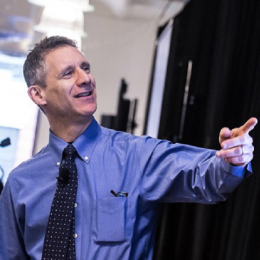
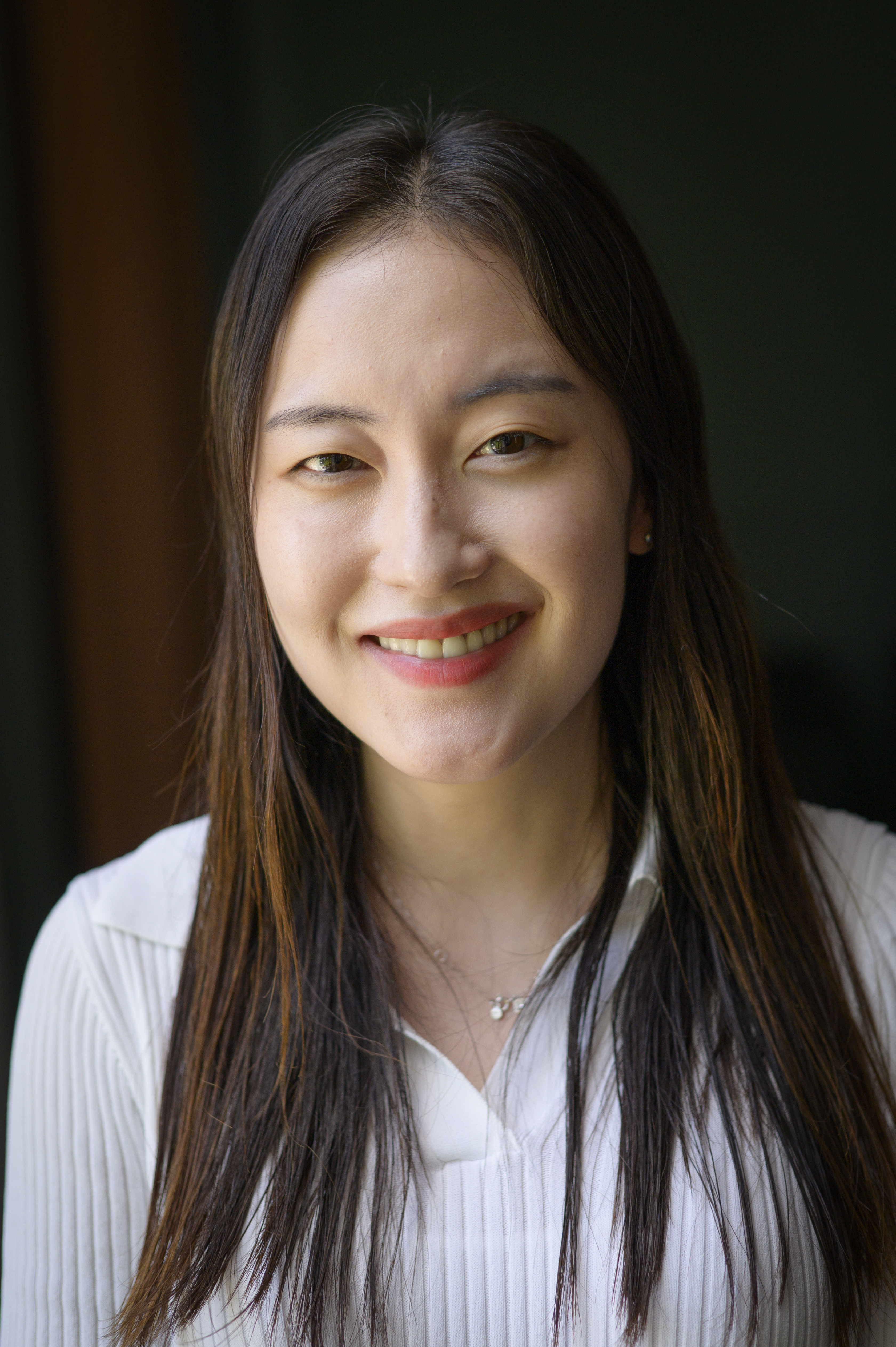
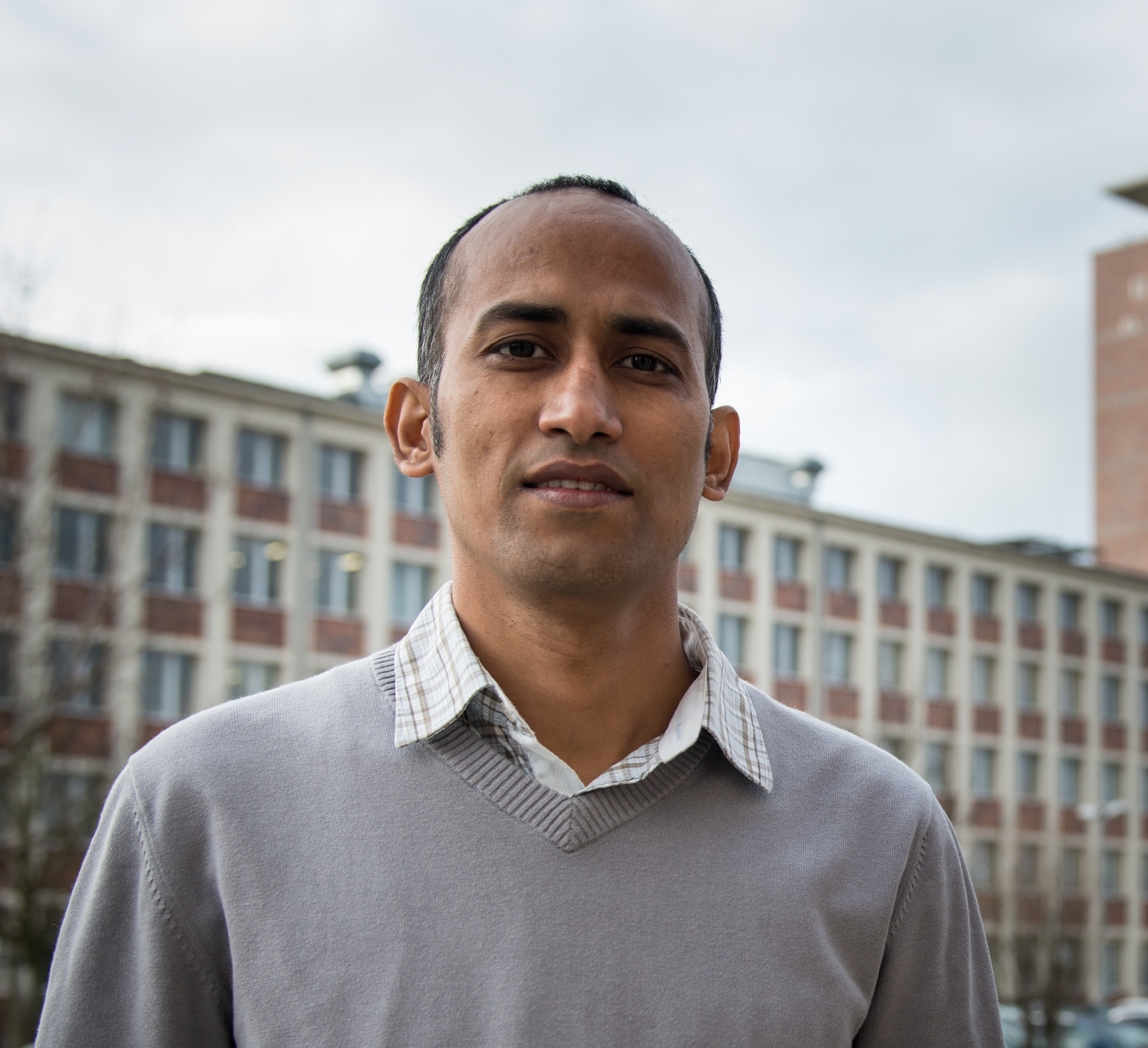
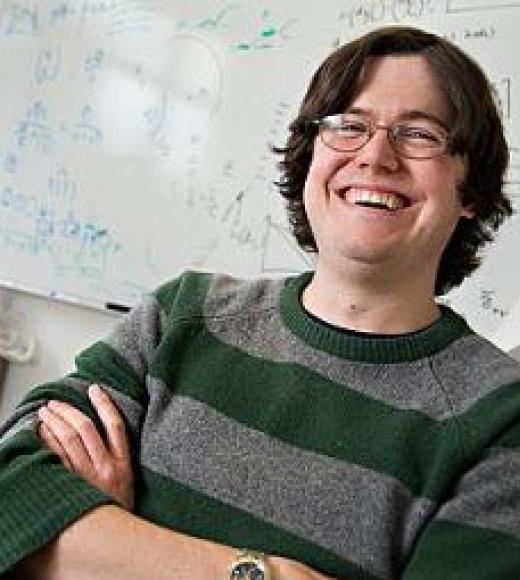
Thomas S. Dee is the Barnett Family Professor at Stanford University’s Graduate School of Education (GSE), a Hoover Senior Fellow at the Hoover Institution, and a Senior Fellow at the Stanford Institute for Economic Policy Research (SIEPR). He also serves as a Research Associate at the National Bureau of Economic Research (NBER) and Faculty Director of the John W. Gardner Center for Youth and Their Communities. His research focuses on quantitative methods to address public policy and educational challenges. Dee holds a Ph.D. in Economics from the University of Maryland and a BA from Swarthmore College. Academic Appointments: Professor at GSE, Hoover Senior Fellow, SIEPR Senior Fellow, Member of Wu Tsai Neurosciences Institute. Administrative Roles: Faculty Director (John W. Gardner Center, 2018–present), former Associate Dean for Faculty Affairs at GSE. Dee’s research interests include education policy, program evaluation, and equity. His work examines topics like AP course diversity, chronic absenteeism, and school reforms. He has received prestigious awards such as the Peter H. Rossi Award (2024) and the Outstanding Public Communication of Education Research Award (2024). Scientific Awards: Outstanding Public Communication of Education Research Award (AERA, 2024) Peter H. Rossi Award (APPAM, 2024) Community Outcomes and Impact Award (2020) Dee has contributed to policy through roles like Co-Editor of Journal of Policy Analysis and Management and editorial board memberships. His work addresses critical issues such as pandemic-driven enrollment declines, mental health crisis responses, and educational equity.
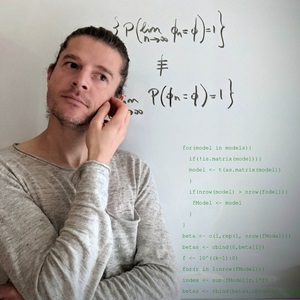
Kazeem Adesina Dauda is a Research Fellow in the Department of Mathematics at the University of Bergen, affiliated with the Stochastic Biology Group—HyperEvol led by Prof. Iain Johnston. His research focuses on Bayesian statistical methods, genomic data analysis, and computational biology, particularly in modeling anti-microbial resistance (AMR) evolution and survival analysis for cancer genomics. He develops mathematical frameworks to predict disease progression pathways using machine learning and clustering techniques. Key research areas include feature selection in high-dimensional data, flexible penalization in Bayesian survival models, and genome reduction dynamics in mitochondria and plastids. His work bridges statistical theory with applications in biomedical and evolutionary biology, emphasizing predictive modeling for AMR and disease outcomes. Publications : Dr. Dauda has contributed to high-impact journals like Molecular Biology and Evolution and PLoS Computational Biology , focusing on AMR evolution modeling, Bayesian survival analysis, and genomic data clustering. Recent work includes HyperTraPS-CT algorithms for pathway inference and prediction. Collaborations : Active in interdisciplinary teams at the University of Bergen and Warwick, collaborating on projects integrating computational tools with evolutionary and medical datasets.
Andrew Gelman is the Higgins Professor of Statistics and Professor of Political Science at Columbia University, where he also serves as director of the Applied Statistics Center. His dual appointments reflect his interdisciplinary approach to research and teaching, bridging statistical methodology with political science applications. Gelman earned his Ph.D. from Harvard University in 1990. His educational background established the foundation for his influential career that combines rigorous statistical methodology with substantive social science inquiry. He has maintained a strong presence in both academic communities throughout his career, contributing to the development of statistical methods while applying them to pressing questions in political science and public policy. Gelman's research spans an exceptionally wide range of topics at the intersection of statistics and social science. His work addresses fundamental questions in voting behavior, electoral systems, and political representation, while simultaneously advancing methodological innovations in Bayesian statistics, multilevel modeling, and data visualization. He has made significant contributions to understanding why it is rational to vote, why campaign polls are variable despite predictable elections, and how redistricting affects democracy. His methodological work spans statistical inference challenges in diverse contexts from toxicology to medical imaging, from arsenic exposure in Bangladesh to radon levels in homes, and from police practices to social network analysis. His development of multilevel regression and poststratification (MRP) has become a standard technique in survey analysis and small-area estimation. Analysis of Gelman's recent publications reveals a continued focus on foundational statistical methodology with applications across multiple domains. His work demonstrates consistent attention to practical implementation challenges in Bayesian computation, causal inference, and survey methodology. A strong theme throughout his recent work is addressing the replication crisis through improved statistical practice, with particular emphasis on model checking, transparent reporting of uncertainty, and the integration of Bayesian methods with machine learning approaches. His research increasingly focuses on the practical implementation challenges of advanced statistical methods in real-world settings. Outstanding Statistical Application award from the American Statistical Association Best article published in the American Political Science Review Council of Presidents of Statistical Societies award for outstanding contributions by a person under the age of forty As director of Columbia's Applied Statistics Center, Gelman oversees a hub for interdisciplinary statistical research and collaboration. He has mentored numerous students and researchers through the Center's activities, fostering a community that applies advanced statistical methods to real-world problems across various domains. His teaching includes graduate courses in quantitative political research and applied regression methods, reflecting his commitment to training the next generation of researchers in robust statistical practice. Gelman has taught courses including Principles of Quantitative Political Research, Quantitative Political Research, and Quantitative Methods II: Applied Regression. Gelman leads research teams focused on developing and applying advanced statistical methods to social science questions. His work often involves collaboration across disciplines, bringing statistical expertise to address substantive questions in political science, public health, and social policy. The Applied Statistics Center under his direction serves as a nexus for methodological innovation and application, connecting statisticians with domain experts to tackle complex data challenges while promoting best practices in statistical analysis and communication.
Erkan O. Buzbas is an Associate Professor in the Department of Mathematics and Statistical Science at the University of Idaho's College of Science. He teaches courses including Stat 427, 501, 514, 535, and 565. His educational background includes a B.S. in Chemistry and M.S. in Environmental Sciences from Bogazici University, followed by an M.S. in Statistics and Ph.D. in Bioinformatics and Computational Biology from the University of Idaho. Dr. Buzbas's research focuses on metascience, reproducibility, computational statistical methods, and Bayesian statistics. He employs stochastic modeling of population-level phenomena and develops inference methods for complex systems. His current work investigates scientific knowledge accumulation, the role of reproducibility, and epistemic diversity using statistical theory and simulations. His publications emphasize reproducibility, population genetics, and Bayesian methodologies, with recurring themes in scientific reform, model robustness, and evolutionary inference. Awards include recognition for interdisciplinary collaborations spanning natural, social, and mathematical sciences. Buzbas mentors students in statistical and computational research and has secured grants for metascience investigations. He collaborates with researchers across disciplines to advance quantitative understanding of scientific processes.
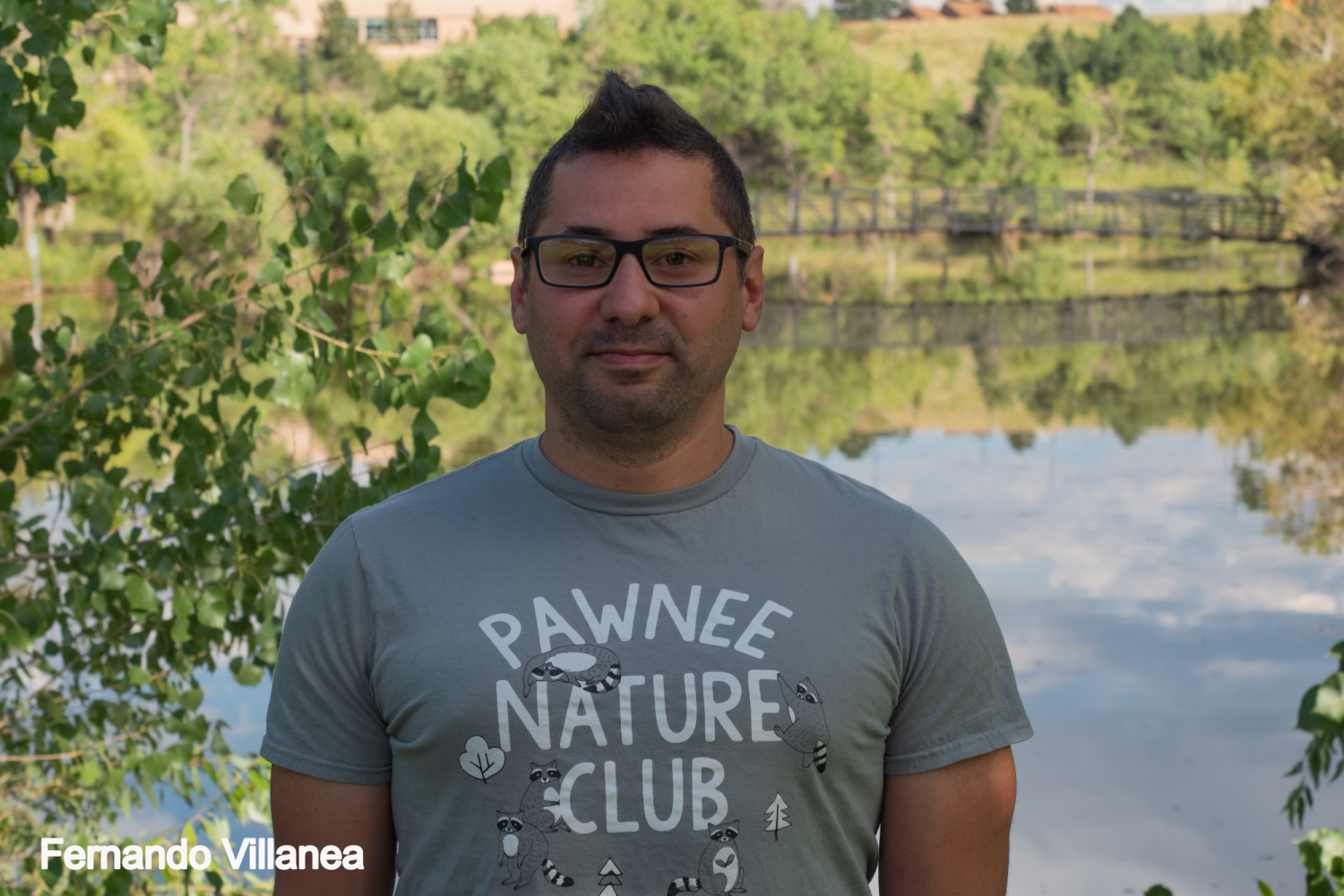
Fernando Villanea is an Assistant Professor at the University of Colorado, specializing in population genetics with a focus on human pre-history. His research investigates Neanderthal-human admixture and the adaptive roles of archaic genetic variants in modern populations, particularly in the Americas. He holds a Ph.D. from Washington State University (2016). Dr. Villanea’s work combines ancient and modern DNA analysis with computational models to explore demographic histories and evolutionary processes. His lab studies archaic introgression impacts on human adaptation, including how Neanderthal and Denisovan genes influenced traits in American populations. He emphasizes ethical research practices, particularly collaboration with Indigenous communities in genomic studies. Key research areas include: (1) genomic methods for tracing archaic admixture, (2) genetic diversity in pre-Hispanic populations, and (3) evolutionary forces shaping human and non-human species (e.g., sweat bees). His 2024 study on MUC19 gene evolution highlights recurrent introgression events, while 2023 work addresses pharmacogenetic implications of archaic variants. Labs/Teams: Fernando Villanea’s Lab at the University of Colorado Grants/Advising: Advises graduate and undergraduate students in Boulder, CO, focusing on population genomics and evolutionary methods.
Nicholas Sard is an Assistant Professor in the Department of Biological Sciences at SUNY Oswego's College of Liberal Arts and Sciences. His work focuses on evolutionary ecology, utilizing genetics-based approaches to address conservation challenges in native species within the Great Lakes basin and other aquatic ecosystems. Research interests include the application of environmental DNA (eDNA) for species detection, population genetics of invasive species like Red Swamp Crayfish, reproductive ecology of fish such as lake sturgeon and Chinook salmon, and the development of genomic tools for conservation. Current students working under his guidance include Sydney Waloven, Caroline Sheldon, Lillian Pavord, Sayuri Pacheco, and Andrew Nearbin, all of whom are engaged in projects involving eDNA assays, genomic resources, and species diversity studies. Dr. Sard collaborates with state and federal agencies, particularly USGS, and contributes to scientific discourse through his lab's work, which is documented on the Sard Lab website and through Google Scholar publications. Contact: nicholas.sard@oswego.edu | Office: 333 Shineman Center, SUNY Oswego.
Jacie Liu is a Researcher at the Research School of Finance, Actuarial Studies & Statistics, Australian National University (ANU). Her work focuses on actuarial science, demography, and financial risk management. She has supervised research students and contributed to interdisciplinary studies involving econometrics, statistical modelling, and insurance applications. Her research interests include mortality forecasting, copula-based dependence modelling, board gender diversity impacts on banking performance, and longevity risk hedging. Recent projects combine machine learning techniques with demographic analysis, such as using manifold learning and neural networks for international life expectancy studies. Publications span peer-reviewed journals like Genus , Scandinavian Actuarial Journal , and Risks , addressing topics from ensemble mortality forecasts to Bayesian vine copulas for data breach losses. Collaborations include international scholars in statistics and actuarial science. Her work highlights methodological innovations in linking extreme value theory with demographic projections and applying vector autoregressive frameworks to mortality data.
Yun S. Song is a full professor at the University of California, Berkeley, holding dual appointments in the Department of Electrical Engineering and Computer Sciences (EECS) and the Department of Statistics. His primary affiliations include the College of Engineering and the Simons Institute for the Theory of Computing. He leads research in computational biology, artificial intelligence, and mathematical genetics, with a focus on developing statistical methods for analyzing genomic data. Education: Dr. Song earned dual bachelor's degrees in Mathematics and Physics from MIT (1996-1997), followed by a PhD in Physics from Stanford University in 2001. Research Interests: Song's work bridges computational methods and biological problems, including population genetics, evolutionary genomics, and statistical inference. He develops machine learning tools for predicting genetic variants' effects, modeling evolutionary processes, and analyzing large-scale genomic datasets. Key areas include: Algorithm design for phylogenetic reconstruction Deep learning applications in genetic data analysis Statistical models for population demography Computational methods in molecular biology Publications Trends: His recent work emphasizes scalable computational methods (e.g., CherryML for phylogenetic inference), transfer learning for disease variant prediction, and genomic analysis of human population diversity. Articles frequently appear in top journals like Nature Methods , Genome Biology , and PLOS Genetics . Scientific Awards: NIH Pathway to Independence Award (2006), Alfred P. Sloan Fellowship (2008), Packard Fellowship (2008), NSF CAREER Award (2009), Miller Professorship (2014), and Chan Zuckerberg Biohub Investigator (2017). Advising & Grants: Song has advised numerous graduate students in computational biology and AI. He has secured grants from NIH, NSF, and the Simons Foundation. Current research focuses include developing statistical frameworks for analyzing high-throughput genomic data and applying deep learning to biological systems. Labs/Teams: He directs research groups at the Center for Computational Biology (CCB) and collaborates with the Simons Institute on theoretical computing projects.
Jane Im is a tenure-track faculty member at CISPA Helmholtz Center for Information Security, part of the Helmholtz Association. She leads the Real-world Interactions and Systems for Change (RISC) Group, where she develops digital systems that give users more agency over their online interpersonal interactions and data, with a particular focus on designing social media and AI systems that center the consent of users who often hold less power than system creators. Her research interests span Human-Computer Interaction, privacy systems, consent frameworks, and social media design, with a strong emphasis on addressing power imbalances in digital environments. Im's work explores how to design systems that respect user agency, particularly for vulnerable populations, and how socio-technical systems can be structured to promote positive social change through consentful interactions. Her publication record shows a consistent focus on privacy, consent, and social computing, with significant contributions to understanding users' privacy preferences, developing consent frameworks for social platforms, and creating tools to help users navigate online interactions with greater agency. Her research bridges technical implementation with deep social understanding of digital interactions. EECS Rising Star Meta Research PhD Fellowship (selected on fourth try) University of Michigan Barbour Scholarship ACM CHI 2021 Honorable Mention ACM WebSci 2020 Best Paper Runner Up Im actively contributes to the academic community through service roles including ACM CHI 2026 Associate Chair and organizing the ACM CHI 2024 panel on improving PhD advising relationships. Her RISC Group at CISPA develops systems that help users exercise agency in digital environments, particularly focusing on consent frameworks for social media interactions and mechanisms to give users more control over their data as AI technologies evolve.
Christian Huber is an Assistant Professor of Biology at the Pennsylvania State University, affiliated with the Eberly College of Science and the Huck Institutes of the Life Sciences. He holds a Ph.D. and M.S. from the University of Vienna and completed postdoctoral training as a DECRA Fellow in Australia and at UCLA. Research Interests: His lab focuses on evolutionary mechanisms shaping genetic diversity, including mutation, recombination, and natural selection. Key areas include ancient DNA analysis, population genetics, and conservation genetics. Current projects involve developing methods for inferring demographic history and genetic adaptation using ancient DNA. Publications: Recent work highlights studies on ancient human migration via genomic footprints, viral evolution simulations (Apollo), and population genetic simulations (stdpopsim). His research bridges genomics, bioinformatics, and evolutionary theory. Awards: He received the Discovery Early Career Researcher Award (DECRA) Fellowship in Australia (2018–2021). Labs & Teams: The Huber Lab at Penn State collaborates on interdisciplinary projects, leveraging tools like GitHub repositories (e.g., ROH_Latin_American_Isolates) for genomic data analysis.
Dr. Rohini Kumar is a Researcher at the Department of Computational Hydrosystems within the Helmholtz Centre for Environmental Research - UFZ in Leipzig, Germany. He has been affiliated with this institution since 2010, focusing on advanced hydrological modeling and climate change impact assessments. Education: PhD from University of Jena (2010), Master of Technology from IIT Kharagpur (2006), Bachelor of Technology from Acharya N.G. Ranga Agricultural University (2004). Collaborations: Involved in international projects like 4DHydro, GRIP-E, XEROS, and GlobeWQ. Works with institutions such as Purdue University and GIZ. Research Focus: Rohini's work centers on multiscale hydrological modeling (e.g., mHM and mQM models) to address water and solute transport, drought/flood prediction, PUB (Prediction in Ungauged Basins), water-food-energy nexus analysis, and climate change scenarios. He also explores machine learning integration for hydrological inference and uncertainty quantification in water resource management. Recent Publications: His publications (2024–2018) emphasize drought and flood modeling, nutrient export dynamics, groundwater response to warming, and climate-demographic interactions. Key projects include Resilient 0-Pollution Wastewater Systems , WatQual-Fish , and MM4Sevan . Projects: Currently leads initiatives such as Resilient 0-Pollution Wastewater Systems (Saxony), WatQual-Fish (CASUS), and MM4Sevan (GIZ). Previously contributed to Global Water Quality (BMBF), XEROS (DFG/GACR), and EDgE (Copernicus C3S).
Laura Swan, PhD, LCSW is a Senior Research Scientist at the Reproductive Equity Action Lab within the Department of Population Health Sciences at the University of Wisconsin School of Medicine and Public Health. She also teaches social work graduate courses at Virginia Commonwealth University, demonstrating her dual commitment to research and education in the field of reproductive health. Dr. Swan's research is fundamentally focused on improving reproductive health equity and increasing access to contraception and abortion, with a specific emphasis on eliminating discrimination and coercion from reproductive healthcare. Her work spans several key areas: Provider beliefs and biases that impact contraceptive and abortion care Structural barriers to reproductive autonomy, particularly for marginalized communities Partner-perpetrated reproductive coercion and its health impacts Racial and ethnic disparities in reproductive healthcare access Her recent publications demonstrate a strong focus on understanding the systemic factors that create disparities in reproductive healthcare. Dr. Swan employs both quantitative and qualitative methodologies to examine how policy, provider attitudes, and social structures intersect to shape reproductive outcomes. Her work particularly emphasizes the experiences of Black communities, LGBTQ+ individuals, and residents of rural regions like Appalachia. As an educator, Dr. Swan teaches across multiple courses in the Virginia Commonwealth University MSW curriculum, including Social Work Practice & Health Care, Human Behavior in the Social Environment, and Foundations of Social Work Research. She is committed to creating a welcoming and successful learning environment that models social work values through her teaching approach. Dr. Swan has been involved in significant research projects including "What Factors Shape Black People's Revealed Abortion Method Preferences?" and studies examining racial/ethnic disparities in access to contraception during the COVID-19 era. Her instrumental role in these projects demonstrates her commitment to addressing critical gaps in reproductive healthcare access and quality.
Graham Coop is a Professor in the Department of Evolution and Ecology at the University of California, Davis. His research focuses on population genetics, evolutionary genetics, and genomics, with particular emphasis on understanding genetic variation, adaptation, and selection dynamics in both human and plant systems. His work spans diverse areas including: Hybridization and speciation processes Human evolutionary history and Neanderthal introgression Polygenic adaptation and selection Genetic privacy and ethical considerations Genomic visualization techniques Coop's recent publications analyze spatial population structure, gene flow dynamics, and the interplay between genetic drift and selection. He develops computational methods for ancestral recombination graphs and demographic inference using long shared haplotypes. His research also explores the limitations of polygenic score predictions and causal interpretations of GWAS studies.
Armando Caballero Rua is a Professor of Genetics at the University of Vigo , affiliated with the Faculty of Biology and the Marine Research Center of the University of Vigo . His work focuses on evolutionary genetics and conservation biology. PhD in Genetics from Universidad Complutense de Madrid (1990) ResearchGate profile showcasing 192 publications and 24,247 reads His research interests include: Evolutionary genetics of inbreeding and genetic diversity Conservation genetics and population viability analysis Quantitative trait modeling using molecular markers Effective population size estimation via linkage disequilibrium methods Recent publications (2023-2025) demonstrate expertise in: Genetic purging mechanisms in Drosophila Population structure effects on Ne estimation Genomic consequences of deleterious mutations Conservation strategies for subdivided populations Software Contributions: Developer of METAPOP and GON for population genetic analysis and conservation management.
Wenying Ji is an Assistant Professor in the Sid and Reva Dewberry Department of Civil, Environmental, and Infrastructure Engineering at George Mason University's Volgenau School of Engineering. His research focuses on the integration of advanced data analytics, complex system simulation, and construction management to enhance decision-support processes in the Architecture, Engineering, and Construction (AEC) industry. Dr. Ji received his PhD in construction engineering and management from the University of Alberta, a master's degree from Texas A&M University, and a bachelor's degree from Southeast University. His research interests span several interconnected domains including construction engineering, infrastructure systems, disaster management, data analytics, and complex system simulation. Dr. Ji has developed innovative approaches that apply Bayesian methods and machine learning to solve critical problems in infrastructure resilience, particularly during and after natural disasters. His work emphasizes the integration of real-time data from social media and other sources to improve infrastructure restoration processes following extreme events. A significant portion of his research focuses on highway systems, flood management, and emergency response planning, with particular attention to equity considerations in infrastructure restoration. Analysis of Dr. Ji's recent publications reveals a clear progression toward increasingly sophisticated integration of data analytics with infrastructure engineering problems. His work shows a strong emphasis on Bayesian methods, machine learning applications, and spatiotemporal analysis for disaster management and infrastructure restoration. The research demonstrates practical applications for improving decision-making in construction management, particularly in contexts of uncertainty and emergency response. Dr. Ji's notable awards include: 2017 Outstanding Reviewer Award from ASCE's Journal of Computing in Civil Engineering 2018 ASCE outstanding reviewer award for ASCE Journal of Construction Engineering and Management Jeffress Trust Awards Program in Interdisciplinary Research (2019) WSC Outstanding Reviewer Award (2019, 16 out of 746 reviewers) Dr. Ji actively mentors PhD students including Yitong Li, Yudi Chen, Minjie Xia, and Yuzheng Xie, with several receiving awards for their research. His research group has secured significant funding, including an NSF grant in 2022 on 'Strengthening American Electricity Infrastructure for an Electric Vehicle Future.' He serves as Assistant Specialty Editor for the ASCE Journal of Construction Engineering and Management and regularly reviews for top journals in his field. Dr. Ji's research team collaborates with multiple institutions and participates in conferences such as the Winter Simulation Conference and ASCE International Conference on Computing in Civil Engineering.